

It’s a terrifying thought: You could be doing everything “right” on the surface. Exercising, taking vitamins, drinking water, but still be secretly hitting the fast-forward button on your body’s aging process.
We tend to think of nutrition mistakes as things that just make us gain weight or feel sluggish. But according to leading longevity experts, the stakes are much higher. Certain dietary habits act like biological rust, slowly eroding your telomeres and statistically shaving a full decade (or more) off your lifespan.
Most of these aren’t obvious “junk food” habits. Many are daily routines you probably think are harmless. But the good news is that biology is forgiving. By identifying and flipping these 14 specific switches, you can stop the accelerated aging and essentially “buy back” those years for your future self.
Put down the fork and listen up, here are the 14 brutal mistakes we need to fix right now.
Mistake #1: A Diet Dominated by Ultra-Processed Foods (UPFs)

This is the most widespread mistake in modern nutrition. We rely too much on ultra-processed foods. These are not just foods with added salt or sugar. They are industrial creations. They are designed to taste amazing and last forever on a shelf. But they lack real nutrition.
These foods are a trap. They are high in calories but low in nutrients. You can be full but structurally starving. Your body gets the energy but not the vitamins or minerals it needs. This leads to a slow breakdown of your health. These foods also contain additives that cause inflammation throughout your body.
Mistake #2: Fueling Cellular Aging with Added Sugar

We need to stop viewing sugar as just “empty calories.” It is actually a pro-aging agent. Excess sugar damages your body at a cellular level. It is not just about weight gain.
Sugar creates oxidative stress. It drives inflammation. On a molecular level, it causes a process called glycation. This happens when sugar binds to proteins in your blood. It forms harmful structures called AGEs.
Experts like Harvard geneticist Dr. David Sinclair are blunt about this. Keeping blood sugar steady is critical. The Blue Zones guidelines recommend a strict cap. You should eat no more than 28 grams (seven teaspoons) of added sugar daily.
Mistake #3: Over-Relying on Red and Processed Meats

You must distinguish between types of meat. Treating them all the same is a critical error. The real danger lies in processed meats. This includes hot dogs, bacon, and deli meats.
These meats undergo smoking, curing, or salting. This adds nitrates and preservatives. These compounds damage your cells. They increase the risk of cancer, specifically colorectal cancer. They also raise your risk of heart disease and diabetes.
Fresh red meat is less dangerous than processed meat. But plant proteins are still the safest bet. Reduce the processed stuff immediately to gain life expectancy.
Mistake #4: Consuming Unhealthy Fats and Avoiding Healthy Ones

The “low-fat” craze of the 90s was a mistake. The error is not eating fat. The error is eating the wrong fat. You need to stop eating inflammatory fats and start eating structural fats.
Avoid trans fats found in packaged snacks. They are toxic. Limit saturated fats from butter and fatty beef. They can hurt your heart.
Embrace unsaturated fats. Find these in olive oil, avocados, and nuts. They protect your body. Compounds in olive oil can even activate anti-aging pathways. Follow the clear rule: keep bad fats low and good fats high.
Mistake #5: Starving Your Microbiome of Essential Fiber
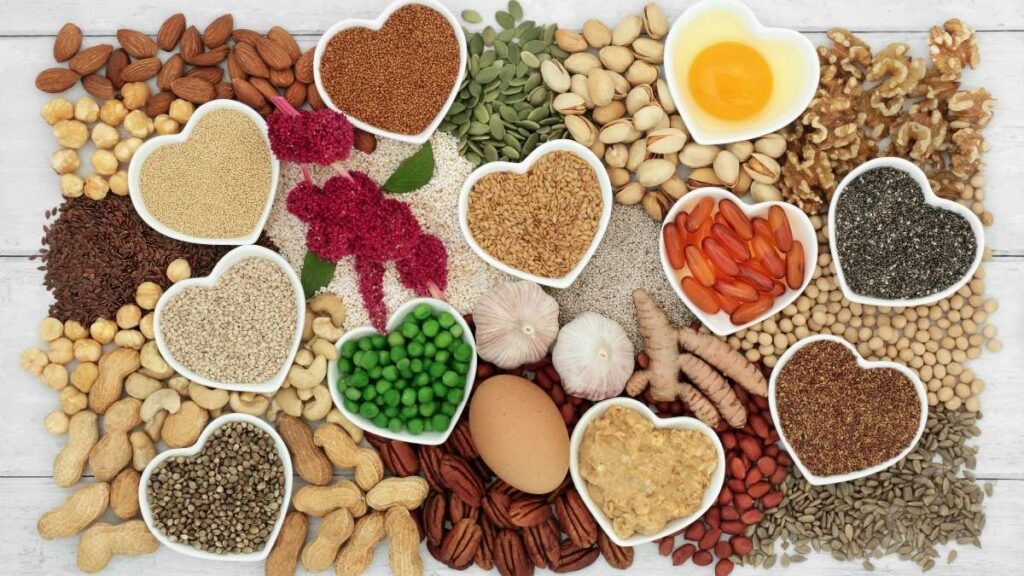
Almost everyone is ignoring fiber. This is a huge mistake. We tend to think fiber is just for digestion. We think it just prevents constipation. That is dead wrong. Fiber is actually fuel. It feeds the massive ecosystem of bacteria in your gut.
Think of this as your “second brain.” When you don’t eat enough fiber, you starve those microbes. This hurts your whole body. It ruins your metabolism. It weakens your immune system. It also causes chronic inflammation.
Mistake #6: Failing to Increase Protein Intake in Later Life

Your body changes as you age. Your diet must change too. Applying the rules of a 30-year-old to a 70-year-old body is dangerous. It leads to muscle loss. This condition is called sarcopenia.
Older muscles become “anabolic resistant.” They are less sensitive to protein. You need a larger dose of protein just to get the same muscle-building effect. The old recommendation of 0.8 grams per kg is not enough. Experts now suggest older adults aim for 1.0 to 1.3 grams per kg of body weight. You need to eat more protein to stay strong.
Mistake #7: Living in a State of Chronic Dehydration

The consequences of staying dry are serious. They hit your whole body. First, your urine gets too concentrated. This leads to painful kidney stones. It also causes frequent urinary tract infections.
For older adults, these infections can actually become deadly sepsis. It gets worse. Dehydration lowers your blood volume. It makes your blood thick and sticky. This forces your heart to work overtime just to keep things moving.
Mistake #8: Neglecting the Foundational Role of Legumes
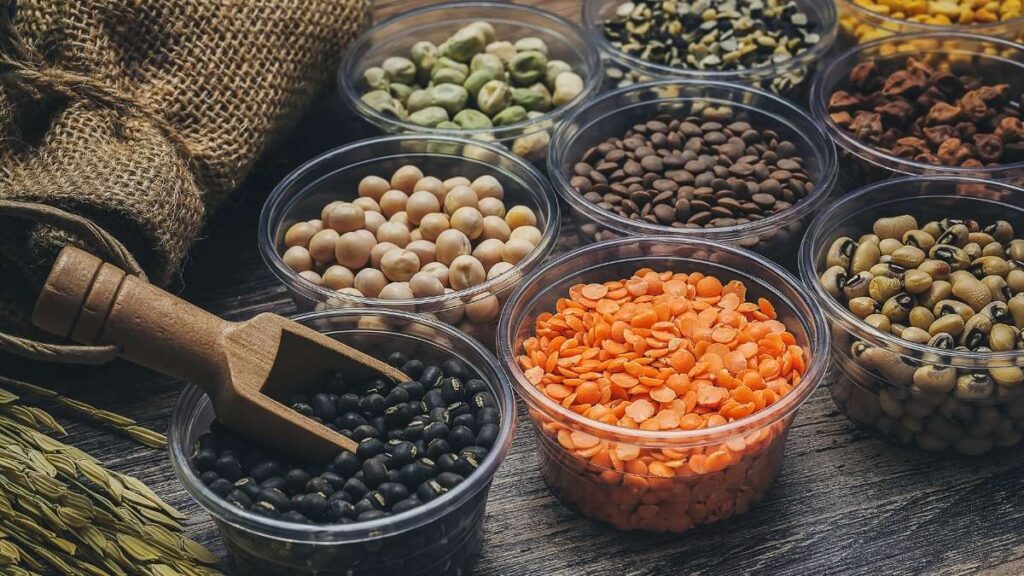
Most diet mistakes involve eating the wrong foods. This mistake is about missing the right one. You need to make legumes a daily habit. Skipping them means ignoring the top habit of the world’s longest-lived people. The proof is undeniable. Beans are the foundation of every longevity diet. Costa Ricans eat black beans.
The Mediterranean diet relies on lentils. The Japanese eat soy. It is the common link. People in the Blue Zones eat four times as many beans as the average American.
The rule is simple. You need a daily dose of beans. Aim for half a cup to a full cup every single day. This is not a suggestion. Research shows that adding legumes is one of the best ways to gain extra years.
Mistake #9: Ignoring Your Body’s Circadian Rhythms (Chronodisruption)

A quintessentially modern nutritional mistake is to believe that what we eat is the only variable that matters, while ignoring when we eat. Consuming the right foods at the wrong time disrupts our ancient metabolic machinery, which is hardwired to our body’s internal 24-hour clocks, or circadian rhythms. This misalignment, known as chronodisruption, is a significant and often overlooked impediment to health and longevity.
Scientific evidence supports the benefits of aligning our eating patterns with our circadian rhythms. Observational studies show that eating for 15 or more hours per day is associated with negative metabolic outcomes.
In contrast, clinical trials on TRE have demonstrated that compressing the daily eating window can induce weight loss, reduce fat mass, and produce beneficial metabolic effects, often even in the absence of intentional calorie restriction.
There is a strong consensus among leading longevity experts on the importance of incorporating a daily fasting period, though their specific protocols vary, reflecting different tactical approaches to the same strategic goal:
Dr. David Sinclair personally practices a rigorous 20:4 TRE schedule, consolidating his food intake into a 4-hour window in the evening. He emphasizes, “It’s not just about the period of eating, it’s the period of not eating that’s so important”.
Dr. Valter Longo advocates for a more moderate and widely accessible approach, recommending a daily 12-hour eating window (and a corresponding 12-hour fast), cautioning that longer daily fasts may increase the risk of gallstones. His protocol also includes periodic, multi-day (e.g., 5-day) Fasting-Mimicking Diets (FMDs) to induce a deeper state of cellular rejuvenation.
Dr. Peter Attia employs a flexible approach to TRE, often skipping breakfast and beginning his eating window around noon, effectively creating a fast of around 16 hours.
Mistake #10: Treating All Calories as Equal (Ignoring Nutrient Density)

“If It Fits Your Macros” is a dangerous philosophy for longevity. A calorie is not just a calorie. You can hit your protein targets with junk food, but your cells will suffer. You must focus on nutrient density.
You need vitamins, minerals, and bioactive plant compounds. If you ignore these, you become “overfed but undernourished.” You have plenty of energy, but you lack the tools to repair cellular damage. Focus on plants that have faced stress. They contain compounds that activate your own defense systems.
Mistake #11: Seeking a “Magic Bullet” Instead of a Sustainable System

A pervasive psychological trap in the world of nutrition is the relentless pursuit of a “magic bullet”—a single extreme diet, a miracle food, or a revolutionary supplement that promises a rapid and effortless transformation.
This approach is not only destined for failure but is antithetical to the core principles of longevity, which are built on consistency, moderation, and sustainability.
The brutal mistake is a failure of strategy: focusing on short-term, restrictive tactics instead of building a robust, long-term system for healthy living.
Longevity experts consistently warn against this mindset and instead emphasize the importance of building sustainable systems. As Alyssa Kwan, a Clinical Dietitian at Stanford Medicine, states, “When we think about longevity, we must consider dietary patterns and changes that will provide long-lasting impact and, most importantly, are sustainable! No one ‘quick fix diet’ will be impactful”.
The consensus advice from these experts focuses on building a supportive ecosystem for healthy choices:
Plan Ahead: The battle for healthy eating is often won or lost at the grocery store. A key strategy is to plan meals and groceries in advance, stocking the house with healthy options and deliberately avoiding the purchase of tempting processed snacks and sugary desserts.
Embrace Gradual Change: Rather than attempting a radical overnight overhaul, the most successful approach involves making small, incremental adjustments that can be integrated into one’s existing lifestyle. As advised by Kristin Kirkpatrick, a nutritionist at the Cleveland Clinic, it is best to focus on “one component at a time”.
Plan for Imperfection: A sustainable system acknowledges human nature. Dr. Frank Hu of Harvard University notes that an occasional unhealthy meal or treat will not derail long-term progress. The key is to anticipate these “bumps in the road” and have a plan for getting back on track without succumbing to discouragement.
Engineer Your Environment: Success is easier when the environment supports it. This includes creating a kitchen environment stocked with healthy staples like frozen vegetables and canned beans, and a social environment where meals are shared with like-minded people who support similar goals.
Mistake #12: Destroying Your “Second Brain”—The Gut Microbiome

Beyond the specific mistake of fiber deficiency lies a broader and more destructive error: a full-frontal assault on the gut microbiome through a dietary pattern that is simultaneously low in nourishing prebiotics (like fiber and polyphenols) and high in microbiome-damaging compounds found in the modern Western diet.
This mistake involves failing to recognize the gut ecosystem as a central processing unit for our health, one that translates our food choices into either pro-longevity or pro-aging signals that affect every system in the body.
The scientific link between gut health and longevity is becoming increasingly clear. A 2025 review in Genome Medicine identified targeting the gut microbiome as a highly promising strategy to prevent and ameliorate a wide range of aging-related disorders.
Studies of centenarians have revealed that their gut microbiomes are often distinct from those of younger, less healthy individuals. Frequently showing a profile that echoes a youthful state, with a higher abundance of beneficial bacteria that produce anti-inflammatory short-chain fatty acids. The clinical implications of an unhealthy gut are significant.
Mistake #13: Following Outdated or Absolutist Advice on Dairy and Eggs
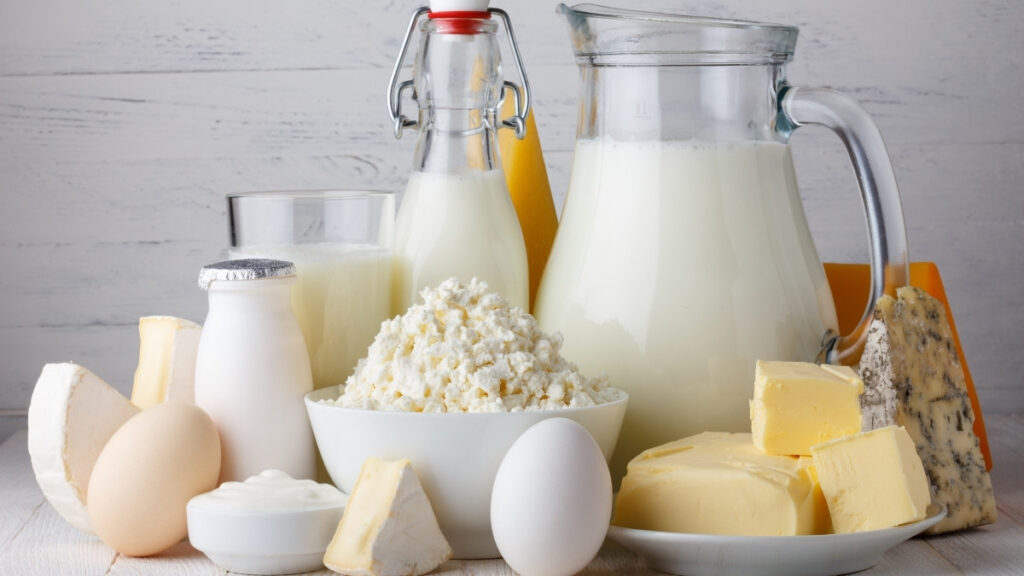
A common nutritional mistake is to view certain foods, particularly dairy and eggs, in absolutist, black-and-white terms as either entirely “good” or “bad.”
This binary thinking ignores the nuances of the scientific evidence and, more importantly, the context provided by the dietary patterns of the world’s longest-lived people. The brutal mistake is not necessarily the consumption of these foods, but the failure to understand their appropriate, and limited, role within a longevity-promoting dietary framework.
The scientific evidence on the direct impact of dairy and eggs on mortality is notably ambiguous. Large-scale observational studies have often found that, unlike processed meats or sugar-sweetened beverages, dairy products and eggs lack a clear and consistent association with all-cause mortality risk.
This absence of a strong, consistent signal of harm has led to confusion and contradicts the absolutist claims made by proponents of various dietary camps.
Dairy: The recommendation is to significantly reduce consumption, particularly of dairy from cow’s milk. If cheese is consumed, it is typically goat’s or sheep’s milk cheese (like feta or pecorino), used in very small, “ice-cube size” portions as a flavor accent on salads or other dishes, not as a main ingredient.
Eggs: The Blue Zones guidelines suggest either eliminating eggs or limiting their intake to no more than three per week. Crucially, when eggs are eaten, they are typically consumed as a small side dish—one egg fried and folded into a tortilla in Nicoya, or boiled in a soup in Okinawa—rather than as the centerpiece of the meal, such as a three-egg omelet.
Mistake #14: Underestimating the Damage of Alcohol and Liquid Sugars

The final brutal mistake is the failure to recognize the unique and potent danger of consuming calories, particularly sugar and alcohol, in liquid form. Liquid calories represent a distinct metabolic threat because they bypass the body’s natural satiety mechanisms and deliver a rapid, concentrated shock to the system that solid foods do not.
The mechanisms of harm are specific to the substance being consumed:
Sugar-Sweetened Beverages (SSBs): This category includes sodas, fruit punches, sweetened teas, and energy drinks. They deliver a massive and unnaturally rapid dose of sugar (typically high-fructose corn syrup or sucrose) directly to the bloodstream.
This causes a dramatic spike in blood glucose and insulin that overwhelms the body’s metabolic capacity. Regular consumption directly drives the development of insulin resistance, promotes the accumulation of fat in the liver, and leads to weight gain.
Alcohol: While often consumed for its psychoactive effects, ethanol is, from a biological perspective, a toxin. It is classified as a potent carcinogen, and chronic consumption has been strongly associated with an increased risk of neurodegenerative conditions like Alzheimer’s disease.
From a strict healthspan and longevity perspective, there is no ambiguity: “drinking alcohol is a net negative for longevity,” as stated by Dr. Peter Attia.
Conclusion: A Unified Theory of Nutritional Longevity
The preceding analysis has deconstructed 14 distinct nutritional errors that have been scientifically shown to shorten lifespan and diminish healthspan. While each mistake carries its own specific risks and mechanisms of harm, they are not isolated phenomena.
They are interconnected symptoms of a broader deviation from the dietary patterns that are aligned with our biology. Synthesizing the evidence and the consensus of longevity experts allows for the formulation of a unified, positive framework for nutritional longevity, built upon four core principles.
1. Prioritize Whole, Plant-Based Foods: This is the single most powerful and consistent principle that emerges from all longevity research. Adopting a diet that is 95-100% based on whole, minimally processed plant foods fruits, vegetables, legumes, whole grains, nuts, and seeds is the most efficient strategy for health.
This single principle automatically helps to correct the majority of the brutal mistakes: it drastically reduces the intake of ultra-processed foods, added sugars, and unhealthy fats; it ensures an abundant intake of fiber; and it provides the micronutrients and polyphenols essential for cellular health.
2. Support and Nourish the Gut Microbiome: A paradigm shift in understanding health is to view the gut microbiome not as a passive bystander but as a central regulator of inflammation, immunity, and metabolism.
A diet designed for longevity is, by definition, a diet that serves the microbiome. This means providing a constant and diverse supply of prebiotic fiber and polyphenols from plant foods while simultaneously avoiding the sugars and artificial ingredients that promote dysbiosis. The health of this “second brain” is a primary determinant of our own.
3. Align Eating with Circadian Biology: The modern habit of constant food availability and late-night eating is a profound stress on our metabolic systems. The evidence is clear that when we eat is nearly as important as what we eat.
Compressing the daily eating window to 12 hours or fewer, and avoiding food intake late in the evening, is a non-negotiable strategy. This daily period of fasting allows the body to switch from a state of growth and storage to one of repair, cleanup, and rejuvenation, activating the innate longevity pathways that are silenced by continuous eating.
4. Tailor Macronutrients to Your Life Stage: Nutritional needs are not static; they evolve across the lifespan. A critical and often-missed adjustment is the need to actively and significantly increase protein intake in later life. To combat the natural onset of anabolic resistance and prevent sarcopenia, older adults must prioritize consuming higher amounts of protein (1.2 g/kg or more), distributed evenly across meals. This is essential for preserving muscle mass, strength, and physical function, which are the absolute bedrock of an independent and healthy old age.
The following table provides a comparative analysis of the dietary protocols of several leading longevity experts, illustrating how these unified principles are applied with different tactical emphases.