
Scientists have discovered something unusual in the digestive systems of individuals who live past 100.
They have a specific bacterium that most younger people lack in sufficient quantities. And in some cases, don’t have at all.
This isn’t about lucky genes. It’s about what’s living inside your intestines right now.
The bacterium is called Akkermansia muciniphila. And research shows it might be one of the biggest reasons some people stay healthy into their second century while others struggle with disease in their 60s and 70s.
You can increase this bacterium starting today. No prescription needed. No expensive supplements required (though those exist now, too).
You just need to know what to eat and how to live. Let me show you exactly how this works.
Akkermansia Muciniphila: The Ancient Longevity Bacterium

Scientists discovered this bacterium in 2004. Professor Willem M. de Vos found it living in the mucus layer of our gut lining.
Most bacteria in your gut float around in the main chamber. Akkermansia does something different. It burrows into the protective mucus coating of your intestinal wall.
And here’s where it gets interesting.
When researchers studied centenarians from Japan, Italy, and China, they found the same pattern. These 100-year-olds had way more Akkermansia than younger people.
A 2021 study published in Nature analyzed 160 Japanese centenarians with an average age of 107 years. The research team from Keio University and MIT’s Broad Institute found that centenarians possessed unique gut bacteria not found in younger populations, with Akkermansia being significantly enriched in their microbiomes.
In a healthy gut, Akkermansia makes up 1-5% of your total bacteria.
But here’s the problem: 25% of people have low levels. And 18% have NO detectable Akkermansia at all.
Think about that. Almost one in five people is missing this bacterium completely.
The good news? Unlike your genes, you can change your gut bacteria. Fast.
Dietary changes can increase Akkermansia levels within days. Not months. Days.
How Akkermansia Muciniphila Bacteria Makes You Live Longer (Found In 100-Year-Olds)
This bacterium doesn’t just sit there. It actively works to keep you healthy and extend your life.
Here are nine ways Akkermansia helps you live longer.
1. Strengthens Your Gut Barrier (The Foundation of Longevity)
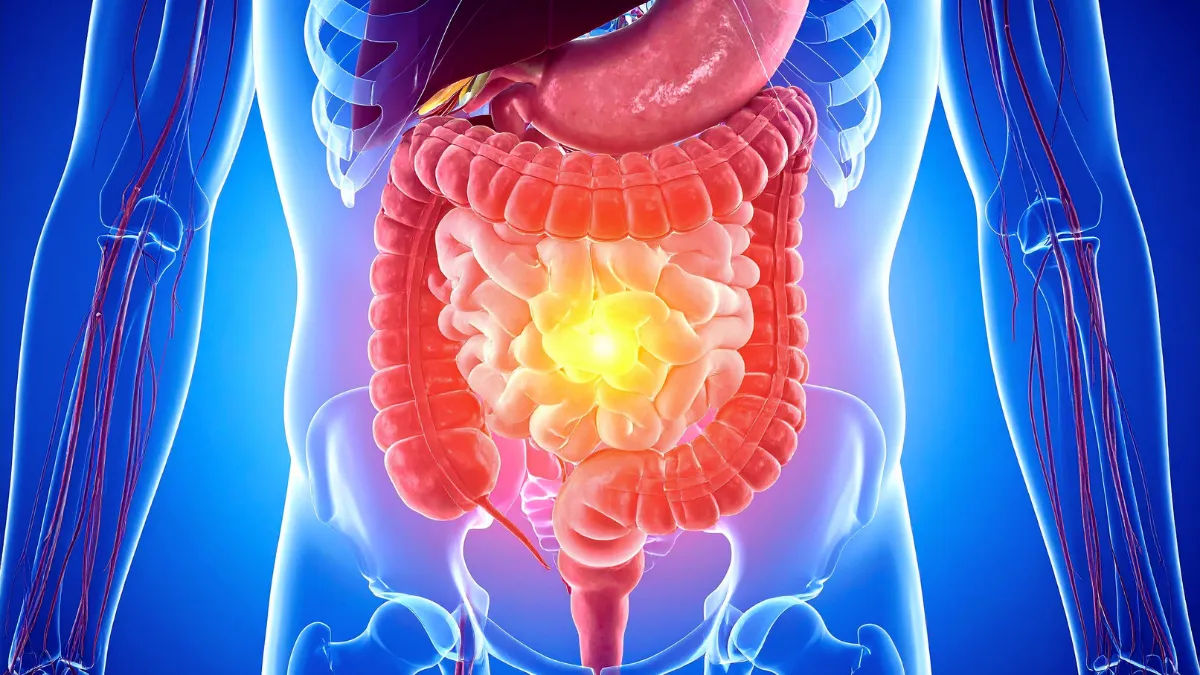
Your gut lining is only one cell thick. That’s it. One thin layer between your bloodstream and everything you eat.
When that barrier breaks down, bad stuff gets through. Bacterial fragments. Toxins. Undigested food particles.
Your immune system sees these invaders and goes crazy. Chronic inflammation starts. And chronic inflammation leads to almost every disease of aging.
Akkermansia feeds on mucin, the protein in your gut mucus. When it eats mucin, your body responds by making MORE mucus.
More mucus means a thicker protective barrier. A thicker barrier means less stuff leaking into your bloodstream.
Mouse studies show that giving elderly mice Akkermansia increases the thickness of their mucus layer significantly. This creates a self-reinforcing cycle.
The more Akkermansia you have, the stronger your gut wall becomes.
2. Produces Powerful Antimicrobial Bile Acids
Centenarians don’t just have more Akkermansia. They have unique molecules in their guts that younger people don’t have.
These molecules are called secondary bile acids. Your liver makes primary bile acids to digest fat. Then, bacteria in your colon modify them into secondary bile acids.
One of these modified bile acids is called isoalloLCA. And it’s incredibly powerful.
Research shows isoalloLCA kills Clostridioides difficile. This is the same drug-resistant bacterium that causes severe diarrhea and kills thousands of people in hospitals every year.
It also kills many other harmful bacteria.
Think of it as a natural antibiotic factory inside your gut. But unlike antibiotics you swallow, these compounds don’t kill your good bacteria. They protect them.
Centenarians produce these antimicrobial bile acids in abundance. And Akkermansia plays a key role in this process.
3. Dramatically Improves Insulin Sensitivity and Blood Sugar Control

Here’s a fact: Centenarians rarely have type 2 diabetes. Even at 100 years old, their blood sugar stays stable.
Higher Akkermansia levels are directly linked to better glucose tolerance and improved insulin sensitivity.
When your cells respond better to insulin, you need less of it. Less insulin means less inflammation. Less fat storage. Less risk of diabetes, heart disease, and Alzheimer’s.
Increasing Akkermansia through diet or supplements improves blood sugar markers within weeks.
Your body processes carbs better. Your energy stays stable. And you avoid the blood sugar roller coaster that ages you from the inside out.
4. Reduces Chronic Inflammation Throughout Your Body

Scientists have a name for the low-grade inflammation that comes with aging: inflammaging.
It’s not the acute inflammation you get from a cut or infection. It’s a constant simmer of inflammatory signals throughout your body.
This chronic inflammation damages your arteries, brain cells, joints, and organs. Slowly. Quietly. Over decades.
Akkermansia fights this in two ways.
First, it strengthens your gut barrier so fewer inflammatory compounds leak into your bloodstream.
Second, it directly reduces inflammatory markers throughout your body.
A study published in Nature Aging showed that elderly mice (72 weeks old, equivalent to 65 human years) supplemented with Akkermansia daily for one month had improved systemic immune status and reduced inflammatory markers. The supplementation also extended their healthy lifespan through upregulation of secondary bile acid levels.
Less inflammation means your immune system can focus on real threats instead of fighting phantom enemies all day.
5. Extends Healthy Lifespan Through Upregulation of Longevity Pathways

Living longer only matters if you’re healthy while doing it.
That’s called healthspan. The number of years you live without chronic disease or disability.
Akkermansia doesn’t just add years. It adds healthy years.
The mice in the study I mentioned didn’t just live longer. They moved better. They showed improved coordination and balance. They acted younger.
Akkermansia triggers specific metabolic pathways that enhance cellular energy production. Your mitochondria (the power plants of your cells) work better.
Better energy at the cellular level means better energy in your daily life.
6. Improves Brain Function, Coordination, and Mental Health

Your gut talks to your brain. All day. Every day.
This is called the gut-brain axis. And Akkermansia seems to improve this communication.
The elderly mice given Akkermansia showed reduced anxiety-like behaviors. They explored more. They moved with better coordination.
In humans, a stronger gut barrier means fewer inflammatory molecules reach your brain. Less neuroinflammation means better cognitive function.
Centenarians stay sharp mentally. Their gut bacteria might be one reason why.
7. Maintains Metabolic Health and Prevents Weight Gain

Centenarians are rarely obese. Even with reduced physical activity, they maintain healthy body weights.
Akkermansia plays a role here, too.
A 2019 clinical trial in humans showed that three months of Akkermansia supplementation improved metabolic markers. People lost fat mass. Their cholesterol improved. Their insulin sensitivity increased.
How does it work?
Akkermansia improves your gut barrier, which reduces something called metabolic endotoxemia. That’s when bacterial fragments leak into your blood and trigger fat storage.
It also helps regulate appetite hormones and satiety signals. You feel satisfied with less food.
And it enhances fat oxidation. Your body gets better at burning stored fat for energy.
8. Supports Diverse Beneficial Bacterial Communities

Akkermansia doesn’t work alone.
Centenarians have incredibly diverse gut bacteria. No single species dominates. Lots of different beneficial bacteria coexist in balance.
This diversity is crucial. It makes your microbiome resilient to stress, antibiotics, and dietary changes.
Akkermansia acts like what ecologists call a “keystone species.” Just like wolves keep ecosystems balanced in Yellowstone, Akkermansia helps maintain balance in your gut.
It produces compounds that feed other good bacteria. It creates an environment where beneficial species thrive and harmful ones can’t take over.
9. Activates Your Body’s Natural Defense Systems
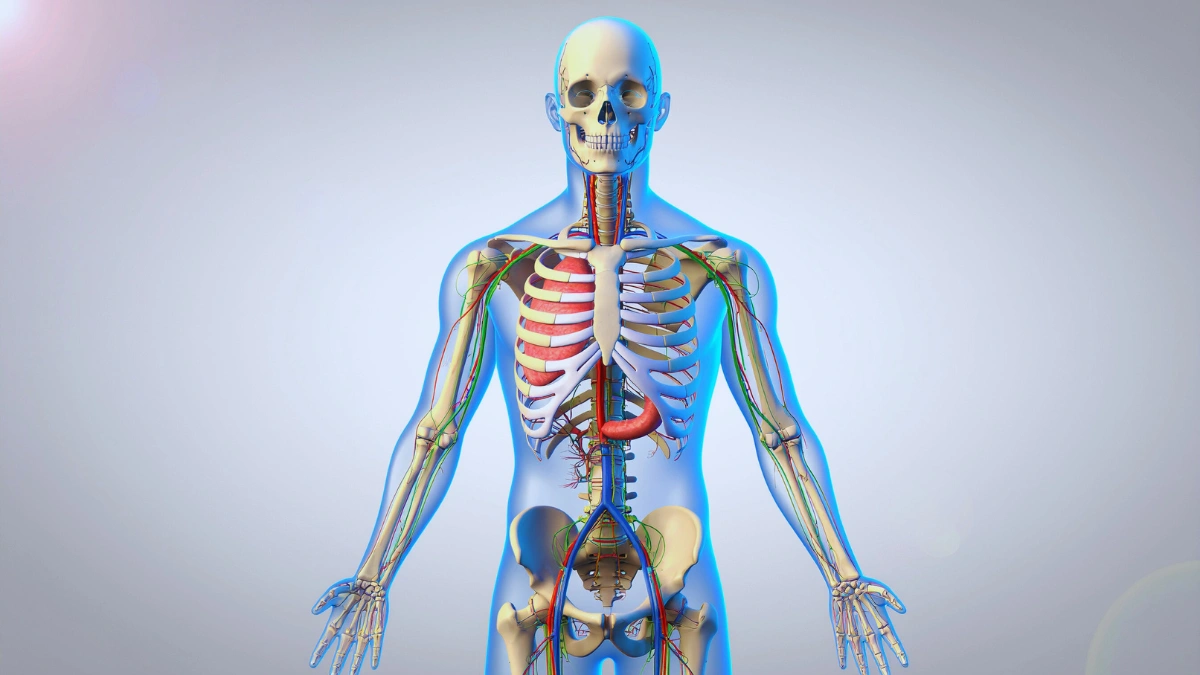
Your gut produces its own antimicrobial peptides. These are small proteins that kill harmful bacteria.
Akkermansia stimulates the production of these natural defenders.
It also enhances immune cell function without causing overactivation. This is a delicate balance.
An underactive immune system leaves you vulnerable to infections. An overactive one attacks your own tissues (autoimmunity).
Centenarians have balanced immune systems. Not too hot. Not too cold. Just right.
Akkermansia helps maintain this immune equilibrium over decades.
How to Increase Akkermansia Muciniphila Naturally
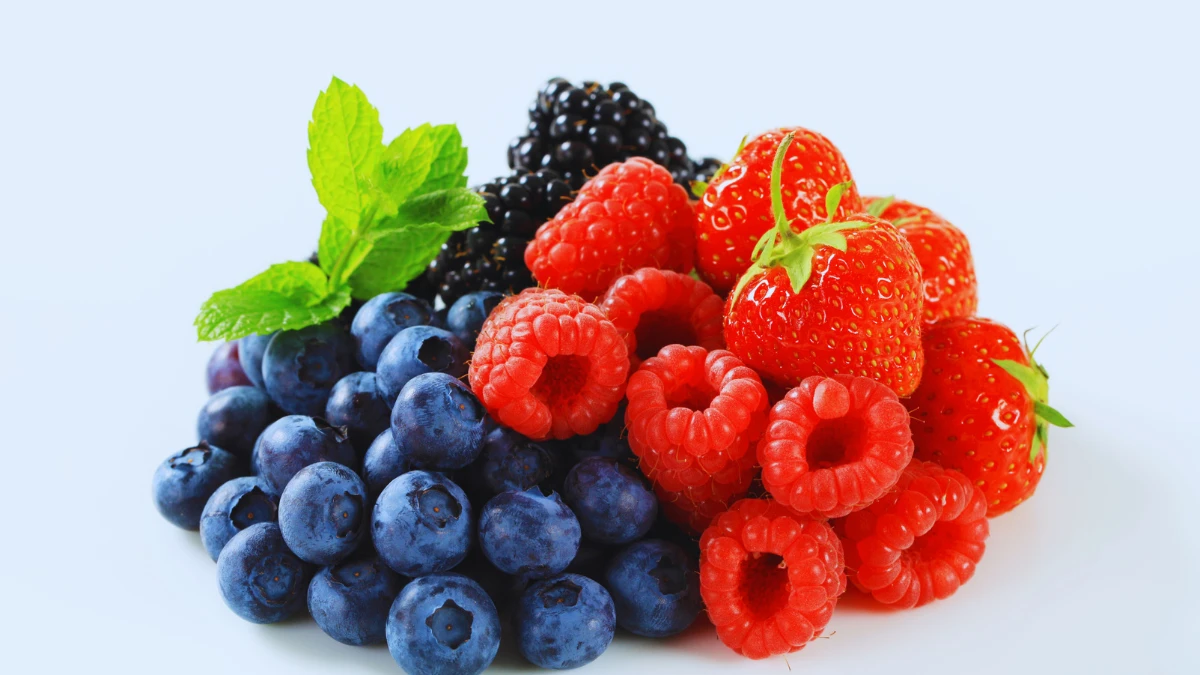
You can’t walk into a grocery store and buy Akkermansia. But you can feed the Akkermansia already living in your gut.
And the foods that increase it are delicious.
Foods That Boost Akkermansia
Polyphenol-Rich Foods (Your Top Priority):
Polyphenols are plant compounds that give foods their color and bitter taste. Akkermansia loves polyphenols.
• Berries: Cranberries, blueberries, blackberries, raspberries, strawberries. Cranberries and grapes contain proanthocyanidins that specifically boost Akkermansia growth.
• Pomegranate: Both the fruit and 100% pomegranate juice work. No added sugar versions only.
• Green tea: Contains EGCG, a powerful catechin. Drink 1-2 cups daily.
• Dark chocolate: 70% cacao or higher. The more bitter, the better.
• Nuts: Walnuts, pecans, almonds. Especially good because they also provide omega-3 fats.
• Olives and olive oil: Extra virgin olive oil contains polyphenols that survive cooking.
Prebiotic Fibers:
One specific type, called fructooligosaccharides (FOS), increases Akkermansia dramatically. Studies in mice showed FOS increased Akkermansia levels by 1,000 times.
• Onions (raw or cooked) • Asparagus • Garlic • Bananas (especially slightly green ones) • Artichokes • Oats
Other Helpful Foods:
• Omega-3 Rich Foods: Fatty fish (salmon, mackerel, sardines), chia seeds, ground flaxseeds, and walnuts. Aim for fatty fish at least twice per week.
• Fermented Foods: Yogurt with live cultures, kefir, sauerkraut, kimchi, and kombucha. These create an environment where Akkermansia thrives.
What to Avoid:
High protein, high fat, low carb diets (like long-term keto or carnivore) can decimate your Akkermansia levels. Also, avoid excessive added sugar, ultra-processed foods, and artificial sweeteners.
Lifestyle Strategies That Boost Akkermansia

Diet is 80% of the equation. But lifestyle matters too.
Intermittent Fasting:
Start with a 12-hour overnight fast. Stop eating at 8 PM. Don’t eat again until 8 AM. Once that feels easy, extend to 14 or 16 hours. 29 days of fasting (17-hour window) significantly increased Akkermansia levels.
Manage Your Stress:
Chronic stress wrecks your gut bacteria. When you’re stressed, your body releases cortisol and other stress hormones. These hormones change the environment in your gut. Bad bacteria thrive. Good bacteria suffer.
Try: • 10 minutes of deep breathing daily • Regular exercise (even just walking) • Journaling • Time in nature • Adequate sleep (7-9 hours)
Spend Time Outside:
Take a 20-minute walk outside every day. It reduces stress and exposes you to environmental microbes that diversify your gut bacteria. Bonus points if you garden. Getting your hands in soil exposes you to beneficial microbes.
Akkermansia Supplements: What’s Available in 2025
For years, you couldn’t buy Akkermansia supplements. It’s an anaerobic bacterium that dies when exposed to oxygen. But that changed.
The Akkermansia Company:
Professor Willem M. de Vos (who discovered Akkermansia) founded a company to make it available. They developed a pasteurized form called Akkermansia muciniphila MucT™.
Pasteurized means it’s heat-treated. The bacteria are dead. But the dead bacteria work better than live ones because they survive stomach acid and reach your colon.
Their product “Healthy Weight” launched in the US in 2024. It contains pasteurized Akkermansia plus EGCG from green tea and chromium. Cost: $59.99 for a 30-day supply on Amazon.
Other Options:
Some companies sell live Akkermansia strains now: • InfiniWell Akkermansia Probiotic • Pendulum products (they use anaerobic manufacturing)
Who Should Be Careful:
If you have inflammatory bowel disease (Crohn’s, ulcerative colitis), Parkinson’s disease, multiple sclerosis, or an active Salmonella infection, talk to your doctor before taking Akkermansia supplements.
Diet First, Supplements Second:
Start with food. The polyphenols and fibers I mentioned will increase your Akkermansia naturally. Give it 4-6 weeks. Most people see changes in that time.
If you want faster results or you’ve tested and confirmed you have low/no Akkermansia, then consider supplements. But don’t use supplements as an excuse to eat poorly. They work best when combined with a gut-healthy diet.