

You’re tired all the time. You’ve gained weight even though you’re eating the same foods. Your brain feels foggy, and you can’t seem to get warm no matter how many layers you put on.
You’ve probably blamed stress, aging, or not getting enough sleep. However, there’s a good chance the real problem is something you’ve never considered: iodine.
A groundbreaking study published in The Lancet Global Health in August 2024 found that over 2/3rd of the world’s population doesn’t get enough iodine from their food. Researchers from Harvard T.H. Chan School of Public Health analyzed data from 185 countries to reach this shocking conclusion.
This isn’t just a problem in poor countries. Even in places like the United States, the United Kingdom, and Australia, people aren’t getting enough of this essential nutrient.
The scary part? Most people have no idea they’re deficient.
What Is Iodine and Why Should You Care?

Iodine is a mineral your body needs to work properly. But here’s the thing: your body can’t make it. You have to get it from food.
Think of iodine as fuel for your thyroid. This small gland in your neck uses iodine to make hormones called T3 and T4. These hormones control almost everything in your body:
- How fast do you burn calories
- How warm do you feel
- How clearly do you think
- How well your heart beats
- How your baby’s brain develops during pregnancy
Without enough iodine, your thyroid can’t make these hormones. Everything slows down. You gain weight. You feel exhausted. Your brain gets foggy.
For pregnant women, the stakes are even higher. Babies need iodine between weeks 14 and 18 of pregnancy for their brains to develop correctly. Without it, they can have learning disabilities that last their whole lives.
The Study That Changed Everything

The Harvard study that revealed the 68% deficiency rate wasn’t a small survey. Researchers examined dietary data from 31 countries and used the Global Dietary Database plus World Bank information to estimate iodine intake across 185 countries.
What made this study different? They looked at what people actually eat, not just whether countries add iodine to salt. This gave them the real picture of dietary intake.
The results were stunning. Besides iodine, they found that:
- 67% of people don’t get enough vitamin E
- 66% lack adequate calcium
- 65% are short on iron
Women had it worse than men for several nutrients, including iodine, vitamin B12, iron, and selenium.
This was the first time anyone had estimated global micronutrient inadequacy using actual food consumption data. The researchers made their findings public so other scientists could study the problem too.
11 Warning Signs Your Body Needs More Iodine
Your body sends signals when it’s running low on iodine. Here are the red flags:
1. You’ve gained weight without changing your diet. When your thyroid slows down from a lack of iodine, your metabolism drops. You burn fewer calories doing the same activities.
2. You’re exhausted all the time. Low thyroid hormones mean less energy for your cells. You feel tired even after sleeping.
3. You’re always cold. Your metabolism produces heat. When it slows down, you feel chilly when others feel fine.
4. Your neck looks swollen. This is called a goiter. Your thyroid grows bigger, trying to capture more iodine from your blood.
5. Your hair is falling out. Thyroid hormones help hair follicles grow. Without enough hair, hair gets thin and breaks easily.
6. Your skin is dry and flaky. Thyroid hormones help your skin cells regenerate. Low levels mean dry, scaly skin.
7. You can’t remember things. Brain fog and memory problems happen when your brain doesn’t get enough thyroid hormone.
8. Your periods are heavy or irregular. Almost 68% of women with low thyroid hormones have irregular cycles. Only 12% of women with healthy thyroids have this problem.
9. You’re having trouble getting pregnant. Low iodine can mess with ovulation and make it harder to conceive.
10. You feel depressed. Low thyroid function affects the chemicals in your brain that control mood.
11. Your heart beats slowly. Thyroid hormones tell your heart how fast to pump. Too little means a slower heartbeat.
If you have three or more of these symptoms, you might be iodine-deficient.
Who’s Most at Risk?

Some people need extra iodine or have a harder time getting enough. You’re at higher risk if you’re:
Pregnant or breastfeeding. You need 220 mcg of iodine daily when pregnant and 290 mcg when nursing. That’s almost double what other adults need. Your baby is using your iodine to build their brain and body. Many prenatal vitamins don’t include iodine, so check your label.
Following a vegan or vegetarian diet. The best iodine sources are seafood, dairy, and eggs. If you avoid these foods, you might not get enough. Plant foods have very little iodine unless they’re grown in iodine-rich soil.
Not using iodized salt. Here’s what most people don’t know: sea salt, Himalayan pink salt, and kosher salt have zero iodine. Only salt labeled “iodized” has it added. Most processed foods use regular salt without iodine, too.
Living in certain parts of the world. Soil in mountainous regions, South Asia, and parts of Europe has less iodine. Foods grown there contain less too.
Avoiding dairy and seafood. If you’re lactose intolerant or allergic to shellfish, you’re missing two major iodine sources. Milk alternatives like almond milk and oat milk usually don’t have iodine added.
The Best Foods to Fix Your Iodine Levels
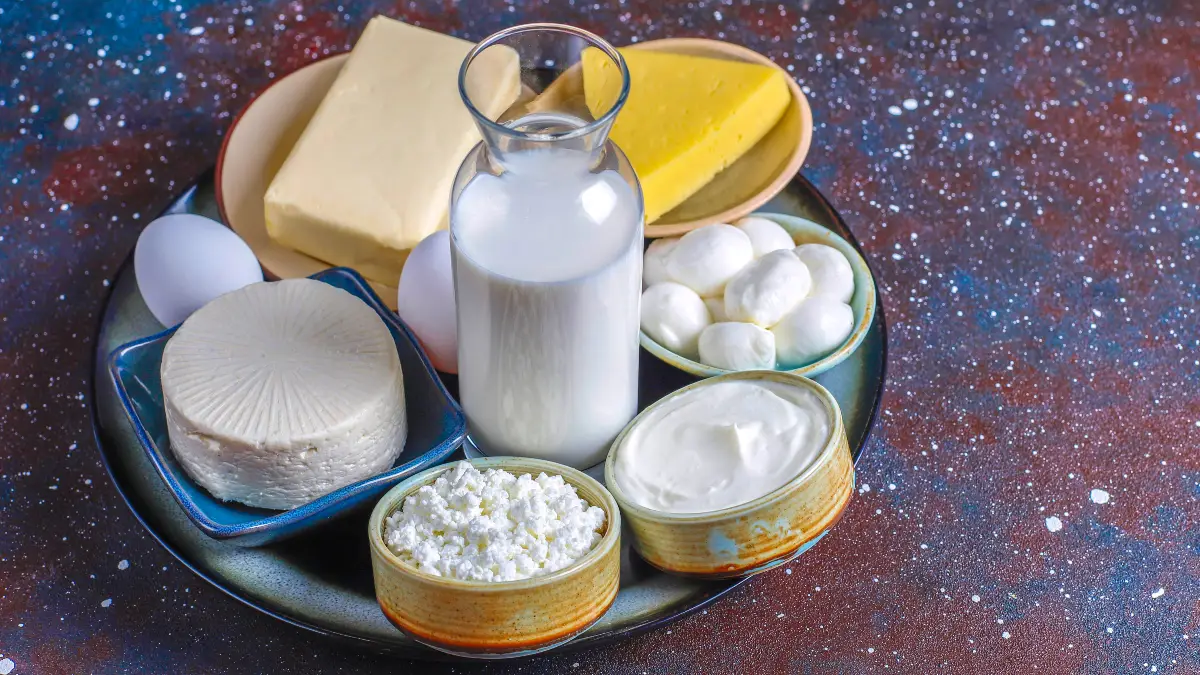
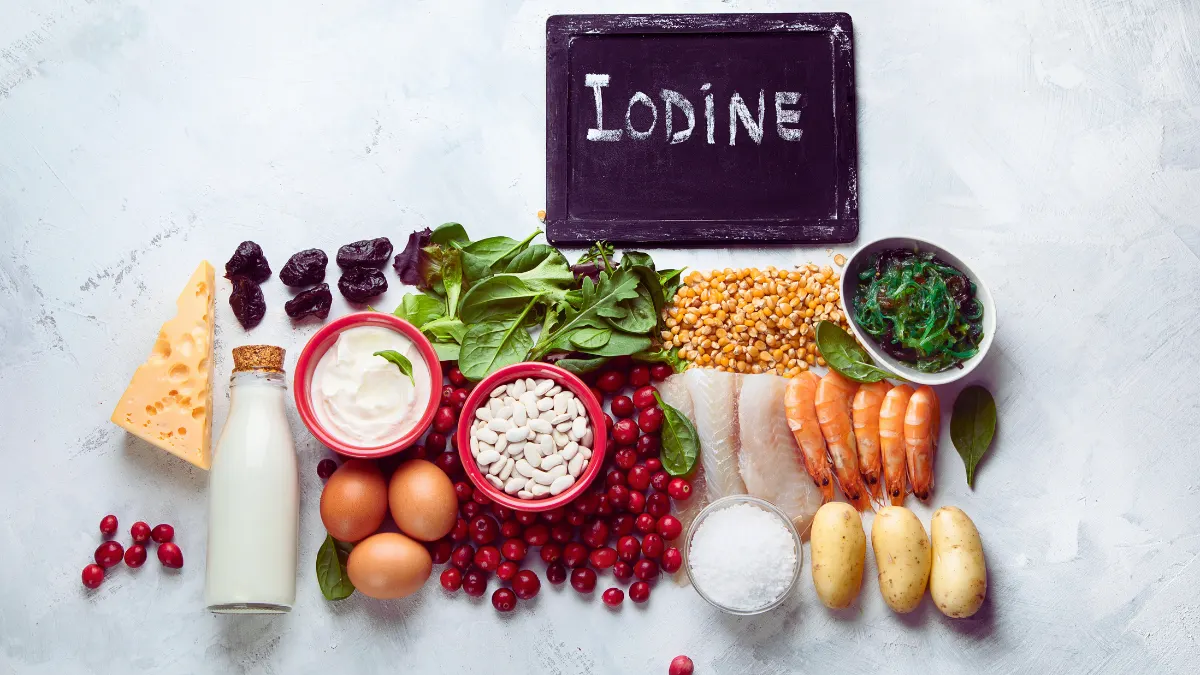
The good news? Getting more iodine is simple once you know which foods to eat.
Seaweed is the iodine champion. One gram of kombu kelp contains 2,984 mcg—nearly 2,000% of what you need daily. But be careful. Too much can harm your thyroid. Eat seaweed no more than once a week.
Cod and other white fish give you everything you need. A 3-ounce serving of cod has 158 mcg of iodine. That’s more than the 150 mcg adults need each day. White fish like cod and haddock have more iodine than fatty fish like salmon.
Dairy products are easy iodine sources. One cup of milk has about 85-100 mcg. A cup of yogurt has similar amounts. Dairy is where many people get most of their iodine in countries like the United States.
Eggs contain a decent amount. One large hard-boiled egg gives you 26 mcg—about 17% of your daily needs.
Iodized salt is the easiest fix. Just 1/4 teaspoon of iodized salt provides 78 mcg of iodine. That’s more than half your daily requirement. Make sure your salt says “iodized” on the label.
Shrimp provides good amounts. Three ounces of shrimp give you 23% of your daily value.
Tuna adds up. Three ounces of canned tuna provides 17 mcg—11% of what you need daily.
Some bread is fortified. Bread made with iodate dough conditioner can have up to 185 mcg per slice. Check the ingredient list.
How Much Iodine Do You Really Need?

Your age and life stage determine how much iodine you need:
- Adults: 150 mcg per day
- Pregnant women: 220 mcg per day
- Breastfeeding women: 290 mcg per day
- Children: Lower amounts depending on age
But here’s the catch: You can get too much iodine. Adults shouldn’t go over 600 mcg daily. Excessive amounts can actually shut down your thyroid or cause inflammation.
To put this in perspective:
- 1/4 teaspoon iodized salt = 78 mcg
- 3 ounces of cod = 158 mcg
- 1 cup of milk = 85-100 mcg
- 1 egg = 26 mcg
Most people can easily hit their daily target by using iodized salt and eating a variety of foods.
How to Test If You’re Deficient
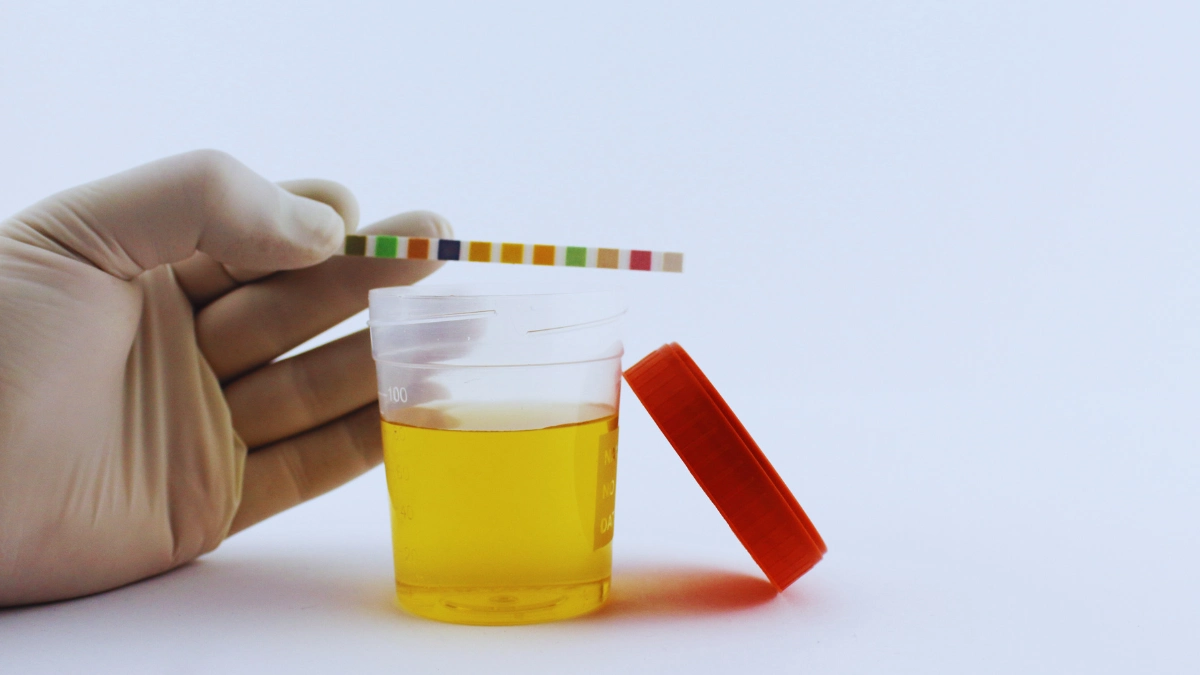
Wondering if you’re in the 68%? You can find out with a simple test.
The urinary iodine test is the gold standard. Your body gets rid of about 90% of the iodine you eat through your pee. This makes urine testing accurate for checking your iodine status.
You can do either a 24-hour collection or a random sample. The random sample is easier and works well for most people.
The World Health Organization says your median urinary iodine should be above 100 mcg per liter (mcg/L) for adequate status. If you’re pregnant, you need 150-249 mcg/L.
Levels under 50 mcg/L mean you’re deficient.
Where to get tested: You can ask your doctor to order a urinary iodine test through labs like Quest Diagnostics or Ulta Lab Tests. Some companies, like ZRT Laboratory, sell at-home dried urine test strips you can use yourself.
You don’t need to fast or do any special preparation. Just know that your results can change from day to day based on what you ate recently.
Thyroid function tests help too. Your doctor can check your TSH, T3, and T4 levels. These show how well your thyroid is working. Low T3 and T4 with high TSH often point to iodine deficiency.
Do You Need an Iodine Supplement?
A second major study published in Nutrients in 2023 looked at iodine supplementation during pregnancy across multiple countries. Researchers found that women who took 150 mcg of iodine daily during pregnancy had better thyroid function and their babies had improved cognitive scores compared to women who didn’t supplement.
Should everyone take iodine pills? Not necessarily.
Most people can get enough iodine by eating the right foods and using iodized salt. Start with your diet first.
You probably need a supplement if you’re:
Pregnant or breastfeeding. Your needs jump to 220-290 mcg daily. Take a prenatal vitamin with at least 150 mcg of iodine. Not all prenatals include it, so read the label carefully.
Vegan or vegetarian. Without dairy, eggs, and seafood, it’s hard to get enough from plants alone. A supplement with 150 mcg makes sense.
Avoiding most food sources. If you can’t eat dairy or seafood because of allergies or preferences, you might need help meeting your needs.
Be careful with kelp supplements. They can contain excessive amounts of iodine—sometimes more than 1,000 mcg per pill. Too much can harm your thyroid just like too little.
If you are deficient, it typically takes 24 weeks of adequate intake to see your levels improve and symptoms get better.
Always talk to your doctor before starting any supplement. They can test your levels and recommend the right dose for you.
Common Myths That Keep People Deficient

Myth 1: “All salt contains iodine.”
Reality: Only salt labeled “iodized” has iodine added. Sea salt, Himalayan pink salt, and kosher salt do not contain significant amounts of iodine. Most restaurants and processed foods use non-iodized salt.
Myth 2: “If I eat healthy, I’m fine.”
Reality: Healthy eating doesn’t guarantee adequate iodine. You can eat lots of vegetables, fruits, and whole grains, but still be deficient if you avoid seafood, dairy, and iodized salt.
Myth 3: “Iodine deficiency only happens in poor countries.”
Reality: The Harvard study showed 2/3rd of the entire world is affected. This includes wealthy nations where people choose trendy salts or follow restrictive diets.
Myth 4: “Sea salt is healthier and has minerals like iodine.”
Reality: Sea salt has trace minerals, but iodine isn’t one of them. The small amounts that exist in seawater don’t make it into sea salt in meaningful quantities.
Myth 5: “I don’t need to worry about this.”
Reality: With two-thirds of people deficient, odds are you should at least check your status—especially if you have symptoms or risk factors.
What to Do Right Now
The 68% statistic should be a wake-up call. This isn’t just about other people in other places. It could be about you.
Start by checking your kitchen. Is your salt iodized? If not, buy some. It costs the same as regular salt and solves the problem for most people.
Look at your weekly meals. Are you eating fish at least once a week? Do you have dairy products? Eggs? If you’re skipping all these foods, you’re probably not getting enough iodine.
If you’re pregnant, planning to get pregnant, or breastfeeding, talk to your doctor today. Check if your prenatal vitamin contains iodine. If it doesn’t, ask about switching brands or adding a supplement.
Consider getting tested if you have three or more deficiency symptoms. A simple urine test will tell you where you stand.
The great news? Iodine deficiency is completely fixable. Unlike some health problems that require expensive treatments or major lifestyle changes, this one has a simple solution: eat the right foods or take an inexpensive supplement.
Your thyroid needs iodine to keep your metabolism running, your brain sharp, and your energy up. Don’t let yourself become part of the 68% who aren’t getting enough. Small changes today can make a big difference in how you feel tomorrow.