
Your body changes at 30. It stops forgiving the all-nighters, the fast food runs, and the skipped workouts.
Most people don’t notice until something goes wrong. A doctor mentions high blood pressure. Blood sugar creeps up. Energy tanks by 2 PM.
Your 30s are when prevention matters most. A study published in the Journal of the American Heart Association found that 80% of heart disease deaths can be prevented with lifestyle changes. The actions you take now determine your health at 50, 60, and beyond.
This guide covers 12 prevention steps that doctors say you can’t skip. These aren’t suggestions. They’re the basics that keep you healthy, active, and out of the doctor’s office.
Let’s start with the tests you need to schedule this month.
1. Check Your Blood Pressure Every Year
High blood pressure has no symptoms. That’s why doctors refer to it as the silent killer.
You could have it right now and feel completely fine. However, it’s damaging your heart, kidneys, and blood vessels while you go about your daily activities.
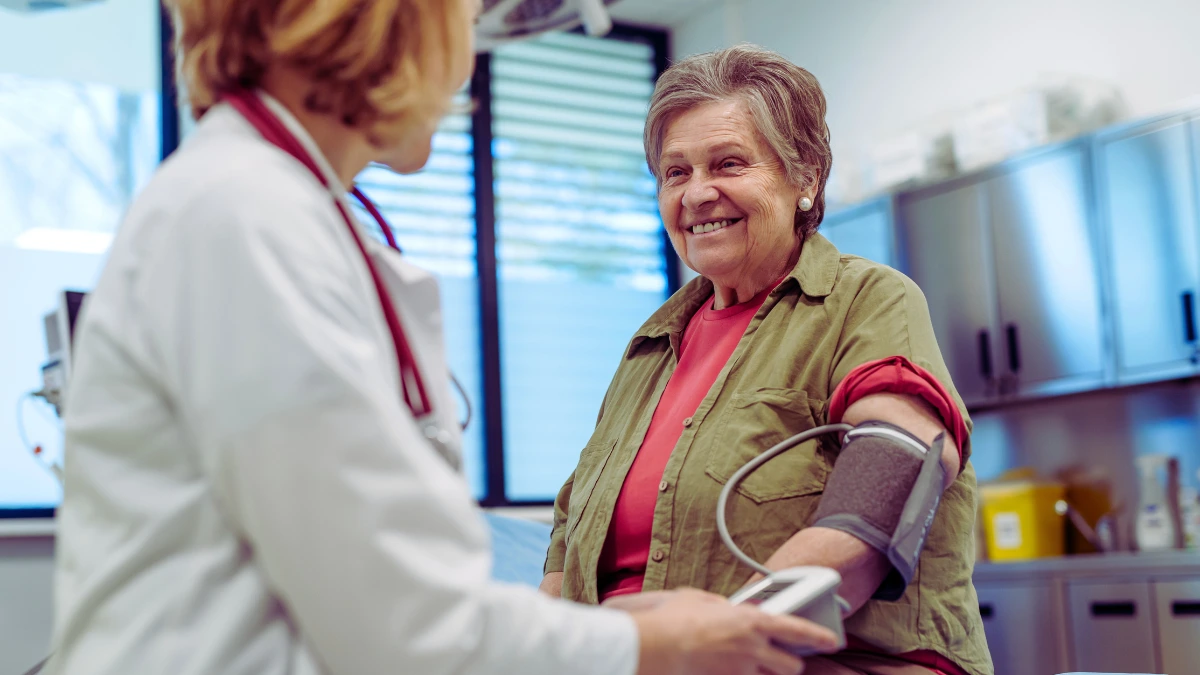
The fix is simple. Get your blood pressure checked at least once a year. If it’s above 120/80, you need to check it more often.
You don’t need a doctor’s appointment. Most pharmacies offer free blood pressure checks. It takes three minutes.
Normal is under 120/80. Between 120-129 is elevated. Anything over 130/80 means you have high blood pressure.
If your number is high, talk to your doctor before it causes real damage. Small changes in diet and exercise can often bring it down without medication.
2. Get Your Cholesterol Tested Every 5 Years
Your cholesterol level predicts your heart attack risk better than almost anything else.
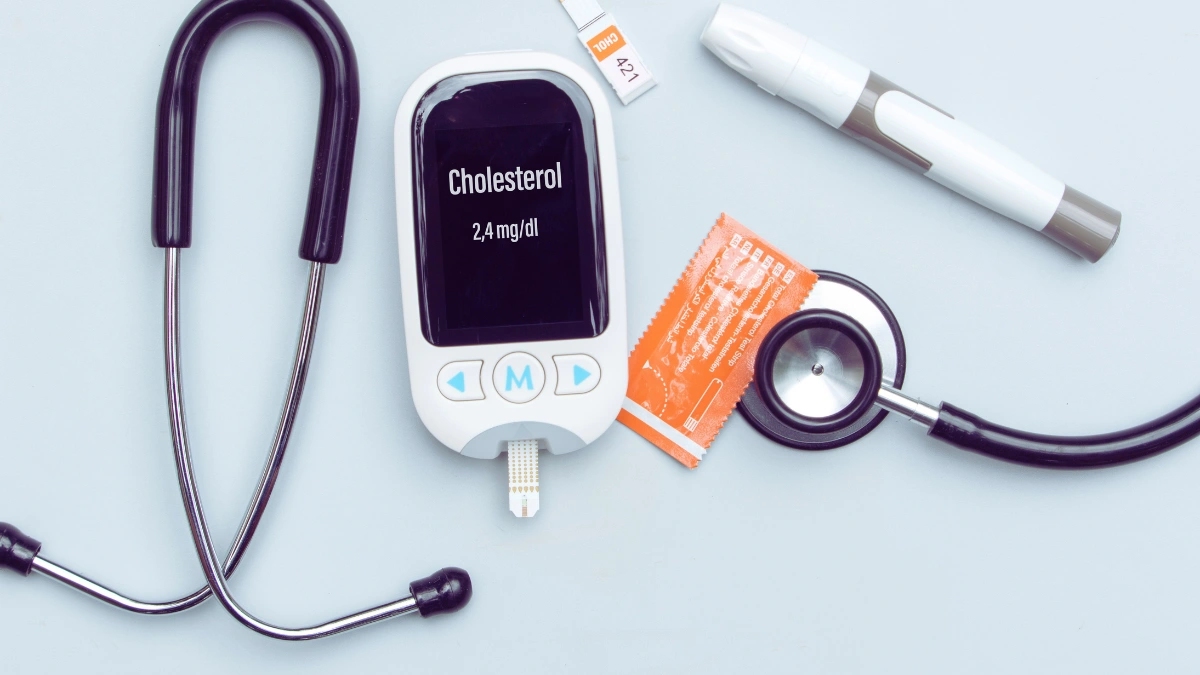
Start testing at 30 if you haven’t already. Get checked every five years if your numbers are normal. More often if they’re high.
Your doctor will measure two types:
- LDL (bad cholesterol) – This clogs your arteries
- HDL (good cholesterol) – This clears out the bad stuff
You want LDL under 100 and HDL above 40 for men or 50 for women.
High cholesterol doesn’t hurt. You won’t feel it. But it’s building up plaque in your arteries right now if it’s elevated.
Exercise raises good cholesterol. Cutting saturated fat lowers bad cholesterol. Both work better than you’d think.
3. Start Cancer Screenings on Schedule
Cancer caught early is often curable. Cancer caught late often isn’t.
Here’s when to start each screening:
Cervical cancer: Get a Pap smear every 3 years from age 21-29. After 30, switch to every 5 years with HPV testing.
Breast cancer: Start mammograms at 40. Get one every 1-2 years based on your doctor’s advice.
Colon cancer: Begin screening at 45. Your doctor will tell you which test to get and how often to repeat it.
Skin cancer: Check your skin monthly for new or changing moles. See a dermatologist yearly if you have risk factors.
A 2023 study tracking over 30 million patients found that preventive screenings dropped during 2020 and still haven’t fully recovered. Don’t be part of that gap.
These screenings save lives. They find problems when treatment actually works.
4. Exercise 150 Minutes Per Week
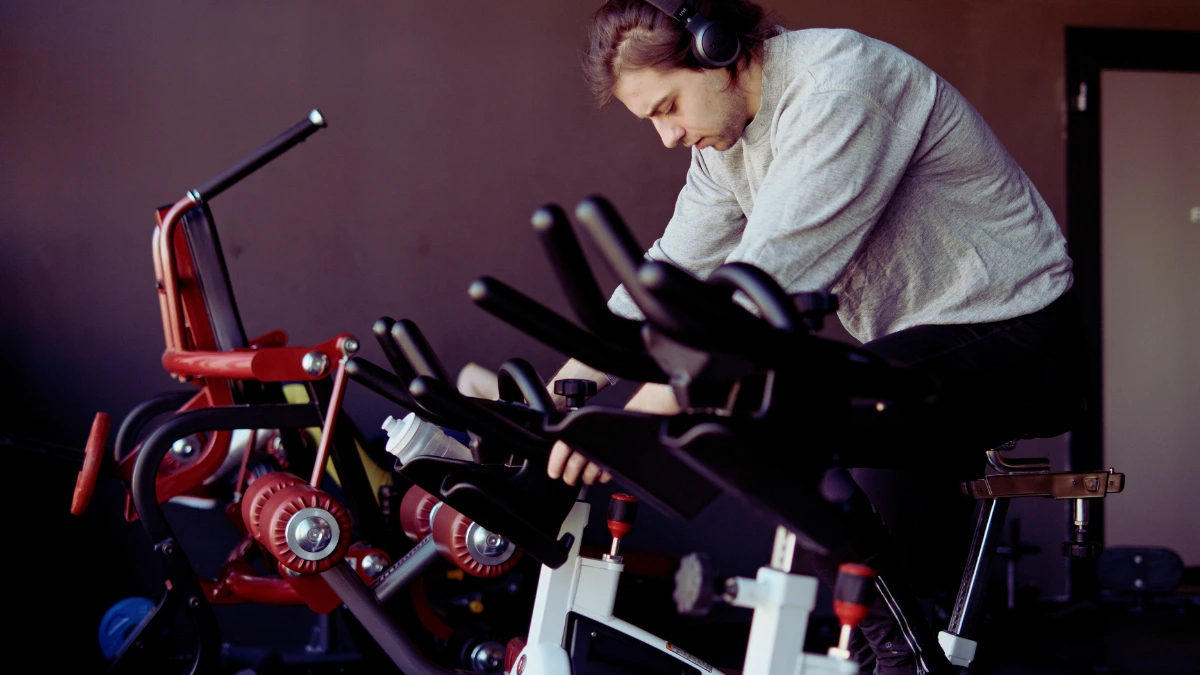
Your body needs movement. Not want. Needs.
Get 150 minutes of moderate exercise each week. That’s 30 minutes, five days a week. Or 75 minutes of hard exercise if you prefer intense workouts.
Moderate means you can talk but not sing. Walking fast counts. So does biking, swimming, or dancing.
Add strength training twice a week. Your muscles start shrinking at 30 without resistance exercise. Lifting weights, using bands, or doing bodyweight exercises all work.
Regular exercise does more than you think:
- Cuts heart disease risk in half
- Improves insulin sensitivity
- Strengthens bones
- Boosts mood and energy
- Helps you sleep better
Even 20 minutes of walking daily makes a difference. Start there if you’ve been inactive.
Your heart gets more efficient with training. Fit people use about 10% fewer heartbeats per day. That’s over 11,000 beats saved every single day.
5. Sleep 7-9 Hours Every Night

Sleep isn’t optional. Your body repairs itself while you sleep. Your brain clears out waste. Your immune system recharges.
Adults need 7-9 hours per night. Not 5. Not 6. Seven to nine.
More than a quarter of adults don’t get enough sleep. They’re more likely to develop:
- Depression and anxiety
- Heart disease
- Diabetes
- Obesity
- Dementia
Go to bed at the same time each night. Wake up at the same time each morning. Yes, even on weekends. Your body craves routine.
Keep your bedroom dark, quiet, and cool. Put your phone in another room. The blue light wrecks your sleep cycle.
If you can’t fall asleep or stay asleep, talk to your doctor about cognitive behavioral therapy for insomnia. It works better than sleeping pills.
6. Monitor Your Blood Sugar
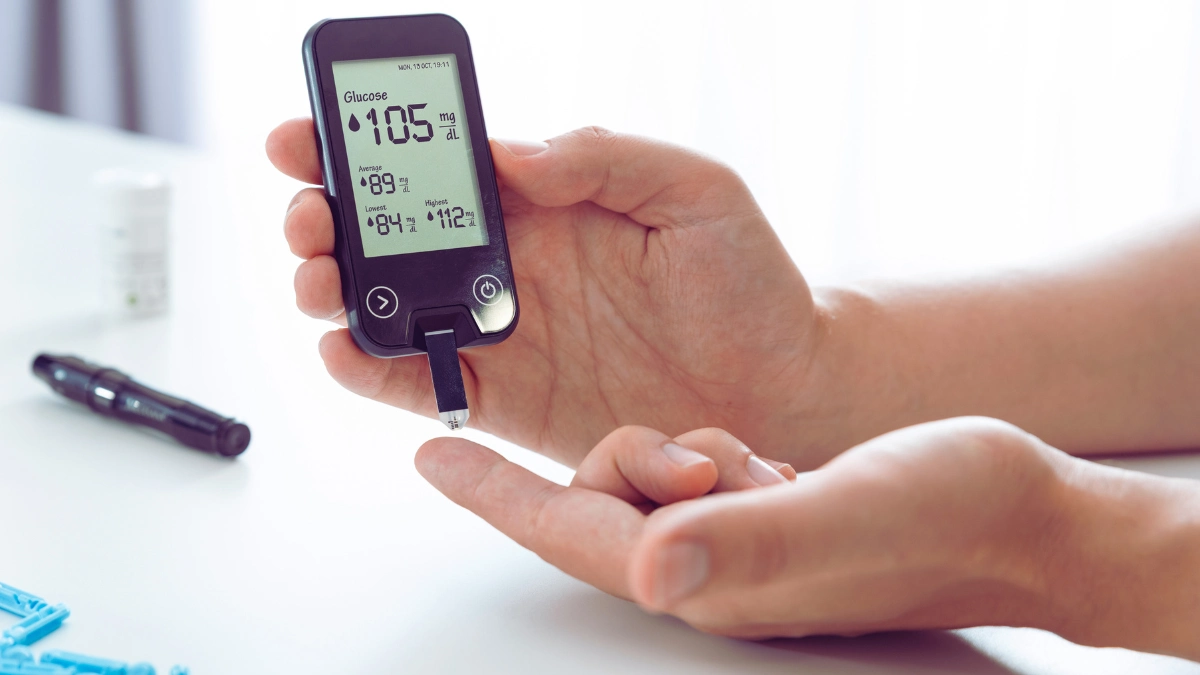
Type 2 diabetes develops slowly. You can have pre-diabetes for years without knowing it.
Get your blood sugar tested if you’re over 35 or if you carry extra weight. Your doctor will check either fasting glucose or hemoglobin A1c.
Normal fasting glucose is under 100. Between 100-125 means pre-diabetes. Over 126 on two separate tests means diabetes.
More than 38 million Americans have diabetes. Up to 95% have Type 2. And it mostly develops after 45.
But here’s the good news: pre-diabetes is reversible. Lose 5-7% of your body weight. Exercise for 30 minutes most days. Those two changes can prevent Type 2 diabetes entirely.
Don’t wait for symptoms. They often don’t appear until the disease has already damaged your body.
7. Learn to Manage Your Stress

Stress isn’t just in your head. It wrecks your physical health, too.
Long-term stress raises cortisol. High cortisol damages your heart, weakens your immune system, and increases inflammation throughout your body.
The CDC now officially recognizes stress management as critical preventive care. That’s new for 2025.
Find what works for you:
- Deep breathing for 5 minutes daily
- Regular exercise
- Meditation or mindfulness apps
- Talking to a therapist
- Time in nature
- Hobbies that absorb your attention
Nearly 1 in 10 emergency room visits are for mental health issues. Most of those could have been prevented with earlier intervention.
If stress is overwhelming your life, see a professional. Therapy isn’t a sign of weakness. It’s preventive maintenance for your brain.
Call 988 if you’re in crisis. It’s the new mental health emergency line.
8. Get Your Vitamin D Levels Up
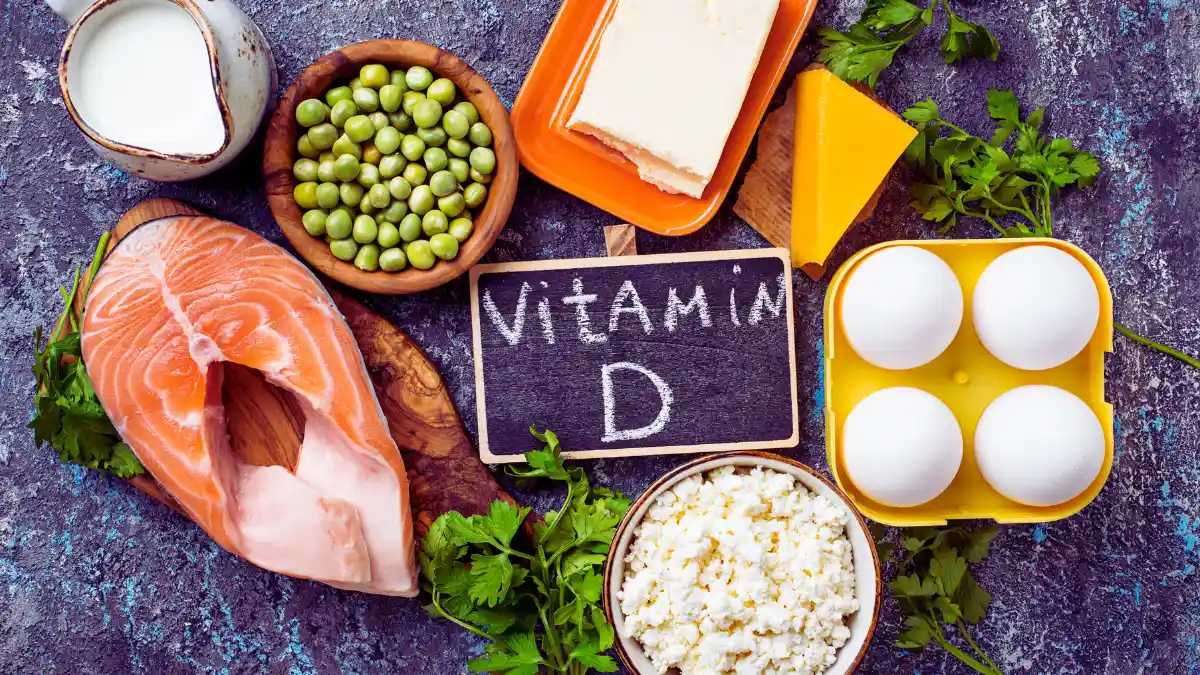
Most people don’t get enough vitamin D. About 25% of Americans have levels that are too low.
Vitamin D does more than build strong bones. It supports your immune system, regulates mood, and may reduce disease risk.
Your body makes vitamin D from sunlight. But you need more than most people get, especially in winter or if you have dark skin.
Get your level tested at your annual checkup. You want it above 30 ng/mL. Below 20 is deficient.
If you’re low, take 2,000 IU daily. That’s the amount research shows can prevent deficiency in most people.
Food sources help, but aren’t enough on their own:
- Fatty fish like salmon
- Egg yolks
- Fortified milk and cereal
Don’t skip this. Low vitamin D increases your risk of bone fractures, infections, and chronic disease.
9. Build Muscle Before You Lose It

You lose muscle mass every year after 30. Unless you do something about it.
Less muscle means slower metabolism. Weaker bones. Higher injury risk. Less independence as you age.
Lift weights at least twice a week. You don’t need a gym. Bodyweight exercises work too. Push-ups, squats, planks, and lunges build real strength.
Muscle does more than look good:
- Burns calories even at rest
- Protects your joints
- Keeps your bones dense
- Maintains balance and coordination
Eat enough protein, too. You need about 0.8 grams per kilogram of body weight daily. That’s roughly 55 grams for a 150-pound person.
Good protein sources include:
- Chicken, fish, and lean beef
- Greek yogurt and cottage cheese
- Beans and lentils
- Eggs
- Nuts and seeds
Start now. It’s much easier to keep muscle than to rebuild it later.
10. Eat for Your Heart

Your diet matters more than any pill.
Fill half your plate with vegetables and fruits. Choose whole grains over white bread and pasta. Eat fish twice a week.
The best foods for your heart:
- Leafy greens and colorful vegetables
- Berries and other fruits
- Nuts, beans, and lentils
- Whole grains like oats and quinoa
- Olive oil
- Fatty fish like salmon
Limit these:
- Red and processed meat
- Sugar-sweetened drinks
- Fried foods
- Foods high in saturated fat
You don’t need a perfect diet. You need a mostly healthy one. Small swaps add up over time.
11. Cut Out Tobacco and Limit Alcohol

Smoking is the leading cause of preventable death in America. It causes one-third of all heart disease deaths.
If you smoke, quit. Period. It’s the single best thing you can do for your health.
Vaping isn’t safe either. It still damages your lungs and heart.
Need help quitting? Ask your doctor about medications and counseling. They work much better than trying alone.
For alcohol, less is better. If you drink, keep it moderate. That means one drink per day for women, two for men.
Heavy drinking damages your liver, raises blood pressure, and increases cancer risk. Many people who exercise regularly find they naturally drink less.
12. See a Doctor Regularly
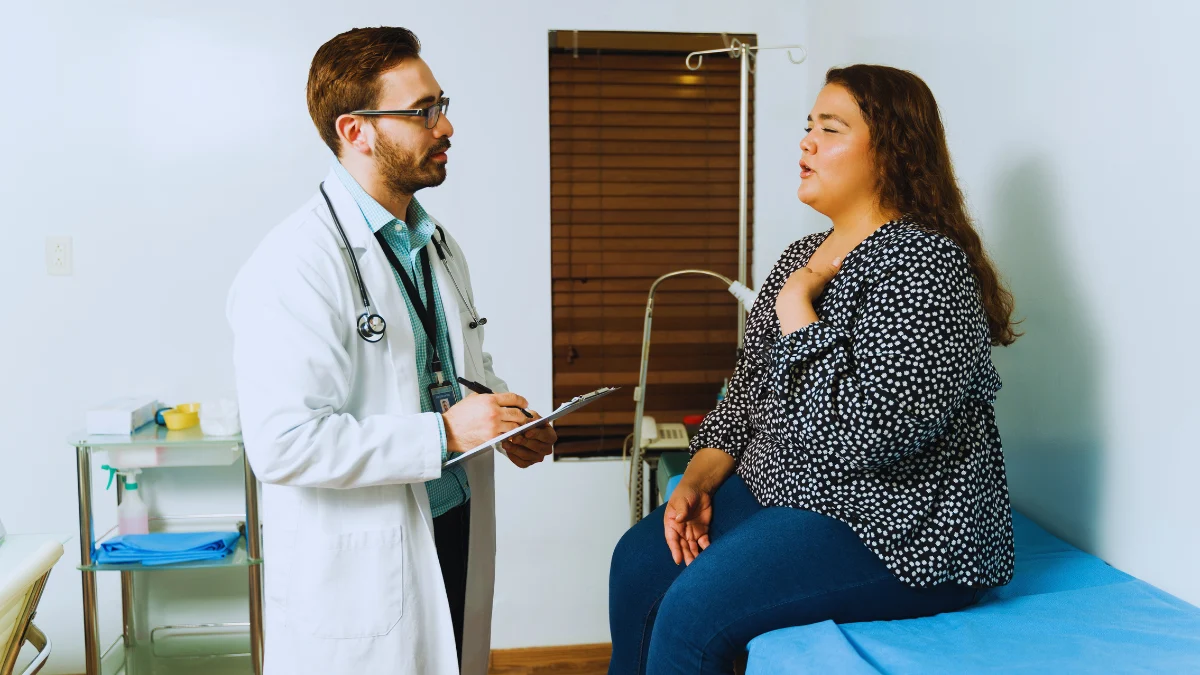
You need a primary care doctor. Someone who knows your history and can spot problems early.
Between 18-39, see your doctor every 3-5 years for a checkup. After 40, go every year.
Regular visits catch problems when they’re still easy to fix. High blood pressure, high cholesterol, and pre-diabetes all start with no symptoms.
Your doctor can also make sure you’re up to date on all your screenings. They’ll track your health over time and notice trends you’d miss.
Don’t have a doctor? Find one now while you’re healthy. Trying to establish care when you’re already sick is much harder.
Ask questions at your appointments. Bring a list of concerns. Your doctor can only help with problems you mention.