

You might be surprised to learn that a health supplement could be the cause of serious liver damage. In the U.S., about one in five cases of liver injury from a drug isn’t from a prescription. It’s from an herbal or dietary supplement you can buy right off the shelf.
The number of liver injuries from these products has nearly tripled in the last ten years. Millions of Americans are taking supplements that could be harming their liver without them even knowing it.
You probably buy supplements for good reasons. Maybe you want to ease joint pain, lose weight, or feel less stressed. It’s easy to think “natural” means “safe,” but that’s a dangerous mistake. The supplement industry isn’t regulated like prescription drugs.
Why “Natural” on a Supplement Label Doesn’t Mean It’s Safe
The biggest problem with the supplement market is that people think “natural” is safe, but the government doesn’t check if that’s true. This puts you at risk.
The Government Doesn’t Check Them First
The most important thing to know is that supplements are not checked before they are sold. A law from 1994 says that companies are supposed to make sure their products are safe, but they don’t have to prove it to the FDA. The FDA can only step in after people get sick. This means you, the customer, are the one taking all the risk.
What’s on the Label Might Not Be in the Bottle
Because no one is checking, companies can be careless. The ingredients inside a bottle might not match what’s on the label. This happens a lot. One study found that about half of supplements were mislabeled.
This can be very dangerous. Products have been found with heavy metals, pesticides, and even hidden prescription drugs. For example, black cohosh is a popular herb for menopause.
But because it’s in high demand, some companies swap it with a cheaper, toxic plant. Up to 38% of black cohosh sold online in the U.S. was found to be fake. You might think you’re taking a safe herb, but you could be taking a poison.
Too Much of a Good Thing Can Be Bad
Even if a supplement has the right ingredient, the dose can be the problem. Many supplements have hundreds of times more of a substance than you could ever get from food. A liver specialist at Yale School of Medicine warns that these “megadoses” can overload your liver.
Turmeric is a good example. The spice you cook with is safe. But turmeric pills with very high doses of its active ingredient, curcumin, have been linked to serious liver damage. One woman was hospitalized after taking a high dose of turmeric every day.
Your liver has to process everything you take. When you flood it with huge amounts of one thing, it can get hurt. This shows that even a “healthy” plant can become toxic in a supplement.
1. Green Tea Extract: The Fat Burner That Can Hurt Your Liver
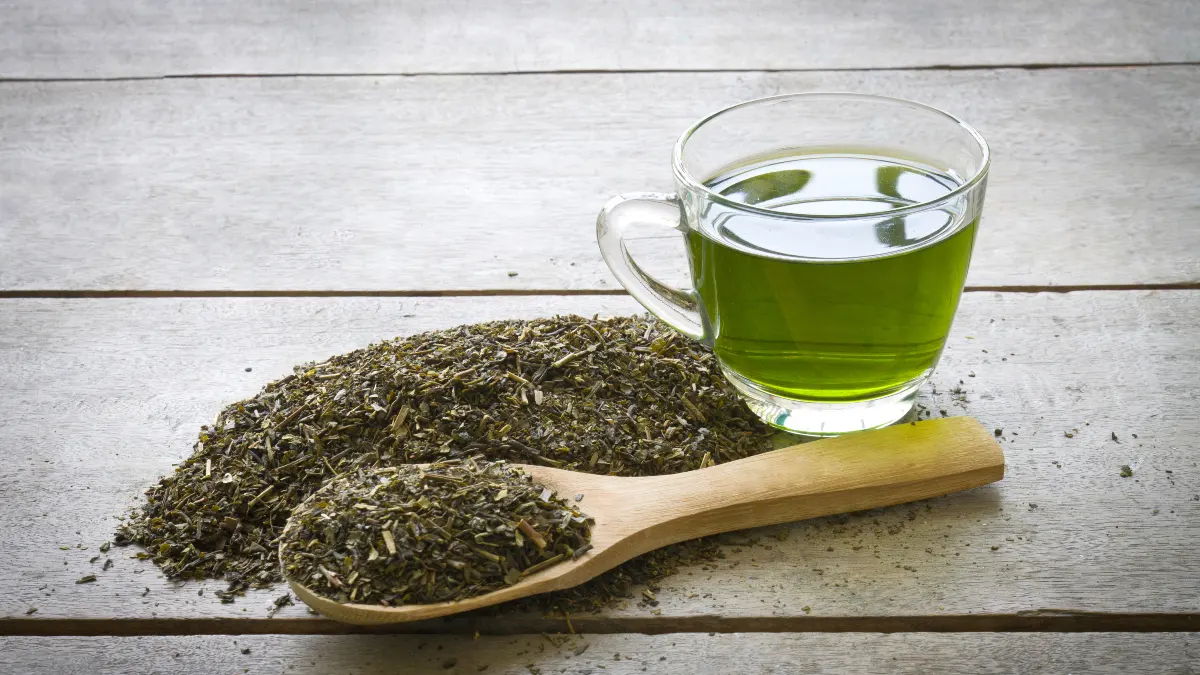
Green tea extract is in many weight loss and detox supplements. Drinking green tea is healthy, but the concentrated extract is a big risk for your liver.
It has very high levels of compounds called catechins. In the huge doses found in pills, these can cause a type of liver damage that looks like a virus. You can’t predict who will have this reaction. It just happens to some people.
There is a lot of proof of this danger. One study looked at people who took a weight loss product with green tea extract. Six of them got severe liver damage, and one needed an emergency liver transplant to live. Doctors say you should stick to drinking brewed green tea and avoid the risk of the extracts.
2. Turmeric (Curcumin): When an Anti-Inflammatory Causes Inflammation
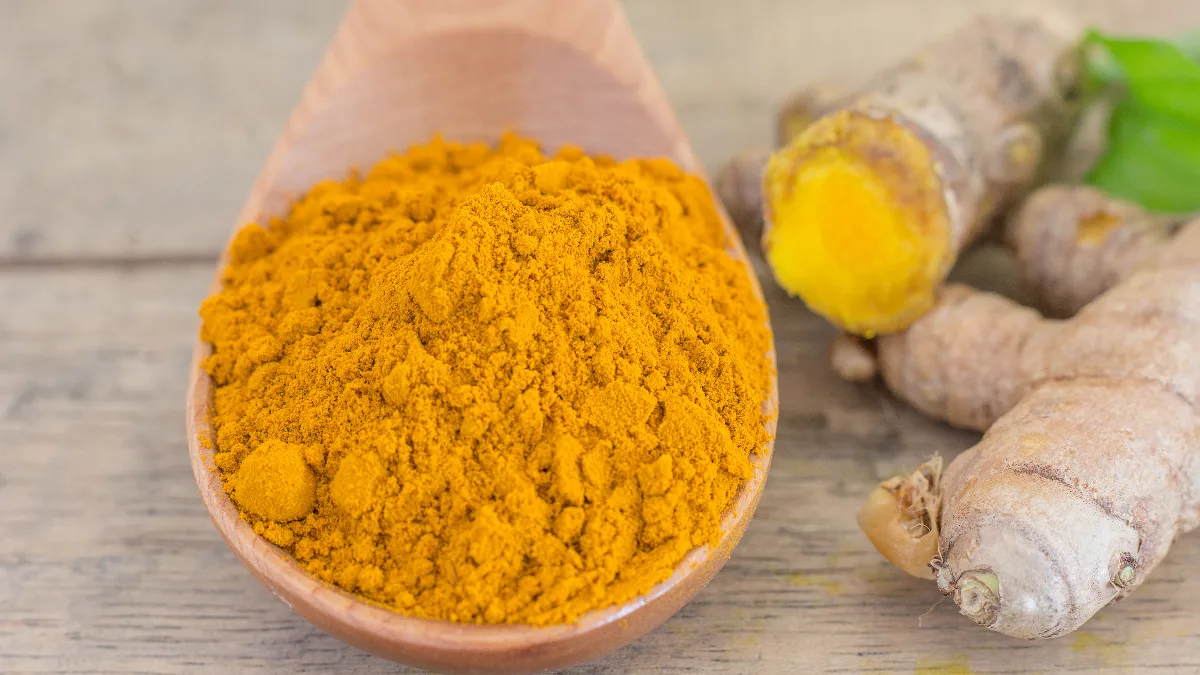
Turmeric and curcumin are very popular for joint pain and inflammation. The spice is safe, but the powerful supplements can be a problem for your liver.
The risk has grown as companies have found new ways to make your body absorb more curcumin. They add things like black pepper extract or use new technology. This seems to be linked to a strange type of liver injury. Instead of just being toxic, the high-dose curcumin can make your own immune system attack your liver.
Doctors have seen more cases of liver damage from turmeric since these new, stronger products came out. In one group of ten patients, one person died from liver failure. As one doctor says, eating turmeric in your food is fine. But the high doses in supplements are a different story.
3. Bodybuilding Supplements: The Hidden Steroids Risking Your Health
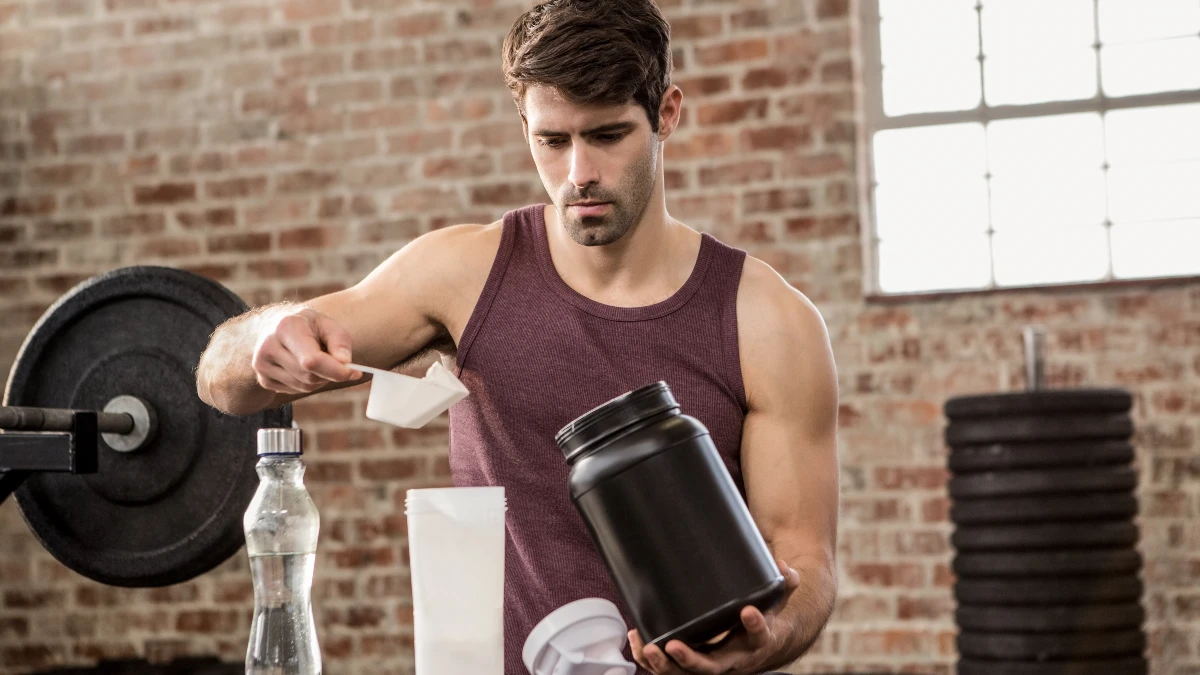
Supplements for muscle growth are one of the most dangerous types for your liver. These products are often secretly and illegally filled with anabolic steroids.
These hidden steroids cause a serious type of liver damage where bile, a digestive fluid, can’t flow out of the liver. When bile backs up, it’s toxic to liver cells. This leads to yellow skin and eyes (jaundice) that can last for months.
Bodybuilding supplements are a top cause of supplement-related liver injury. A liver expert at the University of Michigan warns that these products can cause severe liver damage. The worst part is the trick.
People think they are taking a simple protein powder, but they are really taking powerful, illegal drugs.
4. Ashwagandha: The Stress-Relief Herb That Can Stress Your Liver
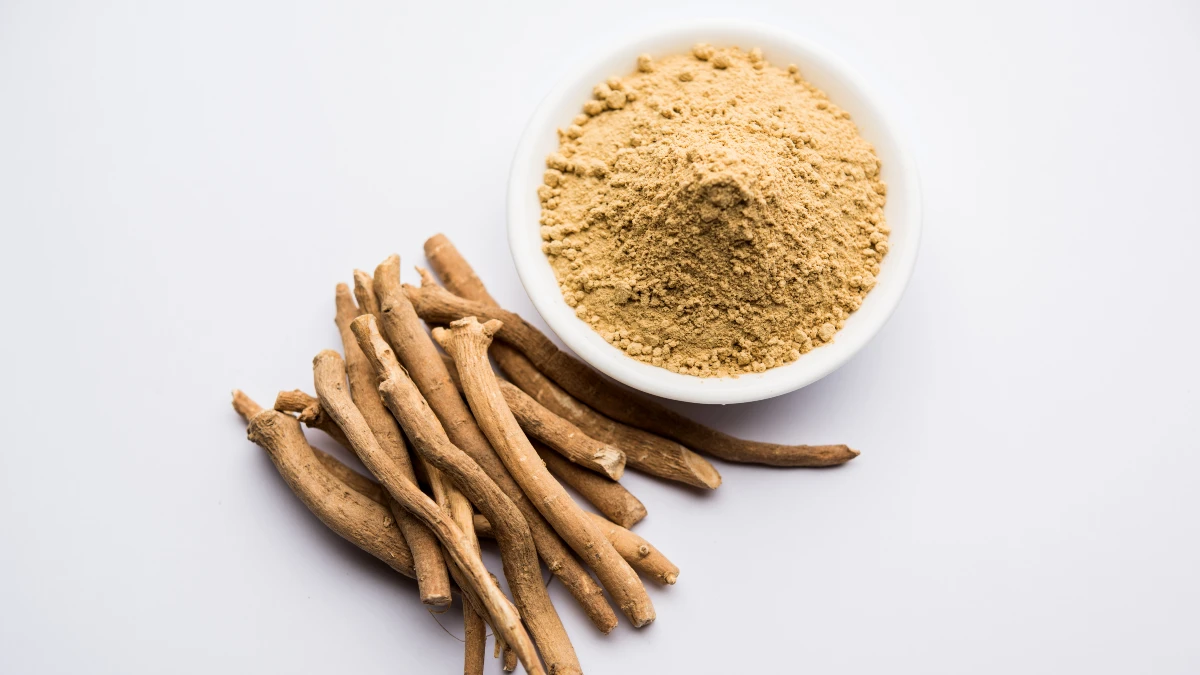
Thanks to social media, ashwagandha is a very popular supplement for stress and anxiety. But even though it has a reputation for being gentle, reports are growing that it can directly harm the liver.
Doctors are still figuring out exactly how it hurts the liver. But people who have been harmed often get jaundice and feel very tired, which are signs of damage to liver cells. The risk is real enough that it was named one of six supplements to watch out for in a big 2024 study.
Part of the problem is that people take it without talking to a doctor, just based on what they see online. Because the reaction is unpredictable, there is no known “safe” dose. The best advice is to be careful. If you are thinking about taking ashwagandha, talk to your doctor first.
5. Weight Loss Pills (Hydroxycut): A History of Liver Failure
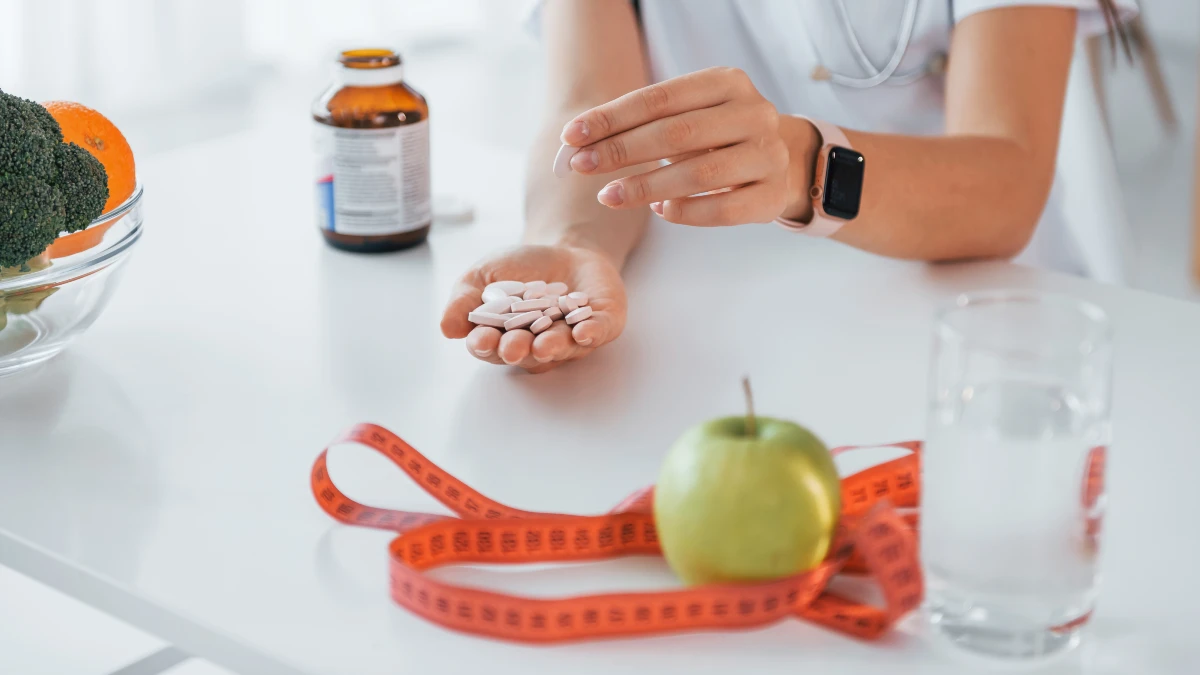
Products with many ingredients that promise weight loss are often the most dangerous. Hydroxycut is a famous example of the risks that come with these secret “proprietary blends.”
The danger comes from a few things. First, they are often a mix of stimulants and herbs. This makes it impossible to know what ingredient, or mix of ingredients, is causing the harm. Second, the formulas change all the time.
The first version of Hydroxycut was banned by the FDA. But the new versions without that ingredient turned out to be just as dangerous.
In 2009, the FDA warned everyone about Hydroxycut after getting many reports of severe liver injury. This led to a big recall. Some people who used the product needed liver transplants, and one person died waiting for one.
The story of Hydroxycut teaches an important lesson: these multi-ingredient pills have a real and unpredictable risk of causing deadly liver damage.
6. Garcinia Cambogia: The Popular Weight Loss Pill with a Toxic Side
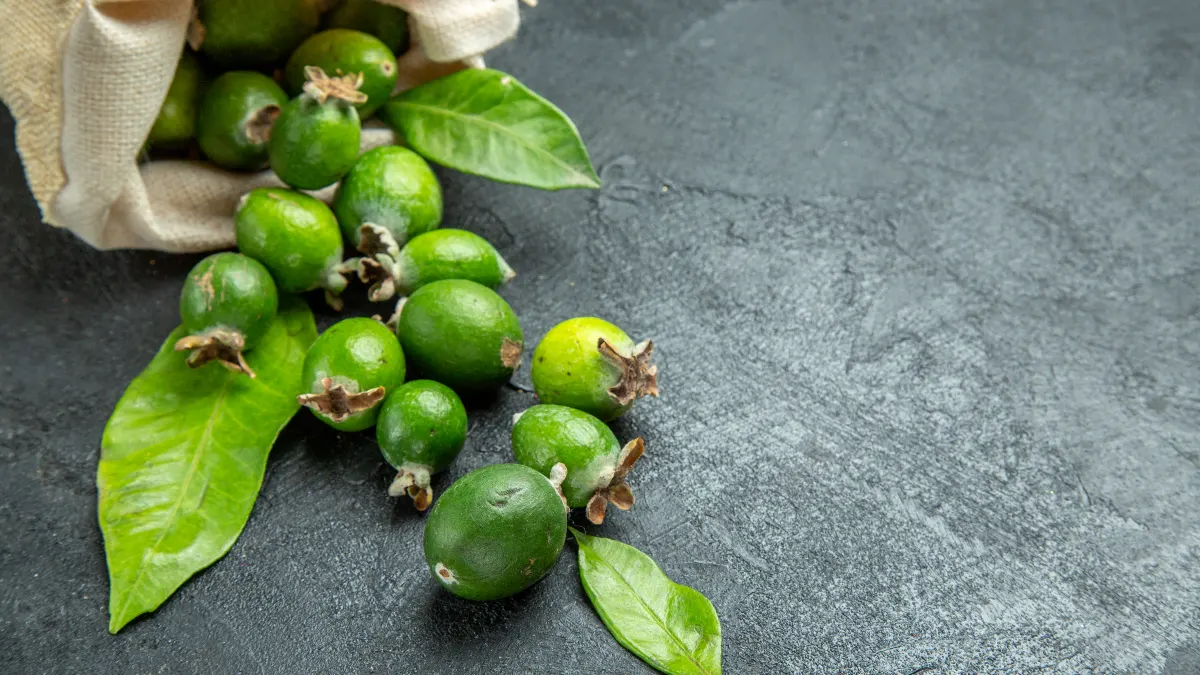
Garcinia cambogia is a fruit extract that became a huge seller as a weight loss pill. But it has been clearly linked to liver damage and, in the worst cases, liver failure that requires a transplant.
It is thought to cause so much stress inside the liver that it kills off liver cells. The risk is big enough that it was also on the list of six concerning supplements in the 2024 study. There are at least a dozen medical reports of liver injury from this supplement.
To make things worse, new research suggests some people might be genetically more likely to have a bad reaction. Just like with green tea extract, a certain gene seems to be linked to liver damage from Garcinia cambogia. Since it may not even work for weight loss, the risk of serious liver failure is not worth it.
7. Kava: A Calming Herb That Can Cause Liver Failure
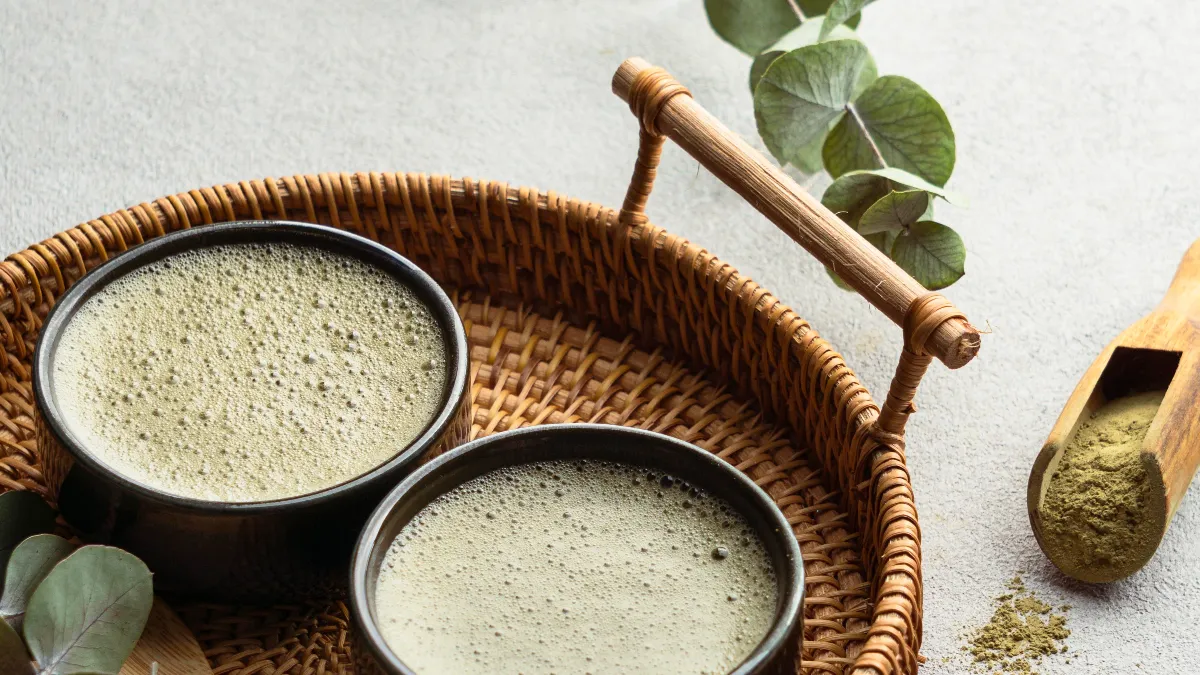
Kava is a plant from the Pacific Islands used to make a relaxing drink. In Western countries, it’s sold as a natural fix for anxiety. But kava is one of the most powerful and well-known plant-based liver toxins.
The liver damage from kava is severe and can lead to very fast liver failure. This can happen even if you use it for a short time at the recommended dose.
The proof against kava is so strong that it has been banned or restricted in many countries, like Germany and Canada. For you, the message is simple: the risk of sudden and permanent liver failure is much greater than any calming benefit. This makes kava a very bad choice.
8. Black Cohosh: A Menopause Fix Full of Fake Ingredients
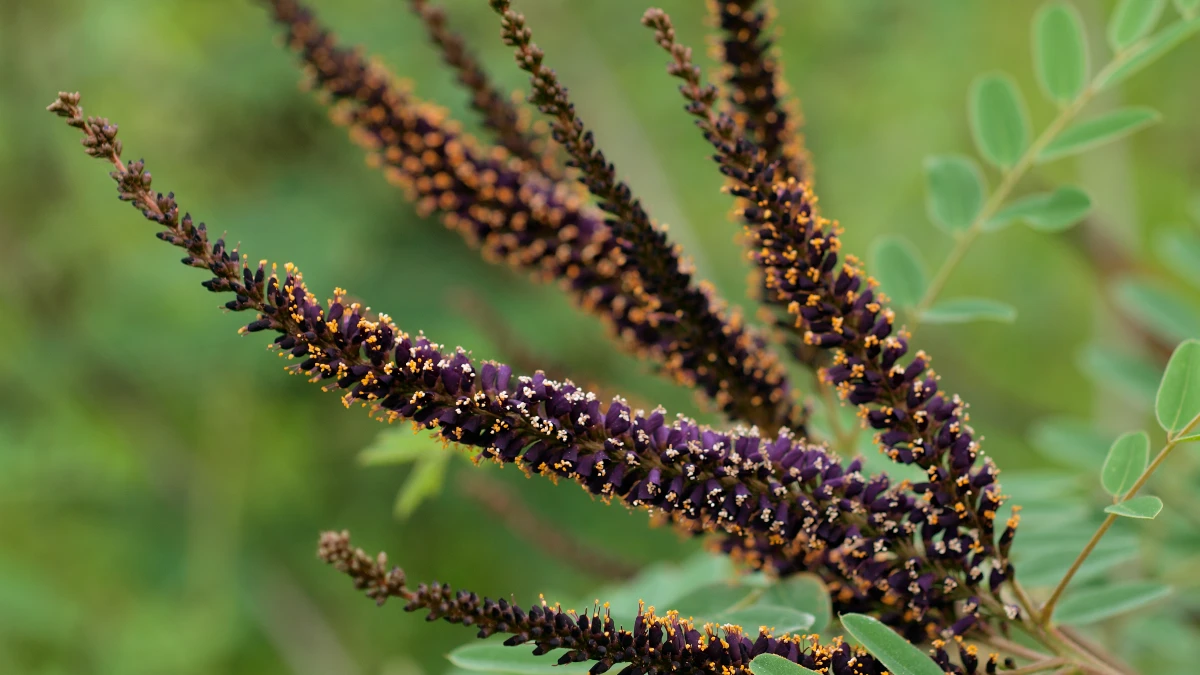
Black cohosh is a popular herb women use for menopause symptoms like hot flashes. Pure black cohosh seems to be pretty safe. But the product you buy is often not pure at all. The main danger is that it’s often fake.
As we mentioned before, a large part of the “black cohosh” sold in the U.S. is not the right plant. It’s been replaced with a related Asian plant that is known to be toxic to the liver. People who think they are taking a safe herb are actually taking a poison.
This is why black cohosh is always on lists of supplements that cause liver damage. This problem shows how risky an unregulated market can be. The advice is not just to be careful with the herb, but to not trust the companies that sell it.
If you must use it, only buy products that have been checked by a third-party group like NSF or USP.
9. Red Yeast Rice: The “Natural” Cholesterol Fix That Can Still Hurt Your Liver
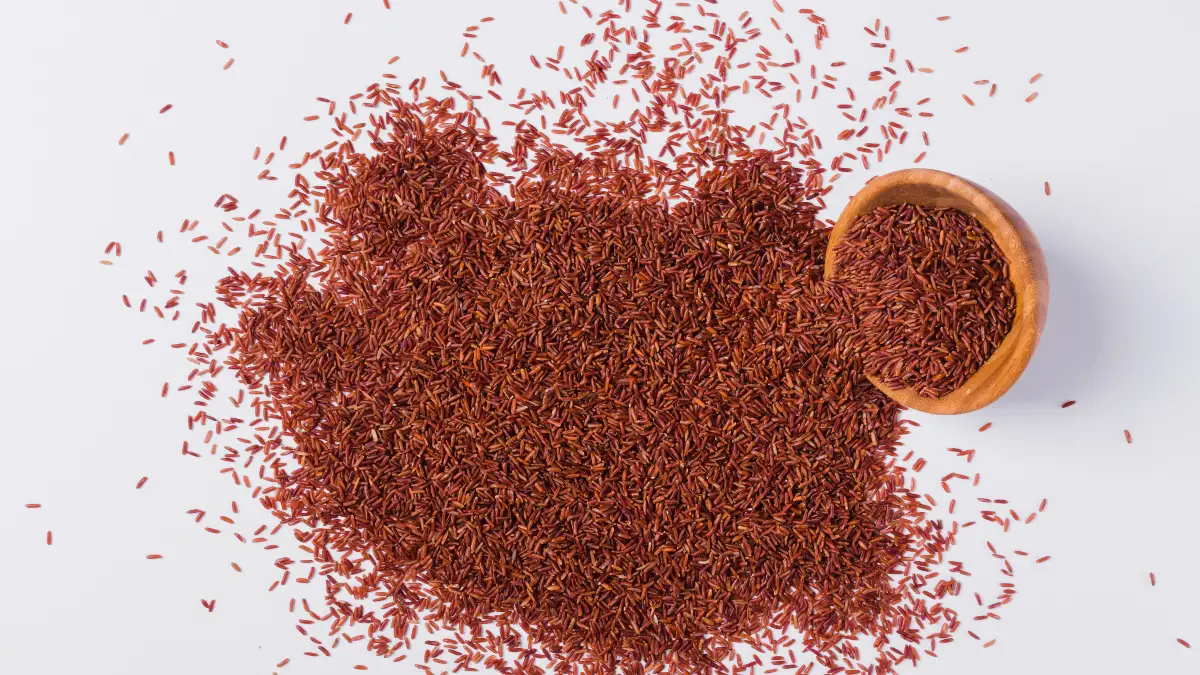
Red yeast rice is sold to help lower cholesterol. It’s made by fermenting rice with a special yeast. This process creates a substance called monacolin K, which is the exact same chemical as the active ingredient in the prescription drug lovastatin.
Because it works like a drug, it has the same risks as a drug, including liver damage. But the supplement form is even more dangerous because it’s not regulated. The amount of the active ingredient can be very different from one bottle to the next. You could get a weak dose from one and a dangerously strong dose from another.
Also, if it’s not made correctly, a toxic mold called citrinin can grow, which is known to cause kidney failure. The medical advice is clear: you should manage your cholesterol with a doctor using safe, tested, and correctly dosed prescription medicines.
10. Herbalife Products: A Big Brand with a History of Liver Problems
Herbalife is a huge company that sells meal replacement shakes, protein bars, and other supplements. Even though it’s a global brand, it has been linked to many reports of severe liver injury for almost 20 years.
The first big warning came in 2004 when Herbalife products were linked to 12 cases of liver damage in Israel. Since then, similar reports have come from other countries. Like with other multi-ingredient products, it’s very hard to know what in Herbalife’s secret formulas is causing the problem.
In a 2022 review of medical cases, Herbalife was listed as one of the most common causes of liver injury. The brand’s history is a warning about the risks of using complex, secret formulas from companies that are not open about their ingredients.
11. Vitamin A: Proof That Even Good Vitamins Can Be Toxic
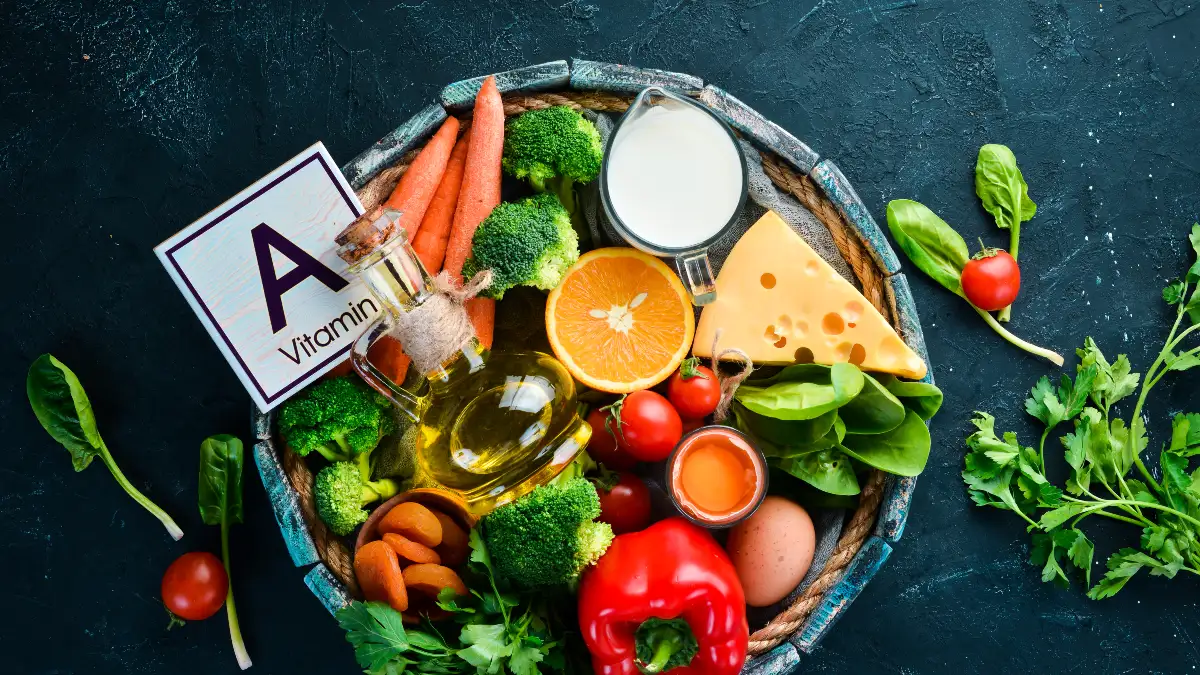
Vitamin A is a nutrient your body needs for vision and your immune system. But in developed countries, the bigger risk is getting too much of it from supplements. This is a perfect example of why “more is better” is a bad idea with supplements.
Your body stores extra Vitamin A in your liver. If you take high doses for a long time, it builds up to toxic levels. This can directly damage your liver cells, leading to scarring and, over time, permanent liver failure (cirrhosis).
Liver doctors always list high-dose Vitamin A as a cause of supplement liver damage. Unlike other herbs where the reaction is unpredictable, Vitamin A damage is directly caused by taking too much. This is why it’s so important to stick to the Recommended Daily Allowance (RDA) for vitamins like A, D, E, and K.
12. Niacin (High-Dose): A Vitamin That Can Come with a High Price
Niacin, or Vitamin B3, is another nutrient that can become a liver toxin if you take too much. Your body needs a little bit of it. But very high doses have been used to treat high cholesterol.
The risk is especially high with “sustained-release” niacin pills. These are made to release the vitamin slowly to prevent a side effect called flushing. But this long exposure to high levels of niacin is directly toxic to the liver and can cause serious damage.
This is another case of a supplement being used like an unmonitored drug. Taking high-dose niacin on your own for cholesterol is a dangerous and old-fashioned idea. There are now much safer prescription drugs available.
13. Ma Huang (Ephedra): Banned But Still Found in Illegal Pills
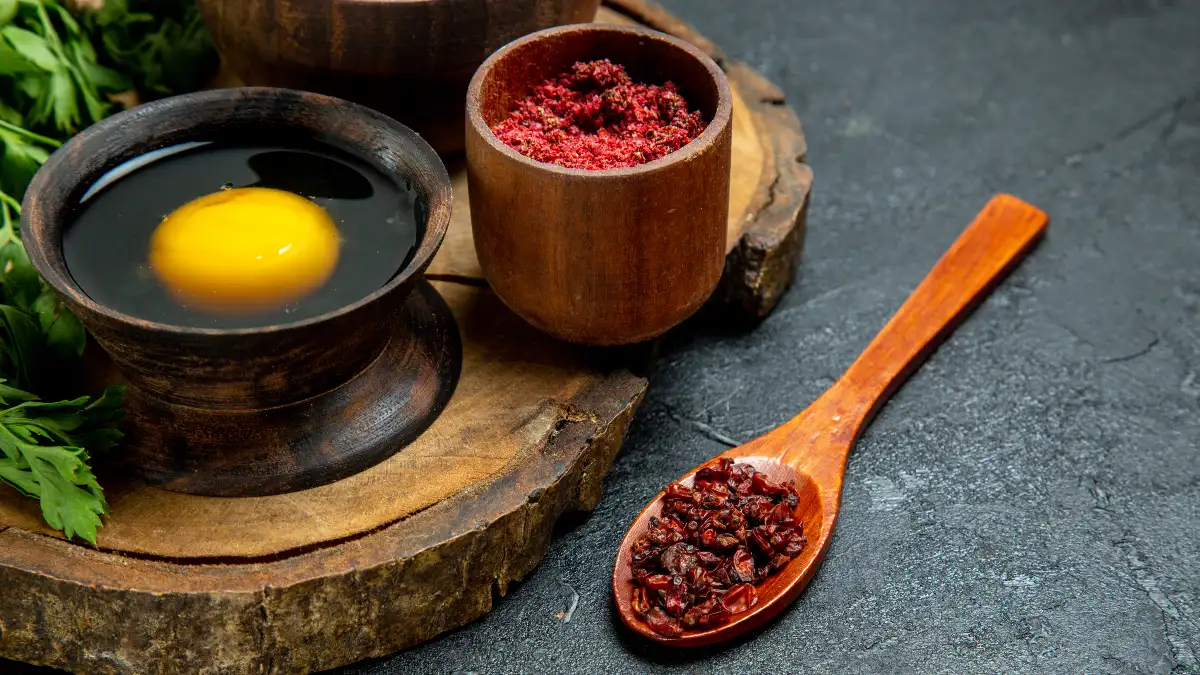
Ma Huang is the Chinese plant that is the source of ephedra. For years, ephedra was in popular weight loss and energy pills. It was also known to cause severe liver damage, heart attacks, strokes, and death.
Because of these huge risks, the FDA banned the sale of ephedra in supplements in 2004. This was a big deal and was a direct result of the harm caused by products like the original Hydroxycut.
The warning for today is that even though it’s banned, ephedra is still out there. You can find it in illegal products sold on shady websites, often to people looking for extreme weight loss. If you buy supplements from a source you don’t trust, you could be taking this banned and dangerous drug.
14. Skullcap: An Herb Often Mixed with a Dangerous Look-Alike

Skullcap is an herb used to help with relaxation and sleep. Like black cohosh, the main risk is not from the herb itself, but from it being mixed with something dangerous.
Reports of severe liver damage in people taking “skullcap” have often been traced back to a different plant: germander. Germander is a known and powerful liver toxin that can cause deadly liver damage. This mix-up happens because of poor quality control by manufacturers.
The LiverTox database, a top resource from the National Institutes of Health, specifically warns about this problem. This is another example of why you can’t trust an unregulated system. It’s one more reason to only buy supplements that have been checked by a third party.
15. Traditional Chinese Medicine (TCM) Blends: Old Cures, New Risks
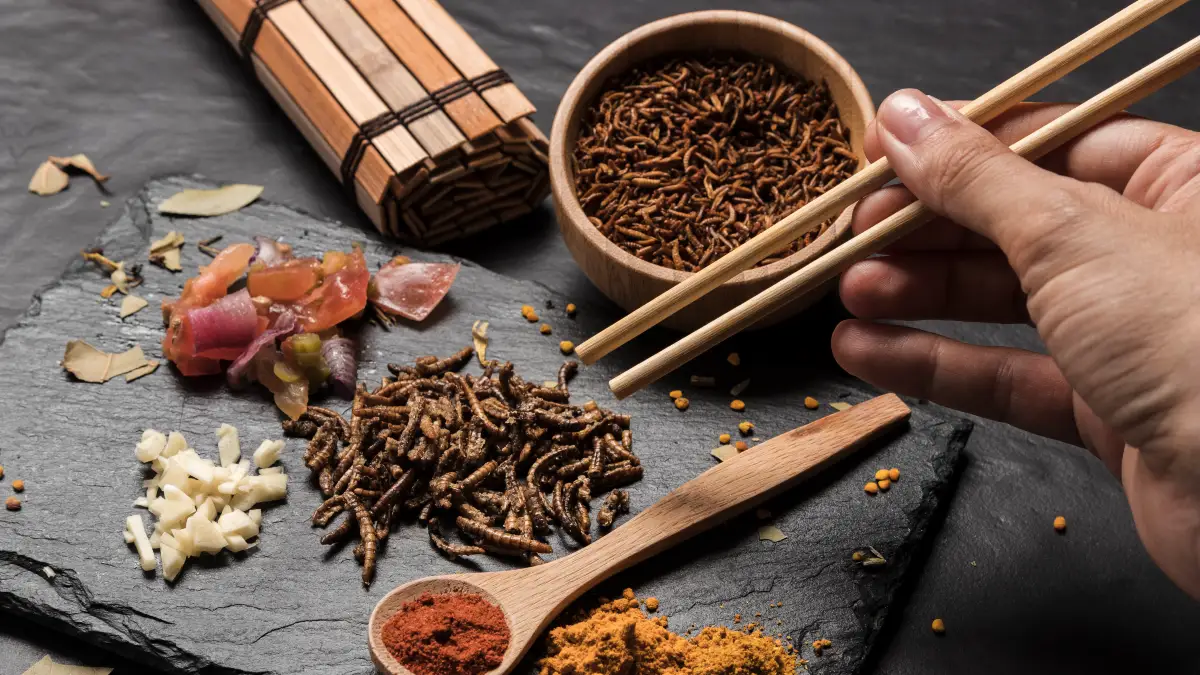
Traditional Chinese Medicine is an old and complex system of healing. When used by a trained expert, it can be helpful. But buying pre-packaged TCM blends online and taking them without guidance is very risky for your liver.
The dangers are threefold. First, some herbs used in TCM are known to be toxic to the liver. One of the most famous is He-Shou-Wu. Second, TCM products can also be contaminated with heavy metals or hidden drugs.
Third, the complex mixes of herbs can have unexpected toxic effects that science doesn’t fully know about yet.
The point is not to reject all of TCM. The point is to warn you against using it without a professional. Buying a mystery blend online is not practicing TCM; it’s taking a big risk with your liver.
What Are the Warning Signs of Liver Damage?
Your liver is tough. But when it gets overloaded by toxins from supplements, it will send out warning signals. It’s important to know these signs so you can stop more damage from happening. If you start a new supplement and feel any of these things, stop taking it and call your doctor right away.
The most common signs of liver trouble are:
Yellow Skin or Eyes (Jaundice): This is the biggest sign. It happens when a substance called bilirubin builds up in your body because your liver can’t get rid of it.
Dark-Colored Urine: Extra bilirubin can also make your pee look dark, like tea or cola.
Pain in Your Upper Right Belly: Your liver is under your ribs on the right side. If it’s swollen or inflamed, it can cause an ache or pain there.
Feeling Sick to Your Stomach: As your liver struggles to filter toxins, you can feel nauseous, lose your appetite, or vomit.
Feeling Very Tired: A deep tiredness that doesn’t go away with rest is a common sign that your liver is not working well.
Swollen Belly: In serious cases, fluid can build up in your belly, making it swell.
Feeling Confused: In very bad liver failure, toxins can build up and affect your brain, causing confusion.
It’s important to know that serious liver damage can happen without any symptoms at first. That’s why it’s so important to be careful and talk to your doctor. Don’t wait for the signs to get bad before you do something.