

Are you feeling that scratchy throat coming on again? Cold and flu season hits hard, and store shelves packed with expensive supplements don’t consistently deliver results.
What if your kitchen already holds the most effective immune boosters nature offers? Specific foods contain compounds that actively fight viruses, reduce inflammation, and strengthen your body’s natural defenses.
No more guessing which remedies work. This guide walks you through 12 science-backed foods that create your anti-viral shield—without prescriptions, side effects, or breaking your budget. Your immune system is waiting for these natural allies.
1. Citrus Fruits (Oranges, Grapefruits, Lemons)

These vitamin C powerhouses boost your immune system by stimulating white blood cell production. Your body uses these cells as the front-line defense against harmful pathogens that cause illness.
The skin of citrus fruits acts as a physical barrier that protects them from outside threats—much like vitamin C helps maintain your skin’s integrity.
Consuming oranges, grapefruits, or lemons daily gives your body the vitamin C it needs. This is especially important because your body can’t store this essential nutrient for long periods.
Just one medium orange provides about 70 mg of vitamin C, bringing you close to the recommended daily intake.
Adding lemon to your water or eating half a grapefruit at breakfast can easily incorporate these immune-supporting fruits into your routine.
For maximum benefit, eat citrus fruits fresh rather than juiced to preserve fiber content and minimize sugar impact.
2. Garlic

This aromatic bulb contains allicin, a sulfur compound that works as a natural antibiotic and antiviral agent. Regular consumption helps reduce both the severity and length of cold symptoms by enhancing immune cell function.
Garlic works on multiple fronts to strengthen your body’s defenses. Crushing or chopping garlic and letting it sit for 10 minutes before cooking activates its beneficial compounds.
This waiting period allows enzymes to convert the precursor compounds into active allicin. The compound also helps control inflammation, which can be excessive during infections.
Fresh garlic offers the most benefits, but supplements can work if they’re standardized for allicin content. Try adding minced garlic to salad dressings, soups, or stir-fries.
Even roasted garlic maintains some of its health-promoting properties while being milder and easier to consume regularly.
3. Ginger
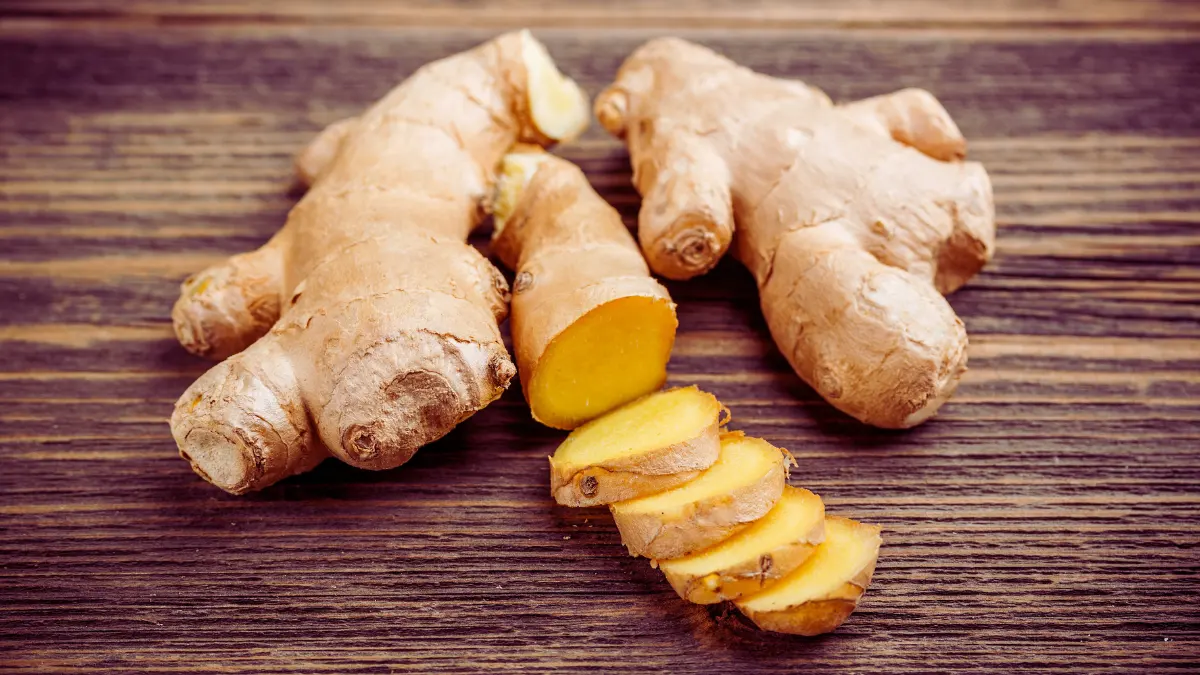
This root contains gingerol, a bioactive substance with powerful anti-inflammatory and antioxidant capabilities.
Ginger helps your body fight respiratory infections by slowing viral reproduction and easing sore, irritated throats. Its warming property increases circulation, which helps deliver immune cells throughout your body.
Ginger tea makes a soothing remedy when you’re feeling unwell. Simply steep sliced fresh ginger in hot water for 5-10 minutes.
The root also supports digestive health, which connects directly to immune function since much of your immune system resides in your gut. You can add ginger to smoothies, stir-fries, or baked goods for regular consumption.
Both fresh and dried forms provide benefits, though fresh ginger contains higher levels of active compounds. A small amount (about 1-2 inches) of fresh ginger daily can help maintain immune system readiness.
4. Turmeric (Curcumin)
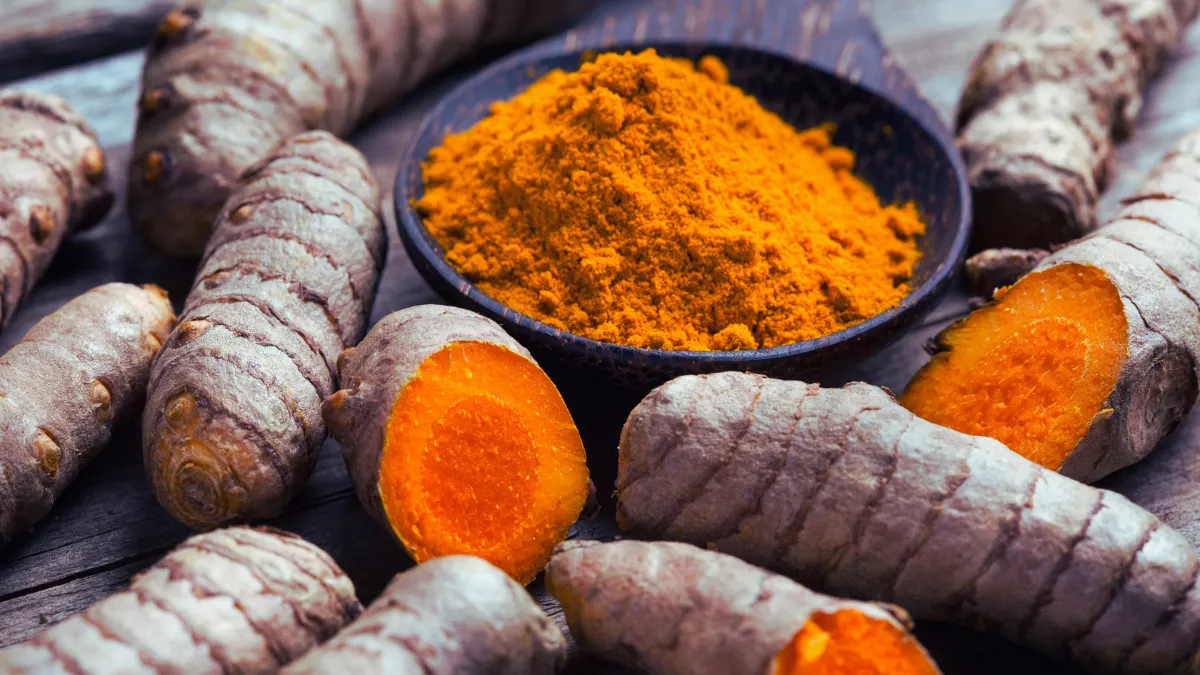
This golden spice contains curcumin, which helps regulate immune responses by activating T-cells while keeping inflammation in check.
Turmeric shows promising effects against flu viruses and respiratory infections by creating a barrier that prevents viruses from entering cells.
Black pepper enhances turmeric absorption dramatically. The piperine in black pepper increases curcumin bioavailability by up to 2000%.
This explains why traditional recipes often combine these spices. Cooking turmeric in fats also helps your body make use of its fat-soluble compounds.
Turmeric lattes, curry dishes, and golden milk provide tasty ways to consume this spice regularly. Consider adding it to scrambled eggs, rice dishes, or smoothies.
The benefits accumulate with consistent intake rather than occasional use, so finding ways to include small amounts daily works better than large occasional doses.
5. Yogurt (Probiotics)
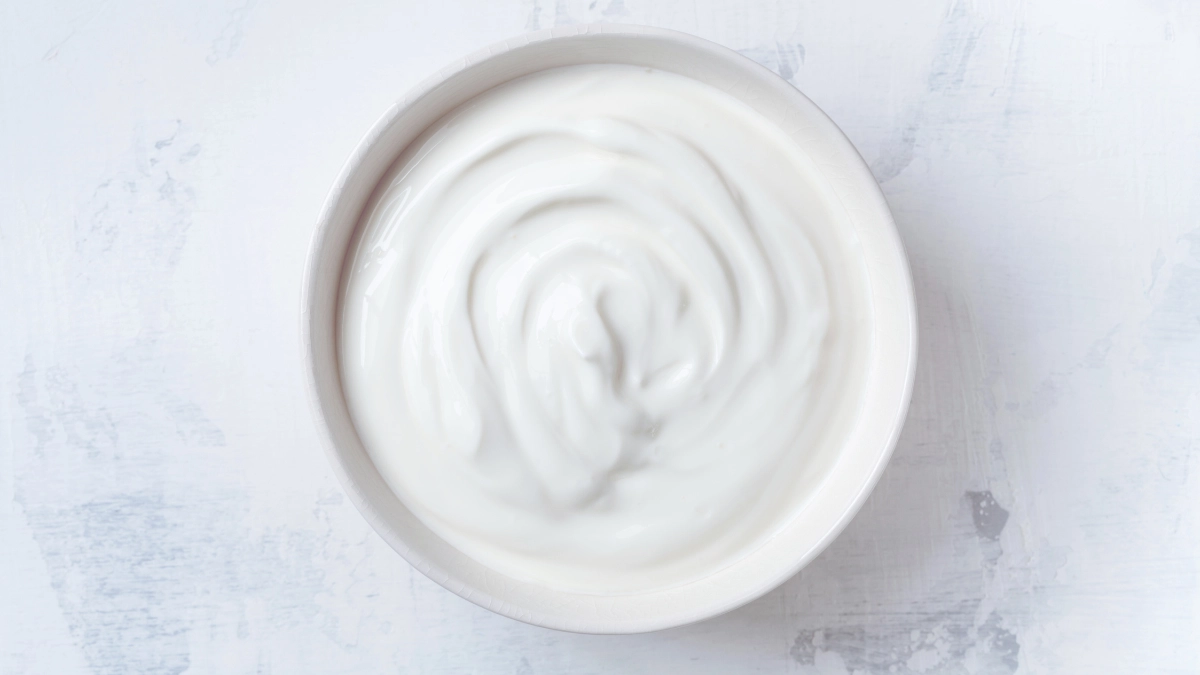
Fermented dairy products filled with beneficial bacteria like Lactobacillus and Bifidobacterium strengthen gut health, which controls roughly 70% of your immune function.
Probiotic-rich yogurt helps reduce the impact of stomach viruses and respiratory infections by creating an environment where harmful pathogens can’t easily attach and colonize.
Live cultures work by competing with harmful bacteria for resources and producing substances that inhibit pathogen growth.
Plain, unsweetened varieties provide the most benefit without added sugars that might counteract some health advantages. Greek yogurt offers additional protein that supports immune cell production.
Yogurt makes an excellent breakfast base or snack that you can customize with fruits, nuts, or honey. Look for products labeled with “live active cultures” to ensure probiotic content.
Plant-based yogurt alternatives can also provide benefits if they contain added probiotics, though their natural probiotic content might be lower than dairy versions.
6. Green Tea

This ancient beverage contains epigallocatechin gallate (EGCG), a flavonoid that stops viruses from multiplying inside your body.
Green tea compounds boost T-cell function, helping your immune system identify and neutralize threats more efficiently. Its antioxidants also reduce cellular damage during infection.
Brewing matters. Steep green tea for 2-3 minutes in water that’s hot but not boiling to extract beneficial compounds without destroying them.
Drinking 2-3 cups daily provides consistent immune support without excessive caffeine intake. You can enjoy green tea hot or cold, with many varieties offering subtly different flavor profiles.
Matcha offers more concentrated health benefits than regular green tea since it’s made from the entire leaf ground into powder.
Adding a squeeze of lemon increases the absorption of catechins and adds vitamin C for additional immune benefits.
7. Kefir

This tangy fermented drink packs more probiotic variety than yogurt, containing dozens of beneficial bacterial strains and yeasts. Your gut becomes a fortress against pathogens when populated with these microorganisms.
A 2021 study found kefir significantly enhances intestinal immunity through increased IgA production and improved macrophage activity, which directly helps combat viral infections.
What makes kefir exceptional is its ability to reduce lung inflammation during respiratory infections. The bioactive peptides in kefir help regulate cytokine responses, potentially preventing the dangerous “cytokine storms” associated with severe viral infections. This balancing act helps your immune system fight effectively without overreacting.
You can drink kefir plain or use it as a base for smoothies and overnight oats. The slightly sour taste might take getting used to, but many grow to enjoy it.
Look for varieties without added sugar for maximum health benefits, as sugar can counteract some of the immune-supporting properties. Just 4-6 ounces daily provides substantial immune support.
8. Blueberries
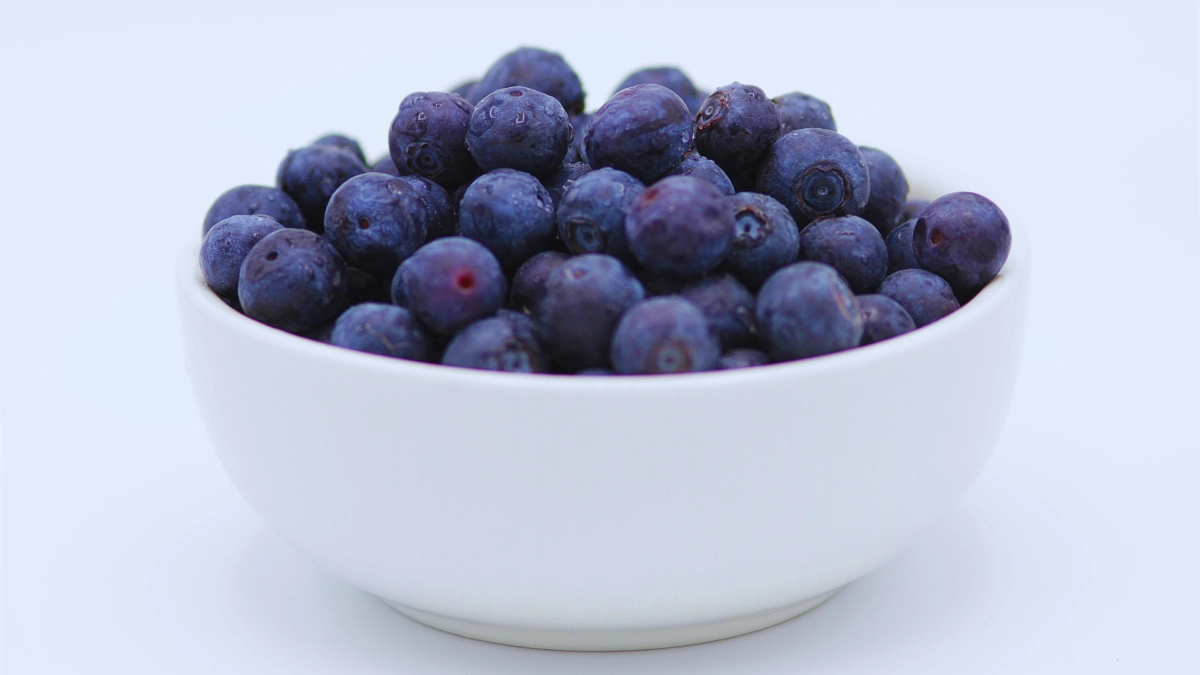
These small fruits deliver a powerful punch of anthocyanins, the compounds responsible for their deep blue color. Your immune cells communicate better when anthocyanins reduce oxidative stress in your body.
This improved cellular communication helps mount faster responses to invading pathogens. Eating a handful of blueberries daily could lower your risk of catching upper respiratory infections by about one-third.
Fresh or frozen berries offer similar benefits, making them accessible year-round. The antioxidants in blueberries work better when consumed regularly rather than occasionally in large amounts.
Mixing blueberries into yogurt, oatmeal, or smoothies makes them easy to include in your daily routine. Wild blueberries contain even higher concentrations of beneficial compounds than cultivated varieties, though both types support immune function.
Their natural sweetness makes them an excellent replacement for processed sugars that can weaken immune function.
9. Broccoli
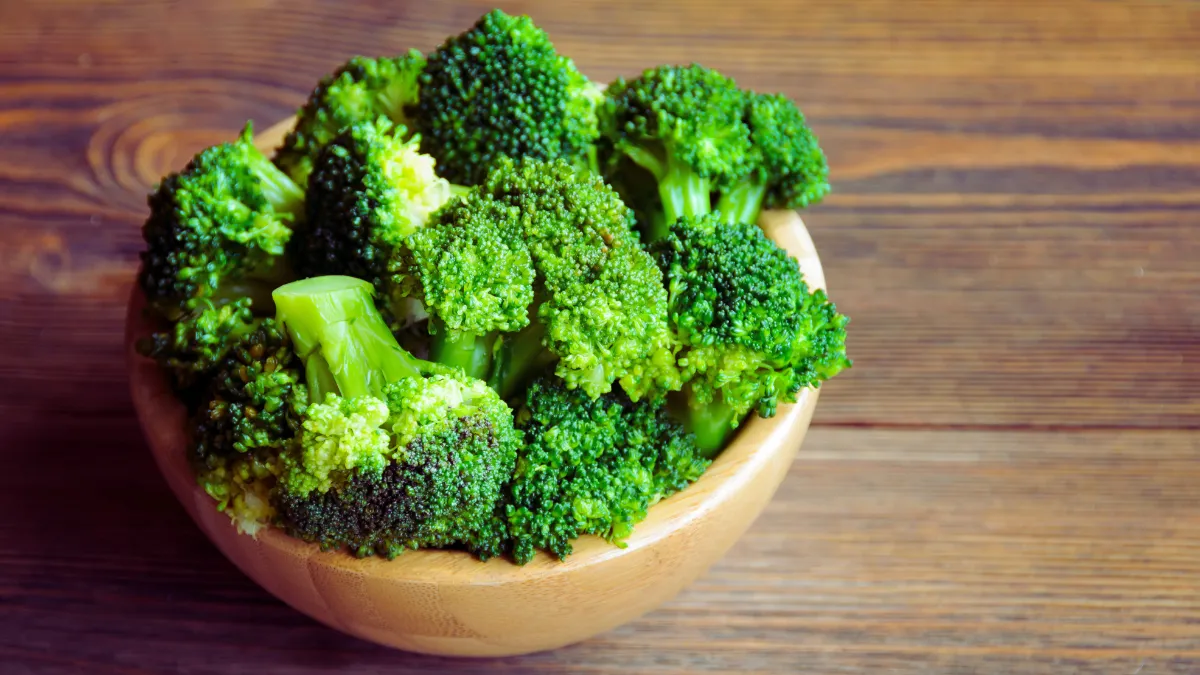
This cruciferous vegetable contains sulforaphane, a compound that switches on antioxidant genes in your immune cells.
Your respiratory tract gains extra protection from broccoli’s ability to reduce inflammation and boost antiviral defenses. Raw or lightly cooked broccoli retains more of these beneficial compounds.
Chopping broccoli and letting it sit for about 40 minutes before cooking maximizes sulforaphane formation. This happens because the chopping releases an enzyme that converts a precursor compound into active sulforaphane.
The florets contain higher concentrations of protective compounds than the stems, though both parts offer health benefits.
Steaming broccoli until bright green preserves its nutrients better than boiling. Quick stir-frying also maintains the most benefits.
Adding broccoli to pasta dishes, and frittatas, or simply eating it with a healthy dip provides consistent immune support.
For children or adults who dislike the taste, blending it into sauces or smoothies can mask the flavor while preserving benefits.
10. Spinach
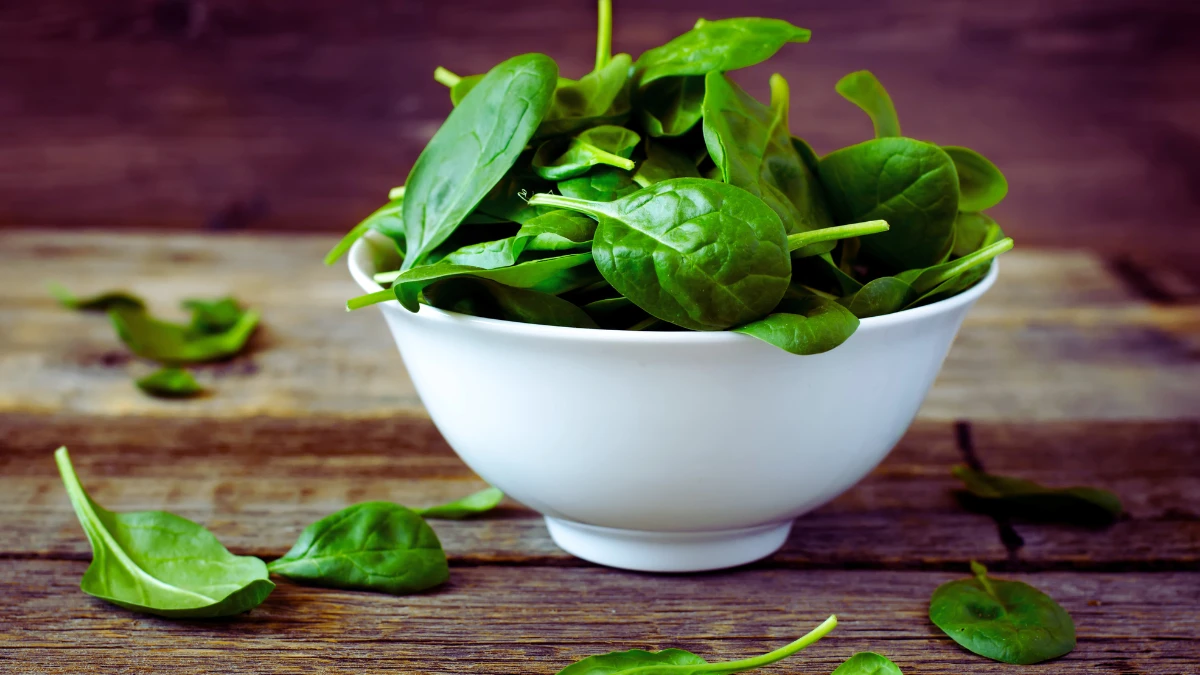
This leafy green overflows with vitamins A, C, and E, plus various flavonoids that strengthen your immune system.
Your body uses these nutrients to produce antibodies and neutralize harmful free radicals produced during infections. Light cooking breaks down cell walls, allowing better nutrient absorption without significant nutrient loss.
Folate in spinach helps maintain healthy cell division, particularly important for rapidly multiplying immune cells during an infection.
Quick cooking methods like wilting in a hot pan help preserve water-soluble nutrients better than longer cooking methods. Baby spinach offers a milder flavor than mature leaves, making it more appealing to sensitive palates.
Adding spinach to smoothies, omelets, or pasta provides easy ways to consume it regularly. The vegetable pairs well with citrus fruits, which help your body absorb its iron content.
Just one cup of cooked spinach provides more than half the daily vitamin A requirement and significant amounts of many other immune-supporting nutrients.
11. Almonds

These nuts supply vitamin E, a fat-soluble antioxidant critical for maintaining lymphocyte function. Your immune cells need vitamin E to perform optimally and communicate efficiently with each other.
About 23 almonds provide roughly half the recommended daily vitamin E intake, making them an efficient source.
Soaking almonds overnight increases nutrient bioavailability by reducing compounds that can interfere with absorption.
The skin contains beneficial polyphenols, so consuming whole almonds rather than blanched ones provides more protective compounds. Their healthy fats help your body absorb fat-soluble vitamins from other foods eaten at the same time.
Keeping a small container of almonds handy makes healthy snacking easier. They stay fresh longer when stored in cool, dark places or in the refrigerator.
Almond butter spread on whole grain toast or added to smoothies offers another way to get these benefits. Combining almonds with vitamin C-rich foods creates a powerful immune-supporting snack.
12. Oregano
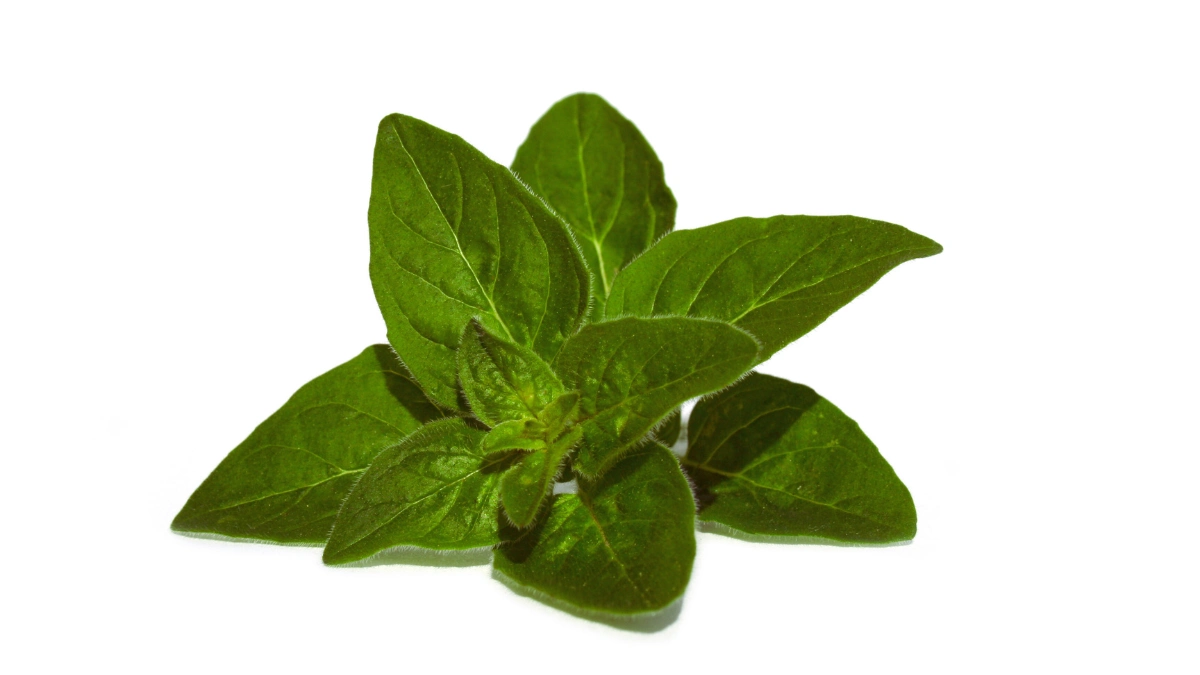
This aromatic herb contains essential oils like carvacrol that disrupt viral membranes, preventing viruses from reproducing. Your respiratory tract benefits particularly from oregano’s ability to fight common cold and flu viruses.
A 2022 review published in the Journal of Ethnopharmacology confirmed oregano’s effectiveness against influenza and rhinoviruses, noting its ability to reduce viral loads by up to 30% in laboratory studies.
Fresh oregano contains higher concentrations of volatile oils than dried, though both forms offer benefits. The herb works through multiple mechanisms, including direct antiviral action and immune-modulating effects.
These properties help your body recognize and respond to threats more efficiently. Its compounds can reach the lungs when inhaled as steam.
Adding oregano to tomato-based dishes, roasted vegetables, or olive oil infusions brings both flavor and protection.
Oregano tea made by steeping fresh or dried leaves in hot water for 5-10 minutes makes a soothing drink during respiratory infections.
Just one teaspoon of dried oregano contains enough active compounds to provide measurable immune benefits.