
Feel sluggish, prone to illness, or worried about long-term health? Your diet might be missing crucial plant compounds that fight disease at its roots.
Phytonutrients—the colorful components that give fruits and vegetables their vibrant hues—do far more than just look pretty.
They actively combat inflammation, neutralize cell-damaging free radicals, and even help prevent serious conditions like heart disease and cancer.
The good news? Adding these powerful compounds to your daily meals is simpler than you think. From the carotenoids in bright orange carrots to the allicin in garlic, nature has packed an entire pharmacy into whole foods.
1. Carotenoids

These colorful compounds give orange, yellow, and red plants their vibrant hues. You’ll find them in carrots, sweet potatoes, tomatoes, and dark leafy greens like spinach.
Carotenoids act as powerful antioxidants in your body, fighting harmful free radicals that can damage cells.
Some types, like beta-carotene, convert to vitamin A, which supports immune function and helps maintain healthy skin.
Others, such as lutein and zeaxanthin, concentrate on your eyes and protect against age-related vision problems.
Adding a variety of colorful produce to your meals ensures you get different carotenoids with complementary benefits.
Your body absorbs these compounds better when you eat them with some fat, so drizzle olive oil on your roasted carrots or add avocado to your spinach salad.
2. Flavonoids

Found in berries, apples, citrus fruits, tea, and dark chocolate, flavonoids make up the largest group of plant compounds. These substances give plants their colors and protect them from environmental stresses.
In humans, flavonoids work as antioxidants and have anti-inflammatory effects. Blood vessels work better and blood pressure drops when these compounds are part of your diet.
Certain types, like anthocyanins in blueberries, boost brain function and may slow cognitive aging. Others, such as isoflavones in soy, help balance hormones.
Your body benefits most from eating a range of flavonoid-rich foods rather than focusing on just one source.
Try adding berries to your breakfast, sipping green tea in the afternoon, and enjoying a small piece of dark chocolate for dessert to get various types throughout the day.
3. Glucosinolates
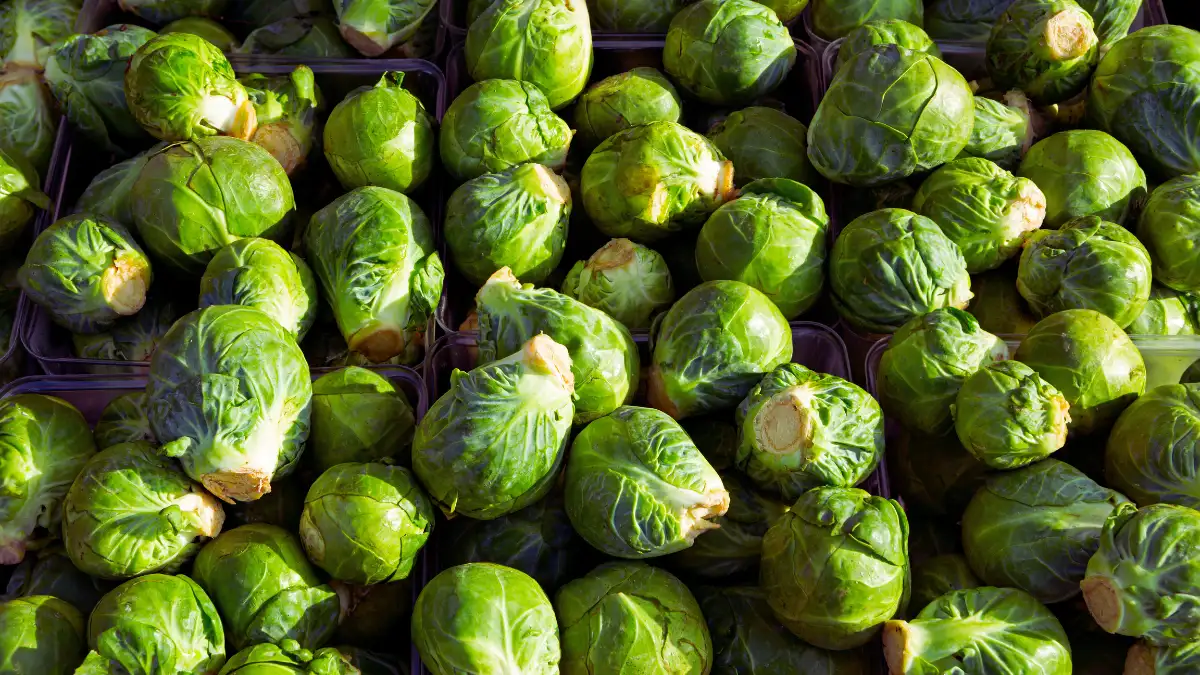
Cruciferous vegetables like broccoli, Brussels sprouts, cabbage, and kale contain these sulfur-containing compounds. Their pungent smell and slightly bitter taste come from glucosinolates.
When you chop, chew, or cook these vegetables, they release an enzyme that converts glucosinolates into active compounds like sulforaphane.
These substances help your body detoxify harmful chemicals and may block the development of cancer cells. They also reduce inflammation and support your body’s natural defense systems.
For maximum benefits, use different cooking methods for cruciferous vegetables. Light steaming preserves more glucosinolates than boiling.
Raw consumption works too, but might cause digestive discomfort for some people. Adding mustard seed powder to cooked broccoli can help restore enzymes lost during heating.
4. Resveratrol
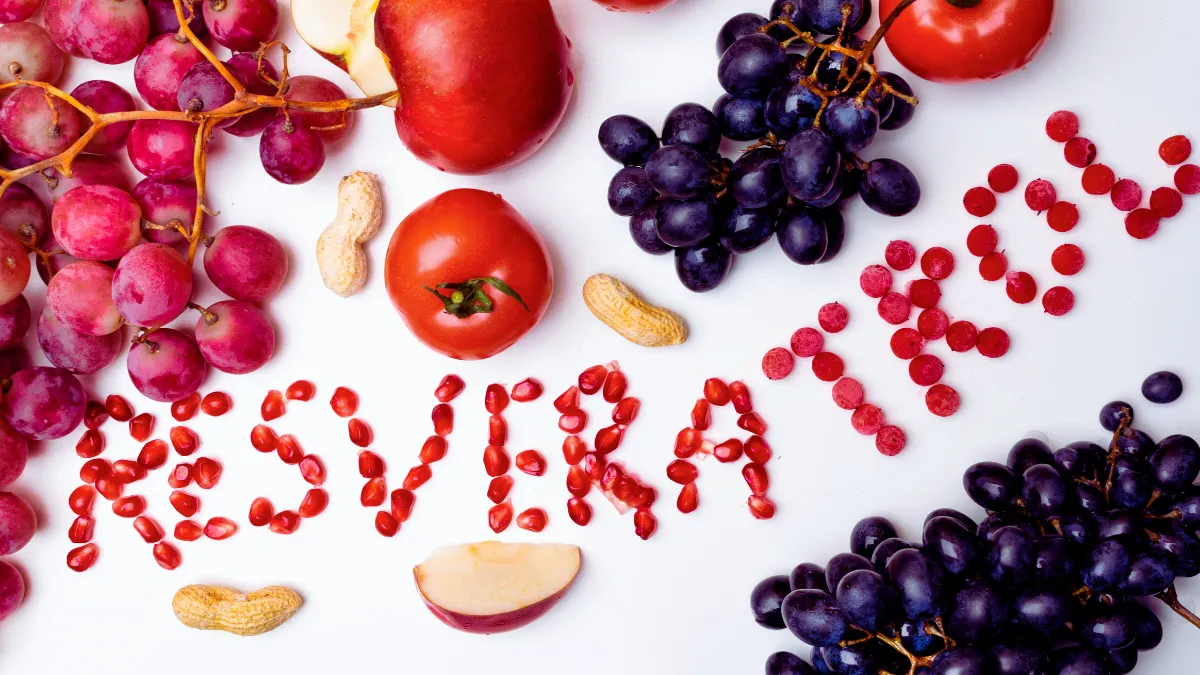
Grape skins, red wine, blueberries, and peanuts contain this plant compound. Resveratrol helps plants fight off fungi and recover from injury.
This substance activates proteins called sirtuins that play a role in aging and longevity. It supports heart health by improving blood vessel function and reducing inflammation.
Resveratrol also enhances blood flow to the brain, potentially supporting cognitive function as we age. Some research suggests it might help regulate blood sugar levels too.
You can get resveratrol from both food and drinks. A glass of red wine occasionally, a handful of grapes, or some blueberries all provide this beneficial compound.
Supplements exist but might not offer the same benefits as whole foods, which contain other helpful substances that work together with resveratrol.
5. Chlorophyll
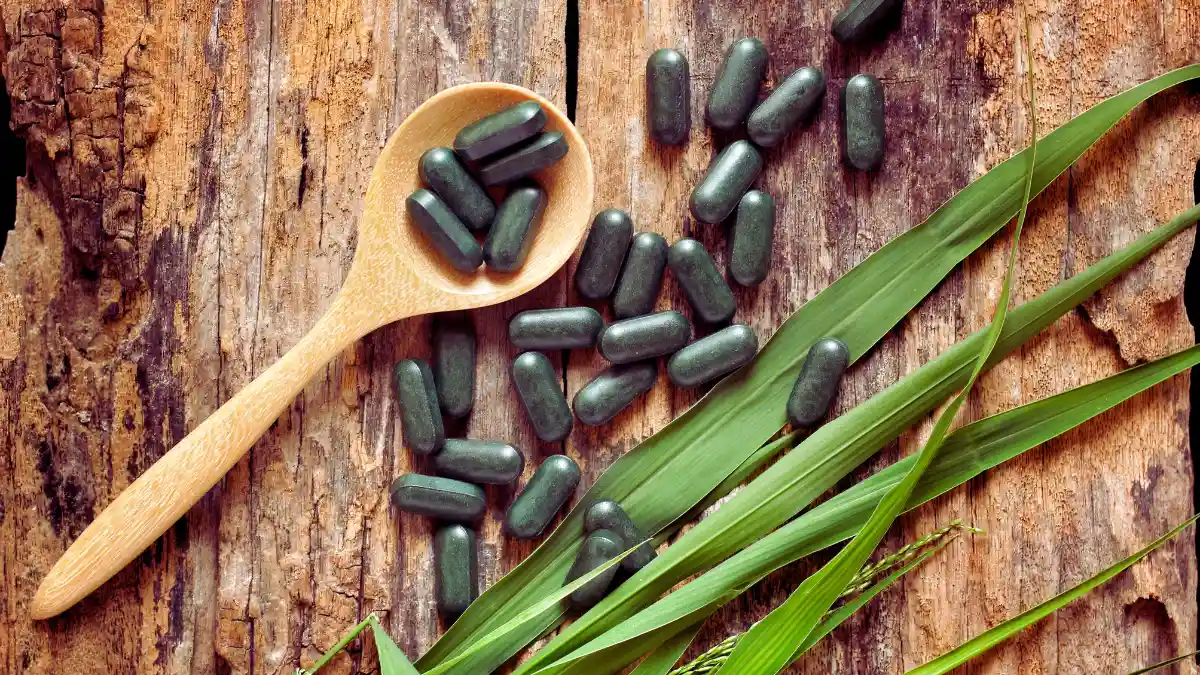
This green pigment allows plants to capture sunlight and create energy through photosynthesis. Leafy greens, wheatgrass, spirulina, and herbs like parsley and cilantro pack plenty of chlorophyll.
Your body uses chlorophyll in several ways. It binds to potential carcinogens in your digestive tract, limiting their absorption and helping remove them from your system.
Chlorophyll supports your liver’s natural detoxification processes and provides antioxidant protection. Many people notice improved digestion and less body odor when consuming chlorophyll-rich foods regularly.
Fresh green juices offer concentrated chlorophyll, but whole vegetables provide fiber and other nutrients too. Store leafy greens properly to preserve their chlorophyll content.
Wrap them in slightly damp paper towels and keep them in the crisper drawer. Light cooking breaks down plant cell walls, sometimes making chlorophyll more available to your body.
6. Curcumin

The golden spice turmeric contains this vibrant yellow compound that gives curry its distinctive color. Curcumin stands out as one of the most studied plant substances for its remarkable anti-inflammatory properties.
Your body benefits from curcumin’s ability to target multiple inflammatory pathways, particularly those involved in chronic conditions like arthritis.
Many users report reduced joint pain and improved mobility after regular consumption. Curcumin also supports brain health by crossing the blood-brain barrier, potentially slowing the progression of cognitive decline and boosting mood.
Absorption matters greatly with this compound. Black pepper contains piperine, which can increase curcumin absorption by up to 2000%.
Try adding turmeric to scrambled eggs, smoothies, or golden milk. Cooking it with healthy fats like coconut oil or olive oil also helps your body use this powerful plant compound more effectively.
7. Allicin
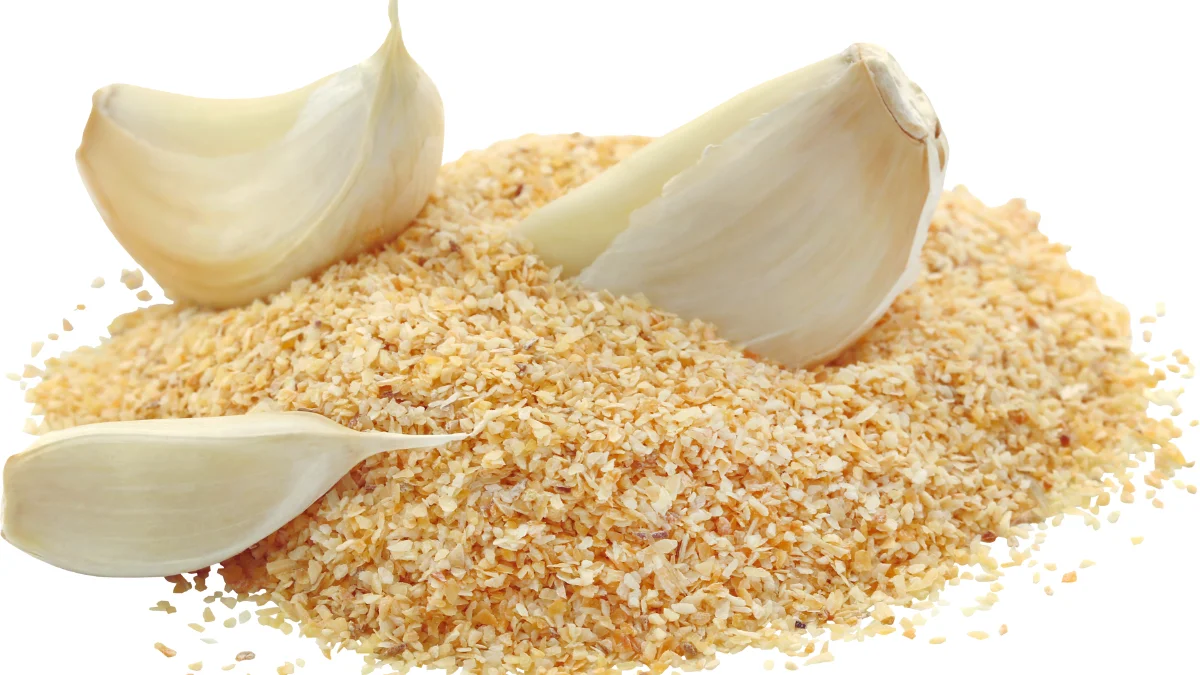
Crushing or chopping garlic activates an enzyme that produces this sulfur compound, responsible for garlic’s pungent aroma and many health benefits. Letting crushed garlic sit for 10 minutes before cooking maximizes allicin formation.
Allicin works as a natural antimicrobial agent, fighting bacteria, viruses, and fungi. Your cardiovascular system gains particular advantages from regular consumption.
A 2022 review published in Clinical Evidence of the Benefits of Phytonutrients in Human Healthcare (PMC9102588) highlights how allicin and other organosulfur compounds in garlic reduce hypertension and improve lipid profiles. The study shows consistent benefits for lowering both systolic and diastolic blood pressure.
Fresh is best when it comes to getting allicin. Cook garlic lightly or add it raw toward the end of cooking to preserve its beneficial compounds.
Roasted garlic offers a milder flavor while still providing health benefits. For those who dislike the taste, aged garlic extract supplements contain converted compounds that still offer cardiovascular support.
8. Lignans
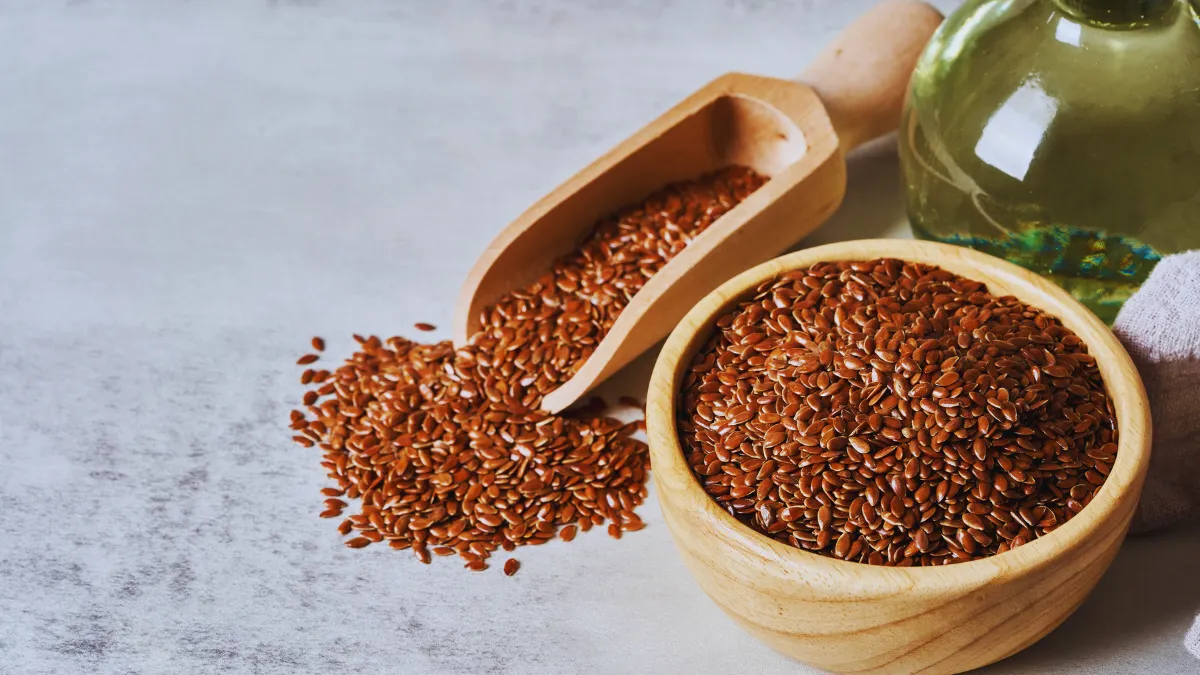
Flaxseeds rank as the richest dietary source of these plant compounds, with sesame seeds coming in second. Your gut bacteria convert lignans into active forms that influence hormone metabolism.
These fiber-associated compounds function as phytoestrogens, weakly mimicking estrogen but also blocking stronger estrogens when levels run high.
Women gain unique benefits from this balancing effect, with studies showing potential for reduced breast cancer risk. Lignans also support bone health in postmenopausal women and help maintain hormonal balance during various life stages.
Grinding flaxseeds fresh unlocks their lignan content, as whole seeds often pass through undigested. Sprinkle them on oatmeal, blend them into smoothies, or use them in baking.
Store ground seeds in the refrigerator to prevent rancidity. Sesame seeds, whole grains, berries, and broccoli provide additional sources to incorporate throughout your diet.
9. Ellagic Acid
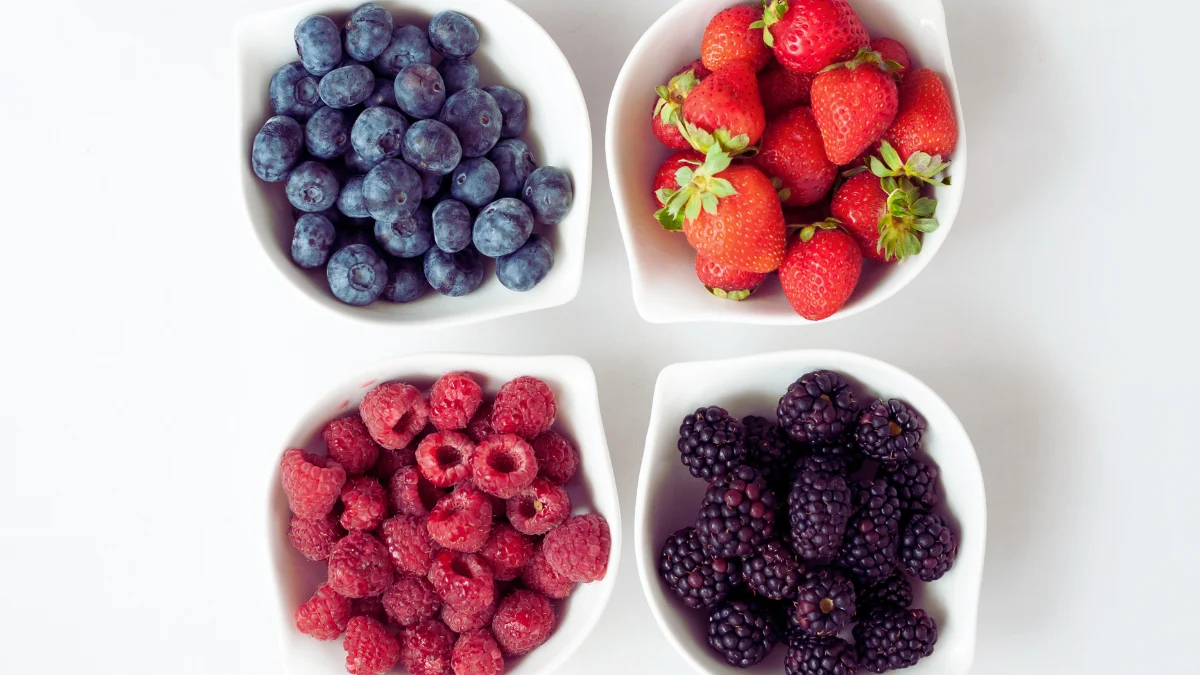
Berries, particularly strawberries, raspberries, and blackberries, contain this polyphenol compound. Pomegranates offer another rich source, with the highest concentration found in their peel and membrane.
Your cells receive multiple layers of protection from ellagic acid. It neutralizes carcinogens before they can damage DNA and triggers self-destruction in abnormal cells.
A 2025 review in The Journal of Nutrition examines how ellagic acid prevents prostate and breast cancer through antioxidant and anti-inflammatory pathways. The research highlights its ability to induce apoptosis specifically in cancer cells while leaving healthy cells untouched.
Gut bacteria convert ellagic acid to urolithins, compounds that continue to provide benefits as they circulate in your bloodstream.
Fresh berries provide the most accessible form, but frozen varieties maintain nearly all their ellagic acid content.
Consider adding pomegranate juice to your routine or using a small amount of powdered supplement when berries aren’t in season.
10. Saponins
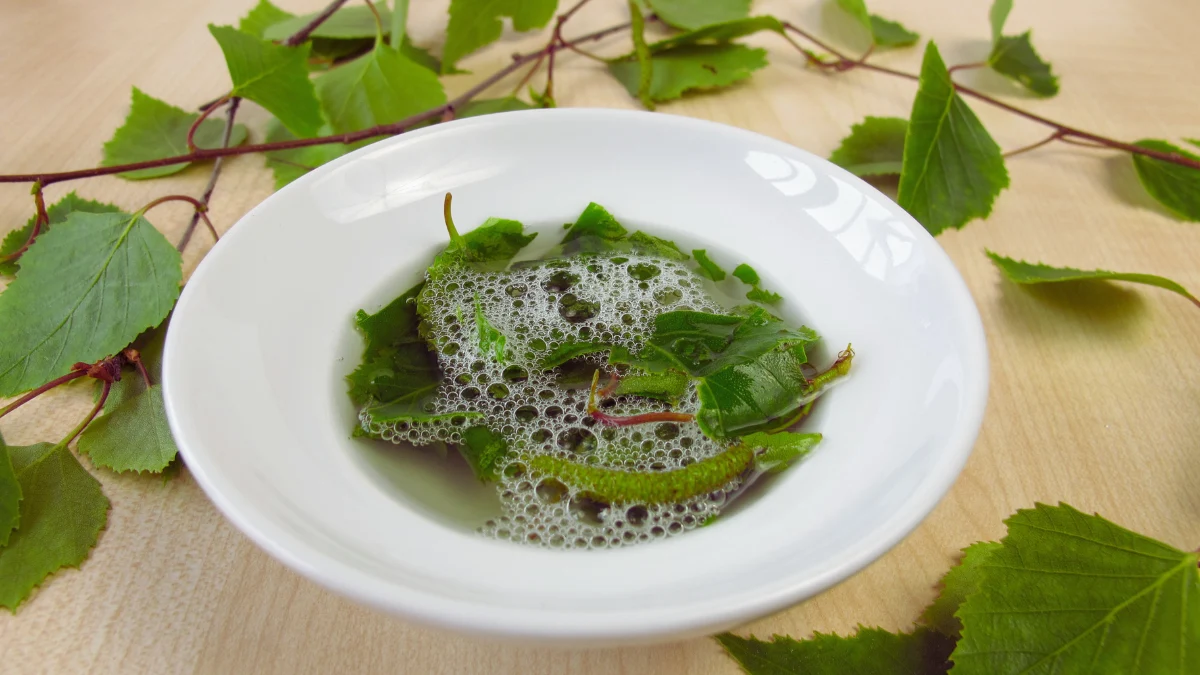
Beans, peas, lentils, and quinoa contain these soap-like compounds that create foam when shaken with water. Saponins give some foods their slightly bitter taste but offer substantial health rewards.
These compounds bind to cholesterol in your digestive tract, preventing its absorption and lowering blood levels.
Your gut health improves through saponins’ ability to support beneficial bacteria growth while discouraging harmful microbes. They may also enhance immune function by stimulating protective immune cells and reducing inflammation.
Soaking and rinsing beans before cooking reduces their saponin content slightly, which helps minimize digestive discomfort while preserving most benefits.
Rotate different legumes throughout your week to get varied saponin types. Herbs like ginseng and astragalus contain different saponins with additional immune-supporting properties worth exploring.