

Your joints feel stiff when you wake up. Movement hurts. Simple tasks like opening jars or climbing stairs become daily challenges. Joint stiffness can seriously limit your quality of life, but you don’t have to accept it as inevitable.
Physical therapists know that specific exercises can dramatically reduce stiffness while others make it worse. The right movements increase blood flow, build supporting muscles, and improve flexibility – often bringing relief within days. The wrong ones? They can accelerate joint damage and intensify pain.
This guide reveals 9 proven exercises to fight joint stiffness fast and 3 activities you should avoid.
9 Exercises to Relieve Joint Stiffness
Joint stiffness can limit mobility and cause discomfort in daily activities. Regular exercise helps reduce stiffness by increasing blood flow to joints, strengthening surrounding muscles, and improving flexibility.
Here are nine effective exercises recommended by physical therapists to help manage joint stiffness and improve your quality of life.
1. Swimming/Water Aerobics

Water supports your body weight, taking pressure off painful joints while you move. The natural resistance of water strengthens muscles without straining joints.
Swimming laps works your entire body, while water aerobics classes target specific muscle groups through structured movements.
Try swimming or water exercises 3-5 times weekly for 30-60 minutes for best results. Warm water (around 78-83°F) helps relax stiff muscles and joints before you start moving.
People with severe arthritis often find morning sessions helpful for decreasing morning stiffness. Water walking, gentle strokes, and arm circles can all help lubricate joints and reduce inflammation.
Many community pools offer arthritis-specific classes taught by certified instructors who understand joint limitations. Your body will thank you for the gentle yet effective workout.
2. Cycling
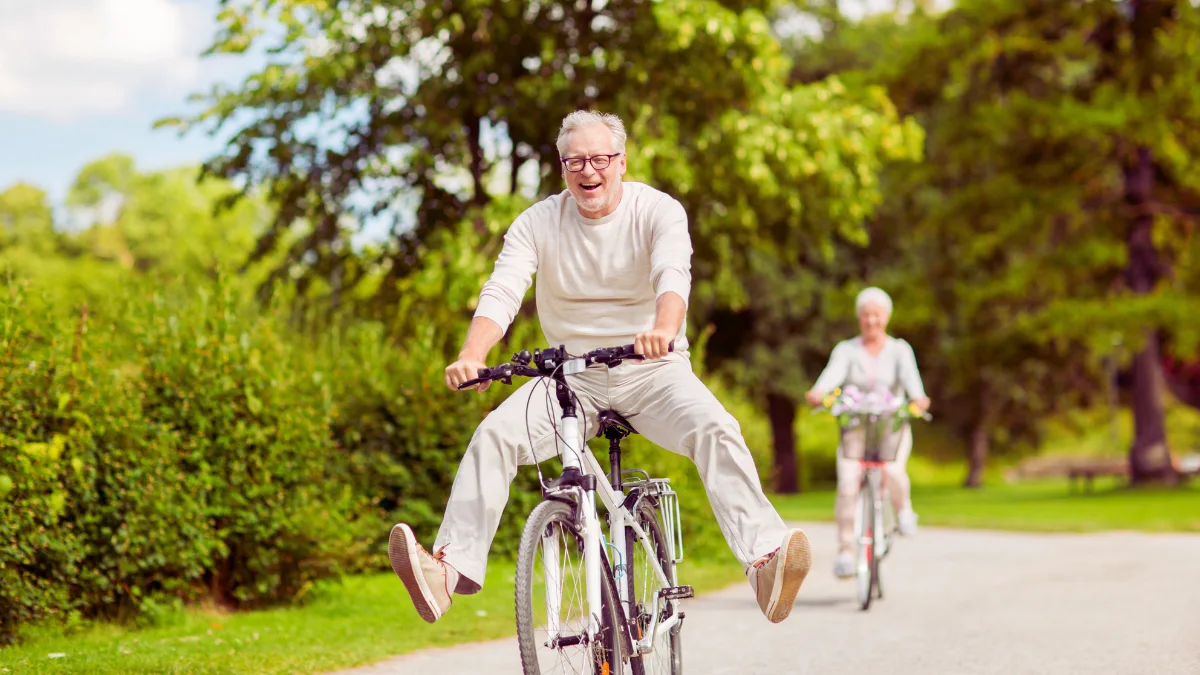
Cycling creates smooth, circular movements that boost joint lubrication without jarring impacts. This activity particularly benefits knee joints by strengthening the quadriceps muscles that support and stabilize the knee.
Stronger muscles take pressure off the joint itself. If balance is a concern, start with a stationary or recumbent bike.
Begin with 10-15 minutes daily at low resistance, gradually increasing time and intensity as comfort allows.
Proper bike fit matters—your knee should bend slightly (about 15 degrees) at the bottom of your pedal stroke.
Outdoor cyclists should choose flat terrain initially and avoid hills until their strength improves. Many people find that cycling not only helps their joints but also lifts their mood through the enjoyment of movement. Regular cyclists often report decreased joint pain and improved function within 4-6 weeks.
3. Walking

Walking increases blood circulation to joints and surrounding tissues, delivering oxygen and nutrients while removing waste products.
This simple exercise requires no special equipment—just comfortable, supportive shoes and a smooth walking surface.
Begin with short 10-minute sessions if you’re new to exercise or experiencing considerable stiffness. Gradually increase duration as your body adjusts.
Applying heat to stiff joints about 20 minutes before walking can make your first steps more comfortable and productive. Walking on softer surfaces like tracks or grass reduces joint impact compared to concrete sidewalks.
Many people find that consistent walking helps maintain a healthy weight, which takes additional pressure off weight-bearing joints. Morning walks help shake off stiffness, while evening strolls can reduce end-of-day discomfort.
4. Tai Chi
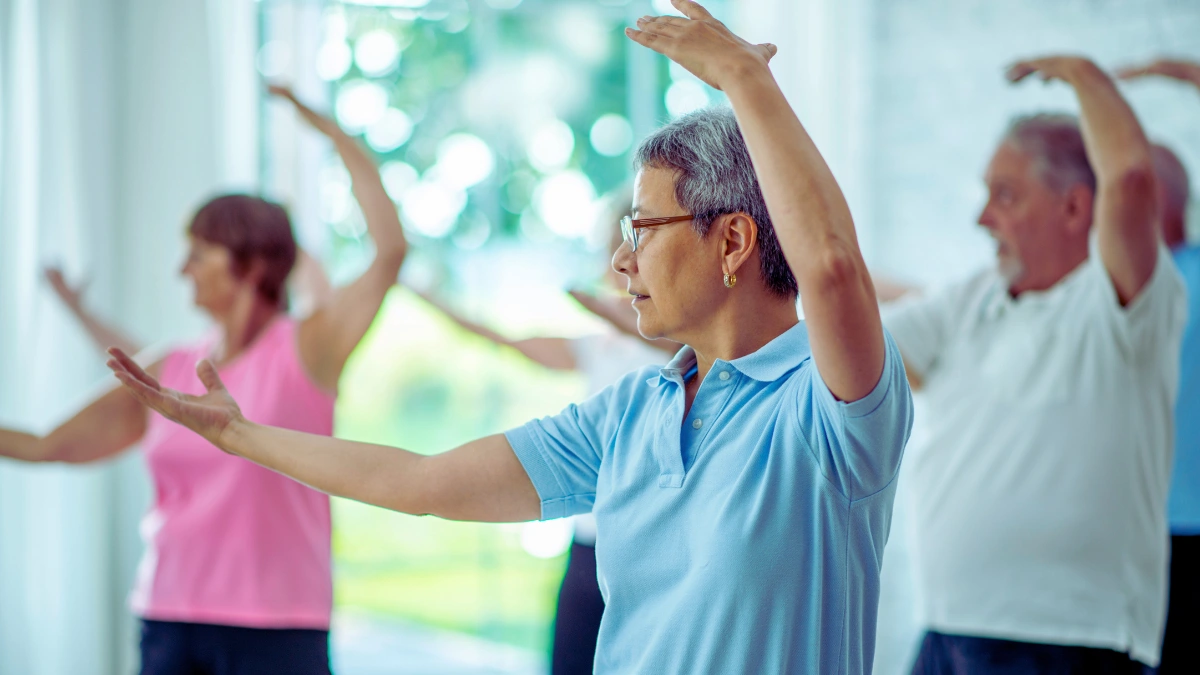
Tai Chi involves slow, flowing movements that gently work joints through their range of motion. This ancient practice combines balance training, muscle strengthening, and mindfulness—all beneficial for joint health.
A pain reduction (30-40%) among arthritis patients is seen who practice regularly. Beginner classes focus on basic forms with names like “Wave Hands Like Clouds” or “Grasp Sparrow’s Tail.”
These movements emphasize weight shifting, controlled breathing, and proper alignment. The slow pace allows you to become aware of how your body moves and where you might be compensating for stiffness.
Most communities offer senior-friendly or arthritis-specific Tai Chi classes. Many practitioners report improved balance, reduced fall risk, and better sleep in addition to decreased joint pain.
Consistency matters more than duration—even 15 minutes daily provides benefits for joint mobility and overall well-being.
5. Yoga
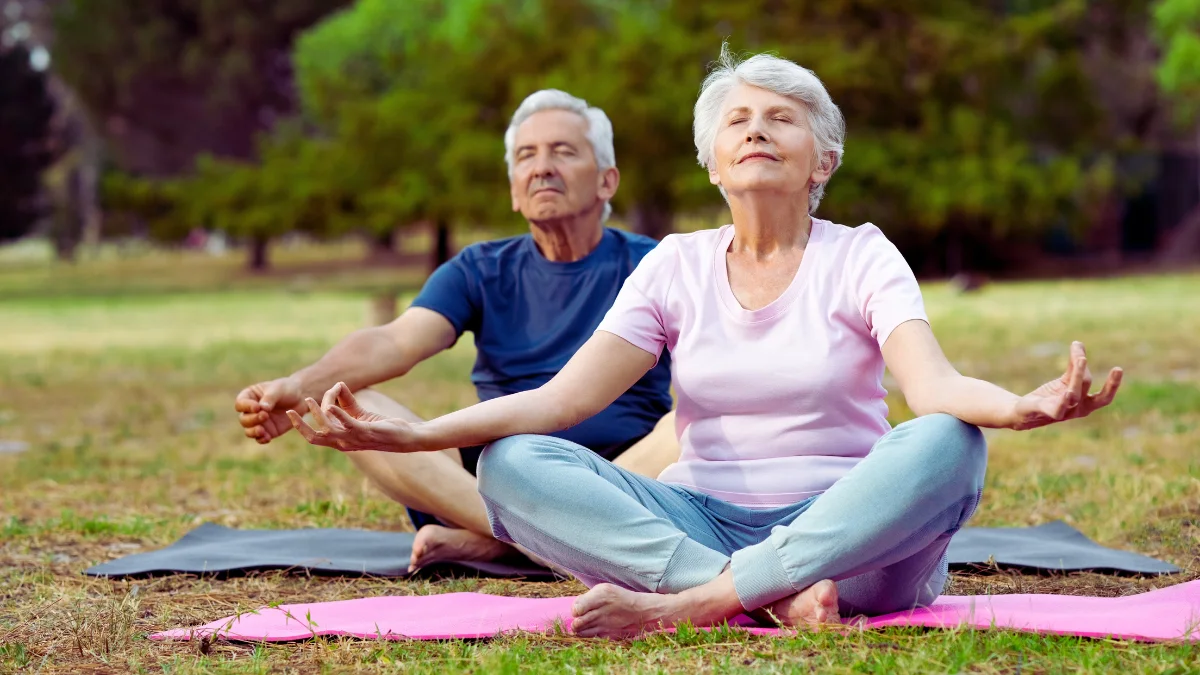
Yoga combines gentle stretching with strength-building poses that work joints through safe ranges of motion. Specific poses target problem areas—Butterfly pose opens hip joints, while Wall Climbs increase shoulder mobility.
The practice emphasizes body awareness and proper alignment. Classes labeled “gentle,” “restorative,” or “chair yoga” offer modifications for those with joint limitations.
Tell your instructor about your condition so they can suggest alternatives to challenging poses. Avoid bouncing during stretches, which can strain already sensitive joints.
Beyond physical benefits, yoga incorporates breathing techniques and meditation that help manage pain perception.
Many practitioners find that regular sessions reduce stress-related inflammation throughout the body. Home practice between classes helps maintain gains in flexibility and strength.
6. Strength Training
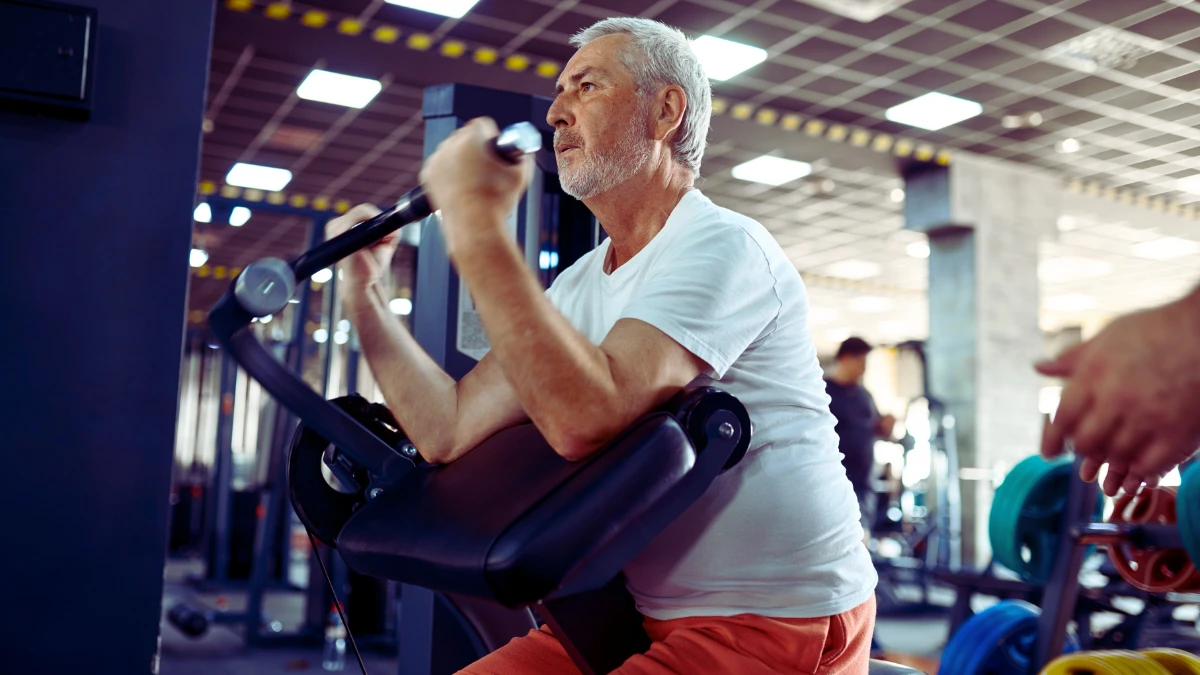
Building muscle around joints provides better support and stability. Stronger muscles absorb shock that would otherwise impact joint surfaces.
A 2021 study published in PMC8716769 found that strength training improved pain by 25% and enhanced physical function in knee osteoarthritis patients.
Start with light weights or resistance bands, focusing on proper form rather than weight amount. Simple exercises like seated knee extensions strengthen quadriceps, while side-lying leg lifts target hip stabilizers.
Three sets of 10 repetitions, performed 2-3 times weekly, build strength without overtaxing joints. Allow 48 hours between strength sessions for the same muscle groups to recover properly.
Many people notice improvements in daily activities like climbing stairs or rising from chairs after several weeks of consistent training.
Stronger muscles also help maintain proper joint alignment during movement, reducing wear patterns that contribute to stiffness.
7. Hamstring/Shoulder Stretches
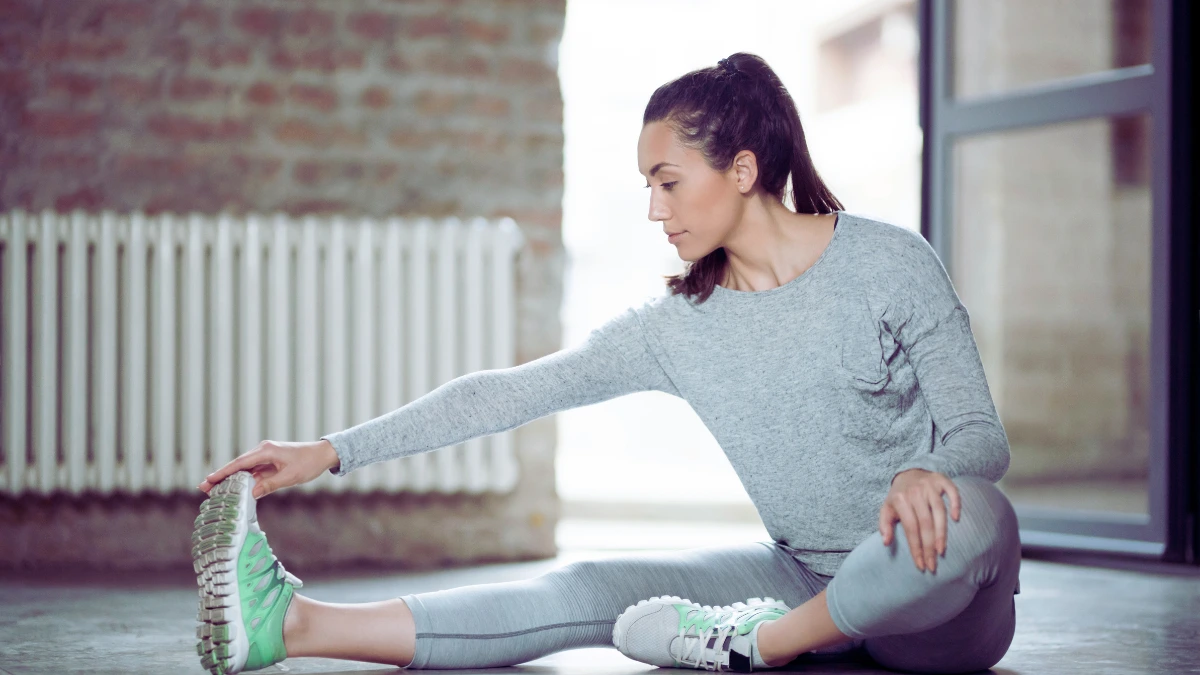
Targeted stretches improve flexibility in muscles that often contribute to joint stiffness. Hamstring tightness can pull on the pelvis, affecting both back and knee comfort.
Shoulder stretches help maintain the range needed for everyday reaching and lifting motions. Lying hamstring stretches (on your back with one leg extended upward) offer gentle, supported stretching.
Wall slides for shoulders help regain mobility without strain. Hold each stretch 30-60 seconds without bouncing, breathing normally throughout.
Performing these stretches 3 times daily provides lasting flexibility improvements. Morning stretches help loosen overnight stiffness, while evening routines can release tension accumulated during daily activities.
Many people find that combining heat application with stretching enhances results. Gentle stretching should never increase pain—you should feel tension but not discomfort.
8. Elliptical Training
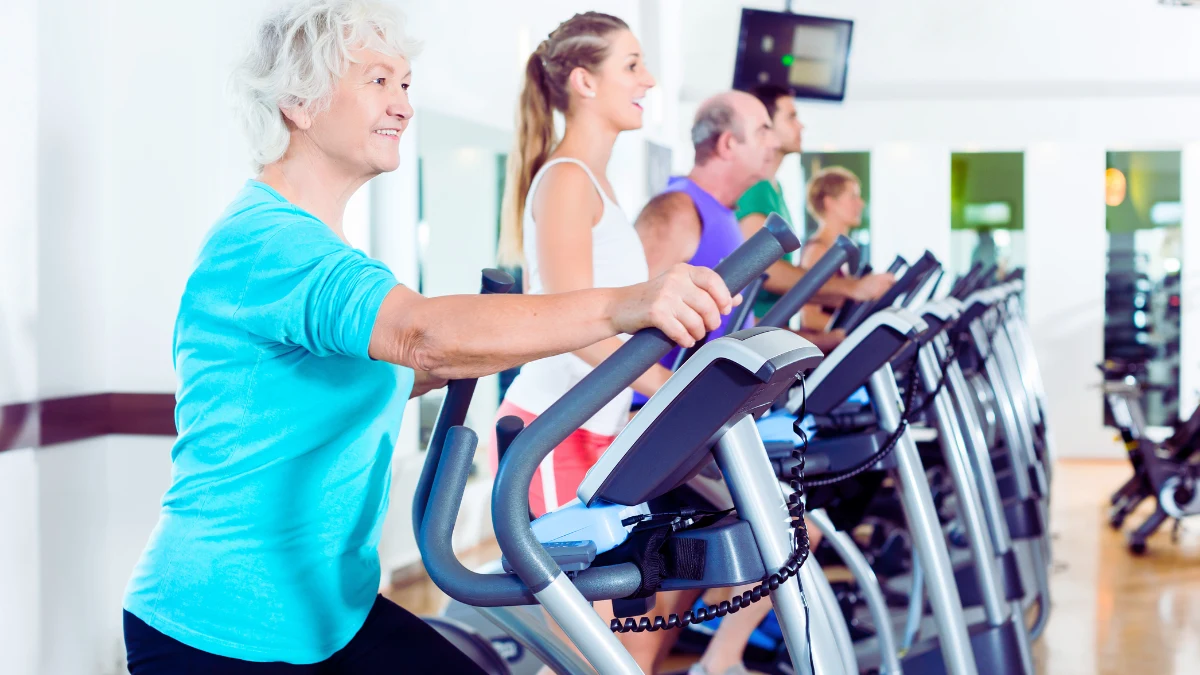
Elliptical machines create a walking-like motion without the impact of each foot striking the ground. This smooth, continuous movement pattern works multiple muscle groups while being gentle on knees and hips.
The adjustable resistance lets you customize workouts to your fitness level. Start with 5-10 minutes at low resistance, maintaining an upright posture rather than leaning on handlebars, which can strain shoulders and wrists.
Gradually increase time and intensity as comfort allows. Many people find using both arm and leg components provides a more balanced workout and better calorie burn. Elliptical training improves cardiovascular health alongside joint mobility—a win-win for overall health.
The closed-chain movement pattern (feet stay in contact with pedals) provides stability training that carries over to daily activities.
Most gyms offer elliptical machines, making this an accessible option year-round regardless of the weather.
9. Non-Swimming Aquatic Exercises
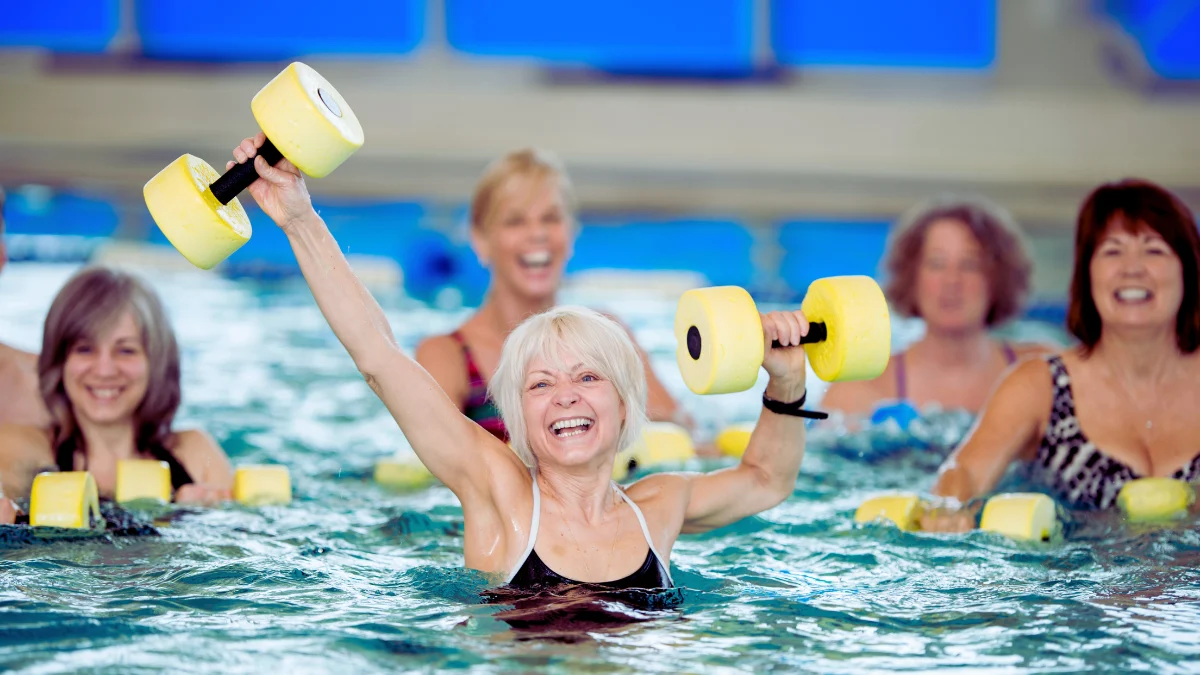
Beyond swimming laps, water provides an excellent environment for joint-friendly strength and mobility work. Water walking, leg lifts, and arm circles utilize water resistance to build strength while the buoyancy supports body weight.
A 2022 review (PMC9110817) found that aquatic exercises lower inflammation markers and improve cartilage health in osteoarthritis patients.
Try water jogging with a flotation belt in deep water, or perform leg swings and arm movements in chest-deep water. The hydrostatic pressure of water itself reduces swelling in joints and extremities.
Sessions of 20-30 minutes provide benefits without fatigue for most beginners. Water temperature matters—warmer pools (around 83°F) help muscles relax, while slightly cooler temperatures work well for more active water fitness.
Many people appreciate the social aspects of group aquatic classes specifically designed for arthritis management. Water exercises often feel playful rather than therapeutic, encouraging long-term adherence.
3 Exercises That Worsen Joint Stiffness
Not all physical activities benefit stiff joints. Some exercises can increase inflammation, accelerate cartilage wear, and worsen your symptoms over time.
Physical therapists commonly advise patients with joint issues to avoid these movements, especially during flare-ups. Here are three types of exercises that may aggravate joint stiffness.
1. High-Impact Activities (Running/Jumping)

Running and jumping create substantial forces that travel through your body with each landing. These impact forces can be up to six times your body weight, putting tremendous stress on cartilage and joint structures.
Hard surfaces like concrete or asphalt magnify these forces, potentially causing microscopic damage that accumulates over time.
Your knees and hips absorb most of this impact, making these joints particularly vulnerable to increased inflammation and stiffness.
The repetitive nature of running means thousands of impacts during a single session, giving tissues little chance to recover between strikes.
Many runners with early joint issues notice increased morning stiffness or longer recovery times after workouts.
This doesn’t mean you must avoid all cardio exercise. Low-impact alternatives like swimming, cycling, or elliptical training provide similar cardiovascular benefits without the jarring effects.
If running has been your go-to activity, consider transitioning gradually to these joint-friendly options, especially if you’ve noticed worsening stiffness or pain after your runs.
2. Deep Squats/Bending
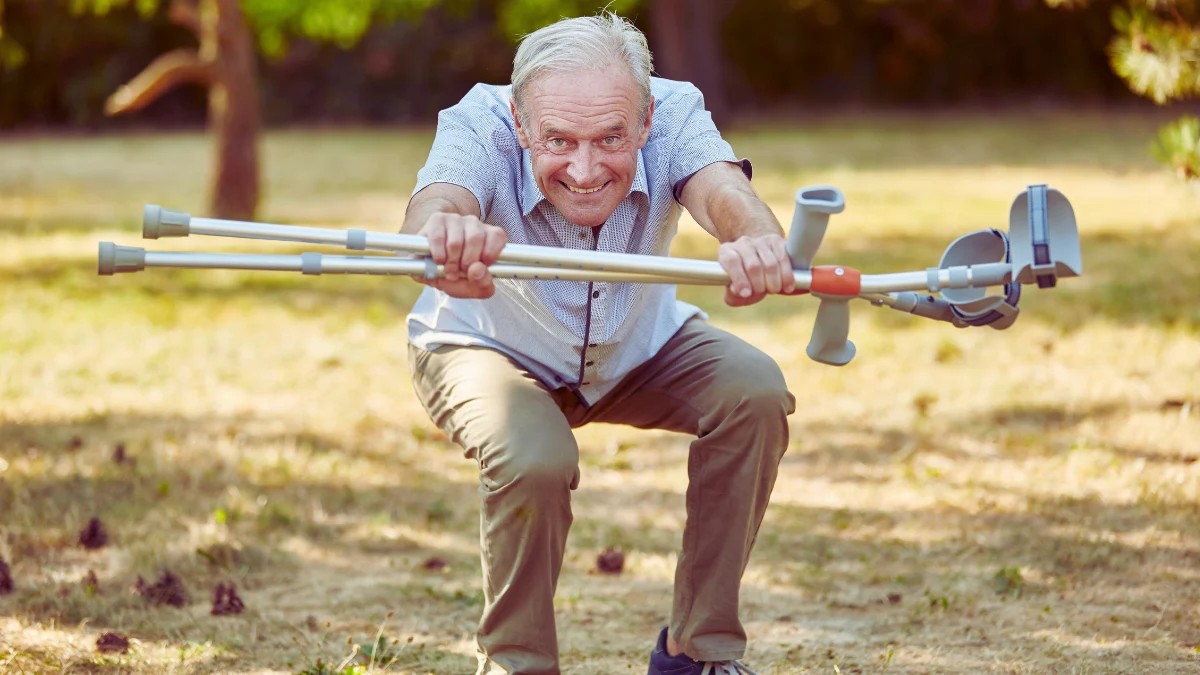
Bending your knees past 90 degrees creates intense compression forces within the joint. This position squeezes cartilage between bone surfaces, potentially accelerating wear patterns in already vulnerable areas.
Weight-bearing deep squats multiply these forces significantly, particularly when holding additional weight. The kneecap (patella) experiences maximum pressure against the thigh bone during deep bending.
This can irritate the underside of the patella, leading to increased pain and stiffness. Hip joints also bear substantial stress in deep positions, potentially aggravating existing arthritis or labral issues.
Many people notice catching or grinding sensations during these movements—warning signs of mechanical stress.
You can still strengthen your legs safely with partial squats, stopping at the point where your thighs are parallel to the floor or higher.
Wall slides, supported lunges, and leg presses with limited ranges also build strength without excessive joint compression.
Focus on proper form: keep knees aligned over ankles (not pushing forward) and maintain core engagement throughout movements.
3. Repetitive Overhead Movements

Repeatedly lifting your arms overhead stresses shoulder joints and the rotator cuff muscles that stabilize them. Activities like painting ceilings, certain swimming strokes, or overhead weight training can create friction between shoulder structures, leading to inflammation and reduced mobility over time.
The shoulder has the greatest range of motion of any joint, making it particularly susceptible to wear patterns. Neck joints also take strain during overhead activities as muscles tighten to stabilize your head position.
This muscle tension can compress cervical vertebrae, potentially irritating facet joints or discs. Many people notice increased neck stiffness or headaches after prolonged overhead work.
The connection between shoulder and neck mechanics means problems often appear in both areas simultaneously.
You can modify your approach by using tools with extended handles, taking frequent breaks during overhead tasks, and strengthening the rotator cuff muscles with specific exercises.
Keeping shoulders mobile with gentle range-of-motion activities helps prevent stiffness from setting in. Pay attention to early warning signs like catching sensations or pain that lingers after activity—these suggest the need for modification.