
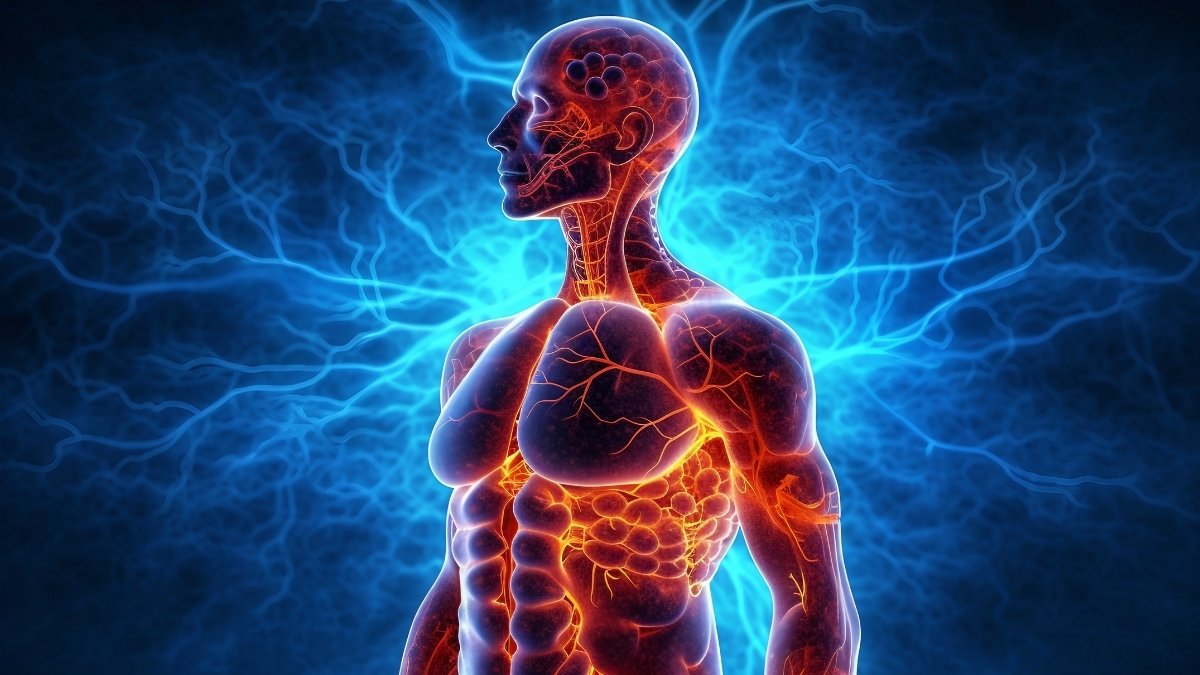
Feeling low, stressed, or just “off” lately? Your diet might be the culprit. Many people struggle with mood swings without realizing that what they eat directly impacts their brain chemistry.
Serotonin—your body’s natural “happy hormone”—depends on specific foods to thrive. The good news? You can take control of your mood through simple diet changes.
Psychiatrists have identified eight powerful foods that boost serotonin levels naturally, plus four common items that secretly deplete this crucial neurotransmitter.
By making smart swaps in your kitchen, you could transform how you feel each day, without medication or expensive supplements.
8 Foods That Naturally Boost Serotonin
Serotonin plays a crucial role in mood regulation and overall well-being. Often called the “happy hormone,” it’s synthesized from tryptophan, an essential amino acid we must get through our diet.
These eight foods can help your body produce more serotonin naturally, supporting better mood and mental health.
1. Eggs
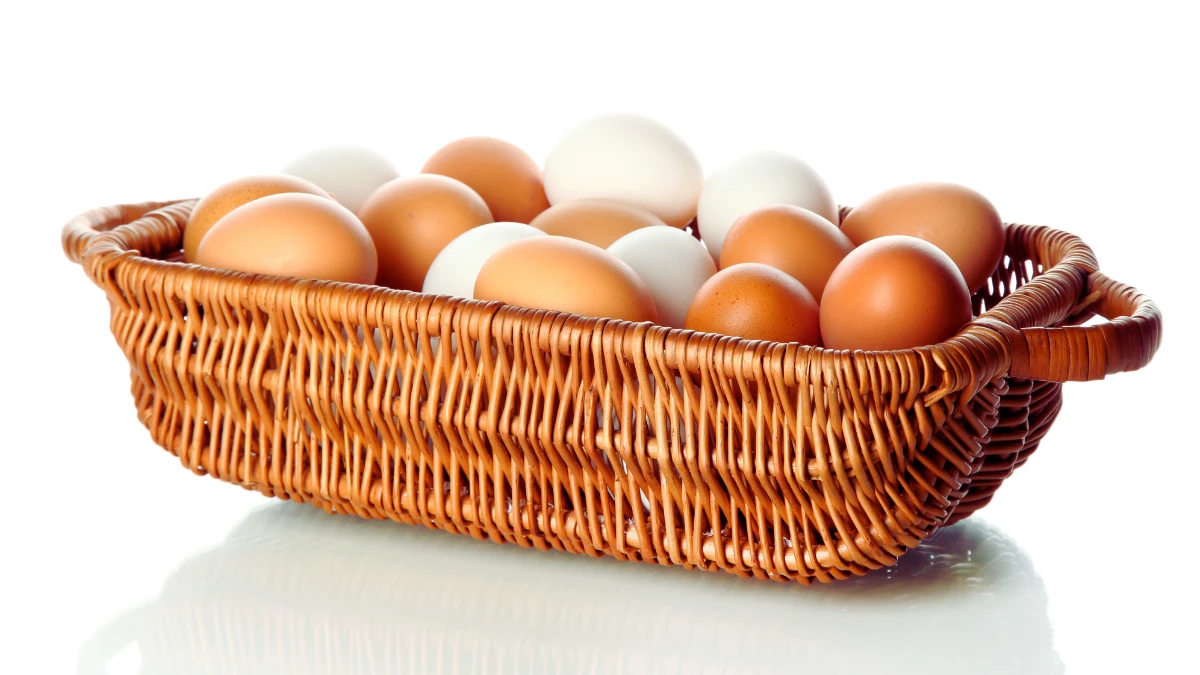
Packed with tryptophan and high-quality protein, eggs boost plasma tryptophan levels in your bloodstream. This makes them excellent for supporting serotonin production throughout your day.
Women who eat tryptophan-rich eggs experience improved mood compared to those who don’t. The protein structure in eggs seems particularly effective at delivering this essential amino acid where your body needs it.
For best results, try pairing eggs with carbohydrates like whole-grain toast. This combination helps tryptophan cross the blood-brain barrier more efficiently by reducing competition from other amino acids, maximizing serotonin synthesis in your brain.
2. Salmon
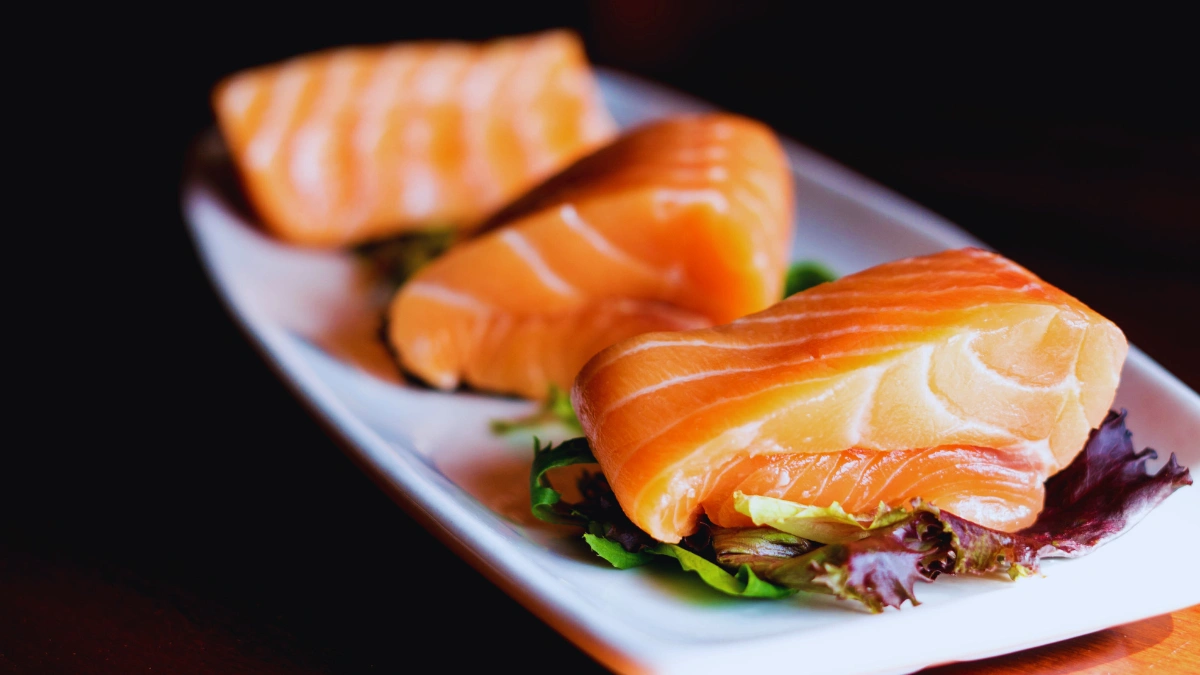
This fatty fish delivers a powerful combination of tryptophan and omega-3 fatty acids that work together to support brain function.
The omega-3s maintain healthy cell membranes, allowing serotonin receptors to function optimally. Salmon also contains vitamin D, which directly aids serotonin synthesis.
Many people lack adequate vitamin D, making salmon a valuable addition to meals for both mood and overall health benefits.
Regular consumption helps reduce inflammation linked to depression while providing the building blocks your brain needs for neurotransmitter production.
Just two servings weekly can make a noticeable difference in how you feel, especially during darker winter months when natural vitamin D is harder to obtain.
3. Nuts and Seeds
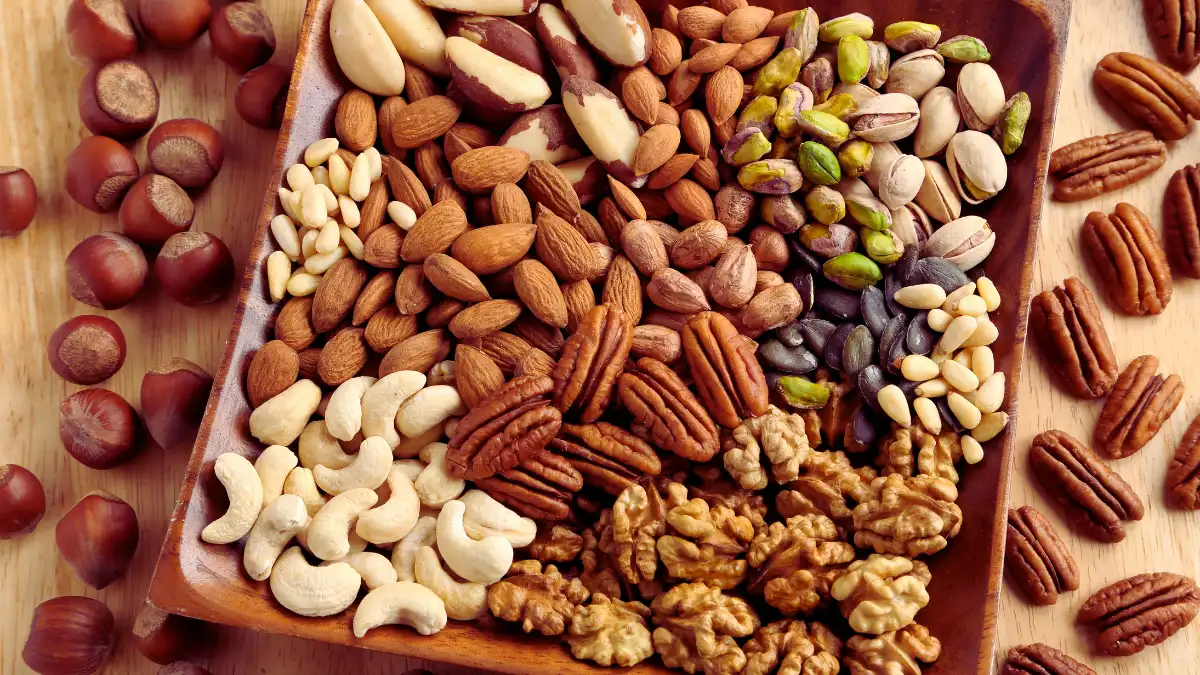
Walnuts, almonds, pumpkin seeds, and sunflower seeds contain substantial amounts of tryptophan alongside magnesium, which plays a key role in serotonin production.
Their healthy fat content further supports brain health and nutrient absorption. Daily walnut consumption is associated with fewer depressive symptoms.
These small nutritional powerhouses also contain fiber and antioxidants that promote gut health, an often overlooked factor in serotonin production.
Small handfuls make excellent snacks that stabilize blood sugar while providing mood-supporting nutrients.
Their portable nature makes them convenient options for boosting your serotonin levels throughout busy days when stress might otherwise affect your mood negatively.
4. Spinach
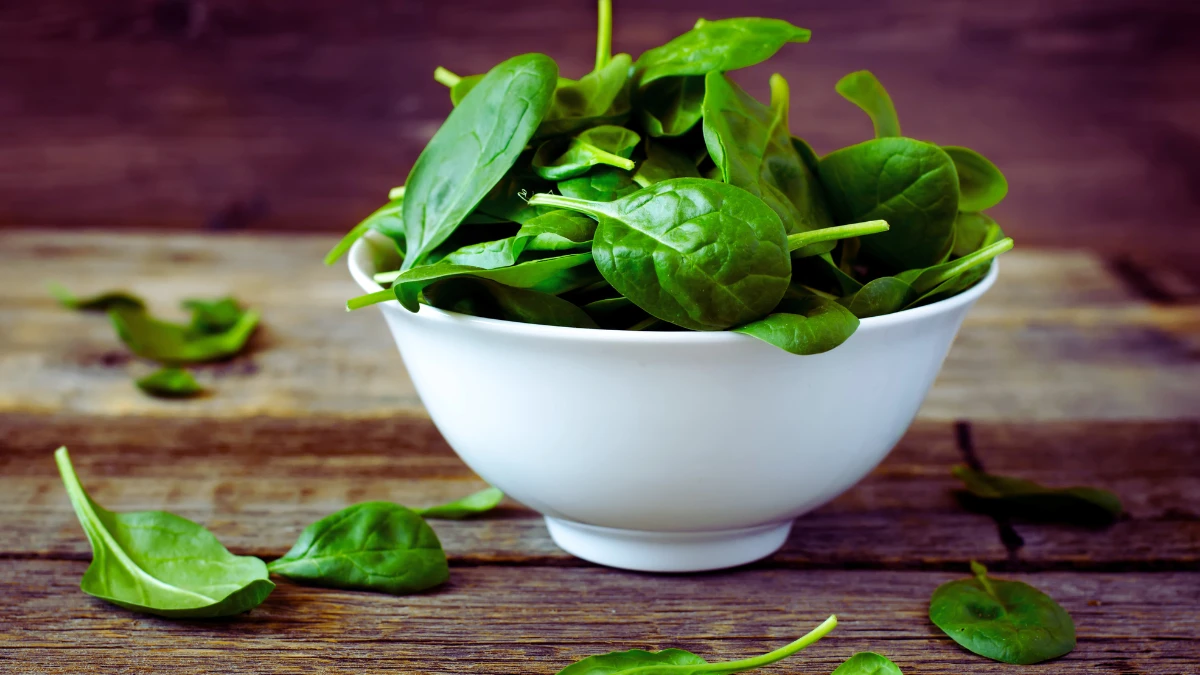
This leafy green vegetable contains abundant folate and iron, both essential for proper brain function and mood regulation.
Folate deficiency strongly correlates with depression symptoms, making spinach an important food for mental health.
A 2021 meta-analysis published in Complementary Therapies in Medicine found that folate therapy significantly improved outcomes in patients with major depressive disorder.
The research supports what nutritionists have long suspected – that folate-rich foods like spinach play a vital role in supporting neurotransmitter function.
Spinach also provides magnesium, which helps activate hundreds of enzymes, including those involved in serotonin production.
Adding this versatile green to salads, smoothies, or cooked dishes gives your brain the micronutrients it needs for optimal serotonin synthesis and utilization.
5. Fermented Foods
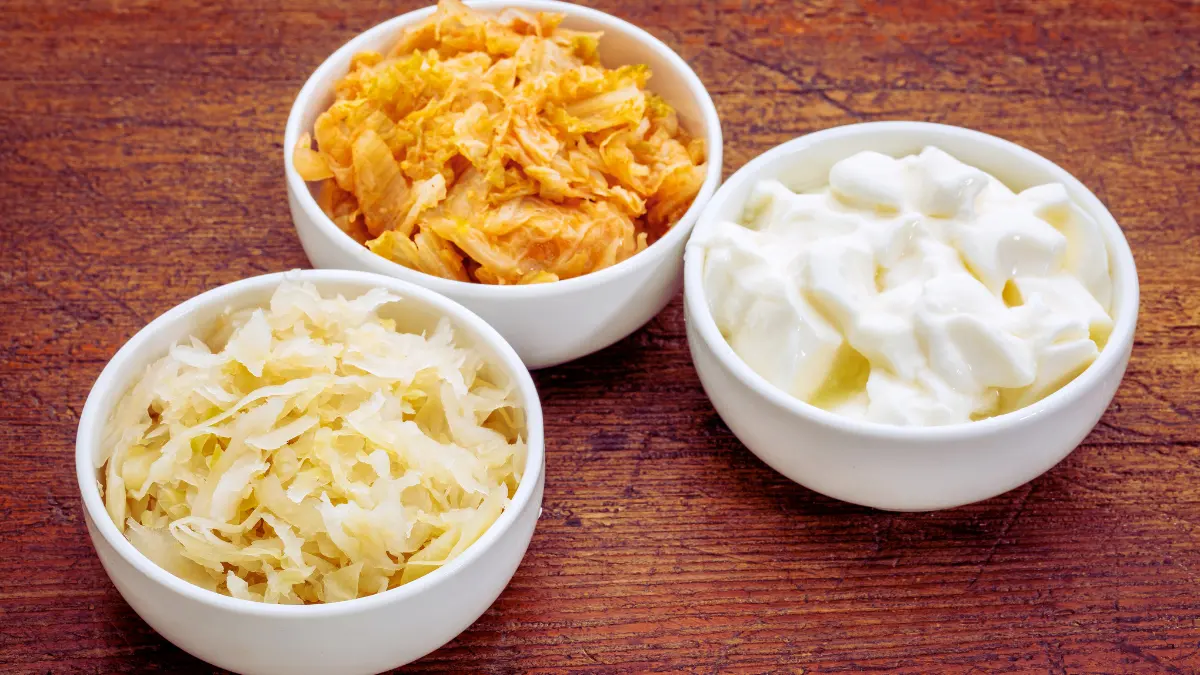
Kimchi, yogurt, kefir, and sauerkraut contain live beneficial bacteria that transform your gut environment.
Since about 90% of serotonin production happens in your digestive tract, these foods directly impact your mood from the bottom up.
The probiotics in fermented foods help balance your intestinal microbiome, creating conditions where serotonin production can flourish.
They also reduce inflammation throughout your body, including your brain, which helps with mood regulation. Even small servings of these tangy foods with meals can gradually improve your gut health.
Better gut function means better neurotransmitter production, creating a positive cycle that benefits both digestive comfort and emotional stability over time.
6. Turkey

Known for causing post-Thanksgiving drowsiness, turkey contains significant amounts of tryptophan that your body uses to create serotonin.
This lean protein source provides this crucial amino acid without excessive fat. Turkey works best when eaten with complex carbohydrates.
The carbs trigger insulin release, which clears competing amino acids from your bloodstream, giving tryptophan less competition for transport into your brain, where it becomes serotonin.
You can enjoy turkey year-round in sandwiches, salads, or as a main dish. Its versatility makes it easy to include this serotonin-supporting food in your regular meal rotation, providing steady access to the building blocks your brain needs for mood regulation.
7. Dark Chocolate

The cacao in dark chocolate contains several compounds that support mood enhancement. Tryptophan, theobromine, and phenylethylamine work together to stimulate serotonin activity while reducing stress hormones in your body.
Systematic reviews of chocolate consumption show it reliably improves mood states. The effect comes from both its chemical composition and the pleasurable experience of eating it, creating a double benefit for your emotional state.
For maximum benefit, choose chocolate with at least 70% cacao content and minimal added sugar.
Small amounts satisfy cravings while providing the mood-enhancing compounds without excess calories or sugar that might counteract the positive effects on your brain chemistry.
8. Bananas

These convenient fruits contain vitamin B6, a crucial cofactor that helps convert tryptophan into serotonin. Without adequate B6, this conversion process slows down, potentially affecting your mood.
A 2016 study published in the Journal of Functional Foods found that fruits like bananas contain bioactive compounds that actively support serotonin synthesis and mood regulation. The research highlights how these natural compounds work synergistically with your body’s systems.
Bananas also provide quick energy through natural sugars, while their fiber helps stabilize blood glucose levels.
This balanced approach to energy delivery helps maintain steady serotonin production throughout your day, avoiding the crashes that can come with less nutritious snack choices.
4 Foods That Deplete Serotonin
While some foods help boost serotonin production, others can interfere with this essential neurotransmitter. Your food choices might be undermining your mood and mental health without you realizing it.
These four common food categories can disrupt serotonin pathways, potentially contributing to mood issues and emotional challenges.
1. Processed Foods

Ultra-processed items like packaged snacks, frozen meals, and fast food lack the essential nutrients your brain needs for serotonin production.
Many contain artificial ingredients and preservatives that promote inflammation throughout your body, including your brain.
The gut microbiome suffers greatly from these food-like substances. Your intestinal bacteria play a crucial role in serotonin synthesis—about 90% happens in your gut—and processed foods kill beneficial bacteria while allowing harmful ones to thrive.
This microbial imbalance directly impacts how much serotonin your body can produce. Swapping these items for whole foods makes an enormous difference in brain function.
Even replacing one processed meal daily with something homemade can improve your microbiome health. Within weeks, many people notice improved mood stability as their gut health recovers and serotonin production normalizes.
2. Refined Sugars
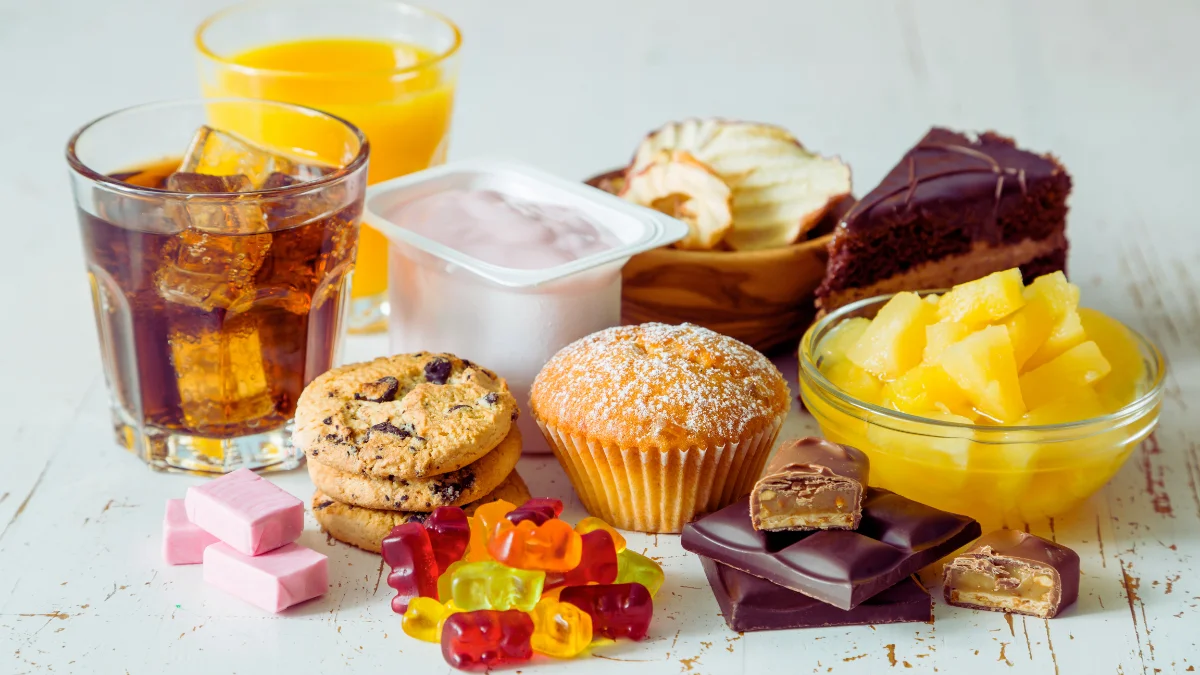
Sugary drinks, candy, and white flour products cause dramatic blood glucose fluctuations that interfere with steady serotonin production.
Your brain depends on stable blood sugar to maintain proper neurotransmitter balance. After consuming these foods, you might feel a temporary mood lift as blood sugar spikes.
This brief high quickly reverses, causing a crash that can trigger anxiety and irritability. What’s worse, these repeated cycles deplete B vitamins and magnesium, nutrients essential for serotonin synthesis pathways.
The average American consumes about 17 teaspoons of added sugar daily. Cutting this amount even by half can dramatically improve mood stability.
Natural sugars found in whole fruits don’t cause the same problems because their fiber content slows absorption, allowing your body to process glucose without the harmful spikes and crashes.
3. Trans Fats
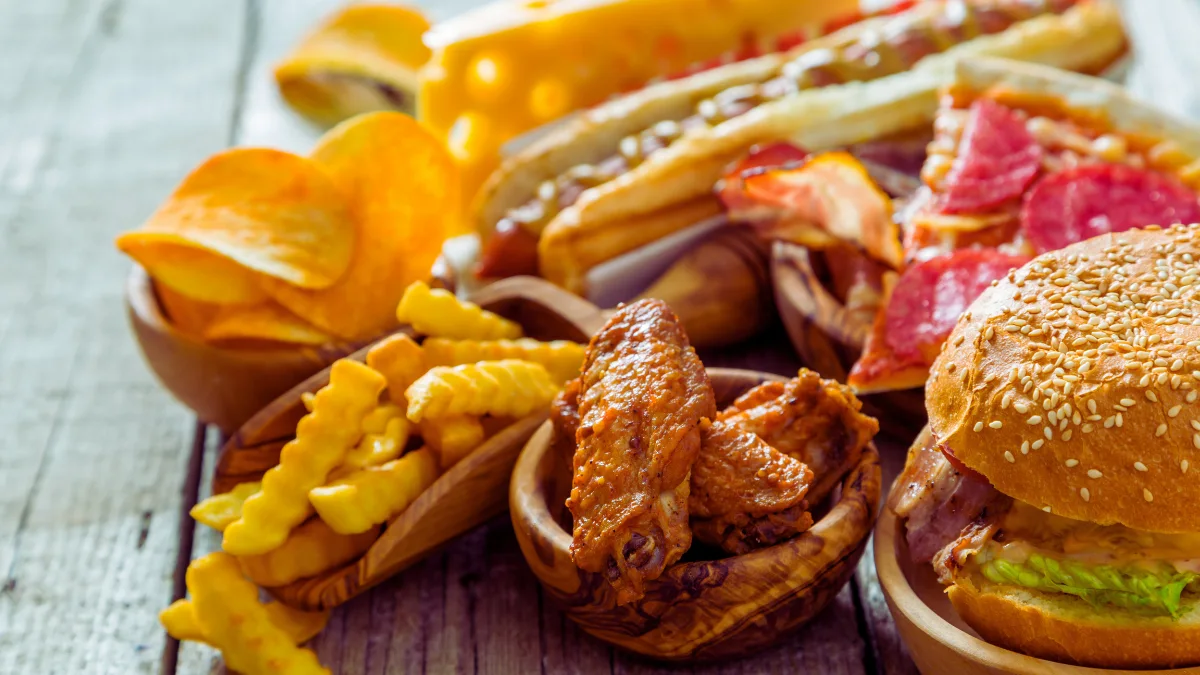
Found primarily in fried foods, some margarines, and packaged baked goods, trans fats trigger neuroinflammation that directly interferes with serotonin function.
These modified fats get incorporated into brain cell membranes, making them rigid and less responsive. Regular consumption is associated with significantly higher depression risk.
People who ate foods high in trans fats had up to a 48% greater chance of developing depression compared to those who avoided these fats. The effect appears dose-dependent—the more you consume, the greater the impact on mood.
Checking ingredient lists helps identify these problematic fats. Words like “partially hydrogenated oils” signal trans fat presence, even when products claim zero grams per serving (a labeling loophole allows this if amounts are under 0.5g per serving).
Replacing these items with foods containing healthy fats from olive oil, avocados, or nuts supports proper brain function and serotonin receptor sensitivity.
4. Alcohol

This common substance disrupts serotonin production through multiple mechanisms. Though it might temporarily boost mood by releasing dopamine, alcohol ultimately depletes serotonin levels, especially with regular consumption.
Your liver prioritizes processing alcohol over maintaining steady blood sugar, creating glucose fluctuations that impact neurotransmitter balance.
Alcohol also damages the intestinal lining, causing inflammation and permeability that impair the gut’s ability to produce serotonin.
Sleep disruption from drinking further compounds these effects, as quality sleep is essential for serotonin regulation.
Moderation makes an enormous difference in how alcohol affects your brain chemistry. For those sensitive to mood disorders, even small amounts can cause problems.
Many people find that limiting alcohol to occasional use rather than regular consumption helps maintain more stable serotonin levels and better overall mental health.