

You’re reading the same email for the third time. Still don’t know what it says.
You walk into a room and forget why you’re there. Your brain feels like it’s wrapped in fog. And no matter how much coffee you drink, you can’t seem to think clearly.
Before blaming stress or a lack of sleep, check your plate. Your brain needs specific nutrients to work properly. When you’re deficient in these five nutrients, your focus becomes impaired.
Here’s what you need to know and how to fix it.
Why Your Brain Needs the Right Fuel

Your brain is only 2% of your body weight. But it uses 20% of your energy.
Think of your brain like a high-performance car. Put in bad fuel, and it sputters. Skip the fuel entirely, and it stops.
Most people don’t eat enough of the nutrients their brains need. Modern processed foods don’t have them. Even if you eat healthy, your body might not absorb them well.
Recent surveys show that 68% of people can’t stay focused at work. Another 62% struggle to concentrate at home. The problem isn’t always in your head. It’s often in your diet.
When your brain doesn’t get what it needs, several things happen:
- Your brain cells can’t communicate properly
- Inflammation increases
- Blood flow to your brain decreases
- Your energy drops
The good news? You can fix this. Let’s look at the five nutrients that control your focus.
#1 – Iron: Why Your Brain Can’t Think Without It
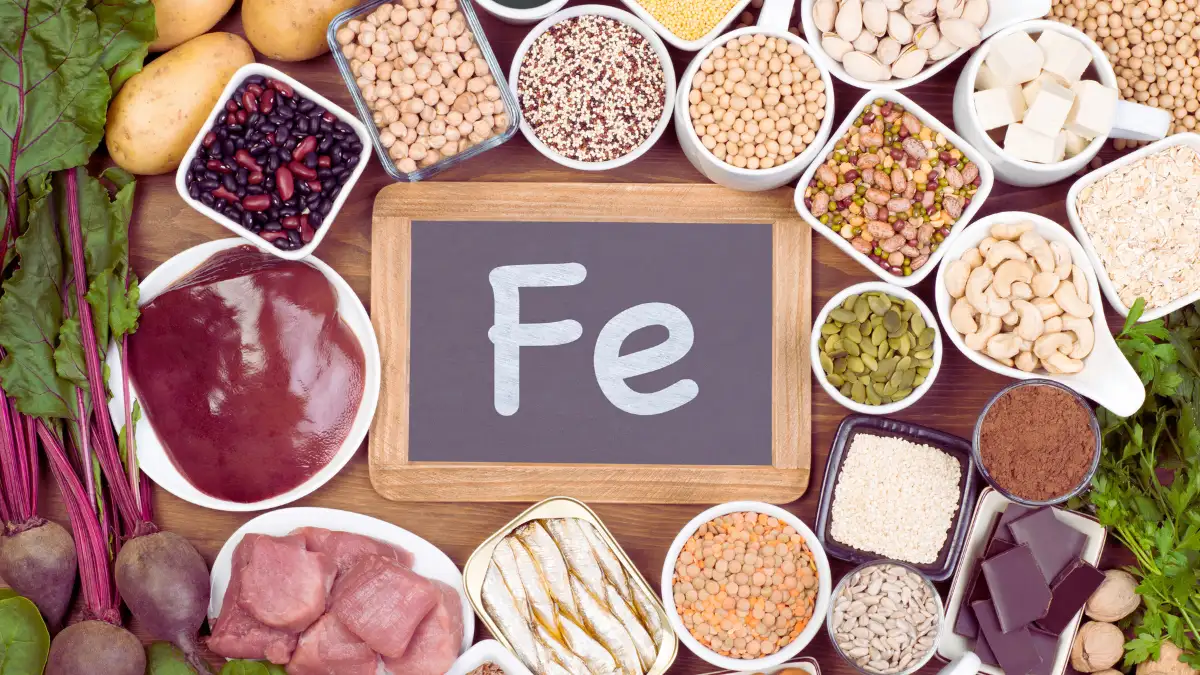
Nearly 1 in 3 Americans don’t have enough iron. They don’t know it. But their brain does.
Iron carries oxygen throughout your body, including to your brain. No oxygen means no focus. Your neurons need oxygen to fire properly. Without it, everything slows down.
A 2025 study from the University of Oklahoma found something surprising. When people were low on iron, simple decisions took 150 milliseconds longer. That doesn’t sound like much. But add up all your decisions in a day. You’re losing hours of productive time.
What Iron Does for Your Focus
Iron helps your brain in three ways. First, it delivers oxygen to every brain cell. Second, it helps make neurotransmitters—the chemicals that let your brain cells talk to each other. Third, it keeps your energy steady throughout the day.
When you’re low on iron, your brain gets less oxygen. You feel tired. You can’t concentrate. People call it brain fog.
Women lose iron every month during their period. Vegetarians and vegans often don’t get enough because plant iron is harder to absorb. Even people who eat meat can be low if they don’t absorb it well.
Signs You Might Be Low on Iron
Watch for these warning signs:
- Constant tiredness that sleep doesn’t fix
- Brain fog and poor memory
- Cold hands and feet
- Pale skin
- Shortness of breath
- Headaches
How to Get More Iron
The best food sources give you iron your body can actually use:
- Red meat (beef, lamb)
- Chicken and turkey
- Fish and shellfish
- Lentils and beans
- Spinach and kale
- Fortified breakfast cereals
Your body absorbs iron from meat better than from plants. If you eat plant sources, pair them with vitamin C. A glass of orange juice with your spinach helps.
Should You Take Iron Supplements?
Don’t take iron supplements without getting tested first. Too much iron can cause problems. It upsets your stomach. In high amounts, it can damage your organs.
If you test low, your doctor might suggest:
- Low-dose iron pills taken with food
- Liquid iron supplements
- Iron infusions if you’re very low
Most people feel better within 4-6 weeks of fixing their iron levels.
#2 – Vitamin B12: Your Brain’s Communication System

Your brain needs B12 to function. Without it, your brain cells can’t talk to each other properly.
B12 helps make myelin—the protective coating around your nerves. It’s like insulation on electrical wires. It also helps make neurotransmitters that control your mood, memory, and focus.
Research published in 2024 showed that even slightly low B12 levels hurt memory. People with B12 on the lower end of normal had worse memory and smaller brain areas related to memory.
About 20-25% of people over 60 have low B12. But younger people can be low too, especially if they don’t eat animal products.
Why B12 Matters for Concentration
Your brain relies on B12 every single day. It helps your nerve cells develop and work properly. It supports the chemicals that help you focus and remember things.
Low B12 causes problems with:
- Memory and recall
- Decision-making
- Attention span
- Mental speed
The tricky part? Your body stores B12 for years. By the time you notice symptoms, you’ve been low for a while.
Who’s at Risk for Low B12
Certain people are more likely to be deficient:
- Vegans and vegetarians (B12 only comes from animal products)
- People over 50 (your stomach acid decreases with age)
- Anyone taking heartburn medications long-term
- People with digestive issues
- Those who’ve had stomach surgery
Getting B12 from Food
B12 only comes from animal sources or fortified foods:
- Beef and liver
- Fish like salmon and tuna
- Eggs
- Milk, cheese, and yogurt
- Fortified plant milks
- Nutritional yeast
If you don’t eat animal products, you need supplements or fortified foods. There’s no way around it.
B12 Supplements That Work
The good news: B12 pills work just as well as shots for most people. You don’t need injections unless you can’t absorb B12 properly.
Look for:
- Sublingual (under the tongue) B12
- 1,000 mcg daily dose
- Methylcobalamin or cyanocobalamin forms
Your body can only absorb a small amount at once. That’s why doses are so high.
#3 – Magnesium: The Mineral That Calms Your Brain
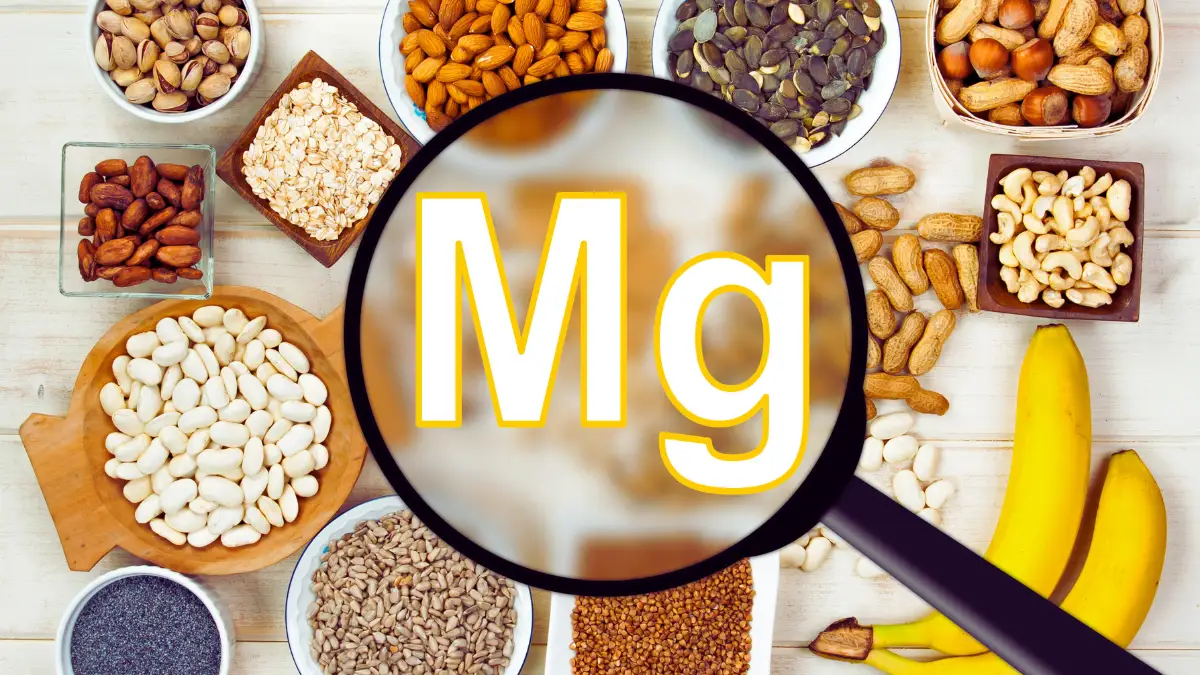
Your body uses magnesium in over 600 different processes. About 80% of your metabolism needs it.
But 10-30% of people don’t get enough magnesium. And stress makes it worse. When you’re stressed, your body burns through magnesium faster.
Low magnesium creates a vicious cycle. You’re stressed, so you use more magnesium. Low magnesium makes you more sensitive to stress. Round and round it goes.
How Magnesium Helps You Focus
Magnesium does three important things for your brain. It reduces inflammation, which makes thinking harder. It helps calm your nervous system so you’re not constantly on edge. And it helps convert food into energy your brain can use.
People who eat more magnesium have better cognitive function as they age. They’re less likely to develop memory problems.
Signs You Need More Magnesium
These symptoms often mean you’re low:
- Muscle cramps and twitches
- Trouble sleeping
- Feeling anxious or on edge
- Irregular heartbeat
- Headaches and migraines
- Mental fog
Best Food Sources of Magnesium
You need about 300-400 mg of magnesium daily. Get it from:
- Pumpkin seeds (150 mg per ounce)
- Almonds and cashews
- Spinach and Swiss chard
- Black beans and edamame
- Dark chocolate (yes, really)
- Whole grains
Modern processed foods have almost no magnesium. Even healthy foods have less than they used to because our soil is depleted.
Choosing a Magnesium Supplement
Not all magnesium supplements work the same. Some barely absorb. Others cause stomach problems.
The best forms for brain health:
- Magnesium glycinate (gentle on the stomach)
- Magnesium threonate (crosses into the brain easily)
- Magnesium citrate (good absorption)
Start with 200-300 mg daily. Take it with food. Too much causes diarrhea, so increase slowly.
Most people notice better sleep within a few days. Focus improvements take 2-4 weeks.
#4 – Vitamin D: The Sunshine Your Brain Needs
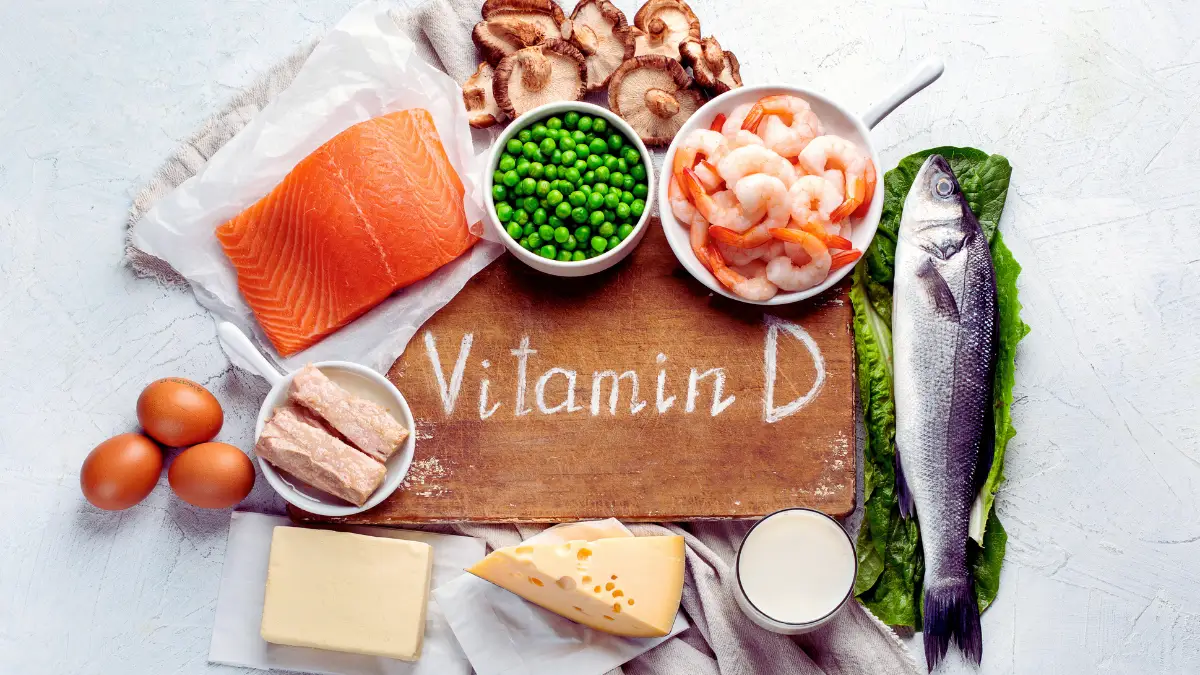
Your brain has vitamin D receptors in areas that control mood and thinking. That tells you something important—your brain needs vitamin D to work.
Low vitamin D is linked to depression, memory problems, and poor concentration. Research shows that vitamin D deficiency increases your risk of cognitive problems by 34%. People with very low levels have 1.42 times higher risk of dementia.
The problem? Most people are low. If you work indoors, live far from the equator, or have darker skin, you’re probably not getting enough.
What Vitamin D Does for Focus
Vitamin D acts more like a hormone than a vitamin. It affects how your brain cells communicate. It reduces inflammation in your brain. And it helps protect your neurons from damage.
People with low vitamin D have:
- 32% higher risk of word-finding problems
- 62% higher risk of slow information processing
- More trouble with attention and focus
Why So Many People Are Low
You can’t get enough vitamin D from food alone. Your body makes it from sunlight. But modern life keeps most people indoors.
You’re at higher risk if you:
- Work inside all day
- Live in northern climates
- Have darker skin (needs more sun exposure)
- Wear sunscreen constantly
- Are over 50
In winter, people living above Atlanta basically can’t make vitamin D from the sun. The angle is wrong.
Getting Vitamin D Naturally
Your best source is sunlight:
- 10-30 minutes of midday sun
- Without sunscreen (for the vitamin D time)
- A few times per week
- More time is needed if you have dark skin
Food sources help, but aren’t enough:
- Fatty fish like salmon
- Egg yolks
- Fortified milk and orange juice
- Mushrooms grown under UV light
Vitamin D Supplements
Most people need supplements, especially in winter. Here’s what works:
- Vitamin D3 (better than D2)
- 1,000-2,000 IU daily
- Take with a meal that has fat
- Get your levels tested
The optimal range is 30-50 ng/mL on a blood test. Some experts say 40-60 ng/mL is better for brain health.
It takes 2-3 months of daily supplements to raise your levels.
#5 – Omega-3 Fatty Acids: Building Blocks of Brain Cells

Your brain is 60% fat. Not the kind you want to lose. The kind you need to think clearly.
Omega-3 fatty acids, especially DHA and EPA, are crucial for brain health. They reduce inflammation. They help new brain cells grow. And they improve how well your brain cells communicate.
The American Psychiatric Association recommends at least 1 gram of fish oil daily for people with attention and impulse control issues. That’s based on solid research showing omega-3s help with focus.
Why Your Brain Needs Omega-3s
DHA makes up a large part of your brain cell membranes. It’s literally what your brain is made of. EPA reduces inflammation and helps with mood and attention.
Together, they:
- Support brain plasticity (your brain’s ability to learn and adapt)
- Boost production of BDNF (a protein that helps brain cells survive)
- Improve blood flow to your brain
- Reduce inflammation that hurts cognition
DHA is best for memory and learning. EPA is better for mood and focus.
Signs You’re Not Getting Enough
Watch for these symptoms:
- Poor memory and concentration
- Mood swings and irritability
- Dry, flaky skin
- Joint pain
- Sleep problems
Western diets are terrible for omega-3s. We eat way too many omega-6 fats (from vegetable oils) and not enough omega-3s.
Best Sources of Omega-3s
The most effective omega-3s come from fish:
- Salmon (wild-caught is best)
- Sardines
- Mackerel
- Herring
- Anchovies
Aim for 2-3 servings per week.
Plant sources provide a different type of omega-3 that your body has to convert. The conversion is inefficient, but these still help:
- Walnuts
- Flaxseeds
- Chia seeds
Omega-3 Supplements
If you don’t eat fish regularly, consider supplements:
- Fish oil: 1-2 grams of EPA and DHA combined
- Algae oil: Good option for vegans
- Look for third-party testing
- Check for low mercury
Take omega-3s with meals for better absorption. It takes 4-12 weeks to see full benefits.
How to Know If You’re Actually Deficient

You might have some symptoms. But lots of things cause brain fog and poor focus. How do you know if nutrients are the problem?
Get tested. Don’t guess.
Ask your doctor for these specific blood tests:
- Complete blood count and iron panel (includes ferritin)
- Vitamin B12 and methylmalonic acid (MMA is more accurate)
- Serum magnesium (not perfect, but helpful)
- 25-hydroxyvitamin D
- Omega-3 index (optional but useful)
Some symptoms overlap between deficiencies. You might be low in more than one nutrient. That’s why testing matters.
See a doctor if you have:
- Severe fatigue that doesn’t improve with rest
- Memory problems that interfere with daily life
- Symptoms that get worse over time
- Any new or concerning symptoms
Don’t start taking high-dose supplements without knowing what you need. More isn’t always better. Some nutrients cause problems in high amounts.
Your Action Plan: What to Do Right Now

Don’t try to fix everything at once. Start simple.
This week:
- Schedule a blood test with your doctor
- Add one serving of fatty fish to your diet
- Spend 15 minutes outside in the morning sun
- Eat a handful of nuts or seeds daily
This month:
- Review your test results with your doctor
- Start targeted supplements only for nutrients you’re low in
- Add leafy greens to at least one meal daily
- Track how you feel as levels improve
Key points to remember:
- Food first, supplements second
- Get tested before supplementing
- Give it time—improvements take 4-12 weeks
- Work with your doctor, especially if you take medications
Your brain needs the right fuel to focus. When you’re low on iron, B12, magnesium, vitamin D, or omega-3s, concentration becomes nearly impossible.
The fix isn’t complicated. Eat foods rich in these nutrients. Get tested to find your gaps. Supplement what you’re missing.
Your sharper, clearer mind is waiting on the other side of a few simple changes. Start today.