
It started with a feeling I couldn’t shake: my brain felt like it was packed in cotton wool, and my thoughts were moving through wet cement. This pervasive “brain fog” wasn’t just an occasional bad day; it was becoming my new normal. I was forgetful, irritable, and struggling to concentrate on work.
Like many, I chalked it up to stress or bad sleep, but I had a nagging suspicion it was my diet the convenient snacks, the quick-fix frozen meals, and the “healthy” cereal bar I grabbed on my way out the door.
I put that suspicion to the test. For 30 days, I intentionally ate a diet high in ultra-processed foods (UPFs). What happened shocked me and is confirmed by a wave of new 2025 research.
In this article, I’ll share my cognitive decline journal, the terrifying science of how ultra-processed foods damage brain function, and the simple, actionable plan I used to get my mind back.
First, What Are Ultra-Processed Foods (UPFs), Really?
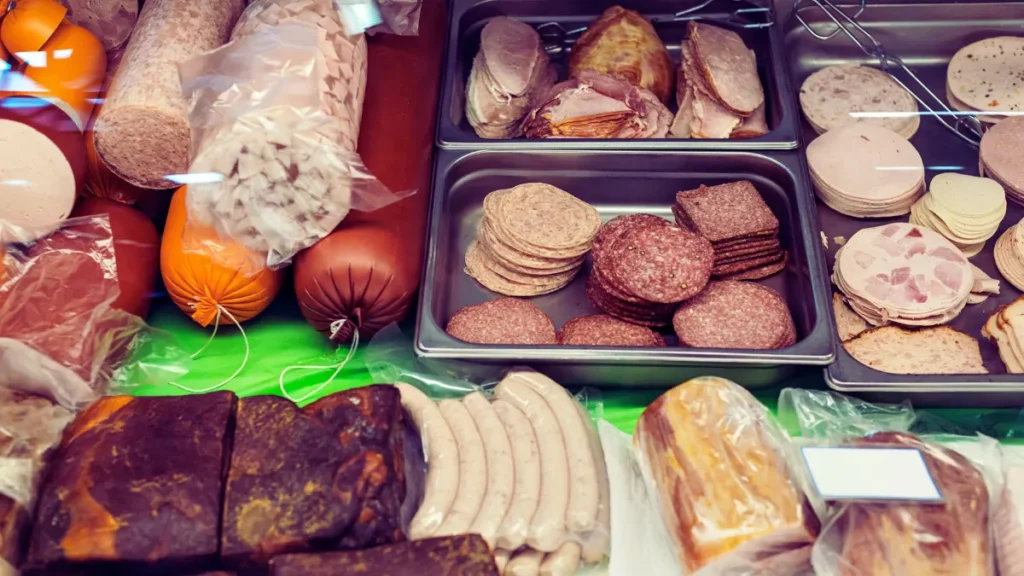
Let’s be clear: “processed” isn’t a dirty word. A can of beans is “processed,” and it’s a healthy, convenient food. The foods we’re talking about are in a different universe: ultra-processed.
The term can be confusing, but researchers use a gold-standard system called the NOVA classification to define what’s what. This system, developed by Brazilian researchers, divides all food into four groups. The one we’re concerned with is “Group 4.”
The easiest rule, from experts like Dr. Chris van Tulleken, author of Ultra-Processed People, is this: if it’s wrapped in plastic and contains at least one ingredient you wouldn’t find in a home kitchen (like emulsifiers, thickeners, or hydrolyzed proteins), it’s ultra-processed.6 These are industrial formulations, not food.
To make it clear, here is the official breakdown researchers use:
| NOVA Group | What It Is | Common Examples |
| Group 1 | Unprocessed/Minimally Processed | Fresh fruit, vegetables, eggs, meat, plain yogurt |
| Group 2 | Processed Culinary Ingredients | Olive oil, butter, salt, sugar, vinegar |
| Group 3 | Processed Foods | Canned beans, salted nuts, simple cheese, fresh bakery bread |
| Group 4 | Ultra-Processed Foods (UPFs) | Sodas, packaged snacks, sugary cereals, frozen meals, deli meats |
This distinction is the key. It’s not about fearing canned tomatoes; it’s about identifying these industrial formulas. Now, let’s find out where they’re hiding.
The “Healthy” UPFs Hiding in Your Pantry

This is the “Aha!” moment I had. I thought, “I don’t eat chips and soda, so I’m fine.” I was wrong. For my 30-day experiment, I didn’t just eat junk food. I loaded up on the “healthy” stuff: whole-wheat bread, fruit-flavored yogurt, and protein bars. It turns out, these were the worst culprits.
Many foods are marketed to us as “healthy,” “organic,” “vegan,” or “high-protein,” but they are firmly in Group 4. This “health halo” is deceptive. The problem isn’t just one ingredient like sugar; it’s the entire industrial matrix of ingredients that displaces real, whole food.11
I found them everywhere. My packaged whole wheat bread contained emulsifiers and dough conditioners. My flavored yogurt had colors and non-sugar sweeteners. My plant-based chicken substitute was a blend of soy protein isolate and methylcellulose.
Seeing this, I realized my normal “healthy” diet was already 60% ultra-processed. My 30-day experiment just turned that up to 90%. Here’s what happened, and here are the swaps I learned to make afterward.
My 30-Day Decline: A Brain Fog Journal

This journal is modeled on the groundbreaking 30-day self-experiment by Dr. Chris van Tulleken, who ate an 80% UPF diet and documented the shocking biological changes.15 My experience was frighteningly similar.
Week 1: The Honeymoon and the Crash
The first few days felt like a vacation. No cooking, just heat-and-eat. I had cereal for breakfast, a deli meat sandwich for lunch, and a frozen pizza for dinner. It was easy. By day 5, the fog rolled in. I’d walk into a room and stand in the doorway, completely blanking on why I was there. I felt a deep, physical sluggishness. I was also incredibly irritable and snapped at my family for no reason.
Week 2: The Cravings and Loss of Control
This was the scary part. I wasn’t just eating the food; I craved it. This wasn’t normal hunger. This was a “loss of control” feeling, an intense urge for that specific salty snack or sugary drink. I felt a genuine compulsion. This is a hallmark of ultra-processed food addiction. A global review in 2024 found that an estimated 14% of adults now meet the criteria for addiction to these foods. I was one of them, and I didn’t even know it.
Week 3: The Cognitive Nosedive
At work, I was useless. My executive function—my ability to plan, focus, and execute tasks was gone. I would sit down to write a report and stare at the screen for 10 minutes, unable to formulate a coherent sentence. My brain felt slow, like it was buffering. This experience directly mirrors the findings of a major 2023 study, which found that people with high-UPF consumption had a significantly faster rate of executive function decline.
Week 4: Feeling 10 Years Older
By Day 30, I was done. I felt anxious, depressed, and physically exhausted. My mood was in the gutter. This is no surprise to researchers. A wave of 2025 research now links high UPF consumption to an increased risk of depression, anxiety, and other mental health disorders.
As Dr. Frank Hu of Harvard put it, “Diet does influence mood, but the reverse is also true. When you get stressed, anxious or depressed, you tend to eat more unhealthy foods… high in sugar, fat and chemical additives”. It’s a vicious cycle.
The Science: 4 Ways UPFs Attacked My Brain (And Yours)
What I felt wasn’t “all in my head.” It was a direct biological assault. New 2025 research pinpoints exactly how UPFs short-circuit the human brain.
1. It Sparks Neuroinflammation via the Gut-Brain Axis
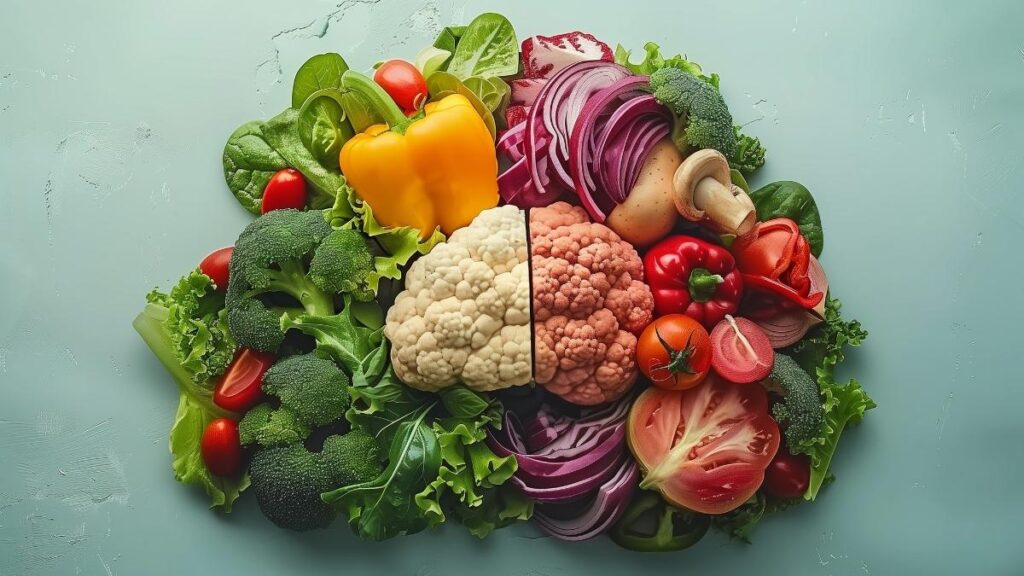
This is the most critical and current mechanism. That “brain fog” and memory loss I felt in Week 1? It was likely neuroinflammation. Ultra-processed foods, particularly the emulsifiers and additives, can damage the lining of the gut.
This allows inflammatory compounds to “leak” into the bloodstream and travel to the brain, causing inflammation. This process is mediated by the gut-brain axis, and it can directly harm the hippocampus, the brain’s essential center for learning and memory.
2. It Hijacks Your Brain’s Reward System
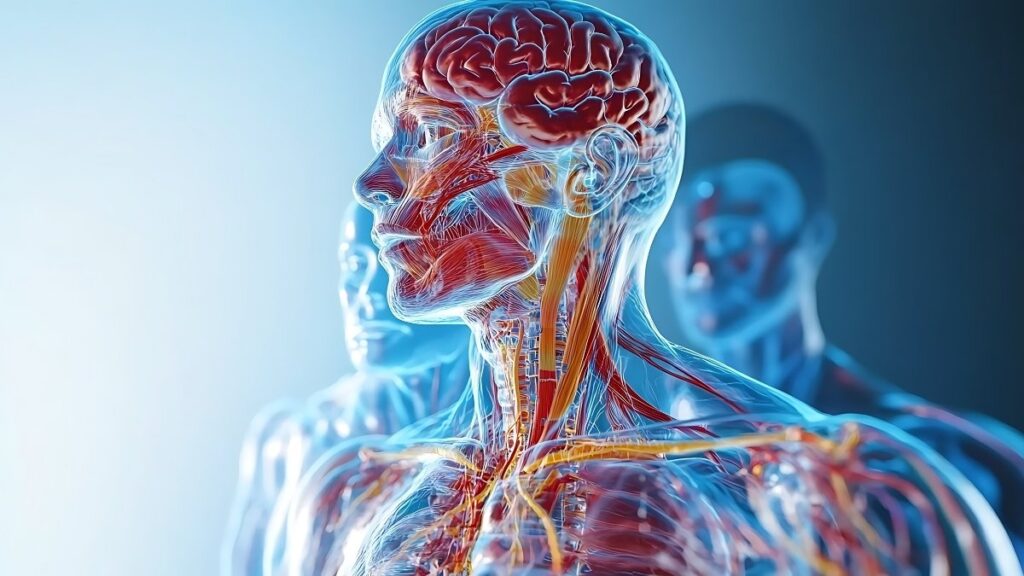
Those cravings I felt in Week 2 were not a failure of my willpower. UPFs are designed to be “hyper-palatable.” They contain combinations of fat, sugar, salt, and artificial flavors that don’t exist in nature. This formula disrupts the brain’s reward circuitry and dopamine pathways in a way that is similar to addictive drugs. Your brain’s chemistry is being hacked to drive overconsumption.
3. It Damages Your Brain’s Blood Supply
Research now links high UPF consumption with damage to the brain’s delicate blood vessels. The high salt, sugar, and industrial fats can lead to impaired blood flow and “silent” strokes, which are directly linked to faster cognitive decline and an increased risk of dementia.
4. It Starves Your Brain of Real Nutrients
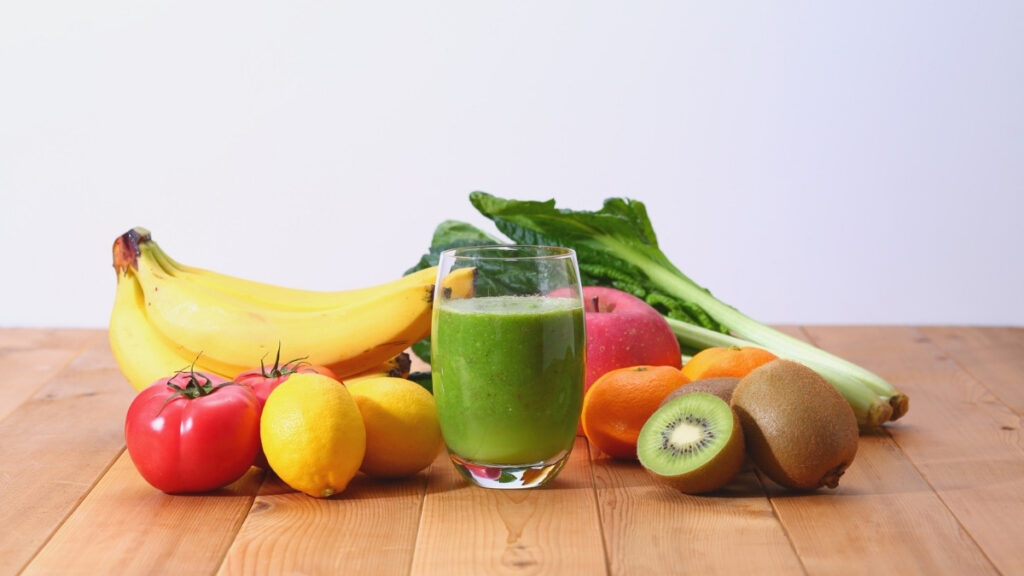
It’s not just what’s in UPFs; it’s what’s missing. Dalia Perelman, a research dietitian at Stanford Medicine, said it best: “They tend to be lower in fiber, micronutrients, [and] phytochemicals”. These are the very compounds your brain needs to build new connections, fight inflammation, and protect itself. I was full, but my brain was starving.
The Data Doesn’t Lie: The Alarming 2025 Statistics

Don’t just take my 30-day journey as proof. Look at the numbers. The data from 2024 and 2025 is conclusive.
A major 2023 study from Brazil that followed over 10,000 people found that high-UPF consumers had a 28% faster rate of global cognitive decline and a 25% faster rate of executive function decline compared to those who ate the least.
A new 2025 study from Virginia Tech drilled down to find the worst offenders. It found that people consuming at least one serving of ultra-processed meat (like deli meat or hot dogs) a day had a 17% increase in cognitive issues. Each daily soda was linked to a 6% increase in cognitive impairment.
It’s no wonder we’re struggling. These foods make up nearly 60% of calories for U.S. adults and 70% for children. A 2023 University of Michigan poll found that 13% of adults aged 50-80 meet the criteria for addiction to highly processed foods.
This isn’t just an “old-age” problem. 2025 research warns that UPF exposure in pregnancy, childhood, and adolescence can alter brain development, increasing risks for ADHD, depression, and poor academic performance. As Dr. Ben Katz, lead author of the Virginia Tech study, said, “Physicians should be able to… tell them that those dietary choices matter”.
The Re-Wire: My 4-Week “Cleanse” and The 2025 Action Plan

Getting off UPFs was just as revealing as getting on them. The first few days were tough. I felt irritable and had headaches, which are classic signs of withdrawal. But by Day 10, the fog lifted. It was like a light turned on. My thoughts were sharper, my mood stabilized, and my energy returned.
I got my brain back, and you can too. You don’t need a 30-day boot camp. You just need a new set of rules. Here is the 4-step plan for 2025.
1. Start by Adding, Not Just Subtracting
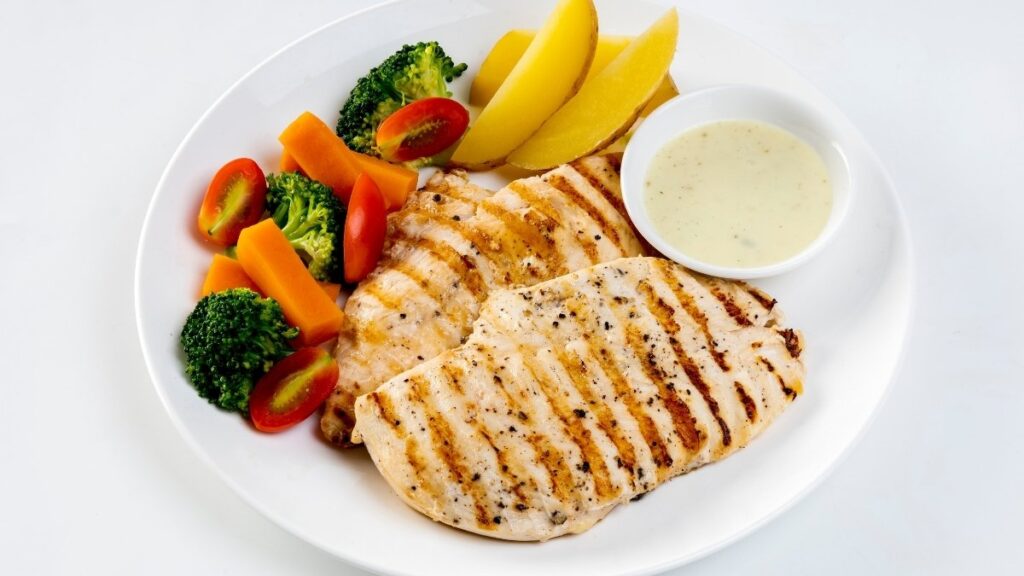
Don’t try to go cold turkey. That’s a recipe for failure. The first step is to add one whole food to every meal. Add an apple to your breakfast. Add a side salad to your lunch. Add a serving of steamed broccoli to your dinner. This “crowds out” the bad stuff naturally.
2. Become a Label Detective
Your new superpower is reading the ingredient list, not the nutrition facts. The front of the box is marketing; the back is the truth. Look for the red flags: anything you can’t pronounce, emulsifiers (like lecithin, gums), hydrolyzed proteins, high-fructose corn syrup, or artificial flavors. If the list is long and looks like a chemistry experiment, it’s a UPF.
3. Use the “Swap, Don’t Stop” Method
Refer back to the table above. Identify your most-eaten UPF and make one simple swap. Swap your sugary cereal for plain oatmeal with fruit. Swap your deli meat sandwich for one made with leftover chicken or a hard-boiled egg. Swap your bag of chips for a handful of nuts or air-popped popcorn.
4. Use Technology to Help
You’re not alone in this. In 2025, new tools can help. Apps like Processed or Trash Panda can scan barcodes in the grocery store and instantly tell you if a food is unprocessed, processed, or ultra-processed, helping you make informed choices on the spot.
A Critical Nuance: Is All “Processing” Evil? (The Expert’s Corner)
It’s easy to read this and want to vilify all packaged food. But that’s not just impractical—it’s wrong. This is where we need expert-level nuance.
Not all UPFs are created equal, and access to any food is a privilege. Dietitian Jessica Wilson did her own 30-day experiment with 80% UPFs but included functional foods like soy chorizo and fortified milks and reported feeling better. This highlights a potential flaw in the broad NOVA system. The real villains are UPFs high in added sugar, fat, sodium, and industrial additives, not necessarily a fortified food that provides key nutrients.
Furthermore, for people living in “food apartheid” areas (a term that more accurately describes systemic food-access issues than “food desert”) or on a tight budget, shelf-stable, fortified UPFs can be a crucial source of calories and nutrients.
The takeaway: Don’t let perfection be the enemy of progress. The goal is to reduce the UPFs that are clearly harmful (sodas, deli meats, packaged snacks), not to shame yourself for buying a can of beans. It’s about awareness, not purity.
Conclusion
My 30-day experiment was a terrifying, first-hand look at how ultra-processed foods can hijack brain function. What I felt wasn’t “just stress”—it was a real, biological decline, confirmed by a mountain of 2025 research. The link to cognitive decline is no longer a question; it’s a fact.
But the good news is that the brain can heal. The fog can lift. You don’t have to overhaul your life overnight. Start today: read one label. Make one swap. Your brain will thank you for it.
What’s been your experience with ultra-processed foods and brain function? Share your story in the comments below.