

You’re getting your full eight hours. But you’re still dragging yourself out of bed every morning, wondering why you feel so terrible.
You thought you were doing everything right—seven to eight hours, just like the doctors say. But something’s changed. Your sleep doesn’t feel the same as it did ten years ago.
The standard sleep advice doesn’t work the same way after 40. Your body has changed. Your brain has changed. And following the same old rules might actually be making things worse.
Here you’ll learn why the 7-8 hour rule falls apart after 40, what’s really happening inside your body, and exactly how much sleep you need now.
Why the Standard Sleep Recommendation Fails After 40
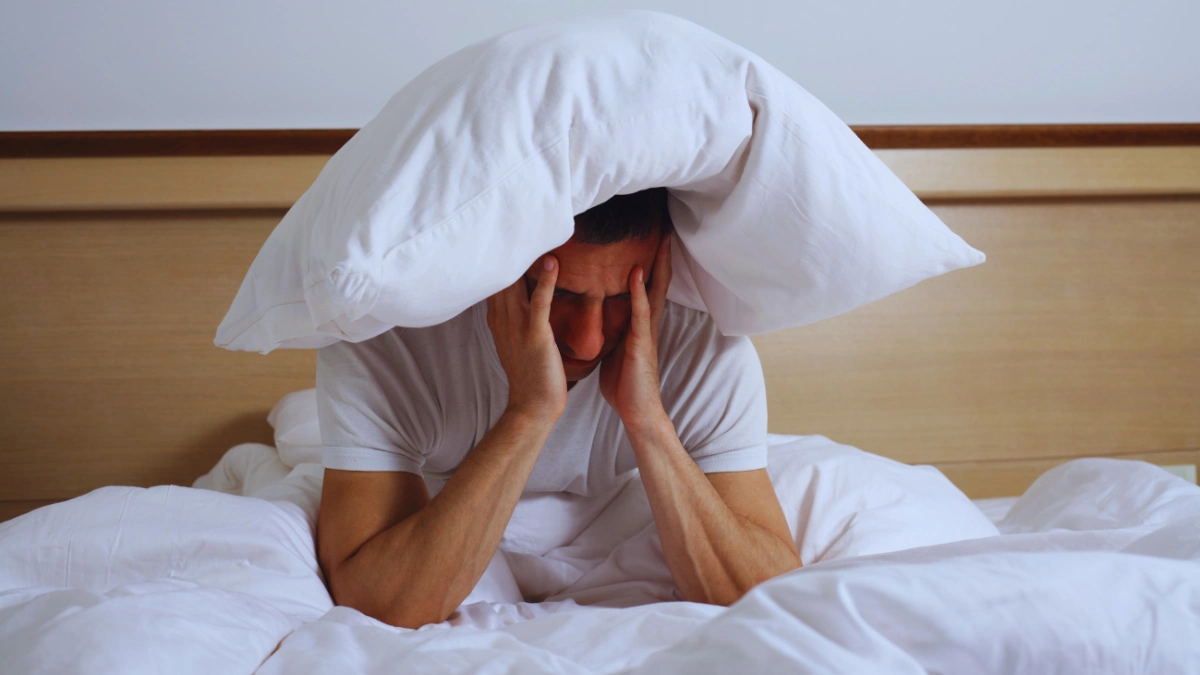
The 7-8 hour rule sounds simple. Easy to remember. Easy to follow.
But it’s based on averages across all adults. And “average” doesn’t account for what happens to your body after the age of 40.
Here’s a reality check: About 30% of adults sleep outside the recommended 7-9 hours. Even among people who hit that range, 40% of their individual nights fall outside it. Your body doesn’t read guidelines.
And get this: Only 15% of people sleep between 7 and 9 hours for at least 5 nights per week. Most people are all over the map. Their sleep varies wildly from night to night.
The biggest problem? Quality matters more than quantity. You can spend 8 hours in bed and get 5 hours of actual restorative sleep. The number on the clock doesn’t tell the whole story.
Lab studies reveal the real numbers. Adults aged 40-55 actually sleep an average of 6.8 hours per night. That’s nearly 30 minutes less than people in their twenties and thirties. This isn’t laziness or poor habits. It’s biology.
Many people believe you need less sleep as you age. They think poor sleep is just part of getting older. Both beliefs are wrong. Your sleep needs don’t decrease after 40. But your ability to get quality sleep does decrease. Big difference.
The old rule isn’t useless. It’s just incomplete. After 40, you need to think about sleep differently.
How Your Sleep Architecture Transforms After 40
Your body runs on an internal clock. Scientists call it your circadian rhythm. After 40, that clock starts running fast.
You get sleepy earlier in the evening. You wake up earlier in the morning. This isn’t in your head. Starting around age 60, your circadian rhythm advances by 1-2 hours. But the changes actually begin in your 40s. Slowly at first, then faster.
Your sleep cycles change, too. You spend less time in deep sleep. Less time in REM sleep. Both are critical for feeling rested. You’re sleeping, but you’re not getting the same quality sleep you used to.
Here’s what’s happening in your brain: Your body produces less melatonin between the ages of 40 and 45. Melatonin is the hormone that makes you sleepy. Less melatonin means a harder time falling asleep and staying asleep.
Sleep fragmentation gets worse with age. You wake up more often during the night. Sometimes you remember these awakenings. Often you don’t. But they add up.
It’s a fact that you lose about 30 minutes of consolidated sleep every 10 years after age 40. By 50, you’ve lost an hour compared to your 30s. By 60, you’re down 90 minutes. Not because you need less sleep, but because your body struggles to maintain it.
For women, the changes hit harder. Pregnancy, perimenopause, and menopause all disrupt sleep. Moderate to severe sleep apnea often starts at age 40 for women. The hormonal shifts between mid-40s and mid-50s directly affect your internal clock. Many women report sleep as one of their biggest quality-of-life issues during this time.
Men face changes, too, though different ones. Testosterone levels drop. Prostate issues increase nighttime bathroom trips. Stress from career peaks and family responsibilities compounds the biological changes.
These changes aren’t failures. They’re not something you did wrong. They’re normal biology. But normal doesn’t mean you have to accept poor sleep. You just need different strategies than you used at 30.
The Hidden Sleep Disruptors Most 40+ Adults Face
Three major threats steal your sleep after 40. Most people have at least one. Many have two or more.
1. Sleep Apnea: The Silent Epidemic
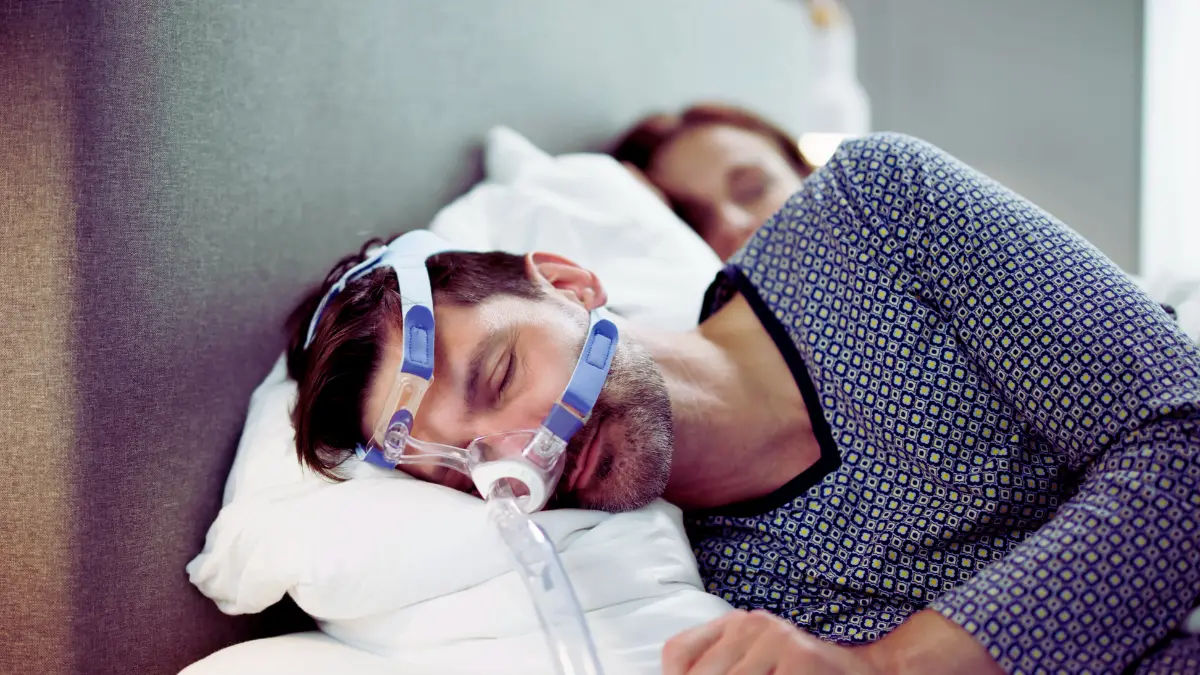
Sleep apnea stops your breathing repeatedly during the night. Your brain wakes you up to restart breathing. Usually, you don’t remember these wake-ups. But they destroy your sleep quality.
The numbers are shocking: About 30% of men aged 30-49 have obstructive sleep apnea. That jumps to 40% for men aged 50-70. In 2024, an estimated 32.4% of all American adults have sleep apnea. That’s over 83 million people.
Men over 40 face the highest risk. But women’s risk skyrockets after menopause.
Warning signs include:
- Loud snoring with gasping or choking sounds
- Your partner says you stop breathing at night
- Waking up with headaches
- Falling asleep during the day despite “enough” sleep
- Feeling foggy and unfocused
Here’s the scary part: Nearly 24 million cases of sleep apnea in the US remain undiagnosed. Only 6 million people know they have it. That means 75% of people with sleep apnea don’t know they have it.
2. Insomnia and Sleep Maintenance Problems
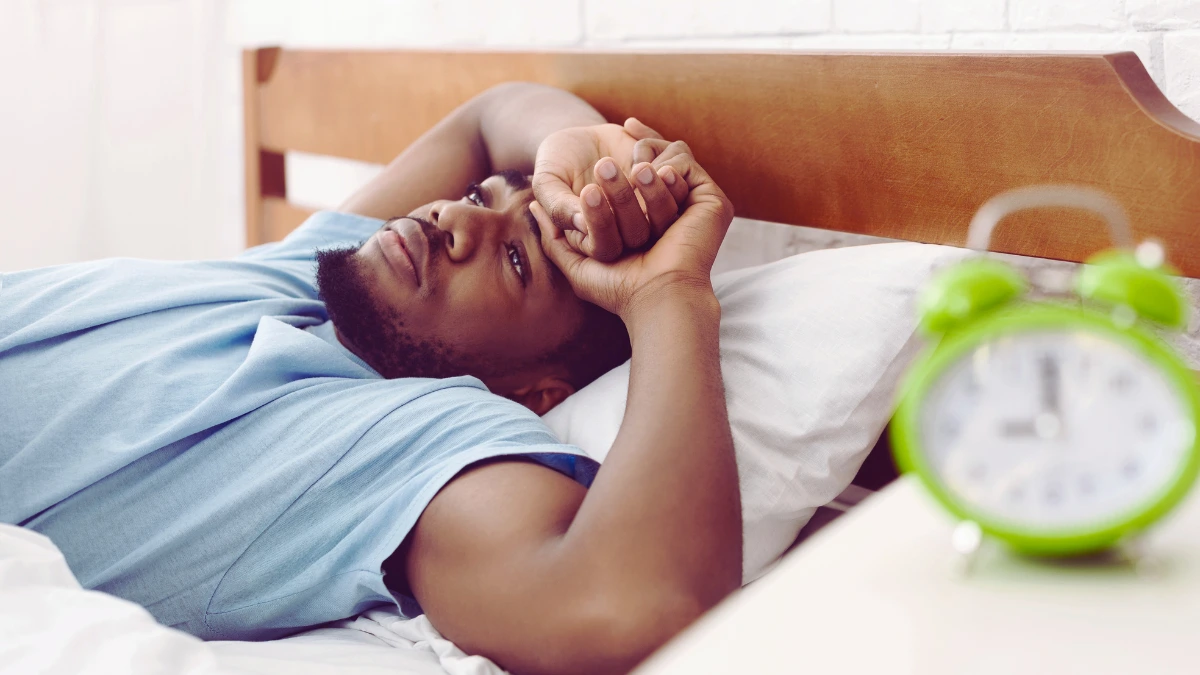
Insomnia isn’t just trouble falling asleep. That’s actually the least common type. Most people over 40 struggle to stay asleep.
Sleep problems get worse in your 40s than in your 30s. Insomnia, circadian rhythm issues, and restless legs syndrome all increase linearly with age.
The most common complaint? Waking up during the night and struggling to fall back asleep. About 50-70% of adults over 40 report this problem. Only 20-25% have trouble falling asleep initially.
You might wake up at 2 AM or 3 AM. Your mind starts racing. You think about work, money, and family. Before you know it, an hour has passed. Then you’re anxious about not sleeping, which makes it even harder to sleep.
3. Medications and Health Conditions

More health problems mean more medications. Many common drugs interfere with sleep.
Blood pressure medications can cause nightmares or insomnia. Antidepressants often suppress REM sleep. Steroids increase alertness. Even over-the-counter antihistamines can disrupt your sleep architecture.
Chronic conditions like arthritis cause pain that wakes you up. Diabetes increases bathroom trips. Heart disease creates anxiety. Depression and sleep problems feed each other in a vicious cycle.
The irony? Some sleep medications only add 11-19 minutes of extra sleep. But they can make you groggy the next day, mess with your memory, and increase fall risk. The cure sometimes causes as many problems as the disease.
How Much Sleep Do YOU Actually Need? The Science-Backed Answer
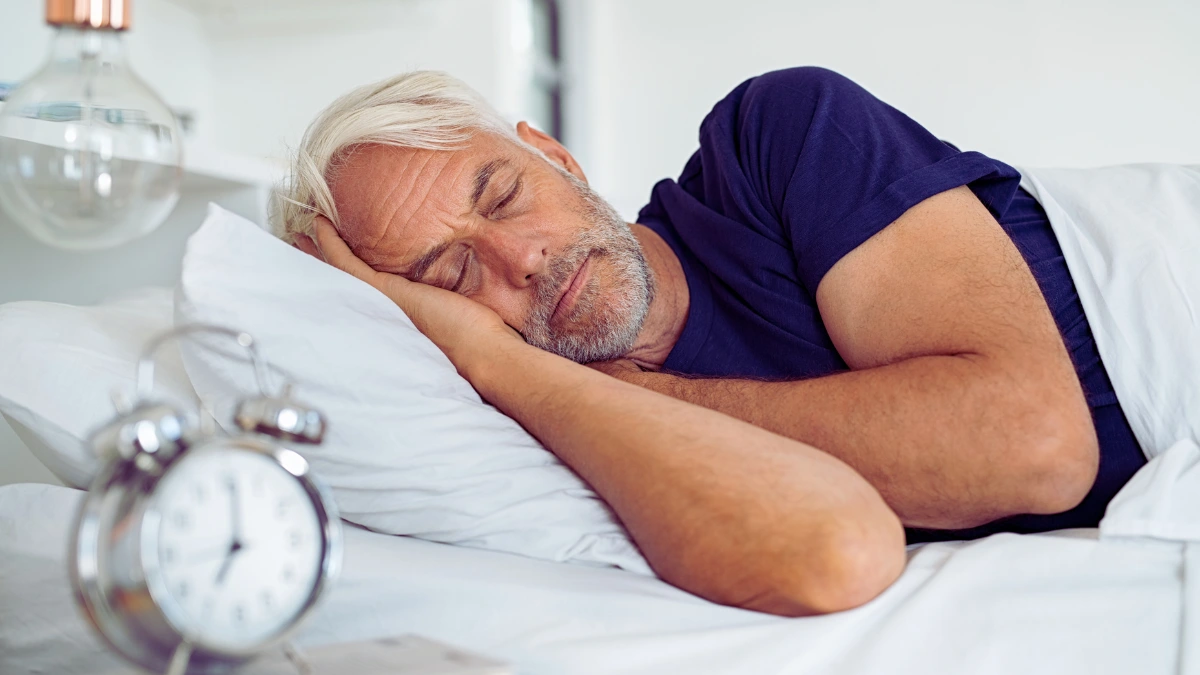
Forget the magic number. Your optimal sleep isn’t about hitting 7 or 8 hours. It’s about outcomes.
A landmark 2024 study from the UK Biobank analyzed over 10 million hours of sleep data from 60,977 participants. The researchers found something surprising: Sleep regularity predicted mortality risk more strongly than sleep duration.
Think about that. Sleeping the same schedule every day matters more than the total hours you sleep.
Here’s what actually matters:
How do you feel during the day? Do you need caffeine to function? Do you fall asleep in meetings or while watching TV? Can you focus on tasks? These questions tell you more than your sleep tracker ever will.
Your cognitive performance. Can you remember things? Make decisions easily? Learn new information? Poor sleep hits your brain first.
Your mood stability. Do you snap at people? Feel irritable or anxious? Mood changes often signal inadequate sleep before you notice tiredness.
Your physical recovery. Do your workouts feel harder? Do minor aches linger longer? Sleep is when your body repairs itself.
Both too little and too much sleep increase health risks. People who sleep less than 7 hours or more than 9 hours face higher odds of high blood pressure and unhealthy triglyceride levels. This effect is strongest in people aged 40-59.
But here’s the twist: The “right” amount for heart health might differ from the “right” amount for athletic performance or immune function.
Quality beats quantity. You can sleep 9 hours but wake up 15 times and feel terrible. Or sleep 6.5 hours of solid, uninterrupted sleep and feel great.
Your culture matters too. Optimal sleep duration varies between cultures. People whose sleep matches their cultural norms enjoy better health. Your environment and expectations shape your needs.
Find your sweet spot by tracking these signs:
- Do you fall asleep within 15 minutes of lying down? (Good)
- Do you wake up more than once per night? (Problem)
- Do you wake without an alarm feeling rested? (Goal)
- Can you stay alert all day without caffeine? (Target)
Keep a sleep diary for two weeks. Write down when you go to bed, when you fall asleep, how many times you wake up, when you wake for good, and how you feel during the day. Patterns will emerge. That’s your answer, not some generic guideline.
7 Proven Sleep Optimization Strategies for Adults Over 40

Here’s what actually works, backed by current research. You don’t need to do all seven. Pick two and start tonight.
1. Get Morning Light
Open your curtains within an hour of waking. Better yet, go outside for 15-30 minutes. Natural light, especially blue light in the morning, resets your internal clock. This one change can shift your entire sleep-wake cycle. Even on cloudy days, outdoor light is stronger than indoor lighting.
2. Exercise Smart
Resistance training is the most effective intervention for improving sleep quality in adults under 65. Lift weights. Do bodyweight exercises. Build strength.
But timing matters. Finish vigorous exercise at least 2-3 hours before bed. Exercise raises your core temperature and increases alertness. Your body needs time to cool down before sleep.
3. Fix Your Bedroom
Your room should be cool (60-67°F), dark (use blackout curtains or an eye mask), and quiet (below 35 decibels). These aren’t preferences. They are requirements for deep sleep.
Humidity matters too. Aim for 40-60%. Too dry, and your throat gets irritated. Too humid, and you feel uncomfortable.
4. Cut Caffeine Early
Stop caffeine by 2 PM. Caffeine has a half-life of 5-6 hours. That afternoon coffee at 3 PM? Half of it is still in your system at 9 PM. Quarter of it at 3 AM.
You might think caffeine doesn’t affect you. You’re wrong. It blocks adenosine receptors in your brain. You still get tired, but your brain can’t detect it properly.
5. Rethink Alcohol
That nightcap might help you fall asleep faster. But alcohol destroys your sleep quality. It suppresses REM sleep. It increases awakenings in the second half of the night. You sleep lighter and wake up less rested.
If you drink, stop at least 3-4 hours before bed. Give your body time to metabolize it.
6. Use the 20-Minute Rule
Can’t fall asleep after 20 minutes? Get out of bed. Do something boring in dim light. Read a dull book. Listen to a podcast. Don’t check email or social media.
Return to bed only when you feel sleepy. This trains your brain to associate bed with sleep, not with lying awake frustrated.
7. Try CBT-I Before Pills
Cognitive Behavioral Therapy for Insomnia (CBT-I) is the preferred initial treatment for older adults with insomnia. Research shows it’s often more effective than medication with fewer adverse effects. It typically requires 6-8 sessions.
CBT-I teaches you to change thoughts and behaviors around sleep. It includes sleep restriction (sounds bad, works great), stimulus control, and cognitive techniques. Many online programs offer it now. It works even if you’ve had insomnia for years.
When to Seek Professional Help

Sometimes you need backup. Here’s when to call your doctor.
Red flags that require medical attention:
- You snore loudly with gasping or choking sounds
- Your partner says you stop breathing during sleep
- You feel excessively sleepy during the day despite adequate time in bed
- You can’t stay asleep most nights for more than 3 months
- You wake up with headaches regularly
- Sleep feels unrefreshing, no matter how long you’re in bed
The diagnosis gap is huge: 59% of adults over 40 who have sleep problems have never sought professional help. And only about half report their doctor has ever asked about their sleep quality during routine exams.
Don’t wait for your doctor to bring it up. Start the conversation.
Sleep studies aren’t as scary as they sound. Many can now be done at home. You wear sensors overnight. They measure your breathing, oxygen levels, heart rate, and movement. The data reveals what’s really happening while you sleep.
If sleep apnea is the issue, treatment works. CPAP machines have gotten much quieter and more comfortable. Oral appliances work for mild cases. Sometimes simple positional changes help.
For insomnia, CBT-I should be your first stop. It’s more effective long-term than sleeping pills. And it doesn’t come with side effects or dependency risks.
Sleep medicine specialists can untangle complex cases. They see the patterns you miss. They know which tests to order. They can tell the difference between sleep apnea, insomnia, circadian rhythm disorders, and other conditions that all feel similar to you.
The bottom line: If you’ve tried multiple strategies for several weeks and still aren’t sleeping well, get help. Sleep isn’t a luxury. It’s a health requirement.
Your Next Steps
The 7-8 hour rule is oversimplified for adults over 40. Your biology has changed. Your sleep architecture has shifted. Your circadian rhythm runs faster. None of this is your fault.
Quality and consistency matter more than hitting a specific number. Sleep regularity predicts health outcomes better than duration. The time you wake up affects your health as much as how long you sleep.
You have evidence-based strategies that work. Morning light. Strategic exercise. Better sleep environment. Cutting caffeine early. The 20-minute rule. CBT-I instead of pills. Professional help when you need it.
Start with one change tonight. Set a consistent wake time for the next 7 days. Yes, even on weekends. This single act of circadian consistency could transform how you feel.
Understanding your true sleep requirements over 40 isn’t about following generic rules. It’s about listening to your body’s signals and creating conditions for restorative sleep that match your changing biology.
Your sleep won’t look like it did at 30. But it can still be good. It can still leave you feeling rested, sharp, and ready for your day. You just need the right approach for this stage of life.
Now go set that alarm. Same time tomorrow. Your body will thank you.