

Your aging kidneys naturally lose the ability to conserve sodium, turning plain water into a flush that strips your body of essential minerals. You feel that familiar afternoon fog, the heavy legs, and the frustration of needing a nap despite sleeping well.
The fix isn’t drinking more water; it is changing the mineral composition of what you drink to activate your body’s energy systems.
Research from the NIH confirms that hyponatremia is the most frequent electrolyte disorder in the elderly, yet it is entirely preventable with the right approach.
The Mineral Balancer
Energy Restored!
You balanced your sodium levels without spiking insulin. Brain fog is gone.
The Water-Only Trap

As we age, the mechanism that signals thirst and retains sodium begins to malfunction. Drinking large amounts of plain water without added electrolytes exacerbates this issue by diluting your blood sodium levels further.
This dilution effect tricks your body into thinking it is hydrated while your cells are actually starving for the minerals required to create energy and electrical signals.
Identifying the Hidden Symptoms

Most people mistake salt deficiency for normal aging or general fatigue because the symptoms are deceptively subtle at first. Your brain relies heavily on sodium to transmit nerve impulses, so when levels drop, your cognitive sharpness is the first thing to fade.
You might dismiss these warning signs as just having a bad day, but they are actually biological alarms signaling a critical need for electrolyte balance.
- Persistent brain fog that coffee cannot fix
- Dull and throbbing headaches that linger
- Muscle cramps occurring frequently at night
- Dizziness when standing up too quickly
The Morning Salt Ritual
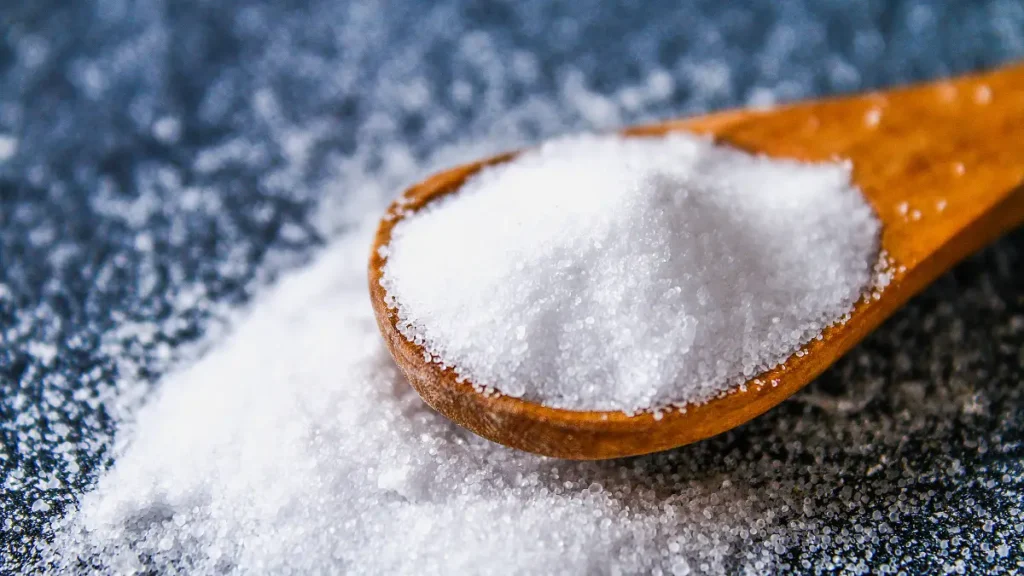
You can reverse this mineral deficit by altering how you start your morning routine before you consume any caffeine.
By adding a small amount of high quality salt to your first glass of water, you replenish the sodium lost during sleep and prepare your adrenal glands for the day.
This simple adjustment supports blood volume and helps maintain stable blood pressure levels without the need for sugary additives.
Choosing the Right Source

The marketplace is flooded with hydration drinks that are chemically closer to soda than they are to health supplements.
Commercial sports drinks often contain high levels of sugar and artificial dyes that spike insulin and actually cause you to lose more fluid in the long run.
A proper electrolyte source should focus entirely on the mineral content specifically sodium, potassium, and magnesium to mimic what your body naturally requires.
- Select brands with zero added sugar
- Look for a high sodium to potassium ratio
- Avoid products containing artificial food dyes
- Check labels for unnecessary fillers or preservatives
Eating Your Hydration

Hydration is not limited to what you drink because nature provides water packaged with minerals in the form of fruits and vegetables.
When you consume water-rich foods, the fluid is trapped in a fiber matrix that allows your body to absorb the moisture slowly and effectively.
This method prevents the rapid flushing effect of plain water and ensures that your cells have time to uptake the necessary nutrients.
- Cucumbers act as natural mineral powerhouses
- Watermelon provides essential potassium
- Celery contains natural sodium clusters
- Bone broth offers a dense mineral profile
The Blood Pressure Misconception

Many seniors rigidly avoid salt due to a fear of hypertension without realizing that extreme restriction triggers its own set of cardiovascular problems.
When your sodium intake drops too low, your body enters a crisis mode and releases stress hormones like aldosterone and adrenaline to desperately hold onto the minerals remains.
This hormonal surge can paradoxically stress your heart and increase your pulse rate in an effort to maintain adequate blood volume and circulation.