

We used to think aging was just a timeline. You turn 60, then 70, and your body naturally slows down. But new research proves it is a biological process we can control.
Recent findings reports reveal a startling statistic. Strength training can reduce your biological age by up to 8 years. This is a benefit that running alone does not provide.
Most people over 60 believe “cardio is king.” They walk or run daily to protect their hearts. They often fear that lifting weights is dangerous or just for bodybuilders.
But while they pound the pavement, they are silently losing muscle mass. This condition, called sarcopenia, is a major threat to independence.
Running cannot replace this lost muscle.
Modern science now prioritizes muscle preservation over aerobic capacity for preventing death in your 70s. If you want to live longer and stay independent, you need to pick up something heavy.
The Minimalist Gym
Dose Complete!
You hit the Minimal Effective Dose. Your fundamental movement patterns are maintained for today.
The “Biological Age” Breakthrough: What New Research Says
We used to think aging was just a timeline. New research proves it’s a biological process we can slow down.
Let’s look at the cellular level. Inside your cells, your DNA has protective caps called telomeres. Think of them like the plastic tips on the ends of shoelaces. They keep your genetic code from fraying.
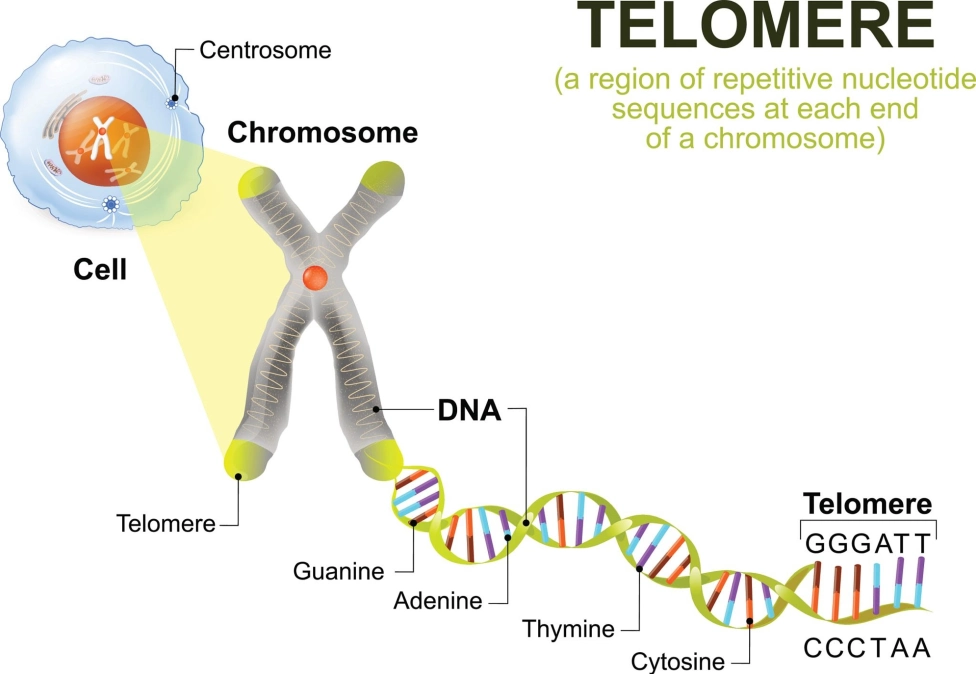
Longer telomeres equal a younger biological age.
When you age, these tips get shorter. But resistance training acts like a shield. Recent studies referenced in Runner’s World and the British Journal of Sports Medicine show something amazing.
Seniors who lift weights have significantly longer telomeres compared to those who only do endurance training.
Improves heart and lung function. It keeps the fluids moving and the pipes clean.
Triggers deep repair mechanisms. Sends a DNA signal to stop aging and rebuild the structure.
Here is the difference:
- Running improves your heart and lung function.
- Lifting weights triggers deep cellular repair mechanisms that running misses.
Lifting weights tells your cells to stop aging. It sends a signal to your body to repair itself at the DNA level.
Sarcopenia: The Silent Killer Running Can’t Stop
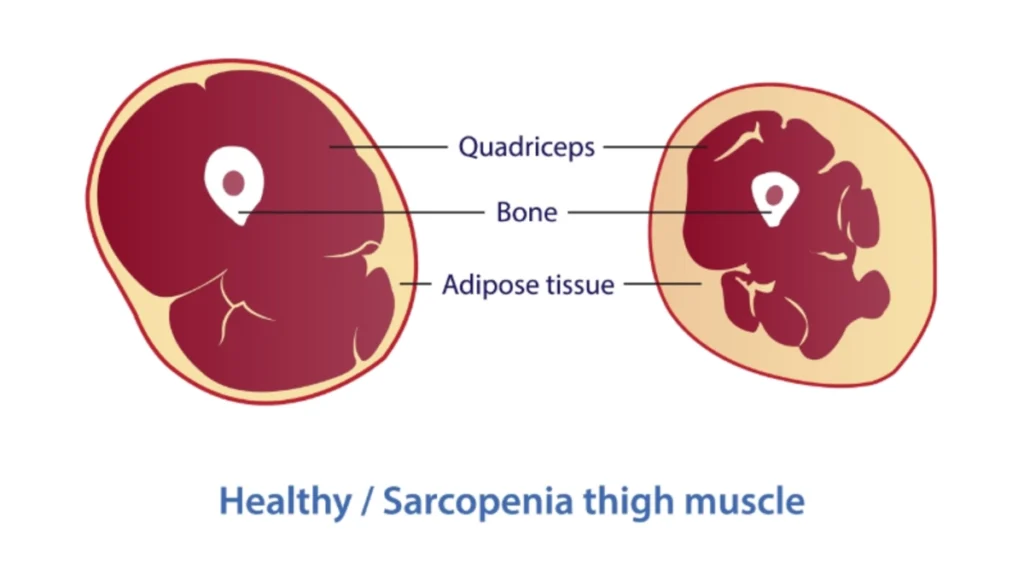
If you only run, you might be becoming “skinny-fat.” You look thin in clothes, but your muscle mass is dangerously low.
This is due to Sarcopenia, which is the medical term for age-related muscle loss. After age 30, you lose 3-5% of your muscle mass every decade. This loss accelerates rapidly after age 60.
There is a “Runner’s Trap” here. Long-distance running can actually burn muscle tissue if you don’t pair it with strength work. This leads to a frail physique that increases your risk of injury.
Why does this matter? It comes down to muscle fibers. You have two main types:
- Type I (Slow-Twitch): Used for endurance, like walking or jogging.
- Type II (Fast-Twitch): Used for strength and power.
We lose Type II fibers first as we age. Running uses Type I fibers, so it doesn’t save the Type II ones.
You need Type II fibers to catch yourself when you trip. Only lifting weights saves these fast-twitch fibers. They are your primary defense against falls. Muscle isn’t just for looks; it’s your body armor.
Bone Density and Metabolic Health: Beyond the Heart
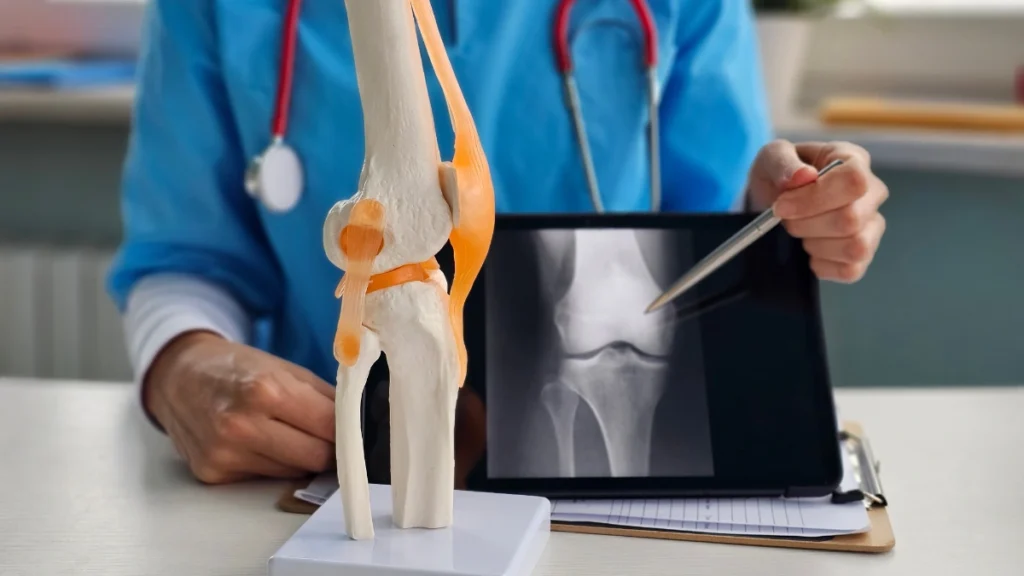
Your bones need more than just calcium. They need stress.
This works based on Wolff’s Law. This biological rule states that bones grow stronger only when they are placed under load.
Running provides high impact, but it is often repetitive stress on the same joints. Strength training provides a multi-directional load. When you pull or push weight, muscles tug on your bones. This signals your body to build denser bone tissue safely. This is your best tool for osteoporosis prevention.
But there is another major benefit. Muscle is a “glucose sink.”
(Tank Overflow)
(Capacity Available)
Think of your muscles as a storage tank for sugar (glucose) in your blood.
- More muscle = A larger tank to store sugar.
- Less muscle = Sugar stays in the blood, leading to high blood sugar.
Dr. Jess Gorzelitz from the University of Iowa highlights this link. Building muscle improves insulin sensitivity. This lowers your risk of Type 2 Diabetes, which is a major mortality factor for seniors.
The benefits are huge, but the start is simple.
How to Start: The “Minimal Effective Dose” for Seniors

Forget the heavy barbells. You do not need a gym membership to see results. Start with your body weight.
The standard for health is the “Minimal Effective Dose.” You don’t need to train every day. Two sessions per week, for 30 to 45 minutes each, is enough.
Here is a simple routine targeting the main movement patterns:
- Squat (Sit-to-Stand): Use a sturdy chair. Stand up and sit down without using your hands. Do 10 reps.
- Hinge (Pick-up): Practice bending at the hips with a flat back, like picking up a grocery bag. Do 10 reps.
- Push (Wall Pushup): Stand arm’s length from a wall. Lean in and push back. Do 10 reps.
- Pull (Row): Use a resistance band wrapped around a doorknob. Pull your elbows back. Do 10 reps.
Safety Rule: Control the eccentric. This means lowering the weight (or your body) slowly. Take 3 seconds to lower yourself into the chair. This maximizes safety and growth.
Consistency beats intensity.
Conclusion
Cardio adds years to your heart, but strength adds life to your years by preserving your structure.
You don’t have to become a weightlifter overnight. But you do need to challenge your muscles to keep them. The new data is clear: strength training is the most effective tool we have to slow biological aging.
Here is your challenge: Try one “sit-to-stand” workout this week instead of a walk. Your future self will thank you.