

Your body creates physical warning signs days or weeks before a cardiac event occurs. Most people brush off these subtle cues as simple fatigue or indigestion because they are waiting for a dramatic chest pain moment that often arrives too late.
You can override this dangerous delay by learning to spot the quiet biological signals your system sends when it is in distress.
Research from Mount Sinai confirms that recognizing these early prodromal symptoms can drastically improve intervention timelines and save lives.
1. Nausea and Vomiting

Nausea is one of the most dangerous decoys because it mimics common and less severe illnesses like the flu or food poisoning. Your heart and stomach rely on overlapping nerve signals that can easily confuse the brain about the true source of distress.
This symptom frequently impacts women and leads to dangerous delays in seeking emergency care because it feels like a simple stomach bug. You might feel a wave of sickness that comes on suddenly without any specific dietary cause or fever.
- Sudden onset of nausea without eating bad food
- Vomiting that brings no relief to the discomfort
- Flu symptoms that appear without a high temperature
2. Unrelenting Indigestion

A burning sensation in the chest is often dismissed as acid reflux from a heavy or spicy meal. When blood flow to the heart is restricted it can mimic the exact sensation of heartburn but standard treatments will not resolve it.
The pain may feel like a clawing burning sensation that sits lower in the chest or upper abdomen. If you take antacids and drink water but the burning persists or intensifies it is a major red flag that your heart is struggling.
- Burning sensation that does not respond to antacids
- Discomfort that persists for more than 20 minutes
- Acid reflux sensation on an empty stomach
3. Upper Abdominal Pressure
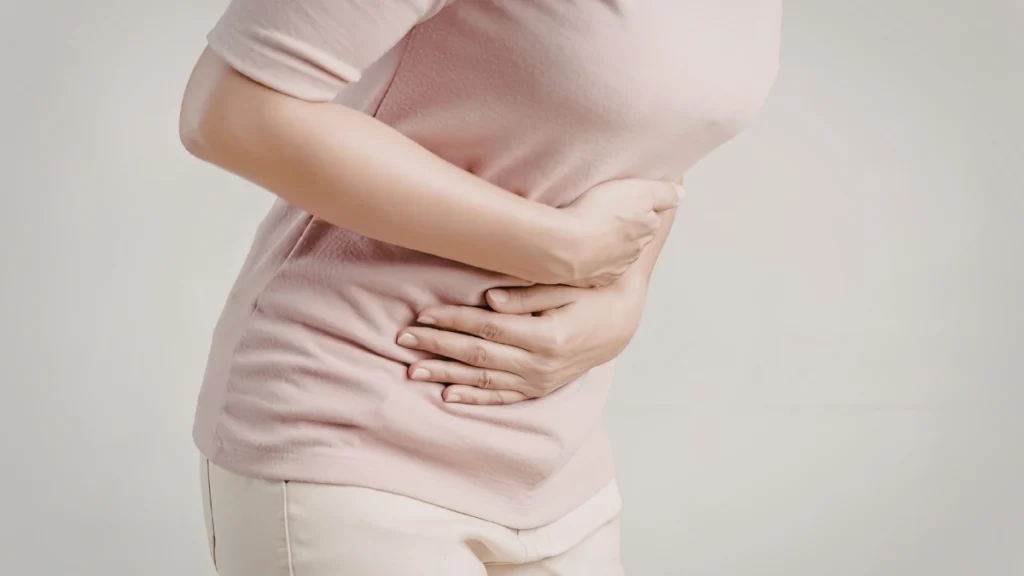
Many patients describe a heavy weight sitting on their upper stomach rather than a sharp pain in the chest. This pressure can feel like bloating or a tight band wrapping around the abdomen that makes it uncomfortable to breathe deeply.
It is common to mistake this feeling for gas or general abdominal discomfort due to its location. This specific type of pressure indicates that the heart is working harder to pump blood through blocked arteries.
- Feeling like an elephant is sitting on your stomach
- Tightness or squeezing in the upper abdomen
- Bloating that does not go away with movement
4. Fullness Without Eating

You might sit down to eat and find yourself feeling completely stuffed after only one or two bites. This sensation of early satiety happens when blood flow is redirected away from the digestive system to prioritize the struggling heart.
It causes the stomach to function poorly and sends premature fullness signals to the brain. This loss of appetite is a subtle metabolic shift that often precedes more severe symptoms.
- Inability to finish small meals
- Sudden loss of appetite for favorite foods
- Feeling uncomfortably full on an empty stomach
5. Jaw and Neck Pain

Pain from the heart often radiates upward along the nerve pathways and settles in the jaw or the neck. This referred pain is particularly common in women and can feel like a dull ache or a sudden toothache on one or both sides.
It is not usually accompanied by clicking or popping sounds which would indicate a joint issue. The pain may spread from the center of the chest up the neck and into the jawline during physical exertion or stress.
- Aching in the jaw without dental issues
- Tightness or choking sensation in the throat
- Pain that radiates from the chest to the ears
6. Waxing and Waning Chest Pressure

Heart attack symptoms are not always a continuous and unbearable pain that knocks you to the ground instantly. Many people experience stuttering chest discomfort that comes and goes over a period of hours or even days.
The pressure might build up for a few minutes and then disappear completely only to return later with more intensity. This on and off pattern often falsely reassures people that they are fine when they are actually in danger.
- Pressure that lasts a few minutes and fades
- Discomfort that returns with physical activity
- A squeezing sensation rather than sharp pain
7. Upper Back Pain

A nagging ache between the shoulder blades is a classic silent symptom that is frequently misdiagnosed as muscle strain. This pain occurs because the nerves connected to the heart also serve the upper back area and the brain misinterprets the distress signal.
It often feels like a heavy weight is hanging from your shoulders or a dull pressure that massage does not fix. If you have not lifted anything heavy recently this back pain warrants immediate attention.
- Dull ache specifically between shoulder blades
- Pressure that feels like a heavy backpack
- Pain not caused by movement or muscle strain
8. Arm Numbness or Heaviness

Pain or numbness radiating down the left arm is a well known sign but it can also affect the right arm. You might feel a strange tingling sensation or a heaviness that makes it difficult to lift your arm.
It can feel similar to when your limb falls asleep but shaking it out does not restore normal feeling. This symptom is a direct result of blocked blood flow affecting the nerves that travel from the chest into the extremities.
- Tingling or pins and needles in either arm
- Feeling of dead weight or weakness
- Numbness that travels to the pinky finger
9. Sudden Crushing Fatigue

It is not the normal tiredness you feel after a long day of work or poor sleep. It is a debilitating exhaustion that hits you suddenly and makes simple tasks feel like climbing a mountain.
You might find yourself needing to sit down after showering or feeling too weak to make your bed. This happens because the heart cannot pump enough oxygen rich blood to the muscles and the body shuts down to conserve energy.
- Exhaustion that does not improve with sleep
- Inability to perform routine daily chores
- Feeling heavy limbs and total energy depletion
10. Severe Sleep Disturbances

Insomnia and sleep disruptions often plague patients in the weeks leading up to a cardiac event. You might struggle to fall asleep or wake up frequently throughout the night with racing thoughts or anxiety.
This is caused by subconscious physiological stress and spikes in cortisol as the body attempts to manage the compromised blood flow. A sudden change in your sleep patterns without a clear cause is a biological warning siren.
- Waking up abruptly around 3 AM
- Racing thoughts or anxiety at bedtime
- Inability to stay asleep despite exhaustion
11. Air Hunger at Rest

Shortness of breath is expected when you run but it is a major warning sign when you are sitting on the couch. This sensation is often described as air hunger where you feel like you cannot get a deep enough breath no matter how hard you try.
It occurs because fluid begins to build up in the lungs as the heart struggles to pump effectively. If you find yourself panting while reading or watching TV your heart is under significant stress.
- Panting without physical exertion
- Needing to prop up pillows to breathe at night
- Feeling suffocated while lying flat
12. Frank’s Sign (Earlobe Crease)
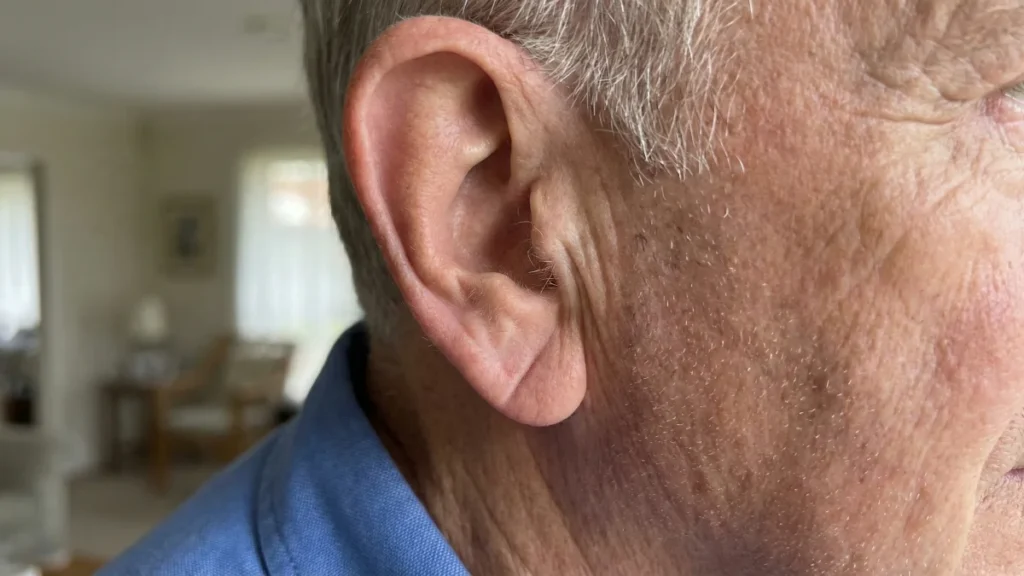
A diagonal crease on the earlobe known as Frank’s Sign is a visible external marker of internal cardiovascular health. Studies have linked this specific fold in the skin to the loss of elastin and the clogging of arteries throughout the body.
While having the crease does not guarantee a heart attack it is a statistically significant risk factor that correlates with poor blood flow. Checking your ears in the mirror can provide a visual clue to your internal artery health.
- Deep diagonal line on the earlobe
- Crease appearing on one or both ears
- Skin fold extending from the tragus backward
13. Impending Doom Anxiety

Many survivors report a sudden and overwhelming sense of dread just before or during a heart attack. This is not a panic attack caused by mental stress but a primal physiological response to the body shutting down.
Your nervous system detects the lack of oxygen and triggers a survival alarm that the conscious brain interprets as pure fear. If you feel a sudden certainty that something terrible is about to happen you must listen to that instinct.
- Unexplained feelings of intense panic
- A gut feeling that something is terribly wrong
- Urgent desire to flee or seek safety
14. Cold Sweats

Breaking out in a cold sweat without exercise or a hot environment is a classic sign of the body in distress. This clammy perspiration occurs because the sympathetic nervous system kicks into overdrive to activate the fight or flight response.
Your skin feels cool and moist to the touch rather than hot and flushed like a fever. If you wake up with drenched sheets or feel sudden sweat on your forehead while cool it is time to act.
- Clammy skin that feels cold to the touch
- Sweating while sitting still in a cool room
- Sudden perspiration on the forehead or upper lip
15. Tech Signals (Heart Rate Variability)
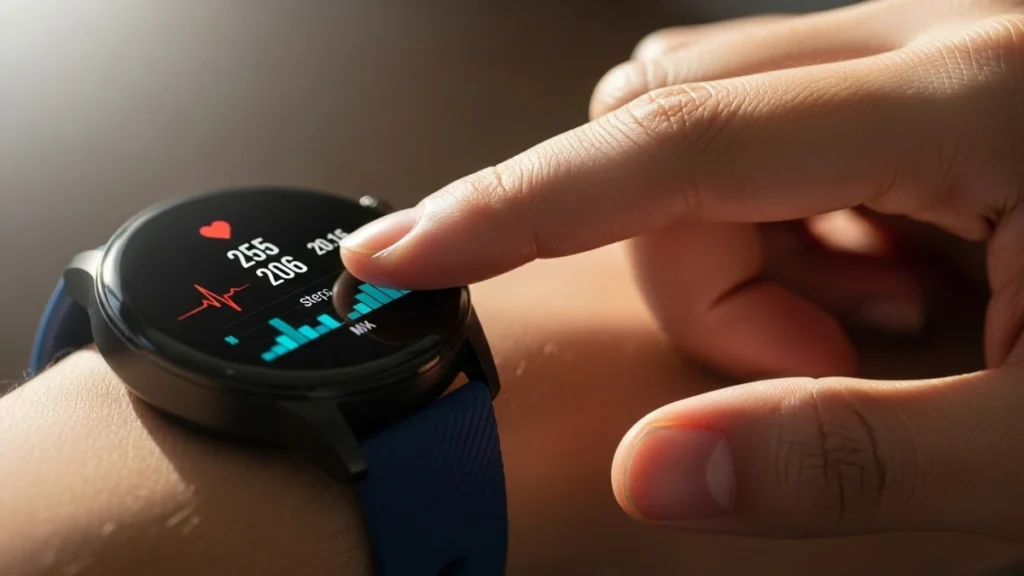
Modern wearable technology acts as an external monitor for your internal engine by tracking subtle changes in your pulse that you cannot feel. Devices like smartwatches can detect a sudden spike in your resting heart rate or a drop in heart rate variability days before an event occurs.
This data offers a digital window into your cardiovascular stress levels when you are physically at rest. Paying attention to these automated alerts allows you to see the physiological storm brewing before the physical pain begins.
- Sudden increase in resting heart rate
- Significant drop in Heart Rate Variability (HRV)
- Irregular rhythm notifications while inactive