

Your liver naturally shrinks by nearly forty percent by age 75, silently losing its ability to filter toxins while you go about your day.
You feel this decline as a heavy, unshakeable fatigue or notice strange red spots in the mirror, dismissing them as the inevitable cost of getting older. But these aren’t just wrinkles or lack of sleep; they are desperate biological distress signals from your body’s metabolic engine.
Medical experts confirm the liver is the only organ capable of full regeneration, meaning if you catch these sixteen signs now, you can reverse the damage before it becomes permanent.
1. Spider Angiomas
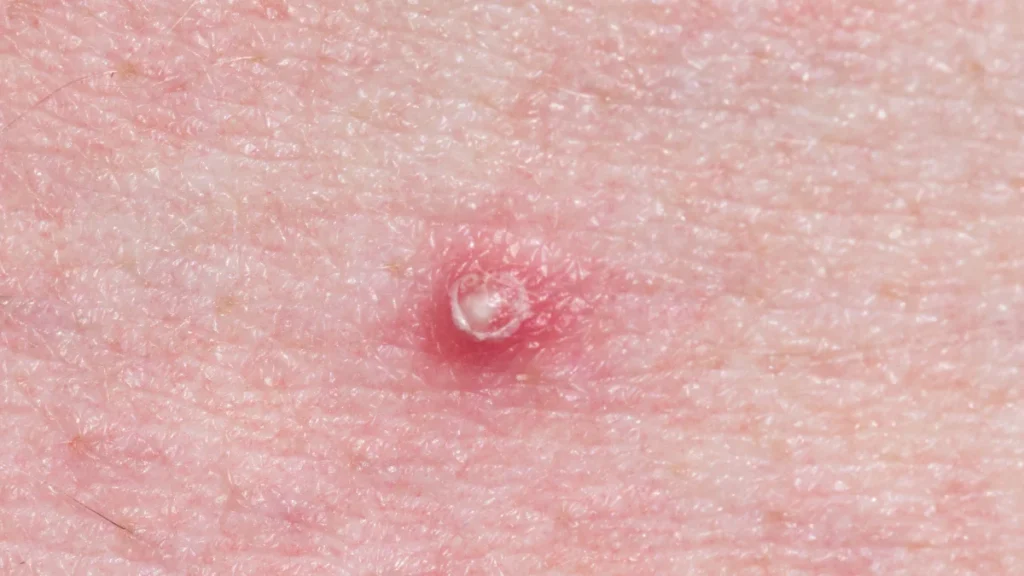
You might notice small red clusters appearing on your chest or face that look like tiny spiders with a central dot. These are not simple varicose veins but distinct vascular changes caused by your liver failing to metabolize estrogen effectively.
When the liver slows down, estrogen levels spike in the blood and cause these specific capillaries to dilate and burst near the surface. They serve as a visible map of your internal hormonal balance and typically vanish once liver function improves.
Root Cause: The liver fails to break down Estrogen, causing blood vessels to dilate and form these clusters.
- Blanch (turn white) when pressed
- Appear mostly on the upper torso and face
- Caused by hormonal imbalances in the blood
2. Pruritus (Intense Itching)
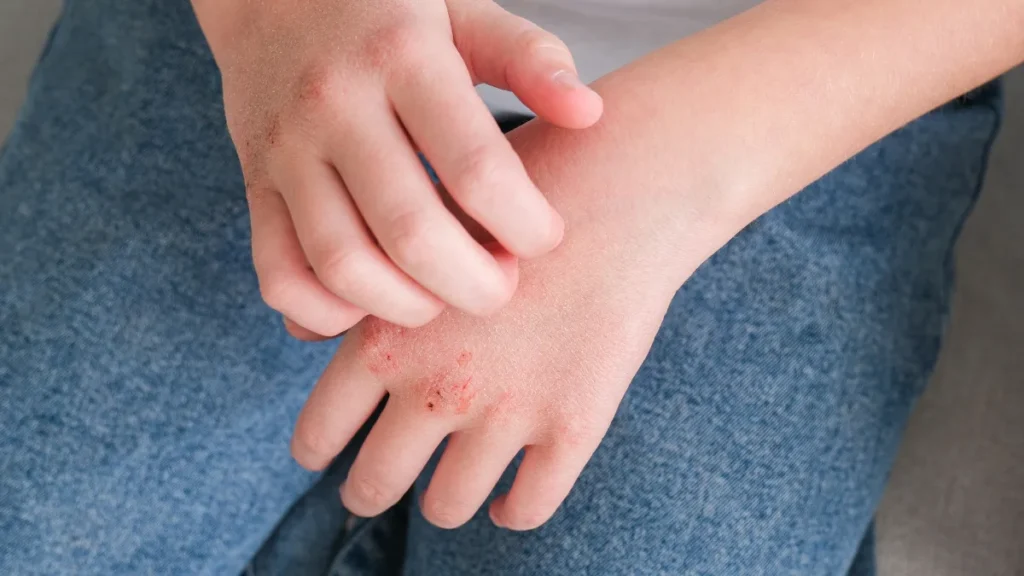
This is an intense, maddening itch that feels like it is buzzing underneath your skin rather than on the surface. No amount of expensive moisturizer or antihistamine cream provides relief because the irritation is chemical rather than external.
It happens when bile salts accumulate in your bloodstream instead of being filtered out by the liver. The sensation is often most severe at night and can disrupt your sleep cycle significantly.
- Itching focused on palms and soles
- No visible rash present
- Worsens significantly in the late evening
3. Paper Thin Skin & Bruising
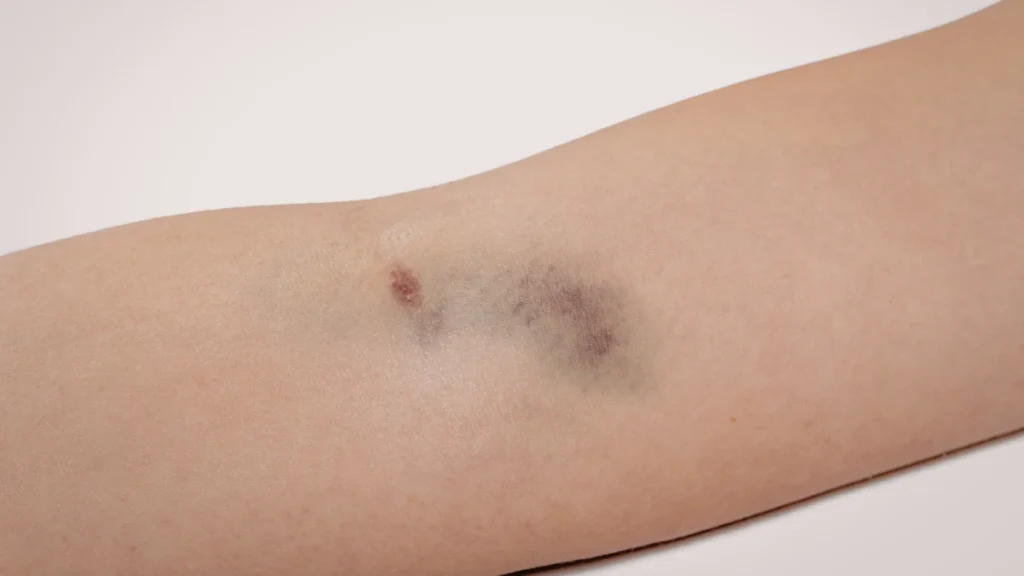
You might bump your arm lightly against a doorframe and discover a large purple welt minutes later that lasts for weeks. This happens because your liver is responsible for producing the essential proteins required for blood clotting.
When function declines, your blood becomes thinner and your skin loses the collagen support that usually protects blood vessels. It is a sign that your body is prioritizing survival over maintaining external tissue strength.
- Unexplained large bruises from minor bumps
- Cuts that bleed longer than normal
- Visible veins through increasingly transparent skin
4. Palmar Erythema (Red Palms)
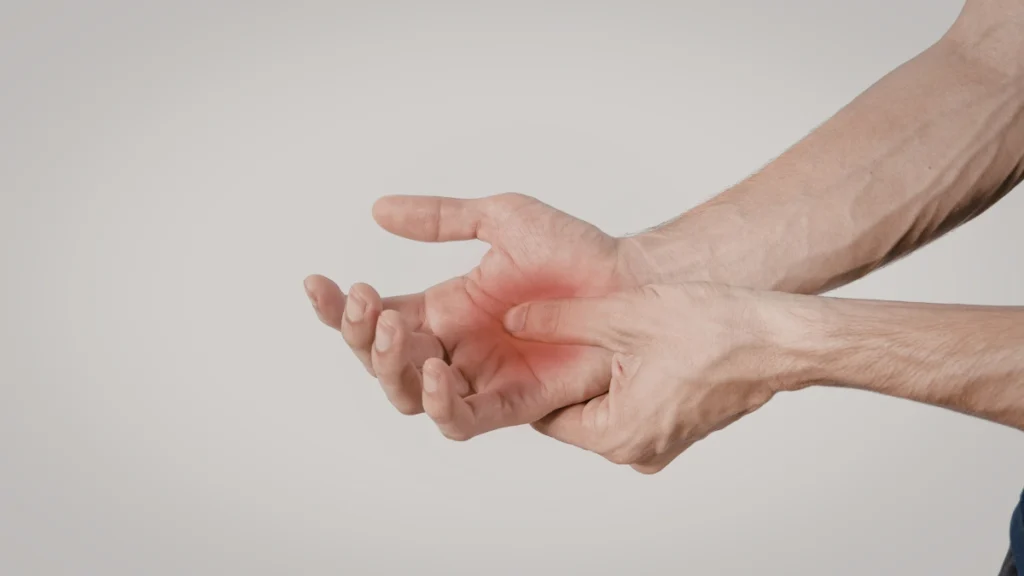
Look at your hands and check if the fleshy part of your palms is noticeably redder than the center. This condition is often brushed off as a circulation issue or a side effect of manual labor but is actually a classic liver warning.
The redness is caused by dilated capillaries reacting to altered hormone levels in your system. It typically affects the outer edges of the hand and remains warm to the touch regardless of the room temperature.
- Redness on the heel of the palm
- Blanches white when pressed
- Warm sensation in hands
5. Early Hepatic Encephalopathy (Brain Fog)

Walking into a room and forgetting why you are there is often labeled as a normal senior moment. However, when the liver struggles to filter toxins like ammonia, these chemicals travel to the brain and disrupt cognitive function.
This creates a specific type of confusion where you might struggle with simple motor tasks or math you used to find easy. It is a metabolic cognitive decline that clears up rapidly once the toxic load is reduced.
- Difficulty with mental math or counting change
- Forgetfulness regarding simple daily tasks
- Slowed reaction times while driving
6. Sleep Inversion

Your body clock relies on the liver to regulate melatonin and cortisol cycles throughout the day. When the liver is congested, you may experience a complete reversal of your sleep patterns known as sleep inversion.
You find yourself feeling wide awake and alert at 2 AM but struggling to keep your eyes open during the afternoon. This is not simple insomnia but a sign that your internal chemical rhythms are out of sync.
- Awake at night and sleepy by day
- Frequent naps required to function
- Inability to fall asleep despite physical fatigue
7. Chronic Fatigue
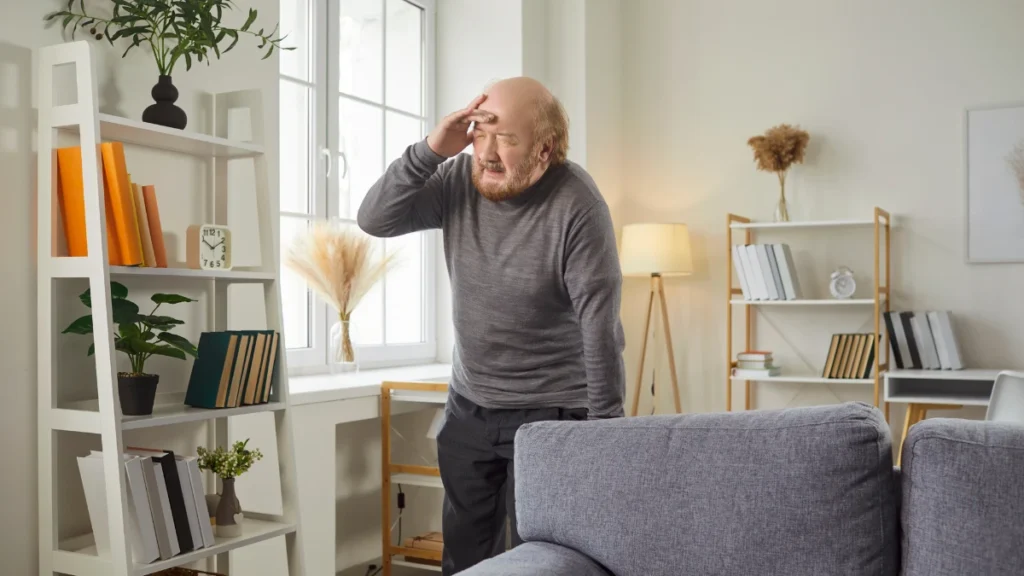
This is distinct from the tiredness you feel after a long day of work or exercise. It is a profound, heavy lethargy that makes your limbs feel like they are moving through water.
Resting or sleeping more hours does not recharge your battery because the issue is metabolic inefficiency. Your body is expending massive amounts of energy trying to heal the liver, leaving little fuel for your daily activities.
- Sleep does not restore energy levels
- Limbs feel physically heavy
- Lack of motivation for usual hobbies
8. Mood Shifts

Unexplained irritability or sudden anxiety can be a direct result of toxic buildup affecting your neurotransmitters. When ammonia and manganese accumulate in the brain due to poor filtration, they alter your emotional regulation.
You might find yourself snapping at loved ones or feeling a sense of doom that does not match your reality. Recognizing this as a biological symptom rather than a character flaw is crucial for getting help.
> STATUS: NOT_THEMSELVES
> NOTES: Patient appears confused or apathetic.
- Sudden bursts of anger
- Unexplained anxiety or depression
- Personality changes noticed by family members
9. Edema (Swollen Ankles)
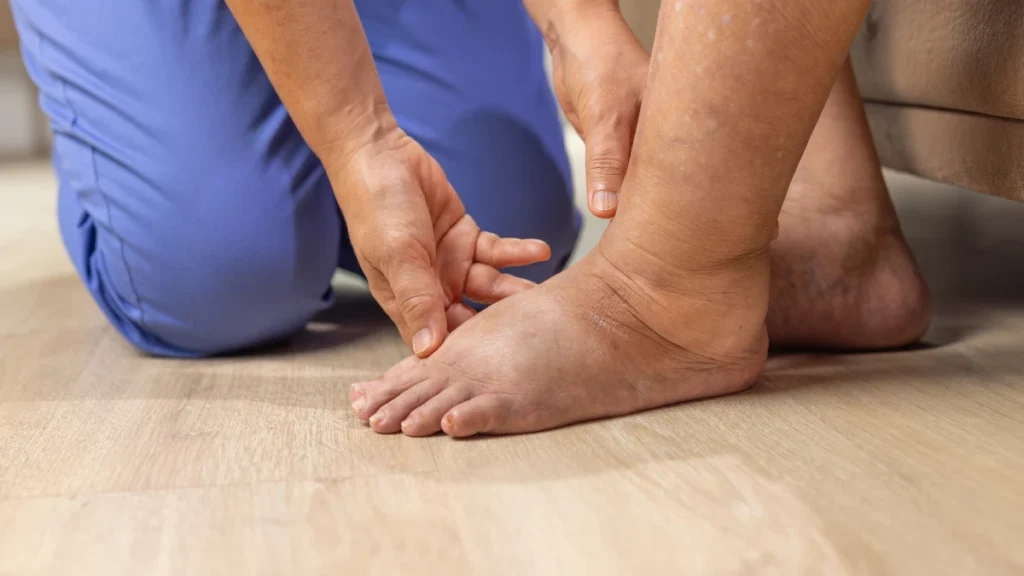
Gravity causes fluid to pool in your lower extremities when your blood lacks the protein albumin. The liver is the sole producer of albumin, which acts like a sponge to keep fluid inside your blood vessels.
When production drops, that water leaks into surrounding tissues and settles around your ankles and feet. Unlike normal swelling from standing, this fluid retention leaves a distinct pit or dent when you press on it.
- Pitting edema (dents when pressed)
- Shoes feel tight by evening
- Swelling reduces when legs are elevated
10. Ascites (Abdominal Fluid)

You may notice your stomach protruding significantly even if you have not gained weight elsewhere on your body. This condition involves fluid accumulating in the abdominal cavity due to high pressure in the liver’s blood vessels.
It often creates a firm, uncomfortable sensation that is very different from soft belly fat. Patients often report looking pregnant or bloated regardless of what they have eaten that day.
- Distended and firm abdomen
- Rapid waistline expansion
- Muscle wasting in arms and legs
11. Pale or Clay Colored Stool
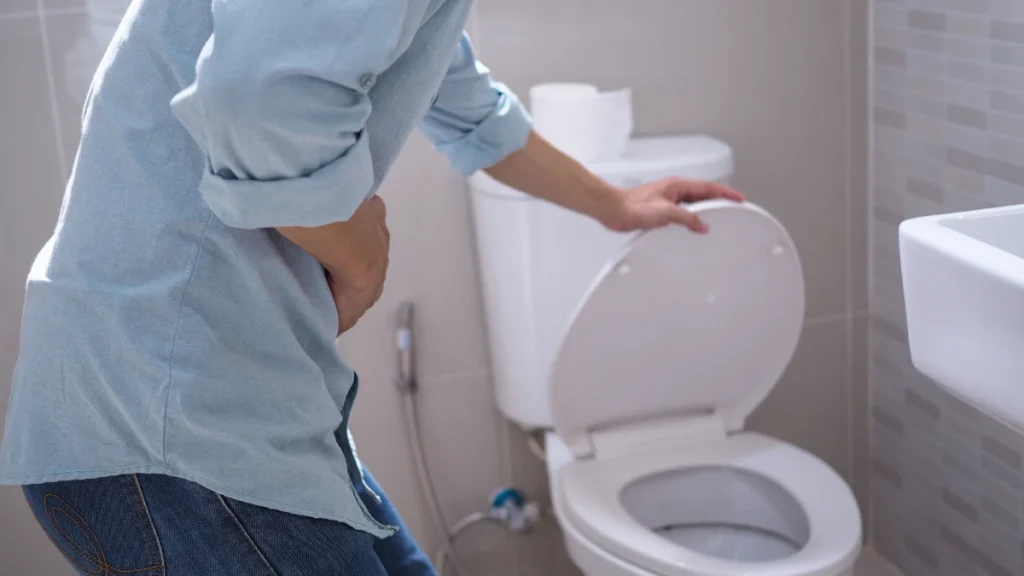
The brown color of normal stool comes from bile salts that are released by a healthy liver during digestion. When inflammation or blockage prevents bile from flowing freely, your waste loses its pigment.
You might notice stool that looks pale, gray, or resembles the color of clay. This is a mechanical signal that your digestive system is not receiving the enzymes it needs to process fats.
- Gray or white stool
- Stool that floats (steatorrhea)
- Indicates bile duct or flow issues
12. Dark Urine
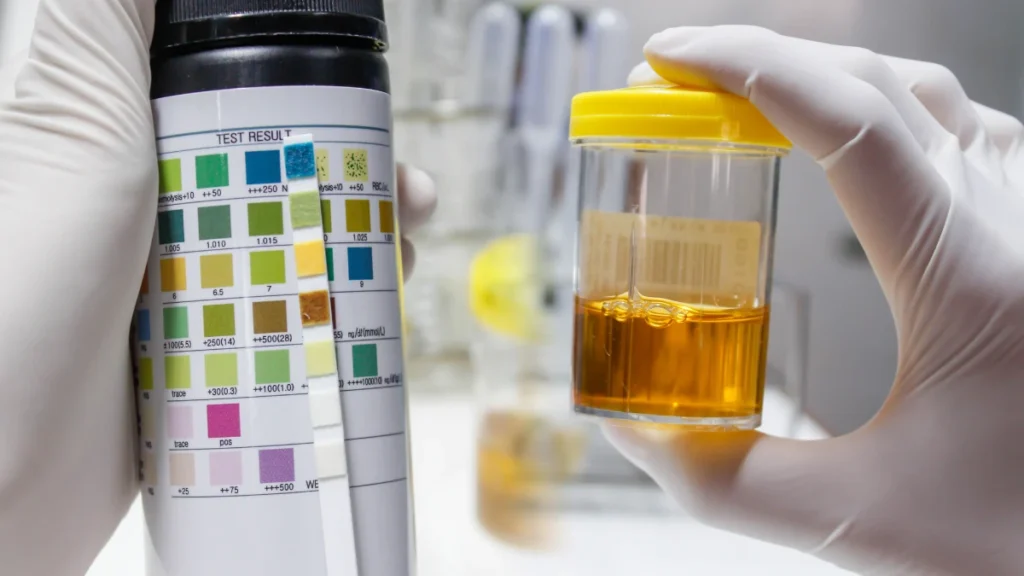
Seeing dark amber or cola colored urine can be alarming and is often mistaken for severe dehydration. However, if the color remains dark even after you drink plenty of water, it indicates excess bilirubin.
Because the liver cannot process this pigment, your body tries to flush it out through the kidneys instead. It serves as an immediate visual marker that your filtration system is overloaded.
- Brown or amber urine color
- Does not clear with hydration
- Often appears alongside pale stool
13. High Triglycerides
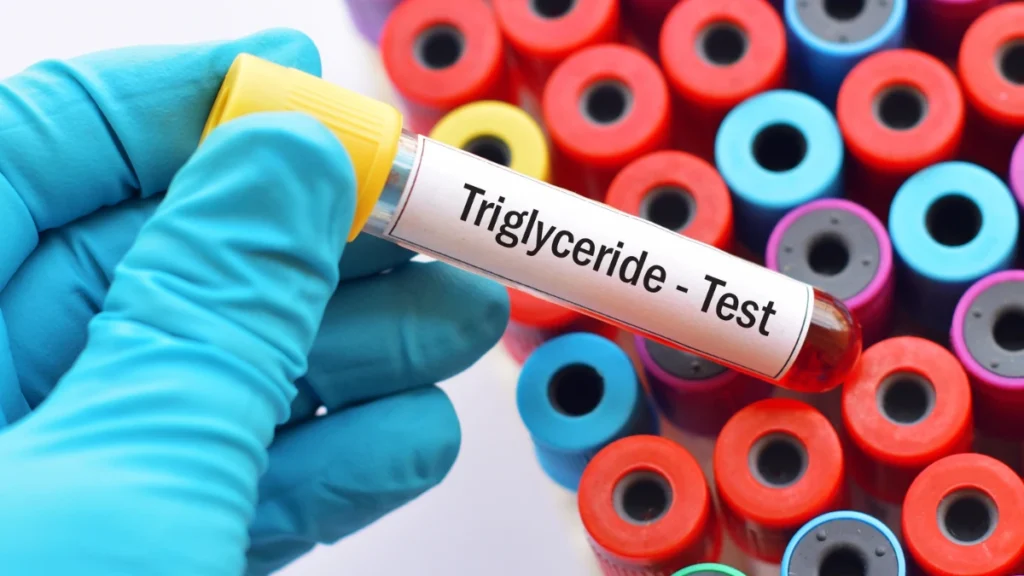
Your blood work can reveal liver stress long before you feel physical pain or see changes in the mirror. High levels of triglycerides combined with low good cholesterol are a hallmark of metabolic liver dysfunction.
The liver acts as the storage facility for excess energy, and when it is full, it spills fat into the bloodstream. This specific lipid profile is one of the earliest clinical signs of a fatty liver.
- High triglycerides with low HDL
- Indicates fat storage overflow
- Early metabolic warning sign
14. Insulin Resistance
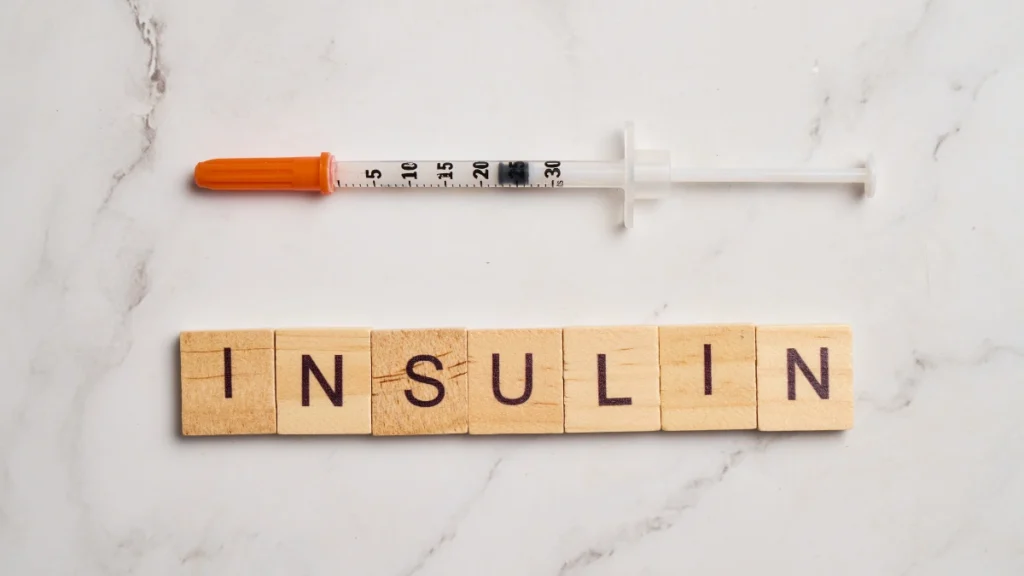
The liver plays a dominant role in regulating your blood sugar levels throughout the day and night. When liver cells become filled with fat, they stop responding to insulin signals effectively.
This causes your pancreas to overwork and your fasting blood sugar levels to creep up over time. Treating the liver is often the missing key for people struggling to control pre diabetes or weight gain.
- Rising fasting blood sugar levels
- Difficult weight loss
- Unstable energy levels after eating
15. Right Shoulder Pain

Pain originating from the liver often manifests in the right shoulder blade rather than the abdomen. This is known as referred pain and occurs because an inflamed liver presses against the phrenic nerve.
The nerve transmits pain signals that the brain misinterprets as coming from the shoulder or neck area. It is typically a dull, aching sensation that does not improve with massage or changing your posture.
- Pain in right shoulder blade
- Dull and constant ache
- Not caused by movement or injury
16. Persistent Nausea
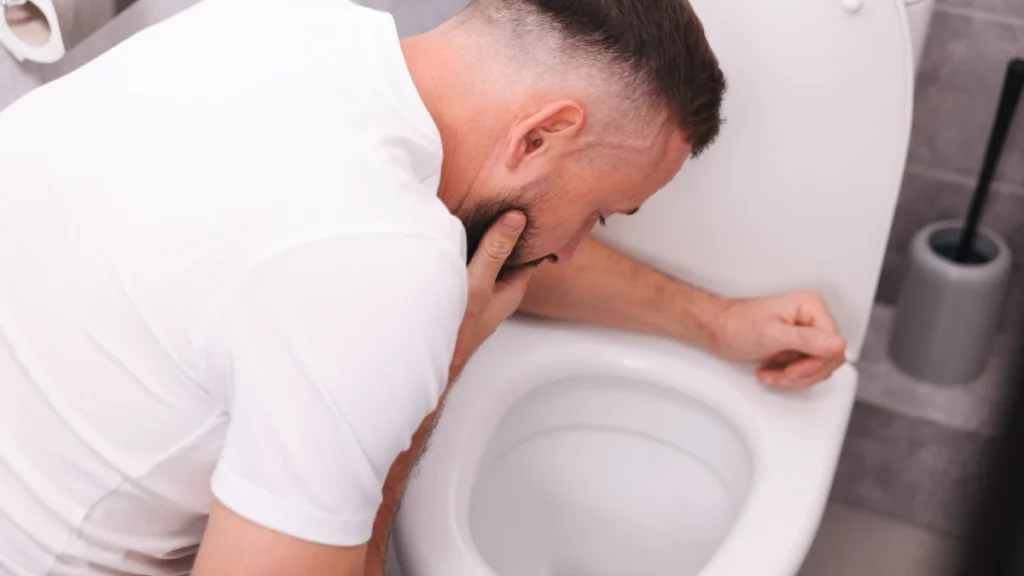
Feeling a low grade nausea throughout the day without having a stomach virus is a common liver complaint. When the liver cannot eliminate toxins efficiently, the buildup stresses your entire digestive tract.
You might feel a lack of appetite or a sudden aversion to rich and fatty foods. This is your body’s way of protecting itself by preventing you from consuming more than it can process.
- Constant low level nausea
- Loss of appetite
- Aversion to greasy foods or meat