

Your endocrine system operates on signals as precise as a single drop of water in an Olympic swimming pool. When foreign chemicals mimic these signals, your body enters a state of chaotic emergency.
You likely know the feeling of waking up exhausted despite eight hours of sleep, fighting stubborn weight that refuses to budge, or battling brain fog that coffee cannot fix.
It is not a failure of discipline but a physiological response to environmental toxins. The Endocrine Society confirms that reducing these disruptors effectively restores metabolic function and hormonal balance.
1. Non-stick Cookware

Cooking healthy food in toxic pans defeats the purpose before you even take a bite. Most non-stick surfaces rely on perfluoroalkyl substances that bond to your food once the pan heats up.
These compounds are notorious for lingering in the human body for decades and disrupting liver function. Even pans labeled as safe often use chemical cousins that are just as harmful under high heat.
Chips easily.
No metal leaching.
- Cast iron skillets offer a durable and naturally non-stick alternative
- Stainless steel pans provide professional results without chemical leaching
- Ceramic cookware must be 100% solid ceramic rather than just coated metal
2. Black Plastic Utensils

That spatula you use every morning might be made from recycled electronic waste. Recent investigations reveal that black plastic kitchenware often contains dangerous flame retardants and heavy metals sourced from old television casings and computer parts.
Heat transfers these industrial toxins directly into your eggs or soup, bypassing your digestive defenses entirely.
- Replace plastic spatulas with stainless steel or bamboo options
- Food grade silicone offers a heat safe alternative for non-stick surfaces
- Inspect your current utensils for any signs of melting or degradation
3. Canned Food Linings

The beans or tomatoes inside the can are not the problem, but the white lining inside is a major health hazard. This protective barrier prevents rust but is almost always made with bisphenols like BPA or its equally harmful substitutes.
These chemicals mimic estrogen in the body and can severely confuse your reproductive signaling system.
- Choose fresh or frozen produce whenever your budget allows
- Look for foods packaged in glass jars to avoid plastic contact
- Soaking dry beans overnight is a cheaper and toxin free alternative
4. Plastic Food Containers
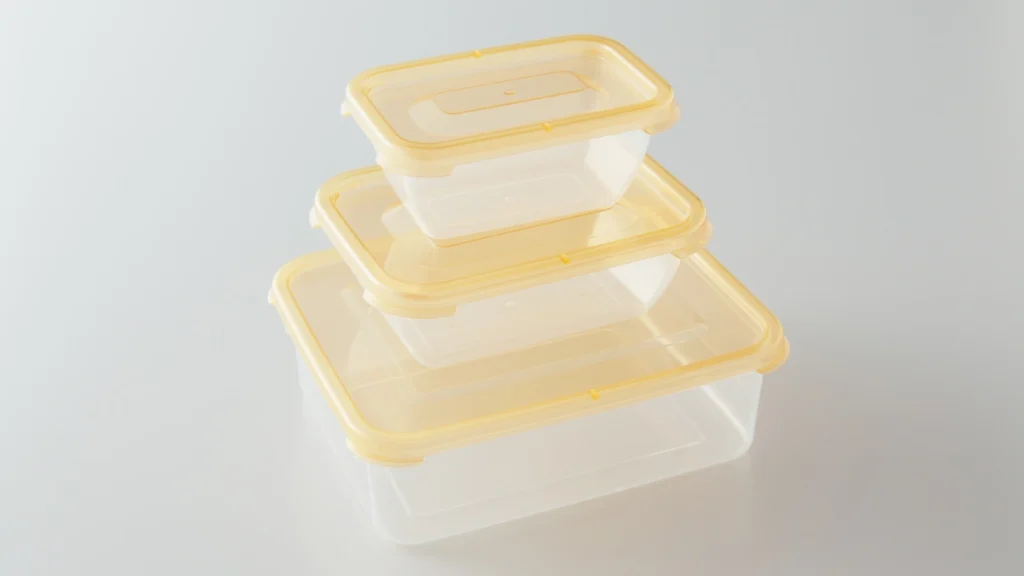
Seeing a microwave safe label only means the plastic will not melt, not that it is chemically stable. Heating food in plastic containers accelerates the leaching process and infuses your leftovers with synthetic compounds.
This daily habit is one of the most significant sources of microplastic ingestion for the average adult.
- Transfer all leftovers to glass storage containers like Pyrex
- Use stainless steel tiffins for packing lunches
- Cover food with a paper towel or plate instead of plastic wrap when heating
5. Synthetic Tea Bags
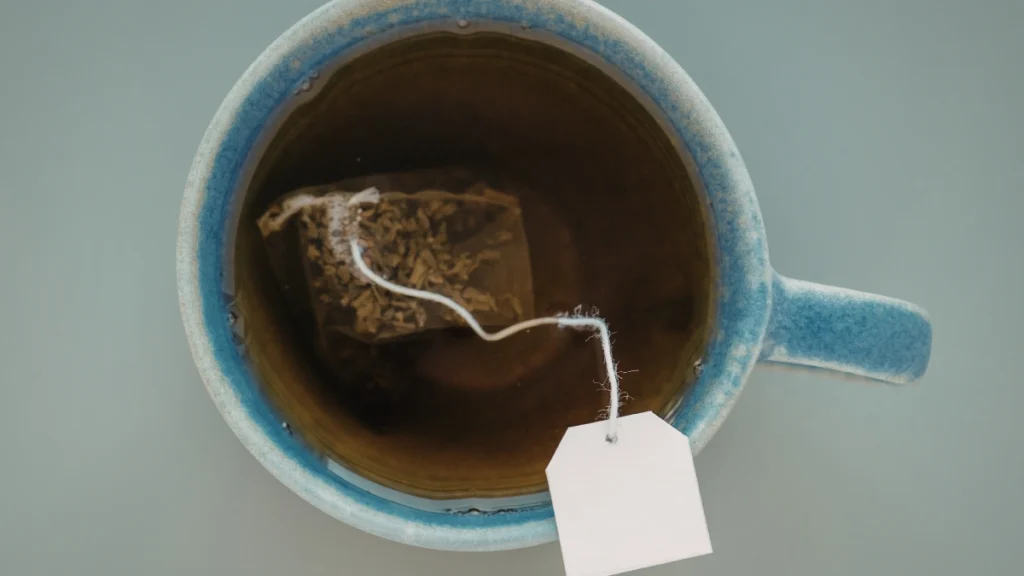
Many premium tea brands use a silky mesh bag that looks like fabric but is actually plastic. When you pour boiling water over these bags, they release billions of microplastics and nanoplastics into your cup.
You end up drinking a chemical soup that settles in your tissues rather than the healing herbal infusion you intended.
- Switch to loose leaf tea and use a stainless steel strainer
- Verify that paper tea bags are sealed without plastic based glues
- Tear open questionable bags to brew the leaves directly
6. Vinyl Shower Curtains
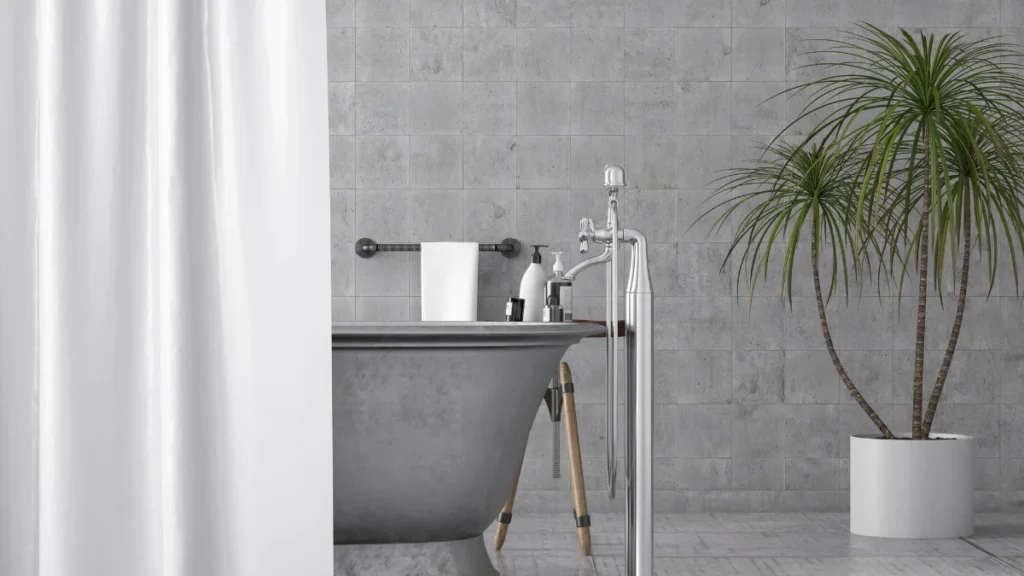
The distinct smell of a new shower curtain is actually the scent of toxic off-gassing. Most cheap liners are made of PVC, which releases volatile organic compounds into the air when exposed to heat and humidity.
Your warm shower turns your bathroom into a gas chamber of phthalates that you inhale deeply while trying to get clean.
Target: Once per month.
- Install a fabric curtain made of cotton or polyester
- Look for PEVA or EVA liners if you need a waterproof plastic option
- Wash fabric curtains monthly to prevent mold buildup naturally
7. Antibacterial Soap
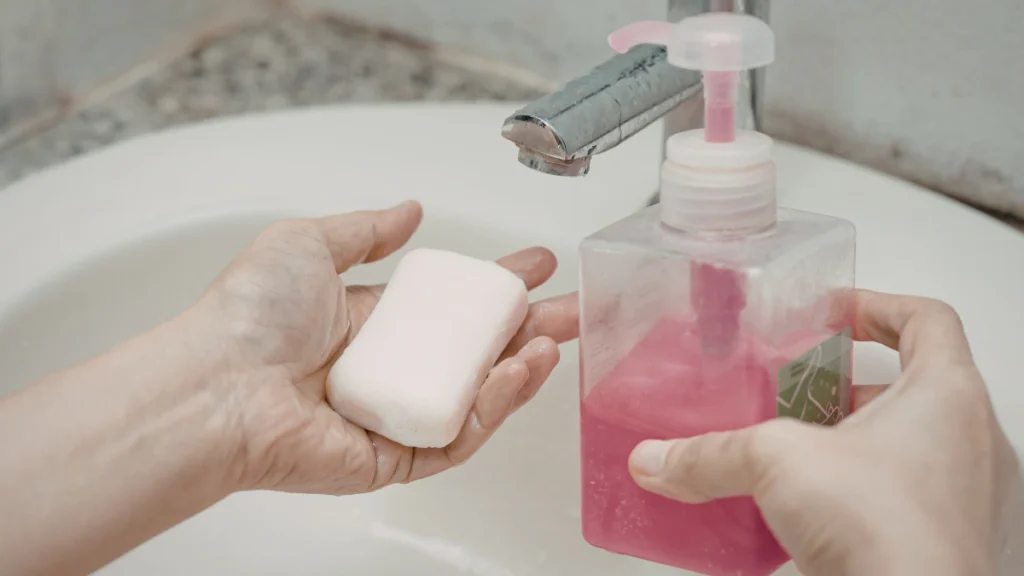
You do not need harsh chemicals to remove germs effectively from your hands. Ingredients like triclosan and benzalkonium chloride are powerful enough to disrupt thyroid function and contribute to antibiotic resistance.
Simple friction and warm water are sufficient to break down the lipid layer of viruses without attacking your own hormonal health.
- Use plain Castile soap for a gentle and effective clean
- Switch to regular bar soap to reduce plastic bottle waste
- Scrub hands for twenty seconds to physically remove bacteria
8. Synthetic Fragrances

The word fragrance on a label is a legal loophole that allows companies to hide hundreds of chemicals. Manufacturers use phthalates to make scents linger longer, but these compounds are known endocrine disruptors.
This hidden mix interacts with your skin and lungs, causing headaches and hormonal imbalances without you ever knowing the specific cause.
- Check labels for terms like phthalate free or no synthetic fragrance
- Use essential oils if you want to add scent to your home or body
- Choose fragrance free products rather than unscented ones that use masking agents
9. Glide Style Dental Floss
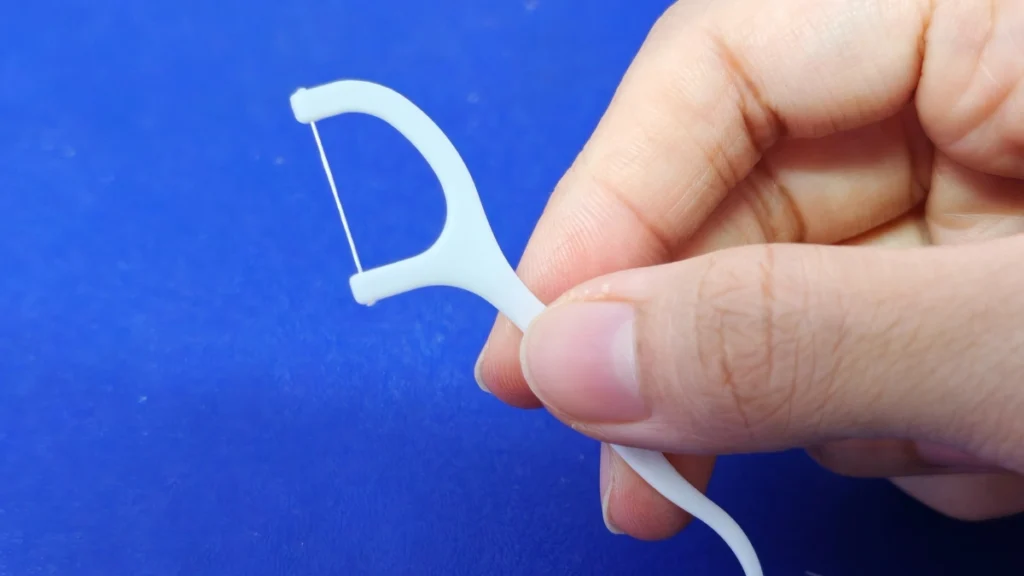
If your floss slips between your teeth effortlessly, it is likely coated in a substance similar to Teflon. This means you are rubbing a layer of PFAS directly into your gums, which are highly vascular and absorbent.
This daily habit introduces forever chemicals into your bloodstream through the soft tissues of your mouth.
- Select unflavored silk floss for a natural option
- Look for floss coated with beeswax instead of synthetic gliders
- Bamboo charcoal floss offers a textured alternative that removes plaque well
10. Paraben Preservatives

Check your cosmetic labels for any long words ending in paraben. These preservatives are used to stop mold growth in makeup and lotions, but they also mimic estrogen in the human body.
Constant exposure to these compounds through multiple products creates a cumulative toxic load that can interfere with reproductive health.
- Read ingredient lists on all lotions and shampoos carefully
- Prioritize products with shorter shelf lives and natural preservatives
- Download apps that scan barcodes to detect hidden parabens instantly
11. Thermal Paper Receipts
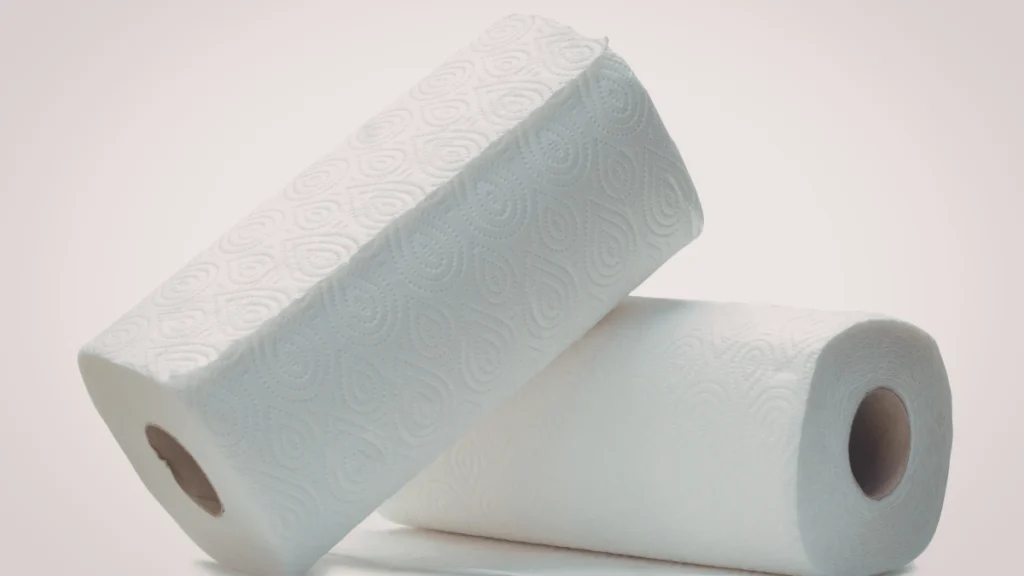
The shiny paper used for receipts is coated in BPA or BPS that transfers to your skin on contact. Absorption happens almost instantly and increases tenfold if your hands are wet or you have just used hand sanitizer.
This is a significant source of bisphenol exposure that most people completely overlook during their daily errands.
- Decline the receipt whenever possible or ask for a digital copy
- Wash your hands immediately after handling a stack of receipts
- Fold the receipt with the printed side facing in to minimize contact
12. Scented Candles
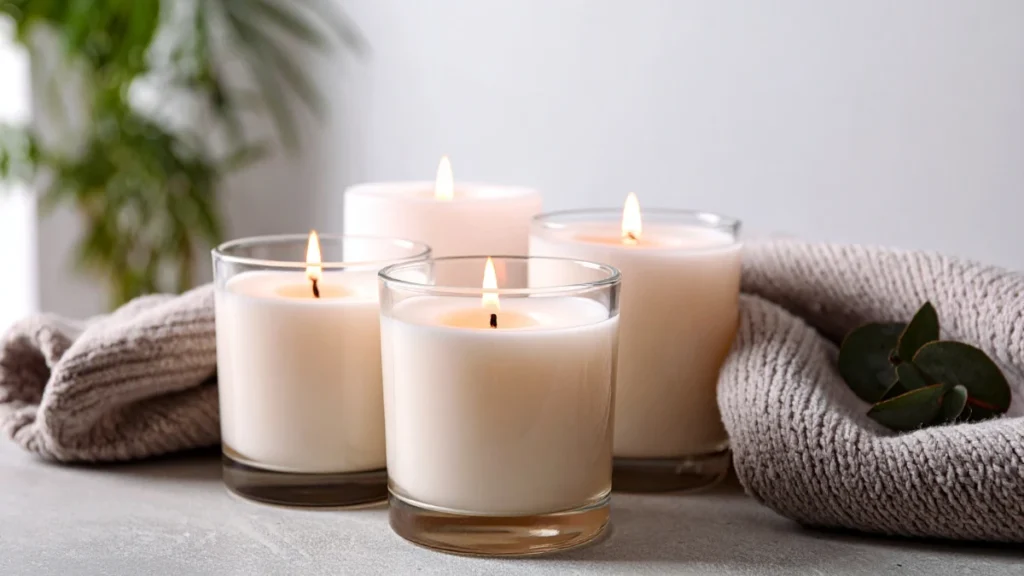
Lighting a candle seems relaxing, but paraffin wax releases benzene and toluene when burned. These are the same carcinogens found in diesel fumes, and you are releasing them into your enclosed living room.
Combined with synthetic fragrances, these candles significantly lower your indoor air quality and burden your respiratory system.
- Switch to 100% beeswax candles with cotton wicks
- Simmer spices like cinnamon and cloves on the stove for natural scent
- Use an essential oil diffuser to scent the air without smoke
13. Stain Resistant Fabrics
Furniture that claims to repel wine or coffee spills is usually treated with a layer of PFAS. As the fabric wears down from sitting and scrubbing, this chemical coating turns into dust that settles in your home.
You inhale this dust or pick it up on your skin, bringing the toxins directly into your system.
- Choose untreated natural fabrics like wool or cotton
- Accept that spot cleaning is safer than chemical prevention
- Vacuum furniture regularly with a HEPA filter to remove chemical dust
14. Luxury Vinyl Flooring
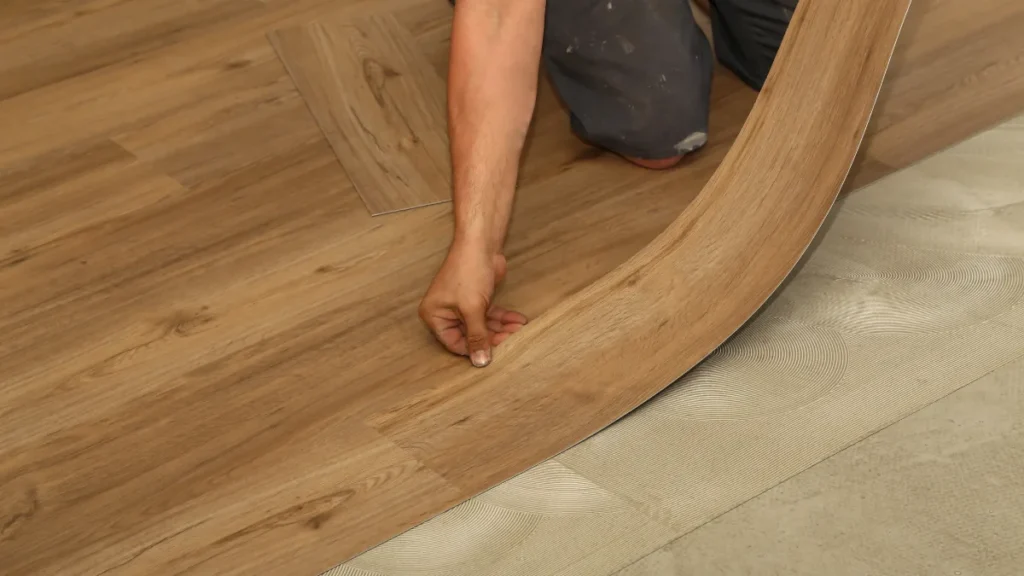
Vinyl plank flooring is popular for its durability, but it is fundamentally made of soft plastic. These floors can release phthalates into the air and degrade into lead contaminated dust over time.
Children and pets who spend time on the floor are most at risk of ingesting these particles through hand to mouth contact.
- Opt for natural flooring materials like wood or cork
- Use ceramic or stone tile for durable and non-toxic surfaces
- Clean vinyl floors frequently with a damp mop to remove dust accumulation
15. Chemical Cleaning Sprays
The harsh smell of bleach or ammonia is not the scent of cleanliness but of lung irritation. Many all purpose cleaners contain quaternary ammonium compounds that are linked to reproductive issues and asthma.
You can achieve a sparkling home using simple pantry ingredients that disinfect without leaving a toxic residue.
- Mix white vinegar and water for an effective all purpose cleaner
- Use baking soda as a gentle abrasive for scrubbing sinks and tubs
- Invest in a steam cleaner to sanitize surfaces using only heat
16. Polyurethane Mattress Foam
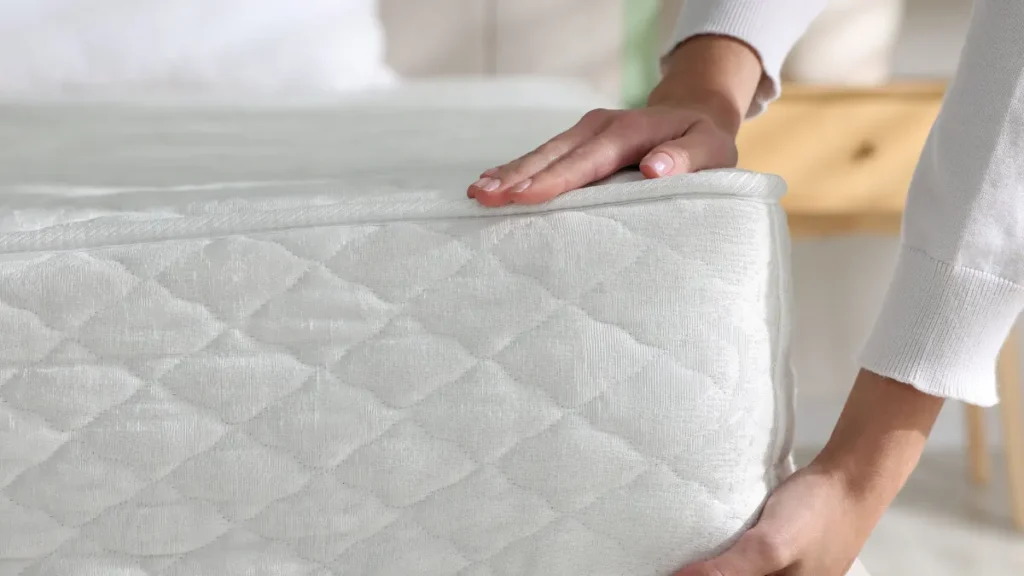
We spend a third of our lives sleeping, yet many mattresses off-gas volatile chemicals for years. Older memory foam or non-certified foams often contain flame retardants that you breathe in while you sleep.
This nighttime exposure is particularly concerning because your body’s detoxification systems are trying to work while you rest.
- Look for mattresses with GOTS organic certification
- Choose natural latex foam over synthetic polyurethane options
- Allow new mattresses to air out in a well ventilated room before use
17. Plastic Cutting Boards
Every time your knife slices through a plastic cutting board, it creates microscopic scars. These cuts release tiny plastic particles that stick to your food and end up in your meal.
Over the lifespan of a single board, you could be unknowingly seasoning your dinner with a significant amount of plastic dust.
Result: Sharp Knife.
Result: Rolled/Dulled Edge.
- Use solid wood cutting boards made from maple or walnut
- Treat wood boards with mineral oil to keep them sanitary
- Avoid glass cutting boards as they will quickly dull your knives