
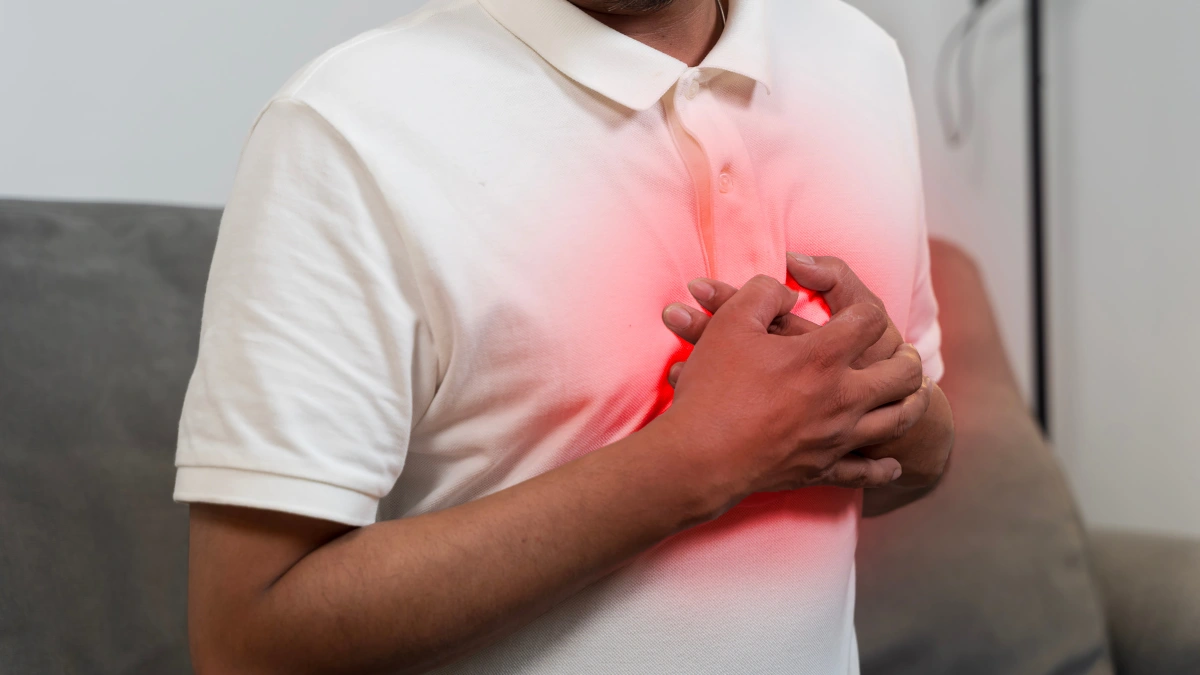
For decades, heart disease deaths were dropping. Now, in a reversal that has stunned medical experts, rates are climbing specifically for adults under 45.
You might feel safe because you are young. But doctors are seeing a new problem. Many millennials feel “too young” for heart issues, yet they are biologically older than their chronological age. Unique modern stressors are aging your heart faster than you think.
This is not just fear mongering. It is a wake up call.
You can fix this. You need to know the specific “Millennial Risk Factors” and use the Life’s Essential 8 framework to reverse damage.
The Data: Why 40 is the New 60 for Heart Health

The numbers are scary. In the 1990s, heart health was getting better. By the 2020s, that trend flipped for younger adults.
A recent study from Duke Health highlights a shocking reality. Heart failure deaths for adults under 45 rose by over 900% in some demographics between 2012 and 2021.
This is not just a random number. This is your high school graduating class.
Doctors call this “Cardiac Aging.” This means your heart looks 10 or 20 years older than you are. You might be 38, but your blood vessels look 58. This leads to high blood pressure and stiff arteries much earlier than in previous generations.
+15 YRS
High incidence detected in Pre-Midlife demographics.
Why this matters now:
- Heart failure rates 2026: We are seeing heart failure in people who have not even hit midlife.
- Biological heart age: Stress and diet make your body age faster than the calendar does.
The rise in heart failure risks specifically targets the 35 to 45 demographic. You cannot wait until you are older to care about this.
The “Triple Threat” Driving the Crisis

It is not just one burger. It is a perfect storm of three modern factors hitting you at once.
1. The Metabolic Aftermath
Childhood obesity trends from the 80s and 90s are showing up now. Many millennials grew up with processed foods as a staple. This long term exposure manifests as early diabetes and hypertension today. Your body has carried this load for decades.
Metabolic Load Calculator
2. The Sedentary Screen Culture
Sitting is the new smoking. But it is worse now.
- Digital Stress: You are not just sitting. You are stressed while sitting. Zoom calls and Slack notifications spike your cortisol levels.
- No Movement: Remote work kills incidental movement. You do not walk to the bus or the conference room anymore. This creates sedentary lifestyle heart disease.
Doctor’s Note: “Sitting for 10 hours cancels out your 1 hour gym session. Your body needs constant movement to clear sugar and fat from your blood.”
3. Substance Shifts
Vaping and alcohol habits have changed.
- Vaping heart risks: Many think vaping is safe. It is not. It stiffens your arteries and raises blood pressure.
- Alcohol Culture: The “mommy wine culture” or the craft beer scene adds up. Alcohol raises blood pressure and contributes to metabolic syndrome.
“Silent” Symptoms You Likely Ignore

You are busy. You are tired. You probably dismiss symptoms as “burnout” or “anxiety.” This is a dangerous mistake.
Heart attacks do not always look like the movies. You might not clutch your chest and fall over.
Energy: CRITICAL LOW.
You wake up exhausted. The pump is struggling.
Watch for these Red Flags:
- Unexplained fatigue: You are tired even after sleeping well.
- Indigestion: You feel heartburn that does not go away with antacids.
- Jaw or back pain: This is common for heart attack symptoms in women under 40.
- Shortness of breath: You get winded doing easy things like walking up one flight of stairs.
The SCAD Warning: Fit, young women need to know about Spontaneous Coronary Artery Dissection (SCAD). This is when a blood vessel in the heart tears. It happens to healthy people who do not have high cholesterol. If you have sudden, sharp chest pain, call 911. Do not drive yourself.
The 2026 Action Plan: Reversing the Damage
Here is the good news. Plaque buildup can be stabilized. You can lower your biological age.
Use “Life’s Essential 8”

The American Heart Association has a checklist. Focus on these eight areas:
- Diet (Eat whole foods)
- Activity (Move more)
- Nicotine (Quit vaping and smoking)
- Sleep (Get 7 to 9 hours)
- BMI (Manage your weight)
- Lipids (Control cholesterol)
- Glucose (Watch blood sugar)
- Blood Pressure (Keep it under 120/80)
The “Micro Movement” Strategy
You cannot sit all day and fix it with a 30 minute run. You need “movement snacks.”
- Action: Stand up every hour.
- Do this: 5 minutes of walking or stretching.
- Why: This activates muscles to burn sugar.
Tech to the Rescue: HRV Training
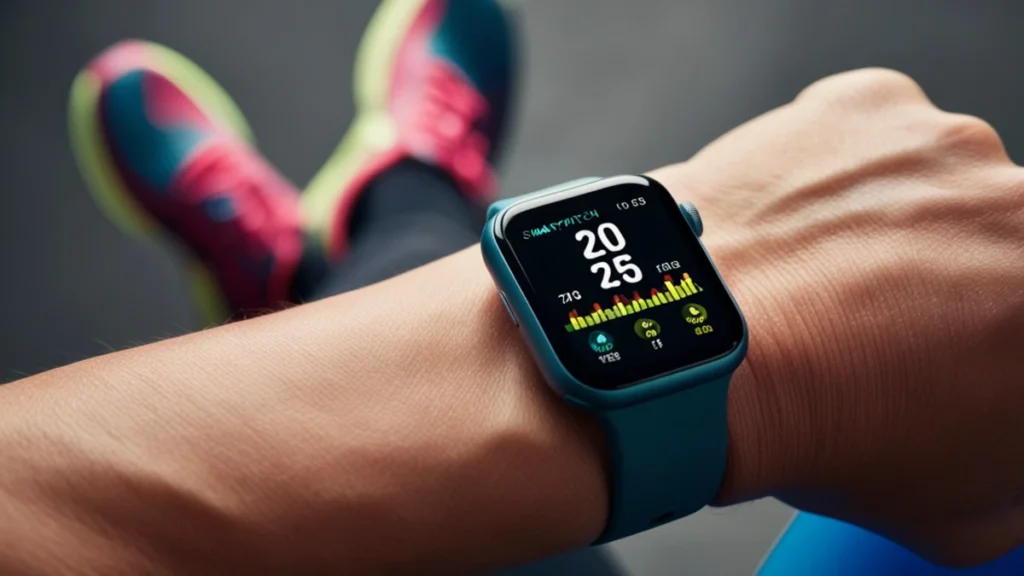
Use your Apple Watch or Whoop for more than steps. Look at your Heart Rate Variability (HRV).
- High HRV: Good. Your body is recovering well.
- Low HRV: Bad. Your body is stressed.
- Action: If your HRV is low, prioritize sleep and breathwork that day. This is preventative cardiology in your pocket.
Try the 30 30 30 Method: Eat 30g of protein within 30 minutes of waking up, followed by 30 minutes of steady exercise. This regulates blood sugar for the whole day.
When to See a Cardiologist (Don’t Wait for 50)

The old rules say wait until you are 50 for a heart check. Those rules are wrong.
Get a Lipid Panel Now: Do not wait. Ask for a full panel that includes Lipoprotein(a). This is a genetic marker for heart risk that standard tests miss.
Ask for a CAC Score: If you have a family history of heart trouble, ask for a Coronary Artery Calcium (CAC) score. This is a calcium score scan for young adults.
- It is a CT scan.
- It sees actual plaque in your arteries.
- It usually costs less than $100 out of pocket.
Advocate for Yourself: If a doctor says “you are too young” for these tests, push back. Tell them about your symptoms or family history. You are the expert on your body.
Conclusion
Heart disease is no longer just an “old person’s problem.” But biology is malleable. You can turn the clock back.
You have the tools to fix this. It starts with knowing where you stand.
Book your annual physical today and specifically ask for your Lipid Panel and A1C. Knowing your numbers is the first line of defense.
Prioritize your heart health for millennials now, so you can enjoy your life later.