
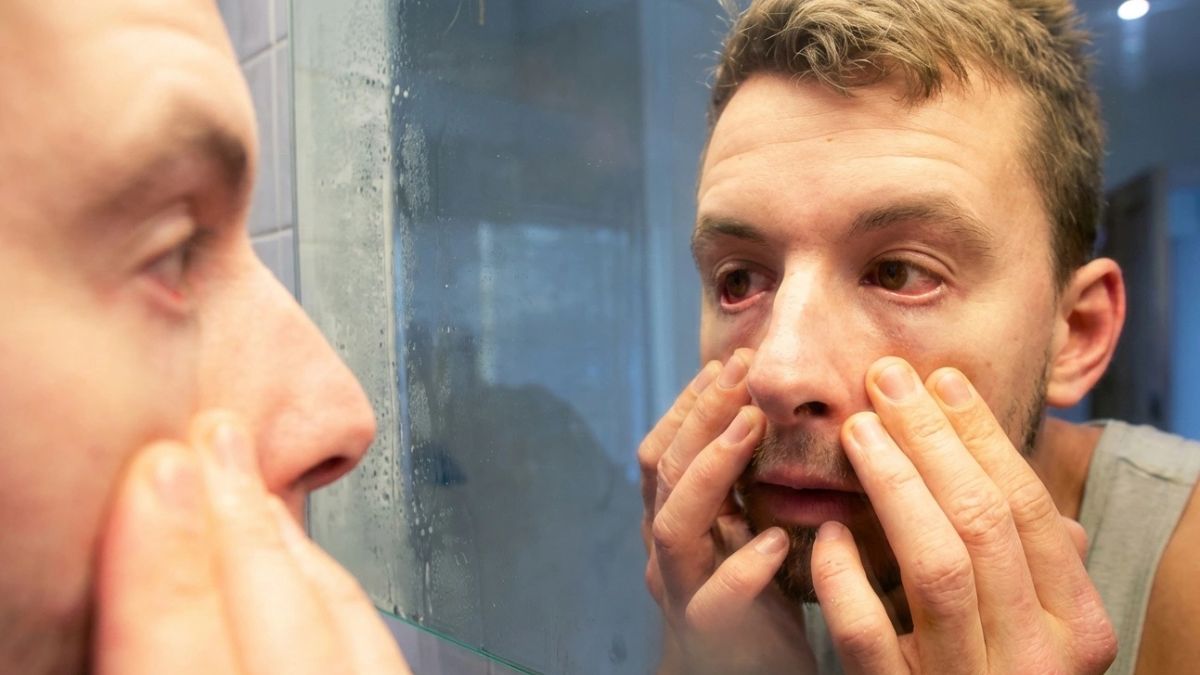
Long before you feel a symptom in your heart or liver, your skin often shows a sign. It’s trying to tell you something.
Most of us ignore these signs. We see a wrinkle, a dark circle, or a dry patch and think, “I just need a better cream.” But these aren’t just cosmetic flaws. They are often warning lights from your internal organs.
In this guide, you will learn 17 specific signs that link directly to your hormones, blood sugar, and organ health. You’ll learn exactly what is happening inside and, more importantly, what simple nutrient or food can help fix it.
A Critical Rule Before We Start: Please use this information only for yourself. Do not go home and diagnose your spouse or friends. Telling your partner, “Honey, you have bags under your eyes because your kidneys are stressed” is not a great way to stay married. Use this guide for your health, not as a tool to judge others.
1. Bloodshot Eyes
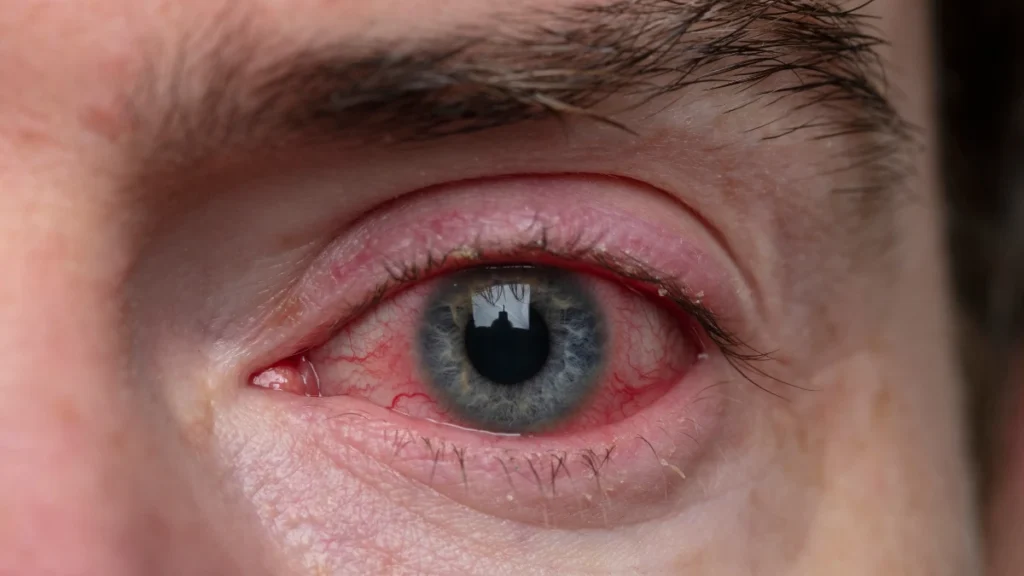
If your eyes are red or bloodshot, it usually signals stress in the liver. You might see this after a hangover, but if it’s chronic, it’s often diet-related. It means the liver is having a hard time processing what you are eating. In the past, when I ate poorly, my eyes were constantly bloodshot.
2. Redness on Inner Eyelids
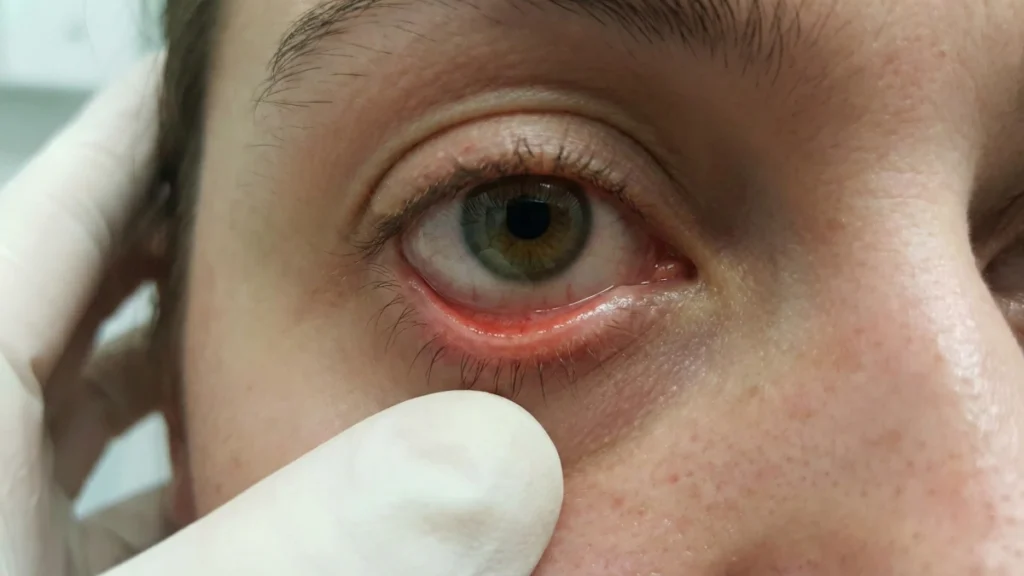
Take a look at the inside of your eyelid. Is it irritated or red? Does it feel scratchy, like sandpaper? This is a classic sign of a blood sugar problem. It often indicates insulin resistance, meaning you might be pre-diabetic or heading that way.
3. Dark Circles Beneath Eyes
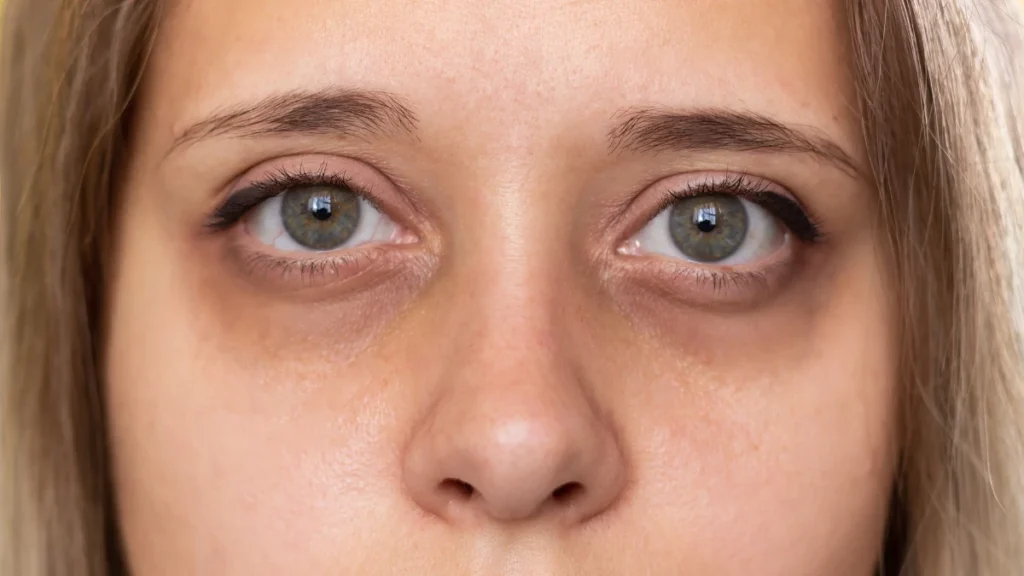
These aren’t just from a lack of sleep. Dark pigmentation under the eye is often a sign of insulin resistance. Diabetics often get this “velvet” dark skin in body folds (like the armpits or neck), but it shows up under the eyes too. It means you have high insulin levels affecting your melanin.
4. Bags Beneath Eyes
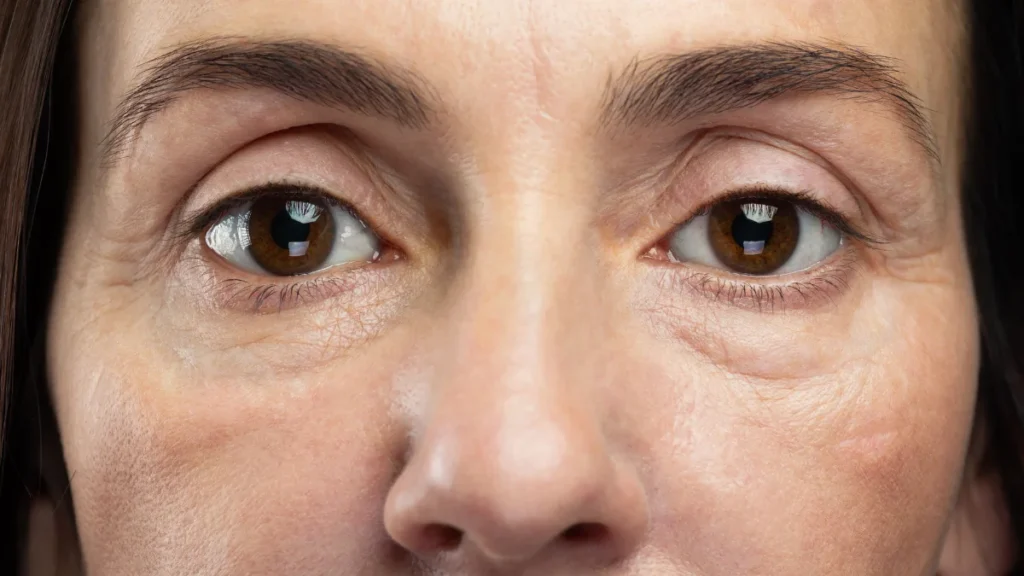
Puffiness or swollen tissue under the eye is different from dark circles. This is a fluid issue. It usually points to the kidneys. The kidney is the organ that gets “hammered” the most by high sugar. When the kidney is backed up with fluid, that swelling shows up right under your eye.
5. Cataracts
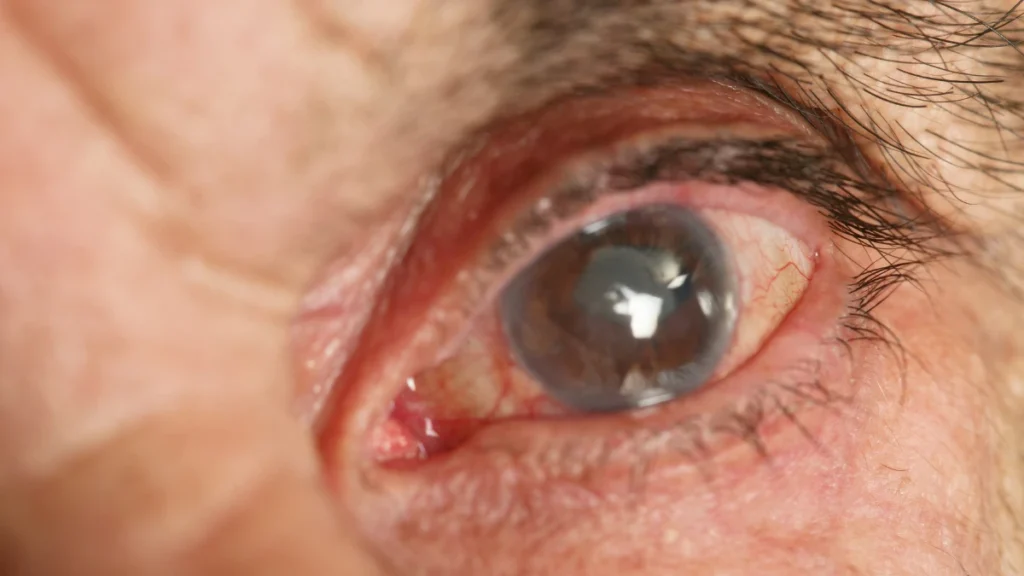
This occurs when the lens of the eye becomes opaque. The lens is very sensitive to oxidation. High blood sugar (like in diabetes) or a Vitamin A deficiency creates “free radical” damage that clouds the lens.
6. Red Cheeks
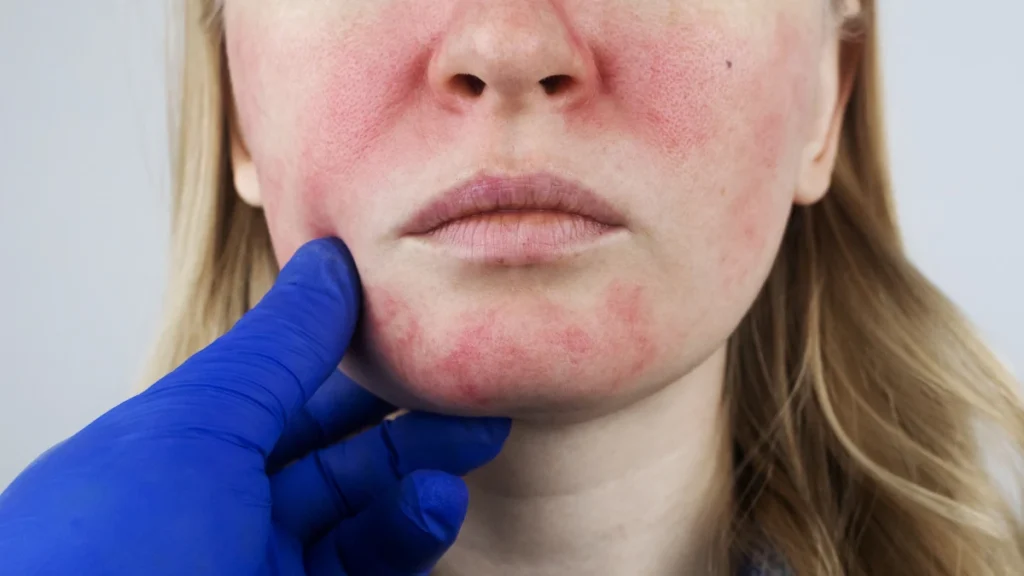
If you have constant redness or rosacea on your cheeks, it can look like a rash. This is often linked to Cushing’s Syndrome (high cortisol/stress), but there is a gut connection too. Medical treatments often use antibiotics for this because there is a microbial imbalance.
The Natural Approach
Instead of drugs, try natural antibiotics like garlic, oregano, or thyme, followed by a strong probiotic like sauerkraut to rebalance the gut flora.
7. Grey or Brown Patches (Melasma)
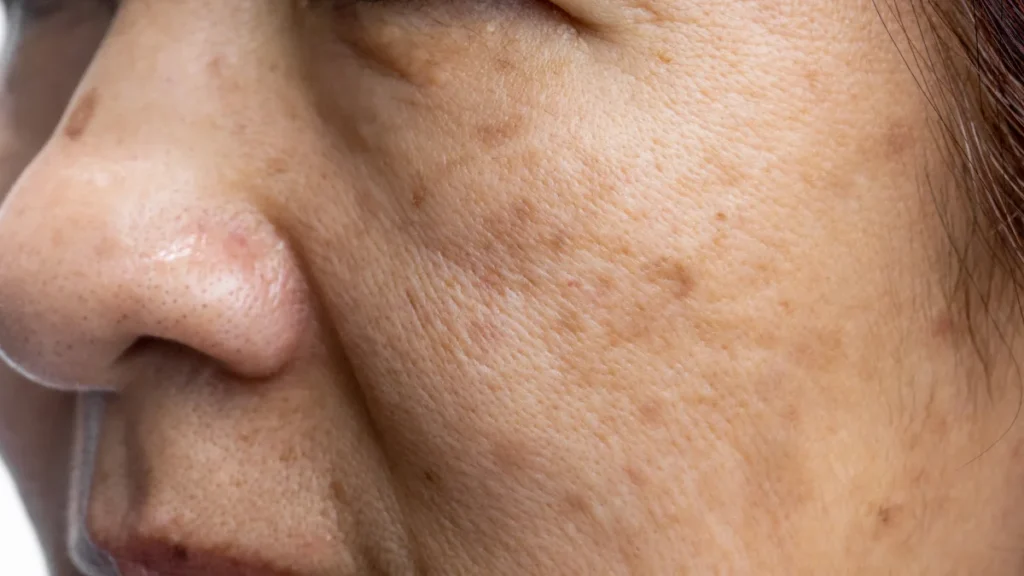
If you have greyish or brown pigment patches on your cheeks, this is called Melasma. This is an estrogen issue. It means you have too much estrogen in your body. This could be from birth control, hormone replacement, or even plastics in the environment that mimic estrogen.
8. Blackheads
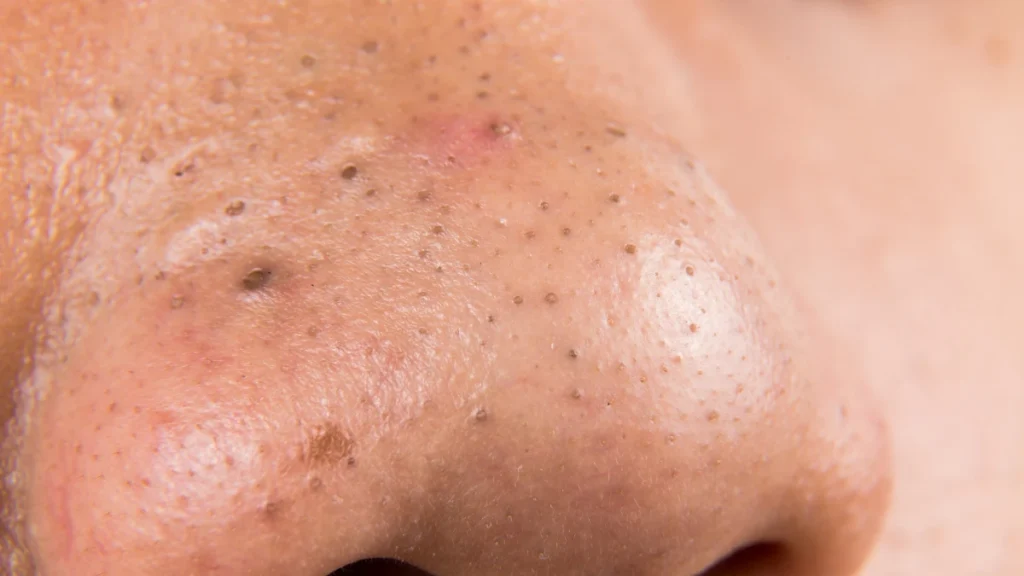
We usually think of blackheads as just “clogged pores” or a hygiene issue. But studies suggest it is often a simple Vitamin D deficiency. When you are low in Vitamin D, your skin is more prone to these little black plugs.
9. Round Face

If your face is puffy and round (the “moon face” look), it is often fluid retention and fat caused by high insulin. High insulin locks fat into the cells and holds water. Frequent snacking even on “healthy” fruit can keep insulin high and your face round.
10. Oily Skin
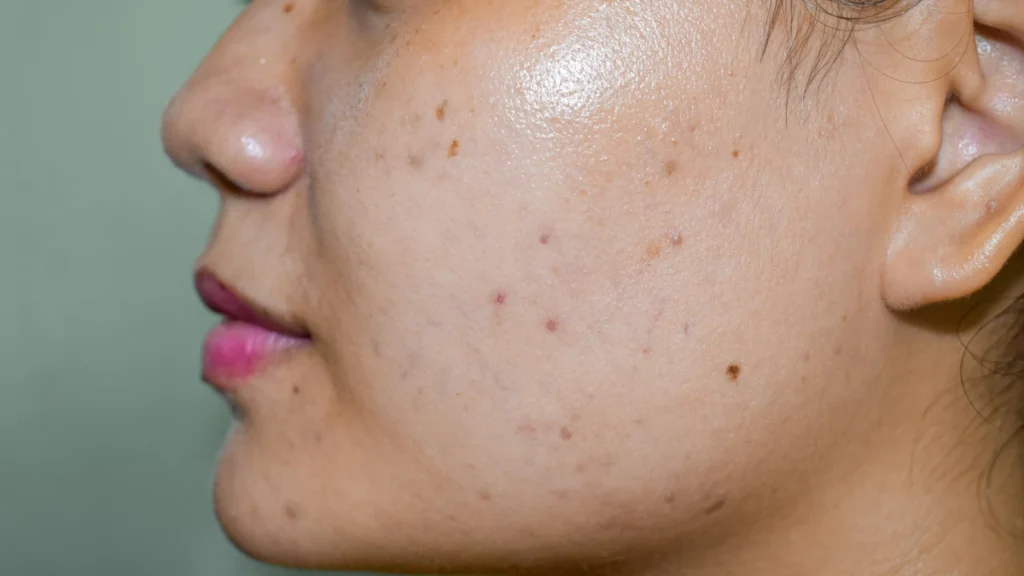
If your skin is always greasy, your oil glands (sebaceous glands) are working overtime. This happens because your androgens (male hormones) are too high. High insulin drives up androgens. If you are male, you may need more Zinc to regulate this.
11. Peeling or Flaky Skin
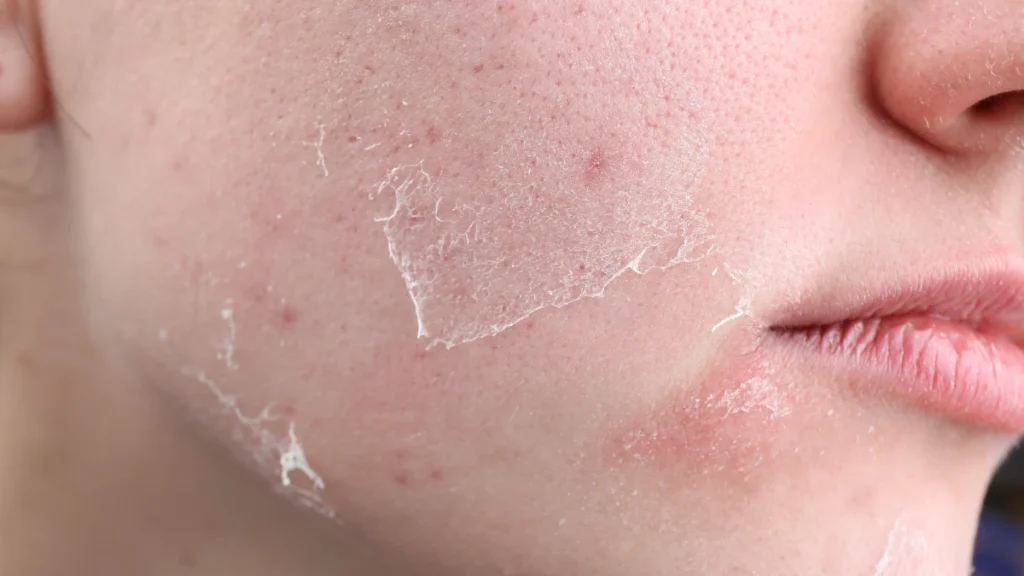
Do you have scaly, peeling skin around your nose or ears? This is dermatitis, and it usually comes from an imbalance in your oils. You likely have too much Omega-6 (inflammatory fats like corn, soy, and canola oil) and not enough Omega-3 (fish oil).
12. Dry or “Rough” Skin
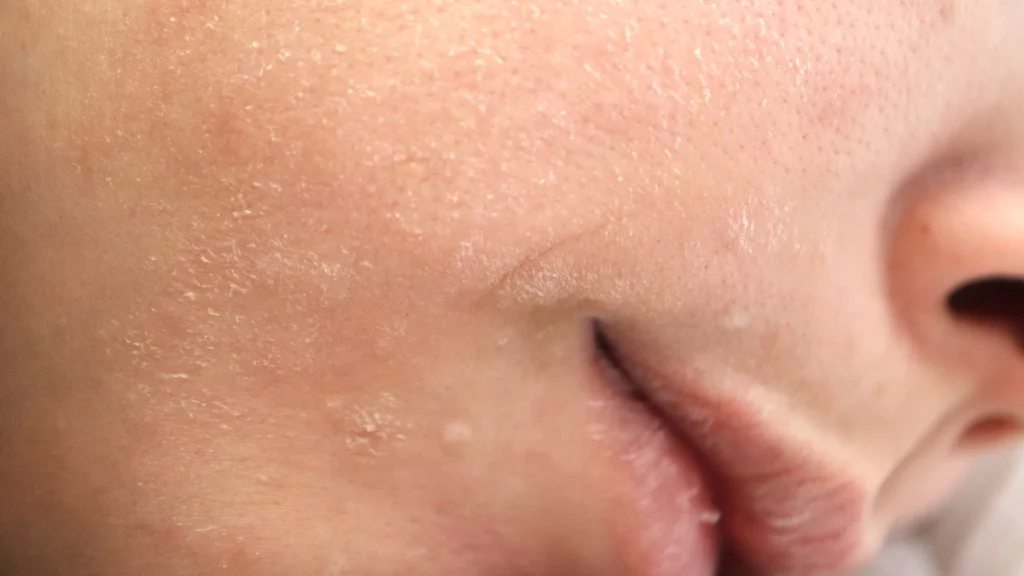
This goes hand-in-hand with the flaky skin above. If you eat a lot of fried foods or chicken (which is high in Omega-6) and no fish, your skin cells get stiff and rough.
13. Acne
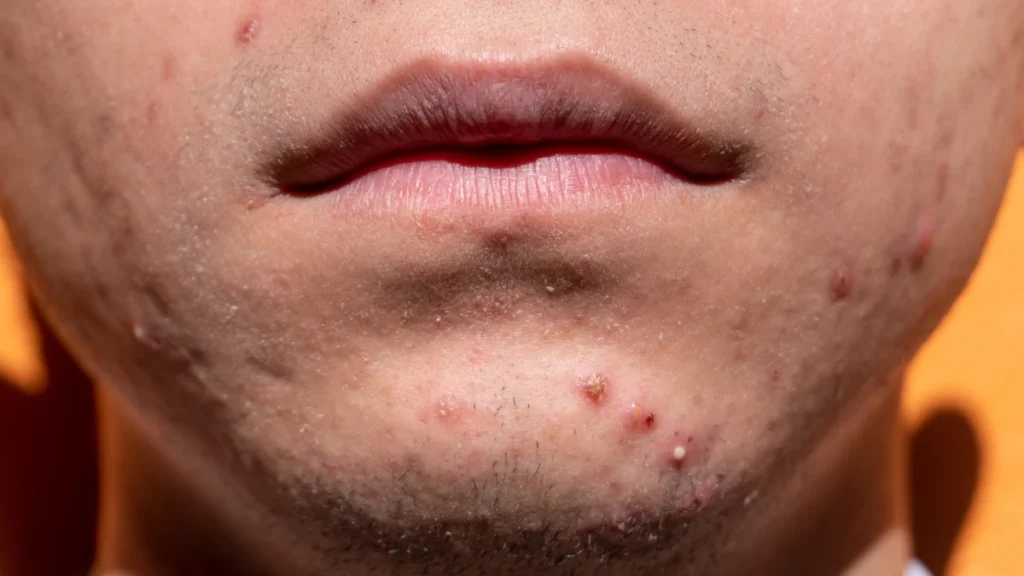
Like oily skin, acne is a hormonal signal. It means high androgens. For both men and women, high carbs lead to high insulin, which leads to high androgens and acne. Milk can also be a trigger, but insulin is the most common culprit.
14. Cracked Corners of the Mouth
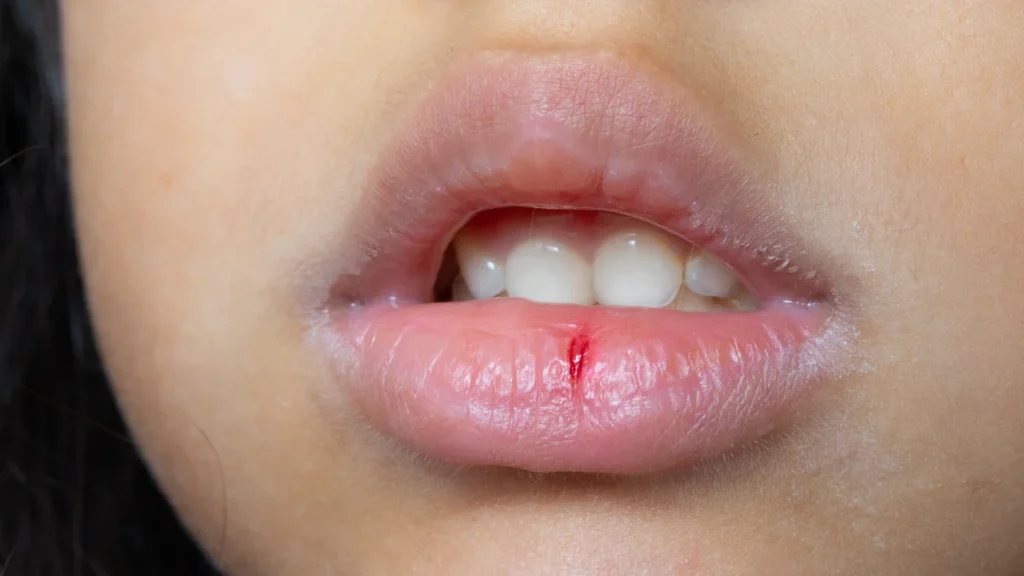
If you have little cuts or fissures in the corners of your lips, this is a classic Vitamin B2 deficiency. B2 is crucial for skin repair. A deficiency here is often caused by eating too much refined flour (bread, pasta, cereal), which depletes B vitamins.
15. Cold Sores
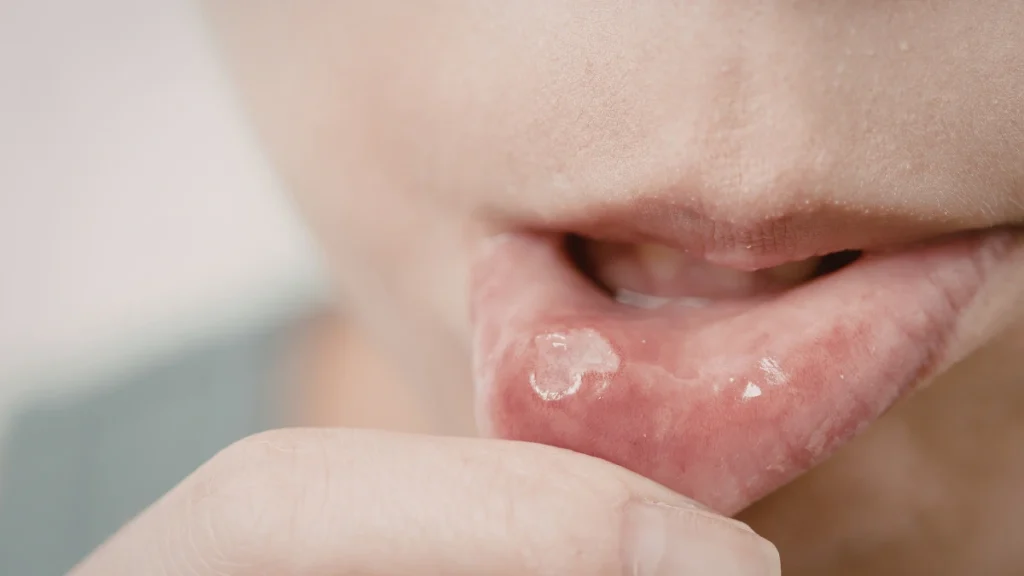
These are caused by the Herpes Simplex 1 virus. This virus hides in your body and waits for your immune system to drop. The biggest trigger? Stress specifically the stress of loss. When you go through a significant emotional loss, this virus often comes out of remission. Zinc and garlic can help put it back in remission.
16. Balding (Men)

Loss of hair on the top of the head is usually from too much DHT (a powerful form of testosterone). An enzyme in your body is converting testosterone to DHT too fast.
17. Thinning Outer Eyebrows
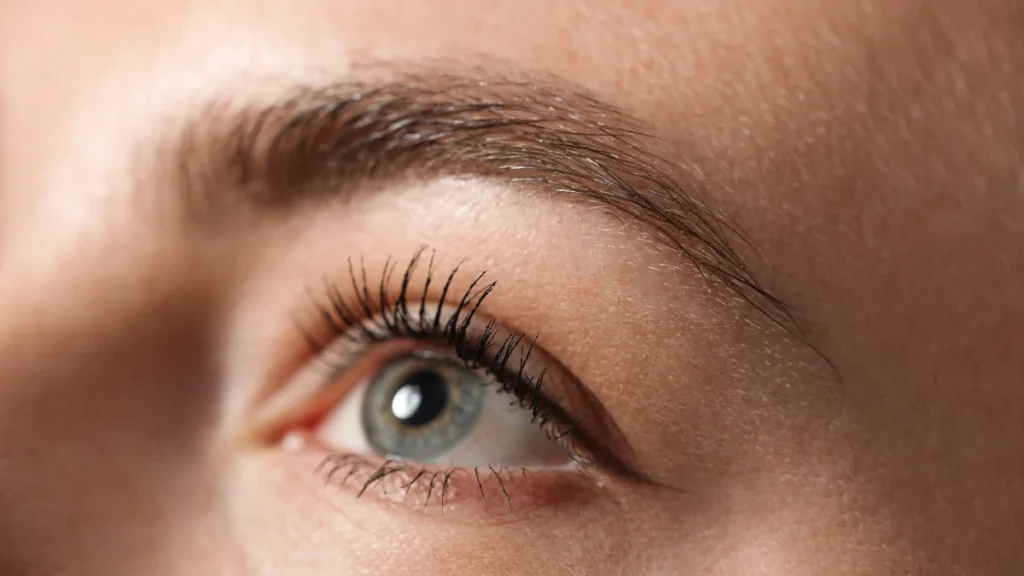
Look at your eyebrows. If the outer third (the tail end) is thinning or missing, this is a specific sign of a thyroid problem (hypothyroidism). It means your thyroid is running slow and may need Iodine support.
Conclusion
Your face is giving you a status report every time you look in the mirror. While it is easy to search for a cream or a pill to hide the symptom, the real fix comes from the inside.
If you noticed common themes here like insulin, sugar, and vitamin deficiencies you are right. Most of these “cosmetic” issues are actually nutritional signals.
Your Action Plan:
- Check the mirror: Do you see the outer eyebrow loss? The dark circles?
- Trace it back: Use this list to find the internal cause.
- Change the fuel: Whether it is adding Omega-3s for flaky skin or cutting carbs for a round face, fix the diet to fix the face.