

We are told to eat vegetables to live longer. But what if one common type of vegetable preparation was actually working against your arteries while you sleep?
Most people don’t realize that processing transforms a heart healthy food into a sodium bomb.
According to new research, seniors who eat specific common vegetables are at a massive risk of stroke. In some cases involving medication interactions, the risk spikes by 342%.
But the most common culprit is silent. It is not the vegetable itself. It is the brine and preservatives found in Pickled and Canned Vegetables.
The Hidden Danger: Why Pickled Vegetables Are a “Sodium Bomb”
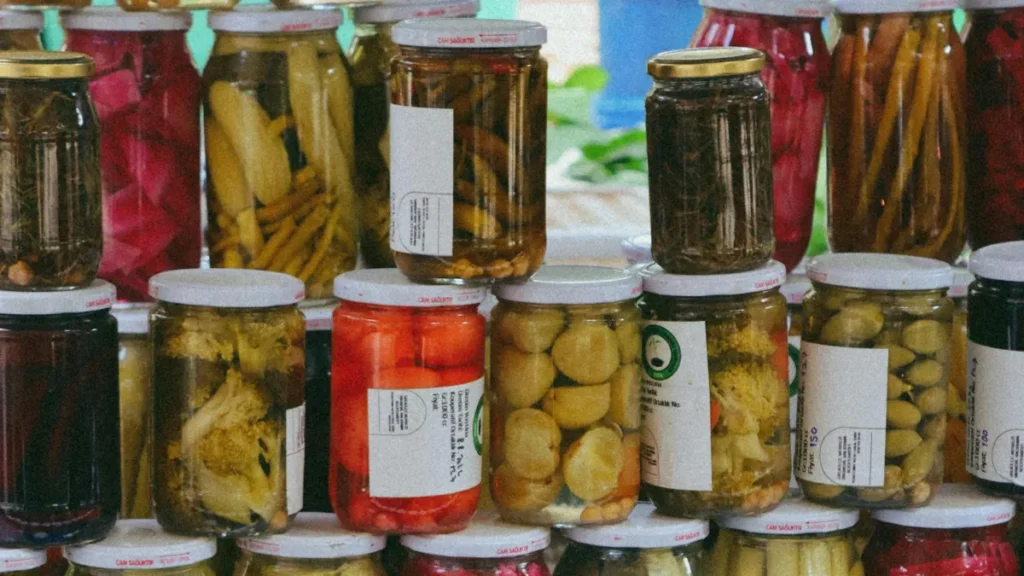
It looks innocent on your salad plate. But healthy veggies like cucumbers and beets change completely when soaked in brine. That brine is mostly salt water.
The preservation process forces salt deep into the vegetable. One medium pickle can contain up to 1,200 mg of sodium. That is half your daily limit in just a few bites.
Did you know?
A 2024 study found that eating pickled vegetables more than three times a week increased stroke risk by 183%.
For seniors, this risk is higher. High sodium intake causes immediate fluid retention. This is the “Overnight Effect.” The salt pulls water into your blood vessels while you sleep. This spikes your blood pressure when it should be resting.
Robert, a 68 year old man, loved pickled beets. He felt fine until he suffered a hemorrhagic stroke. Doctors found his blood pressure was 230 over 140. The sodium did not just raise his pressure temporarily. It caused his blood vessels to spasm.
The Science: How Sodium Triggers Stroke
Your blood vessels are designed to be flexible. Think of them like a garden hose. When the water pressure is right, everything flows smoothly.
But sodium acts like a water magnet. It pulls fluid into your bloodstream. This increases the volume of blood pushing against your artery walls. Your heart has to pump harder. The pressure builds up.
For seniors, this is dangerous. As we age, our kidneys struggle to clear excess sodium. This leads to Salt Sensitivity.
The Numbers:
- A massive study of 87,000 adults confirmed the danger.
- For people over 65, the stroke risk from high sodium vegetables jumps to 247%.
- Commercial pickled foods also use preservatives that can trigger inflammation.
When you have stiff arteries from age plus high pressure from salt, it is like inflating a worn tire too quickly. Something is going to burst.
The “Safe List” vs. The “Danger List”

You don’t have to give up the crunch. You just need to swap the preparation method.
The Danger List (Avoid These)
- Commercial Pickles: Often loaded with 1000 mg+ of sodium.
- Canned Tomatoes: The acidity leeches BPA from the can lining. This chemical disrupts hormones and raises blood pressure.
- Canned Corn or Peas: Look for “salt added” on the label.
- Vegetable Juice Cocktails: These are often concentrated salt water.
The Safe List (Eat These)
- Fresh Cucumbers: Only 2 mg of sodium.
- Frozen Peas: Check that there is no sauce added.
- Low Sodium Canned Options: These exist and are much safer.
The “Rinse” Trick If you must use canned vegetables, pour them into a colander and rinse them with water for 30 seconds. This simple step washes away up to 40% of the excess sodium.
3 Immediate Steps to Reverse the Risk
You can lower your stroke risk starting right now. Here are three simple ways to do it.
Vinegar + Garlic + Dill
SALT
1. The Label Flip Do not trust the front of the jar. Flip it over. Look at the sodium number. You want to see “No Salt Added” or anything less than 140 mg per serving. If it says 500 mg or more, put it back.
2. DIY Pickling You can pickle vegetables at home safely. Use vinegar and spices like dill, garlic, or pepper. Skip the salt. You get the tangy flavor without the blood pressure spike.
3. Potassium Balancing The vinegar in pickles can deplete potassium. Your body needs potassium to lower blood pressure. If you eat a salty meal, eat a banana or avocado right after. This helps your body balance the salt.
The “Superfood” Mistake: When Greens Fight Your Medication
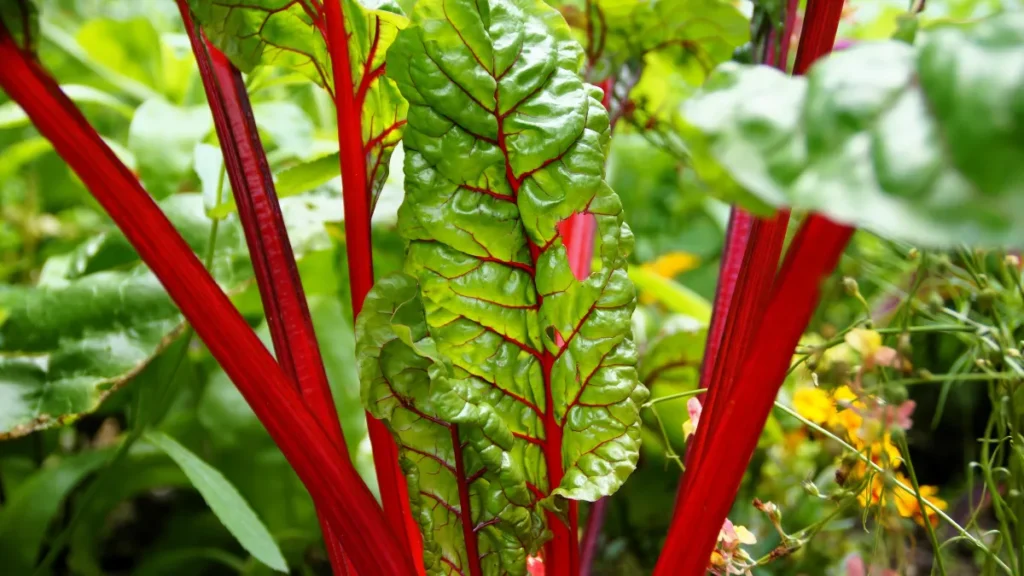
This is the shocker that explains that terrifying 342% statistic. It is not about junk food. It is about Dark Leafy Greens like kale, collards, and Swiss chard.
These vegetables are high in Vitamin K. Vitamin K has one main job. It helps your blood clot. This is great for a healthy person. But it is dangerous if you take blood thinning medication like Warfarin.
The Deadly Interaction Blood thinners work to prevent clots. Vitamin K works to make clots. When you eat a large kale salad while on medication, you start a war inside your veins.
The Data
A Mayo Clinic study found that stroke patients who ate high Vitamin K vegetables while on blood thinners increased their risk by 342% within 12 hours.
You are essentially turning off your medication. The Vitamin K overwhelms the drug. Your blood turns from liquid to gel. This happens fast. It peaks in just 6 to 8 hours.
If you take these medications, you do not have to ban greens. But you must be consistent. You cannot skip a salad all week and then eat a huge bowl on Friday. Talk to your doctor about your “Greens Schedule” to stay safe.
The Potato Trap: Why Starch Spikes Stroke Risk
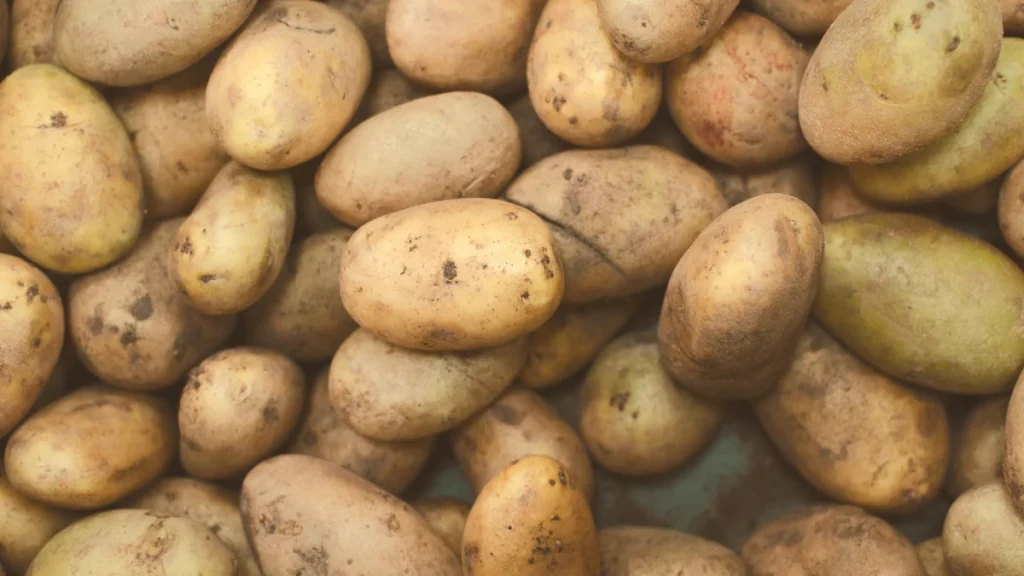
We often think of potatoes as a harmless side dish. But your body reacts to them almost exactly like it reacts to candy.
The Sugar Spike White potatoes have a Glycemic Index of 85. Pure table sugar is only 65. This means a baked potato spikes your blood sugar faster and higher than a chocolate bar.
When your blood sugar rockets up, your body releases insulin to fix it. This crash causes stress hormones to flood your system. These hormones constrict your blood vessels.
What the Studies Say
A Harvard study followed 194,000 people for 20 years. They found that eating potatoes four times a week increased stroke risk by 91%.
For seniors or anyone with diabetes, this is critical. The inflammation from a potato induced sugar spike can last for up to 6 hours. During this time, your arteries are stiffer and stickier.
The Fix: Swap white potatoes for sweet potatoes. They have more fiber and a lower glycemic impact. Or, let your potatoes cool down before eating them. This changes the starch structure, but skipping them entirely is the safest bet for stroke prevention.
Conclusion
Fresh is best. The vegetable is not the enemy. The brine is the enemy.
Small changes make a big difference. You do not need to be perfect. You just need to be aware.
Try this tonight: Check your pantry. If you have high sodium canned goods or jars of pickles, make a plan. Rinse them before eating or swap them for fresh options. Your arteries will thank you.
Choose heart healthy vegetable options and stay safe.