

It’s 3:03 AM. The house is silent, but you are wide awake. Again.
You don’t want to be awake. You turn over. You fluff your pillow. You count sheep. But your eyes refuse to close. If this sounds familiar, you will know something important: You are not alone.
Millions of adults over 60 wake up at this exact time every night. It is frustrating. It is exhausting. But here is the truth doctors often forget to tell you: This isn’t just “part of getting old.” It is not a personal failure.
Waking up at 3 AM is a biological signal. Your body is trying to tell you something.
While falling asleep might be easy, staying asleep is the real challenge as we age. This happens because of shifts in your hormones, your bladder, and your internal clock. The good news? You can manage these shifts.
1. The Liver’s “Midnight Shift”

Your liver is one of the hardest-working organs in your body. It acts as your internal cleaning crew. While you sleep, it scrubs toxins from your blood so you can function the next day.
According to traditional medicine and modern chronobiology, the liver does its heaviest work between 1:00 AM and 3:00 AM.
Here is the problem. If you eat a heavy dinner, drink alcohol, or take medications late at night, your liver gets overloaded. It struggles to keep up with the “cleanup.” When the liver is under stress, it heats up and becomes active. This activity jolts you awake.
You might wake up feeling hot, thirsty, or restless. This is your liver waving a white flag, asking for a break.
THE FIX: The “Early & Light” Rule
- Stop Eating Early: Try to finish your last meal 3 hours before bed.
- Lighten the Load: Avoid heavy meats, fried foods, or alcohol at dinner.
- Hydrate Early: Drink water during the day, but stop heavy intake after 6 PM so your liver isn’t flushing fluids all night.
2. The Hidden “Blood Sugar Alarm”
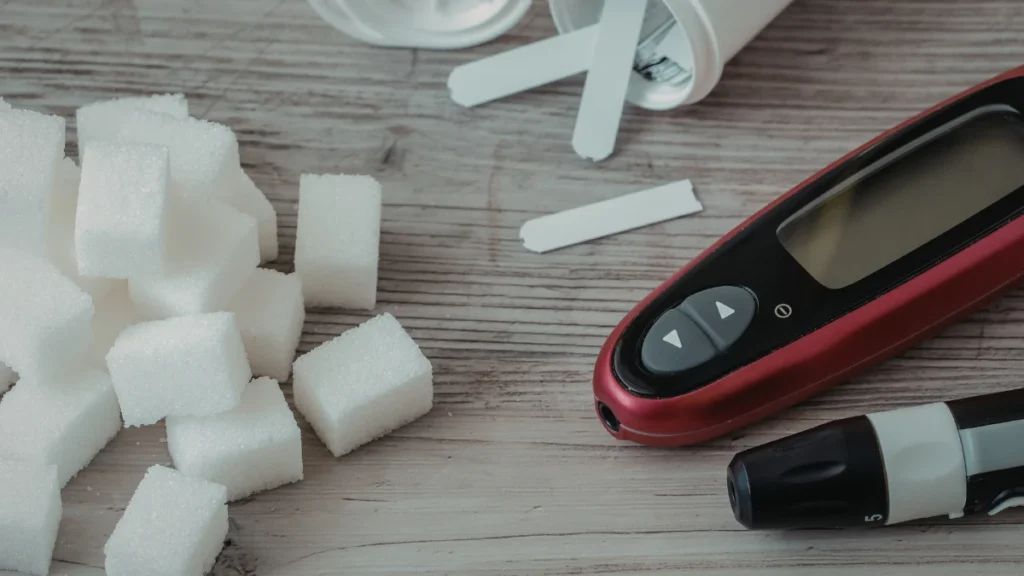
You might think your blood sugar is fine because you don’t have diabetes. But your brain still needs a steady stream of fuel all night long.
Imagine you eat dinner at 6 PM and go to bed at 10 PM. By 3 AM, your stomach is empty. Your blood sugar drops. Your brain views this drop as a threat. It thinks, “We are running out of fuel!”
To save you, your brain releases adrenaline and cortisol (stress hormones) to release stored sugar. This chemical spike wakes you up instantly. You might feel your heart racing or a sudden sense of anxiety. It feels like a panic attack, but it is actually a sugar crash.
THE FIX: The Protein Anchor
- The Snack: 45 minutes before bed, eat a tiny snack that combines protein and fat.
- Examples: A spoonful of almond butter, a slice of turkey, or a small piece of cheese.
- Why it works: Protein stabilizes your blood sugar, preventing the 3 AM crash that triggers the adrenaline alarm.
3. The “Ancient Night Watch” Rhythm

For most of human history, people did not sleep in one long, 8-hour block.
Our ancestors practiced “segmented sleep.” They slept for four hours, woke up for an hour or two to check the fire or pray, and then slept for four more hours. This was called “The Watch.” It kept the village safe.
This rhythm is buried deep in your DNA. As you age and your sleep naturally becomes lighter, this ancient pattern often resurfaces.
If you wake up feeling calm but alert, your body isn’t broken. It is remembering. The mistake is fighting it. When you lay there angry that you are awake, you create stress. That stress prevents you from falling back into your “second sleep.”
THE FIX: The “Sacred Hour” Shift
- Don’t Fight: If you can’t sleep after 20 minutes, stop trying.
- Low Light: Keep the lights off or very dim.
- Quiet Activity: Listen to an audiobook, pray, or do deep breathing exercises.
- Reframing: Tell yourself, “This is just my night watch. I will rest again soon.” This removes the anxiety and helps you drift off faster.
4. The Silent Bladder (and Fluid Pooling)
You wake up. You feel the urge to pee. You assume a full bladder woke you up.
But often, it is the other way around. You woke up first, and then your bladder signaled you. As we age, our bladder muscles lose tone. They send “full” signals even when they are only half full.
There is also a mechanical issue called fluid redistribution. During the day, gravity pulls fluid down into your legs and ankles. When you lie flat at night, that fluid rushes back into your bloodstream. Your kidneys filter it and turn it into urine, filling your bladder rapidly while you sleep.
THE FIX: Mechanical Management
- Legs Up: Lie with your legs up against the wall or elevated on pillows for 15 minutes before bed. This helps drain the fluid before you sleep.
- Compression Socks: Wear them during the day to prevent fluid from pooling in your ankles in the first place.
- Limit Irritants: Coffee and spicy foods irritate the bladder lining, making it send “urgent” signals when it isn’t actually full.
5. The Emotional Brain Takeover

Have you noticed that worries feel ten times heavier at 3 AM? A small unpaid bill feels like bankruptcy. A minor ache feels like a major illness.
This happens because of your brain’s night shift. During the day, your Prefrontal Cortex (the rational, logical part of your brain) is in charge. It tells you, “Calm down, it’s not a big deal.”
But at night, the rational brain goes offline to rest. The Limbic System (the emotional brain) stays active. Without logic to balance it out, fear runs wild. I call this the “3 AM Mind Trap.”
Your thoughts at 3 AM are not prophecies. They are echoes of an emotional brain working without supervision.
THE FIX: The “Brain Dump” & Breathing
- Write it Down: Keep a notebook by the bed. Write the worry down. Tell your brain, “It is on paper. We can deal with it at 9 AM.”
- 4-7-8 Breathing: Inhale through your nose for 4 seconds. Hold for 7 seconds. Exhale slowly through your mouth for 8 seconds. This physically forces your heart rate down.
6. The “Medication Paradox”

This is a reason many doctors overlook. The very pills keeping you healthy might be stealing your deep sleep.
Many common medications for seniors interfere with sleep cycles:
- Beta-blockers: These lower blood pressure but can also block melatonin, the sleep hormone.
- Diuretics (Water Pills): If taken at night, they guarantee bathroom trips.
- SSRI Antidepressants: These can increase alertness and block REM sleep.
New research in 2026 also shows that reliance on “PM” pain relievers (like Tylenol PM) creates “fake sleep.” You are sedated, but you aren’t getting the restorative cycles you need, leading to a “rebound” wake-up in the middle of the night.
THE FIX: Chronotherapy
- Review Timing: Ask your doctor, “Can I take this medication in the morning instead of the evening?”
- Switch it Up: Taking a diuretic in the morning allows you to flush fluid during the day, not at 3 AM.
- Supplement Check: Ask your doctor if you can take Melatonin to counter the effects of beta-blockers.
7. Thermal Regulation Failure (You Are Too Hot)

Your body needs to drop its core temperature by 2 to 3 degrees Fahrenheit to stay in deep sleep.
When we were young, our bodies managed this heat loss easily. After 60, our thermoregulation (heat control) becomes less efficient.
If you sleep under a heavy duvet or on a memory foam mattress, you might be trapping heat. Around 3 AM, your body temperature naturally hits a low point and tries to rise slightly. If you are trapped in heat, you will overshoot the mark. You wake up kicking off the covers, sweating, and alert.
THE FIX: Cool Down the Cave
- The Ideal Number: Set your thermostat between 65°F and 67°F (18-19°C).
- Bedding: Switch to breathable cotton or bamboo sheets. Avoid dense memory foam that reflects heat back at you.
- Warm Bath Trick: Take a warm bath before bed. When you step out, your body temp drops rapidly, signaling your brain that it is time to sleep deep.