
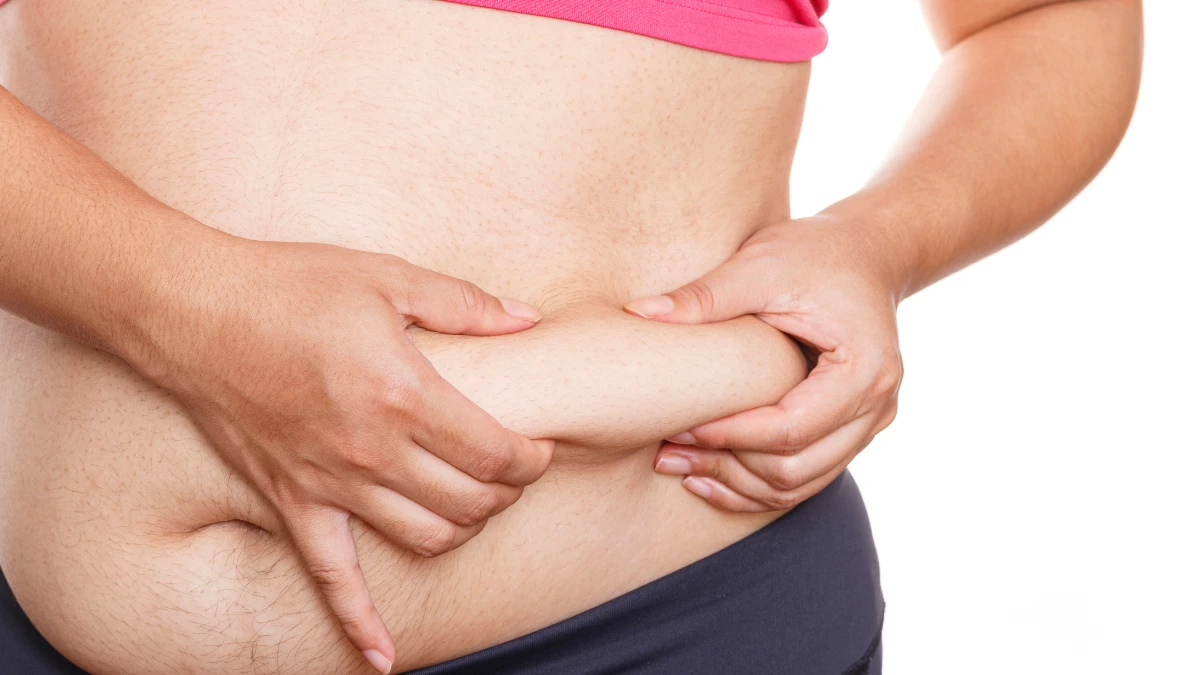
You are eating clean and training hard. You track every calorie. But the scale refuses to budge. The weight sticks to your midsection no matter what you do.
It is frustrating. But it is not your fault.
You might be stuck in a “survival mode” trap. When you are stressed, your body floods with a hormone called cortisol. High cortisol levels tell your brain that you are in danger.
Your body responds by hoarding fat as a quick energy reserve. It stores this fat deep in your belly to protect your organs.
This is a metabolic block. You cannot diet your way out of it.
The Science: Why Cortisol Blocks Fat Burning

Think about a tiger chasing you.
Your body releases cortisol to give you a burst of energy to run away. This is good for short term danger. But today, the “tiger” is your email inbox, your commute, and your bills. The stress never stops.
When stress is constant, your body stays on high alert. This causes three big problems for your waistline.
First, there is the Cortisol and Insulin Connection. Cortisol dumps sugar into your bloodstream for quick energy. If you do not burn that sugar by running from a tiger, your body releases insulin to clear it up. High insulin locks your fat cells. You cannot burn fat when insulin is high.
Second, cortisol loves the belly. Visceral fat storage is not random. Visceral fat tissue has a higher density of glucocorticoid receptors than other fat. It has four times more receptors. Your belly is literally a magnet for stress induced fat.
Third, stress eats your muscles. Chronic stress breaks down muscle tissue to get quick fuel. Less muscle means a slower metabolism. This is why the adrenal fatigue myth persists. It feels like fatigue because your body is breaking itself down.
You have to get healthy to lose weight, not lose weight to get healthy. You must convince your body it is safe.
Diet: Eating to Soothe the Nervous System

Most people start their day with coffee on an empty stomach. This is a mistake.
Caffeine on an empty stomach hits your adrenal glands like a sledgehammer. It spikes cortisol right when you wake up. This sets you up for a blood sugar crash later in the day.
Follow the 30/30 Breakfast Rule. Eat 30 grams of protein within 30 minutes of waking.
A high protein breakfast stabilizes your blood sugar. It blunts the morning cortisol spike. Eggs, greek yogurt, or a protein shake work well here. This simple switch stops the blood sugar stabilization roller coaster before it starts.
Next, rethink your carbs. Many people cut carbs to lose weight. But low carb diets can increase stress hormones. You need to eat smart carbs.
Save complex carbohydrates like sweet potatoes and oats for dinner. Eating carbs in the evening lowers cortisol. It also helps your brain produce serotonin and melatonin. This helps you sleep better.
Finally, fill your plate with foods that fight inflammation. An anti inflammatory diet calms the nervous system. Focus on foods to lower cortisol. Eat plenty of Omega 3 fatty acids found in salmon and chia seeds. Add foods rich in magnesium like spinach and pumpkin seeds.
Starvation diets raise cortisol. They make the problem worse. You need to nourish your body to lower stress.
Movement: Why HIIT Might Be Making You Fatter

You might think you need to run faster or lift heavier to burn fat. But more is not always better.
Exercise is a form of stress on the body. Usually, it is good stress. But if your cortisol is already high, intense exercise adds fuel to the fire. This is the HIIT Trap. Intense cardio spikes cortisol. It can push a stressed body into burnout.
The solution is Zone 2 cardio.
This is low intensity steady state cardio. Think of a brisk walk or a slow jog. You should be able to hold a conversation while doing it. Zone 2 training burns fat without triggering a massive stress response.
Look at the difference between a sprinter and a marathon runner. The sprinter has power but often carries more tension. A long distance walker often has a leaner build because they do not spike their stress hormones as high.
You should also try somatic exercises for weight loss.
This is a big trend for 2026. Animals shake after they escape a predator. This discharges the stress energy. Humans hold onto it. Try “shaking” or “tremoring” for a few minutes a day. Stand up and gently shake your arms and legs. It sounds strange, but it helps release stored trauma from your fascia.
Watch out for overtraining symptoms. If you feel exhausted after a workout, you did too much. Challenge yourself to lower the intensity for one week. See how your energy changes.
The “Cortisol Detox” Routine (Supplements & Sleep)

You cannot supplement your way out of a bad lifestyle. But some tools can help.
Start with the best supplements to lower cortisol.
- Ashwagandha (Sensoril type): This helps the body adapt to stress.
- Phosphatidylserine: This helps blunt the cortisol spike from exercise.
- Magnesium Glycinate: This promotes relaxation and better sleep.
Sleep is your most important tool. Studies show that getting less than 6 hours of sleep can increase cortisol by up to 50% the following evening. You need a strict schedule for sleep hygiene.
Follow the 10 3 2 1 Sleep Rule:
- 10 hours before bed: No more caffeine.
- 3 hours before bed: No more food.
- 2 hours before bed: No more work.
- 1 hour before bed: No screens.
Light is also critical. Get sunlight in your eyes first thing in the morning. This sets your body clock. At night, avoid blue light. Blue light tells your brain it is daytime and spikes cortisol.
Consider your temperature too. For circadian rhythm fasting and recovery, heat is often better than cold for stressed people. Ice baths spike adrenaline. If you are burned out, try a sauna or a hot bath instead.
3-Day Action Plan to Reset Your Hormones

Here is a simple plan to start.
Day 1: The Audit
- Track your caffeine. Did you drink it with food?
- Identify your top 3 stress triggers.
- Go to bed 30 minutes earlier than usual.
Day 2: Nutrition Reset
- Eat 30 grams of protein within 30 minutes of waking up.
- Eat complex carbs like sweet potatoes with dinner.
- Take magnesium before bed.
Day 3: Movement Shift
- Skip the gym or spin class.
- Go for a 45 minute walk in nature (Zone 2).
- Do 10 minutes of somatic shaking or breathwork.
Conclusion
You cannot hustle your way out of hormonal imbalance. In a world that prizes constant work, rest is the new discipline.
Your body is like a bank account. Stress is a withdrawal. Sleep and good food are deposits. If you keep withdrawing without depositing, you will go bankrupt. That bankruptcy looks like belly fat.
Start with the breakfast switch tomorrow morning. Eat your protein. Skip the empty stomach coffee. Watch your energy change. Watch your waistline follow.
Prioritize holistic weight loss. Master stress management for weight loss. Your body will thank you.