

Some foods wear a health halo while delivering a fast wave of starch or sugar with almost nothing to slow it down.
For someone with diabetes or prediabetes, that can mean a sharp post meal rise, followed by hunger, fatigue, or a glucose reading that stays elevated longer than expected.
The uncomfortable truth is that a candy bar is not always the fastest glucose hit on the shelf. These 11 supposedly healthy foods can produce an even quicker initial rise under the wrong conditions.
Before changing your diet or diabetes routine, speak with your doctor or diabetes care team, especially if you use insulin or medication that can cause low blood sugar.
How Can A Healthy Food Beat A Candy Bar?

A candy bar contains sugar, but it may also contain fat, protein, nuts, or chocolate. Fat can slow stomach emptying and soften the initial glucose rise, although it may sometimes contribute to a later and more prolonged elevation.
One tested Mars Bar had a glycemic index of 62, placing it in the medium range. By comparison, tested rice cakes, instant oat cereals, cornflakes, pretzels, and some potatoes have produced glycemic index values well above that number.
Glycemic index measures how rapidly a fixed amount of carbohydrate raises glucose. Glycemic load also considers how much carbohydrate appears in an actual serving, which often makes it more useful in real life.
| Food or product | Reported glycemic finding | Why it surprises people |
|---|---|---|
| Mars Bar | GI 62 | Fat slows the early rise |
| Puffed rice cakes | GI 82 to 91 | Puffed starch is digested rapidly |
| Instant oat porridge | GI 76 to 87 | Fine processing changes how quickly oats break down |
| Cornflakes | GI 77 to 93 | Low fat does not mean low glucose impact |
| Soft pretzel | GI 66 to 80 | Refined wheat starch is rapidly available |
| Some cooked potatoes | GI 73 to 82 | Variety and preparation strongly affect the result |
| Gluten free bread | Most samples in one review were high GI | Rice, corn, and potato starch can replace gluten |
These numbers do not predict the exact response of every reader. A large study of personalized glucose responses showed that different people can respond very differently to the same food.
1. Puffed Rice Cakes

Rice cakes look harmless because they are light, low in fat, and often contain very few calories. The puffing process, however, makes much of the rice starch easy for digestive enzymes to reach.
Tested puffed rice cakes have produced GI values from 82 to 91, considerably higher than the tested candy bar value of 62. Keep the serving small and add peanut butter, hummus, cottage cheese, or another protein source instead of eating several plain cakes.
2. Instant Oatmeal Packets
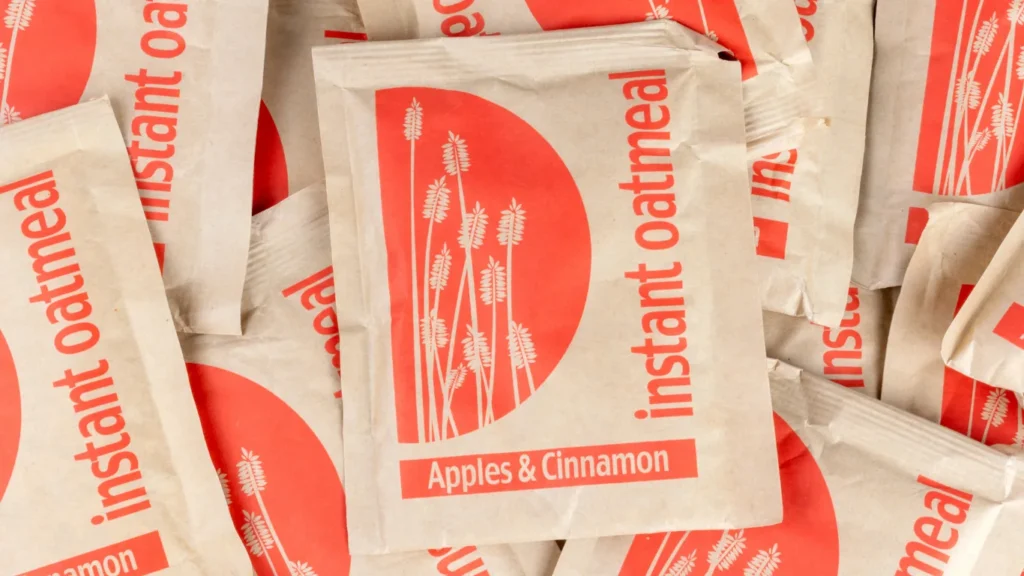
Oats deserve their heart healthy reputation, but the form of the oat matters. Instant oats are cut thinner and processed more heavily than steel cut or traditional rolled oats, allowing them to cook and digest faster.
Tested instant oatmeal products have produced GI values between 76 and 87, while tested steel cut oat porridges were closer to 48 to 53. Choose unsweetened rolled or steel cut oats, then add chia seeds, walnuts, berries, or plain Greek yogurt to supply fiber, fat, and protein.
3. Whole Grain And Bran Cereals
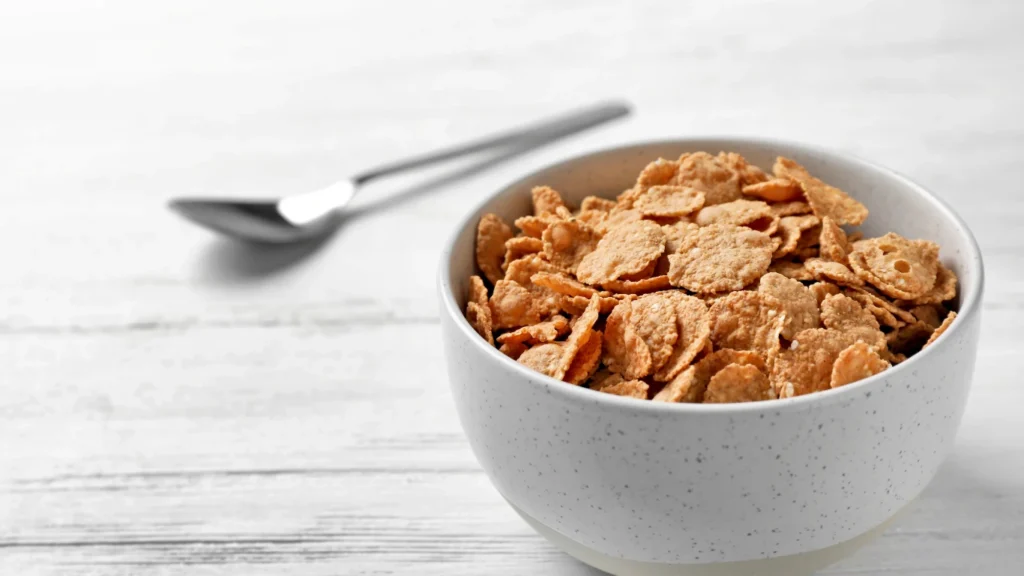
The words “whole grain” and “bran” can distract you from how intensely a cereal has been milled, puffed, flaked, or sweetened. Some cereals marketed as sensible choices contain rapidly digested starch and very little protein.
The glycemic database includes cornflakes with values from 77 to 93, puffed rice cereal at 95, some bran cereals near 90, and shredded wheat products ranging as high as 84. Look for at least 5 grams of fiber, little added sugar, and a short ingredient list, then eat it with a meaningful protein source.
4. Sweetened Granola
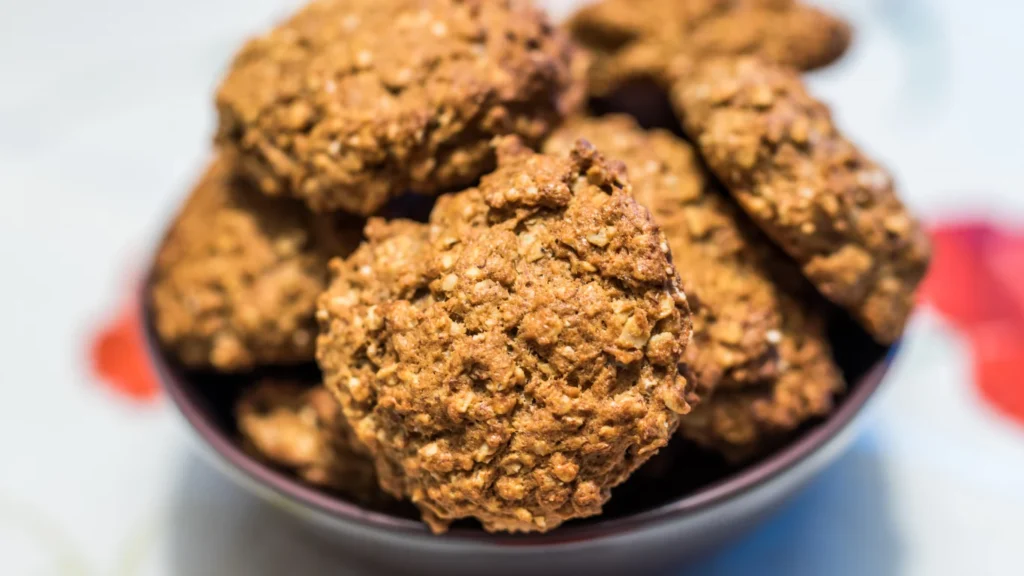
Granola begins with nutritious ingredients such as oats, nuts, and seeds. Trouble appears when manufacturers add syrups, sweetened dried fruit, chocolate, or large amounts of honey, then list a serving much smaller than the bowl people actually pour.
Dietitians recommend looking for granola with less than 6 grams of added sugar, at least 2 to 3 grams of fiber, and about 5 grams of protein per serving. Use a measured quarter cup as a topping for plain yogurt rather than treating a large cereal bowl as one serving.
5. Low Fat Flavored Yogurt

Removing fat does not automatically make yogurt better for glucose. Some low fat fruit yogurts replace richness with added sugar, fruit concentrate, syrup, or sweetened toppings.
The protein in yogurt can help, but a heavily sweetened cup may still deliver a concentrated carbohydrate load. Choose plain Greek yogurt and add half a cup of berries, cinnamon, walnuts, or a small amount of your preferred sweetener.
6. Green Juice And Fruit Juice Blends
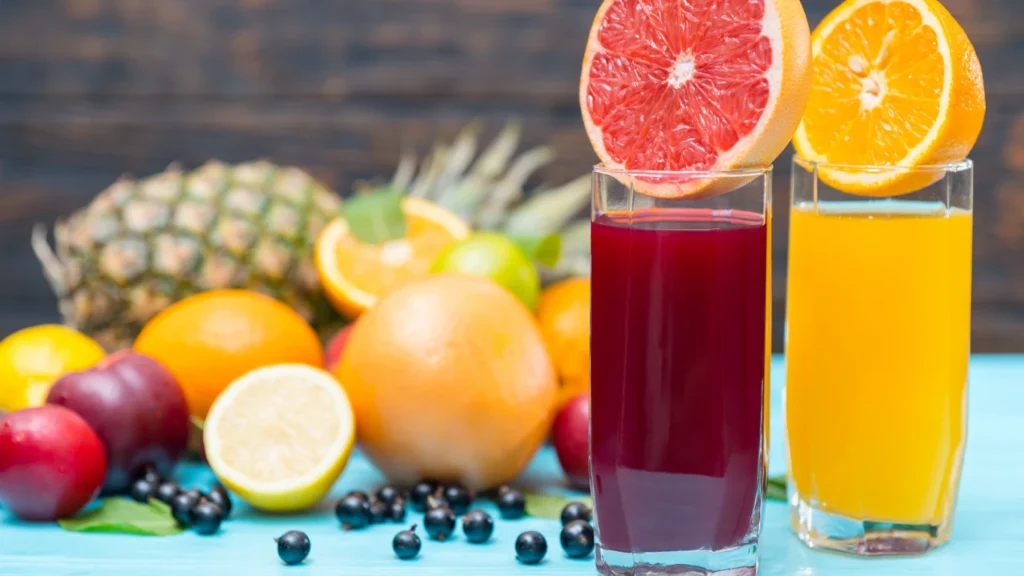
A bottle filled with apples, beets, carrots, pineapple, or grapes may contain vitamins, but juicing removes most or all of the fiber that normally slows digestion. It also lets you drink the carbohydrate from several pieces of produce within a few minutes.
Mayo Clinic notes that a small whole apple may provide around 4 grams of fiber, while apple juice provides essentially none. Choose whole fruit most of the time, and treat juice as a concentrated carbohydrate rather than unlimited hydration.
The Daily Habit That Actually Works
- Check total carbohydrate, not only sugar or the claims printed on the front.
- Add protein, healthy fat, or fiber whenever a snack is mostly starch.
- Use a nine inch plate, with half nonstarchy vegetables, one quarter protein, and one quarter carbohydrate.
- Measure cereal, granola, rice, and snack portions at least once so you can see what the label serving really looks like.
- When your care plan includes glucose testing, compare your reading before eating with your reading one to two hours after the first bite.
The ADA emphasizes total carbohydrate because it includes starch, sugar, and fiber. It also recommends combining quality carbohydrates with protein, fat, and fiber to slow digestion and create a steadier release of glucose.
| Common choice | What raises the risk | A steadier alternative |
| Three plain rice cakes | Puffed starch with little protein | One rice cake with peanut butter |
| Sweet instant oatmeal | Fine oats plus added sugar | Rolled oats with chia and walnuts |
| Large granola bowl | Multiple servings and syrup | Measured granola over plain yogurt |
| Bottled green juice | Several fruits with little fiber | Whole fruit with nuts |
| Flavored low fat yogurt | Added sugar and little fat | Plain Greek yogurt with berries |
| Cereal alone | Rapid starch without a buffer | High fiber cereal with eggs or yogurt |
Glucose responses vary with medication, sleep, stress, activity, digestion, and the rest of the meal. Discuss specific carbohydrate targets with your doctor or registered dietitian rather than copying another person’s numbers.
7. Fruit Heavy Smoothies And Acai Bowls

A smoothie is not automatically harmful, especially when it retains whole fruit and includes fiber, protein, and healthy fat. The problem is the commercial version built from juice, multiple bananas, mango, sweetened acai puree, honey, granola, and little protein.
Research on blending alone is mixed, and one small study found that blended apple and blackberries did not raise glucose more than the whole fruit combination in healthy young adults.
Build a steadier smoothie with berries, plain Greek yogurt or soy protein, chia seeds, leafy greens, and water instead of fruit juice.
8. Gluten Free Bread And Crackers

Gluten free does not mean low carbohydrate or low glycemic. To recreate the texture of wheat bread, manufacturers often use refined rice flour, corn starch, tapioca starch, or potato starch.
A systematic review found that 60.7 percent of tested gluten free breads fell into the high GI category, while only 18.2 percent were low GI. Look for products made with seeds, legumes, resistant starch, or intact whole grains, and pair bread or crackers with eggs, tofu, tuna, hummus, or nut butter.
9. Pretzels And Baked Multigrain Crackers
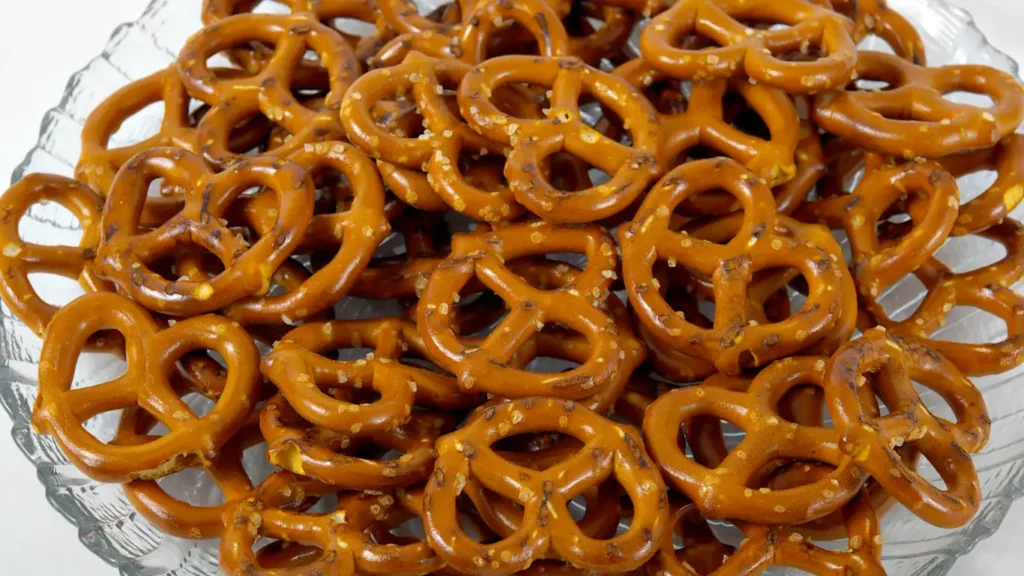
Pretzels and baked crackers are often marketed as a cleaner alternative to chips because they contain little fat. That lack of fat, combined with refined flour and a dry, airy texture, can make their starch available quickly.
Tested wheat pretzels have produced GI values from 66 to 80, and some whole meal crackers have tested around 63. Portion them into a small bowl and add hummus, cheese, edamame, or nuts rather than eating directly from a large package.
10. Large Baked Or Mashed Potatoes

Potatoes provide potassium, vitamin C, and other useful nutrients, so they do not belong on a forbidden food list. Their glucose effect, however, varies dramatically with variety, cooking method, temperature, texture, and serving size.
Tested potato varieties have produced GI values from below 40 to above 80, with several boiled or microwaved varieties landing in the 70s. Keep the potato to roughly one quarter of the plate, retain the skin when practical, and eat it with vegetables and protein instead of making it the entire meal.
11. Oversized Brown Rice Or Sushi Bowls

Brown rice contains more fiber and nutrients than heavily refined white rice, but the word “brown” does not cancel the carbohydrate. Restaurant bowls can easily contain several portions of rice before sauces, sweetened toppings, or starchy add ons are counted.
Tested brown rice varieties have ranged from a GI of 48 to 87, while tested Japanese style sushi rice reached 85. Ask for half the usual rice, double the nonstarchy vegetables, and add tofu, beans, fish, chicken, or another protein source.