

If you’re over 60, stop doing these 16 habits immediately, because the body becomes less forgiving of lost muscle, poor sleep, falls, and medication mistakes.
What felt harmless at 45 can now chip away at balance, strength, memory, and independence.
Ignore the pattern long enough, and the first obvious warning may be a fracture, a dangerous drug interaction, or a serious symptom dismissed as “just aging.” The fix is not a punishing reset. It is replacing each risky habit with one safer action.
Before changing your exercise routine, diet, supplements, or medications, speak with your doctor. Never stop a prescription medicine suddenly because of something you read online.
“Immediately” does not mean rebuilding your entire life before breakfast. It means stopping the assumption that these habits are harmless and beginning the safest replacement at a pace your health allows.
Why These 16 Habits Hit Harder After 60

Turning 60 does not create a sudden health cliff. However, muscle function may decline with age, sleep disorders become more common, medication interactions become more complicated, and small changes in vision or hearing can increase fall risk.
That makes ordinary routines more important. The goal is not to behave as though you are fragile. The goal is to protect the physical reserve that lets you recover from illness, climb stairs, carry groceries, travel, and continue living independently.
| What deserves more attention | The habit that becomes costly | The safer replacement |
|---|---|---|
| Muscle and physical reserve | Sitting most of the day | Frequent movement plus weekly aerobic and strength activity |
| Balance and fall risk | Ignoring dizziness, weak legs, or home hazards | Balance practice, medication review, and safer flooring and lighting |
| Sleep and alertness | Accepting poor sleep as normal aging | A regular sleep routine and evaluation of persistent sleep problems |
| Medication safety | Mixing prescriptions, pain relievers, alcohol, and supplements casually | One complete medication list reviewed by a doctor or pharmacist |
| Social and cognitive health | Allowing isolation to become the default | Regular planned contact and meaningful activities |
If You’re Over 60, Stop Doing These 16 Habits With a Safer Replacement
1. Sitting for Hours Without Moving

Long periods of sitting allow the large muscles in your legs and hips to remain inactive. Regular physical activity supports blood pressure, sleep, blood sugar control, cardiovascular health, and the ability to complete everyday tasks.
Do not wait until you have time for a complete workout. Stand, stretch, or walk around the room after each television program, phone call, or meal, then work toward at least 150 minutes of moderate activity each week if your health allows it.
2. Doing Cardio but Skipping Strength Training

Walking is excellent, but walking alone may not challenge every major muscle enough to preserve strength. Age related muscle loss can make getting out of a chair, climbing steps, recovering from a stumble, and carrying household items progressively harder.
Federal guidance recommends muscle strengthening activity involving all major muscle groups on at least two days each week. Begin with chair rises, wall pushups, light resistance bands, or supervised weight training rather than assuming heavy gym equipment is required.
3. Treating Balance Practice as Optional

Balance is a skill, not simply something you either have or do not have. Vision changes, hearing loss, weak muscles, dizziness, medication side effects, and home hazards can all contribute to falls.
Include balance work as part of your weekly activity, using a sturdy counter or chair for support. Remove loose rugs and electrical cords, improve lighting, and place frequently used items within easy reach rather than climbing or stretching for them.
A Practical Movement Target After 60
These are general federal targets, not an all or nothing fitness test. Older adults who cannot reach the full amount because of illness or disability are advised to remain as active as their abilities allow.
| Type of movement | General target | Simple starting option |
|---|---|---|
| Moderate aerobic activity | 150 to 300 minutes each week | Brisk walking for 10 to 20 minutes at a time |
| Vigorous aerobic activity | 75 to 150 minutes each week | Only when appropriate for your health and fitness |
| Strength activity | At least 2 days each week | Chair rises, resistance bands, wall pushups |
| Balance activity | Include it in weekly movement | Supported single leg stands, tai chi, side steps |
| Sitting breaks | Move more and sit less throughout the day | Stand or walk after meals and television programs |
4. Smoking Because You Think the Damage Is Already Done

It is never too late to benefit from quitting tobacco. Stopping smoking reduces the risk of heart disease, stroke, cancer, chronic lung disease, and premature death, even among people who have smoked for decades.
The risk of coronary heart disease begins falling sharply within the first one to two years after quitting. Ask your doctor about combining counseling with an approved quit medicine, since using both can improve the chance of success compared with trying to rely on willpower alone.
5. Drinking the Same Amount You Tolerated Years Ago

Alcohol may affect you more strongly as you age because older adults often have less muscle mass and body water. The same amount can produce a higher blood alcohol concentration and greater problems with coordination, attention, balance, and driving.
Alcohol can also interact dangerously with sleep medicines, anxiety medicines, opioid pain medicines, blood thinners, and many other drugs. Ask a pharmacist to check your complete medication list, avoid using alcohol as a sleep aid, and never assume that a familiar drink is automatically safe with a new prescription.
6. Accepting Poor Sleep as Normal Aging
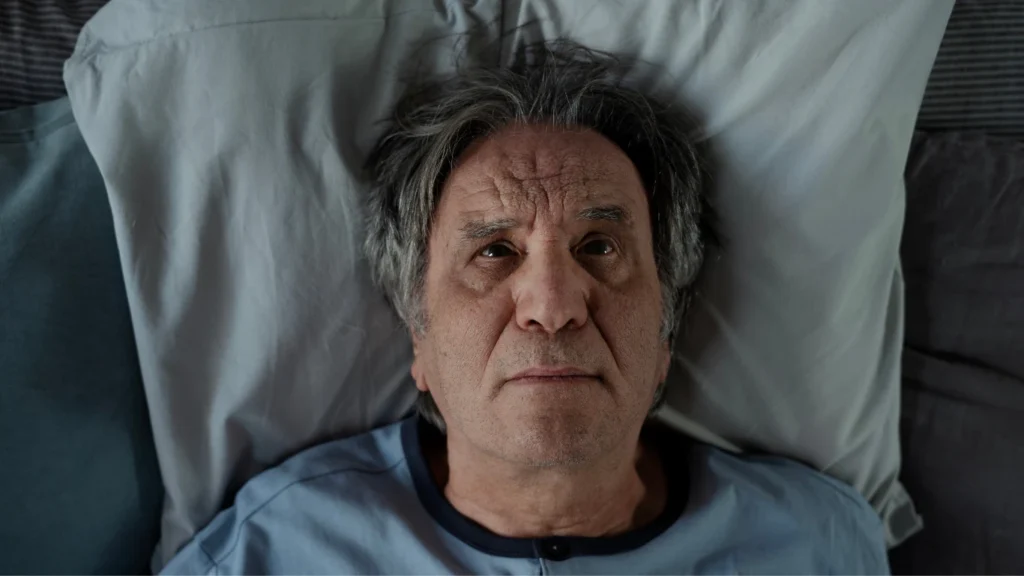
Adults over 60 still generally need about seven to nine hours of sleep each night. Insomnia, sleep apnea, pain, restless legs, medication effects, and frequent nighttime urination may prevent that, but persistent exhaustion should not be dismissed as an unavoidable birthday present.
Keep your waking time consistent, limit late caffeine and alcohol, and get daylight and activity earlier in the day. Speak with a clinician if you regularly gasp, choke, snore loudly, wake with headaches, or feel sleepy enough during the day that driving becomes difficult.
7. Eating Too Little Protein During the Day
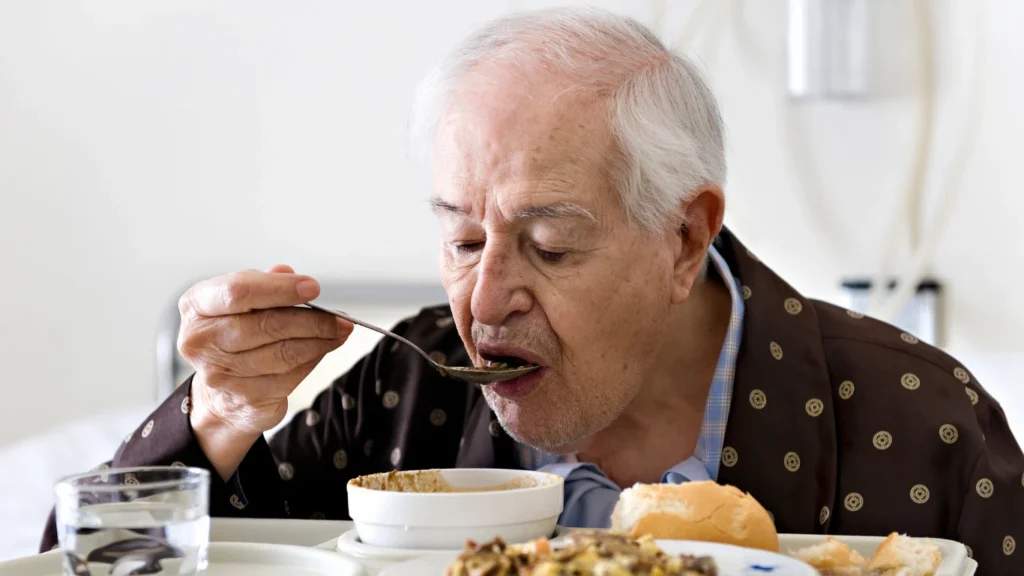
Older adults need nutrient dense protein foods to support muscle maintenance. A common mistake is eating toast or cereal for breakfast, a light lunch, and nearly all the day’s protein at dinner.
Spread protein foods across your meals by adding options such as eggs, beans, lentils, tofu, yogurt, fish, poultry, or fortified soy products. People with kidney disease or another condition requiring dietary restrictions should ask their clinician or dietitian what amount and sources are appropriate.
8. Crash Dieting or Ignoring Unplanned Weight Loss
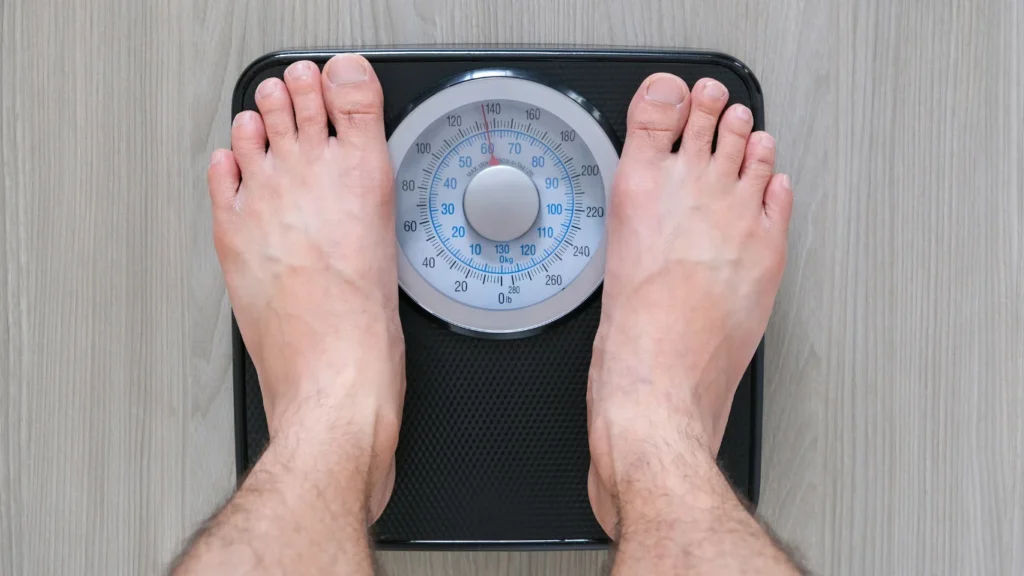
Thinner is not always healthier after 60. Becoming underweight can contribute to muscle loss, weakness, immune problems, and fracture risk, while sudden unplanned weight loss may point to medication effects, dental problems, depression, digestive disease, or another medical condition.
Avoid severe calorie restriction and programs promising rapid weight loss. Contact your doctor when your weight falls without effort, your clothes become noticeably loose, eating becomes difficult, or your appetite remains poor for more than a brief illness.
Exercise and nutrition needs vary considerably after 60. Heart disease, kidney disease, diabetes, osteoporosis, recent surgery, and medications may change what is safe, so personalized guidance matters more than following a generic number.
Try This Today
- Stand up and walk for two minutes after your next meal.
- Add one clear protein source to breakfast or lunch.
- Put every prescription, vitamin, pain reliever, and supplement on one written list.
- Schedule two strength sessions on your calendar for the coming week.
- Choose one person to call or meet on a recurring day.
9. Waiting Until You Feel Very Thirsty

Thirst can become a less dependable signal with age, and disease or medications may further affect fluid balance. Dehydration can contribute to weakness, confusion, dizziness, kidney problems, and electrolyte disturbances, yet dry mouth or dark urine alone cannot reliably confirm it in every older adult.
Build drinking into your routine instead of depending entirely on thirst. Have a beverage with meals and medication times, but follow medical instructions if you have heart failure, advanced kidney disease, low sodium, or a prescribed fluid limit.
10. Neglecting Your Teeth and Gums
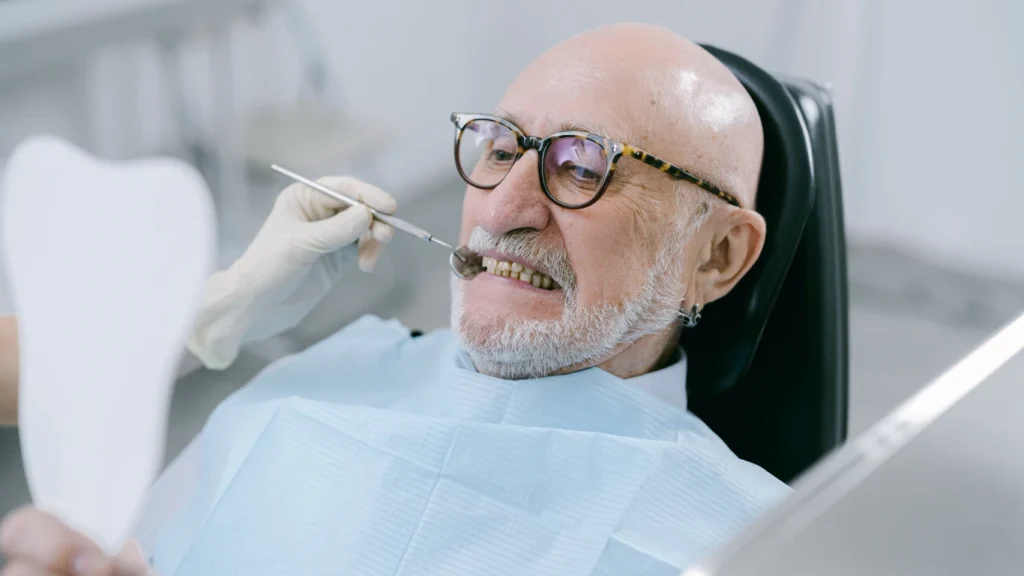
Dental problems can affect far more than your smile. Tooth decay, gum disease, dry mouth, poorly fitting dentures, and mouth pain can make it difficult to chew nutritious food and may allow infections to progress unnoticed.
Brush twice daily with fluoride toothpaste, clean between your teeth daily, and arrange regular dental care even if you wear dentures. Tell your dentist about persistent sores, bleeding gums, loose teeth, ongoing bad breath, or a dry mouth that began after a medication change.
11. Taking Medicines and Supplements on Autopilot
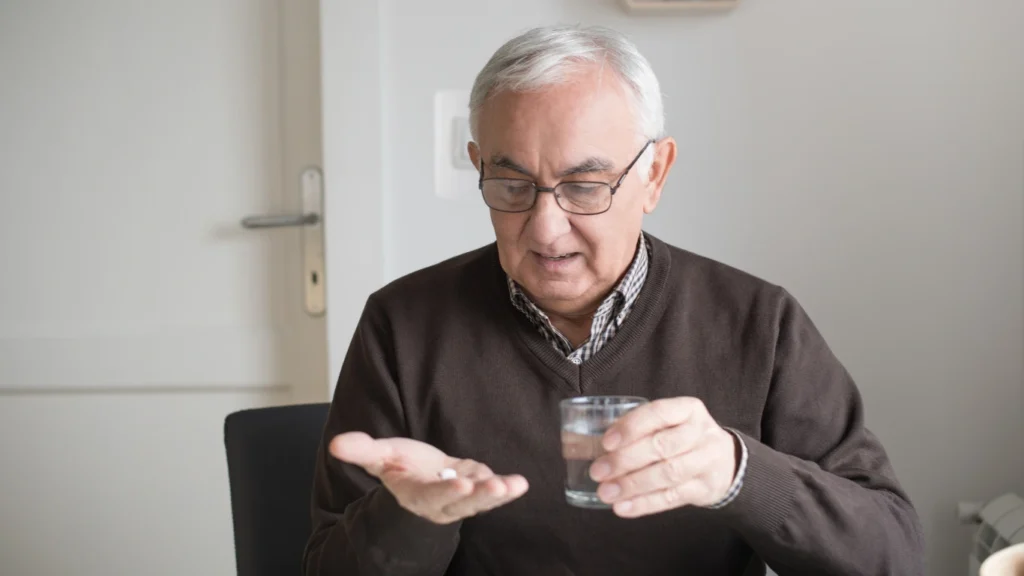
A medicine that was appropriate several years ago may need a new dose or may interact with a more recent prescription. Over the counter sleep aids, cold medicines, pain relievers, herbal products, vitamins, and alcohol can also interact with prescriptions or worsen dizziness and confusion.
Keep one updated list showing the name, dose, reason, and prescribing clinician for everything you take. Bring it to medical appointments and ask your doctor or pharmacist at least once a year whether anything is duplicated, unnecessary, or contributing to falls, fatigue, constipation, memory problems, or low blood pressure.
12. Hiding or Ignoring Hearing Loss
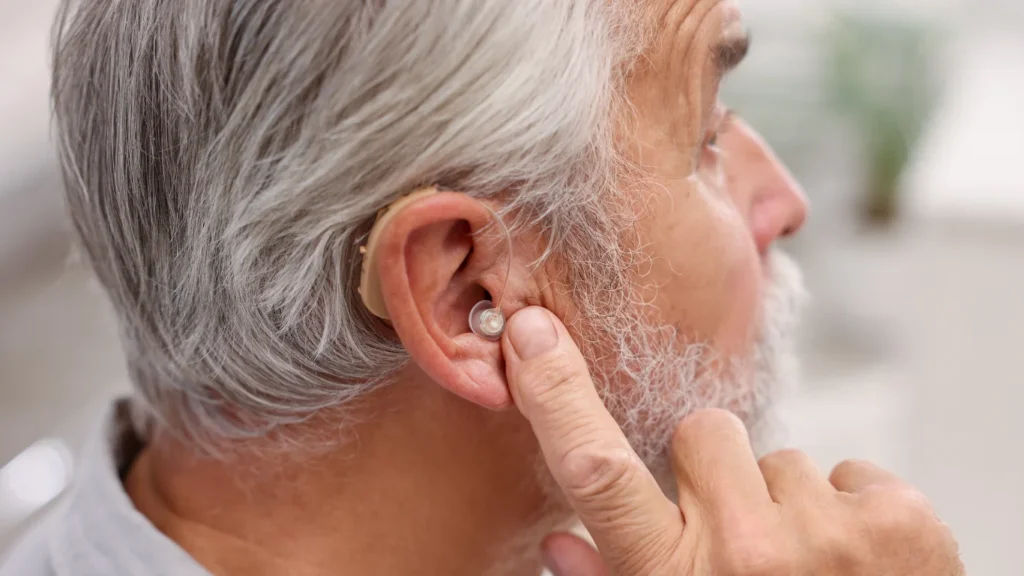
About one third of older adults have hearing loss, yet many wait years before seeking help. Untreated hearing difficulty can make conversations exhausting, encourage withdrawal, interfere with medical instructions, and is associated with a higher risk of cognitive decline and falls.
Arrange a hearing evaluation when you repeatedly increase the television volume, struggle in restaurants, mishear phone conversations, or think everyone is mumbling. Hearing aids and other communication strategies are not signs of weakness. They are tools that help you remain connected and informed.
13. Postponing Eye Exams or Ignoring Vision Changes
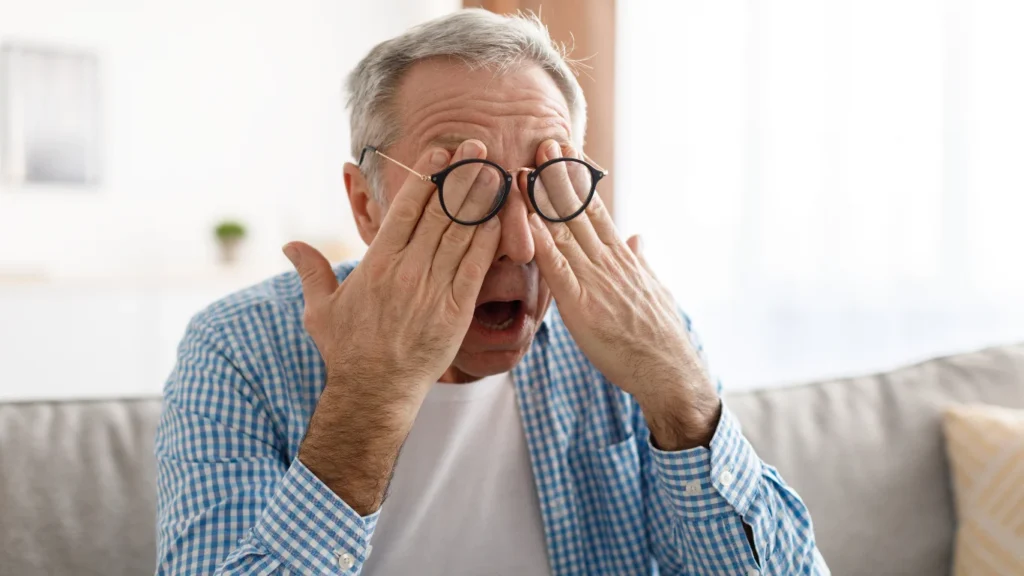
Some visual changes are gradual, but others can signal cataracts, glaucoma, diabetic eye disease, retinal problems, or another treatable condition. Even relatively small reductions in vision may increase fall risk and make driving, medication reading, and stair use less safe.
The National Institute on Aging advises people 60 and older to receive a dilated eye examination every one to two years. Seek urgent care for sudden vision loss, a curtain like shadow, new flashes with many floaters, severe eye pain, or vision changes accompanied by weakness or difficulty speaking.
14. Waiting for Symptoms Before Getting Preventive Care
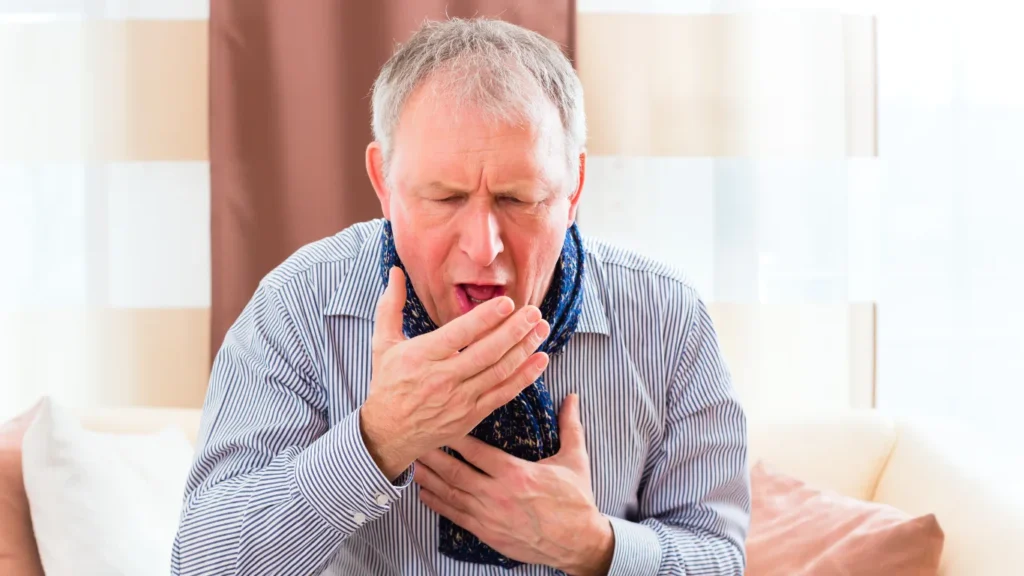
High blood pressure often produces no obvious symptoms, and several cancers can be easier to treat when screening finds them early. Preventive visits also create an opportunity to review diabetes risk, cholesterol, bone health, mood, memory, medication safety, and fall history.
Ask which screenings are still appropriate for your age, medical history, and life expectancy rather than assuming everyone needs the same schedule.
Review vaccinations for influenza, COVID 19, shingles, pneumococcal disease, RSV, and tetanus with your healthcare provider because recommendations depend on age, previous doses, and health risks.
15. Letting Social Isolation Become Your Normal Routine

Social isolation is not merely an unpleasant feeling. Research has associated loneliness and isolation with higher risks of depression, heart disease, cognitive decline, and poorer physical health.
Do not wait until you feel sociable enough to reach out. Put two regular contacts on your calendar each week, such as a walk with a neighbor, a family phone call, a faith gathering, a volunteer shift, or a community class.
Persistent sadness, numbness, hopelessness, loss of interest, poor appetite, and disrupted sleep are not normal parts of aging. A clinician should evaluate symptoms that continue or interfere with daily life.
16. Calling Every New Symptom “Just Aging”
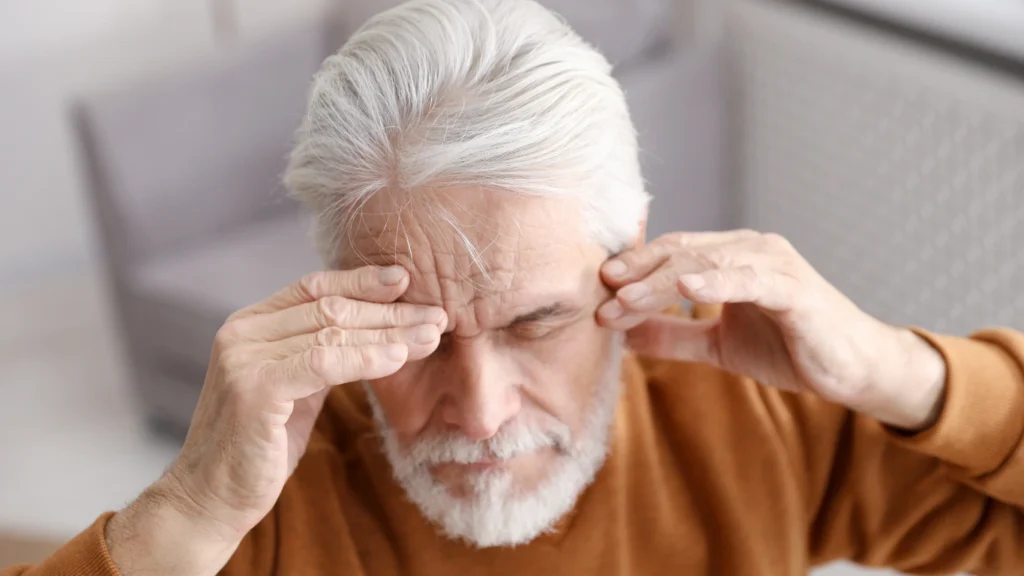
Normal aging can bring slower recovery, minor changes in memory, and changes in vision or hearing. It does not explain sudden weakness, chest pressure, fainting, severe breathlessness, abrupt confusion, or rapid loss of function.
Write down when a new symptom started, what triggers it, and whether it is worsening. Seek medical care instead of repeatedly treating unexplained symptoms with pain relievers, sleep aids, supplements, or home remedies.
Symptoms That Should Change Your Plan
| Symptom | Possible concern | What to do |
|---|---|---|
| Chest pressure, squeezing, or pain with breathlessness, sweating, or nausea | Possible heart attack | Call emergency services immediately |
| New facial drooping, arm weakness, speech trouble, or sudden confusion | Possible stroke | Call emergency services immediately |
| Sudden loss of vision or a new curtain over part of your sight | Retinal emergency or stroke | Seek emergency evaluation |
| New breathlessness with fainting, rapid swelling, or severe weakness | Heart, lung, or circulation problem | Obtain urgent medical care |
The American Heart Association lists chest discomfort, upper body pain, breathlessness, nausea, cold sweating, and lightheadedness among possible heart attack signs. Stroke and heart treatment are time sensitive, so do not drive yourself or wait to see whether severe symptoms disappear.
Stop Reading and Get Medical Help When:
- Chest pressure lasts more than a few minutes or repeatedly returns.
- One side of the face or body suddenly becomes weak or numb.
- Speech, vision, balance, or awareness changes abruptly.
- Breathlessness, fainting, or confusion appears suddenly or becomes severe.