
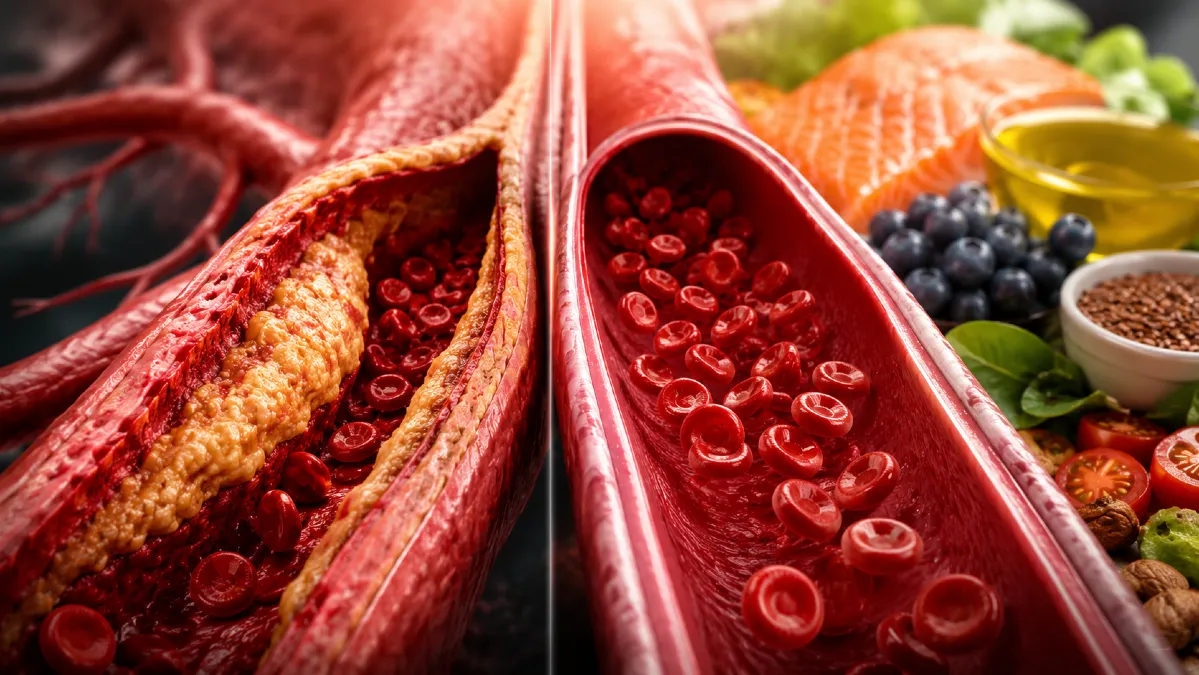
You can eat salmon, garlic, berries, and olive oil for years and still have dangerous plaque growing inside your arteries.
That is because arteries do not clog from one bad dinner, and they do not reopen after one good one. Plaque can quietly narrow blood flow for decades, then rupture and trigger a clot without giving you much warning.
But one carefully built meal can push several major risk factors in the right direction at the same time. It can lower the amount of LDL reaching the artery wall, support healthier blood pressure, and replace foods that keep driving cardiovascular risk.
What “Unclog Your Arteries” Really Means
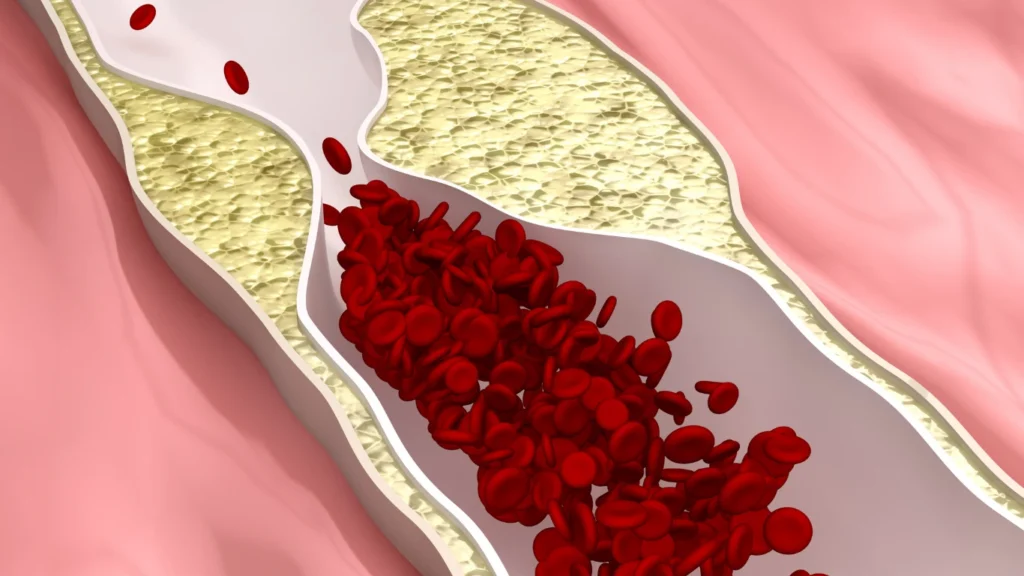
Atherosclerosis begins when particles containing LDL cholesterol enter the artery wall. Immune cells respond, inflammation develops, and a mixture of cholesterol, cells, connective tissue, and calcium gradually forms plaque.
Some plaques restrict blood flow. Others become vulnerable to rupture. When a plaque ruptures, the body may form a clot over it, which can suddenly block blood flow to the heart or brain.
Food does not scrape plaque from arteries like a brush cleaning a pipe.
The more realistic goals are to reduce the formation of new plaque, lower LDL cholesterol, improve blood pressure and blood vessel function, and help medical treatment stabilize existing disease.
Cleveland Clinic notes that coronary artery disease cannot simply be erased, although treatment and lifestyle changes can slow its progression and reduce the risk of heart attack and stroke. Some cholesterol lowering medicines can produce measurable plaque regression in certain patients.
| What this meal may help do | What this meal cannot do |
|---|---|
| Replace saturated fat with unsaturated fat | Physically wash plaque out of an artery |
| Add fiber that supports lower LDL | Guarantee plaque reversal |
| Support healthier blood vessel function | Replace statins or other prescribed medicine |
| Reduce dependence on highly processed foods | Treat chest pain or a heart attack |
| Support long term cardiovascular risk reduction | Prove that an artery has reopened |
The Truth About Brian’s 16 Week Story
The supplied story describes Brian as a symptom free 43 year old whose arteries were reportedly narrowing. After 16 weeks of broader changes, his LDL was said to have fallen from 139 to 27 milligrams per deciliter.
That is an attention grabbing result, but it is not a published clinical trial. Without medical records, medication details, imaging methods, and laboratory reports, the meal cannot be credited for that change.
A fall of that size would usually make clinicians look at the entire treatment plan, including statins or other cholesterol medicines, weight change, exercise, smoking status, sleep, diabetes control, and inherited cholesterol risk.
Current cholesterol guidance emphasizes combining healthy habits with medication when a person’s cardiovascular risk requires it.
The honest lesson from Brian’s story is still useful. A heart healthy meal can be the foundation, but it is not the whole house.
The #1 Meal: A Mediterranean Salmon and Greens Plate
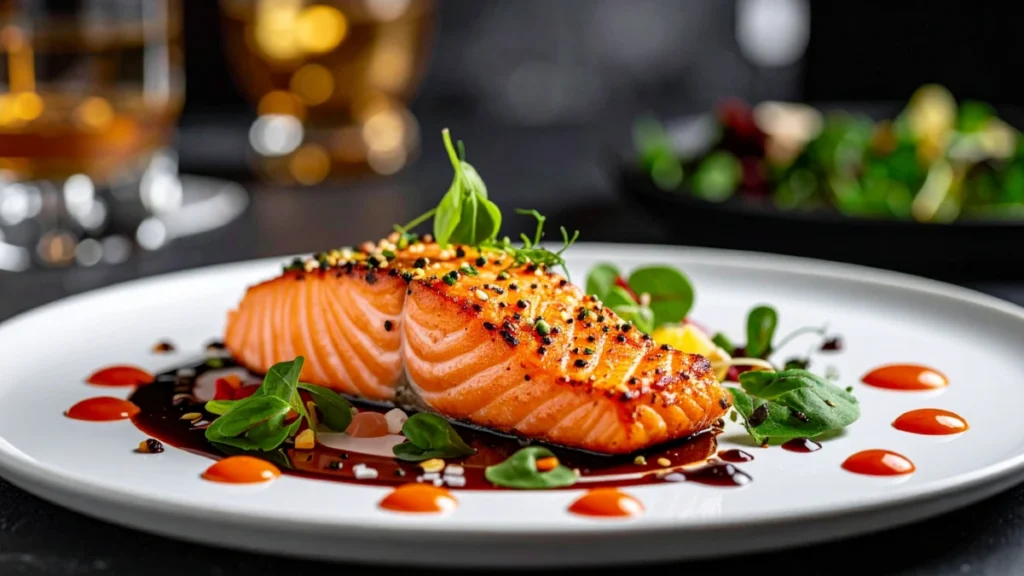
The strongest evidence does not point to one magical ingredient. It points to a Mediterranean style eating pattern built around vegetables, fruits, legumes, whole grains, fish, nuts, seeds, and olive oil.
In the PREDIMED trial, 7,447 adults at high cardiovascular risk were assigned to a Mediterranean diet with extra virgin olive oil, a Mediterranean diet with nuts, or advice to follow a reduced fat diet. Major cardiovascular events occurred less often in both Mediterranean diet groups.
CORDIOPREV studied 1,002 people who already had coronary heart disease. Over long term follow up, a Mediterranean diet was more effective than a low fat diet at preventing major cardiovascular events.
Here is the six ingredient plate that applies that evidence in one meal:
| Ingredient | Practical portion | Main cardiovascular role | Evidence strength |
| Salmon | 3 to 4 cooked ounces | Provides EPA and DHA and replaces higher saturated fat proteins | Strong as part of a healthy pattern |
| Leafy greens | 2 packed cups | Supply dietary nitrate, potassium, fiber, and plant compounds | Moderate |
| Extra virgin olive oil | 1 tablespoon | Replaces saturated fat and provides phenolic compounds | Strong within a Mediterranean pattern |
| Garlic | 1 small clove | Adds flavor without sugar or excess salt and may modestly support blood pressure | Limited to moderate |
| Berries or pomegranate seeds | One half cup | Add fiber and polyphenols | Moderate for berries, limited for pomegranate claims |
| Ground flaxseed | 1 tablespoon | Adds soluble fiber, lignans, and plant omega 3 fat | Moderate for cholesterol support |
1. Salmon Supplies Omega 3 Fats, but It Is Not Prescription EPA
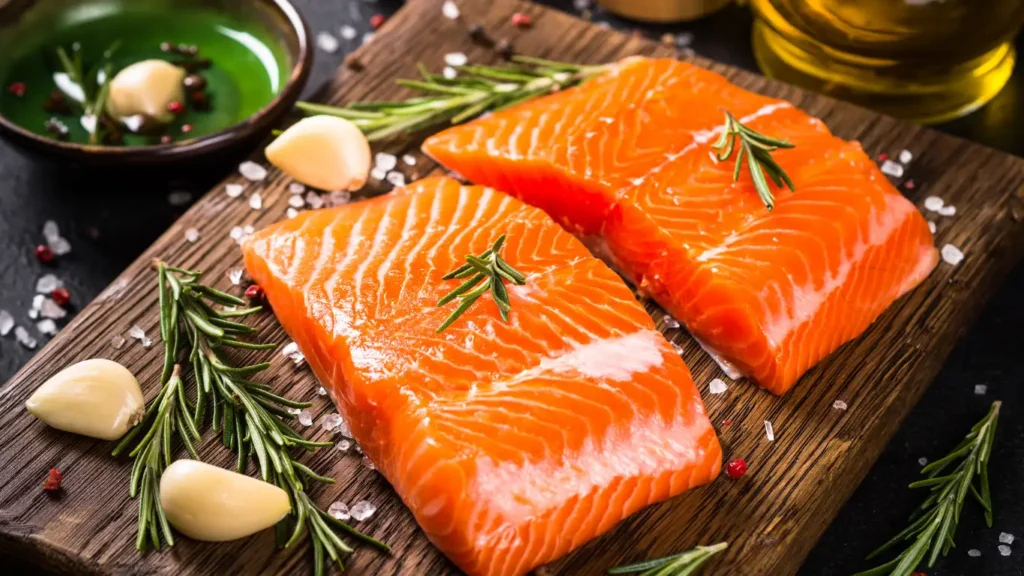
Salmon provides the long chain omega 3 fats EPA and DHA. Eating fish regularly is associated with lower cardiovascular risk, especially when fish replaces processed meat or foods rich in saturated fat.
The American Heart Association recommends two servings of fish each week, particularly fatty fish such as salmon, sardines, herring, or mackerel. One serving is about 3 ounces cooked.
The supplied context references REDUCE IT, a major trial in which cardiovascular events fell by about 25 percent. That result is real, but the trial used 4 grams per day of prescription icosapent ethyl in high risk patients who were already receiving statin treatment.
It did not test salmon. The trial enrolled 8,179 patients, and the primary cardiovascular outcome occurred in 17.2 percent of the prescription EPA group compared with 22 percent of the placebo group.
Salmon remains an excellent food, but a fillet should not be presented as equivalent to prescription EPA.
Wild salmon is not required. Choose a type you can afford and will eat consistently. Bake, grill, air cook, or gently pan cook it instead of deep frying it.
2. Leafy Greens Help Arteries Relax
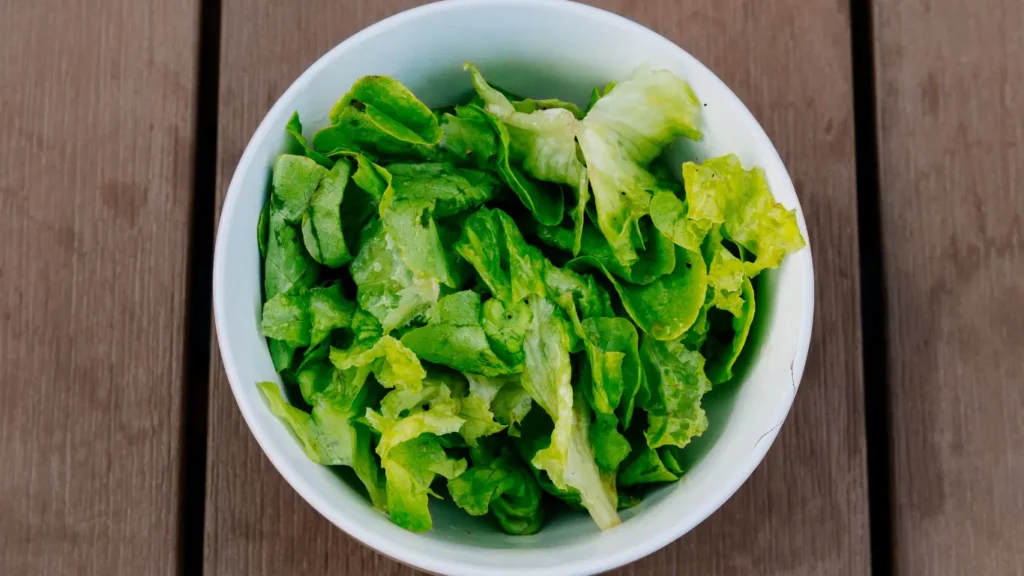
Spinach, arugula, kale, lettuce, and similar vegetables contain dietary nitrate. The body can convert dietary nitrate into nitric oxide, a signaling molecule that helps blood vessels relax.
Research on nitrate rich vegetables suggests potential improvements in endothelial function and blood pressure, although responses vary by dose and health status.
Make greens the base of the meal rather than a decorative side. Use about two packed cups of raw greens or one cup of lightly cooked greens.
People taking warfarin should not suddenly eliminate or dramatically increase leafy greens. Vitamin K intake should remain reasonably consistent so the medical team can manage the medication correctly.
3. Extra Virgin Olive Oil Replaces the Fat That Causes More Trouble
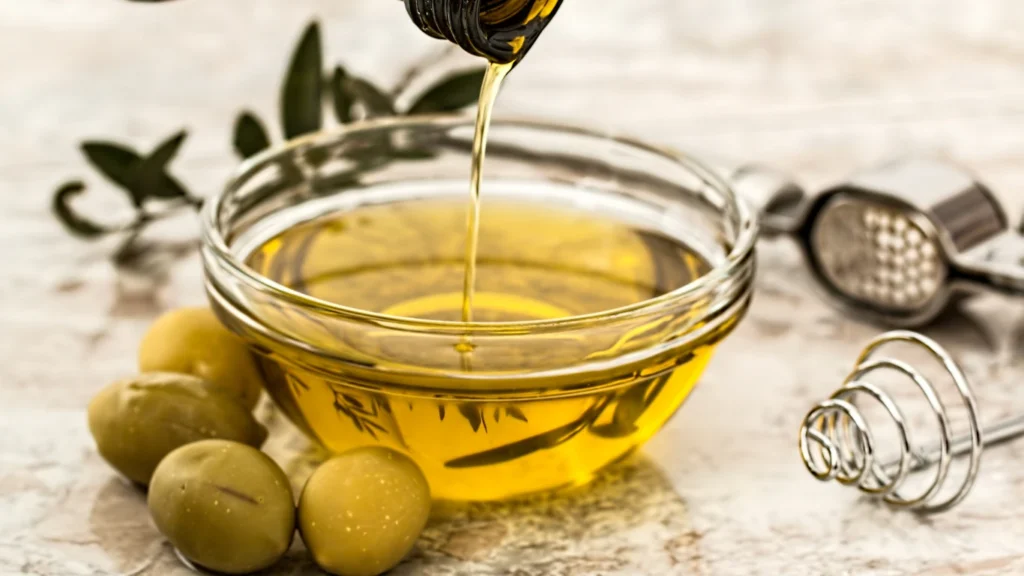
Extra virgin olive oil contains mostly monounsaturated fat and a range of phenolic compounds. Its biggest advantage may be what it replaces.
Using olive oil instead of butter, shortening, cream based dressing, or large amounts of cheese can reduce saturated fat intake. Limiting saturated and trans fats is a standard part of dietary guidance for lowering LDL cholesterol.
Extra virgin olive oil also contains oleocanthal, a compound that has shown cyclooxygenase inhibiting activity in laboratory research. That finding led to comparisons with ibuprofen, but olive oil is not a pain reliever and should never be used as a medicine substitute.
Use about one tablespoon to dress the greens. Mix it with lemon juice, black pepper, and garlic.
Store olive oil sealed and away from heat and direct light. A dark container helps protect it from light exposure.
4. Garlic Deserves a Place, but Not the Hype
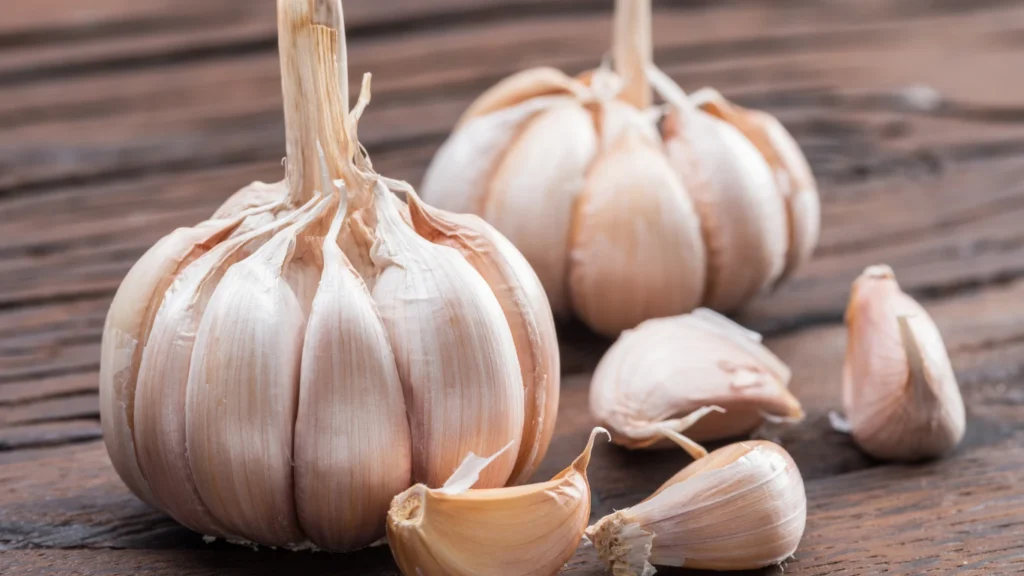
Crushing or chopping garlic allows enzymes in the clove to form allicin and related sulfur compounds. Allowing crushed garlic to rest briefly before cooking may preserve more of these compounds than immediately exposing it to prolonged heat.
However, raw garlic has not been proven to dissolve coronary plaque or prevent a heart attack.
The National Center for Complementary and Integrative Health reports that garlic supplements may produce small reductions in total cholesterol, LDL cholesterol, and blood pressure in some people. The evidence is not strong enough to treat garlic like a cardiovascular drug.
Crush one small clove, let it sit for about five minutes, then mix it into the olive oil dressing. Use less if raw garlic causes reflux, stomach pain, or nausea.
Individual responses vary. Ask your healthcare provider before substantially increasing garlic or using garlic supplements if you take aspirin, anticoagulants, or other medicines that affect bleeding.
5. Berries Beat Juice Because the Fiber Stays
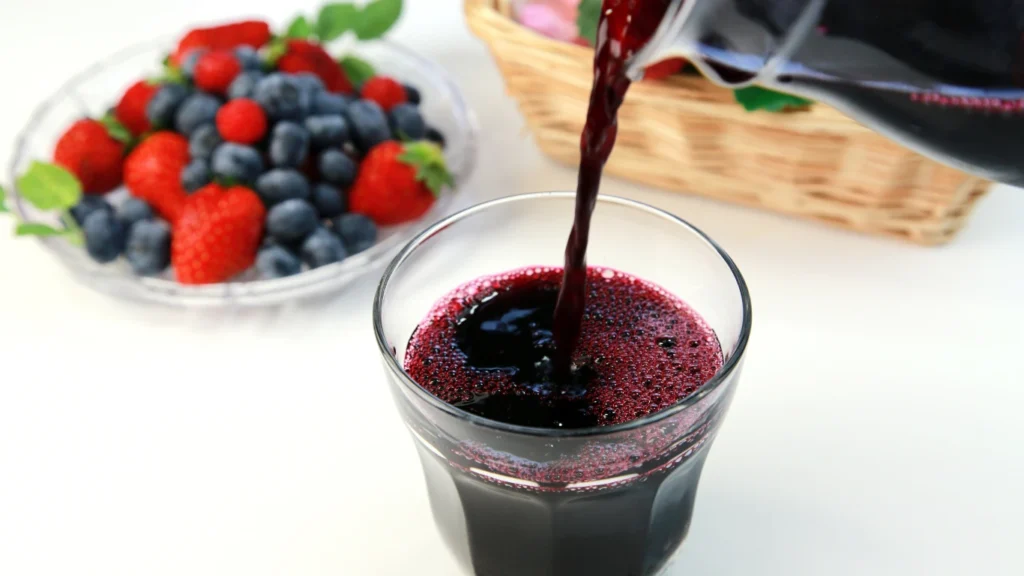
Blueberries, strawberries, raspberries, and blackberries contain fiber and polyphenols, including anthocyanins. Studies have linked berry consumption with modest improvements in several cardiovascular markers, although berries have not been shown to clear established plaque.
The practical advantage is simple. Whole berries provide fiber and require chewing. Juice delivers sugar more quickly and removes much of the fruit’s natural fiber.
Pomegranate seeds can also be used. They provide fiber and polyphenols, but the cardiovascular claims surrounding pomegranate are often overstated.
The National Center for Complementary and Integrative Health reports that pomegranate may have a small effect on blood pressure, but studies have not shown clear improvements in cholesterol and other blood lipids.
Serve one half cup of fresh or frozen berries. Unsweetened frozen berries are nutritionally practical and often less expensive.
6. Ground Flaxseed Is the Quiet Ingredient on Top
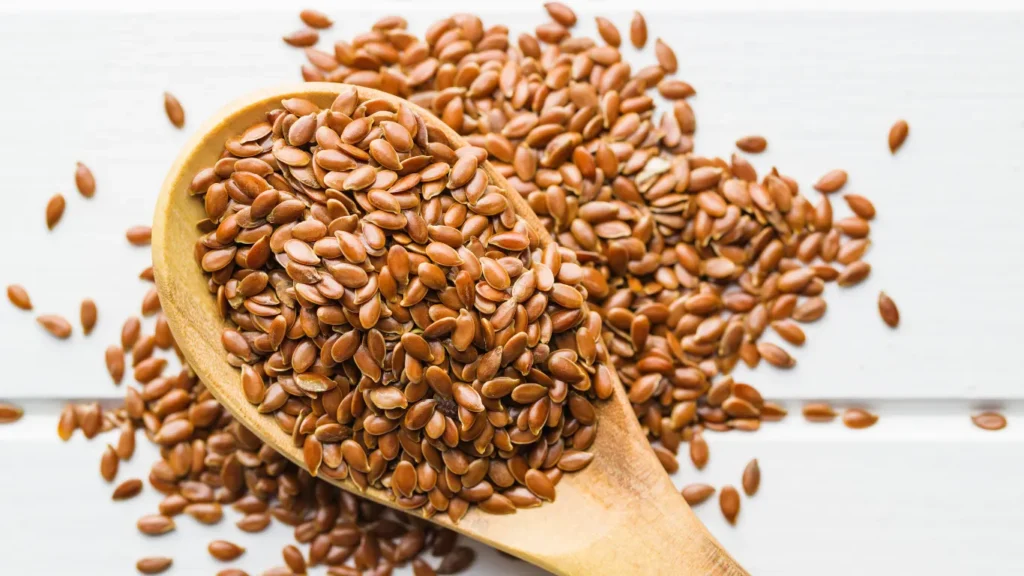
Flaxseed does not pull LDL particles directly out of your bloodstream.
Its fiber can slow digestion and interfere with the reabsorption of bile acids. The liver then uses cholesterol while producing more bile, which can contribute to lower circulating LDL over time.
A meta analysis of controlled trials found that whole flaxseed interventions reduced total and LDL cholesterol, while flaxseed oil alone did not produce the same consistent cholesterol effect.
In one trial involving people with peripheral artery disease, 30 grams of milled flaxseed per day was associated with a 15 percent reduction in LDL after one month. That was a much larger amount than the single tablespoon used on this plate, so the same result should not be promised from this meal.
Use ground flaxseed rather than whole seeds. Whole seeds may pass through the digestive system without being fully broken down.
Start with one teaspoon if you rarely eat fiber, then work toward one tablespoon. Drink enough water and increase fiber gradually to reduce bloating or constipation.
How to Put the Meal Together Tonight
- Bake or grill 3 to 4 ounces of salmon until it is fully cooked.
- Place two packed cups of spinach, arugula, kale, or mixed greens on the plate.
- Crush one small garlic clove and leave it for about five minutes.
- Mix the garlic with one tablespoon of extra virgin olive oil and lemon juice.
- Spoon the dressing over the salmon and greens.
- Add one half cup of berries or pomegranate seeds.
- Sprinkle one tablespoon of ground flaxseed over the greens or fruit just before eating.
For a plant based version, replace the salmon with lentils, chickpeas, or beans and add a small serving of walnuts. This version supplies fiber and unsaturated fat, although it does not provide the same amounts of EPA and DHA found in fatty fish.
The Daily Habit That Actually Works
Try this for the next four weeks
The Daily Habit That Actually Works
Build a repeatable eating and tracking routine rather than chasing a perfect diet. Two Mediterranean-style meals, one protein swap, regular whole fruit, and consistent health records create useful evidence.
Eat the featured plate, or a similar meal built around vegetables, whole grains, beans, fish, olive oil, nuts, or seeds, two times each week.
Replace one processed-meat meal with fish, beans, or lentils. The goal is substitution, not adding another meal.
Use whole fruit rather than juice on at least five days each week.
Record the same measures consistently so your clinician can review trends rather than isolated numbers.
Three “Healthy” Foods That Can Quietly Work Against You
A single meal matters less than the eating pattern surrounding it.
Flavored yogurt, sweet granola, breakfast bars, and bottled juice can deliver substantial added sugar or rapidly absorbed carbohydrate.
Frequent intake can make weight, blood glucose, and triglyceride control more difficult, especially when these foods are added rather than substituted.
| Common choice | What to check | Better option |
| Flavored yogurt | Added sugar per serving | Plain yogurt with berries and ground flax |
| Sweet granola | Sugar, saturated fat, and portion size | Plain oats with nuts and fruit |
| Breakfast bar | Syrups, refined flour, and low fiber | Fruit with unsalted nuts |
| Fruit juice | Serving size and lack of fiber | Whole fruit |
| Creamy dressing | Saturated fat, sodium, and calories | Olive oil with lemon and herbs |
The American Heart Association recommends an overall pattern rich in vegetables, fruits, whole grains, beans, nuts, fish, and minimally processed foods while limiting added sugar, excess sodium, and saturated fat.
How Soon Should You Expect Results?
You may feel no different at all. High LDL and atherosclerosis commonly cause no obvious symptoms, which is why blood tests and medical risk assessment matter.
A lipid panel may show changes within several weeks. Blood pressure can also respond to a broader eating pattern, weight change, physical activity, sleep, and medication adherence.
Plaque itself changes much more slowly. Measuring it may require coronary imaging, carotid ultrasound, or another test selected by a clinician. A home blood pressure reading or improved cholesterol result cannot prove that plaque has disappeared.
| Time period | What may reasonably change | What it does not prove |
| First meal | Better food substitution and greater fiber intake | An artery has opened |
| 2 to 4 weeks | Early blood pressure or digestion changes | Plaque regression |
| 4 to 12 weeks | Measurable cholesterol response in some people | Medication is no longer needed |
| Several months | Better weight, glucose, or triglyceride control with consistent habits | Coronary disease has been cured |
| Long term | Lower cardiovascular risk when the full pattern is maintained | Zero risk of heart attack or stroke |