

Your hands and shoulders may be keeping a record that routine glucose checks never captured.
Frozen shoulder, trigger finger, or numb hands can develop after connective tissues and nerves have been exposed to high blood sugar for a long time. Ignore the pattern, and stiffness, weakness, or lost sensation may quietly become harder to treat.
The important clue is not one sore finger. It is several unusual upper body problems appearing together.
These symptoms do not prove that you have diabetes. Before changing your diet, exercise routine, or medication, speak with a healthcare professional and request appropriate testing.
The Pattern Doctors Are Starting to Take More Seriously

A major 2025 review in Diabetes Care found that upper limb complications occur about two to three times more frequently in people with diabetes. Rates are especially high among adults over 50 and people who have lived with diabetes for a longer period.
Researchers included frozen shoulder, trigger finger, carpal tunnel syndrome, ulnar nerve entrapment, Dupuytren disease, and limited hand joint mobility in this group.
None of these conditions is exclusive to diabetes. Injuries, thyroid disease, arthritis, repetitive strain, vitamin deficiencies, and age related tissue changes can produce similar symptoms.
The concern rises when several signs occur together, affect both sides, or appear without a clear injury.
| Sign | Pattern You May Notice | Possible Glucose Connection | Other Causes Must Be Checked |
|---|---|---|---|
| Frozen shoulder | Pain and major loss of shoulder movement | Thickening and stiffening of the joint capsule | Injury, surgery, thyroid disease |
| Trigger finger | Clicking, catching, or locking | Tendon and tendon sheath thickening | Repetitive gripping, arthritis |
| Carpal tunnel syndrome | Thumb, index, and middle finger tingling | Greater vulnerability to median nerve compression | Wrist anatomy, pregnancy, thyroid disease |
| Peripheral nerve symptoms | Burning, tingling, or reduced sensation | Metabolic and blood vessel injury to nerves | Vitamin B12 deficiency, medication, alcohol |
| Stiff hand syndrome | Waxy skin and inability to flatten the hand | Collagen changes and limited joint mobility | Scleroderma, arthritis |
| Dupuytren contracture | Palm cords pulling fingers inward | Abnormal connective tissue thickening | Family history, alcohol use, age |
| Ulnar nerve entrapment | Ring and little finger numbness | Greater susceptibility to nerve compression | Elbow pressure, injury, prolonged bending |
Why High Blood Sugar Can Affect Tendons, Joints, and Nerves
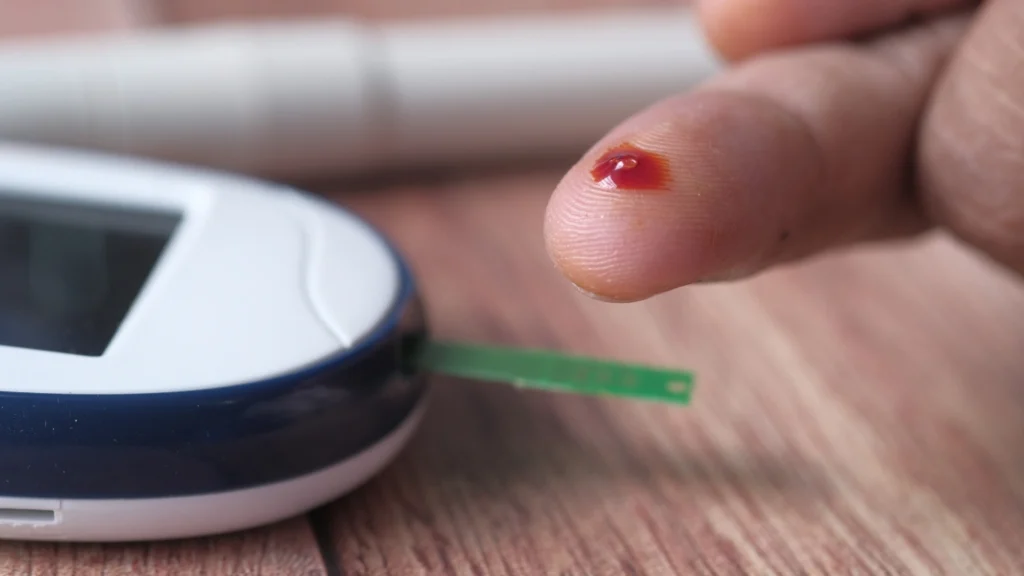
Glucose does more than circulate in the bloodstream.
When glucose remains elevated, some of it attaches to proteins such as collagen. Over time, this can create advanced glycation end products, which encourage collagen fibers to become stiffer and less flexible.
Collagen is a major building material in tendons, ligaments, joint capsules, skin, and the tissue surrounding nerves. Chronic inflammation, excess body weight, smoking, and reduced blood supply may add further stress to these structures.
Nerves face a different kind of damage. Long term hyperglycemia can disrupt nerve metabolism and injure the small blood vessels that deliver oxygen and nutrients to nerve fibers. The result may be tingling, burning, weakness, or gradually reduced sensation.
An A1C test cannot reveal exactly how many years glucose was elevated. It reflects average blood sugar over roughly the previous two to three months. Symptoms, previous laboratory results, medical history, and current testing must be considered together.
1. Frozen Shoulder That Appears Without an Obvious Injury

Frozen shoulder, also called adhesive capsulitis, causes the tissue surrounding the shoulder joint to become thick, stiff, and inflamed.
The first clue is often pain at night or difficulty reaching overhead. Later, both active movement and assisted movement become limited. You may struggle to fasten clothing, reach a high shelf, wash your hair, or place your hand behind your back.
Diabetes is a well established risk factor. A systematic review found that approximately 13.4 percent of people in the included diabetes populations had frozen shoulder. Mayo Clinic also identifies diabetes as one of the major medical conditions associated with increased risk.
Frozen shoulder alone does not mean blood sugar is high. It may also develop after shoulder surgery, a fracture, prolonged immobilization, thyroid disease, heart disease, or Parkinson disease.
The glucose clue becomes stronger when frozen shoulder occurs without an injury and is joined by hand stiffness, trigger finger, or nerve symptoms.
2. A Finger That Clicks, Catches, or Locks in the Morning

Trigger finger develops when a finger tendon can no longer glide smoothly through its surrounding sheath.
Early symptoms include morning stiffness, tenderness at the base of the finger, or a small lump in the palm. The finger may click as it straightens. More advanced cases can become stuck in a bent position and may need help to open.
Diabetes is one of several conditions associated with trigger finger. A large Swedish registry study found that higher A1C levels were associated with a greater risk of developing trigger finger in people with both type 1 and type 2 diabetes.
High glucose may contribute to collagen changes and thickening at the tendon and sheath interface. This creates less room for the tendon to move freely.
Repetitive gripping, rheumatoid arthritis, gout, thyroid disease, and carpal tunnel syndrome can also contribute. One locked finger is therefore a reason for evaluation, not a diabetes diagnosis.
3. Nighttime Tingling in the Thumb and First Two Fingers
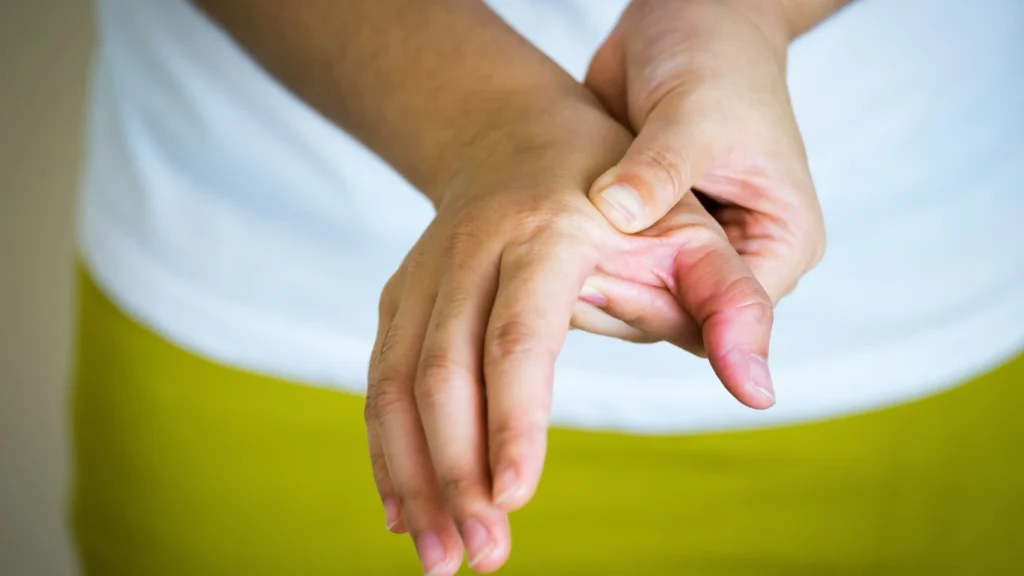
Carpal tunnel syndrome develops when the median nerve is compressed as it passes through the wrist.
The location of the numbness matters. Median nerve symptoms usually affect the thumb, index finger, middle finger, and part of the ring finger. People often wake at night with tingling and shake the hand to make it feel normal again.
As compression progresses, the hand may feel clumsy. Buttons become harder to manage, jars become harder to open, and objects may slip from the fingers.
The National Institute of Neurological Disorders and Stroke notes that symptoms commonly begin gradually with numbness or tingling in the thumb, index finger, and middle finger. Diabetes is also recognized as a risk factor for carpal tunnel syndrome.
Diabetes may make nerves more vulnerable to pressure even before obvious widespread neuropathy develops. However, wrist anatomy, rheumatoid arthritis, thyroid disease, obesity, pregnancy, and repetitive forceful hand use can produce the same condition.
4. Numb Hands That Follow Years of Tingling Feet
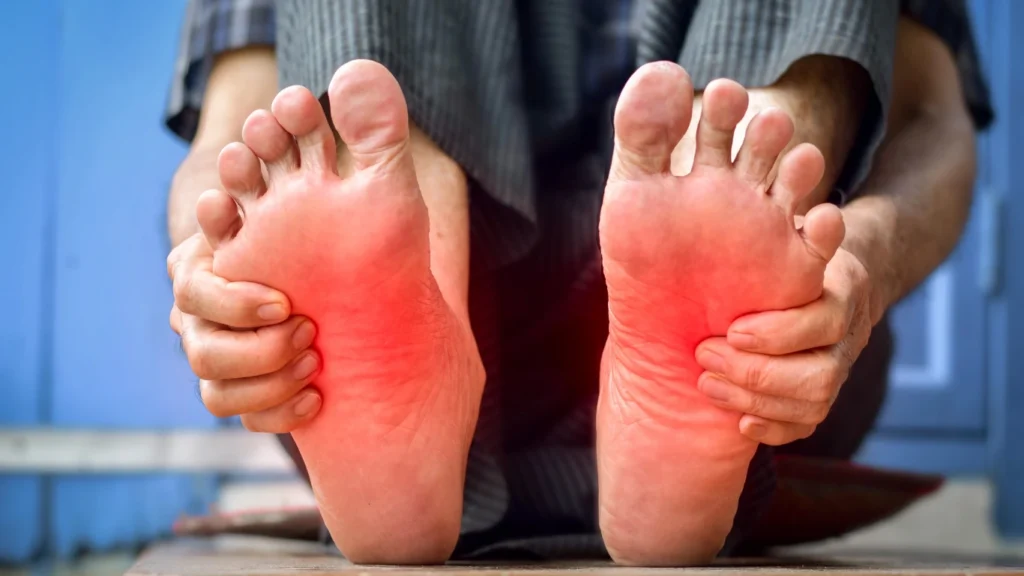
Diabetic peripheral neuropathy usually begins in the longest nerves first. That is why the toes and feet commonly develop symptoms before the hands.
A typical pattern may start with burning, tingling, reduced temperature awareness, or a feeling that socks are present when the feet are bare. As nerve injury advances, symptoms can spread upward and eventually affect the hands.
Hand involvement may feel like wearing invisible gloves. Fine tasks become more difficult because the fingers receive less accurate information about pressure, temperature, and position.
Mayo Clinic lists pain and numbness in the feet, legs, and hands among possible diabetic neuropathy symptoms. The American Diabetes Association also warns that some neuropathy may be present without obvious symptoms, which is one reason regular screening matters.
Numb hands without foot symptoms are often caused by something else. Carpal tunnel syndrome, ulnar nerve compression, a neck problem, vitamin B12 deficiency, medication effects, and thyroid disease should all be considered.
The Finger Pattern Can Point Toward the Nerve Involved
| Where You Feel It | More Likely Pattern | Helpful Detail |
| Thumb, index finger, and middle finger | Median nerve or carpal tunnel syndrome | Often worse at night |
| Little finger and outer half of ring finger | Ulnar nerve compression | Often worse while the elbow is bent |
| Both hands in a glove pattern, especially after foot symptoms | Peripheral polyneuropathy | May include burning or reduced temperature sensation |
| One hand with neck or shoulder pain | Nerve root irritation in the neck | Symptoms may change with neck position |
| Sudden numbness in one arm with facial weakness or speech trouble | Possible stroke | Requires emergency care |
Carpal tunnel and ulnar nerve symptoms follow different finger distributions. Sudden one sided numbness is not a typical slow diabetic hand complication and must be treated as a possible emergency.
5. Waxy Hand Skin and Fingers That Will Not Fully Straighten
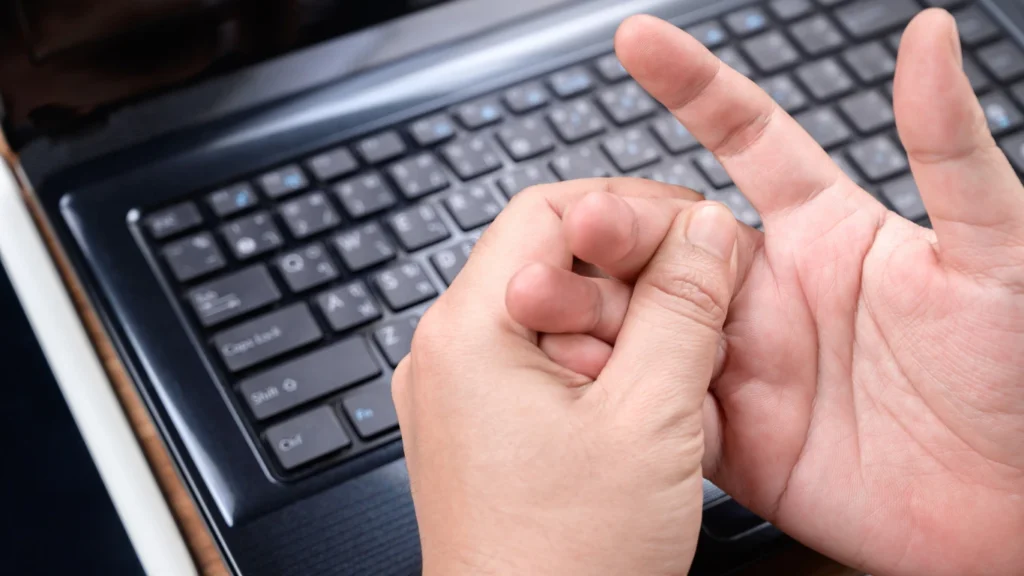
Diabetic stiff hand syndrome is also called diabetic cheiroarthropathy or limited joint mobility syndrome.
The skin may look thick, tight, or waxy. Finger joints gradually lose motion, sometimes without much pain. Everyday tasks such as buttoning a shirt, typing, writing, or placing the hand into a pocket may become difficult.
Two simple observations can reveal limited mobility.
For the prayer check, press the palms and fingers together as though praying. A positive sign means the fingers and palms cannot make full contact.
For the tabletop check, place the hand flat on a table. Difficulty laying the palm and fingers completely flat suggests restricted joint movement.
These checks cannot diagnose diabetes, and they should never replace an examination. Diabetic cheiroarthropathy has been associated with longer diabetes duration, neuropathy, retinopathy, and the accumulation of advanced glycation end products.
Do not force stiff fingers flat or perform painful stretches based only on a home check. Joint restriction can have several causes, and a clinician or hand therapist should first identify the structure involved.
Better glucose management and therapy may slow progression, but established loss of movement is not always completely reversible.
6. Firm Lumps or Cords Developing in the Palm
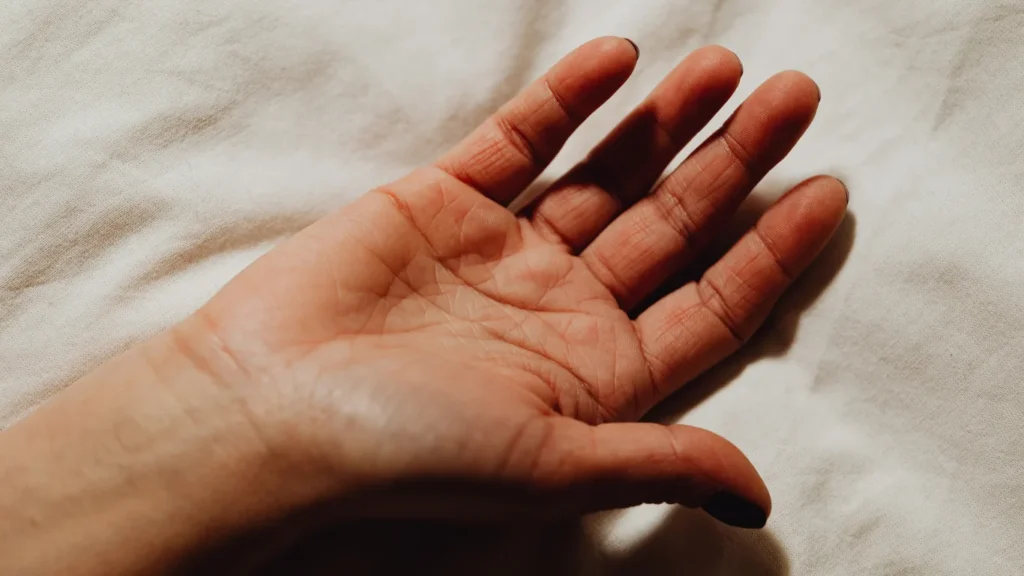
Dupuytren contracture begins in the connective tissue beneath the skin of the palm.
A small, firm nodule may appear first. Over time, a thick cord can form and pull one or more fingers toward the palm. The ring finger and little finger are commonly involved.
Unlike trigger finger, the finger usually does not click or suddenly pop open. The change is often slow and relatively painless.
Dupuytren disease is more common with increasing age and can run in families. Diabetes is another recognized association, although many people with Dupuytren contracture have normal blood sugar.
The 2025 Diabetes Care review included Dupuytren disease among the upper limb complications that occur more frequently in diabetes.
A useful observation is whether you can place the palm flat on a table. Inability to do so may indicate a developing contracture, but stiff hand syndrome and arthritis can create a similar result.
7. Tingling in the Ring and Little Fingers With a Weaker Grip
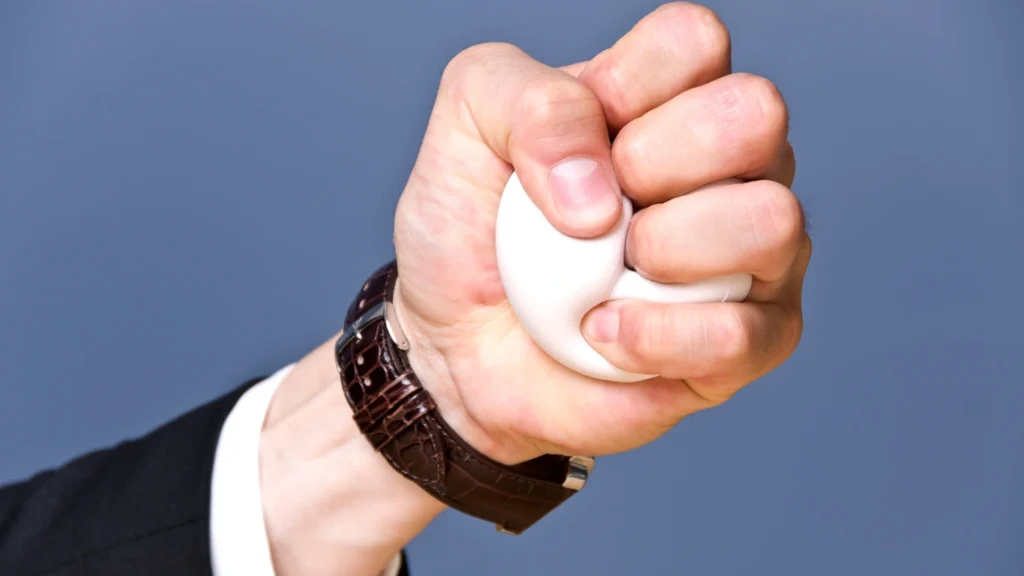
The ulnar nerve supplies sensation to the little finger and part of the ring finger. It also controls several small muscles needed for grip, finger spreading, and precise hand movements.
This nerve is commonly compressed near the elbow in the cubital tunnel. Symptoms may become worse while holding a phone, driving, sleeping with the elbow bent, or leaning on the elbow.
Early signs include tingling in the little and ring fingers. Later symptoms may include reduced grip, trouble spreading the fingers, loss of dexterity, or visible shrinking of small hand muscles.
Diabetes can increase susceptibility to focal nerve entrapment. Research has linked higher A1C, longer diabetes duration, higher body mass index, and diabetic retinopathy with a greater risk of carpal tunnel or ulnar nerve entrapment.
Elbow pressure, previous injury, arthritis, cysts, and repetitive bending can also compress the ulnar nerve. Early evaluation matters because prolonged severe compression may leave lasting weakness.
The Daily Habit That Actually Works
Try this today
The Daily Habit That Actually Works
Do not reduce hand numbness to “just aging” before collecting useful clues. Record the exact fingers, timing, hand-function changes, and any symptoms elsewhere in the body.
A symptom record can help a clinician distinguish widespread neuropathy from a compressed median nerve, an ulnar nerve problem, tendon disease, or restricted connective tissue.
The Blood Tests That Provide the Real Answer
Hand and shoulder symptoms can raise suspicion, but diabetes is diagnosed with blood testing.
| Test | Normal Range | Prediabetes Range | Diabetes Range |
| A1C | Below 5.7 percent | 5.7 to 6.4 percent | 6.5 percent or higher |
| Fasting plasma glucose | 99 mg/dL or below | 100 to 125 mg/dL | 126 mg/dL or higher |
| Two hour oral glucose tolerance test | 139 mg/dL or below | 140 to 199 mg/dL | 200 mg/dL or higher |
| Random plasma glucose with clear symptoms | Not used for routine classification | Not used for routine classification | 200 mg/dL or higher |
Unless symptoms and glucose levels clearly establish diabetes, an abnormal result is usually confirmed with a second test. Certain blood disorders, anemia, kidney failure, pregnancy, recent blood loss, and some hemoglobin variants can also affect A1C accuracy.
Will Lowering Blood Sugar Make These Problems Disappear?
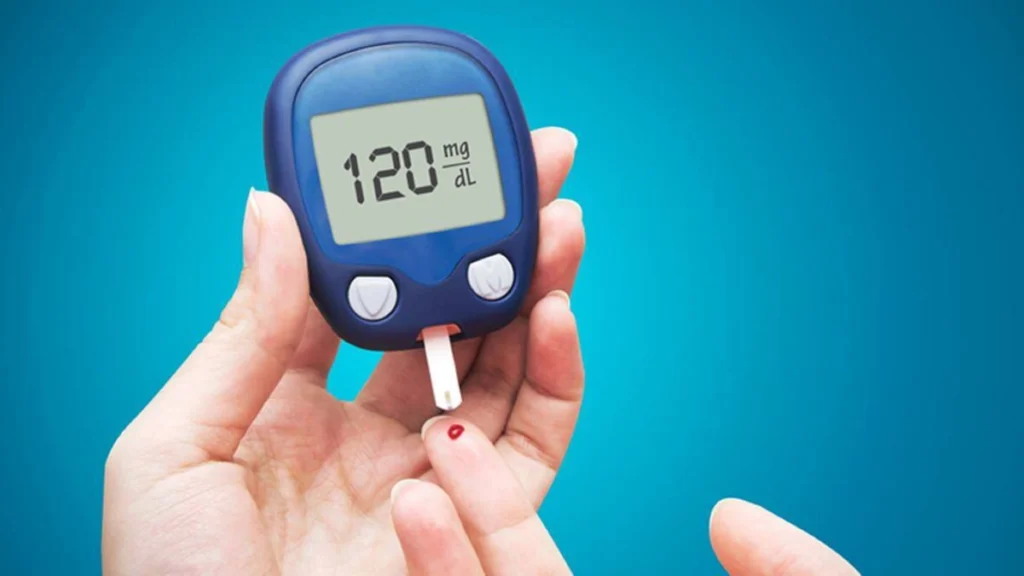
Improved glucose control can help prevent or slow additional nerve damage. Some nerve symptoms may improve, particularly when treatment begins before major sensory loss or muscle weakness develops.
Connective tissue problems are less predictable. A locked trigger finger, severe carpal tunnel syndrome, advanced Dupuytren contracture, or established frozen shoulder may still require splinting, therapy, an injection, or a procedure.
Lowering glucose is important, but it does not replace treatment for the damaged tendon, joint capsule, or compressed nerve.
Cortisone injections are sometimes used for trigger finger, carpal tunnel syndrome, or frozen shoulder. People with diabetes should know that a cortisone injection can temporarily raise blood sugar and may require closer monitoring.