

Aging is not only happening in your skin. It is also happening inside the thin cellular lining of every blood vessel in your body.
When that lining becomes less responsive, blood has a harder time reaching your muscles, brain, heart, and other tissues exactly when they need it. Energy can dip, blood pressure may rise, exercise feels harder, and vascular inflammation becomes easier to trigger.
One small molecule sits near the center of this process: nitric oxide.
Supporting nitric oxide will not literally stop aging or erase every source of inflammation. But research suggests that protecting nitric oxide availability can improve blood vessel function, support healthier blood pressure, and help preserve the circulation that every organ depends on.
Before changing your diet, exercise routine, supplements, or medication, talk with your doctor. This is especially important if you have heart disease, kidney disease, diabetes, low blood pressure, or take blood pressure medicine.
The Part of Aging You Cannot See in the Mirror

Your blood vessels are not rigid plumbing.
They continually tighten and relax in response to movement, temperature, stress, meals, hormones, and the changing oxygen needs of your tissues. During a brisk walk, vessels supplying the legs widen so the muscles receive more blood.
The cells directing much of this activity form the endothelium, a single layer lining the inside of blood vessels.
A healthy endothelium helps regulate vessel tone, inflammation, blood clotting, fluid balance, and the movement of immune cells. One of its most important tools is nitric oxide.
Nitric oxide signals the smooth muscle surrounding an artery to relax. The artery then widens, resistance falls, and blood can move more easily.
Researchers have linked aging with lower nitric oxide availability and weaker endothelium dependent dilation. Oxidative stress can also destroy nitric oxide before the molecule has time to deliver its signal.
| What healthy blood vessels do | What may change with age | Why it matters |
|---|---|---|
| Produce and preserve nitric oxide | Nitric oxide availability may decline | Arteries may not widen as effectively |
| Adjust blood flow during activity | Vessels can become less responsive | Muscles may tire sooner |
| Limit unnecessary immune activation | Oxidative stress can encourage inflammatory signaling | The vessel wall becomes more vulnerable |
| Resist abnormal clotting and plaque development | Endothelial dysfunction creates a less protective surface | Cardiovascular risk may increase |
| Deliver oxygen to active tissues | Stiffer vessels respond more slowly | Brain, heart, and muscle circulation may suffer |
Nitric Oxide Does Not Reverse Every Form of Aging

This distinction matters.
Nitric oxide is not an antiaging switch that turns an older body into a younger one. Human aging involves cellular damage, changes in proteins and genes, declining repair capacity, tissue loss, hormonal changes, and many other processes.
What nitric oxide can influence is vascular aging.
Better nitric oxide signaling may help arteries respond more like healthy, flexible vessels. That can improve measurable markers such as flow mediated dilation, which tests how well an artery widens after blood flow increases.
Nitric oxide also has anti inflammatory and antioxidant actions within the vascular system. When nitric oxide signaling is impaired, the vessel wall can become more inflamed, less flexible, and more likely to promote clotting.
So the realistic goal is not immortality. It is preserving vascular resilience and reducing avoidable damage.
Your Body Has Two Main Ways to Make Nitric Oxide
The first route begins inside the endothelium.
An enzyme called endothelial nitric oxide synthase uses the amino acid arginine to produce nitric oxide. Exercise, normal blood flow, and several plant compounds can support the signaling involved in this pathway.
The second route begins with dietary nitrate.
Vegetables such as beets, arugula, spinach, lettuce, and celery contain nitrate. Oral bacteria convert some of that nitrate into nitrite, which the body can then convert into nitric oxide.
These routes overlap, but they are not identical.
| Nitric oxide pathway | Starting material | What supports it | What can interfere |
|---|---|---|---|
| Endothelial pathway | Arginine within blood vessel cells | Exercise, healthy blood flow, certain plant polyphenols | Smoking, high blood sugar, oxidative stress, inactivity |
| Nitrate pathway | Nitrate from vegetables | Beets, leafy greens, healthy oral bacteria | Frequent use of strong antiseptic mouthwash |
| Nitrite conversion | Nitrite in saliva and blood | Lower oxygen conditions and normal body chemistry | Reduced nitrate intake and disrupted oral bacteria |
| Nitric oxide preservation | Nitric oxide already produced | Antioxidant rich eating patterns and risk factor control | Excess reactive oxygen compounds |
The Most Reliable Nitric Oxide Booster Is Movement

Foods receive most of the attention, but exercise may be the more important long term habit.
When blood flows faster during activity, it creates a gentle force along the endothelium. This force is called shear stress.
The endothelium responds by activating nitric oxide related signaling. With repeated activity, the vessels become better trained to dilate when tissues demand more oxygen.
Regular physical activity has been shown to improve endothelial function, including through greater activation of endothelial nitric oxide synthase.
You do not need to run marathons.
A brisk walk that raises your breathing rate can create a meaningful blood flow stimulus. For many adults, aiming toward 150 minutes of moderate activity each week is a widely used public health target. People who are currently inactive should build up gradually.
A Simple Circulation Routine
Start with a comfortable five minute walk.
Increase your pace for ten to twenty minutes, provided you can still speak in short sentences. Finish with another few minutes at an easier pace.
Adding two weekly sessions of resistance exercise can also help. Chair stands, wall pushups, resistance bands, and light weights encourage working muscles to demand more blood.
Exercise targets should be adjusted for your fitness, balance, medications, and health conditions. Ask a clinician for guidance before starting vigorous activity, particularly if you experience chest discomfort, faintness, severe shortness of breath, or unexplained leg pain.
Beets Feed the Nitrate Pathway Directly
Beets are among the best studied dietary sources of nitrate.
After you eat beets or drink beetroot juice, nitrate circulates through the blood and becomes concentrated in saliva. Bacteria on the tongue convert part of it into nitrite.
That nitrite is swallowed, absorbed, and used to generate nitric oxide.
This is why the mouth is not merely a doorway to the digestive system. It is part of the nitric oxide production pathway.
Systematic reviews suggest that beetroot juice can produce a modest reduction in systolic blood pressure, particularly in people with hypertension.
A 2024 review reported potential benefits from daily intakes supplying about 200 to 800 milligrams of nitrate, though the researchers rated the certainty of evidence as low.
The response is not identical in everyone. Some analyses suggest the endothelial effects may be smaller in older adults or those with greater metabolic risk.
How to Use Beets Without Turning Them Into Medicine
Try adding roasted beets to a grain bowl, salad, or lentil dish.
Beetroot juice is more concentrated, so serving sizes and nitrate content vary greatly between products. Check the label rather than assuming every cup provides the same dose.
Beets can turn urine or stool pink or red. This is usually harmless, though unexpected red urine or stool should never automatically be blamed on food if bleeding is possible.
People prone to calcium oxalate kidney stones may need to limit high oxalate foods such as beets. A kidney specialist or dietitian can help personalize that decision.
Do Not Ignore Leafy Greens
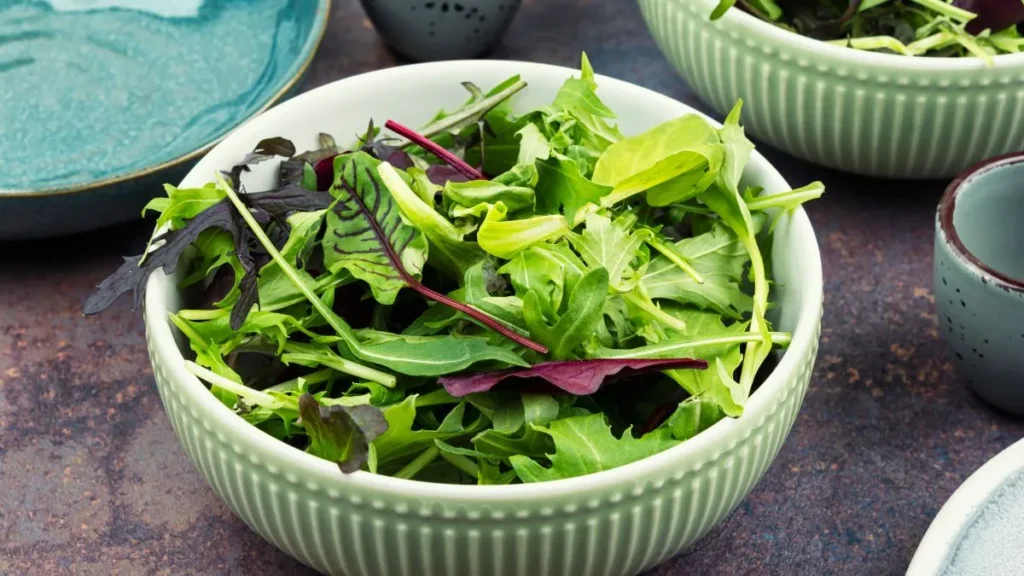
Beets are famous, but they are not the only nitrate rich plants.
Arugula, spinach, lettuce, chard, bok choy, celery, and other leafy vegetables can supply meaningful amounts. Actual nitrate content varies with the plant variety, growing conditions, storage, and preparation.
This variability is one reason food studies do not always produce identical results.
A practical approach is to include leafy greens regularly rather than chasing a precise nitrate number at every meal.
Add arugula to sandwiches, blend spinach into a bean soup, serve cooked greens with lentils, or use lettuce as the base of a substantial salad.
The wider eating pattern matters too. A plate filled with vegetables, legumes, whole grains, fruit, nuts, and seeds supports blood pressure, cholesterol, blood sugar control, and body weight, all of which affect endothelial health.
Blueberries Help Protect the Nitric Oxide Signal

Blueberries do not provide large amounts of dietary nitrate.
Their advantage comes from anthocyanins, the blue and purple plant compounds concentrated in their skin.
Anthocyanin metabolites may interact with endothelial signaling and reduce oxidative processes that consume nitric oxide. In other words, blueberries may help the body make better use of the nitric oxide it already produces.
In a 2019 trial involving adults with metabolic syndrome, one cup of blueberries daily improved flow mediated dilation by about 1.45 percentage points after six months.
A separate study of 63 adults found that one month of wild blueberry intake improved flow mediated dilation and reduced twenty four hour systolic blood pressure.
A 2026 analysis of controlled trials found an average flow mediated dilation improvement of 1.11 percentage points, but it did not find significant overall changes in systolic or diastolic blood pressure.
That is an important reality check.
Blueberries appear promising for vascular function, but they are not a substitute for blood pressure treatment.
Fresh and frozen blueberries are both reasonable choices. Choose unsweetened berries, since syrups and added sugar do not add vascular benefit.
Cocoa Can Help, but the Chocolate Bar Matters
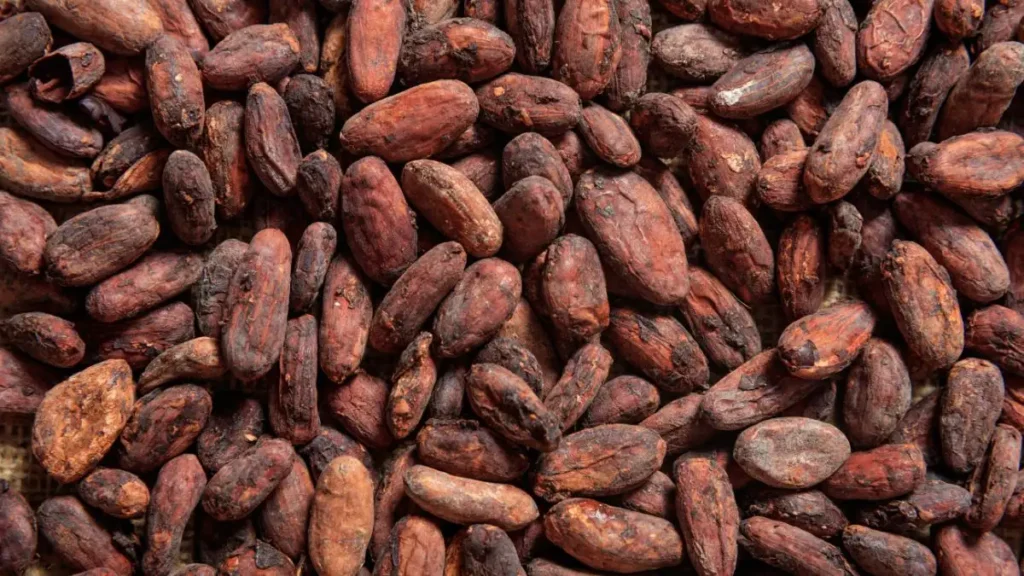
Cocoa flavanols can stimulate nitric oxide related dilation.
Controlled trials and reviews have found small reductions in blood pressure with flavanol rich cocoa. One Cochrane review reported that cocoa flavanols increase endothelial nitric oxide formation, which can promote vessel relaxation.
That does not make every chocolate product a health food.
Many chocolate bars contain more sugar and saturated fat than cocoa flavanols. Manufacturers also use different cocoa varieties and processing methods, so the percentage printed on the package does not reveal the exact flavanol dose.
A small portion of dark chocolate with a high cocoa percentage is a better choice than milk chocolate or a candy bar. Unsweetened cocoa powder can also be stirred into oatmeal, soy yogurt, or a smoothie.
Treat cocoa as an optional addition to a healthy pattern, not the foundation of one.
| Food or habit | Main active feature | Practical use | Evidence based expectation |
|---|---|---|---|
| Beets | Dietary nitrate | Add roasted beets to meals or use a measured beet juice product | May modestly lower systolic blood pressure |
| Arugula and leafy greens | Dietary nitrate plus potassium and antioxidants | Include at lunch or dinner most days | Supports nitrate intake and overall vascular health |
| Blueberries | Anthocyanins | About one cup fresh or frozen | May improve endothelial dilation |
| Flavanol rich cocoa | Cocoa flavanols | Small dark chocolate portion or unsweetened cocoa | May modestly support dilation and blood pressure |
| Brisk walking | Increased blood flow and endothelial stimulation | Build toward regular weekly activity | Improves endothelial function and broader cardiovascular fitness |
| Smoking cessation | Removes a major source of oxidative injury | Seek behavioral and medical support when needed | Helps preserve nitric oxide and reduces cardiovascular risk |
Strong Mouthwash May Interrupt the Process
Your tongue bacteria perform part of the work needed to convert vegetable nitrate into nitric oxide.
In one controlled study, antiseptic mouthwash reduced oral nitrite production by about 90 percent and plasma nitrite by about 25 percent.
Other studies have found that antibacterial rinses can blunt nitrate conversion. Frequent mouthwash use has also been associated with higher hypertension risk, although an association cannot prove that mouthwash caused the higher risk.
This does not mean you should stop prescribed dental treatment.
Dentists may recommend an antiseptic rinse after surgery, during an infection, or for certain gum conditions. Those benefits can outweigh a temporary effect on nitrate conversion.
The sensible step is to avoid treating powerful antiseptic mouthwash as an automatic daily wellness product when there is no dental reason to use it.
Ask your dentist what type of rinse you have, why you need it, and how long you should use it.
What About Barley and Apples?
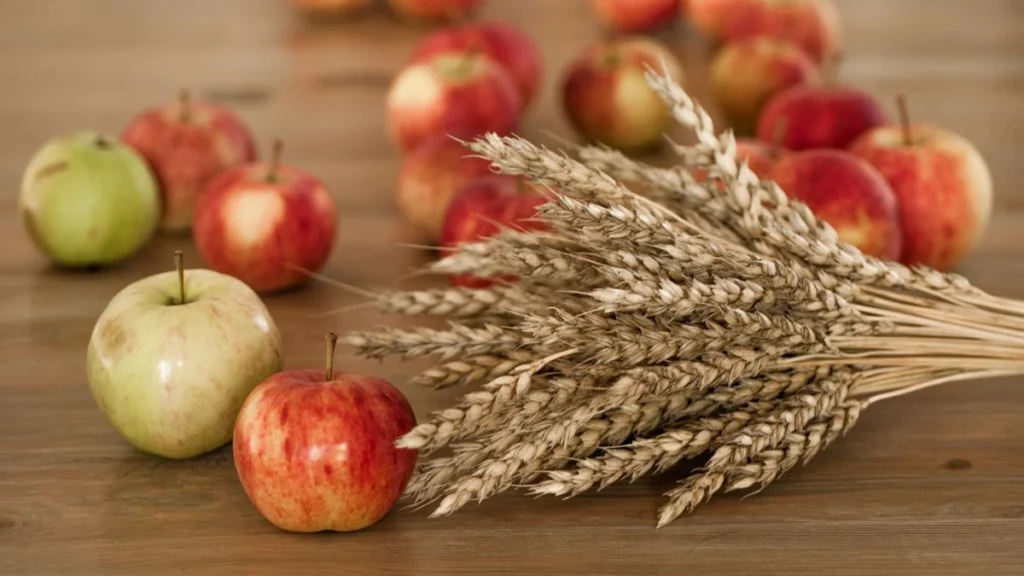
Barley and apples are excellent vascular foods, but describing them as direct nitric oxide boosters oversimplifies their value.
Barley contains beta glucan, a soluble fiber that can lower LDL cholesterol when consumed in adequate amounts. Lower LDL exposure reduces one source of injury to the artery wall.
Beta glucan also reaches the colon, where gut bacteria ferment it into short chain fatty acids. These compounds help regulate immune and metabolic activity.
Apples provide fiber, quercetin, and other polyphenols. Their strongest role is likely as part of a dietary pattern that limits oxidative stress and supports cholesterol and gut health.
That indirectly creates a better environment for the endothelium.
Claims that ordinary servings of apples or barley can regrow damaged human blood vessels or reverse blocked arteries go beyond what current clinical evidence can establish.
The Daily Habit That Actually Works
Try This Today
• Add one handful of leafy greens to lunch or dinner.
• Take a ten minute walk after one meal.
• Replace a sugary dessert with unsweetened berries several times each week.
• Use beans, lentils, barley, or oats in place of a refined grain.
• Ask your dentist whether your daily mouthwash needs to be strongly antiseptic.
These actions work together.
Greens and beets feed the nitrate pathway. Movement stimulates nitric oxide production inside the vessels. Berries and other colorful plants may help control oxidative stress.
Fiber rich foods support cholesterol, blood sugar, and gut health, reducing several pressures that damage the endothelium.
What May Improve, and What Probably Will Not
Nitric oxide supporting habits may improve measurable vascular function within hours, days, or weeks.
A nitrate rich meal can temporarily influence circulating nitrate and nitrite. Exercise creates immediate changes in blood flow. Blueberry studies have measured endothelial improvements after periods ranging from several weeks to several months.
But you may not feel nitric oxide increasing.
More energy, improved walking capacity, or lower blood pressure can have many causes. A home blood pressure cuff and medical follow up are more useful than judging progress by sensation alone.
| Time after starting | What may be happening | What to track |
|---|---|---|
| Within hours | Dietary nitrate enters the nitrate and nitrite pathway | Blood pressure only if your clinician recommends monitoring |
| First two weeks | Walking begins challenging circulation and fitness | Minutes walked, symptoms, recovery, consistency |
| Four to twelve weeks | Endothelial responsiveness and fitness may improve | Blood pressure trend, walking pace, exercise tolerance |
| Three to six months | Broader diet and activity changes may affect cholesterol, glucose, and weight | Laboratory results and clinician reviewed risk factors |
| Long term | Repeated healthy habits reduce cumulative vascular stress | Cardiovascular risk, function, medication needs as assessed by a doctor |
Do not reduce medication because a blood pressure reading improves once.
Blood pressure varies with hydration, stress, sleep, caffeine, pain, temperature, and measurement technique. Medication changes should be based on repeated readings and professional review.