

Your knees rarely fall apart overnight. More often, small stresses accumulate for years until stairs hurt, getting out of a chair feels awkward, and a short walk leaves the joint swollen.
Ignore those early changes, and the muscles supporting the knee may weaken while pain quietly limits your movement.
The good news is that many of the habits orthopedic specialists warn about are modifiable, especially when you address them before severe joint damage develops.
Knee damage is more complicated than simple wear
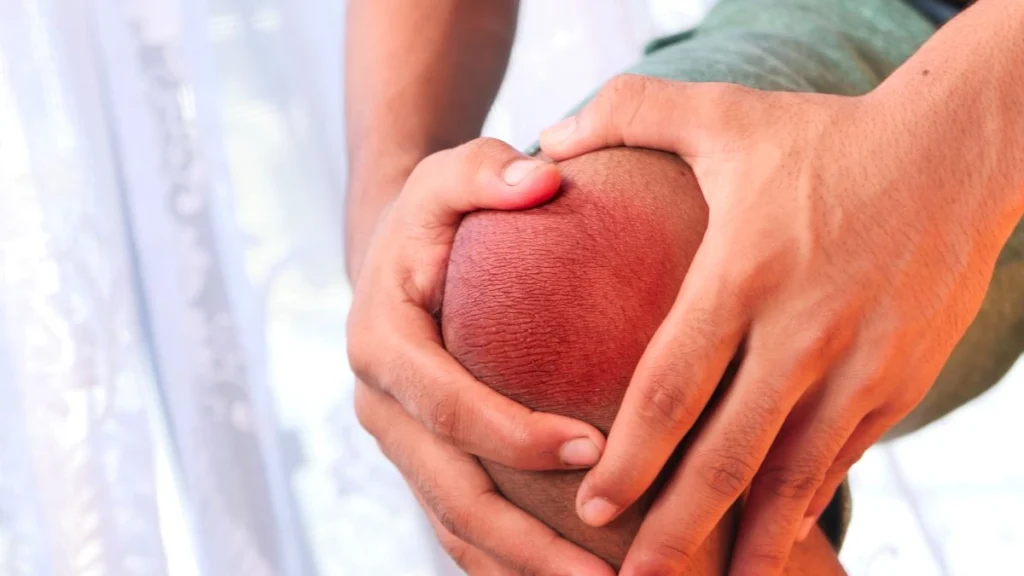
Knee osteoarthritis is often described as cartilage wearing away, but the entire joint can become involved. Cartilage, bone, ligaments, muscles, and the joint lining may all change as the condition progresses.
Age matters, but it is not the only explanation. Excess body weight, previous injury, repetitive occupational stress, poor muscle strength, and abnormal joint alignment can all raise the likelihood of knee trouble.
That distinction matters before 65. You cannot change your age or genetics, but you can often reduce the forces acting on your knees and improve the muscles that control those forces.
| What affects the knee | What may happen over time | How modifiable is it? |
|---|---|---|
| Previous ligament or meniscus injury | Altered stability and greater osteoarthritis risk | Partly modifiable through rehabilitation |
| Excess body weight | Higher joint load and greater metabolic inflammation | Often modifiable |
| Weak thigh and hip muscles | Less control of the knee during movement | Highly modifiable |
| Repetitive kneeling, lifting, and squatting | Repeated compression and occupational stress | Partly modifiable |
| Age and genetics | Changes in tissue repair and inherited susceptibility | Not modifiable |
| Physical inactivity | Loss of strength, mobility, and confidence | Highly modifiable |
1. Carrying extra weight without addressing it
Every extra pound of body weight does not remain a single pound when you walk, climb stairs, or rise from a chair. Movement magnifies the force passing through the knee.
The Arthritis Foundation reports that carrying 10 extra pounds may add roughly 15 to 50 pounds of pressure to the knees, depending on the activity. Excess fat can also influence inflammatory and metabolic processes, so the risk is not purely mechanical.
This does not mean you need a dramatic transformation. For people who are overweight and already have knee osteoarthritis, research reviews have found that losing about 10 percent of body weight while exercising can produce meaningful improvements in pain and physical function.
2. Treating an old knee injury as finished business
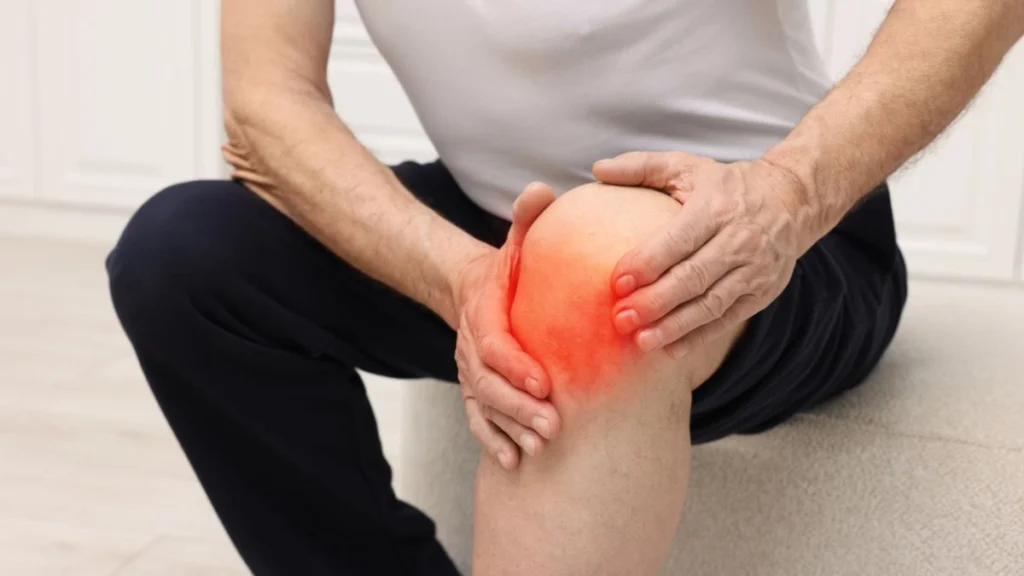
A torn ligament, damaged meniscus, dislocated kneecap, or serious sports injury may feel healed long before normal strength and movement return.
Previous knee trauma is one of the clearest risk factors for later osteoarthritis. One review estimated that earlier knee trauma was associated with nearly four times the risk, while a newer pooled analysis also identified previous injury as a major predictor of future radiographic osteoarthritis.
If one leg still feels weaker, gives way, or moves differently, ask a physical therapist or orthopedic clinician to assess it. A forgotten injury can continue changing how force travels through the joint.
3. Sitting through most of the day
Long periods of sitting do not grind cartilage away directly. The danger is what prolonged inactivity does to the muscles that stabilize the hips, thighs, and knees.
As those muscles lose capacity, ordinary tasks demand a larger share of their available strength. Rising from a low chair, carrying groceries, or descending stairs can suddenly become much harder.
Break up sitting every 30 to 60 minutes when practical. Walk around the room, perform several controlled chair stands, or gently move the knee through a comfortable range.
4. Avoiding exercise because your knees sometimes ache
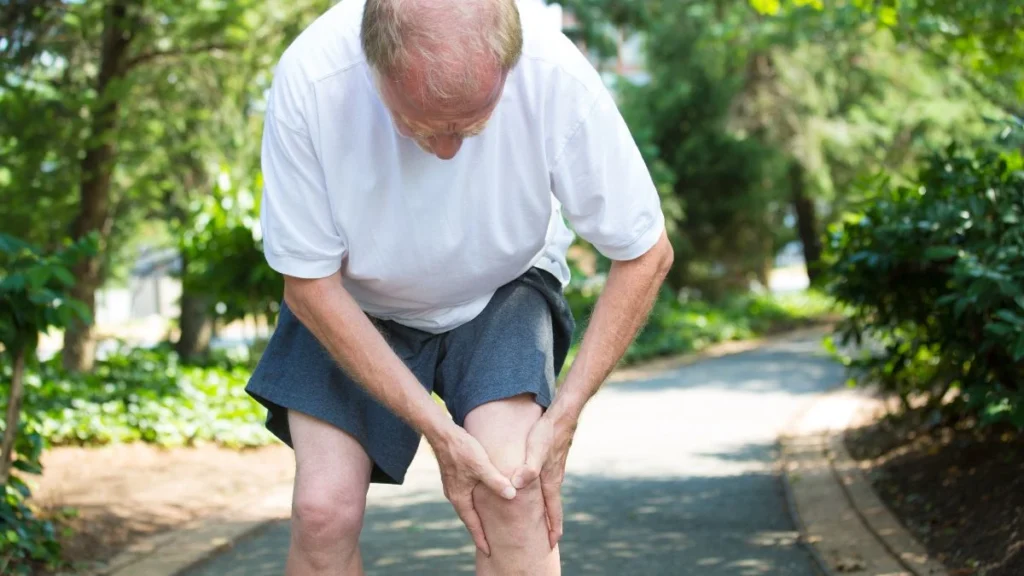
Many people assume that resting a painful knee will preserve it. Extended avoidance can create the opposite problem.
Inactivity can reduce strength, range of motion, balance, and confidence. Exercise programs for knee osteoarthritis are generally considered safe and can improve pain, strength, and function.
Start with low impact options such as level walking, cycling, water exercise, or an elliptical machine. The Centers for Disease Control and Prevention recommends working toward 150 minutes of moderate aerobic activity each week plus muscle strengthening on at least two days, including for many adults with arthritis.
5. Doing cardio while ignoring strength

Walking is valuable, but it does not fully replace progressive strength training.
Your quadriceps help control the knee as it bends. Your hamstrings, calves, and hip muscles also influence balance, alignment, and shock absorption. When these muscles are poorly conditioned, the joint may be less stable during stairs, slopes, and sudden changes of direction.
A simple program might include chair stands, bridges, calf raises, side leg lifts, and controlled step ups. Perform movements slowly and increase resistance only after you can maintain good form.
6. Increasing activity faster than your body can adapt
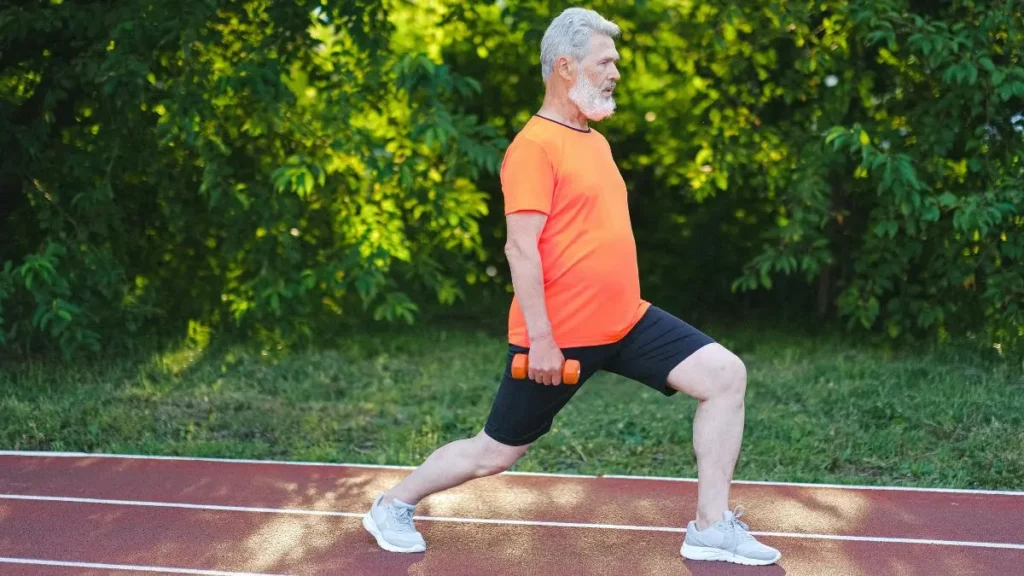
Exercise itself is not the villain. Sudden changes in volume are the bigger concern.
A person who is sedentary all week and then completes a long hike, intense pickleball session, or heavy squat workout on Saturday may expose unprepared muscles and tendons to a sharp jump in demand. Fatigue can then change landing mechanics and reduce control.
Increase one variable at a time. Add a little distance, resistance, or frequency rather than increasing all three in the same week.
Recreational running has not consistently been shown to cause knee osteoarthritis, and some research has found a lower occurrence among recreational runners than among competitive runners and inactive controls. The goal is not to fear movement. It is to build capacity gradually and avoid preventable injury.
| Activity pattern | Likely effect on the knees | Smarter approach |
| No exercise all week, intense sport on weekends | Sudden load on poorly prepared tissues | Add two short conditioning sessions during the week |
| Gradual walking progression | Builds tolerance with relatively low impact | Increase time in small steps |
| Running with stable symptoms and gradual training | Not clearly linked with structural progression in many adults | Monitor pain, swelling, and recovery |
| Heavy exercise through sharp pain | May worsen an unrecognized injury | Stop and obtain an assessment |
| Cycling or water exercise | Provides aerobic work with lower impact | Use during painful periods or while rebuilding capacity |
7. Skipping your warmup
Cold, stiff tissues are not prepared for an abrupt sprint, heavy lift, or deep squat.
The American Academy of Orthopaedic Surgeons recommends 5 to 10 minutes of low impact activity, such as walking or stationary cycling, before knee conditioning exercises. It also advises slow, gentle stretching rather than bouncing.
Your warmup does not need to be complicated. Raise your body temperature, move the hips and ankles, and rehearse the exercise with a smaller range or lighter resistance.
8. Repeating deep kneeling and squatting for hours
An occasional squat performed comfortably is not the same as spending years kneeling, lifting, climbing, or working in a deep crouch.
A systematic review of occupational exposure found higher odds of knee osteoarthritis among people with repeated lifting, kneeling, climbing, squatting, and prolonged standing compared with sedentary workers. Higher risk occupations included construction, farming, metal work, and floor laying.
Use knee pads when kneeling cannot be avoided. Change positions frequently, use a low stool, divide heavy loads, and ask for mechanical assistance rather than treating joint pain as part of the job.
9. Exercising with poor knee alignment
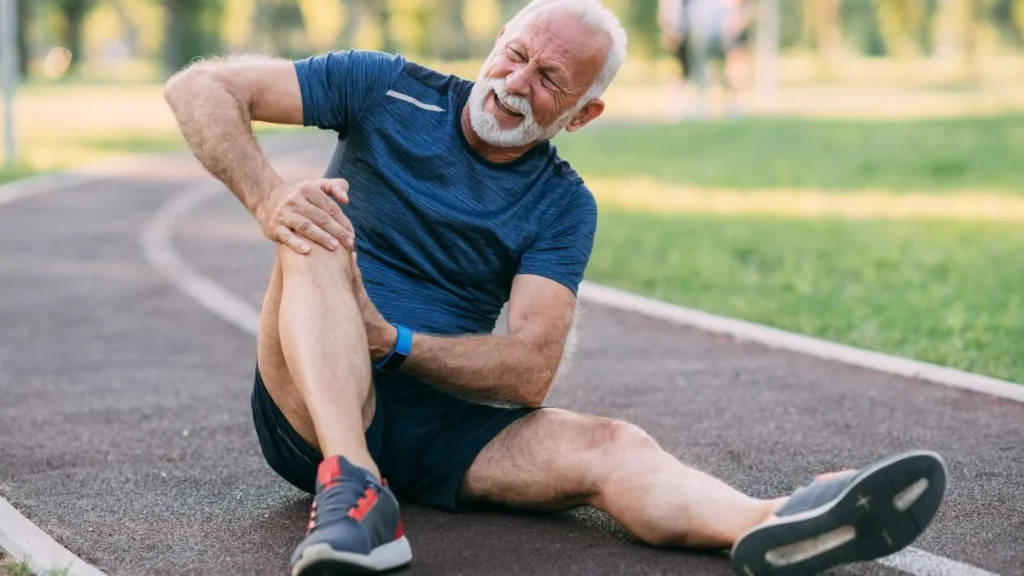
The knee is strongly influenced by what happens above and below it.
Weak hip muscles may allow the thigh to rotate inward. Limited ankle mobility may force the foot or knee to compensate. During a squat or step, this can produce a visible inward collapse or an uneven shift toward one leg.
A mirror or a short phone video can reveal obvious asymmetry, but it cannot diagnose the cause. Persistent collapsing, twisting, or one sided pain deserves an assessment from a physical therapist.
10. Wearing shoes that have lost their structure
Shoes cannot cure arthritis, but they affect comfort, balance, and how force is transferred from the ground through the leg.
A supportive walking shoe should generally fit securely, provide cushioning, and bend near the ball of the foot rather than folding easily through the middle. Shoe inserts may help redistribute pressure in selected people, particularly when foot mechanics contribute to discomfort.
Replace shoes when the tread is uneven, the midsole feels compressed, or your foot tilts noticeably. Do not assume the most heavily cushioned or expensive option is automatically best for your gait.
11. Pushing through swelling
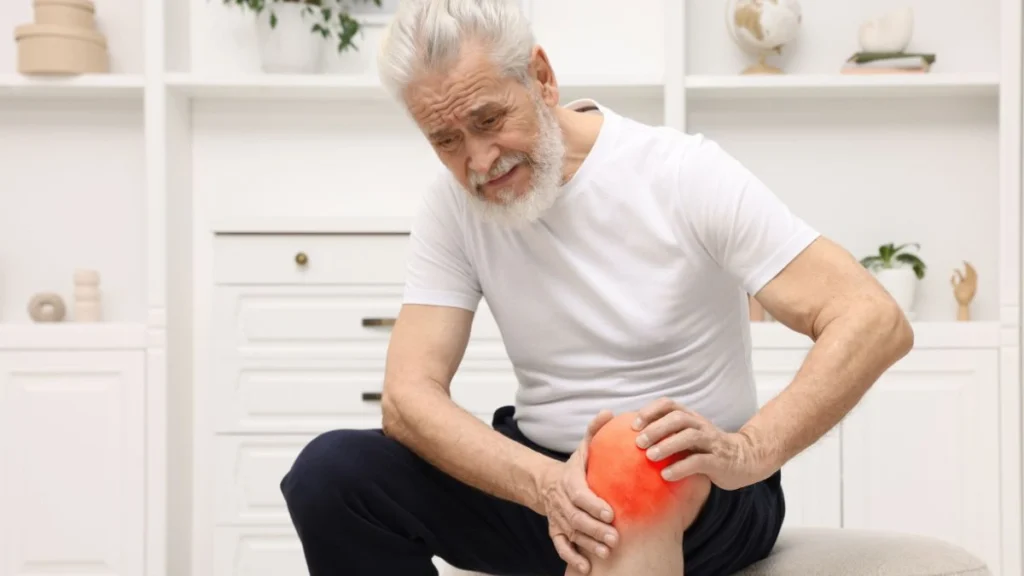
Mild muscle fatigue after exercise is different from a knee that becomes hot, puffy, unstable, or increasingly painful.
Swelling means the joint or surrounding tissues are irritated. Continuing the same activity without adjusting the load can prolong the reaction and hide an injury that needs treatment.
Reduce the aggravating activity and monitor how the knee responds over the next day. Repeated swelling after ordinary walking, exercise, or work should be evaluated rather than normalized.
Exercise instructions must be individualized when a knee is swollen, unstable, recently injured, or recovering from surgery. Ask a clinician which movements and resistance levels are appropriate for your condition.
12. Masking pain so you can keep overloading the joint
Pain relief can be useful, but it should not become permission to ignore the cause.
Regularly taking medication before strenuous activity may make it easier to exceed your current capacity. You may miss the feedback that normally tells you to shorten the session, alter your form, or stop.
Discuss frequent pain medicine use with a healthcare professional. Some medicines can affect the stomach, kidneys, blood pressure, or interact with other treatments, and knee pain may require a diagnosis rather than repeated suppression.
13. Letting stiffness steadily shrink your movement
A knee that is never fully bent or straightened may gradually become harder to use.
Reduced movement can change your walking pattern and make the hip, ankle, or opposite leg compensate. It also makes everyday positions such as getting into a car or standing from a sofa more demanding.
Move the knee gently through a comfortable range each day. Do not force a blocked or sharply painful joint, especially if it catches or locks.
14. Ignoring blood sugar and metabolic health

Knee health is not isolated from the rest of the body.
Obesity, diabetes, and inactivity commonly overlap with osteoarthritis. Research involving people with both diabetes and knee osteoarthritis has linked the combination with poorer muscle strength, less physical activity, and worse quality of life.
Diabetes has also been associated with thigh muscle degeneration and worsening knee related symptoms in observational research.
Managing blood sugar, blood pressure, sleep, nutrition, and body weight supports your ability to stay active. These measures do not regrow lost cartilage, but they may address factors that worsen pain and function.
15. Waiting until pain controls your life
Knee symptoms often develop gradually. That makes them easy to explain away until walking distance has shortened and stairs have become a daily obstacle.
Earlier evaluation can identify treatable problems such as muscle weakness, tendon irritation, movement deficits, inflammatory arthritis, or an unstable meniscus or ligament. It can also help you modify activities before deconditioning becomes severe.
Make an appointment when pain persists for more than a few weeks, repeatedly returns, or changes the way you walk.
What healthy knee activity actually looks like
A strong knee routine is not built around one perfect exercise. It combines regular movement, strength, gradual progression, and adequate recovery.
| Goal | Practical starting point | Why it matters |
| Maintain aerobic fitness | 10 to 20 minutes of walking or cycling on most days | Builds endurance and movement tolerance |
| Strengthen the thighs | Chair stands or controlled knee extensions, 2 days weekly | Helps support and control the knee |
| Strengthen the hips | Bridges and side leg lifts, 2 days weekly | Improves control of the thigh and pelvis |
| Preserve mobility | Gentle knee bending and straightening daily | Helps maintain usable range |
| Manage workload | Increase exercise gradually | Gives muscles and tendons time to adapt |
| Track recovery | Note next day pain and swelling | Helps identify excessive loading |
A useful discomfort rule is to watch the trend rather than one sensation. Mild aching that settles shortly after activity may be acceptable for some people, while worsening pain, limping, or swelling that lasts into the next day suggests the session was too demanding.