

Reaching your sixties means your heart has already beaten well over two billion times. The rules that kept it pumping smoothly in your thirties simply no longer apply.
A single morning routine mistake or a popular healthy snack can quietly stiffen your arteries before you ever feel a symptom.
Turns out there are specific everyday habits that top heart doctors completely eliminate from their own lives once they cross that age threshold.
Before making any changes based on this article, talk to your doctor, especially if you are currently taking medication or have a diagnosed condition.
Cardiologists spend their days repairing the damage caused by decades of small lifestyle choices. They see exactly what causes plaque buildup and irregular rhythms in older adults. Their preventative strategies go far beyond simply telling you to eat more vegetables.
Here are the exactly seventeen habits heart specialists actively avoid after age 60.
1. Ignoring Minor Dental Issues

Gum disease is not just a cosmetic problem. Bacteria from infected gums can enter your bloodstream and travel directly to your heart valves. Cardiologists know that poor oral hygiene is strongly linked to endocarditis and systemic inflammation.
You must treat flossing as a cardiovascular necessity. Schedule dental cleanings twice a year without fail.
2. Shoveling Heavy Snow
This winter chore is a notorious trigger for sudden cardiac events in adults over sixty. Cold air strictly constricts your arteries while heavy lifting spikes your blood pressure simultaneously. This combination can force a vulnerable plaque to rupture.
Hire a service or use a powerful snow blower instead. Never test your limits with a shovel in freezing weather.
3. Relying on Daily Painkillers

Many older adults pop over the counter NSAIDs like ibuprofen daily for joint pain. These medications cause your body to retain sodium and fluid. This extra fluid volume forces your heart to work significantly harder.
Cardiologists often prefer acetaminophen for everyday aches. They reserve heavy NSAID use for strict emergencies under medical supervision.
| Everyday Food Habit | Hidden Heart Risk | Cardiologist Approved Swap |
| Diet Soda Daily | Artificial sweeteners alter gut microbiome and link to AFib | Sparkling water with fresh lemon |
| Processed Deli Turkey | High sodium stiffen blood vessels instantly | Home roasted poultry slices |
| Flavored Morning Yogurt | Hidden fructose spikes triglycerides rapidly | Plain yogurt with fresh berries |
| Daily Energy Bars | Processed isolates cause rapid glucose spikes | A handful of raw almonds |
4. Drinking Diet Sodas Regularly
Artificial sweeteners were once praised as a great weight loss tool. Recent research links heavy consumption of these chemicals to an increased risk of atrial fibrillation and altered gut bacteria. The sweet taste tricks your brain into demanding more calories later in the day.
Heart doctors hydrate with plain water or unsweetened green tea. They view diet drinks as chemical experiments they prefer to avoid.
5. Sitting Uninterrupted for Hours

Prolonged sitting severely damages your endothelial function. Blood pools in your lower legs and your body stops producing lipoprotein lipase entirely. This enzyme is crucial for breaking down fat in your bloodstream.
Set a timer to stand up every single hour. Even a two minute lap around your living room restores healthy circulation.
6. Dismissing Heavy Snoring

Snoring is often treated as a harmless annoyance. Heavy snoring usually indicates obstructive sleep apnea. This condition causes your oxygen levels to plummet multiple times per hour while you sleep.
Your brain responds to low oxygen by flooding your system with adrenaline. This overnight stress severely damages your heart muscle over time. Ask your doctor for a sleep study if you wake up gasping.
Everyone responds to lifestyle changes differently, so check with your healthcare provider before adjusting your routine if you have an existing condition or take medication.
7. Eating Processed Deli Meats
Packaged cold cuts are loaded with sodium and synthetic nitrates. These preservatives act as strict vasoconstrictors. They narrow your blood vessels and increase your risk of arterial calcification.
Roast your own chicken or beef at home on Sundays. Slice it thin for sandwiches throughout the week.
8. Skipping the Exercise Cool Down
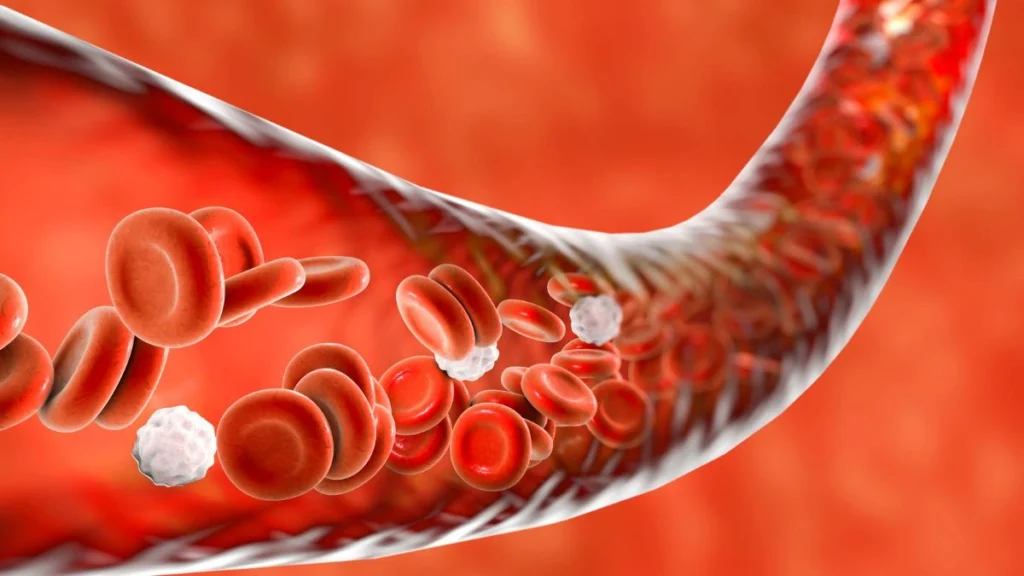
Stopping a vigorous workout abruptly is incredibly dangerous after sixty. Your blood vessels are dilated to deliver oxygen to your muscles. Stopping suddenly causes blood to pool in your extremities.
This pooling deprives your heart and brain of essential oxygen flow. Always finish your exercise with five full minutes of slow walking.
9. Taking Calcium Supplements Blindly
Many adults take heavy calcium pills hoping to preserve their bone density. Excess calcium that your bones cannot absorb often ends up in your bloodstream. It deposits directly into your arterial walls and creates dangerous calcified plaque.
Cardiologists prefer you get your calcium entirely from leafy greens and dairy. Never take high dose calcium pills without a specific doctor recommendation.
10. Drinking Alcohol Daily
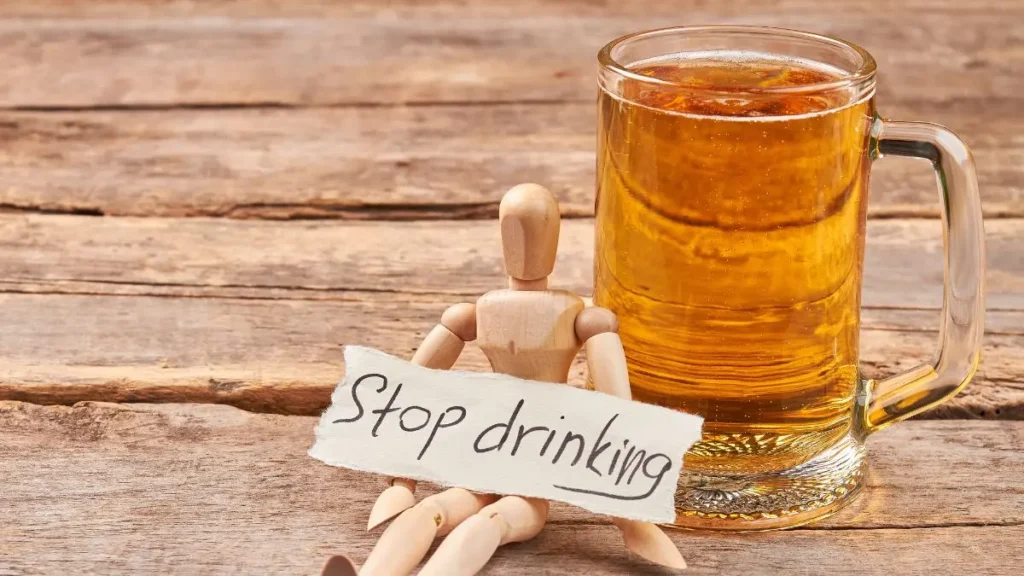
The myth that a daily glass of wine is purely medicinal is fading rapidly. Alcohol is a cardiotoxin that weakens your heart muscle directly. Even moderate daily drinking significantly raises your risk of developing atrial fibrillation as you age.
Save alcohol strictly for rare celebrations. Enjoy a glass of tart cherry juice in the evenings instead.
| Heart Symptom | Possible Hidden Cause | When To Seek Urgent Care |
| Sudden extreme fatigue | Microvascular heart disease | If resting does not restore your energy |
| Swollen feet and ankles | Early stage heart failure | If swelling leaves an indent when pressed |
| Racing heartbeat at rest | Atrial fibrillation episode | If accompanied by dizziness or sweating |
| Indigestion feeling | Atypical angina or blockages | If antacids provide zero relief |
11. Ignoring Sudden Drops in Stamina
Brushing off a sudden loss of energy as normal aging is a massive mistake. Microvascular disease often presents as sudden unexplained fatigue rather than classic chest crushing pain. If you suddenly cannot climb the stairs you handled easily last week, your heart might be struggling.
Track your walking tolerance weekly. Report any sudden declines directly to your physician.
12. Eating Hidden Morning Sugars
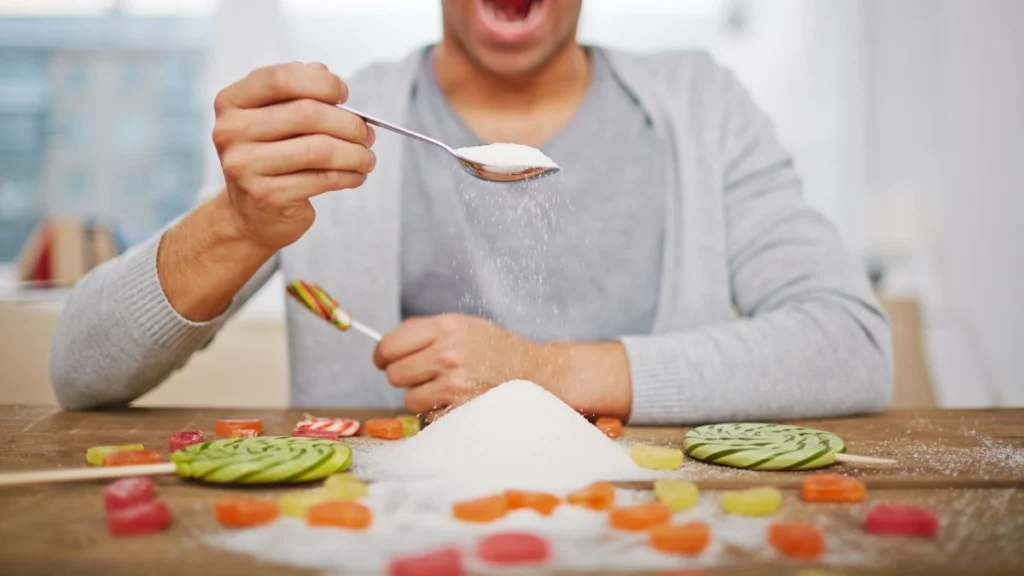
A breakfast of flavored oatmeal and store bought granola seems perfectly healthy. These foods are packed with refined fructose that spikes your triglycerides immediately. High triglycerides create sticky blood that forces your heart to pump harder.
Cardiologists usually eat savory breakfasts like eggs or avocado. They save sweet items for occasional desserts.
The Daily Habit That Actually Works
- Drink a glass of water immediately upon waking. This restores blood volume after overnight dehydration.
- Walk for ten minutes after your heaviest meal. This blunts the glucose spike that damages your arteries.
- Add a handful of spinach to one meal daily. The natural nitrates help keep your blood vessels flexible.
- Do five deep belly breaths before sleep. This activates your vagus nerve and lowers your resting heart rate.
13. Skimping on Deep Sleep

Your cardiovascular system requires a nightly drop in blood pressure to heal microscopic tears in your blood vessels. Getting less than six hours of sleep prevents this crucial nocturnal dip from happening. Chronic sleep deprivation keeps your cortisol levels artificially elevated all day.
Prioritize a strict bedtime routine. Keep your bedroom entirely dark and cool.
14. Vaping or Using Nicotine Pouches

Some older adults switch from smoking to vaping under the false impression that it is totally safe. The aerosolized chemicals in vapes damage the delicate endothelial lining of your blood vessels immediately upon inhalation. This causes instant vascular stiffness.
Complete cessation is the only acceptable option for your heart. Talk to your doctor about proven quit methods.
Red Flag Warning Signs
Stop reading and call a doctor immediately if you experience any of the following symptoms.
- Chest pressure that radiates to your jaw or left arm.
- Sudden shortness of breath while completely at rest.
- Fainting or severe dizziness upon standing.
- A rapid irregular heartbeat that does not slow down after five minutes of rest.
15. Brushing Off Chronic Stress

Chronic loneliness and persistent stress are not just emotional issues. They cause physical inflammation at a cellular level. Studies show that severe social isolation damages your heart just as much as smoking fifteen cigarettes a day.
Cardiologists actively prioritize their social lives and mental well being. Schedule regular weekly engagements with friends or community groups.
16. Skipping Advanced Blood Work
A standard cholesterol check is rarely enough information after age sixty. The silent creep of Apolipoprotein B and highly sensitive C reactive protein causes damage long before traditional symptoms appear. You need to know these advanced numbers to understand your true risk.
Demand an advanced lipid panel at your next physical. Knowing your precise markers is the ultimate preventative tool.
| Vital Blood Marker | What It Actually Measures | Optimal Goal Range |
| Apolipoprotein B | The number of plaque building particles | Keep below 90 mg per dL |
| hs CRP | Systemic inflammation in your arteries | Keep below 1.0 mg per L |
| Hemoglobin A1C | Three month average of your blood sugar | Keep below 5.7 percent |
| Triglycerides | Fat moving through your bloodstream | Keep below 150 mg per dL |
17. Pushing Through Viral Illnesses
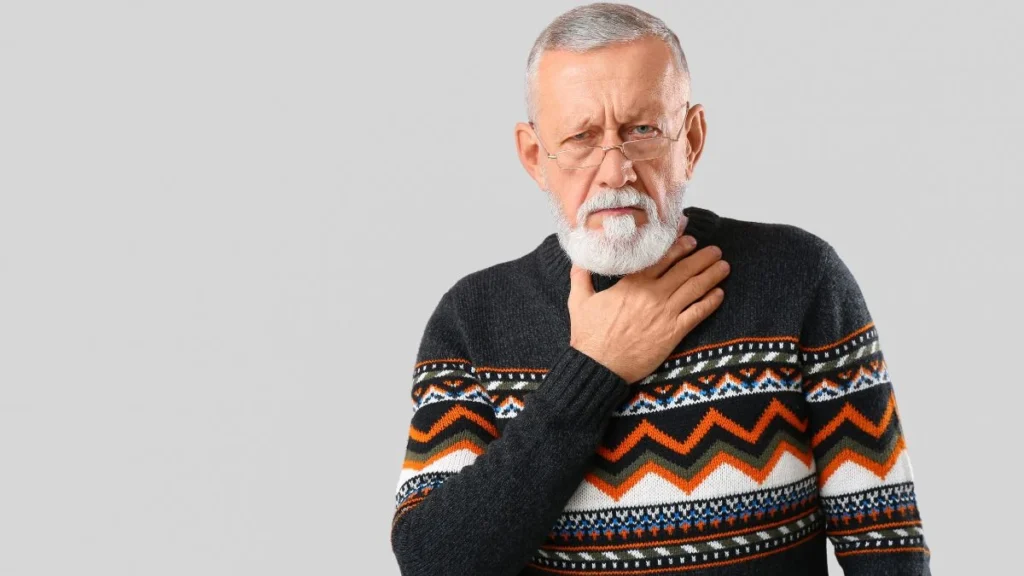
Exercising with a fever or heavy chest cold is incredibly dangerous. Viral infections can easily travel to your heart and cause myocarditis. This severe inflammation of the heart muscle can leave permanent scarring.
Cardiologists rest completely when they catch a virus. They wait until their fever breaks entirely before resuming any physical activity.
Your heart is highly resilient when given the proper environment. Dropping these seventeen habits reduces your daily cardiac strain immensely. Small consistent choices truly determine how well your heart ages.
Focus on replacing one poor habit with a better alternative each week. Your future self will be incredibly grateful for the effort.