

You may be protecting your heart while quietly overlooking the same problems that can damage your brain. High blood pressure, hearing loss, loneliness, poor vision, and several everyday habits can slowly increase dementia risk years before memory trouble becomes obvious.
That delay is what makes these risks easy to ignore. By the time thinking skills change, some brain and blood vessel damage may already have been developing for decades.
The encouraging part is that researchers have identified 14 potentially modifiable dementia risk factors.
Before changing medication, alcohol use, exercise, or treatment for a health condition, speak with your doctor. Dementia risk is personal, and no lifestyle plan can guarantee prevention.
What The 45 Percent Figure Really Means

The 45 percent estimate comes from the 2024 report of the Lancet Commission on dementia prevention, intervention, and care. The report updated an earlier list of 12 factors by adding high LDL cholesterol in midlife and untreated vision loss in later life.
The number does not mean that 45 percent of every person’s risk is controllable. It means that, across populations, nearly half of dementia cases are statistically associated with these 14 factors.
Some risks also overlap. Physical inactivity can contribute to obesity, diabetes, high blood pressure, depression, and social isolation. Treating one problem may therefore improve several parts of brain health at once.
Dementia is not a single disease. It describes a decline in memory, language, judgment, behavior, or other thinking abilities that interferes with daily life. Alzheimer’s disease is the most common cause, but strokes, Lewy body disease, and other brain conditions can also produce dementia.
| Life period | Risk factors that often matter most | Why timing matters |
|---|---|---|
| Childhood and early adulthood | Less education | Learning builds cognitive reserve, which may help the brain cope with later damage |
| Midlife | Hearing loss, high LDL cholesterol, high blood pressure, obesity, depression, physical inactivity, diabetes, smoking, excessive alcohol, head injury | Blood vessel, metabolic, sensory, and inflammatory damage can build for years before symptoms |
| Later life | Social isolation, air pollution, untreated vision loss, persistent hearing loss | Reduced stimulation, vascular injury, and loss of independence may accelerate cognitive decline |
| Across the lifespan | Exercise, smoking avoidance, healthy blood pressure, social contact, sensory care | Protection is more useful when it starts early, but later action can still support health |
1. Hearing Loss Makes The Brain Work Harder

Hearing loss is one of the strongest modifiable factors in the Lancet model. When speech becomes difficult to hear, the brain must devote more effort to decoding sound, leaving fewer resources for memory and attention.
Hearing problems can also cause people to avoid restaurants, family gatherings, religious services, and group activities. That creates a second problem because reduced social contact is another dementia risk factor.
Do not wait until hearing loss becomes severe. Ask for a hearing assessment if you turn up the television, miss parts of conversations, or think other people mumble.
Hearing aids do not guarantee protection from dementia. However, treating meaningful hearing loss can improve communication, independence, and social participation, and current World Health Organization guidance supports appropriate hearing care.
2. High LDL Cholesterol Can Injure The Brain’s Blood Supply
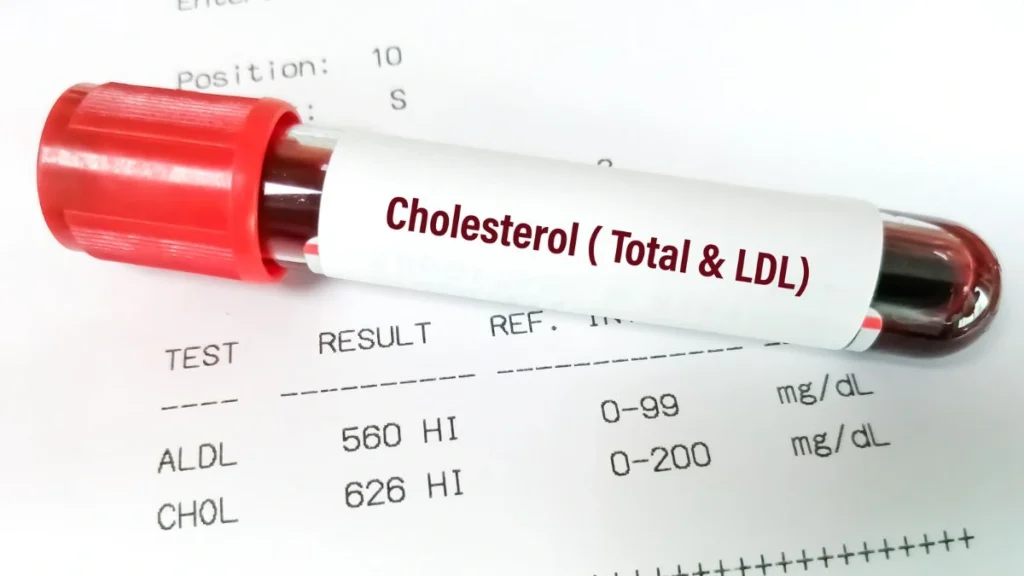
LDL cholesterol can build inside artery walls. Over time, this contributes to atherosclerosis, which narrows blood vessels and raises the risk of heart attack and stroke.
The brain depends on a constant supply of oxygen rich blood. Large strokes can cause an abrupt loss of thinking ability, while repeated small vessel injuries may produce a slower decline.
The Lancet Commission added high LDL cholesterol in midlife to its 2024 list. This makes cholesterol testing especially relevant from around age 40 onward, when treatment may protect both cardiovascular and brain health over the following decades.
Ask your clinician how often you need a lipid panel. The right target depends on your age, diabetes status, blood pressure, smoking history, and previous heart or blood vessel disease.
3. High Blood Pressure Damages Small Brain Vessels
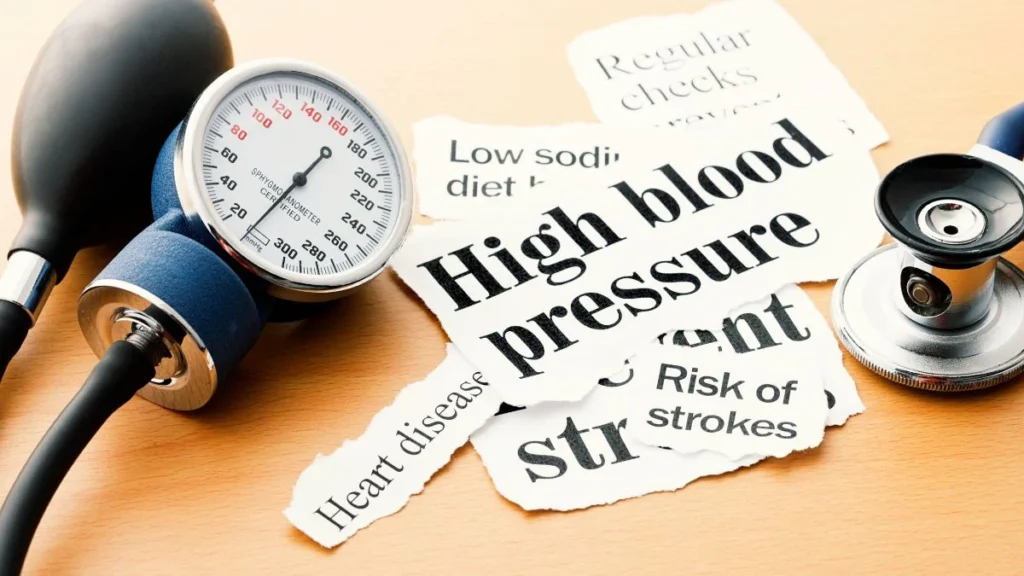
High blood pressure places repeated strain on the thin vessels that feed brain tissue. This can contribute to strokes, tiny areas of bleeding, and damage to white matter, which carries signals between brain regions.
The dangerous part is that hypertension often causes no obvious symptoms. You can feel normal while your arteries absorb years of excess pressure.
Studies reviewed by the National Institute on Aging indicate that managing high blood pressure can reduce the risk of mild cognitive impairment and dementia.
Check your blood pressure rather than guessing. A clinician should confirm persistent high readings and decide whether lifestyle changes, medication, or both are appropriate.
4. Untreated Vision Loss Shrinks Daily Stimulation
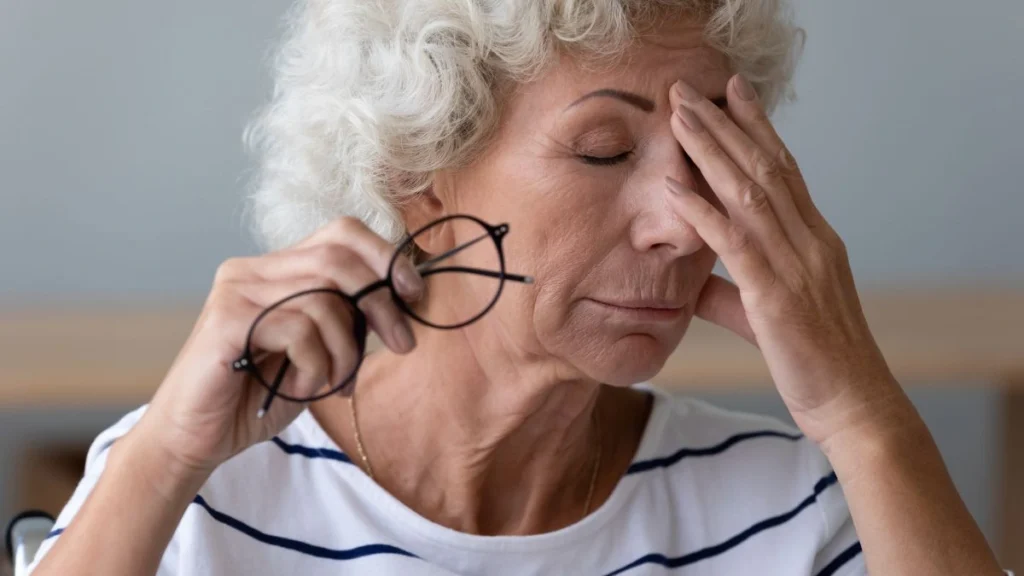
Poor vision can make reading, driving, cooking, exercising, and recognizing faces more difficult. As those activities disappear, mental stimulation and social contact may fall with them.
Vision loss also increases the risk of falls. A serious fall can lead to a head injury, reduced mobility, fear of leaving home, and greater isolation.
Untreated vision loss was the second new factor added to the 2024 Lancet list. Research supported by the National Institute on Aging has also linked vision impairment with a meaningful share of dementia cases among older adults in the United States.
Schedule regular eye examinations, especially if you have diabetes, high blood pressure, glaucoma risk, or trouble seeing at night. Cataracts, outdated prescriptions, and several retinal conditions may be treatable.
5. Physical Inactivity Removes A Major Brain Stimulus
Movement raises blood flow, challenges coordination, supports insulin sensitivity, and helps control blood pressure. Exercise may also support chemicals involved in the maintenance and adaptability of brain cells.
You do not need punishing workouts. Walking, cycling, swimming, gardening, resistance training, and active housework can all contribute.
A practical target for many adults is at least 150 minutes of moderate aerobic activity each week, plus muscle strengthening on two days. People with pain, balance problems, heart disease, or long periods of inactivity should ask a healthcare professional how to begin safely.
Sitting less matters too. Break up long periods in a chair with a few minutes of standing or walking whenever possible.
| Activity | Practical starting amount | Brain related benefit |
| Brisk walking | 10 minutes, once or twice daily | Supports blood flow, blood pressure, mood, and glucose control |
| Strength exercise | 2 sessions each week | Preserves mobility and makes continued activity easier |
| Balance practice | 5 to 10 minutes, 3 days weekly | May reduce falls and head injury risk |
| Social movement | Walking group or class once weekly | Combines exercise with social contact |
| Sitting breaks | 2 to 5 minutes every hour | Reduces long periods of complete inactivity |
Exercise needs to match your current health. Seek individual guidance if you have chest symptoms, severe shortness of breath, frequent falls, uncontrolled blood pressure, or a recent operation.
6. Diabetes Exposes Brain Vessels To Metabolic Stress
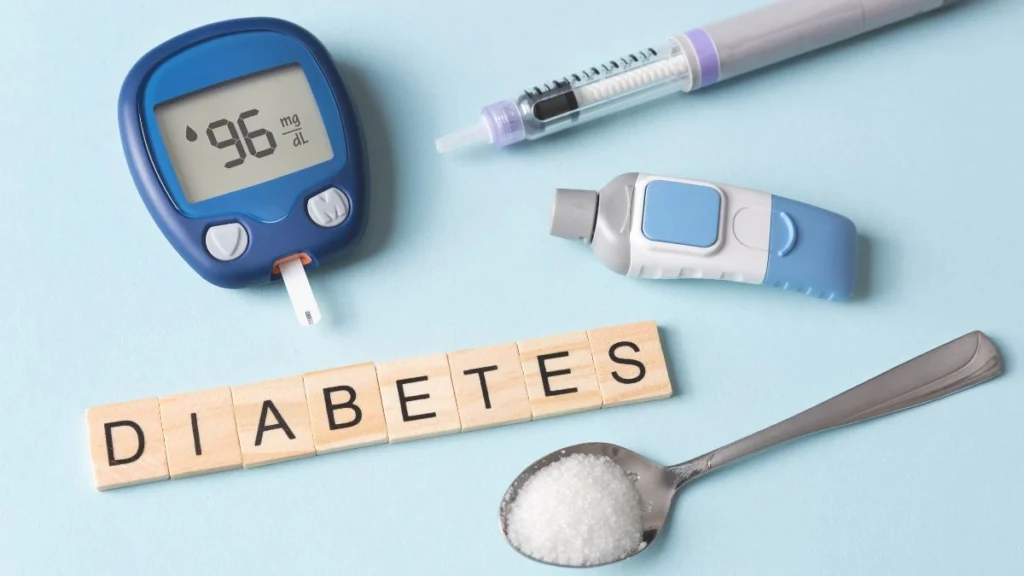
Persistently high blood glucose damages blood vessels throughout the body, including those supplying the brain. Diabetes is also associated with inflammation, stroke risk, kidney disease, and changes in insulin signaling.
The goal is not simply to avoid sugar. Effective diabetes management may involve food choices, regular movement, sleep, weight management, glucose monitoring, and medication.
Ask for your personal A1C target rather than copying someone else’s number. Targets can differ for younger adults, older adults, pregnant people, and those at risk of low blood sugar.
If you have prediabetes, treat it as an early warning. Improvements in activity, weight, food quality, and sleep may delay or prevent progression to type 2 diabetes in many people.
7. Smoking Reduces Oxygen And Injures Arteries

Tobacco smoke exposes blood vessels to chemicals that promote inflammation, clotting, and artery damage. Smoking also increases stroke risk and reduces the efficiency with which oxygen reaches tissues.
Quitting can help at any age. The most effective approach often combines behavioral support with approved stop smoking treatments rather than relying on willpower alone.
Tell your doctor if previous attempts failed. Nicotine replacement, prescription medication, counseling, and quit programs can be adjusted around your medical history.
Avoiding secondhand smoke matters as well, especially inside the home and car.
8. Excessive Alcohol Can Directly Harm Brain Tissue

Heavy alcohol use can injure brain cells, worsen blood pressure, disrupt sleep, increase falls, and contribute to nutritional deficiencies. Severe, prolonged use can cause alcohol related brain damage that affects memory and judgment.
The Lancet model focuses on excessive consumption, not the occasional drink. However, there is no need to start drinking for brain health, and alcohol should not be treated as a dementia prevention tool.
People who drink should discuss safe limits with a clinician because risk differs with liver disease, medications, pregnancy, cancer history, sleep problems, and previous alcohol dependence.
Anyone who drinks heavily every day should not stop suddenly without medical advice. Abrupt withdrawal can cause seizures and other life threatening complications.
9. Obesity In Midlife Raises Several Risks At Once
Excess body fat, especially around the abdomen, is associated with insulin resistance, inflammation, high blood pressure, abnormal cholesterol, sleep apnea, and diabetes.
That does not mean body size alone determines dementia. Fitness, blood tests, blood pressure, diet quality, genetics, income, medication, and access to healthcare all influence risk.
Focus first on measurable health markers. A smaller waist, improved stamina, lower blood pressure, and better glucose control can matter even when weight loss is modest.
Avoid crash diets. Sustainable meals built around vegetables, beans, fruit, whole grains, nuts, and minimally processed protein sources are easier to maintain.
10. Depression Deserves Treatment, Not Dismissal
Depression is associated with dementia, although the relationship is complicated. Long lasting depression may influence sleep, inflammation, activity, and social connection, while early brain changes can sometimes appear as depression.
This means a new mood change in later life should not be brushed off as normal aging. It deserves proper assessment.
Treatment may include therapy, social support, exercise, medication, or a combination. The right choice depends on symptom severity, medical conditions, and personal preference.
Seek urgent help for thoughts of self harm, hopelessness that feels unbearable, or an inability to care for yourself.
The Daily Habit That Actually Works
Try This Today
- Take a brisk 10 minute walk after one meal.
- Arrange one hearing or eye appointment you have been postponing.
- Check your blood pressure if you have access to a reliable monitor.
- Call or visit one person instead of relying only on social media.
- Put a helmet beside your bicycle so protection becomes automatic.
These actions look small because they are small. Their value comes from repeating them before a crisis forces change.
11. Social Isolation Removes Mental And Emotional Exercise
Conversation asks the brain to listen, remember, interpret emotion, choose words, and respond. Regular contact also gives other people a chance to notice changes in mood, hearing, mobility, or memory.
Being alone is not always harmful. Some people enjoy solitude and remain connected through meaningful relationships.
The greater concern is unwanted isolation or loneliness. Join a walking group, volunteer, attend a community gathering, take a class, or schedule recurring calls with family.
Choose contact that requires participation. Passive scrolling may feel social, but it does not always provide the mental challenge of a real conversation.
12. Head Injuries Can Leave Lasting Damage
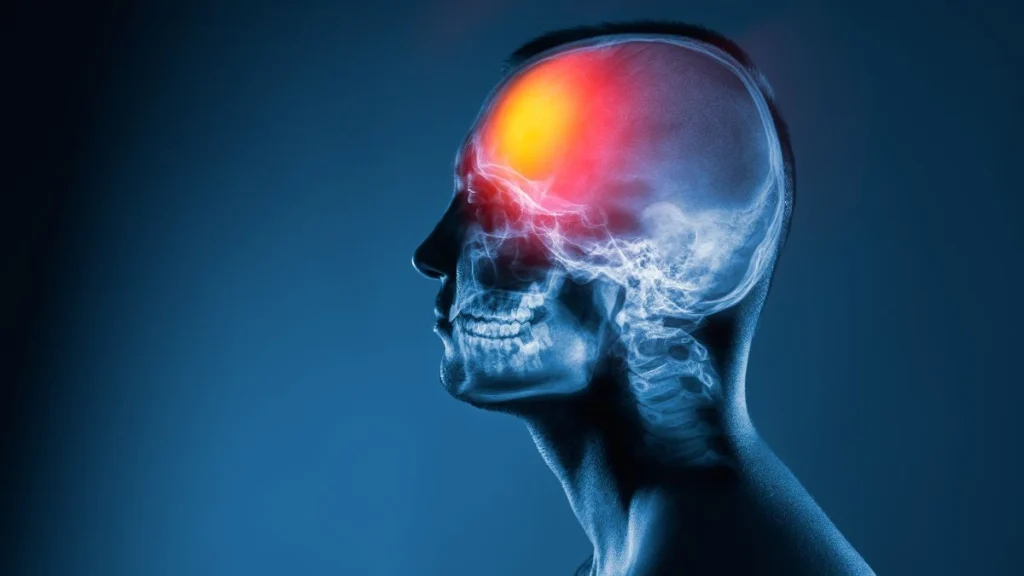
A traumatic brain injury can damage nerve cells, trigger inflammation, and injure blood vessels. Repeated injuries may be especially concerning, even when each one appears mild.
Wear a seat belt on every trip. Use a properly fitted helmet for cycling, skating, contact sports, and other activities where head impact is possible.
Fall prevention becomes more important with age. Review vision, footwear, sedating medication, muscle weakness, rugs, stairs, and bathroom safety.
A head injury followed by worsening headache, repeated vomiting, confusion, weakness, unusual sleepiness, seizure, or loss of consciousness needs urgent medical care.
13. Air Pollution Reaches Beyond The Lungs
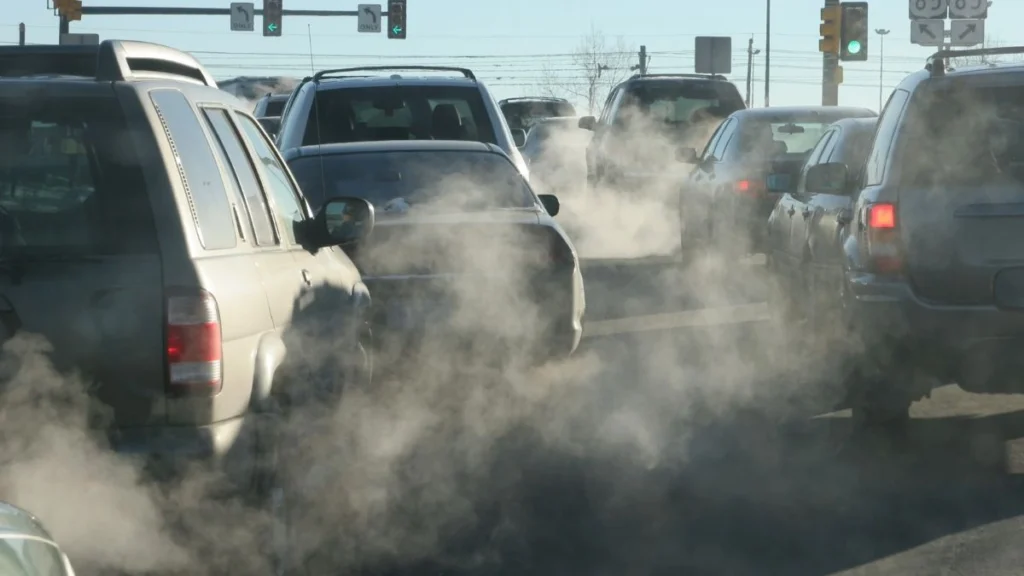
Fine particles from traffic, industry, fires, tobacco smoke, and some cooking fuels can enter the lungs and bloodstream. Long term exposure is associated with inflammation and blood vessel damage, which may affect the brain.
One person cannot eliminate community pollution alone. This risk also requires cleaner transport, safer workplaces, cleaner household energy, and public policy.
You can still reduce some exposure. Avoid outdoor exercise beside heavy traffic when pollution is high, improve ventilation during cooking, do not smoke indoors, and follow local air quality warnings.
The World Health Organization includes air pollution among the modifiable factors connected with dementia risk.
14. Less Education Can Reduce Cognitive Reserve
Education appears to build cognitive reserve. This is the brain’s ability to keep functioning despite age related changes or disease.
This factor is often misunderstood. It does not mean a person without formal qualifications is destined to develop dementia, nor does it mean intelligence can be measured by years in school.
Education is partly a social issue involving access, poverty, discrimination, childhood health, and school quality. The strongest prevention work starts by giving children meaningful education and continuing opportunities to learn across adulthood.
Adults can keep challenging the brain through reading, learning a language, playing music, taking courses, solving practical problems, or mastering unfamiliar skills. There is no evidence that one puzzle or commercial brain game provides guaranteed protection.
| Risk factor | Helpful action | What to avoid |
| Hearing loss | Hearing test and properly fitted hearing support | Pretending repeated communication problems do not matter |
| High blood pressure | Regular checks and prescribed treatment | Stopping medication after one normal reading |
| High LDL cholesterol | Lipid testing and risk based treatment | Assuming a healthy appearance means cholesterol is normal |
| Diabetes | Individual glucose plan and routine monitoring | Extreme diets or unapproved supplements |
| Vision loss | Eye examination and treatment of correctable problems | Waiting until driving or falls become unsafe |
| Social isolation | Scheduled, meaningful contact | Depending entirely on passive online activity |
| Head injury | Helmets, seat belts, and fall prevention | Returning to risky activity while concussion symptoms persist |
| Air pollution | Ventilation and reduced exposure when practical | Smoke from cigarettes or dirty cooking fuels indoors |