
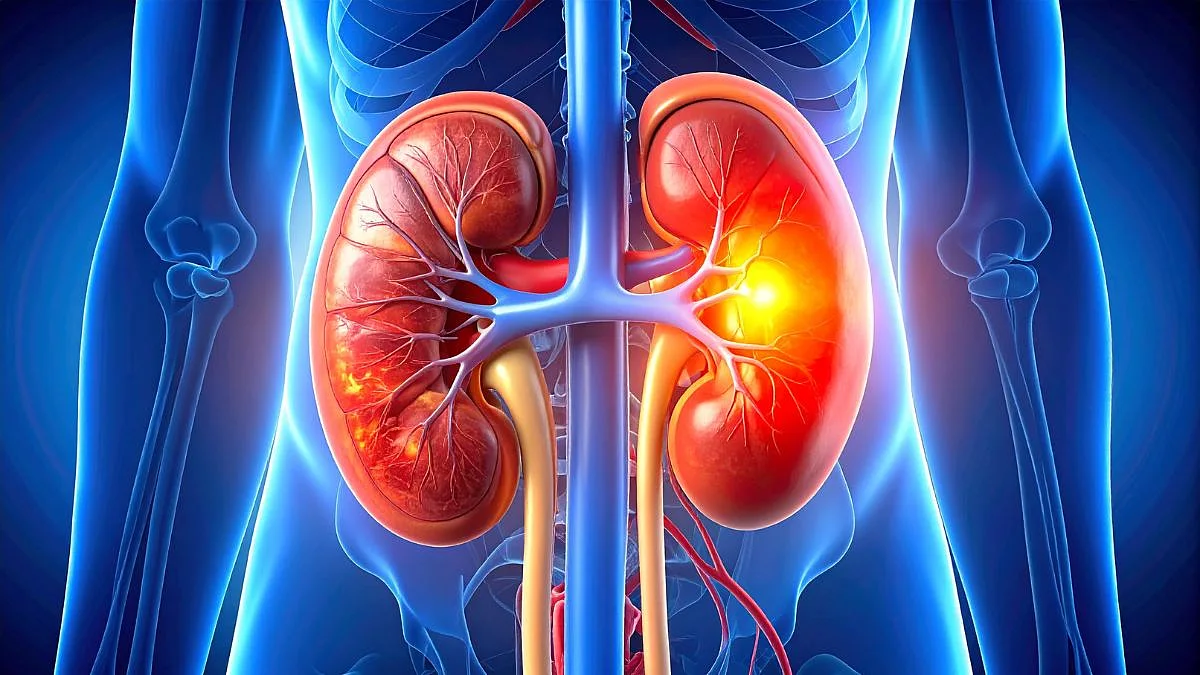
Kidney disease can quietly damage your body while you still feel completely normal.
By the time swelling, nausea, itching, or crushing fatigue finally appears, kidney function may already be seriously reduced. Waiting for symptoms can mean missing the period when treatment has the best chance of slowing further damage.
The real warning often appears in your blood and urine long before it appears in the mirror.
The headline is not an exaggeration. The Centers for Disease Control and Prevention reports that more than 1 in 7 American adults may have chronic kidney disease, and as many as 9 in 10 do not know they have it.
Before making changes based on this article, speak with your doctor, especially if you have diabetes, high blood pressure, heart disease, or take prescription medication.
Why Kidney Disease Symptoms Often Come Last
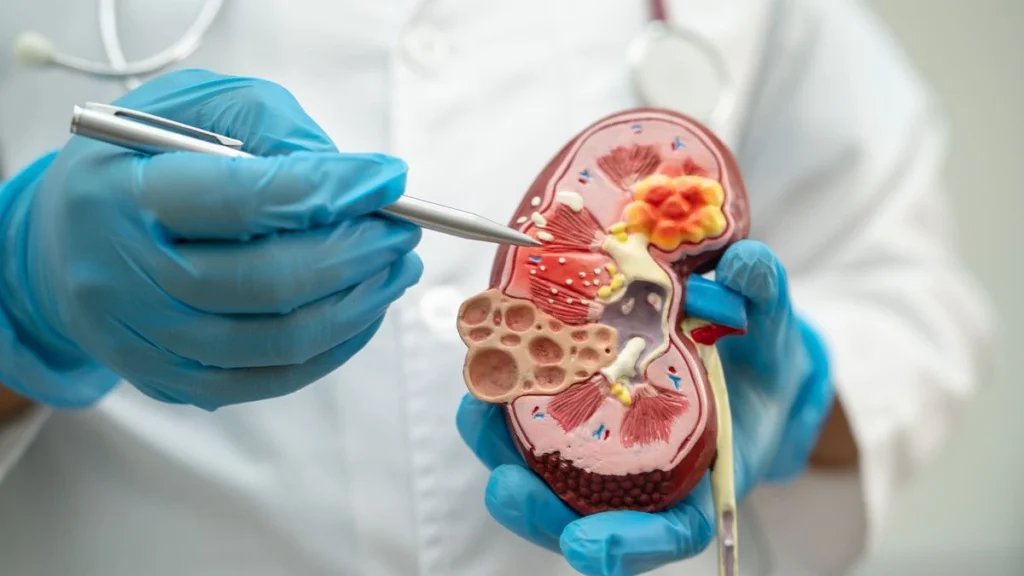
Your kidneys perform several jobs every minute without demanding your attention.
They filter waste and excess water from the blood. They help control blood pressure, balance minerals, support red blood cell production, and maintain healthy bones.
Chronic kidney disease develops when kidney damage or structural problems interfere with those functions over time. The change can be gradual, which gives the body time to compensate.
A person can lose a meaningful amount of filtering capacity without feeling pain or obvious illness. Early kidney disease commonly causes few or no symptoms, and many people do not feel sick until the condition becomes advanced.
That is what makes symptom watching such a poor screening strategy.
Your Kidneys Have More Reserve Than You Realize
Each kidney contains microscopic filtering units called nephrons.
When some nephrons become damaged, the remaining units may temporarily work harder. This compensation can help keep waste levels under control for a while, but it can also hide the decline from the person living with it.
You may still urinate normally. You may still work, exercise, shop, and sleep without realizing that albumin is leaking into your urine or that your estimated filtration rate has fallen.
The National Kidney Foundation notes that people often do not experience recognizable symptoms until very late stages, when kidney function is failing or substantial protein is appearing in the urine.
The Two Numbers That Can Reveal Kidney Disease Early
Kidney disease is not reliably diagnosed by looking at urine color or counting bathroom trips.
Clinicians generally use two tests together because they reveal different parts of the problem. One estimates how well the kidneys filter blood. The other looks for structural damage to the kidney filters.
| Kidney check | What it measures | A result that needs attention | Why it matters |
|---|---|---|---|
| Estimated glomerular filtration rate, or eGFR | Kidney filtering ability, calculated from a blood creatinine test and other information | Below 60 may indicate kidney disease when the reduction persists | Filtering capacity may fall before symptoms develop |
| Urine albumin to creatinine ratio, or UACR | The amount of albumin leaking into the urine | More than 30 mg per gram may indicate kidney damage | Albumin leakage can appear while eGFR is still relatively preserved |
| Blood pressure | Pressure placed on blood vessels and kidney filters | A repeated elevation should be evaluated | High pressure can both cause kidney damage and result from it |
| Blood glucose or A1C | Current or average blood sugar exposure | A result in the diabetes or prediabetes range requires follow up | High glucose can injure small blood vessels within the kidneys |
NIDDK states that an eGFR below 60 may indicate kidney disease, while an eGFR of 15 or lower may indicate kidney failure. A UACR above 30 mg per gram may be a sign of kidney damage.
One abnormal result does not always establish chronic kidney disease. Dehydration, infection, intense exercise, medication effects, and acute illness can temporarily alter kidney measurements.
Doctors commonly repeat testing and interpret the numbers with your medical history. Chronic kidney disease generally involves abnormalities that remain present for at least three months.
A Normal Creatinine Result May Not Tell the Whole Story
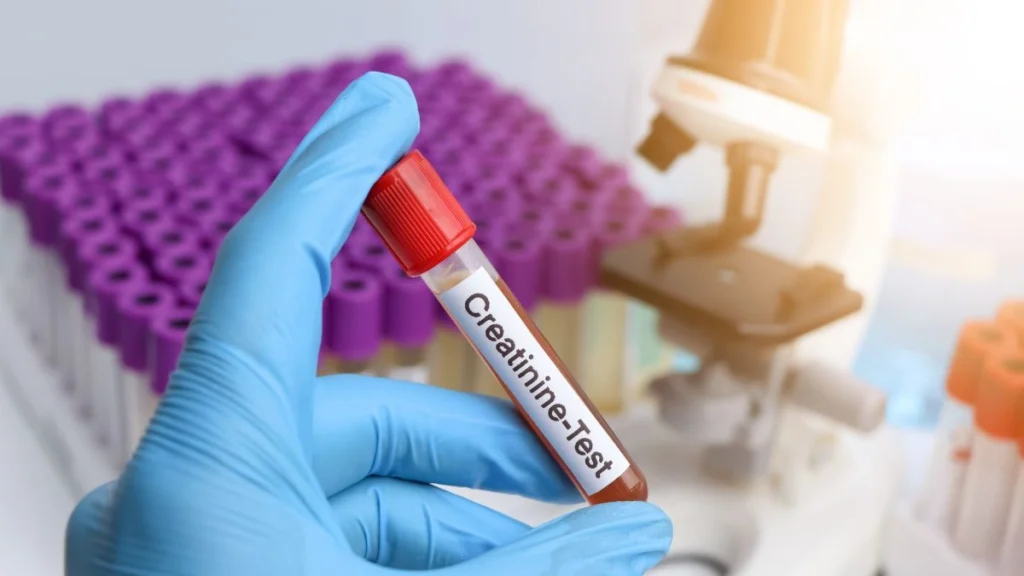
Many patients are told that their creatinine is normal and assume their kidneys have been fully checked.
Creatinine is useful, but it is influenced by muscle mass, age, body size, diet, pregnancy, liver disease, and certain medications. A value that appears ordinary on a laboratory sheet may represent reduced kidney function in an older adult or someone with relatively little muscle mass.
That is why asking for the actual eGFR number is more informative than asking whether creatinine was simply marked normal.
It is also why a urine albumin test matters. Early damage can allow albumin, a protein normally retained in the bloodstream, to leak through the kidney filters even when eGFR has not fallen dramatically.
A complete kidney check should not stop with one blood result.
Who Should Ask for Kidney Testing Now
Kidney disease can affect anyone, but the risk is not evenly distributed.
Diabetes and high blood pressure are the two leading causes of chronic kidney disease in adults. Heart disease and a family history of kidney failure also raise risk.
The CDC estimates that approximately 1 in 3 adults with diabetes and 1 in 5 adults with high blood pressure may have chronic kidney disease.
| Risk factor | How it can affect the kidneys | Testing conversation to have |
| Diabetes | High blood sugar can damage the small blood vessels that filter blood | Ask for eGFR and UACR at least yearly |
| High blood pressure | Excess pressure scars kidney blood vessels and can speed functional decline | Ask how often kidney function and urine albumin should be checked |
| Heart disease | Heart and kidney circulation are closely connected | Ask whether your cardiovascular care includes kidney monitoring |
| Family history of kidney failure | Some kidney conditions and risk patterns run in families | Share which relative was affected and at what age |
| Older age | Kidney filtration often declines with age, while symptoms may remain absent | Ask for your actual eGFR trend rather than a simple normal label |
| Past acute kidney injury | A previous sudden kidney injury can increase later risk | Ask whether follow up testing has confirmed recovery |
| Frequent use of kidney affecting medicines | Some medicines can worsen kidney function in susceptible people | Request a medication review before combining pain relievers or supplements |
NIDDK advises yearly kidney testing for people with diabetes. People with high blood pressure, heart disease, or a family history of kidney failure should discuss an appropriate testing schedule with their health care provider.
Individual testing schedules vary. Ask your clinician to interpret eGFR and urine albumin together, particularly if you are older, pregnant, highly muscular, have very low muscle mass, or recently had an infection or acute illness.
What the Stages Really Mean
Chronic kidney disease is commonly divided into five stages, primarily using eGFR.
The stage does not tell the entire story. Urine albumin levels also matter because a person with a relatively preserved eGFR can still have significant kidney damage and increased cardiovascular risk. Current kidney guidance evaluates filtration and albumin leakage together.
| CKD stage | eGFR range | What may be happening | Are symptoms common? |
| G1 | 90 or higher, with evidence of kidney damage | Filtration appears preserved, but albumin or another marker shows damage | Usually no |
| G2 | 60 to 89, with evidence of kidney damage | Mild reduction may be present | Usually no |
| G3a | 45 to 59 | Mild to moderate loss of filtration | Often absent or nonspecific |
| G3b | 30 to 44 | Moderate to severe reduction | Fatigue, itching, swelling, or concentration problems may begin |
| G4 | 15 to 29 | Severe loss of kidney function | Symptoms become more likely |
| G5 | Below 15 | Kidney failure | Fatigue, swelling, nausea, shortness of breath, and reduced urination may occur |
Stage G1 or G2 is not diagnosed from eGFR alone. There must also be ongoing evidence of kidney damage, such as albuminuria, lasting at least three months.
An eGFR below 15 is consistent with kidney failure when confirmed and interpreted clinically.
The Symptoms People Mistake for Normal Aging
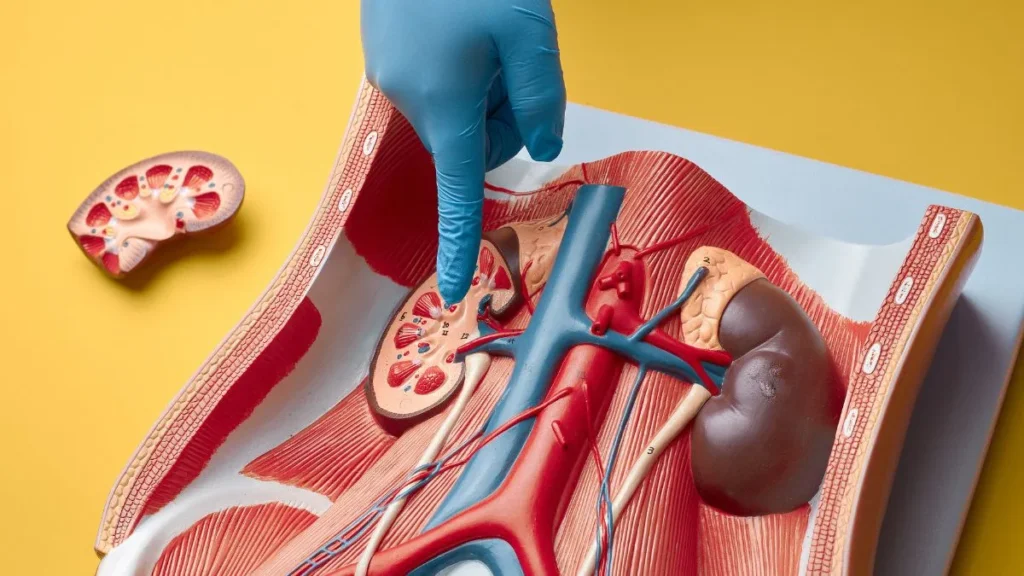
When symptoms finally develop, they are often vague.
Fatigue may be blamed on poor sleep. Ankle swelling may be blamed on standing. Nighttime urination may be blamed on age. Itching may be treated as dry skin.
Those explanations may be correct, but persistent or worsening changes deserve medical evaluation.
Fatigue and Trouble Concentrating
Damaged kidneys may struggle to regulate red blood cell production and remove metabolic waste.
Anemia and waste buildup can contribute to weakness, reduced stamina, mental fog, and difficulty concentrating. These symptoms become more common as kidney function declines.
Swollen Feet, Ankles, Hands, or Eyelids
When the kidneys cannot remove sodium and water efficiently, fluid can collect in tissues.
Albumin loss can also influence fluid movement in the body. Puffiness around the eyes, especially in the morning, may occur when significant protein is leaking into urine.
Foamy Urine
Occasional bubbles can result from a strong urine stream or toilet cleaning products.
Persistent foam that looks unusually thick may reflect protein in the urine. The appearance cannot diagnose kidney disease, but it is a reasonable reason to request a UACR test.
Urinating More Often at Night
Damaged kidney filters may lose some ability to concentrate urine.
Nighttime urination also has many other causes, including diabetes, prostate enlargement, sleep apnea, bladder problems, medicines, and evening fluid intake. It should be evaluated rather than used as proof of kidney disease.
Dry, Itchy Skin and Muscle Cramps
Advanced kidney dysfunction can disrupt mineral balance and allow waste products to accumulate.
This may contribute to persistent itching, dry skin, restless sleep, muscle twitching, or cramps. The kidneys help regulate minerals such as calcium and phosphorus, so declining function can affect more than urine production.
Nausea, Poor Appetite, and a Metallic Taste
Waste accumulation can affect the digestive system and alter taste.
Some people lose interest in food, feel nauseated, vomit, or unintentionally lose weight. These symptoms are more concerning when they appear with swelling, itching, breathlessness, or reduced urination.
The Kidney Quick Check Most Physicals Miss
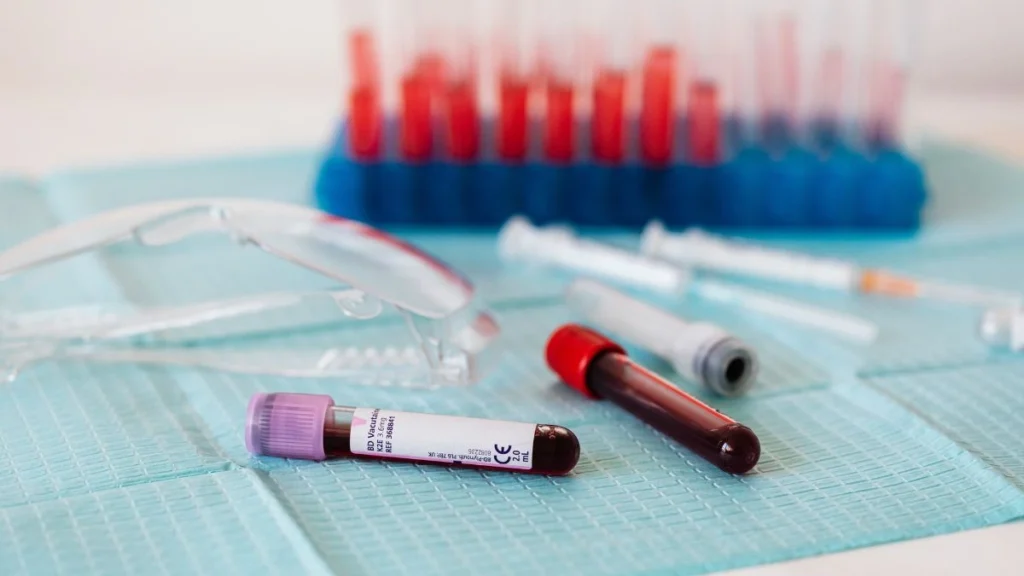
Look at the laboratory results from your latest physical.
Do you see both an eGFR and a urine albumin result? Many routine chemistry panels include creatinine and eGFR, but a UACR usually requires a separate urine order.
Use these four questions at your next appointment:
- What is my current eGFR?
- Has it changed compared with my previous results?
- What is my UACR?
- Do my risk factors mean I should be tested yearly?
NIDDK encourages patients with kidney disease or increased risk to ask about their GFR, urine albumin, blood pressure, blood glucose, and how often their kidneys should be checked.
Try This at Your Next Appointment
- Bring a complete list of prescriptions, pain relievers, vitamins, powders, teas, and supplements.
- Ask for the exact eGFR value rather than accepting “normal kidney function.”
- Ask whether a spot UACR urine test has been performed.
- Compare your results with previous years because the trend may reveal more than one isolated number.
- Confirm when the tests should be repeated if either result is abnormal.
Finding Kidney Disease Early Can Change the Plan
Early detection does not promise that kidney damage can be erased.
It does create an opportunity to identify the cause, manage blood pressure and blood glucose, review kidney affecting medicines, address albumin leakage, and use appropriate treatments before function falls further.
Current diabetes standards recommend regular UACR and eGFR monitoring. They also support kidney protective therapies for selected people with diabetes and chronic kidney disease, based on kidney function, albumin levels, cardiovascular risk, and other medical factors.
These are prescription decisions. They should be made with a clinician because kidney function affects medication choice, dosing, side effects, potassium levels, and dehydration risk.
The goal is not to treat a single laboratory number. It is to reduce the chance of kidney failure, heart attack, stroke, fluid overload, anemia, and other complications associated with chronic kidney disease.
Common Mistakes That Delay a Diagnosis

Waiting for Kidney Pain
Chronic kidney disease usually does not cause pain over the kidneys.
Pain in the back or side may come from muscles, stones, infection, obstruction, or another problem. The absence of pain says very little about filtering function.
Assuming Clear Urine Means Healthy Kidneys
Urine color is strongly affected by hydration, foods, vitamins, medicines, and bleeding.
A person can have clear or pale urine and still have reduced eGFR or albumin leakage. Kidney disease is detected through medical testing, not color comparison.
Testing Only After Swelling Appears
Swelling can indicate fluid retention, but it can also result from heart disease, liver disease, vein problems, medication effects, or prolonged sitting.
By the time kidney related swelling becomes obvious, the condition may no longer be early.
Treating One Abnormal Test as a Final Diagnosis
A low eGFR during vomiting, dehydration, infection, or acute illness may represent an acute kidney injury rather than established chronic disease.
A doctor may repeat blood and urine testing after the immediate problem resolves. The word chronic generally means the abnormality has persisted for at least three months.
Ignoring Urine Albumin Because eGFR Looks Good
A person can have stage G1 or G2 chronic kidney disease with an eGFR above 60 if persistent albuminuria or another marker of damage is present.
This is one of the most easily missed patterns because filtration still looks relatively strong.
Red Flags That Need Prompt Medical Attention
Seek urgent medical care if you develop:
- New or rapidly worsening shortness of breath, especially with chest pressure or swelling.
- Very little urine or a sudden major decrease in urine output.
- Confusion, fainting, severe weakness, or unusual drowsiness.
- Persistent vomiting, rapidly increasing swelling, or sudden unexplained weight gain.
These symptoms can occur with serious kidney problems, heart problems, severe infection, electrolyte disturbances, or another medical emergency. Do not wait for a routine appointment when symptoms are severe or progressing quickly.
Do Not Wait for Your Body to Announce It
The most dangerous feature of chronic kidney disease is not always pain.
It is silence.
Nine in 10 affected adults may not know they have it, largely because symptoms are unreliable during the earlier stages. The safer approach is to identify your risk and check the two markers that matter, eGFR in the blood and UACR in the urine.
Feeling fine is reassuring, but it is not a kidney test.
This article is for informational purposes only and is not a substitute for professional medical advice, diagnosis, or treatment. Always consult a doctor or qualified health care provider before changing your diet, exercise routine, supplements, or medications, especially if you have kidney disease, diabetes, high blood pressure, heart disease, or another existing condition.