
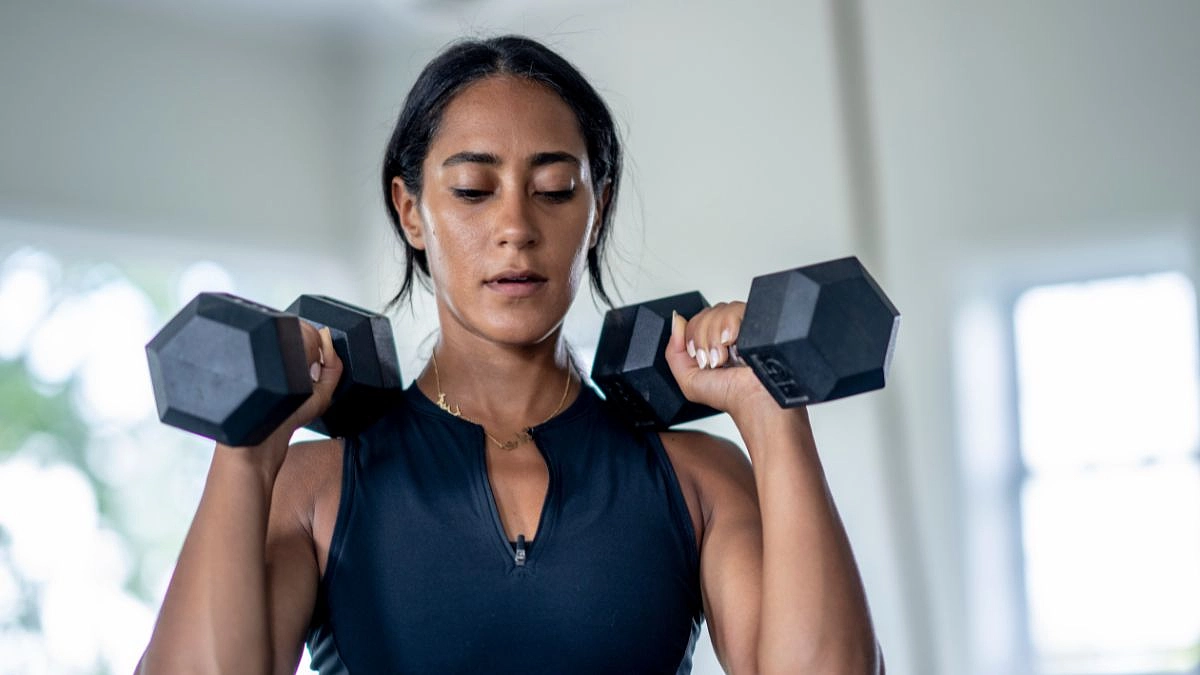
Bone loss can accelerate just when many women assume menopause symptoms are finally settling down.
The frightening part is that osteoporosis usually stays silent until a wrist, hip, or vertebra breaks. By then, years of declining bone strength may have passed unnoticed.
Yet some women in post menopause are quietly changing that trajectory. Their advantage is not one miracle supplement. It is a collection of specific habits that protect bone, preserve muscle, prevent falls, and catch dangerous changes early.
Before changing your exercise routine, supplements, or osteoporosis medication, talk with your healthcare provider. This is especially important if you have already had a fracture, have kidney disease, or take prescription medicine.
Why Bone Loss Speeds Up After Menopause
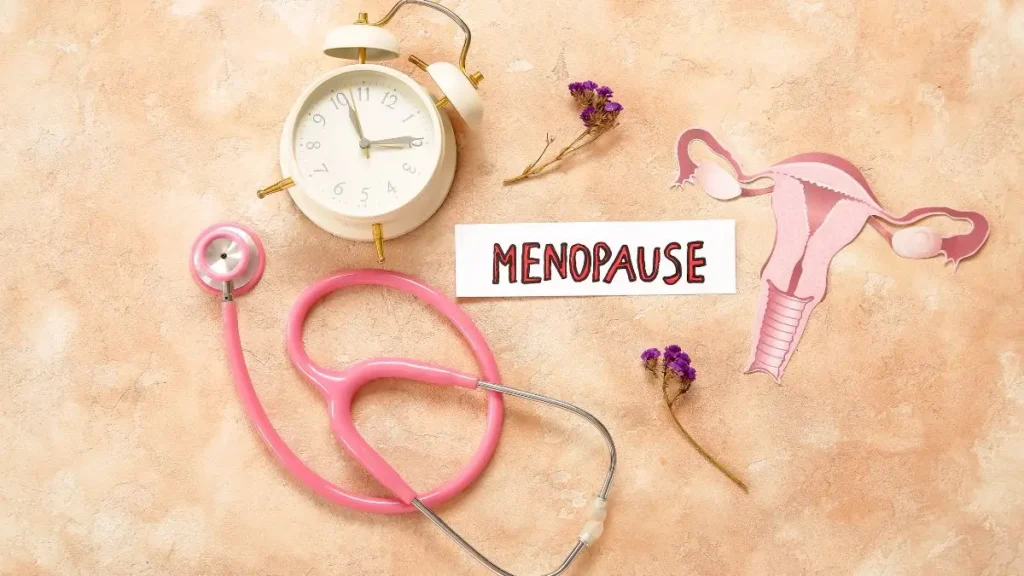
Post menopause begins after 12 consecutive months without a menstrual period and continues for the rest of a woman’s life. During this stage, lower estrogen levels increase the risk of osteoporosis because estrogen normally helps regulate the breakdown and rebuilding of bone.
Bone is not a dead frame. It is active tissue that is constantly being removed and replaced.
After menopause, bone removing cells can work faster than bone forming cells. This imbalance may gradually thin the outer shell of bone and weaken the internal structure that helps it absorb force.
That is why osteoporosis can develop without pain or obvious symptoms. Many women discover it only after a low trauma fracture, such as breaking a wrist after a simple fall.
| What changes after menopause | Why it matters |
|---|---|
| Estrogen levels decline | Bone breakdown may outpace bone formation |
| Muscle mass can decrease | Less muscle means less support, poorer balance, and greater fall risk |
| Vitamin D production may decline with age | Calcium absorption can become less efficient |
| Activity often decreases | Bones receive less of the mechanical stimulus that helps maintain strength |
| Fall risk rises | A minor fall can cause a major fracture when bone is fragile |
The women who protect themselves best do not focus only on a bone density score. They also strengthen the muscles around their bones, improve balance, reduce fall hazards, eat enough essential nutrients, and seek treatment when lifestyle changes are not enough.
1. They Schedule Bone Density Screening Before a Fracture Forces the Issue
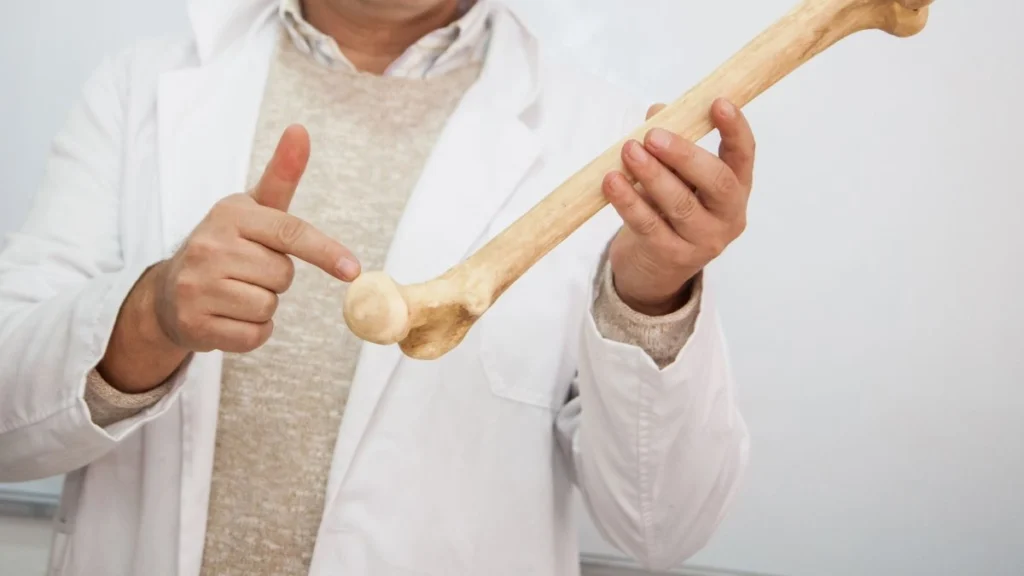
Women who stay ahead of osteoporosis do not wait for back pain, height loss, or a broken wrist.
They ask when they should receive a dual energy X ray absorptiometry scan, commonly called a DXA scan. This scan measures bone mineral density, usually at the hip and spine, and helps clinicians estimate fracture risk.
Screening is especially important for women age 65 and older. Younger post menopause women may also need testing when they have risk factors such as low body weight, early menopause, long term steroid use, rheumatoid arthritis, a parental hip fracture, smoking, or a previous low trauma fracture.
A DXA result is generally reported as a T score. A score of minus 1 or higher is usually considered normal. A score between minus 1 and minus 2.5 indicates low bone mass, while minus 2.5 or lower meets the bone density definition of osteoporosis.
A T score is only part of the picture. Age, medication use, prior fractures, fall history, and other medical conditions can make fracture risk higher than the number suggests.
2. Strength Train Instead of Relying Only on Walking
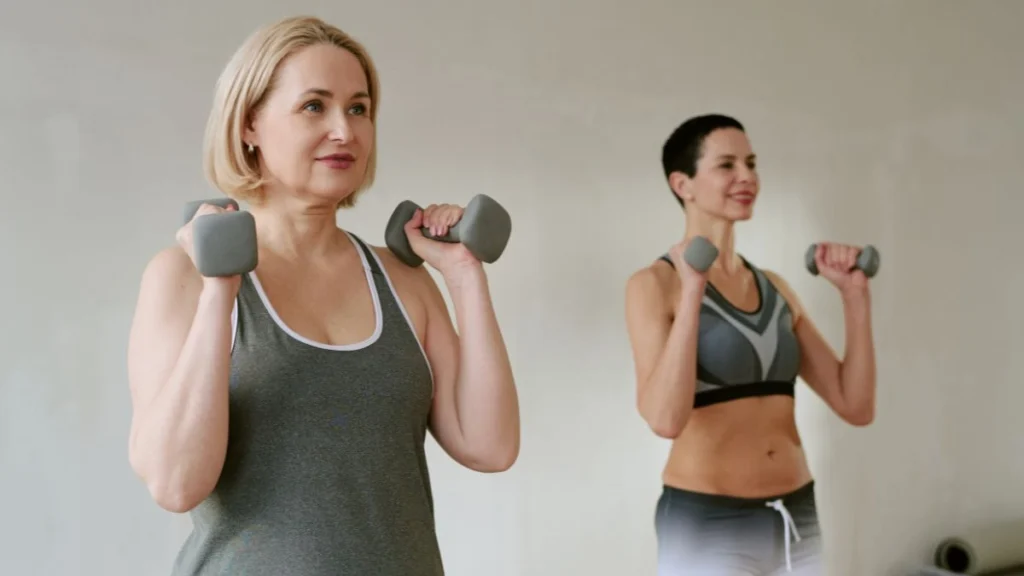
Walking supports cardiovascular health and keeps the body moving, but it does not provide the same bone building stimulus as progressive resistance exercise.
Muscles pull on bones during strength training. That mechanical tension signals bone tissue to adapt while also building the muscle needed to protect joints and prevent falls.
Useful exercises include squats to a chair, step ups, rows, chest presses, hip hinges, overhead presses, and carefully supervised deadlifts. Resistance bands, machines, free weights, and body weight can all be used.
The Bone Health and Osteoporosis Foundation recommends muscle strengthening exercise two or three days each week.
In the LIFTMOR clinical trial, a supervised high intensity resistance and impact program improved measures of bone strength and physical function in post menopause women with low bone mass. The training was closely supervised, which is a critical detail that should not be ignored.
Start with a load you can control for eight to twelve repetitions. When the final repetitions become easy and your form remains solid, gradually increase the resistance.
Exercise needs to match your fracture risk. Women with vertebral fractures, severe osteoporosis, major balance problems, or persistent pain should get individualized guidance from a physical therapist or qualified clinician before lifting heavy weights or adding impact movements.
3. Add Weight Bearing Movement Most Days
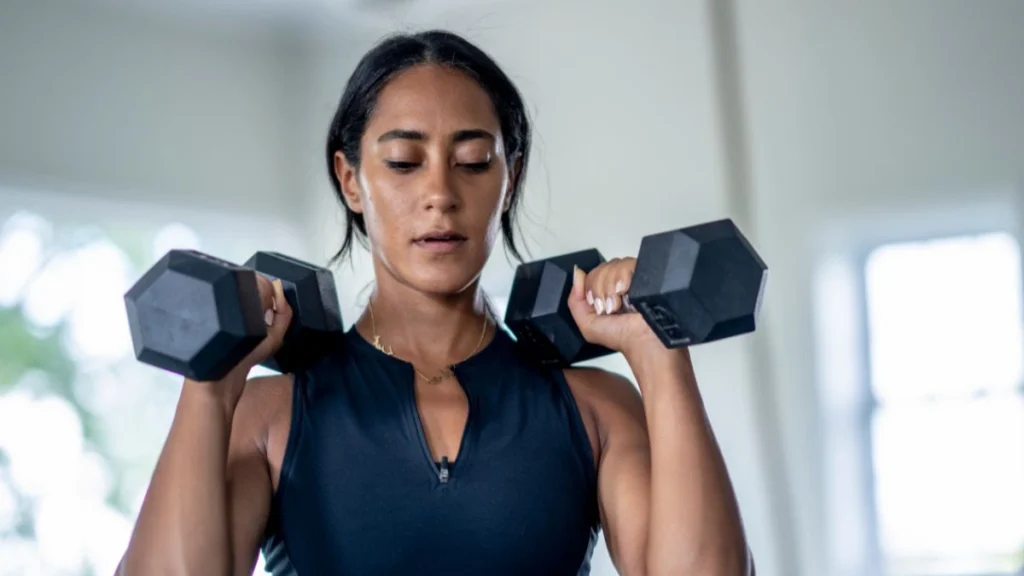
Bones respond when they work against gravity.
Weight bearing activities include brisk walking, stair climbing, dancing, hiking, low impact aerobics, and certain court sports. These movements load the hips and legs in ways that swimming and cycling do not.
The Bone Health and Osteoporosis Foundation suggests about 30 minutes of weight bearing activity on most days. The time can be completed in one session or divided into shorter blocks.
A woman might walk briskly for ten minutes after each meal instead of trying to find one uninterrupted half hour. Consistency matters more than creating the perfect schedule.
Women with severe bone loss may need to avoid forceful jumping, running, or abrupt twisting. Low impact weight bearing movement can still help maintain mobility and provide a safer training base.
| Movement type | Main benefit | Practical target | Important caution |
|---|---|---|---|
| Resistance training | Builds muscle and stimulates bone | Two or three sessions weekly | Learn safe form before increasing weight |
| Brisk walking | Loads the hips and legs | About 30 minutes on most days | Walking alone may not be enough |
| Stair climbing | Adds greater lower body load | Short sessions several times weekly | Use a rail when balance is uncertain |
| Balance practice | Reduces fall risk | Five to ten minutes daily | Stand near a stable support |
| Impact exercise | Can provide a strong bone stimulus | Only when medically appropriate | Avoid unsupervised impact with high fracture risk |
4. They Practice Balance Before They Feel Unsteady
A fracture is often caused by two problems meeting at once: fragile bone and a fall.
Balance practice targets the second problem. It improves the nervous system’s ability to control posture and react when the body shifts unexpectedly.
Simple exercises include standing with the feet close together, heel to toe walking, supported single leg standing, and slow side steps. Tai chi may also improve balance and body awareness.
Practice near a kitchen counter or heavy chair. Begin with ten to twenty seconds per position, then increase the time as control improves.
A woman should not wait until she has already fallen. Balance is a physical skill, and physical skills improve through regular practice.
5. Get Calcium From Food Before Automatically Buying a Large Supplement
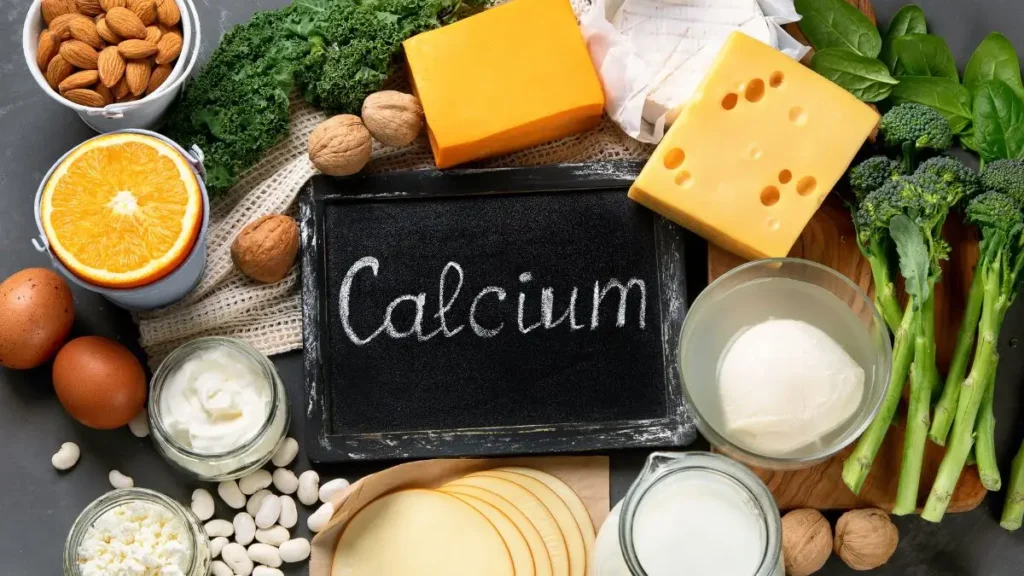
Calcium gives bone much of its hardness, but the body also needs calcium for nerve signals, muscle contraction, blood clotting, and heart function.
When dietary intake is inadequate, the body can draw calcium from bone to maintain these essential functions. Over time, this can contribute to weaker bones.
Women age 51 and older are generally advised to obtain about 1,200 milligrams of calcium daily from food and supplements combined.
Food sources are usually the best starting point. Yogurt, milk, cheese, calcium set tofu, canned salmon with bones, sardines, fortified soy milk, fortified almond milk, kale, and bok choy can all contribute.
Check plant milk labels carefully. Calcium content varies, and the container often needs to be shaken because added calcium can settle at the bottom.
Supplements should fill a documented gap rather than being taken in very large amounts without calculation. Excess calcium from supplements can cause constipation and may increase kidney stone risk in some people.
6. Treat Vitamin D as a Measurable Need, Not a Guess
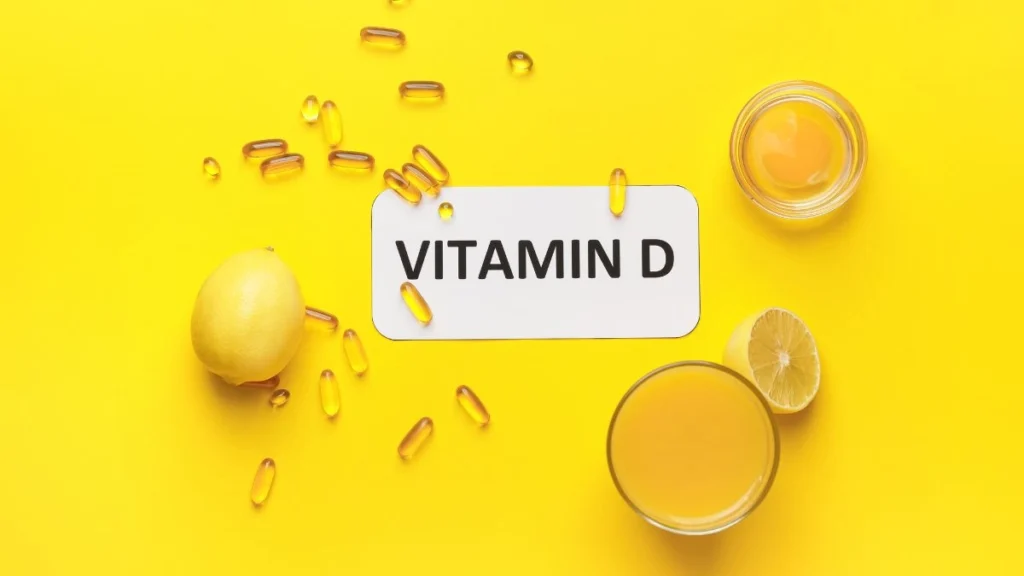
Vitamin D helps the intestine absorb calcium.
Low vitamin D can become more common with age because the skin becomes less efficient at producing it from sunlight. Limited sun exposure, darker skin, digestive disorders, obesity, and certain medications can also affect vitamin D status.
Vitamin D is found naturally in relatively few foods. Fatty fish, egg yolks, fortified milk, and fortified plant drinks can provide some, but individual needs vary.
A clinician may order a blood test when deficiency is suspected. The result can guide supplementation more safely than taking a very large dose based on internet advice.
Calcium and vitamin D remain necessary nutrients, but supplements should not be presented as a complete fracture prevention plan.
Exercise, fall prevention, screening, and appropriate osteoporosis treatment remain essential. Mayo Clinic also notes that calcium, vitamin D, and exercise may be insufficient for women at high fracture risk.
7. They Put Protein Into Every Main Meal
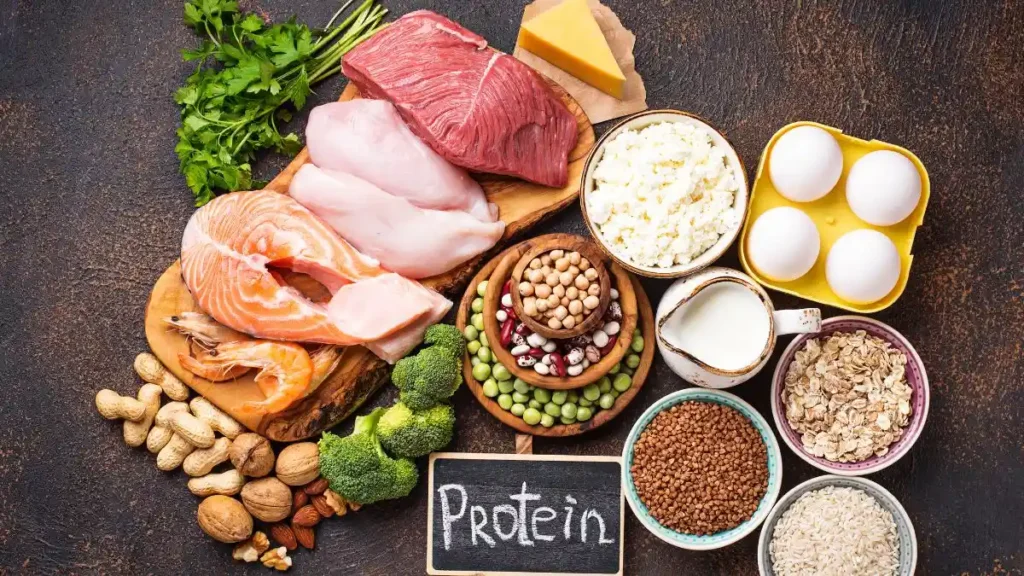
Bone contains minerals, but it also contains a protein framework, largely made from collagen.
Protein also protects muscle. That matters because stronger muscles improve balance, make daily movement easier, and help absorb force during a stumble.
Women often eat most of their protein at dinner and very little at breakfast. A steadier pattern may make it easier to consume enough across the day.
Breakfast could include soy yogurt, Greek yogurt, eggs, tofu scramble, or oatmeal with soy milk and nuts. Lunch might include lentils, chickpeas, tofu, fish, chicken, or beans.
Protein needs depend on body size, kidney function, activity, illness, and overall health. Women with kidney disease should discuss their target with a clinician or renal dietitian rather than increasing protein independently.
MedlinePlus notes that protein is needed to build and maintain bone, muscle, and skin. Plant based eaters can meet their needs by eating varied sources such as beans, lentils, soy foods, nuts, seeds, and grains.
The Daily Bone Habit That Actually Works
Try connecting bone care to routines that already happen:
• Add one calcium rich food to breakfast.
• Take a ten minute brisk walk after lunch.
• Perform one set of chair squats and wall pushups three days each week.
• Practice supported single leg standing while waiting for the kettle.
• Keep your next DXA scan or osteoporosis review date in your calendar.
These actions look small. Repeated for months, they create a routine that supports bone, muscle, balance, and early detection at the same time.
8. They Avoid Crash Diets and Protect Lean Muscle
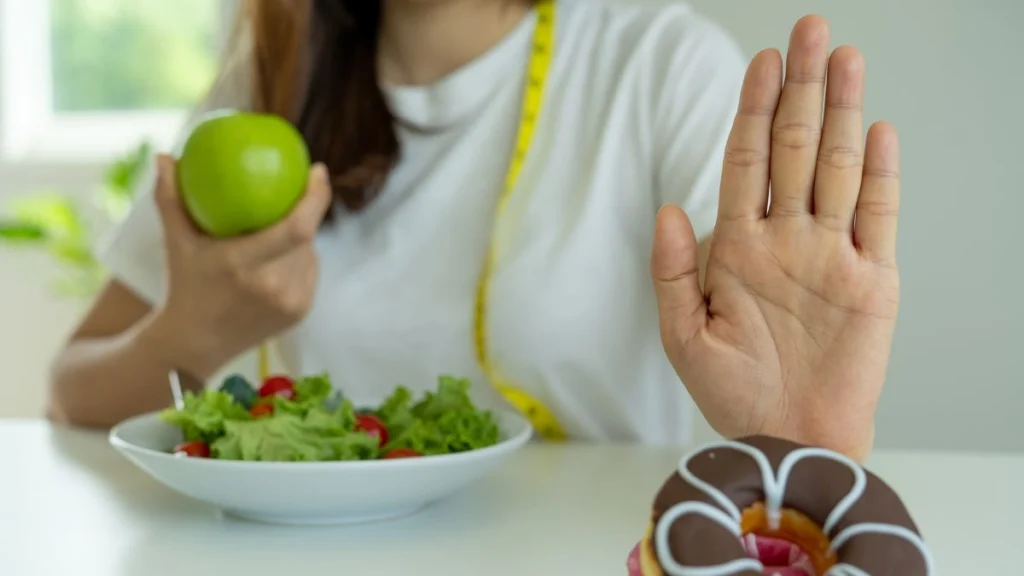
Rapid weight loss can reduce both fat and lean tissue.
For a woman who already has a small frame or low body weight, repeated restrictive dieting may leave less muscle to stabilize her body and less bone reserve to draw upon with age. Mayo Clinic lists a body mass index of 19 or lower and a small body frame among osteoporosis risk factors.
Weight loss may still be medically useful for some women, but the method matters.
A safer plan usually includes adequate protein, resistance training, calcium rich foods, and a moderate calorie reduction rather than severe restriction. Strength should be monitored along with scale weight.
Warning signs that a diet is too aggressive include persistent weakness, dizziness, worsening balance, rapid muscle loss, and difficulty completing normal daily tasks.
9. Stop Smoking Instead of Looking for a Supplement to Cancel It Out
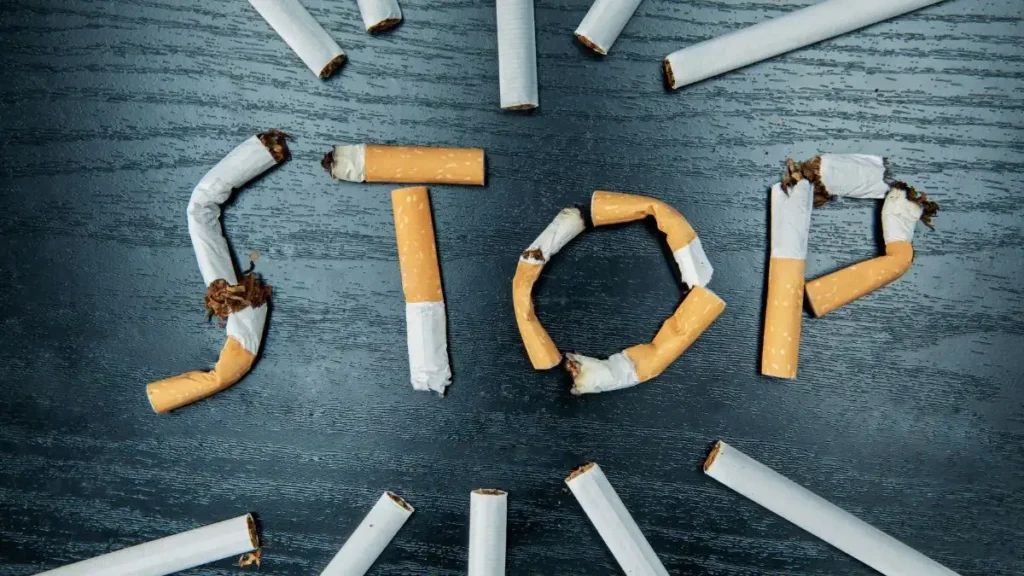
Smoking is associated with a higher risk of osteoporosis and fractures. It may affect bone directly while also interacting with other risks, including lower body weight, reduced physical activity, poorer nutrition, and earlier menopause.
No vitamin can neutralize continued tobacco exposure.
Women who smoke should ask about structured quitting support. Counseling, approved nicotine replacement products, and prescription options can improve the likelihood of success compared with relying on willpower alone.
Quitting also benefits the heart, lungs, circulation, oral health, and recovery after injury. Bone protection becomes one more reason to begin.
10. They Keep Alcohol Modest
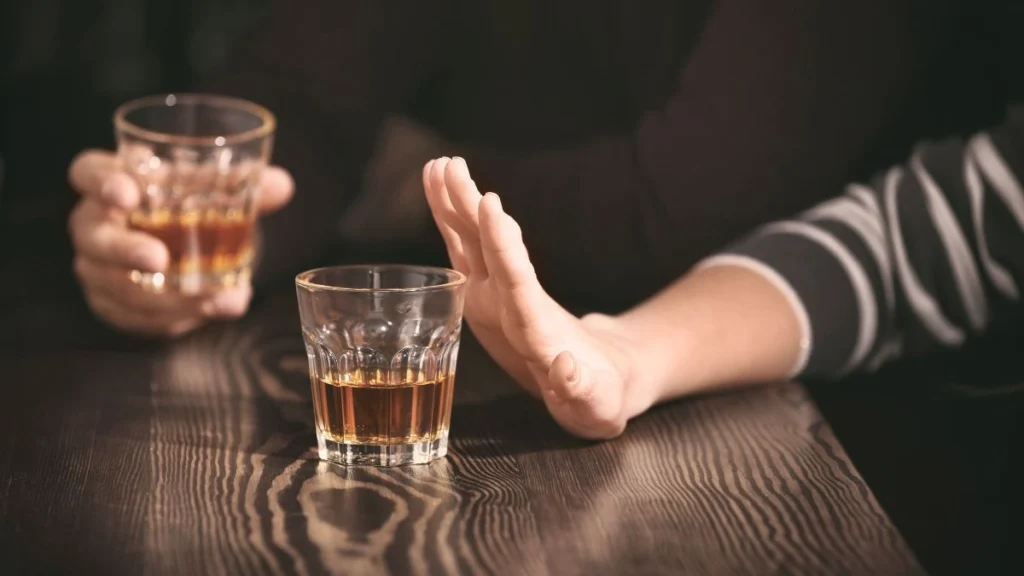
Heavy alcohol use is a recognized osteoporosis risk factor. It can interfere with nutrition, affect bone forming cells, weaken muscles, impair judgment, and make falls more likely.
For women who drink, NIAMS advises limiting alcohol to no more than one drink per day.
That limit is not a daily requirement or an invitation to save several drinks for the weekend. A woman who takes sedating medication, has liver disease, has frequent falls, or has difficulty controlling alcohol may need to avoid it completely.
Alcohol can also worsen sleep and nighttime balance, especially when combined with sleep medicine, anxiety medicine, or certain pain medications.
11. Fall Proof Their Home Before the First Serious Fall
A home can feel familiar and still contain fracture hazards.
Loose rugs, trailing cords, dim hallways, slippery bathrooms, unstable step stools, and cluttered stairs can turn one misstep into a hip or wrist fracture.
Women who think ahead install grab bars, use nonslip bath mats, improve stair lighting, keep frequently used items within easy reach, and add handrails where needed.
Shoes matter too. Backless slippers and smooth soles can slide on tile or wood flooring. A secure heel and a grippy sole usually provide better control.
Vision should be checked regularly. NIAMS recommends having the eyes examined at least annually after a fracture and reviewing medicines that can cause fatigue, dizziness, or confusion.
| Quiet household risk | Safer replacement |
|---|---|
| Loose throw rugs | Remove them or secure them firmly |
| Dark route to the bathroom | Add night lights and clear the path |
| Slippery tub floor | Use a nonslip mat and properly installed grab bar |
| Items stored on high shelves | Move daily items between waist and shoulder height |
| Backless slippers | Wear supportive shoes with secure soles |
| Sedating medicines taken together | Ask a pharmacist or doctor for a medication review |
12. They Take Osteoporosis Medicine Consistently When It Is Prescribed
Healthy habits are powerful, but they cannot replace treatment for every woman.
Someone with osteoporosis, a previous hip or vertebral fracture, or a high calculated fracture risk may need prescription medicine. The goal is not simply to improve a scan. It is to prevent disabling fractures.
The Endocrine Society recommends treating women at high fracture risk, particularly those who have already had a fracture. Bisphosphonates are commonly considered an initial treatment option, while other medicines may be selected according to risk, health history, treatment response, and personal preferences.
Women quietly beating osteoporosis do not stop medicine because they feel fine. Osteoporosis is usually painless before a fracture, so the absence of symptoms does not mean treatment is unnecessary.
They ask how to take the medicine correctly, what side effects require attention, how treatment will be monitored, and when fracture risk should be reassessed.
They also report dental concerns, kidney problems, new thigh or groin pain, and planned procedures. These details can influence the safest treatment plan.
A Quick Post Menopause Bone Risk Check
Ask your clinician about a bone health assessment when any of these apply:
- You are age 65 or older and have never had a DXA scan.
- You broke a bone after a minor fall.
- You have lost noticeable height or developed a more rounded upper back.
- You have used steroid medicine for an extended period.
- A parent had a hip fracture.
- You entered menopause unusually early.
- You have rheumatoid arthritis, celiac disease, thyroid disease, or another condition linked with bone loss.
- You frequently fall, feel unsteady, or struggle to rise from a chair.