

A type 2 diabetes diagnosis can make every meal feel like a test you are already failing. Ignore rising glucose long enough, and the damage can reach your nerves, kidneys, eyes, heart, and blood vessels.
But the diagnosis does not always mark a one way decline. Some people quietly build a set of repeatable habits that lower their blood sugar, reduce medication needs, and, in certain cases, help them reach type 2 diabetes remission.
First, “Reversing” Type 2 Diabetes Needs a Clear Definition
Type 2 diabetes remission is possible for some people, particularly when the condition is addressed early and substantial weight loss is achieved. It does not mean the disease has been permanently cured.
An international expert group convened by the American Diabetes Association defined remission as an A1C below 6.5 percent that lasts for at least three months without glucose lowering medication. Continued monitoring is still necessary because blood sugar can rise again.
The DiRECT trial supplied some of the strongest evidence behind this idea. At one year, 46 percent of participants receiving an intensive weight management program reached remission. Among those who lost at least 15 kilograms, about 86 percent reached remission.
That does not mean everyone needs to lose 15 kilograms, or that remission is possible for every person. It means that reducing excess fat, especially fat affecting the liver and pancreas, can profoundly improve glucose control in some adults.
| Term | What it actually means | What it does not mean |
|---|---|---|
| Better glucose control | A1C and daily readings move closer to the agreed target | Diabetes has disappeared |
| Reduced medication | A clinician safely lowers one or more prescriptions | Medication should be stopped independently |
| Remission | A1C remains below 6.5 percent for at least three months without glucose lowering medication | Permanent cure |
| Relapse | Glucose returns to the diabetes range after remission | The earlier effort was wasted |
| Ongoing monitoring | A1C, kidneys, eyes, feet, blood pressure, and cholesterol remain under review | Waiting for symptoms before seeking care |
Here are the habits commonly seen in people who give themselves the strongest chance of getting there.
1. Learn Their Numbers Instead of Fearing Them
People making steady progress know their starting A1C, fasting glucose, blood pressure, cholesterol, weight, waist measurement, kidney results, and medication list.
A1C reflects average blood glucose over roughly the previous three months. For many adults with diabetes, a common target is below 7 percent, although the safest target varies with age, medication, pregnancy, kidney function, and other health conditions.
Ask your clinician to write down your personal targets. Numbers become useful when they guide decisions, not when they become a source of shame.
2. Ask About Remission Early
Remission appears more achievable when type 2 diabetes has been present for a shorter time and the pancreas still has meaningful insulin producing capacity.
People who improve quietly do not assume their only option is to watch the condition worsen. They ask whether they are a suitable candidate for structured weight management, nutrition therapy, diabetes education, or a formal remission program.
Current diabetes guidance recognizes weight management as a central treatment for people with type 2 diabetes and overweight or obesity. Greater weight loss can produce larger improvements in A1C and may promote sustained remission.
3. Never Stop Medication on Their Own
This is one of the least glamorous habits, but it may be the most important.
As food intake, weight, and activity change, glucose can fall quickly. Continuing the same insulin or medication dose without professional review can cause hypoglycemia.
People succeeding safely report their readings and symptoms to their care team. Their medication is adjusted deliberately, rather than abandoned because one morning glucose reading looked better.
4. They Make Weight Loss a Medical Strategy, Not a Beauty Goal
For someone carrying excess body fat, losing weight can decrease insulin resistance and reduce fat stored around organs involved in glucose regulation.
Even modest weight loss can improve glycemia and reduce the need for glucose lowering medicine. Larger losses often produce greater changes, although the safest pace and target must be individualized.
Successful people choose a plan they can repeat. That may involve a Mediterranean style pattern, a plant forward eating plan, portion control, meal replacements under supervision, obesity medication, or metabolic surgery when medically appropriate.
5. Build Meals Around Plants With Intact Fiber
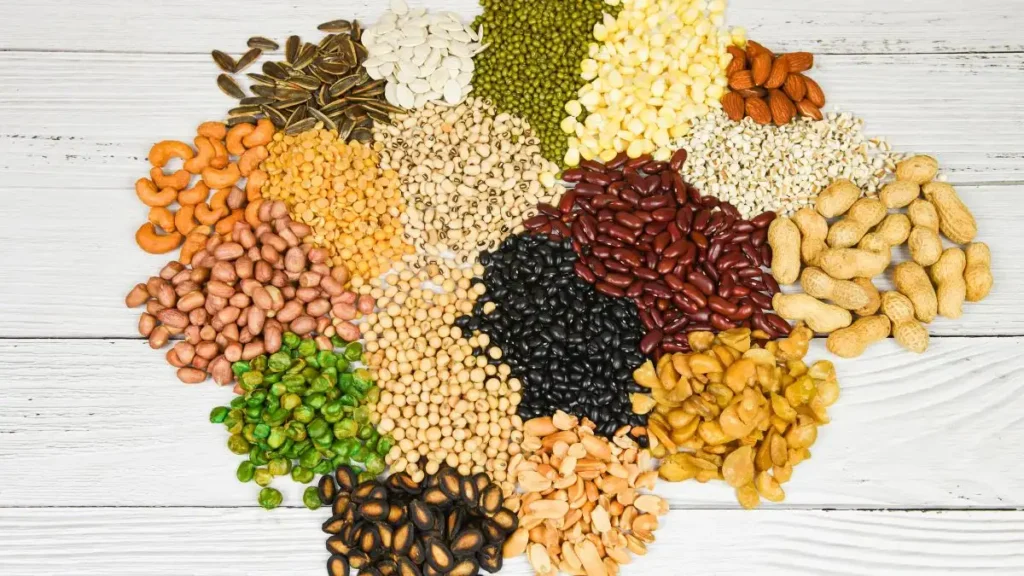
Vegetables, beans, lentils, intact whole grains, nuts, seeds, and whole fruit provide fiber that slows digestion and can soften the rise in glucose after a meal.
Fiber rich foods also tend to provide greater volume and fullness for fewer calories than heavily processed foods. This can make weight loss easier without relying on constant hunger.
A practical plate starts with nonstarchy vegetables, adds beans or another protein source, and keeps refined starches to a smaller portion. Mediterranean eating patterns have improved glucose management and blood lipids in randomized trials involving people with type 2 diabetes.
| Build more meals around | Limit or replace more often | Why the change helps |
|---|---|---|
| Lentils, chickpeas, and beans | Large portions of white rice or refined pasta | Fiber and protein slow digestion |
| Leafy greens and nonstarchy vegetables | Fried side dishes | Greater volume with fewer calories |
| Whole fruit | Juice and sweet drinks | Intact fiber slows sugar absorption |
| Oats, barley, and other intact grains | Sweetened cereal and pastries | Less processing usually produces a slower glucose rise |
| Nuts and seeds in measured portions | Cookies and candy | More unsaturated fat, fiber, and satiety |
| Water or unsweetened drinks | Soda and sweetened tea | Removes a concentrated source of rapidly absorbed sugar |
6. Remove Liquid Sugar First

Sugary drinks deliver glucose rapidly while doing little to satisfy hunger. Soda, sweet tea, energy drinks, flavored coffee, juice, and many bottled smoothies can add a large carbohydrate load in minutes.
Replacing these drinks with water, sparkling water, or unsweetened tea is often easier than changing an entire diet overnight.
Whole fruit is different from juice. Its intact structure and fiber slow eating and digestion, while a glass of juice may contain the sugar from several pieces of fruit without the same fullness.
7. Pair Carbohydrates Instead of Eating Them Alone

A bowl of refined cereal or a large piece of bread eaten alone can raise glucose quickly. Adding fiber, protein, and unsaturated fat generally slows stomach emptying and changes how rapidly carbohydrate reaches the bloodstream.
This does not make carbohydrate unlimited. It makes the meal more balanced.
Try pairing fruit with a small portion of nuts, oats with seeds and unsweetened soy yogurt, or brown rice with beans and a large serving of vegetables.
8. Walk After Meals
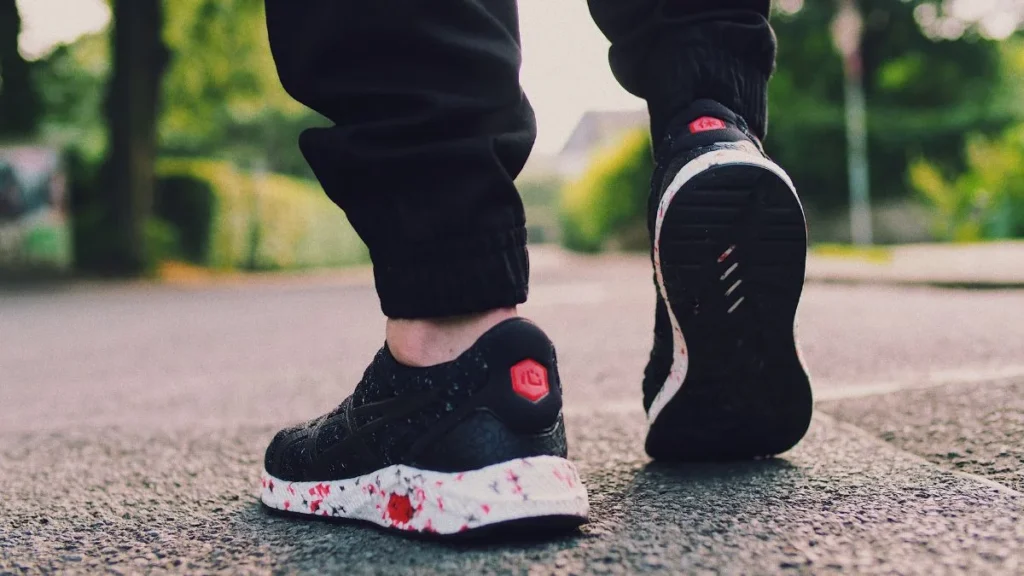
Muscle can take up glucose during physical activity, which makes a short walk after eating particularly useful.
The walk does not need to be intense. Ten to fifteen minutes after one or more meals can be a realistic starting point for someone who has been inactive.
Over the week, work toward at least 150 minutes of moderate activity when medically appropriate. Current diabetes guidance treats regular physical activity as a core part of metabolic health, even when weight loss is modest.
Exercise can lower blood glucose during activity and for hours afterward. Ask your clinician how to monitor safely if you use insulin, a sulfonylurea, or another medicine that can cause hypoglycemia.
9. Strengthen Their Muscles

Muscle is a major destination for glucose after meals. Resistance training can increase the amount and metabolic activity of this tissue, improving the body’s capacity to handle glucose.
Start with two sessions each week if your clinician agrees. Chair squats, wall pushups, resistance band rows, and light carries can train large muscle groups without requiring a gym.
Progress slowly. Consistency matters more than lifting the heaviest weight in the room.
10. Track Patterns, Not Perfect Readings
One glucose result is a snapshot. A pattern reveals which meals, sleep problems, medications, activities, or illnesses are repeatedly influencing blood sugar.
Some people check before a meal and again at a clinician recommended interval afterward. Others use a continuous glucose monitor when prescribed or accessible.
Continuous glucose data can make daily patterns easier to see, but readings still need context. Stress, illness, medication timing, hydration, and poor sleep can all influence the result.
The Daily Habit That Actually Works
- Record your fasting glucose as directed by your clinician.
- Note what you ate before an unexpected high or low.
- Add a ten minute walk after your largest meal.
- Review the weekly pattern instead of judging one reading.
- Share repeated highs, lows, or symptoms with your care team.
11. Protect Seven Hours of Sleep

Poor sleep can make glucose management harder. Even one short night may temporarily reduce the body’s ability to use insulin efficiently.
Aim for at least seven hours on a regular schedule when possible. Keep the bedroom dark, reduce late caffeine, and discuss loud snoring, choking during sleep, morning headaches, or persistent daytime sleepiness with a clinician.
Those symptoms may suggest sleep apnea, which is common among people with type 2 diabetes and obesity.
12. Stop Treating Stress as Separate From Diabetes
Stress hormones can tell the liver to release more glucose. Stress can also increase emotional eating, disrupt sleep, and make medication routines harder to maintain.
Quietly successful people develop a small pressure release valve before they need it. This may be a daily walk, slow breathing, prayer, counseling, journaling, or a regular call with someone supportive.
Diabetes distress is real. Mental health problems and diabetes can worsen each other, while improving one can make the other easier to manage.
13. Keep Their Follow Up Appointments
Feeling better does not prove that glucose, kidneys, eyes, nerves, or blood vessels are safe.
A1C is commonly repeated about every three months when treatment is changing or goals are not being met. People with stable control may be tested less often, depending on their clinician’s plan.
Routine care may also include blood pressure checks, cholesterol testing, kidney blood and urine tests, dilated eye examinations, dental care, and foot examinations. Diabetes can damage organs before symptoms become obvious.
| Check | What it can reveal | Typical discussion point |
|---|---|---|
| A1C | Average glucose over about three months | Is treatment reaching the personal target? |
| Home glucose or sensor data | Daily highs, lows, and meal patterns | Are food, activity, or medication changes needed? |
| Urine albumin and kidney blood tests | Early kidney stress or reduced filtration | Is kidney protective treatment appropriate? |
| Blood pressure | Cardiovascular and kidney risk | Is the target being met safely? |
| Cholesterol panel | Risk related blood fats | Would medication or dietary change reduce risk? |
| Dilated eye exam | Diabetes related retinal damage | Is monitoring or treatment needed? |
| Foot exam | Reduced sensation, circulation problems, or skin damage | Are shoes, wound care, or specialist review needed? |
14. Prepare for Bad Days
A sustainable diabetes plan must survive illness, restaurant meals, travel, celebrations, fatigue, and stressful weeks.
People who maintain progress keep simple backup foods available. Examples include frozen vegetables, canned beans without heavy sauces, plain oats, fruit, whole grain bread, and portioned nuts.
They also ask their clinician for sick day instructions. Illness can raise blood sugar even when a person is eating less, and some medications may need special handling during vomiting, dehydration, fasting, or medical procedures.
15. Treat Remission as Maintenance, Not Graduation

Remission can last, but it can also end if weight returns, insulin production declines, illness develops, or glucose raising medication becomes necessary.
The five year follow up of DiRECT showed that remission was harder to sustain over time than to achieve initially. Continued support and maintained weight loss were central to longer term success.
This is why people who remain well do not throw away the habits that helped them. They continue monitoring, moving, planning meals, sleeping adequately, and attending preventive appointments.
What Progress May Look Like Over Time
Every body responds differently, and medication changes can alter readings quickly. This is a general reference, not a guaranteed timeline.
| Time period | Changes a person may notice | What should be reviewed |
|---|---|---|
| First several days | Lower readings after removing sugary drinks or reducing portions | Symptoms of low glucose and medication safety |
| Two to four weeks | More predictable meal readings, improved energy, early weight change | Food pattern, activity, hunger, and adherence |
| About three months | A1C reflects much of the recent routine | Whether targets or medication need adjustment |
| Six to twelve months | Larger weight and metabolic changes may become visible | Remission eligibility, kidney health, blood pressure, and cholesterol |
| Beyond one year | Maintenance becomes the main challenge | Weight regain, relapse, screening, and long term support |
When to Stop Reading and Get Medical Help
Seek urgent medical care for confusion, fainting, seizures, severe weakness, difficulty speaking, chest pain, severe shortness of breath, or a glucose reading that remains dangerously high with vomiting or dehydration.
A blood glucose level below 70 mg/dL is generally considered low. Shaking, sweating, hunger, dizziness, confusion, irritability, and a racing heartbeat can be warning signs. Severe hypoglycemia may require emergency treatment.
Call your clinician promptly for repeated low readings, frequent glucose results outside your agreed range, a new foot wound, spreading redness, blackened skin, sudden vision changes, or numbness that is getting worse.