

Your central vision can begin changing before everyday tasks feel impossible.
Ignore new distortion or blur, and age related macular degeneration may eventually interfere with reading, recognizing faces, driving, and seeing fine detail.
Food cannot cure the condition, but the right eating pattern may help protect the retina and support the macula before more damage accumulates.
The most useful macular defense diet starts with 11 foods that deliver carotenoids, antioxidants, healthy fats, and minerals your eyes use every day.
Diet can support eye health, but it cannot replace dilated eye examinations, prescribed injections, or other treatment. Speak with an eye doctor before changing supplements or treatment for macular degeneration.
What Food Can Actually Do for the Macula
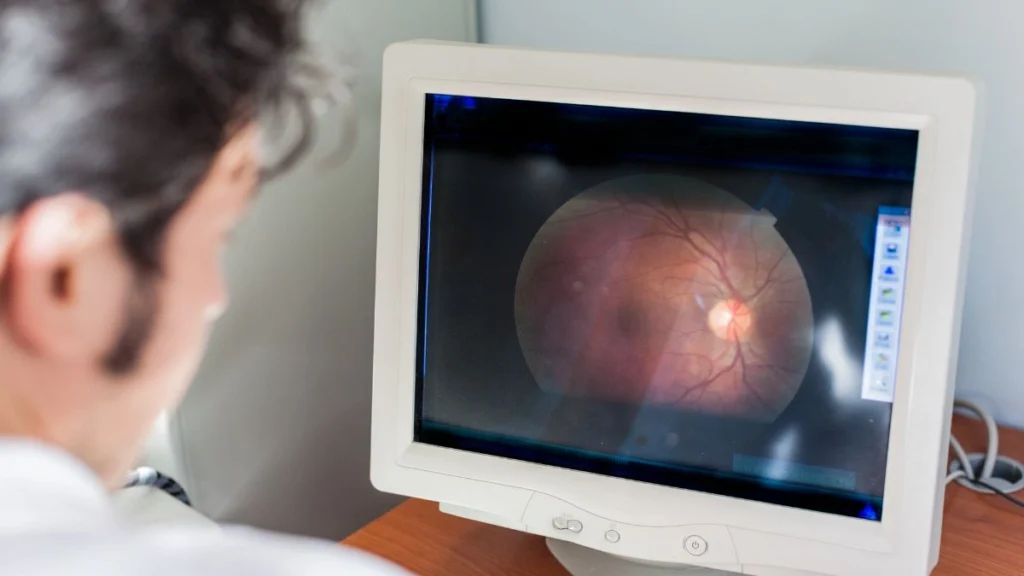
The macula is the small central portion of the retina responsible for sharp, detailed vision. It contains high concentrations of two yellow pigments called lutein and zeaxanthin.
These carotenoids form part of the macular pigment. They absorb some high energy light and help limit oxidative stress in retinal tissue. Dark leafy vegetables are among the richest dietary sources.
Age related macular degeneration, commonly called AMD, involves more than one process. Oxidative damage, inflammation, blood vessel dysfunction, genetic susceptibility, smoking, and aging can all influence risk.
Diet therefore works best as one part of a larger protection plan. Regular eye examinations, avoiding tobacco, controlling blood pressure, staying active, and following prescribed treatment remain essential.
A Mediterranean style eating pattern is especially promising because it combines vegetables, fruit, legumes, whole grains, nuts, olive oil, and fish while limiting processed food and excessive red meat.
Recent reviews associate stronger adherence to this pattern with a lower risk of AMD development or progression, although most diet evidence remains observational rather than proof of a guaranteed preventive effect.
| Eye protective nutrient | Main role in the eye | Useful food sources |
|---|---|---|
| Lutein | Contributes to macular pigment and helps filter high energy light | Kale, spinach, pistachios, eggs |
| Zeaxanthin | Concentrates in the macula and supports antioxidant defense | Orange peppers, eggs, corn |
| DHA and EPA | Form part of retinal cell membranes and support normal retinal function | Salmon, sardines, trout |
| Vitamin C | Water soluble antioxidant that helps defend tissue from oxidative stress | Oranges, strawberries, peppers |
| Vitamin E | Helps protect fatty cell membranes from oxidation | Almonds, sunflower seeds |
| Zinc | Supports retinal metabolism and vitamin A transport | Chickpeas, seafood, seeds |
1. Kale Packs the Pigments Your Macula Stores
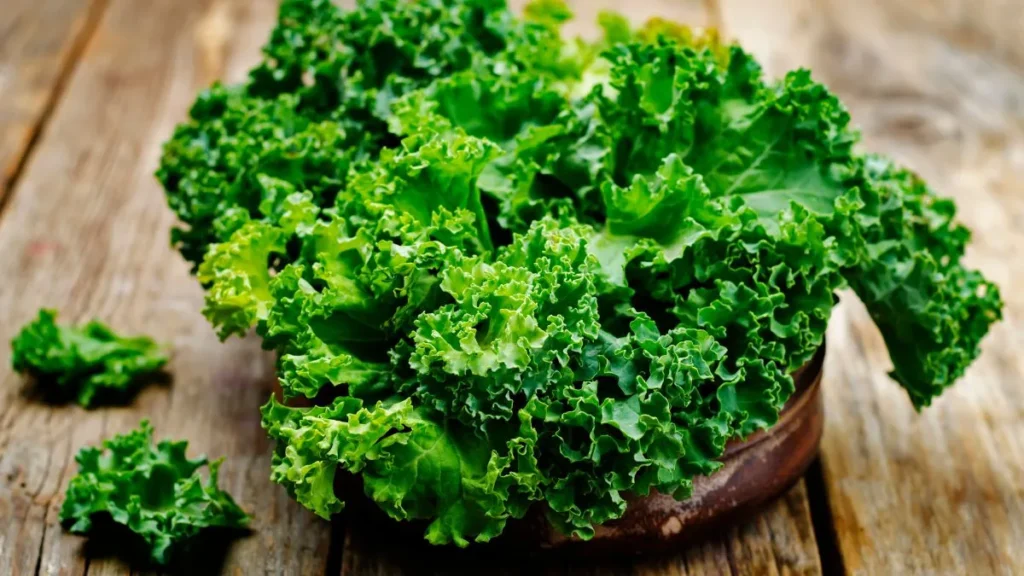
Kale is one of the most concentrated commonly available sources of lutein and zeaxanthin. These pigments accumulate in the macula, where they contribute to its natural yellow filter.
One cup of cooked kale delivers a much larger amount of carotenoids than a small garnish of raw greens. Cooking also reduces the volume, making a meaningful serving easier to eat.
Try adding half a cup to one cup of cooked kale to soup, beans, pasta, or a grain bowl several times a week. Include a little olive oil or another source of fat, since carotenoids are fat soluble.
2. Spinach Makes Eye Protective Eating Easier
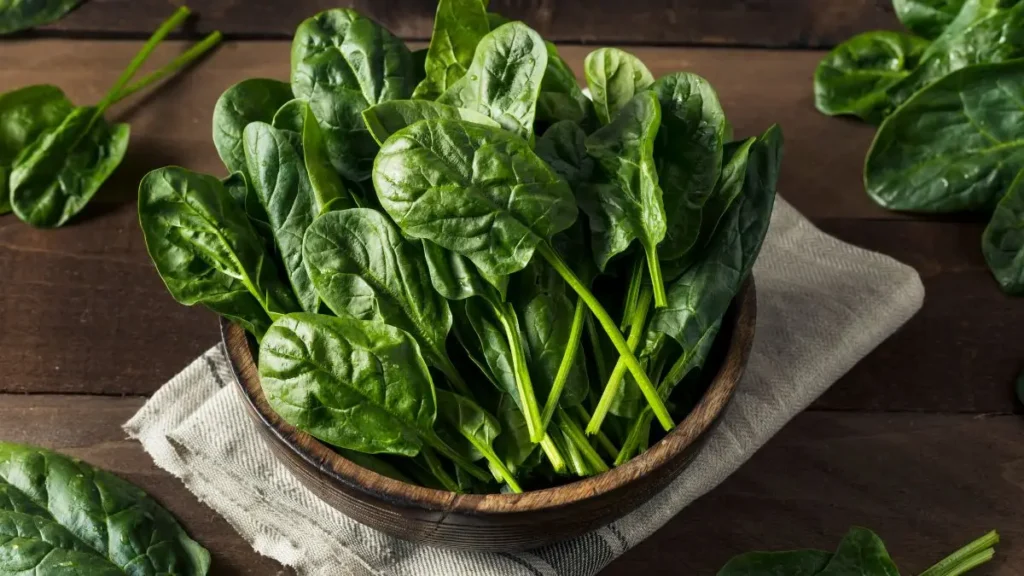
Spinach contains lutein, zeaxanthin, folate, vitamin C, and vitamin E. It is less bitter than many sturdy greens, so it is often the easiest entry point for someone who does not normally eat leafy vegetables.
The National Eye Institute notes that diets rich in green leafy vegetables have been associated with a lower risk of developing AMD. In AREDS2, people with lower dietary intake of lutein and zeaxanthin appeared to gain the most from supplemental versions of these nutrients.
Fold spinach into eggs, beans, lentil soup, curry, or tomato sauce. A large raw bowl shrinks quickly when cooked, so aim for at least half a cup cooked or two generous cups raw.
3. Salmon Supplies Retinal Omega 3 Fats
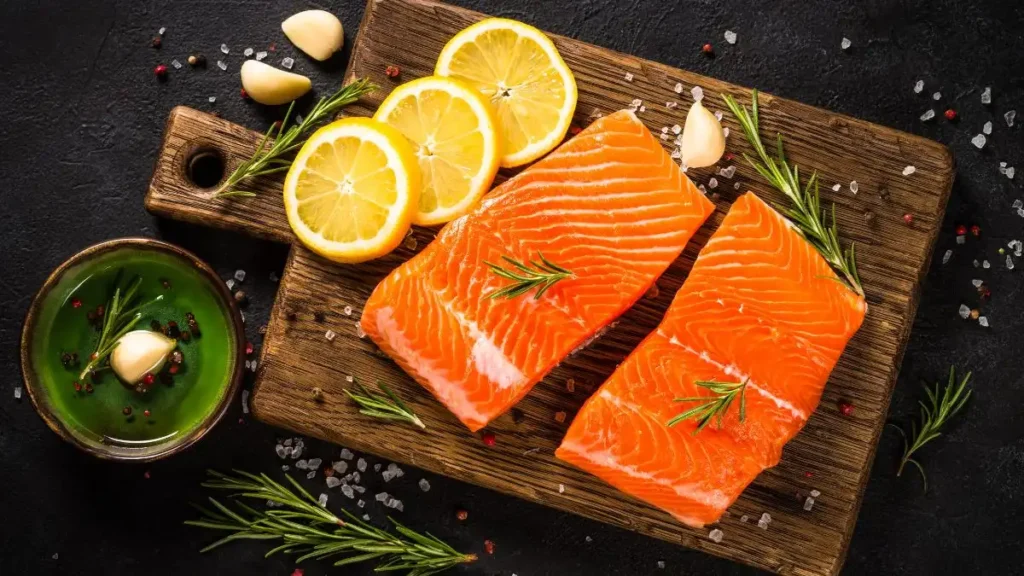
Salmon provides DHA and EPA, two long chain omega 3 fats. DHA is an important structural component of retinal cell membranes.
Observational studies link diets containing oily fish with a lower risk of advanced AMD. Mayo Clinic includes salmon and tuna among foods that may be helpful, while also noting that fish oil supplements have not shown the same AMD benefit.
A practical target is two servings of fish each week, unless your clinician has advised otherwise. Bake salmon with herbs, flake it into a salad, or serve it with greens and beans.
Fish intake must be individualized for people with seafood allergies, kidney disease, pregnancy related restrictions, or medicines that affect bleeding. A clinician or dietitian can help you choose an appropriate amount.
4. Sardines Offer Omega 3 Fats in a Small Serving
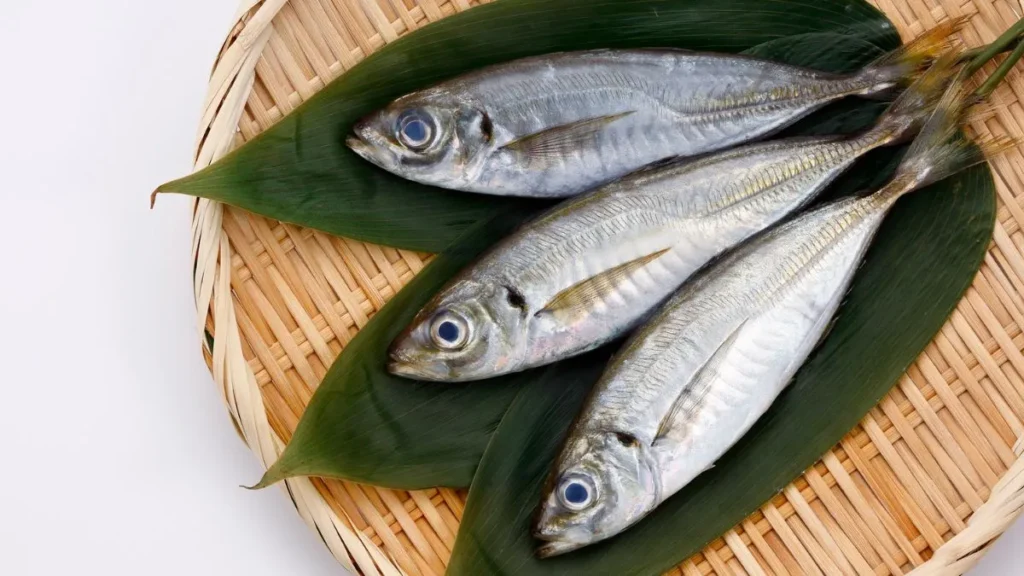
Sardines provide DHA, EPA, protein, vitamin D, and vitamin B12 in a compact package. Because the fish are small, they generally contain less mercury than many larger predatory fish.
Their healthy fats support the same Mediterranean style pattern associated with better retinal outcomes. Sardines are also affordable and shelf stable, which makes regular fish intake more realistic.
Mash them onto whole grain toast with lemon. You can also add them to pasta, white beans, or a tomato salad.
5. Orange Bell Peppers Bring Zeaxanthin and Vitamin C

Orange bell peppers stand out because they contain zeaxanthin along with vitamin C. Zeaxanthin is one of the two principal carotenoids found in macular pigment.
Vitamin C contributes additional antioxidant protection. The retina has high metabolic activity and is exposed to light, which makes protection from oxidative stress particularly relevant.
Eat orange peppers raw with hummus or roast them with onions and chickpeas. Pairing peppers with olive oil, avocado, nuts, or seeds may improve carotenoid absorption.
| Food | Main eye related advantage | Simple weekly target |
|---|---|---|
| Kale | Very high lutein and zeaxanthin content | 2 to 4 cooked servings |
| Spinach | Lutein rich and easy to add to meals | 3 or more servings |
| Salmon or sardines | DHA and EPA for retinal structure | 2 fish servings |
| Orange peppers | Zeaxanthin plus vitamin C | 2 to 3 servings |
| Eggs | Highly absorbable lutein and zeaxanthin | Several per week if suitable |
| Legumes | Zinc, fiber, and plant protein | At least 3 servings |
6. Eggs Provide Carotenoids in an Absorbable Form

Egg yolks contain both lutein and zeaxanthin. The absolute amount is lower than in kale, but the natural fat in yolk can make these carotenoids easier to absorb.
Eggs can therefore complement leafy greens rather than replace them. Mayo Clinic lists egg yolks among dietary sources of lutein and zeaxanthin.
Serve an egg over sautéed spinach, add a boiled egg to a kale salad, or combine eggs with peppers. People with specific cholesterol concerns should follow individualized advice from their healthcare professional.
7. Pistachios Add Lutein, Vitamin E, and Healthy Fat
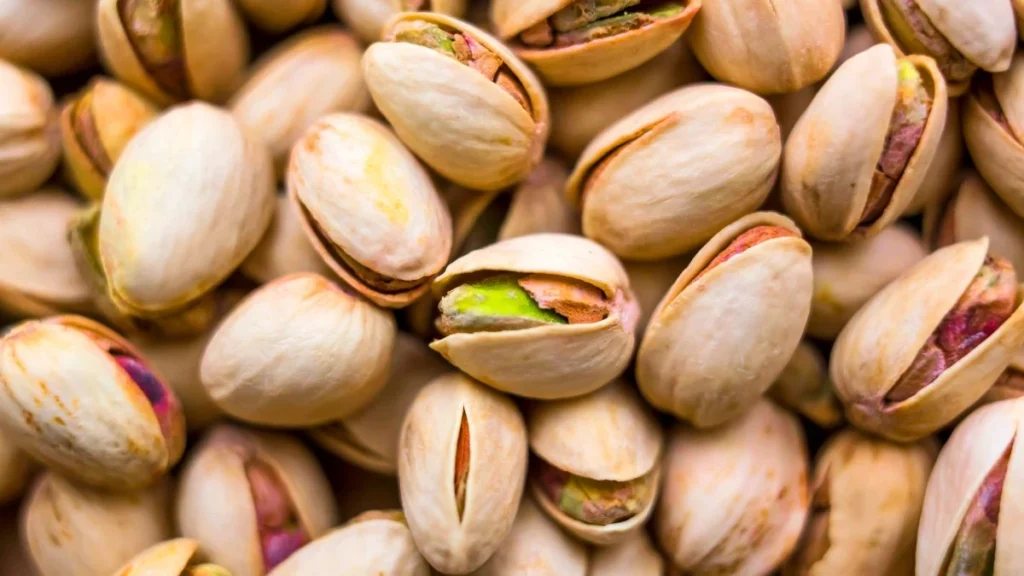
Pistachios contain lutein, zeaxanthin, vitamin E, and monounsaturated fat. This combination supports both carotenoid intake and absorption.
A small recent study reported that eating pistachios increased macular pigment optical density, a measurement related to the concentration of protective pigment in the macula. That finding is interesting, but it does not prove pistachios prevent AMD or blindness.
Choose a small handful, about one ounce, instead of eating freely from a large bag. Unsalted pistachios are generally the better choice for people watching their sodium intake.
8. Almonds Help Protect Fat Rich Retinal Cells
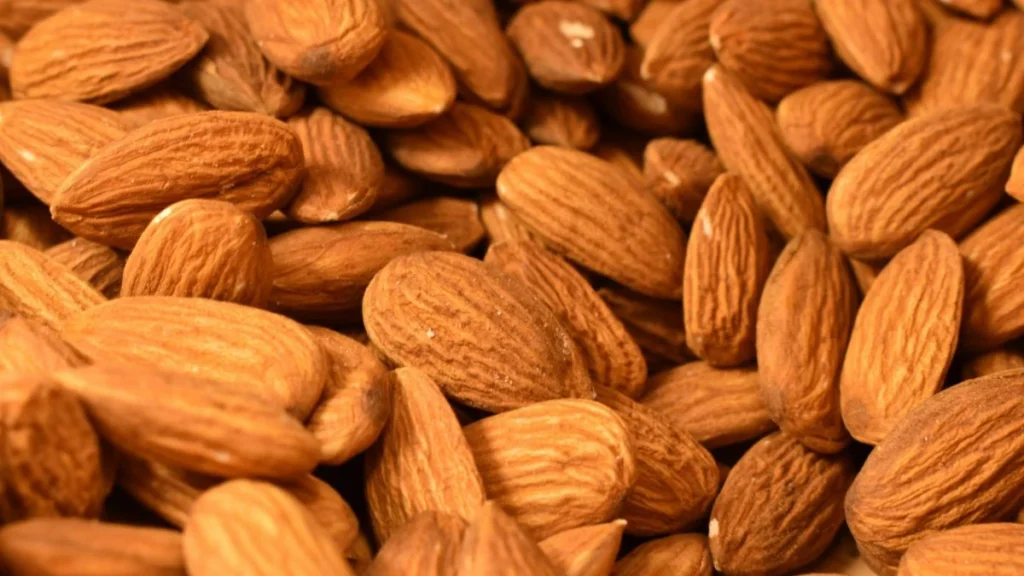
Vitamin E is a fat soluble antioxidant that helps protect cell membranes from oxidative damage. That matters because retinal tissue contains many delicate fatty structures.
Almonds are one of the easiest food sources of vitamin E. They also provide magnesium, fiber, and unsaturated fat, nutrients that fit naturally into a Mediterranean style diet.
Use one ounce as a snack, or sprinkle chopped almonds over oatmeal, greens, or yogurt. Nut butter is another option, but check the label for excessive sugar or added saturated fat.
9. Oranges Reinforce the Eye’s Antioxidant Network
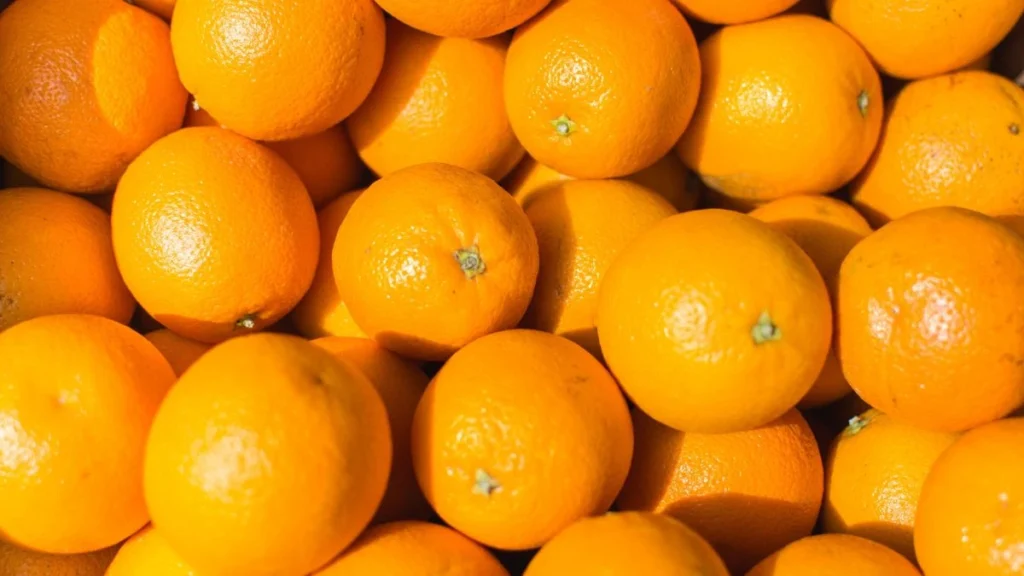
Oranges and other citrus fruits supply vitamin C, flavonoids, and fluid. Vitamin C helps regenerate other antioxidants and participates in the body’s defense against oxidative stress.
Cleveland Clinic includes citrus fruit among the food groups recommended for people concerned about macular degeneration. It also emphasizes colorful vegetables, leafy greens, fish, nuts, and seeds.
Eat the whole fruit more often than drinking juice. The fiber slows consumption and supports steadier blood glucose, which matters because diabetes can damage the retina through a separate disease called diabetic retinopathy.
10. Chickpeas Supply Zinc Without Relying on Red Meat
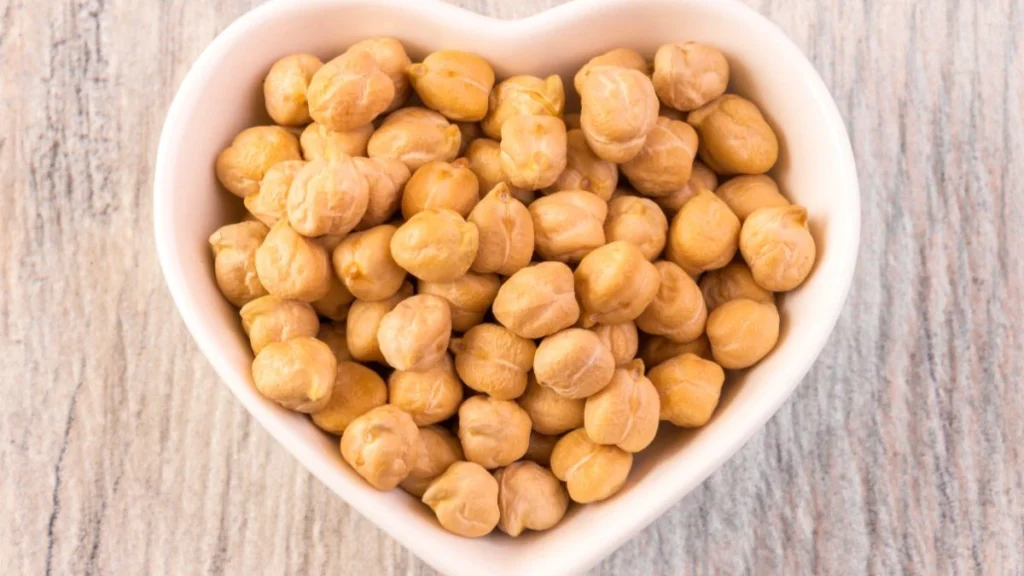
Zinc is found in high concentrations in the retina and is involved in vitamin A metabolism. It is also part of the researched AREDS and AREDS2 supplement formulas used for certain stages of AMD.
Chickpeas offer zinc, plant protein, folate, and soluble fiber. They fit the predominantly plant based eating pattern that recent ophthalmology research considers preferable to a diet dominated by animal foods, especially when plenty of vegetables and fish are included.
Add half a cup of chickpeas to salads, soup, or grain bowls. Hummus counts too, although whole chickpeas usually provide more texture and satiety.
11. Extra Virgin Olive Oil Helps the Other Foods Work Better

Extra virgin olive oil contains monounsaturated fat and plant compounds with antioxidant and anti inflammatory properties. Its fat also helps the intestine absorb lutein, zeaxanthin, and other carotenoids from vegetables.
Olive oil is a central feature of the Mediterranean diet. Mayo Clinic specifically recommends unsaturated fats such as olive oil as part of dietary guidance for macular degeneration.
Use it to dress spinach, kale, peppers, beans, or whole grains. One or two teaspoons may be enough for a meal, since olive oil is beneficial but still calorie dense.
The Daily Macular Defense Plate
No single serving of kale or salmon can cancel smoking, uncontrolled blood pressure, or missed eye appointments. The strongest approach combines foods into a repeatable pattern.
Build most meals around vegetables, legumes, whole grains, nuts, olive oil, and fruit. Add fish regularly and keep heavily processed meats, refined carbohydrates, and excessive alcohol from dominating the plate.
Try This Today
- Add one cooked leafy green to lunch or dinner.
- Pair greens with one teaspoon of olive oil.
- Schedule two fish meals for the coming week.
- Replace one processed snack with fruit and a small handful of nuts.
- Keep chickpeas or lentils ready for quick plant protein.
| Eat more often | Keep less frequent | Why the difference matters |
|---|---|---|
| Leafy greens | Deep fried vegetables | Greens deliver carotenoids without large amounts of damaged cooking fat |
| Beans and chickpeas | Processed meat | Legumes add fiber and minerals with less saturated fat and sodium |
| Whole fruit | Sugary fruit drinks | Whole fruit provides fiber and causes slower sugar delivery |
| Salmon or sardines | Breaded fried fish | Oily fish supplies omega 3 fats without heavy refined coating |
| Olive oil and nuts | Trans fat and excessive saturated fat | Unsaturated fats support a heart healthy dietary pattern |
| Whole grains | Refined sweets and pastries | Whole grains support better metabolic and vascular health |
Food Is Not the Same as AREDS2
This distinction can protect readers from wasting money or taking the wrong supplement.
The AREDS2 formula is a specific high dose combination of vitamin C, vitamin E, zinc, copper, lutein, and zeaxanthin.
It is intended mainly for people with intermediate AMD, or certain people with late AMD in one eye. It is not a general multivitamin and it has not been shown to prevent AMD from starting.
The original AREDS formula included beta carotene. Current and former smokers are advised to avoid beta carotene versions because of an increased lung cancer risk. AREDS2 replaced beta carotene with lutein and zeaxanthin.
In the major trials, AREDS or AREDS2 supplements reduced progression from intermediate to advanced AMD by about 25 percent over roughly five years. The result applies to particular disease stages, not to every person seeking better eye health.
Food and supplements therefore have different jobs. A nutritious diet supports long term retinal and cardiovascular health, while AREDS2 is a clinical tool for selected patients after an eye examination.