

A weak stream, repeated bathroom trips, or another broken night of sleep can start to feel normal after 60.
That is the dangerous part. Men may blame age while an enlarged prostate, infection, bladder problem, medication effect, or cancer quietly goes unchecked.
No habit can guarantee a trouble free prostate. Still, certain routines can reduce urinary strain, support metabolic health, and help men catch serious problems before they become harder to treat.
Before changing your diet, fluid intake, exercise routine, supplements, or medications, speak with your doctor. Urinary symptoms after 60 can have several causes, and they should not automatically be blamed on an enlarged prostate.
First, “Prostate Trouble” Is Not One Condition
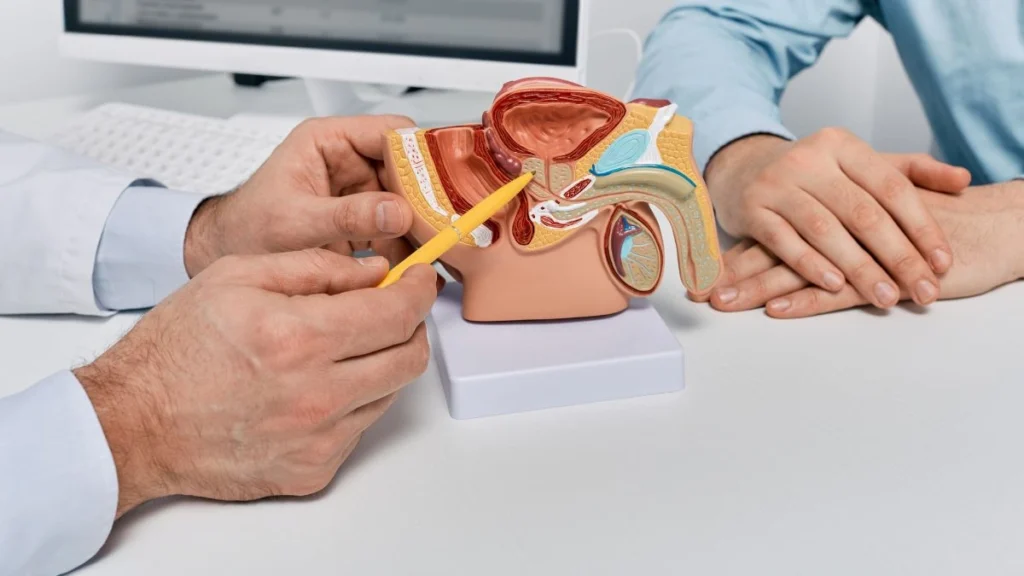
The prostate sits below the bladder and surrounds part of the urethra, the tube that carries urine out of the body.
As the prostate enlarges, it can press against that tube and make urination more difficult. Benign prostatic hyperplasia, commonly called BPH, is the most common prostate problem in men older than 50.
BPH is not prostate cancer. Prostatitis, urinary tract infections, bladder disorders, medication side effects, and prostate cancer can create some of the same symptoms.
That overlap is why men who seem to avoid serious prostate trouble often share one important behavior. They do not diagnose themselves.
| Possible problem | Common clues | What makes it different |
|---|---|---|
| Enlarged prostate | Weak stream, hesitancy, dribbling, urgency, night urination | Usually develops gradually and is not cancer |
| Prostatitis | Pelvic pain, painful urination, pain after ejaculation, fever in some cases | May involve inflammation or infection |
| Bladder problem | Urgency, leakage, frequent urination | Symptoms may occur without major prostate enlargement |
| Prostate cancer | Often no early symptoms, sometimes urinary changes later | Risk rises with age and may require PSA testing or further evaluation |
| Urinary retention | Inability to empty the bladder or urinate at all | Can become an urgent medical problem |
1. Treat New Urinary Changes as Information
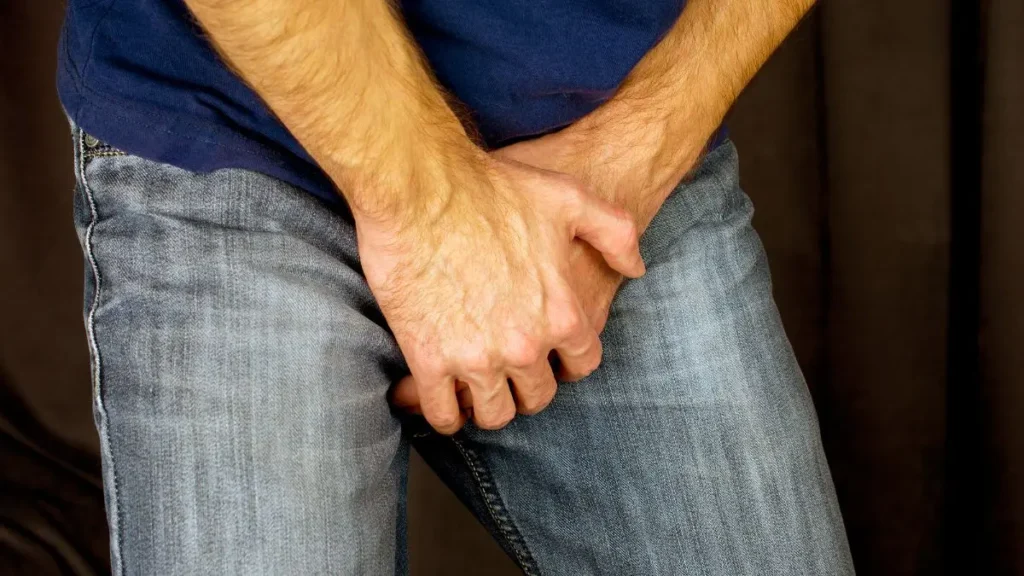
Men who protect their prostate health do not dismiss a weaker stream simply because they are older.
Trouble starting, interrupted flow, dribbling, urgency, frequent urination, and waking repeatedly at night are recognized symptoms of BPH. They can also be caused by bladder disease, infection, or other conditions.
Keep a simple record for three to seven days. Note how often you urinate, how many times you wake at night, whether you feel fully empty, and which drinks seem to worsen urgency.
That short record can give a clinician more useful information than saying, “I go a lot.”
2. They Have a Real Screening Conversation
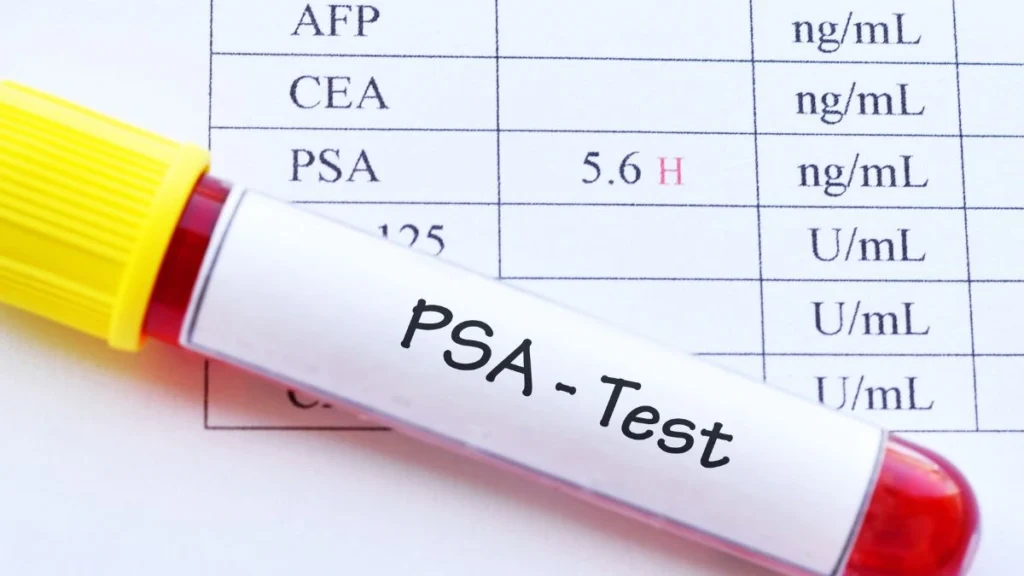
A PSA test is not a magic pass or fail test.
PSA can rise because of cancer, BPH, inflammation, infection, and other factors. A higher result may lead to repeat testing, imaging, or biopsy, so the decision should involve your age, health, family history, preferences, and life expectancy.
The American Cancer Society recommends discussing prostate cancer screening at age 50 for men at average risk who expect to live at least another 10 years.
The suggested discussion begins at 45 for Black men and men with a father or brother diagnosed before 65, and at 40 for men with more than one close relative diagnosed early.
The United States Preventive Services Task Force advises individual decision making for men ages 55 through 69. Its recommendation discourages routine PSA screening after 70, although personal circumstances still belong in a conversation with a clinician.
The smart habit is not demanding a PSA every year. It is refusing to reach your sixties without understanding your own risk.
3. Know Their Family History
A father or brother with prostate cancer, especially at a younger age, can change the timing and importance of screening discussions.
Inherited changes involving genes such as BRCA2 and conditions such as Lynch syndrome can also raise prostate cancer risk.
Ask relatives who had prostate, breast, ovarian, pancreatic, or colorectal cancer, and ask how old they were at diagnosis. Bring that information to your next checkup.
Do not settle for “cancer runs in the family.” The type of cancer and age at diagnosis matter.
4. Every Day Movement
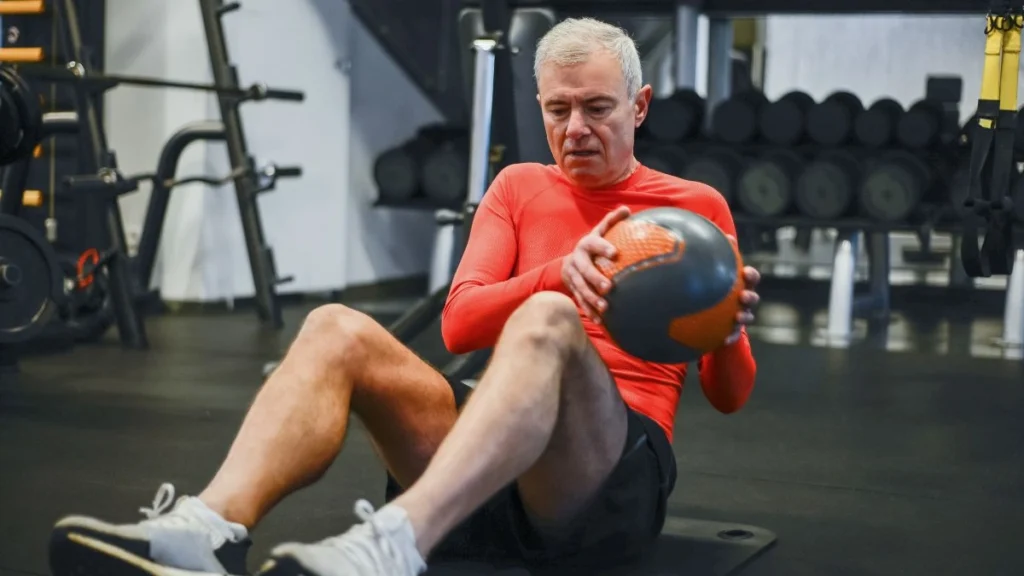
Regular movement may be one of the most useful lifestyle habits for urinary health.
NIDDK notes that researchers have not found a proven way to prevent BPH, but physical activity may help reduce risk. Observational research also links more leisure and home activity with less severe lower urinary tract symptoms, although not every study has found the same degree of benefit.
Exercise may help through weight control, better insulin sensitivity, improved circulation, and lower systemic inflammation. It may also reduce constipation, which can increase pressure and worsen bladder discomfort.
Aim to accumulate about 150 minutes of moderate activity each week if your health permits. Brisk walking, cycling, swimming, and resistance exercise all count.
A ten minute walk after each meal is often easier to maintain than one long workout.
5. They Break Up Long Sitting Periods
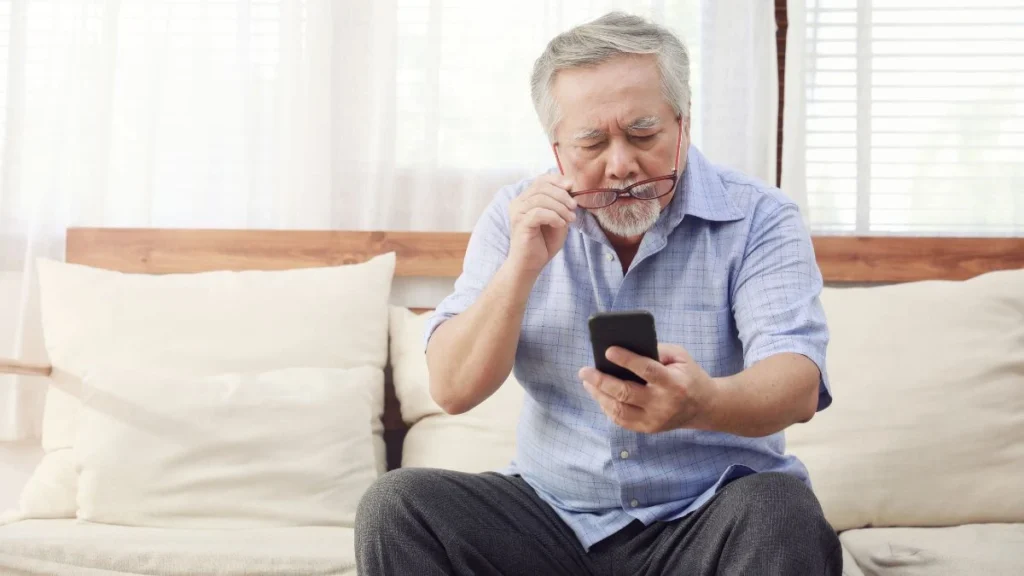
One exercise session does not erase an entire day spent in a chair.
Research has linked lower sedentary time with a lower prevalence of BPH, although this evidence is observational and cannot prove that sitting directly causes prostate enlargement.
Set a reminder to stand and move for two to five minutes every 30 to 60 minutes. Walk while making phone calls, carry groceries in smaller loads, or take a lap around the house between television programs.
The goal is not athletic performance. It is to stop immobility from becoming your default state.
6. They Keep Abdominal Weight From Creeping Up
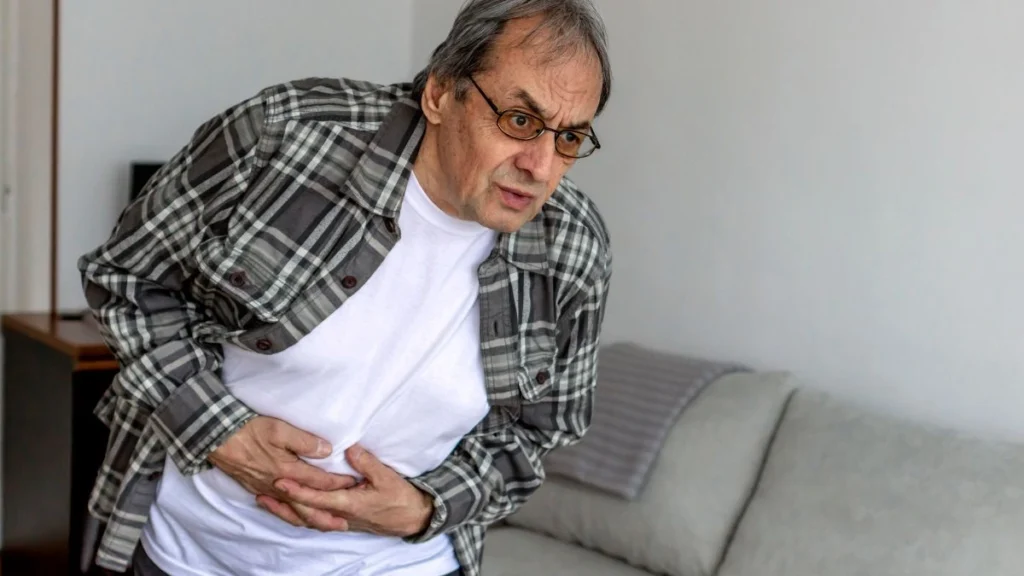
Extra body fat is linked with a greater likelihood of lower urinary tract symptoms and symptomatic BPH.
Reviews of the evidence suggest that obesity, activity level, and diet can influence the risk or severity of BPH related symptoms. Researchers also note that stronger clinical trials of lifestyle treatment are still needed.
Abdominal fat is metabolically active. It can affect insulin signaling, inflammation, hormone balance, and vascular health, all of which may influence the prostate and bladder.
Focus first on waist trend rather than chasing a perfect scale number. A slowly expanding waist over several years is worth addressing.
| Habit | Practical target | Why it may help |
| Brisk walking | About 30 minutes on most days | Supports weight, blood sugar, circulation, and bowel regularity |
| Strength exercise | Two or more days weekly | Preserves muscle and improves metabolic health |
| Sitting breaks | Every 30 to 60 minutes | Reduces long uninterrupted sedentary periods |
| Waist monitoring | Check monthly under similar conditions | Reveals gradual abdominal weight gain |
| Consistent sleep | Regular sleep and wake times | Supports appetite and metabolic regulation |
Exercise targets must be adjusted for heart disease, joint problems, balance issues, recent surgery, and other medical conditions. A clinician or physical therapist can help you choose a safe starting level.
7. Eat a Plant Forward Pattern, Not a Miracle Food

No tomato, seed, tea, or berry can guarantee protection from BPH or prostate cancer.
The stronger strategy is an eating pattern built around vegetables, fruit, beans, whole grains, nuts, and healthier unsaturated fats. A Mediterranean style pattern emphasizes these foods, with extra virgin olive oil as a major fat source.
This approach can make weight control easier while improving cardiovascular and metabolic health. Those benefits matter because urinary symptoms often exist beside diabetes, obesity, vascular disease, and physical inactivity.
Build meals around plants instead of treating vegetables as decoration. Half a plate of vegetables, a serving of beans or another lean protein, and a high fiber carbohydrate is a practical formula.
8. Get Fiber From Actual Food

Constipation can increase pelvic pressure and make bladder symptoms feel worse.
NIDDK includes avoiding constipation among lifestyle strategies used to support bladder control.
Men over 60 can improve fiber intake with oats, barley, lentils, chickpeas, beans, berries, pears, vegetables, and whole grain bread. Increase fiber gradually and drink enough fluid to prevent harder stools.
A recent American Cancer Society research summary also reported that higher grain fiber intake was associated with a slightly lower risk of advanced or fatal prostate cancer. That finding is promising, but it does not prove that grain fiber prevents cancer.
Food should remain the foundation. High dose fiber powders can cause bloating or interfere with some medicines when taken too close together.
9. They Time Fluids Instead of Becoming Dehydrated
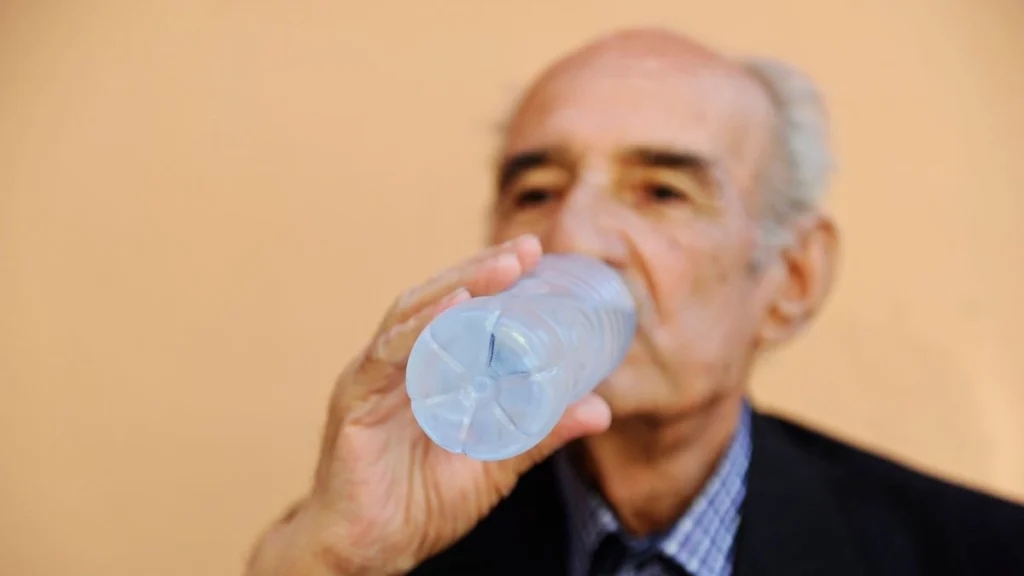
Men bothered by night urination sometimes respond by barely drinking.
That can backfire. Concentrated urine may irritate the bladder, while dehydration can contribute to constipation, dizziness, and kidney problems.
The American Urological Association recommends lifestyle steps such as limiting fluid before bedtime or travel when urinary symptoms are troublesome. It does not recommend avoiding fluids all day.
Drink steadily earlier in the day. Then reduce large drinks during the two or three hours before bed, unless a clinician has given you different instructions.
Small sips for thirst are reasonable. The target is better timing, not deliberate dehydration.
10. They Test Their Caffeine Tolerance

Coffee and tea do not enlarge every man’s prostate, but caffeine can act as a mild diuretic and can increase urgency or frequency in sensitive people.
The American Urological Association lists caffeine reduction among conservative steps that may ease lower urinary tract symptoms.
Run a simple experiment. Keep your usual morning drink, remove afternoon and evening caffeine for one week, and track urgency and night urination.
If symptoms improve, you have useful personal evidence. If nothing changes, caffeine may not be a major trigger for you.
Remember that energy drinks, cola, strong tea, chocolate, and some headache medicines can also contain caffeine.
11. Notice What Alcohol Does Bladder
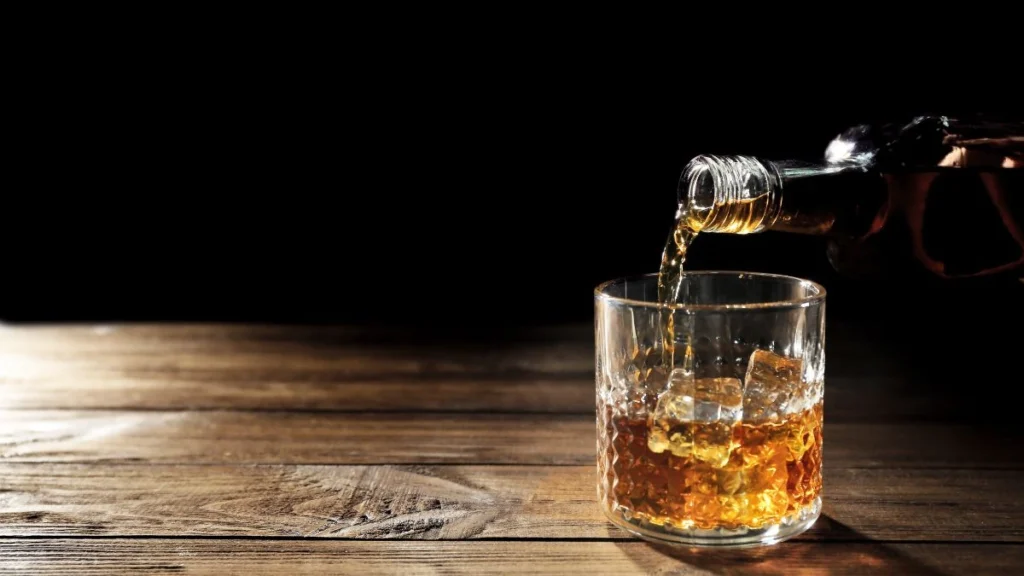
Alcohol can increase urine production and may worsen urgency, frequency, and night waking.
AUA guidance includes reducing alcohol as a practical measure for men with BPH related urinary symptoms.
Pay attention to timing and quantity. Several drinks late in the evening are more likely to disrupt sleep than one earlier drink.
Alcohol may also interact with prostate medicines, blood pressure drugs, sleep aids, and other prescriptions. Ask your pharmacist about your specific combination.
For some men, a two week alcohol break reveals that the bladder was more reactive than they realized.
12. They Check Cold and Allergy Medicines Before Taking Them
A cold medicine can turn manageable urinary symptoms into a miserable night.
Decongestants may tighten muscles around the bladder neck and prostate. Some antihistamines can weaken bladder contraction, making it harder to empty.
The American Urological Association specifically advises men with BPH symptoms to avoid or use caution with decongestants and antihistamines. NIDDK notes that sudden inability to urinate can sometimes occur after certain cold or allergy medicines.
Read labels for ingredients such as pseudoephedrine, phenylephrine, and sedating antihistamines. Ask a pharmacist which option is safest for your urinary symptoms and medical history.
Do not stop a prescribed medicine on your own. Bring a complete medication list to your appointment, including nonprescription products.
13. They Do Not Push, Strain, or Rush at the Toilet
Forcing urine does not overcome an obstruction safely.
Straining raises abdominal pressure and may still leave urine behind. Rushing can also cause men to stop before the bladder has emptied as fully as possible.
Use a relaxed approach. Give yourself time, breathe normally, and try double voiding if your clinician agrees.
Double voiding means urinating, waiting 20 to 30 seconds, then trying once more without pushing. It may help some men empty more completely, but persistent retention needs medical evaluation.
Do not make a habit of holding urine for many painful hours either. A regular bathroom schedule may reduce desperate urgency.
14. They Act Early When Symptoms Change
Men who avoid major complications are not necessarily men who never have symptoms.
They are often the men who respond before the symptoms become severe.
BPH treatment can include monitoring, lifestyle changes, prescription medicine, minimally invasive procedures, or surgery. The correct choice depends on symptom severity, bladder emptying, prostate size, personal priorities, and complications.
Early evaluation can also uncover diabetes, infection, bladder stones, medication effects, kidney stress, or cancer.
A symptom does not tell you its own cause. Testing does.
The Daily Habit That Actually Works
Try this prostate friendly routine:
- Walk for at least ten minutes after one or two meals.
- Drink most fluids earlier in the day.
- Keep caffeine and alcohol away from bedtime.
- Record night urination, urgency, and stream changes for one week.
- Review every prescription and nonprescription medicine with a pharmacist.
Which Habits Help, and Which Ones Commonly Hurt?
| Helps | Often hurts |
| Daily walking and regular strength work | Sitting for most of the day |
| Gradual weight management | Repeated crash dieting |
| Fiber rich whole foods | Low fiber meals and chronic constipation |
| Steady daytime hydration | Drinking very little all day |
| Smaller evening drinks | Large drinks close to bedtime |
| Tracking personal triggers | Assuming every food affects every man |
| Screening discussion based on risk | Ordering tests without discussing benefits and harms |
| Medication review | Taking decongestants without checking urinary effects |
| Early evaluation of symptoms | Waiting until urination becomes impossible |