
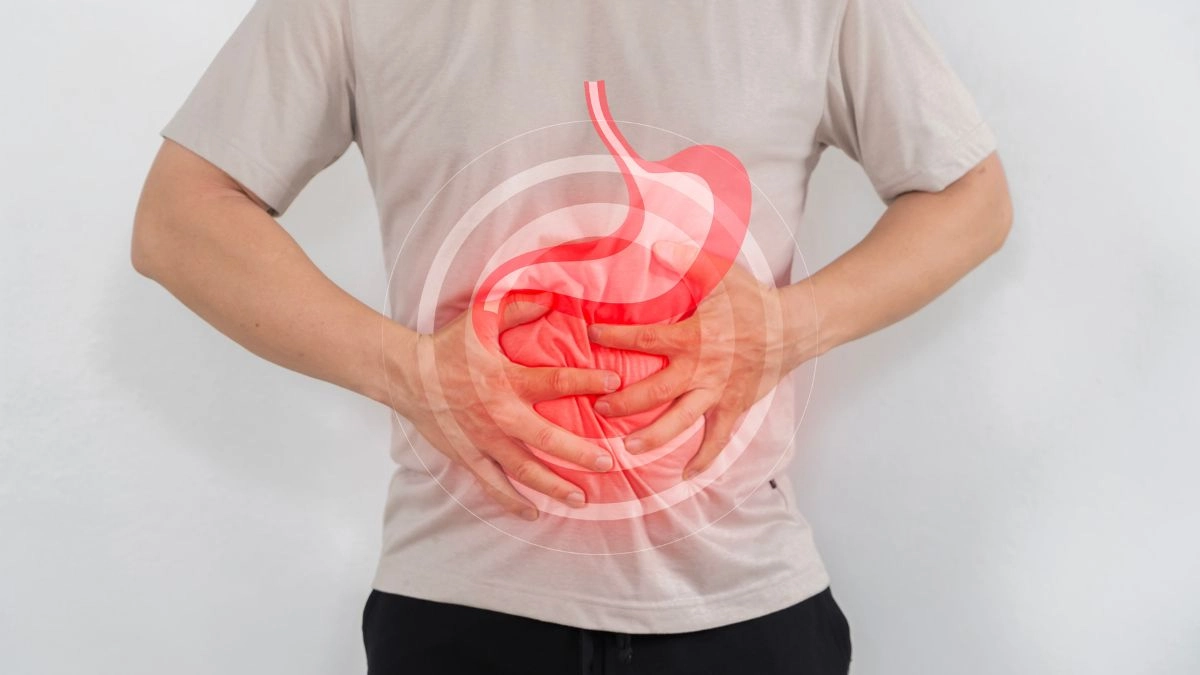
That burning pressure after dinner is not always harmless indigestion.
When acid reflux keeps returning after 40, repeated exposure can inflame the esophagus, disturb sleep, narrow the swallowing passage, and occasionally contribute to Barrett’s esophagus.
The frustrating part is that several everyday foods can quietly make symptoms worse without causing trouble immediately.
The solution is not to ban every enjoyable food forever. It is to identify which foods weaken your defenses, irritate an already sensitive esophagus, or keep your stomach full long enough for reflux to climb upward.
Why Acid Reflux Can Become Harder to Ignore After 40
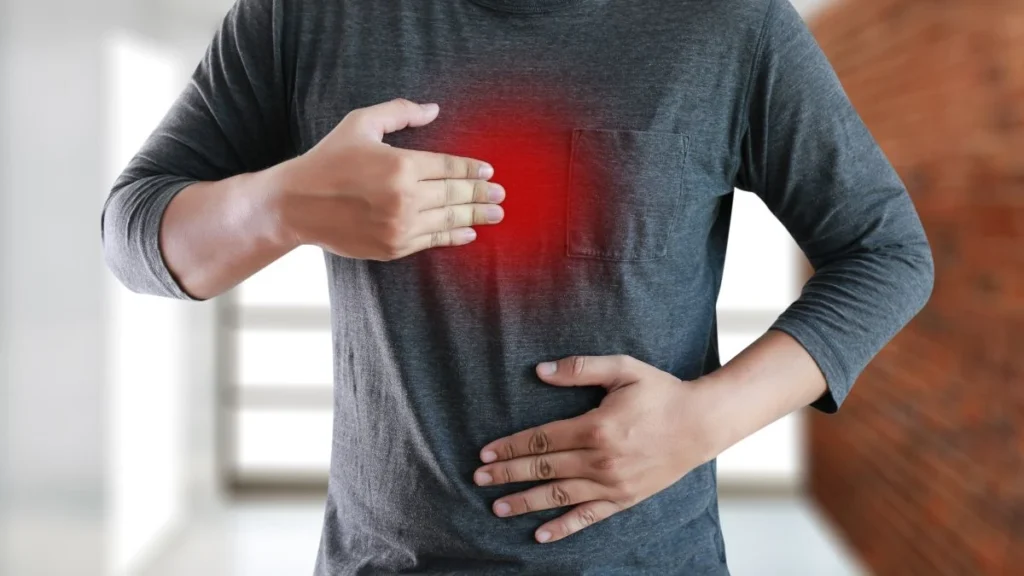
Acid reflux occurs when stomach contents travel backward through the lower esophageal sphincter. This ring of muscle normally opens when you swallow and then closes to keep food and stomach acid below the esophagus.
Certain meals can temporarily relax this valve. Others increase stomach pressure, delay stomach emptying, or sting tissue that has already been irritated by reflux.
Being over 40 does not mean these foods automatically cause GERD. However, years of recurrent symptoms, increasing abdominal weight, certain medications, slower digestion, and late evening eating patterns can make triggers more noticeable.
The American College of Gastroenterology defines GERD as frequent reflux symptoms, often two or more times per week, or reflux that causes tissue damage or other complications. Occasional heartburn after an unusually heavy meal is not necessarily the same condition.
The Three Ways Food Can Worsen Reflux
| Food effect | What may happen | Common examples |
|---|---|---|
| Relaxes the lower esophageal sphincter | Stomach contents can travel upward more easily | Chocolate, peppermint, alcohol |
| Delays stomach emptying or increases pressure | Food and acid remain in the stomach longer | Fried foods, fatty meats, large creamy meals |
| Irritates sensitive esophageal tissue | Burning may feel stronger even without more reflux episodes | Citrus, tomatoes, hot peppers |
| Expands the stomach with gas or volume | Belching and pressure may push contents upward | Fizzy drinks, oversized meals |
Not everyone reacts to every item. Clinical guidance generally recommends avoiding foods that reliably worsen your own symptoms rather than following an unnecessarily restrictive diet.
1. Fried Foods That Sit Heavy for Hours
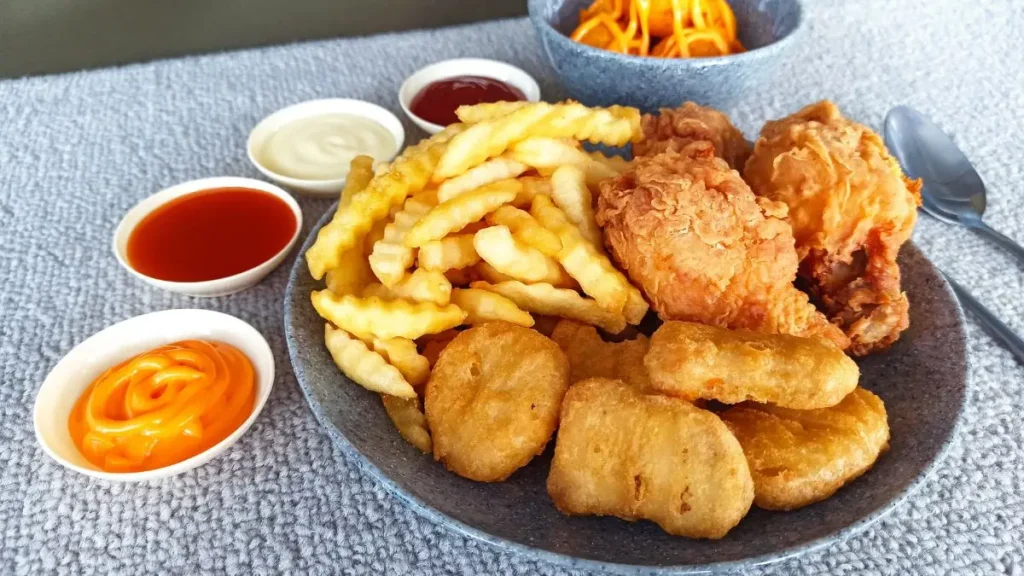
French fries, fried chicken, onion rings, doughnuts, and heavily battered foods combine large portions with substantial amounts of fat.
Fatty meals can stay in the stomach longer and may increase the perception of reflux symptoms. A fuller stomach also creates more pressure beneath the lower esophageal sphincter, especially when you bend, recline, or go to bed soon after eating.
Try baking, air cooking, grilling, steaming, or roasting instead. If fried food is a known trigger, portion size matters too, since a few bites at lunch may affect you differently than a large fried dinner at 9 p.m.
Better choice: Oven roasted potatoes with herbs, grilled chicken, baked fish, or lightly sautéed vegetables.
2. Fatty Cuts of Meat and Processed Meats
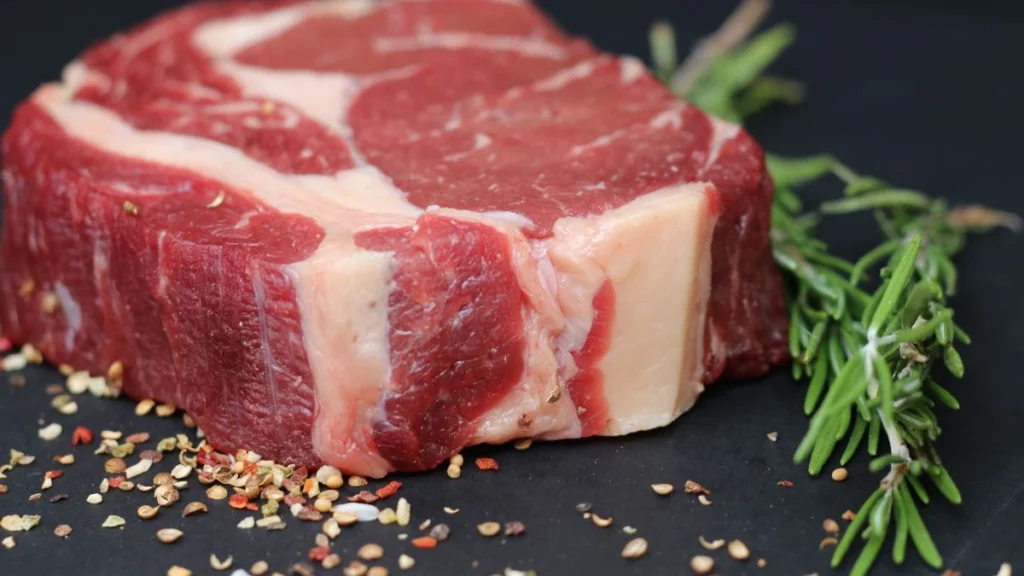
Bacon, sausage, salami, pepperoni, ribs, fatty burgers, and heavily marbled steaks can deliver a large fat load in a relatively small serving.
These foods may slow stomach emptying and are often eaten as part of oversized meals. Processed meats may also arrive with other triggers, including hot spices, tomato sauce, cheese, and late night eating.
Cleveland Clinic recommends choosing leaner meat and lower fat cooking methods for people who regularly experience reflux. Johns Hopkins similarly places emphasis on lean protein and fiber rich meals that are less likely to encourage overeating.
Better choice: Skinless chicken, turkey, fish, beans, lentils, tofu, or a small portion of lean meat.
3. Full Fat Dairy and Heavy Cream Sauces
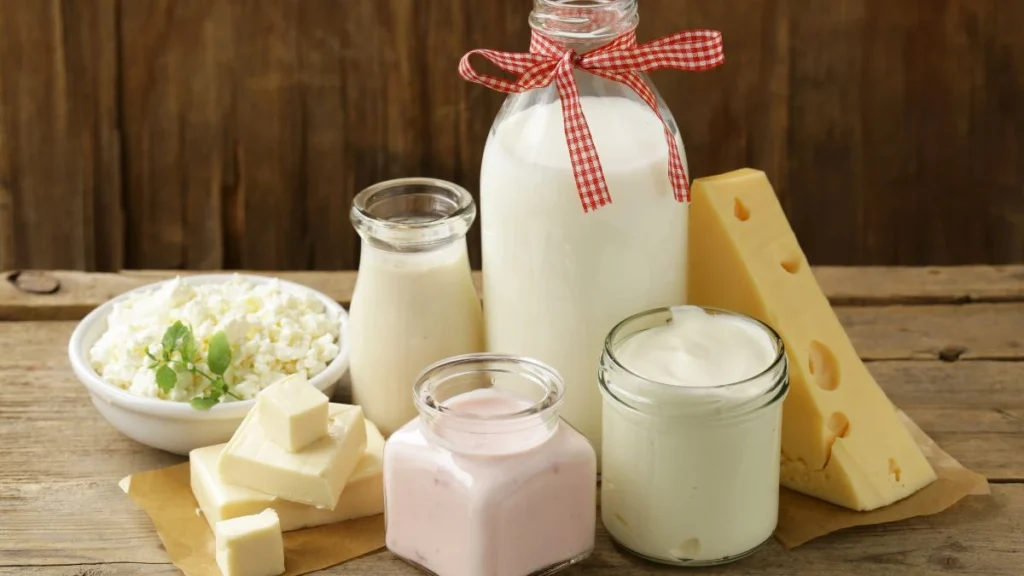
Cream based pasta, rich cheese sauce, full fat ice cream, heavy cream, and large amounts of butter can produce the same problem as other high fat foods.
The issue is not necessarily dairy itself. Low fat yogurt or a modest amount of milk may cause no reflux in one person, while a large bowl of ice cream before bed may trigger severe burning in the same person.
Pay attention to the complete meal. A creamy pasta dish may contain butter, cheese, garlic, fatty meat, and a large portion, making it difficult to blame one ingredient.
Better choice: Lower fat yogurt, smaller cheese portions, unsweetened plant milk, or sauces made with blended vegetables.
Individual tolerance varies. People with diagnosed digestive conditions, food allergies, kidney disease, or medication restrictions should discuss major dietary changes with a qualified healthcare professional.
4. Chocolate, Especially in Large Evening Portions
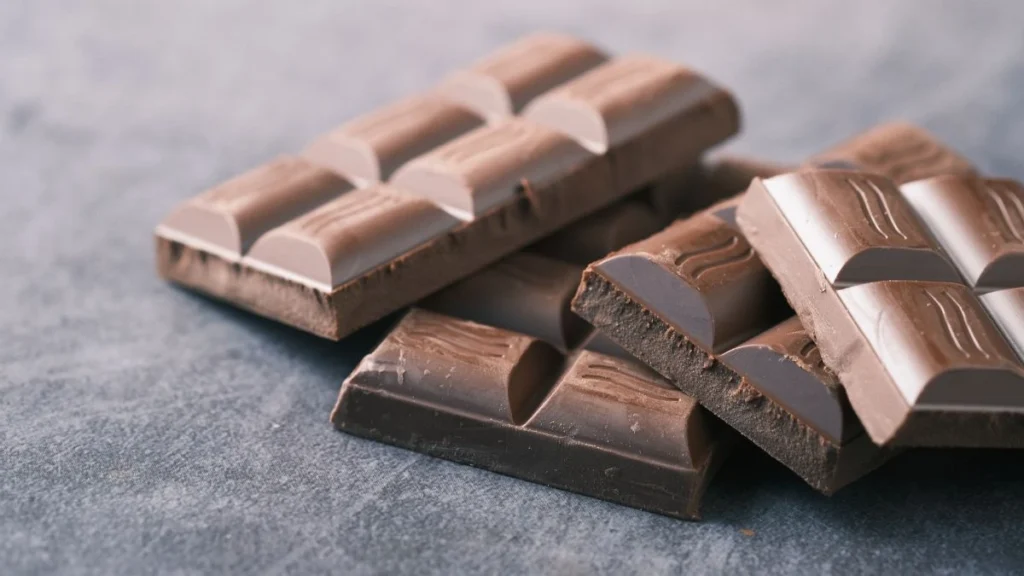
Chocolate contains fat, caffeine, and compounds that may affect the lower esophageal sphincter in susceptible people.
That does not mean one square will trigger everyone. The more common problem is a large chocolate dessert eaten after a rich dinner, when the stomach is already full and bedtime is approaching.
NIDDK, Mayo Clinic, and the American College of Gastroenterology all list chocolate among foods commonly linked with reflux symptoms.
Try this: Test a small portion earlier in the day. Record whether symptoms appear within the next several hours or during sleep.
5. Coffee and Other Sources of Caffeine

Coffee is one of the most confusing reflux triggers because reactions vary widely.
Caffeine may contribute to symptoms in some people, but coffee can also bother sensitive individuals because of its natural acidity, serving size, added cream, or the habit of drinking it on an empty stomach. Tea, energy drinks, cola, and concentrated caffeine products can cause similar trouble.
NIDDK includes coffee and other caffeine sources among commonly reported GERD triggers. Mayo Clinic and the American College of Gastroenterology also advise patients to limit them when they clearly worsen symptoms.
Before giving it up completely, test a smaller serving with food. You can also compare regular coffee, decaffeinated coffee, and a low acid variety on separate days.
Better choice: Water, non mint herbal tea, or a smaller cup of decaffeinated coffee if tolerated.
6. Alcohol, Including the Drink That “Never Bothered You Before”
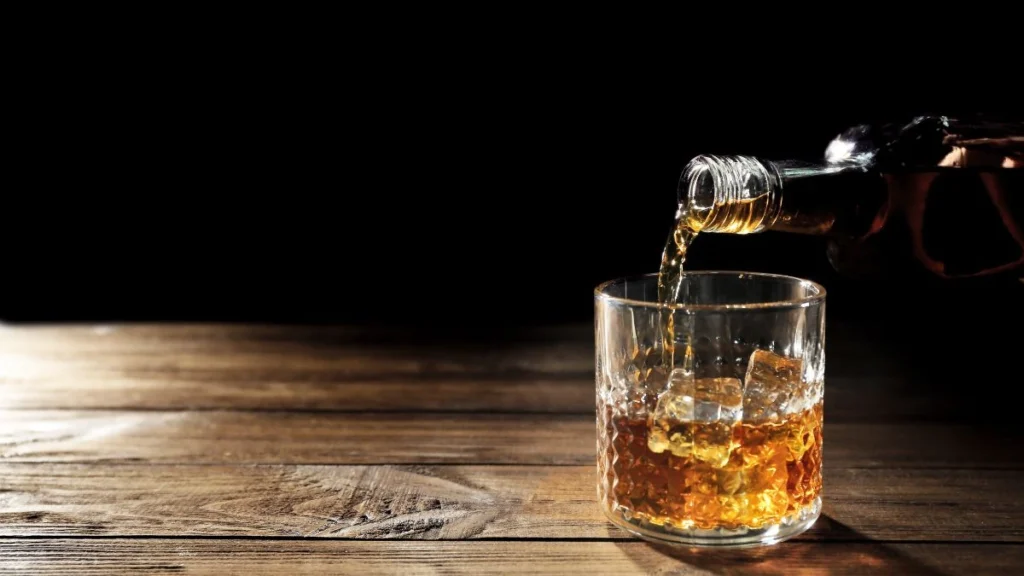
Beer, wine, cocktails, and spirits can aggravate reflux, especially when combined with a large dinner.
Alcohol may reduce the effectiveness of the lower esophageal sphincter. It can also irritate esophageal tissue, encourage overeating, and make it more likely that you will lie down soon after eating. Mayo Clinic notes that both alcohol and smoking can reduce the sphincter’s ability to function properly.
Mixed drinks may create several triggers at once. Citrus juice, cola, carbonation, chocolate liqueur, cream, and peppermint flavoring can all complicate the picture.
Better choice: Water with cucumber, still water with a non citrus fruit infusion, or a small alcohol free drink that is neither fizzy nor acidic.
7. Peppermint and Strong Mint Products
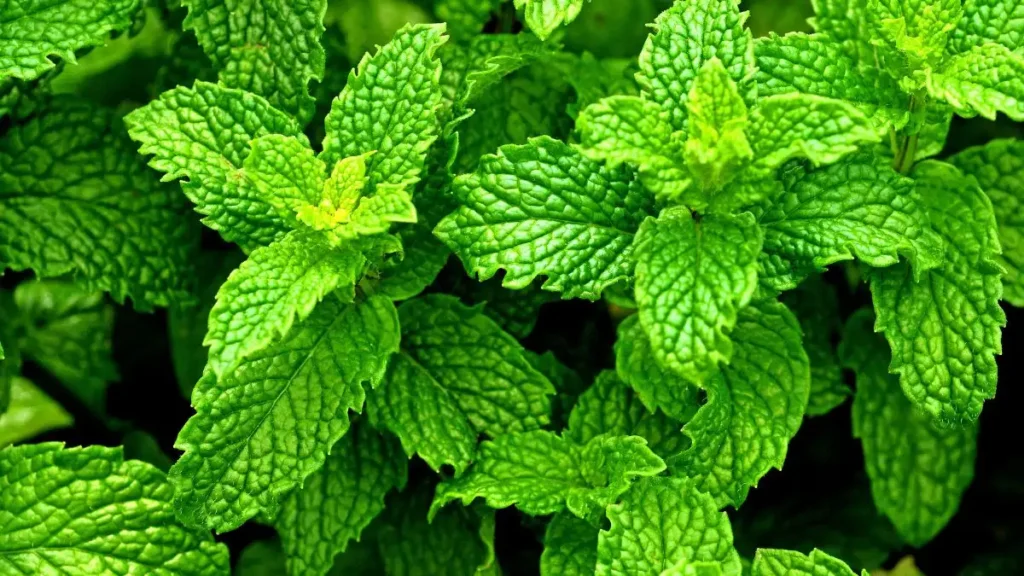
Peppermint tea may sound soothing after a meal, but it is a recognized trigger for many people with reflux.
Mint can relax smooth muscle, including the lower esophageal sphincter. When that barrier becomes less effective, stomach contents may travel upward more easily.
Peppermint appears repeatedly in medical guidance on common reflux triggers, including guidance from NIDDK, Mayo Clinic, and the American College of Gastroenterology.
Watch for hidden sources such as mint chocolate, peppermint candies, strong breath mints, mint tea, and mint flavored desserts.
Better choice: Ginger tea or chamomile tea may be easier to tolerate, although individual responses still vary.
8. Tomato Sauce, Ketchup, and Concentrated Tomato Products
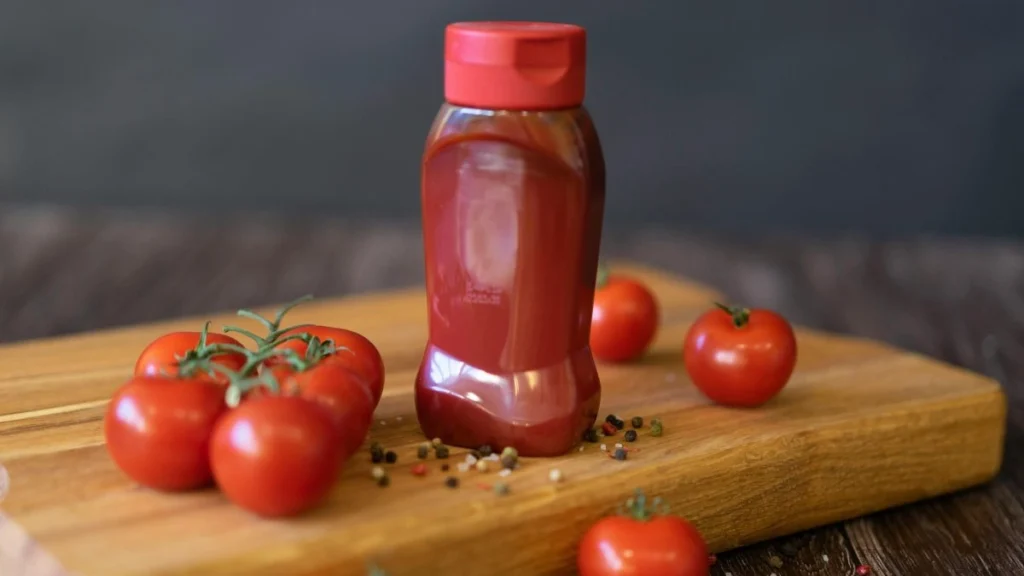
Tomatoes are naturally acidic. Concentrated tomato products can be particularly troublesome when the esophagus is already inflamed or sensitive.
Pizza and pasta sauce are frequent offenders because tomatoes rarely arrive alone. They are commonly paired with fatty cheese, processed meat, garlic, chili flakes, and oversized portions.
NIDDK identifies tomatoes as a commonly linked acidic trigger. Mayo Clinic also lists tomato products such as ketchup among foods that may provoke heartburn.
Better choice: A sauce made from roasted red peppers if tolerated, blended pumpkin, herbs, mushrooms, or a small amount of olive oil.
9. Citrus Fruits and Citrus Juices
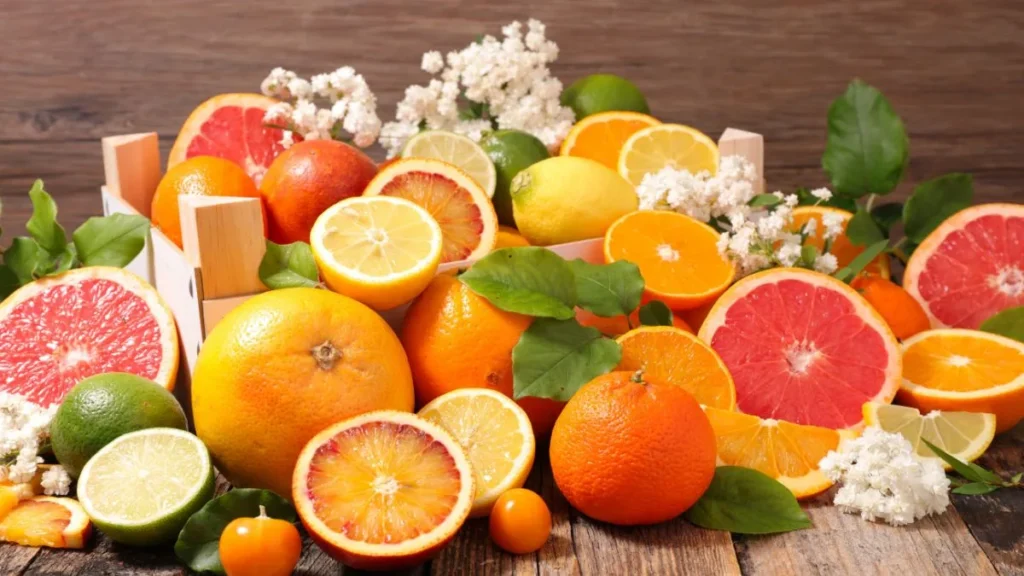
Oranges, grapefruit, lemons, limes, and their juices can produce sharp burning in some people with reflux.
Citrus may not necessarily create more reflux episodes in every person. Instead, its acidity may irritate tissue that has already been exposed to stomach contents, making each episode feel more painful.
Fruit juice is often more troublesome because it is concentrated, consumed quickly, and sometimes taken first thing in the morning on an empty stomach.
NIDDK, Mayo Clinic, and the American College of Gastroenterology all identify citrus products as common symptom triggers or esophageal irritants.
Better choice: Bananas, melons, pears, or apples, depending on your tolerance.
10. Hot Peppers and Very Spicy Meals
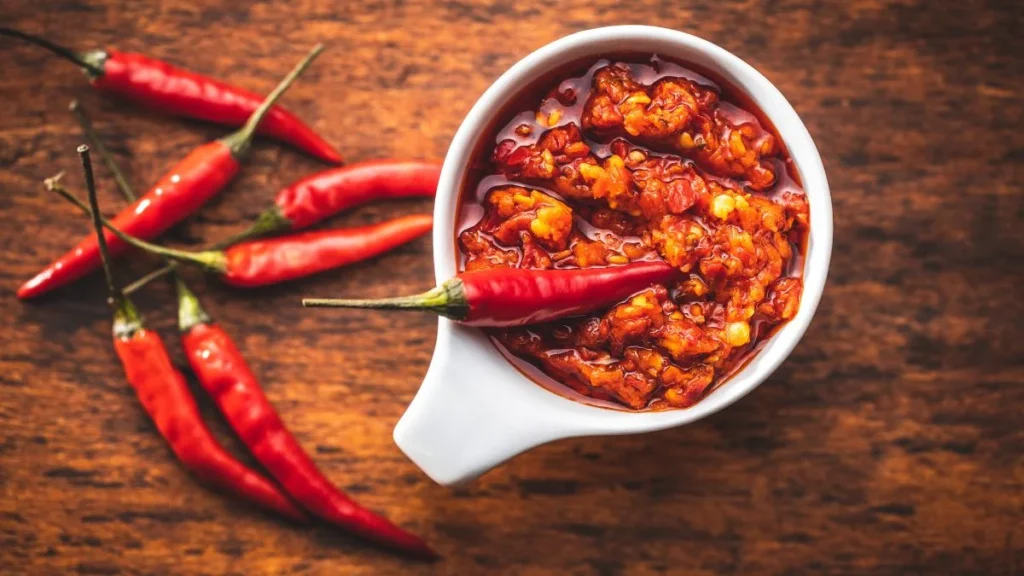
Hot peppers contain capsaicin, the compound responsible for their heat. Spicy food may intensify burning and discomfort in people whose esophagus or stomach is already sensitive.
The portion and combination matter. A lightly seasoned meal may be tolerable, while a late dinner containing hot sauce, fried meat, tomato salsa, cheese, and alcohol may cause hours of symptoms.
Spicy foods appear on trigger lists from NIDDK, Mayo Clinic, Cleveland Clinic, and the American College of Gastroenterology. A review of dietary patterns has also linked spicy and fried food intake with a greater risk of reflux disease, although an association does not prove that every spicy meal causes GERD.
Better choice: Flavor meals with basil, parsley, oregano, thyme, turmeric, or mild ginger rather than large amounts of chili.
11. Raw Onions and Heavily Seasoned Onion Dishes
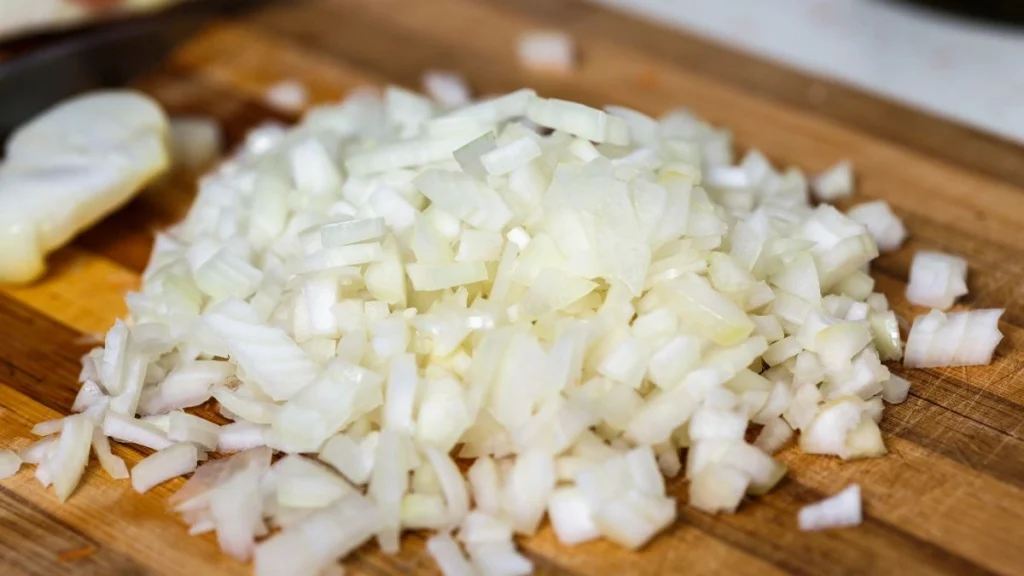
Onions are a less universal trigger, but many people report burning, belching, or regurgitation after eating them.
Raw onions may be more problematic than thoroughly cooked onions. They also commonly appear in greasy burgers, spicy salsa, pizza, curries, and fried appetizers, so the total meal may be responsible.
Mayo Clinic includes onions among foods that can trigger heartburn in susceptible people.
Test cooked onions separately from raw onions before eliminating them entirely. Garlic may also bother some people, but tolerance differs enough that personal tracking is more useful than a universal ban.
Better choice: Use a small amount of well cooked onion, chives, herbs, or the green tops of spring onions if tolerated.
12. Carbonated Drinks That Fill the Stomach With Gas
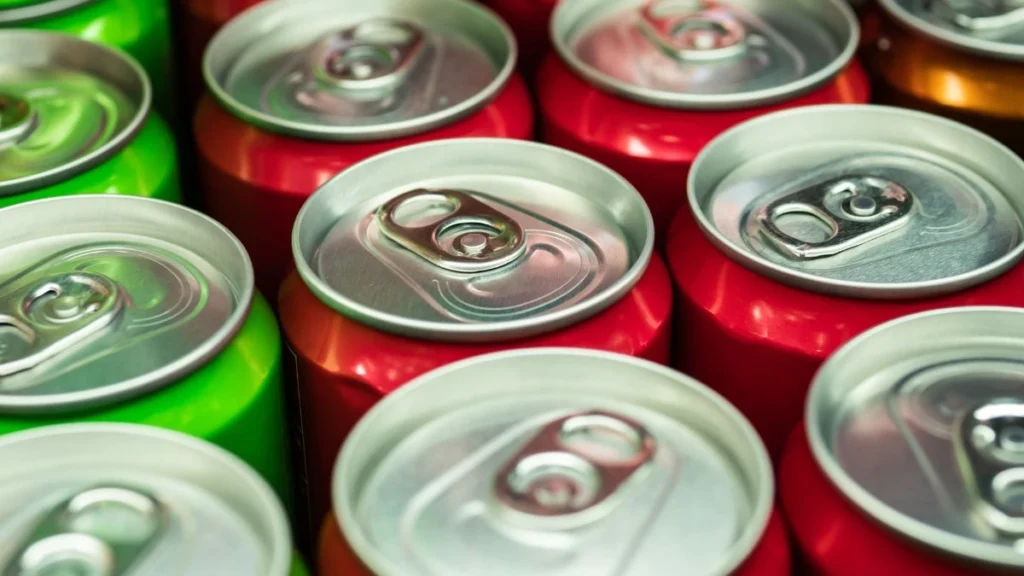
Soda, sparkling water, energy drinks, and fizzy alcoholic beverages may increase belching and stomach pressure.
For some people, that pressure creates more opportunities for stomach contents to move upward. Cola and energy drinks may add caffeine, acidity, sugar, or large serving sizes to the carbonation.
However, the evidence is not as simple as many online lists suggest. A systematic review found no strong direct evidence that carbonated drinks universally cause or worsen GERD, while a later dietary review reported an association between carbonated beverage intake and reflux risk.
The practical answer is to test your own response instead of assuming every fizzy drink is forbidden.
Better choice: Still water sipped gradually rather than a large carbonated drink consumed with dinner.
Quick Reference: What to Limit and What to Try Instead
| Common trigger | Why it may cause trouble | Reflux friendlier option |
| Fried chicken | High fat meal may delay stomach emptying | Grilled or baked chicken |
| Bacon or sausage | Fatty, processed, often eaten in large portions | Lean turkey, beans, or tofu |
| Cream sauce | Concentrated fat and large serving size | Vegetable based sauce |
| Chocolate dessert | Fat, caffeine, and late meal timing | Small non chocolate dessert |
| Large coffee | Caffeine, acidity, and volume | Small decaffeinated coffee or herbal tea |
| Alcohol | May weaken the reflux barrier | Still water or non acidic alcohol free drink |
| Peppermint tea | May relax the lower esophageal sphincter | Ginger or chamomile tea |
| Tomato sauce | Acidic and often paired with fat | Pumpkin or herb based sauce |
| Orange juice | Concentrated acidity | Water, melon, or banana |
| Hot sauce | May irritate sensitive tissue | Mild herbs |
| Raw onion | May worsen symptoms in susceptible people | Small amount of cooked onion |
| Fizzy soda | Gas, volume, caffeine, or acidity | Still water |
Do Not Eliminate All 12 Foods at Once
A huge restriction list may leave you frustrated without revealing your actual triggers.
Instead, use a structured food challenge. Choose the two or three foods most strongly connected to your symptoms. Remove them for about two weeks while keeping the rest of your routine reasonably stable.
Then reintroduce one item at a time in a modest portion. Avoid testing it on the same night as alcohol, a large dinner, or late bedtime, since multiple variables will make the result difficult to interpret.
Record the following:
- What you ate and how much.
- The time you finished eating.
- When burning or regurgitation began.
- Whether you bent over or lay down afterward.
- Any reflux medication you used.
- Whether symptoms interrupted sleep.
This approach reflects the major gap in many trigger lists. Food matters, but meal size, timing, body position, alcohol, smoking, and body weight can matter just as much.
The Daily Habit That Actually Works
Try these changes for the next seven days:
- Finish dinner at least two to three hours before lying down.
- Make dinner smaller than your usual evening meal.
- Choose grilled, baked, or steamed foods instead of fried foods.
- Track only the foods that repeatedly cause symptoms.
- Eat slowly and stop before your stomach feels tightly full.
NIDDK recommends avoiding meals within two to three hours of lying down. Mayo Clinic also advises eating slowly, chewing thoroughly, avoiding large meals, and identifying personal trigger foods.
A Seven Day Acid Reflux Check
| Day | Main goal | What to observe |
| Day 1 | Record your normal meals | Find when symptoms usually begin |
| Day 2 | Remove fried food | Note burning, pressure, and belching |
| Day 3 | Eat a smaller dinner | Check whether nighttime reflux changes |
| Day 4 | Stop eating three hours before bed | Record sleep interruptions |
| Day 5 | Replace coffee or alcohol | Watch for morning and evening changes |
| Day 6 | Avoid your strongest suspected trigger | Compare with Day 1 |
| Day 7 | Review the pattern | Identify repeatable food and timing links |
This is not a diagnostic test. It is simply a way to give your doctor more useful information and prevent random, unnecessary food restrictions.