

A person can spend eight hours in bed and still wake with a pounding head, dry mouth, and a mind that feels wrapped in fog.
The hidden problem may not be too little sleep. It may be repeated interruptions in breathing that lower blood oxygen, force the brain to trigger brief awakenings, and prevent truly restorative rest.
Several ordinary bedtime habits can make those breathing problems worse, especially in people with obstructive sleep apnea, lung disease, nasal blockage, or certain heart conditions. The good news is that some of the most damaging habits are also the easiest to change.
Before changing medications, oxygen therapy, CPAP settings, or treatment for a diagnosed condition, speak with a doctor or qualified sleep specialist.
What “Starving Your Brain Of Oxygen” Really Means
The headline sounds dramatic, so the medical truth deserves clarification.
Most bedtime habits do not directly deprive a healthy brain of oxygen. The concern is that certain behaviors can worsen airway collapse, suppress breathing, or interfere with treatment in someone who is already vulnerable.
In obstructive sleep apnea, tissues in the throat repeatedly narrow or block the airway. An apnea is a pause in breathing, while a hypopnea is a period of abnormally shallow or restricted breathing that lasts at least 10 seconds.
The person may not remember waking. Even so, the nervous system can be pushed out of deeper sleep dozens of times in one hour.
Low nighttime oxygen is one marker doctors use when assessing the severity and physical burden of sleep apnea. Research supported by the National Heart, Lung, and Blood Institute has linked oxygen reductions and interrupted breathing in obstructive sleep apnea with greater cardiovascular risk.
| What happens during sleep | What it can do | Possible morning clue |
|---|---|---|
| The throat partially narrows | Airflow becomes shallow | Dry mouth or restless sleep |
| The airway closes completely | Breathing temporarily stops | Gasping or choking |
| Blood oxygen falls | The brain triggers a survival response | Morning headache |
| Sleep repeatedly fragments | Deep and REM sleep are interrupted | Fatigue, irritability, poor focus |
| The cycle repeats | The heart and blood vessels face repeated stress | Racing heartbeat or high blood pressure |
1. Sleeping Flat On Your Back
Sleeping on the back is one of the clearest bedtime habits that can worsen obstructive sleep apnea.
Gravity allows the tongue and soft palate to move toward the back of the throat. In a vulnerable airway, this reduces the space available for air to pass and may increase snoring, hypopneas, and complete airway closures.
Mayo Clinic advises many people with obstructive sleep apnea to sleep on the side or stomach because symptoms are often milder away from the back position.
A body pillow, positional sleep belt, or pillow placed behind the back may help a person remain on one side. Position therapy is not enough for everyone, particularly when apnea remains severe in every position.
2. Drinking Alcohol Close To Bedtime

Alcohol may make falling asleep feel easier, but sedation is not the same as healthy sleep.
Alcohol relaxes muscles throughout the body, including the tissues that help keep the throat open. It can therefore make airway collapse more likely and may lengthen breathing interruptions in people with sleep apnea.
It can also disrupt sleep later in the night, producing lighter and more fragmented rest after the initial sedating effect wears off. Mayo Clinic recommends avoiding alcohol for four to six hours before bed when sleep apnea is a concern.
People often blame next morning brain fog entirely on the alcohol. In some cases, worsened snoring and oxygen fluctuations may be adding to the problem.
3. Taking Sedatives Without Reviewing The Breathing Risk
Some sleeping medicines, anxiety medicines, muscle relaxants, and other sedating drugs can reduce the body’s ability to respond normally when breathing becomes restricted.
They may also increase relaxation of the upper airway muscles. This does not mean every person with sleep apnea must avoid every sedating medicine, but it does mean the prescriber needs to know about loud snoring, witnessed breathing pauses, or suspected apnea.
Certain prescription pain medicines, particularly opioids, can suppress the brain signals that regulate breathing. Mayo Clinic notes that sedatives and some prescription pain medicines can make breathing more difficult or worsen sleep related breathing disorders.
Never stop a prescribed medicine suddenly. Ask the prescribing clinician whether the dose, timing, or medicine choice is safe for someone with possible sleep apnea.
4. Combining Alcohol With Sleeping Pills

Alcohol and sleeping pills can amplify each other’s sedating effects.
This combination may impair coordination and judgment, but the breathing risk is especially concerning for anyone with obstructive sleep apnea, central sleep apnea, chronic lung disease, or an opioid prescription.
Mayo Clinic specifically warns against mixing alcohol with sleeping pills because alcohol increases their sedative effects.
The safest habit is simple: check the medication label and ask a pharmacist before combining any sleep aid with alcohol, cannabis, pain medicine, allergy medicine, or another product that causes drowsiness.
Individual risks vary by medicine, dose, age, kidney function, lung health, and other prescriptions. A doctor or pharmacist should review potentially sedating combinations.
5. Smoking Or Vaping Before Bed

Smoke irritates the airways and can increase inflammation around the nose and throat.
That matters because an already narrow airway has less room to tolerate additional swelling. Mayo Clinic notes that tobacco use is associated with obstructive sleep apnea, while smoking may increase upper airway inflammation and fluid retention.
Nicotine can also interfere with sleep because it acts as a stimulant. A person may experience lighter sleep, withdrawal during the night, or difficulty returning to sleep after waking.
Vaping should not be treated as harmless bedtime air. Aerosols may irritate the respiratory tract, and vaping is not a treatment for cigarette dependence unless used within a clinician guided cessation plan.
6. Ignoring A Blocked Nose Every Night
A stuffy nose does not usually cause severe oxygen loss by itself, but it can increase breathing resistance and make sleep more difficult.
When nasal airflow is limited, a person is more likely to breathe through the mouth. This may worsen dry mouth, snoring, mask discomfort, and sleep fragmentation.
Persistent congestion may come from allergies, a deviated septum, nasal polyps, sinus inflammation, medication rebound, or another treatable problem.
A saline rinse may help some people, but only sterile, distilled, or properly boiled and cooled water should be used. Decongestant sprays should not be used longer than directed because overuse can cause rebound congestion.
| Bedtime breathing issue | Possible contributor | Safer next step |
| Seasonal stuffiness | Pollen or dust allergy | Discuss allergy control with a clinician |
| Congestion after nasal spray use | Rebound congestion | Ask how to taper or replace the spray |
| One nostril is always blocked | Structural narrowing | Request an ear, nose, and throat evaluation |
| CPAP feels impossible through the nose | Congestion or poor mask choice | Contact the sleep clinic about humidification or another mask |
| Loud snoring despite a clear nose | Throat level obstruction | Ask about sleep apnea testing |
7. Mouth Taping Without Knowing Why You Snore
Mouth taping has become a popular internet sleep trend, but it is not a substitute for a breathing evaluation.
Closing the mouth does not open a throat that collapses during sleep. It may also cause distress when the nose is congested or when the person has an unrecognized airway disorder.
Someone who snores loudly, wakes choking, or has witnessed breathing pauses should not try to conceal the sound without investigating its cause.
Snoring can be harmless in some people, but it is also a common sign of obstructive sleep apnea. A sleep study can measure airflow, breathing effort, snoring, body position, heart rate, and oxygen saturation during sleep.
8. Removing The CPAP Mask After A Few Hours
Continuous positive airway pressure, commonly called CPAP, works only while it is being worn.
Removing the mask halfway through the night leaves the airway untreated for the remaining hours. This can be particularly important during early morning REM sleep, when muscles are naturally less active and apnea may become more pronounced in some people.
Common reasons for mask removal include leaks, pressure discomfort, nasal dryness, congestion, skin irritation, and a sense of claustrophobia. These problems can often be addressed through mask refitting, heated humidification, gradual practice, pressure review, or a different interface.
Do not change pressure settings independently unless the treating sleep team has specifically instructed you to do so.
9. Accepting A Leaking CPAP Mask As Normal
A small amount of airflow from a mask’s designed vent is normal. Air blowing into the eyes, a loud fluttering seal, or a mask that repeatedly shifts is different.
Large or persistent leaks can reduce comfort and may interfere with the delivery of effective pressure. They can also dry the mouth and nose, wake the person repeatedly, and make treatment feel unsuccessful.
Check whether the cushion is clean, correctly sized, and positioned before overtightening the straps. Straps that are pulled too tightly can distort the cushion and create more leakage.
A sleep clinic can review the machine’s usage and leak data. This is more useful than guessing based on how the mask feels during the first few minutes of the night.
10. Treating Loud Snoring As A Harmless Family Trait
Snoring is common, but loud habitual snoring should not automatically be dismissed as an inherited annoyance.
The more concerning pattern includes snoring followed by silence, then a gasp, snort, or choking sound. That sequence may reflect an airway closure followed by the brain briefly waking the body to restart breathing.
Other clues include morning headaches, dry mouth, daytime sleepiness, poor concentration, frequent nighttime urination, and high blood pressure.
Sleep apnea can occur in people of many body sizes. Body weight is one risk factor, but jaw shape, tongue size, tonsils, age, nasal anatomy, menopause, medicines, and other conditions may also contribute.
11. Going To Bed Severely Sleep Deprived
Sleep deprivation does not usually create obstructive sleep apnea on its own. It can still make a dangerous pattern harder to recognize and manage.
A severely tired person may use more alcohol, reach for sedating sleep aids, or sleep so deeply at first that a partner assumes the loud snoring means restful sleep.
The next day, fatigue caused by apnea may be blamed on staying up late. This creates a cycle in which the underlying breathing disorder remains hidden.
Adults should focus on both sleep duration and sleep quality. Spending enough time in bed does not compensate for breathing interruptions that repeatedly fragment sleep.
12. Ignoring Recent Weight Gain Or Neck Swelling
Weight gain can increase tissue around the neck and upper airway, making collapse more likely during sleep.
A change in weight does not prove that a person has apnea. However, new snoring, choking episodes, or daytime sleepiness after significant weight gain deserves medical attention.
Fluid retention can also narrow the upper airway when fluid shifts toward the neck after lying down. People with heart, kidney, or vascular problems should report new ankle swelling, breathlessness, or rapid weight changes rather than attempting to solve them only through a new pillow or sleep position.
Healthy weight management may reduce obstructive sleep apnea severity in some people, but it should not delay CPAP or another prescribed treatment.
13. Trusting A Watch Reading Instead Of Getting Evaluated
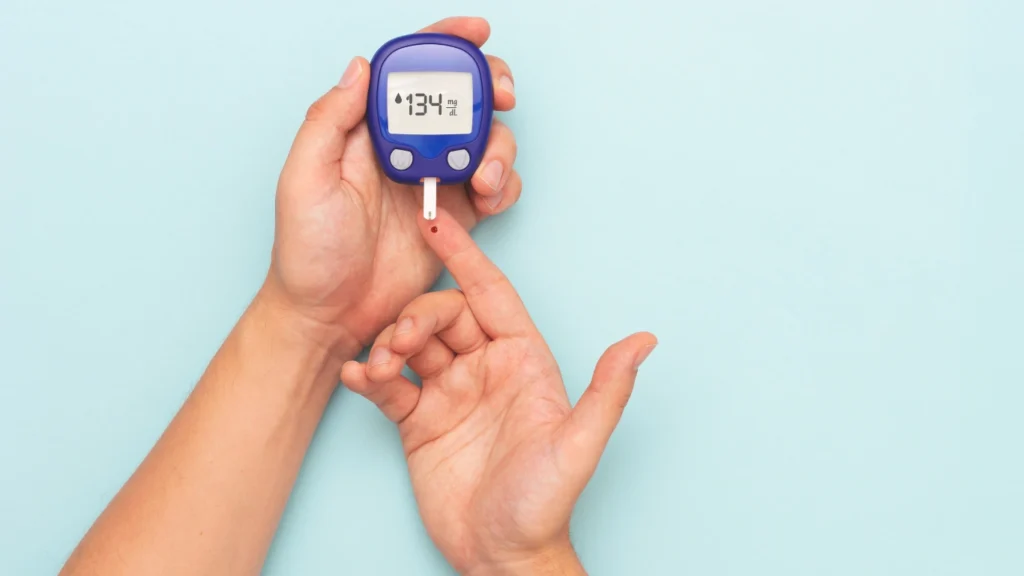
Smart watches and home pulse oximeters may provide useful clues, but they cannot independently diagnose sleep apnea.
Movement, cold fingers, nail products, poor circulation, loose sensors, and device limitations can produce inaccurate readings. A normal looking overnight graph also does not rule out repeated awakenings or breathing events.
A formal sleep evaluation considers much more than the lowest oxygen number. Clinicians may examine airflow, breathing effort, heart rate, oxygen patterns, snoring, sleep stages, body position, symptoms, and the number of breathing events per hour.
The apnea hypopnea index reports how many apneas and hypopneas occur during each hour of sleep. Oxygen measurements help describe their physiological effect, but neither number should be interpreted alone.
What A Home Oxygen Reading Can And Cannot Tell You
| Reading or pattern | What it might mean | What to do |
| 95 to 100 percent while awake | Often within the normal range | Consider symptoms and usual baseline |
| Repeated nighttime drops | Possible breathing events or sensor error | Save the data and discuss it with a clinician |
| 92 percent or lower at home | Potentially low oxygen | Contact a healthcare provider |
| 88 percent or lower | A potentially urgent oxygen problem | Seek immediate medical help |
| Normal reading with loud snoring and choking | Sleep apnea is still possible | Request a proper sleep assessment |
Cleveland Clinic advises contacting a provider for a home oxygen saturation of 92 percent or lower and seeking immediate help at 88 percent or lower. Those thresholds are general guidance, and people with certain chronic lung conditions may have individualized target ranges.