
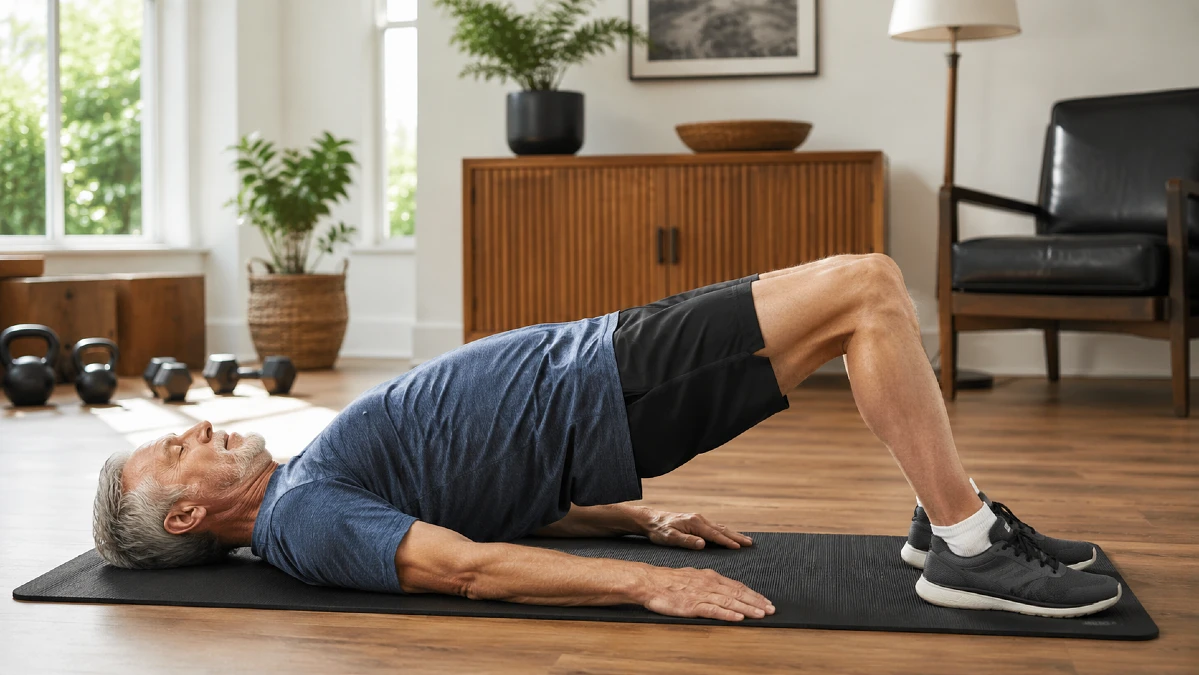
Bone loss after 55 can continue silently while everything feels normal.
There may be no pain and no obvious warning until a wrist, hip, or spinal bone breaks after a minor fall. The frightening part is that osteoporosis develops when old bone is removed faster than new bone can replace it.
The encouraging part is that daily habits can influence both sides of that process. Endocrinologists consistently emphasize resistance exercise, weight bearing movement, adequate nutrition, fall prevention, appropriate screening, and medical treatment when fracture risk is high.
Before changing supplements, medications, or exercise routines, speak with a healthcare professional. This matters especially if osteoporosis, kidney disease, heart disease, balance problems, or a previous fracture is already present.
What Changes Inside Your Bones After 55
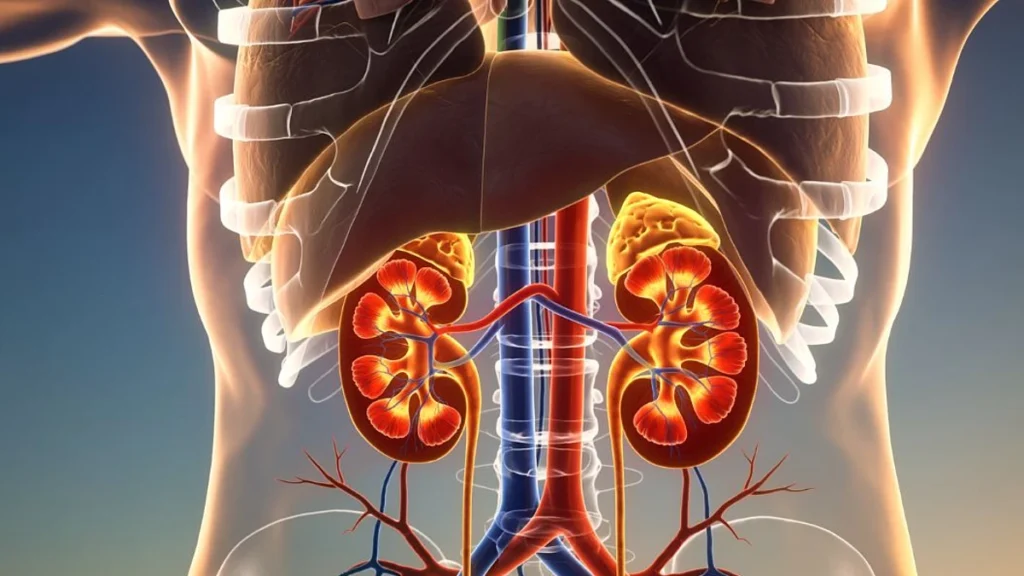
Bone is active living tissue. Specialized cells continually remove older bone and replace it with fresh tissue.
With age, that rebuilding process becomes less efficient. In women, declining estrogen around menopause can accelerate bone breakdown because estrogen normally helps restrain the cells that remove bone. Men also lose bone with age, although the decline is often more gradual.
This is why waiting for pain is a mistake. Osteoporosis often produces no symptoms until a fracture occurs, and the hip, wrist, and spine are among the most common fracture locations.
The habits below cannot guarantee that bone density will rise. Genetics, hormones, medications, health conditions, and starting bone density all matter.
However, these habits can provide the mechanical and nutritional signals bones need while reducing the chance of falls and fractures.
| Bone health target | Practical goal after 55 | Why it matters |
|---|---|---|
| Calcium | 1,200 mg daily for women over 50 and adults over 70 | Supplies mineral used in bone structure |
| Vitamin D | Usually 600 IU through age 70 and 800 IU after 70 | Helps the intestine absorb calcium |
| Weight bearing activity | About 30 minutes on most days | Places useful loading stress on the skeleton |
| Muscle strengthening | Two or three days each week | Stimulates bone and strengthens fall protecting muscles |
| Balance practice | Several short sessions weekly | Lowers the chance that bone weakness becomes a fracture |
Calcium recommendations vary by age and sex. Women ages 51 through 70 generally need 1,200 mg daily, while men in that age range generally need 1,000 mg. Adults over 70 generally need 1,200 mg.
12 Habits That Support Bone Density After 55
1. Lift Something Challenging Two or Three Times a Week
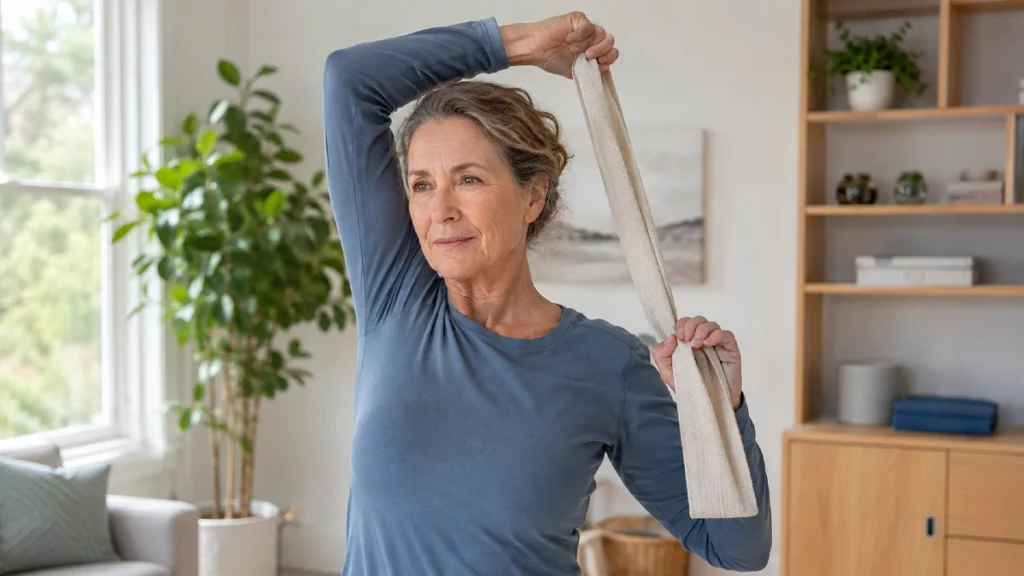
Resistance training gives bones a reason to adapt. When muscles pull against bone during squats, rows, presses, step ups, and similar movements, the skeleton receives a mechanical signal that can support bone formation.
A 2024 review of 25 studies involving 1,203 older adults found that high velocity resistance training produced small but significant improvements in bone mineral density at the lumbar spine, total hip, and femoral neck. Reported improvements across studies ranged from about 0.9 percent to 5.4 percent.
Begin with a weight that allows controlled movement. The final repetitions should feel difficult without causing pain or forcing poor form.
2. Put Your Body Weight Through Your Legs Every Day
Walking, stair climbing, dancing, hiking, and low impact aerobics make the skeleton work against gravity.
These activities are especially valuable for the hips and legs. Swimming and cycling improve fitness, but they do not load the skeleton as strongly because the water or bicycle supports much of the body weight.
The Bone Health and Osteoporosis Foundation suggests about 30 minutes of weight bearing activity on most days. That time can be divided into shorter sessions.
3. Add Safe Impact Instead of Avoiding Every Jolt
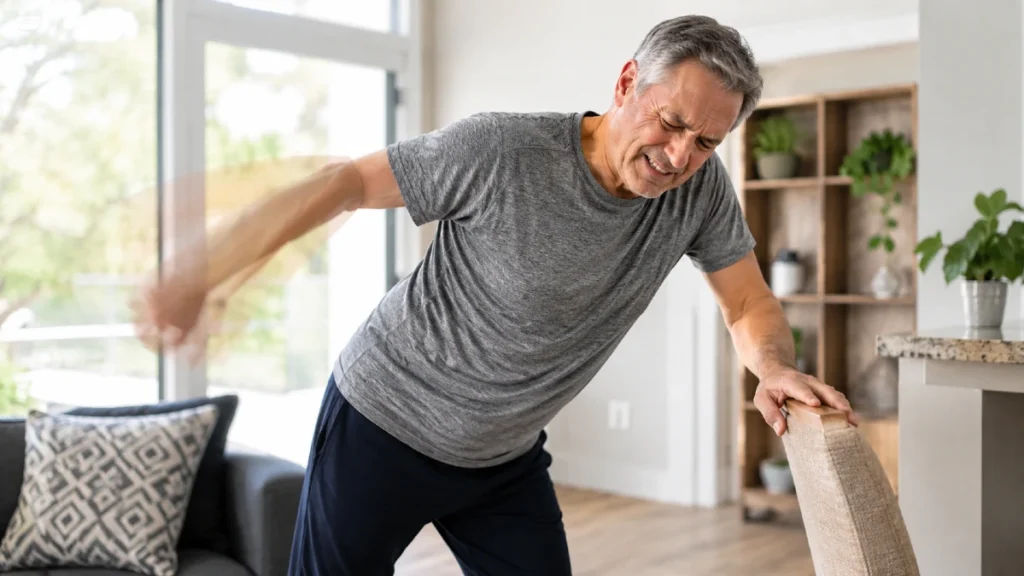
Bones respond well to changes in force. For someone with healthy joints and no vertebral fractures, brisk stair climbing, gentle hopping, heel drops, or low step work may provide a stronger bone stimulus than slow walking alone.
Impact exercise is not appropriate for everyone. People with osteoporosis, spinal compression fractures, severe balance problems, or significant joint disease should get individualized guidance before trying jumping movements.
A physical therapist can help select a safer loading level that challenges bone without creating unnecessary fracture risk.
4. Make Calcium Rich Food a Daily Routine
Calcium is the primary mineral stored in bone. When dietary intake is consistently inadequate, the body still has to maintain calcium levels in the blood for muscle contraction, heart function, and nerve signaling.
Food sources include fortified plant milk, calcium set tofu, dairy products, canned salmon or sardines with bones, beans, almonds, and selected leafy greens.
The Bone Health and Osteoporosis Foundation recommends meeting calcium needs through food first, then using a supplement only to fill a confirmed gap.
More is not automatically better. Total intake from food and supplements should be reviewed rather than adding a large supplement without knowing how much calcium is already coming from meals.
5. Treat Vitamin D as a Calcium Absorption Problem
Eating enough calcium does not help fully if vitamin D is inadequate. Vitamin D supports calcium absorption in the intestine and helps maintain calcium and phosphate concentrations needed for normal bone mineralization.
Food sources include fatty fish, egg yolks, fortified milk, and fortified plant beverages. Sun exposure can also contribute, but production varies with season, skin pigmentation, clothing, location, age, and time outdoors.
A clinician may order a blood test when deficiency is suspected. Supplement needs should be based on age, dietary intake, medical history, and test results rather than internet megadoses.
6. Include Protein at Each Main Meal
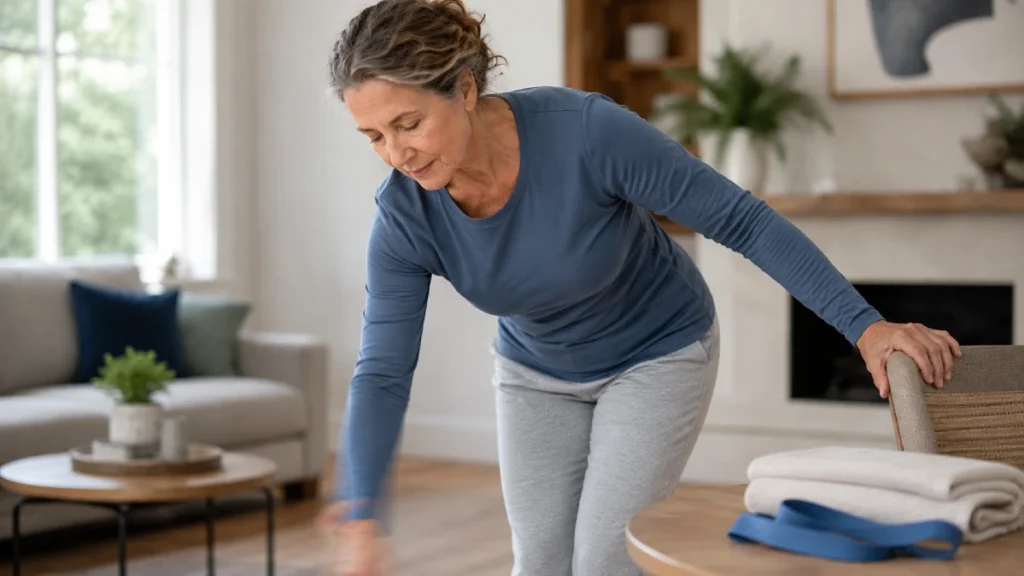
Bone is not made of calcium alone. Its flexible framework contains collagen and other proteins that provide structure for mineral deposition.
Protein also helps maintain muscle. Stronger leg and hip muscles improve stability and may reduce the chance of falling.
Many older adults eat little protein at breakfast and lunch, then try to catch up at dinner. A more useful habit is spreading foods such as beans, lentils, tofu, soy milk, yogurt, eggs, fish, poultry, or lean meat across the day.
Higher protein intake is generally associated with better bone density when calcium intake is adequate, although individual needs vary with kidney health and overall diet.
Protein, calcium, and vitamin D targets should be personalized for anyone with chronic kidney disease, a history of kidney stones, malabsorption, or medications that affect mineral balance.
7. Eat Magnesium Rich Plant Foods Regularly
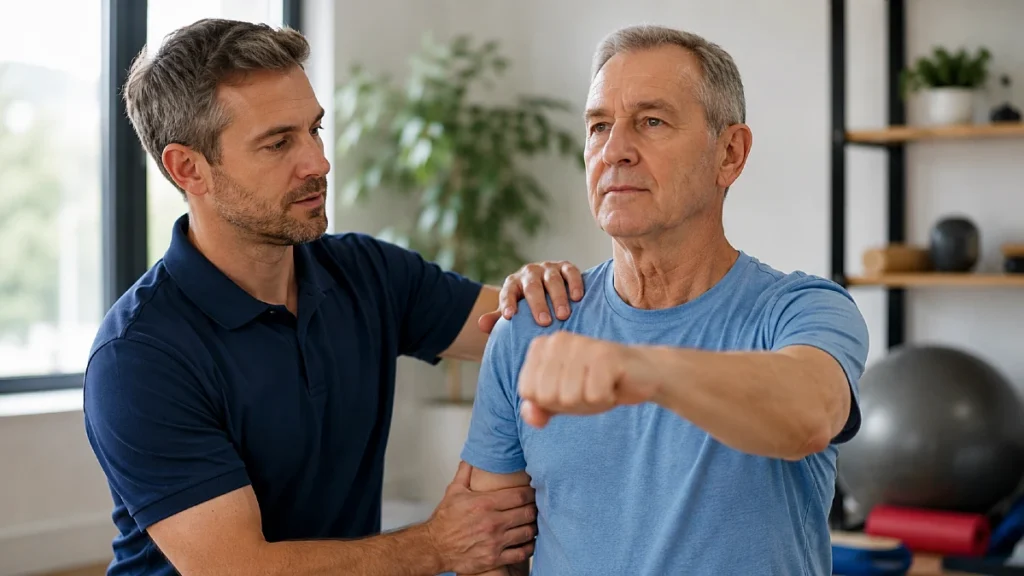
Magnesium participates in bone formation and influences the activity of both bone building cells and bone removing cells. It also affects parathyroid hormone and active vitamin D, two major regulators of bone metabolism.
Useful sources include pumpkin seeds, almonds, beans, lentils, whole grains, spinach, edamame, and dark chocolate with a high cocoa content.
Studies have linked higher magnesium intake with greater bone mineral density, although evidence does not prove that magnesium supplements prevent osteoporosis. Food is the safer starting point unless a clinician identifies a deficiency.
8. Build Meals Around Vegetables, Fruit, and Minimally Processed Foods
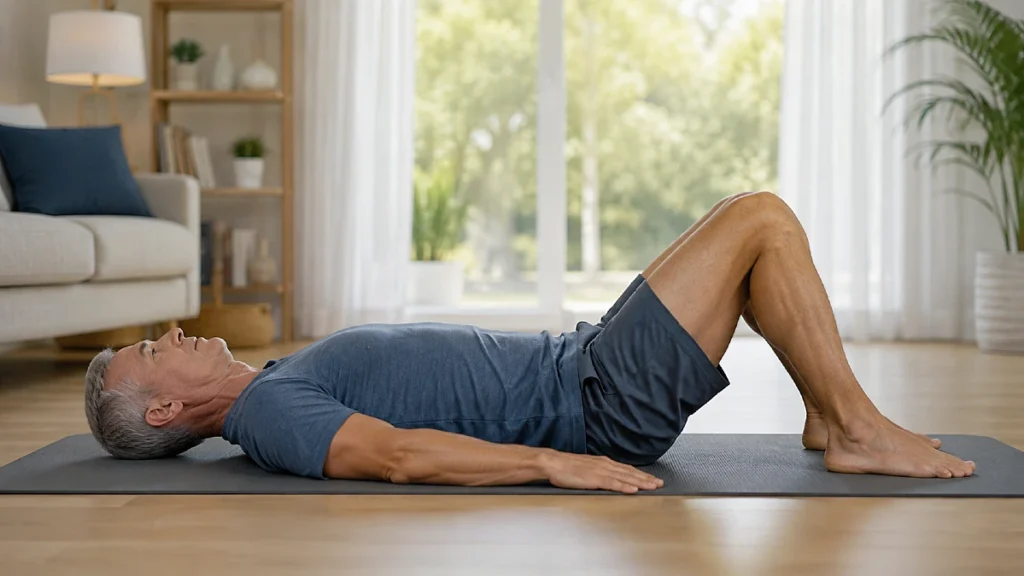
A bone supportive diet is broader than calcium and vitamin D. Vegetables, fruit, legumes, nuts, seeds, and whole grains provide magnesium, potassium, vitamin C, vitamin K, and other nutrients involved in connective tissue and bone metabolism.
Vitamin K is required for proteins such as osteocalcin, which participates in bone mineralization.
There is no single vegetable that rebuilds a weak hip. The goal is dietary consistency, variety, and enough total food to prevent nutrient gaps.
9. Train Balance Before Balance Becomes a Problem
Balance exercises may not directly add large amounts of mineral to bone, but they protect the bone density that remains by lowering fall risk.
Simple options include standing near a counter on one leg, heel to toe walking, controlled step ups, tai chi, and rising from a chair without using the hands. Lower body strength work also improves balance.
Practice near a stable surface. Anyone who feels unsteady, dizzy, or fearful of falling should ask for a physical therapy assessment rather than experimenting alone.
10. Maintain a Stable, Nourished Body Weight
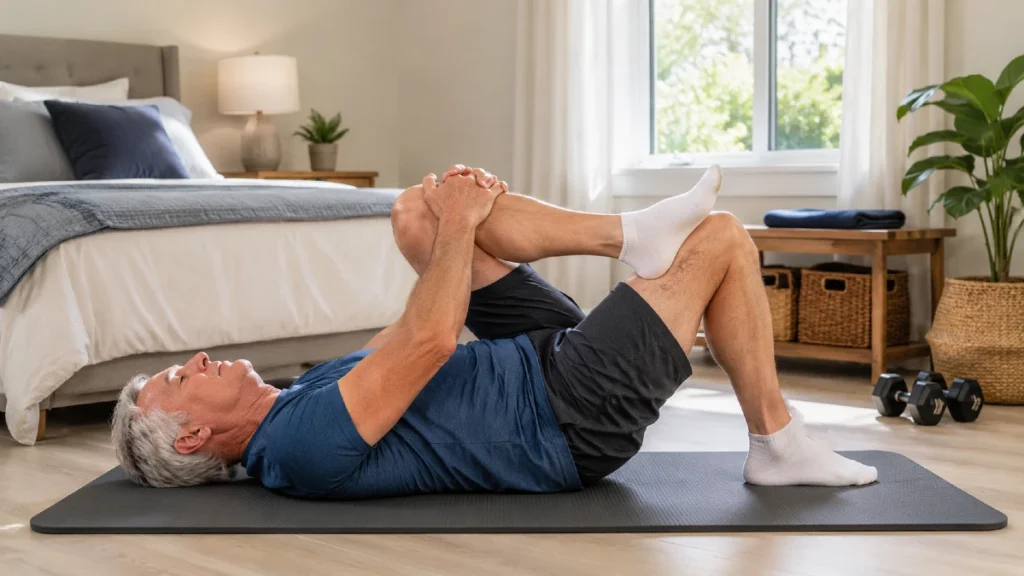
Large or rapid weight loss after 55 can reduce the mechanical load on bone and may increase bone turnover. Research in older adults has linked weight loss with reduced hip bone mineral density, although progressive resistance exercise can reduce some of that loss.
This does not mean weight loss is always harmful or should be avoided when medically necessary.
It means that aggressive calorie restriction, low protein dieting, and repeated weight cycling can create problems. A safer plan protects protein intake, strength training, calcium, vitamin D, and muscle mass.
11. Review Bone Affecting Medications Every Year
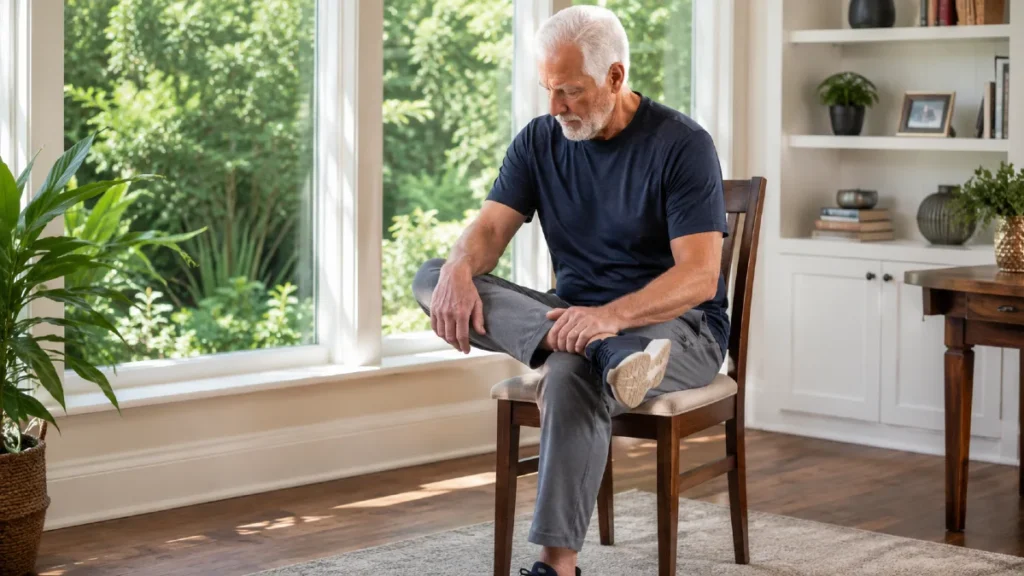
Several medications can influence bone density or fall risk. Long term glucocorticoids are a major example, while some medicines may increase dizziness, sedation, or light headedness.
Never stop a prescribed medicine suddenly. Instead, bring every prescription, over the counter product, and supplement to a yearly review.
The Bone Health and Osteoporosis Foundation advises asking whether any medication contributes to bone loss or increases the chance of falling. Changes in timing, dose, or medication type may sometimes reduce risk.
12. Use Bone Density Results to Guide Real Treatment
Lifestyle habits matter, but they are not always enough for someone with osteoporosis, a previous fragility fracture, or very high fracture risk.
Endocrine Society guidance recommends osteoporosis medication for postmenopausal women at high fracture risk, particularly those who have already fractured. It also recommends monitoring bone mineral density every one to three years in high risk patients with low bone density.
Taking prescribed treatment consistently is a bone health habit. Stopping medication, missing doses, or extending a medication break without supervision can leave fracture risk untreated.
A Practical Bone Building Exercise Week
A good program combines several types of movement instead of relying on walking alone.
| Day | Main activity | Bone and muscle focus | Simple example |
|---|---|---|---|
| Monday | Strength training | Hips, legs, back, arms | Squats to a chair, rows, wall pushups |
| Tuesday | Weight bearing cardio | Hips and legs | Brisk walking for 30 minutes |
| Wednesday | Balance and mobility | Fall prevention | Heel to toe walking and supported single leg stands |
| Thursday | Strength training | Major muscle groups | Step ups, overhead press, hip hinge |
| Friday | Weight bearing cardio | Lower body loading | Dancing, hiking, or stair climbing |
| Saturday | Balance plus light strength | Coordination and posture | Tai chi and resistance band work |
| Sunday | Recovery movement | Mobility and circulation | Comfortable walking and gentle stretching |
Someone with spinal osteoporosis may need to avoid repeated forward bending, forceful twisting, or lifting with a rounded back. Exercise selection should match fracture history and bone density results.
Try This Bone Routine Today
- Add one calcium rich food to breakfast.
- Take a ten minute brisk walk after one meal.
- Complete one set of eight controlled chair squats.
- Practice standing near a counter on one leg for ten seconds per side.
- Write down every supplement and medication for the next medical appointment.
These actions are deliberately small. Bone responds to repeated habits over months and years, not one exhausting workout followed by weeks of inactivity.