
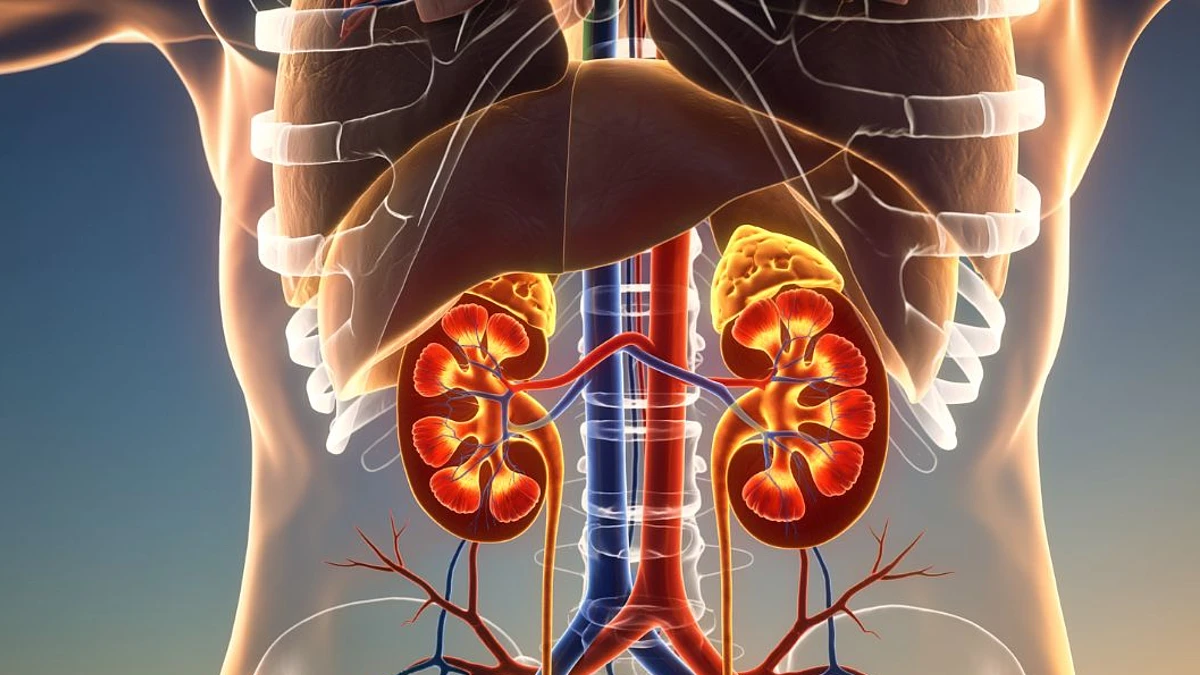
Kidney function can decline quietly after 50, long before swelling, fatigue, or changes in urination make anyone suspicious.
That silence is the danger. High blood pressure, elevated blood sugar, certain pain medicines, and years of high sodium meals can injure the kidneys’ microscopic filters without causing obvious early symptoms.
The encouraging part is that several ordinary habits can reduce the daily pressure placed on those filters. Nephrologists do not promise that damaged kidneys can be restored through a cleanse or miracle drink, but they consistently recommend specific steps that help protect remaining kidney function and slow further damage.
Before changing your fluid intake, diet, supplements, exercise routine, or medication use, speak with your doctor. Kidney recommendations can differ substantially for people with chronic kidney disease, heart failure, diabetes, or abnormal potassium levels.
What “Boost Kidney Function” Really Means After 50

Kidneys filter waste, regulate fluid and mineral balance, help control blood pressure, support red blood cell production, and contribute to bone health. Kidney filtration commonly changes with age, but age alone does not explain every decline.
Healthy habits generally do not rebuild scarred kidney tissue. Their real value is reducing the forces that damage nephrons, which are the tiny filtering units inside each kidney.
These habits may help stabilize blood pressure, improve blood sugar control, lower excessive sodium exposure, prevent dehydration, and reduce medication related stress. KDIGO guidance describes healthy eating, physical activity, smoking cessation, weight management, blood pressure control, and appropriate medication as parts of a comprehensive strategy for slowing chronic kidney disease progression.
| Kidney protection goal | What threatens it | What helps |
|---|---|---|
| Preserve blood flow to the kidneys | Dehydration, very low blood pressure, some medicines | Appropriate hydration and medication review |
| Protect microscopic filters | High blood pressure and high blood sugar | Home monitoring and prescribed treatment |
| Reduce fluid retention | Excess sodium | More home cooked foods and label reading |
| Detect damage early | Waiting for symptoms | eGFR and urine albumin testing |
| Avoid preventable injury | Frequent NSAID use, smoking, unregulated supplements | Safer pain plans and medical review |
1. Know Both of Your Kidney Numbers

The most protective habit may be asking for the right tests before symptoms appear.
Kidney disease is usually assessed with an estimated glomerular filtration rate, or eGFR, from a blood test and a urine albumin to creatinine ratio, or uACR, from a urine sample.
The eGFR estimates filtration, while the urine test detects albumin leaking through damaged filters. Both are needed because someone may have a seemingly acceptable eGFR while already losing abnormal amounts of albumin.
An eGFR below 60 or a uACR above 30 mg per gram may signal kidney disease when the abnormality persists for at least three months. A single unusual result usually needs to be repeated because dehydration, illness, medicines, and other temporary factors can influence kidney measurements.
Adults with diabetes should generally receive regular kidney testing. People with high blood pressure, heart disease, or a family history of kidney failure should ask their clinician how often testing is appropriate.
2. Treat Blood Pressure as a Kidney Number

High blood pressure damages the small blood vessels that deliver blood to the kidneys. Damaged kidneys can then have more difficulty regulating blood pressure, creating a cycle in which each problem worsens the other.
NIDDK describes blood pressure control as one of the most important steps for managing kidney disease. The correct target depends on age, kidney status, fall risk, medications, and other health conditions, so it should be set with a clinician rather than copied from a general chart.
Use a validated upper arm monitor, sit quietly for about five minutes, support the arm at heart level, and avoid measuring immediately after exercise, caffeine, or smoking. Record several readings instead of reacting to one isolated number.
Bring the log and the monitor to a medical appointment. A clinician can check whether the cuff fits and whether home readings match office measurements.
3. Keep Blood Sugar From Repeatedly Spiking

Diabetes is one of the major causes of chronic kidney disease. Persistently elevated glucose injures blood vessels throughout the body, including the capillaries inside the kidney’s filtering structures.
The damage can initially show up as albumin in the urine. Over time, filtration may decline even when a person feels completely well.
Build meals around fiber rich vegetables, minimally processed carbohydrates, and an appropriate protein source. Pairing carbohydrates with fiber, protein, or unsaturated fat may produce a steadier glucose response than eating refined carbohydrates alone.
People with diabetes should follow their individualized glucose and A1C plan. Certain prescription medicines can also reduce kidney and cardiovascular risk in appropriate patients, but those decisions belong with the prescribing clinician.
4. Aim for Less Than 2,300 Milligrams of Sodium Unless Your Clinician Sets Another Goal
Sodium encourages fluid retention and can raise blood pressure, increasing the workload placed on both the heart and kidneys.
NIDDK recommends aiming for less than 2,300 milligrams of sodium per day for many adults trying to prevent or manage kidney disease. Some people with kidney disease or high blood pressure may receive a lower individualized target.
The salt shaker is often not the main source. Packaged soups, deli meat, frozen meals, sauces, restaurant food, bread, and savory snacks can deliver large amounts before extra salt is added.
Compare labels between brands. A product marketed as natural, plant based, or high protein can still contain substantial sodium.
Quick Sodium Comparison
| Food choice | Typical kidney concern | More protective move |
|---|---|---|
| Canned soup | Several servings may be eaten at once, multiplying sodium | Choose a lower sodium variety and check the serving size |
| Deli meat | Salt is used for preservation and flavor | Use freshly cooked poultry, fish, tofu, or a lower sodium filling |
| Bottled sauce | A few spoonfuls can add significant sodium | Use herbs, garlic, vinegar, citrus, and measured sauce |
| Frozen dinner | Sodium may approach much of a daily limit | Choose a simpler meal with vegetables and a minimally processed base |
| Salt substitute | Many contain concentrated potassium | Ask a clinician before using one with CKD or certain medicines |
Salt substitutes deserve special caution. Many replace sodium with potassium, which can become dangerous when kidney function is reduced or when certain blood pressure medicines are used.
5. Drink Enough, but Do Not Force Gallons of Water

The kidneys need adequate circulation to filter blood. Significant dehydration can reduce kidney blood flow and increase the risk of acute kidney injury, particularly during vomiting, diarrhea, fever, heat exposure, or illness.
However, more water is not always better. Excess fluid can be harmful for people with advanced kidney disease, heart failure, low blood sodium, or a prescribed fluid restriction. Healthy hydration means maintaining the right amount of water in the body, not drinking the largest possible quantity.
For adults without a fluid restriction, thirst, urine color, weather, activity, and overall health can guide intake. Pale yellow urine often suggests adequate hydration, although vitamins and medications can alter urine color.
A practical habit is keeping water available and drinking regularly through the day rather than consuming a huge amount at once.
6. Walk and Strengthen Your Muscles Most Weeks

Exercise protects the kidneys indirectly by improving blood pressure, insulin sensitivity, circulation, body composition, and cardiovascular health.
General cardiovascular guidance recommends at least 150 minutes of moderate activity each week for many adults. Kidney organizations often suggest building toward about 30 minutes of activity on most days when medically appropriate.
Walking is a strong starting point, but resistance exercise matters after 50 because muscle mass supports glucose disposal, mobility, and independence.
Reviews in people with chronic kidney disease have found that exercise can improve physical performance and strength, although the best program varies by disease severity and fitness level.
Start with ten minute walks after meals or two weekly sessions using body weight, resistance bands, or light weights. Increase gradually rather than trying to make up for years of inactivity in one weekend.
Exercise tolerance can change with anemia, heart disease, advanced kidney disease, neuropathy, or unstable blood pressure. Ask a healthcare professional for an appropriate starting level if any of these apply.
7. Break Up Long Periods of Sitting

A morning walk does not completely erase ten hours spent sitting.
Long periods of sedentary behavior are associated with poorer metabolic and cardiovascular health. A review of observational studies also found that longer sitting time was associated with greater chronic kidney disease risk, although this does not prove that sitting directly causes kidney disease.
Stand or move for two to five minutes every 30 to 60 minutes. Walk while talking on the phone, march during television breaks, or take a brief lap around the home after meals.
These small breaks are especially useful for adults who cannot yet tolerate a continuous 30 minute workout.
8. Build More Meals Around Minimally Processed Plants

Vegetables, fruits, whole grains, beans, nuts, and seeds can support blood pressure, blood sugar control, bowel regularity, and cardiovascular health. Replacing heavily processed foods with minimally processed options also tends to reduce sodium and added sugars.
NIDDK encourages fresh fruits, fresh or frozen vegetables, whole grains, and heart healthy meals for kidney disease prevention. KDIGO similarly supports a healthy and diverse eating pattern as part of comprehensive kidney care.
People with reduced kidney function should not assume that every plant food is automatically suitable. Potassium and phosphorus restrictions are not universal, but they may become necessary according to blood tests, medications, and the stage of kidney disease.
A renal dietitian can help preserve dietary variety without imposing restrictions that are unnecessary.
9. Eat Enough Protein Without Turning Every Meal Into a Protein Challenge
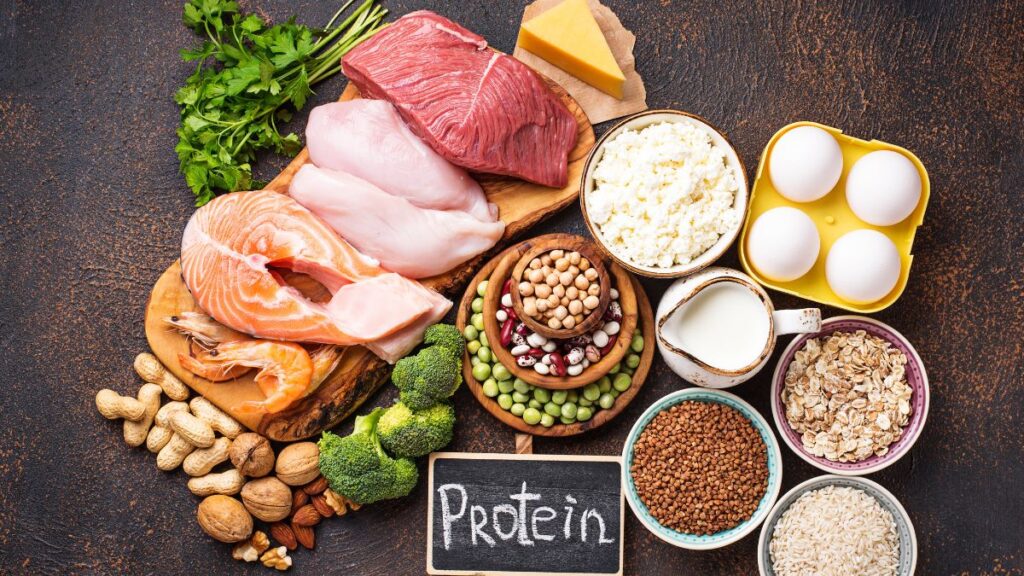
Protein is essential for maintaining muscle after 50. Excessive protein, however, can increase the amount of nitrogen waste the kidneys must process and may be inappropriate for some people with chronic kidney disease.
NIDDK professional guidance describes adequate, rather than excessive, protein as a strategy that may help reduce albuminuria and slow progression in some patients.
It cites about 0.8 grams per kilogram of body weight per day as an adequate amount for many adults with chronic kidney disease, although nutritional needs can be higher during dialysis, illness, recovery, or malnutrition.
Do not begin a very low protein diet without supervision. Older adults are also vulnerable to muscle loss, weakness, and poor nutrition.
The goal is not to fear protein. It is to avoid casually stacking large servings of meat, shakes, bars, powders, and creatine products without considering kidney health.
10. Review Every Medicine and Supplement

Kidneys help clear many medicines and their byproducts. As filtration changes, a dose that was once appropriate may need adjustment.
At least once a year, place every prescription, pain reliever, cold medicine, vitamin, powder, tea, and supplement on one list. Ask a pharmacist or clinician whether any product needs monitoring, dose adjustment, or replacement.
This matters during illness. Dehydration can interact with NSAIDs and certain prescription medicines in ways that reduce filtration pressure inside the kidneys.
NIDDK advises discussing a sick day plan so patients know which medicines may need temporary medical guidance during vomiting, diarrhea, or poor fluid intake.
Never stop a prescribed medicine independently. The purpose of a review is to make treatment safer, not to abandon therapies that protect the heart or kidneys.
11. Stop Smoking and Protect Kidney Blood Flow

Smoking raises blood pressure, damages blood vessels, and reduces healthy circulation. The kidneys depend on a dense network of blood vessels, so tobacco related vascular injury is particularly relevant.
The National Kidney Foundation states that smoking stresses the kidneys and that quitting can help protect remaining kidney function while reducing cardiovascular and cancer risk.
Nicotine replacement, prescription cessation medicines, counseling, and support programs can improve the chances of quitting. A clinician can help select an option that fits current medications and health conditions.
The benefit is larger than any kidney drink or detox product advertised online.
The Daily Kidney Habit That Actually Works
- Check blood pressure at consistent times and record the result.
- Compare sodium on two commonly purchased food labels.
- Take a ten minute walk after one meal.
- Keep a complete medicine and supplement list.
- Ask for both eGFR and urine albumin results at the next appropriate checkup.
5 Habits That Can Silently Shut Kidney Function Down
12. Taking Ibuprofen or Naproxen Like Daily Vitamins
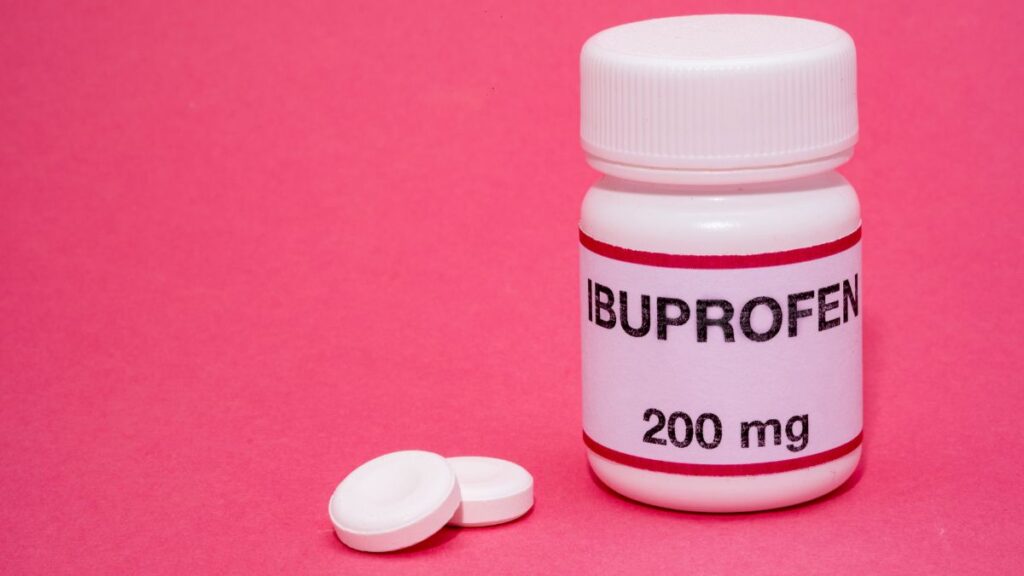
Nonsteroidal anti inflammatory drugs, commonly called NSAIDs, include medicines such as ibuprofen and naproxen. They reduce the production of prostaglandins, substances that help maintain blood flow into the kidneys during physical stress.
Frequent use, high doses, older age, dehydration, low blood pressure, heart failure, and existing kidney disease can increase the risk of kidney injury. Taking an NSAID while sick and dehydrated is particularly concerning because the kidneys may already be receiving less blood.
Ask about safer pain management rather than simply switching products on your own. Acetaminophen may be appropriate for some people, but it also has dose limits and liver related risks.
13. Ignoring High Blood Pressure Because It Does Not Hurt
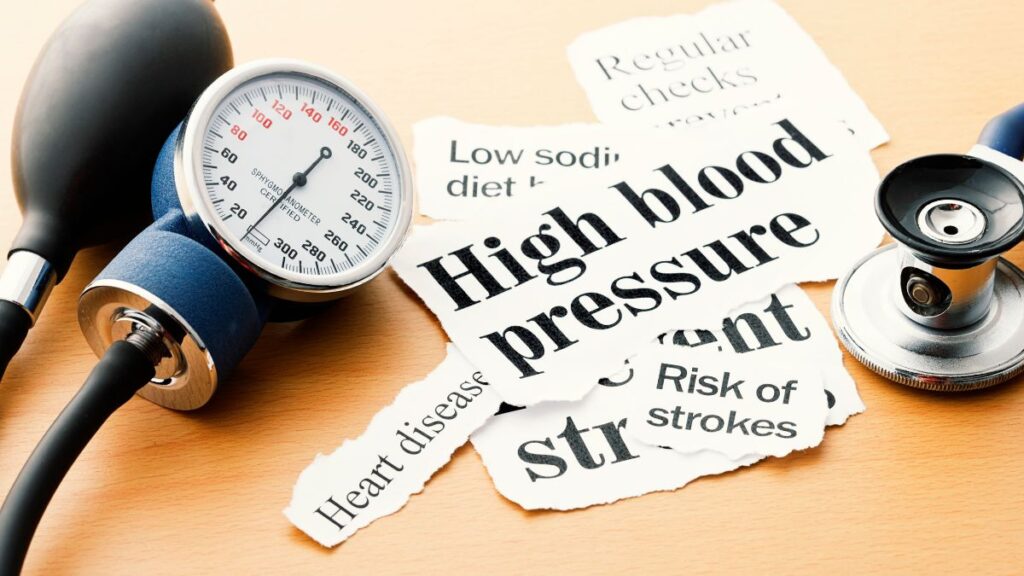
High blood pressure often causes no clear warning sensation. That does not make it harmless.
Repeated pressure can scar the kidneys’ filtering vessels, while declining kidney function can make blood pressure harder to control. Waiting for headaches or dizziness is not a reliable monitoring strategy.
Use home readings and follow the treatment plan. Skipping prescribed blood pressure medicine whenever a reading looks acceptable can create harmful swings unless a clinician has provided specific instructions.
14. Living on Packaged Food and Sugary Drinks
A diet dominated by processed meals can combine high sodium, added sugars, excess calories, and low fiber in one pattern.
Sodium can raise blood pressure and promote fluid retention. Sugary drinks can contribute to weight gain and poorer glucose control, increasing two major kidney risks.
Replace one packaged item at a time. Water instead of soda, plain oats instead of a sugary breakfast product, or a home cooked dinner instead of a frozen meal can reduce several pressures at once.
15. Using “Kidney Detox” Teas and Megadose Supplements

The kidneys already perform filtration and waste removal. A tea cannot scrub scarring from kidney tissue or flush chronic kidney disease out of the body.
Some concentrated herbal products contain ingredients that affect blood pressure, electrolytes, blood clotting, liver function, or prescription medicine levels. Product contamination and undisclosed ingredients create additional uncertainty.
Megadoses of vitamins or minerals can also accumulate when filtration is impaired. Potassium and phosphorus deserve special caution because abnormal blood levels may affect the heart, muscles, bones, and blood vessels.
Bring the actual container or a clear photograph of its ingredients to a pharmacist or doctor before using it.
16. Waiting for Symptoms Before Getting Tested
Early chronic kidney disease frequently causes no symptoms. Noticeable fatigue, nausea, itching, swelling, or urine changes may not appear until kidney function has already declined substantially.
Testing based on risk is more useful than testing based on how healthy someone feels.
| Risk or warning | Best next step | Why it matters |
|---|---|---|
| Diabetes | Ask about yearly eGFR and urine albumin testing | High glucose can damage filters before symptoms appear |
| High blood pressure | Discuss testing frequency with a clinician | Pressure can damage kidney blood vessels |
| Heart disease | Request a kidney risk review | Heart and kidney circulation are closely connected |
| Family history of kidney failure | Tell the clinician clearly | Family history changes the level of concern |
| Previous acute kidney injury | Ask whether follow up testing is needed | A prior injury can increase later kidney risk |
| Persistent swelling or urine changes | Arrange medical evaluation | These may reflect kidney, heart, liver, or urinary problems |