

Stroke risk can quietly climb while a person feels perfectly fine.
High blood pressure may cause no warning, an irregular heartbeat can come and go unnoticed, and hours of sitting can damage vascular health long before symptoms appear. Then a clot or ruptured vessel interrupts blood flow to the brain, and brain cells begin dying within minutes.
The encouraging part is that stroke prevention is not built on one heroic lifestyle overhaul. It is built on small actions repeated often enough to improve blood pressure, blood sugar, cholesterol, medication consistency, sleep, and circulation.
Can Two Minute Habits Really Cut Stroke Risk Nearly in Half?
No single two minute habit has been proven to cut stroke risk in half by itself.
The real evidence is about the combined effect of multiple healthy behaviors. In a large prospective study of more than 114,000 adults, a low risk lifestyle pattern that included not smoking, regular exercise, a healthier diet, appropriate body weight, and moderate alcohol use was associated with a substantially lower risk of stroke.
Another international study involving participants from 32 countries found that 10 potentially modifiable factors were collectively associated with about 90 percent of the population attributable risk of stroke. High blood pressure was the most influential factor.
That does not mean changing those factors will personally erase 90 percent of anyone’s risk. It means that a large share of strokes is connected with risks that can potentially be detected, treated, or improved.
The American Stroke Association estimates that roughly 80 percent of strokes may be preventable through medical care and healthier risk factor control.
| Major risk factor | How it threatens the brain | Two minute action that helps |
|---|---|---|
| High blood pressure | Damages artery walls and increases clot and bleeding risk | Measure and record blood pressure correctly |
| Smoking | Injures vessels, encourages plaque, and increases clotting | Interrupt the next smoking cue |
| Physical inactivity | Worsens pressure, glucose, weight, and circulation | Walk or march for two minutes |
| Atrial fibrillation | Allows blood to pool and form clots in the heart | Check the pulse for irregularity |
| High sodium intake | Can raise blood pressure in salt sensitive people | Read sodium on one food label |
| Diabetes | Accelerates blood vessel damage | Move briefly after eating |
| Poor medication adherence | Leaves pressure, cholesterol, or clotting risk untreated | Use a pill checklist |
1. Measure Your Blood Pressure Before Checking Your Phone
High blood pressure is one of the strongest treatable stroke risks. It gradually damages the inner lining of arteries, makes plaque more likely to rupture, and increases stress on small vessels inside the brain.
A home reading takes about two minutes, although accurate measurement requires sitting quietly beforehand. Keep both feet flat, support the back, rest the arm at heart level, and avoid talking while the cuff is running.
Record the number rather than relying on memory. One isolated reading does not diagnose hypertension, but a written pattern can help a clinician spot sustained high pressure or determine whether treatment is working.
The American Heart Association calls blood pressure management critical for preventing a first stroke. Its 2024 guideline also notes that many people who need medication require two or more drugs to reach their prescribed goal.
2. Mark Off Every Prescribed Dose
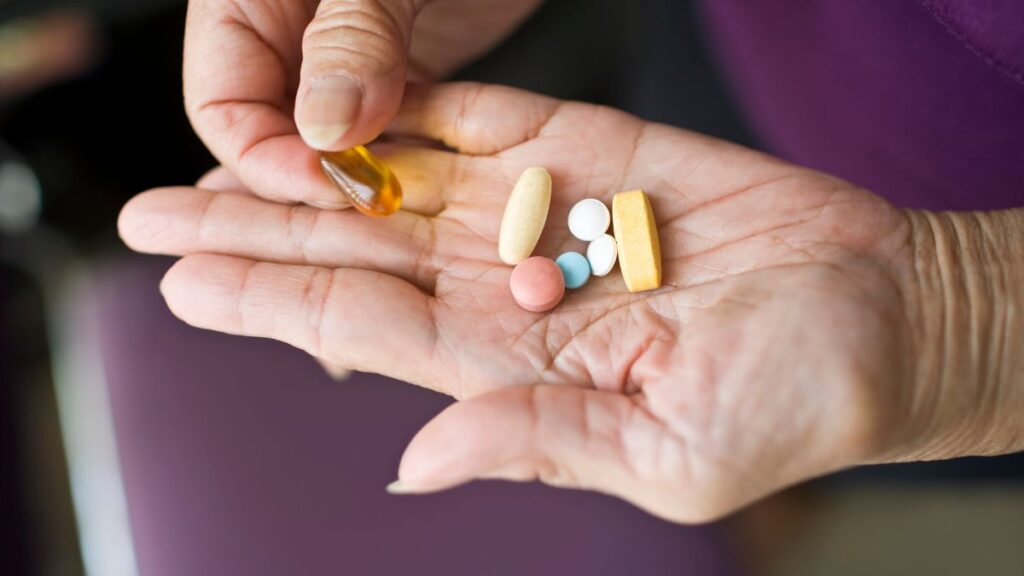
Medication cannot protect the brain while it remains in the bottle.
Blood pressure medicines reduce force against vessel walls. Statins can reduce cholesterol related plaque risk in appropriately selected patients. Anticoagulants can greatly reduce clot related stroke risk in many people with atrial fibrillation.
Use a two minute evening checklist to confirm that prescribed doses were taken. A weekly pill organizer, phone reminder, or check mark on a paper calendar can prevent uncertainty and accidental skipping.
Never double a missed dose unless a pharmacist or prescriber has specifically instructed you to do so.
Medication needs vary considerably. Aspirin is not appropriate for everyone, and it can increase bleeding risk. Do not begin, stop, skip, or change aspirin, blood pressure medicine, a statin, or an anticoagulant without medical guidance.
3. Check Your Pulse for an Irregular Rhythm
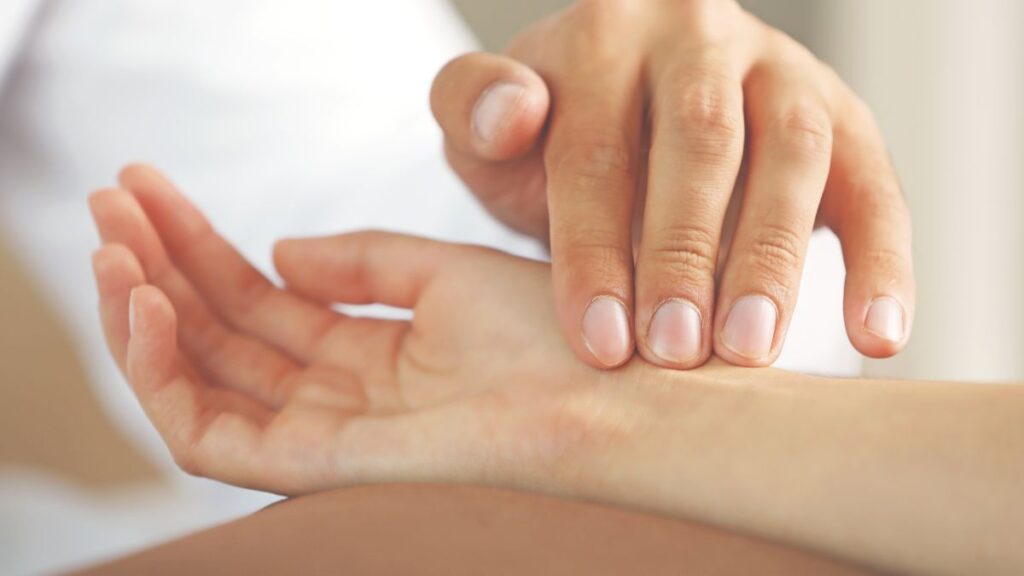
Atrial fibrillation, often called AFib, is an irregular heartbeat that can allow blood to pool inside the heart. A clot may then travel to the brain and block an artery.
Place two fingers on the thumb side of the opposite wrist. Count the beats for 30 seconds, then repeat while noticing whether the rhythm feels steady or unexpectedly chaotic.
This is not a diagnostic test. Some harmless rhythm changes can feel irregular, while episodes of AFib may disappear before anyone checks.
Repeated irregularity, unexplained racing, dizziness, breathlessness, or fluttering should be discussed with a clinician. The American Stroke Association identifies AFib as an important stroke related condition that requires detection and treatment.
4. Walk for Two Minutes Every Hour

One workout cannot fully erase an entire day spent almost motionless.
Prolonged sedentary behavior is associated with greater stroke risk, which is why the 2024 stroke prevention guideline now recommends screening for excessive sitting and encouraging people to interrupt it.
Stand up and walk through the room, climb a few stairs, or march beside the desk for two minutes. Muscle contractions help move blood through the legs and support glucose disposal after meals.
These activity breaks do not replace the broader goal of regular exercise. Adults are generally encouraged to accumulate at least 150 minutes of moderate activity each week, but small bouts make that total less intimidating.
5. Take a Brisk Two Minute Movement Snack
A movement break interrupts sitting. A movement snack raises the effort slightly.
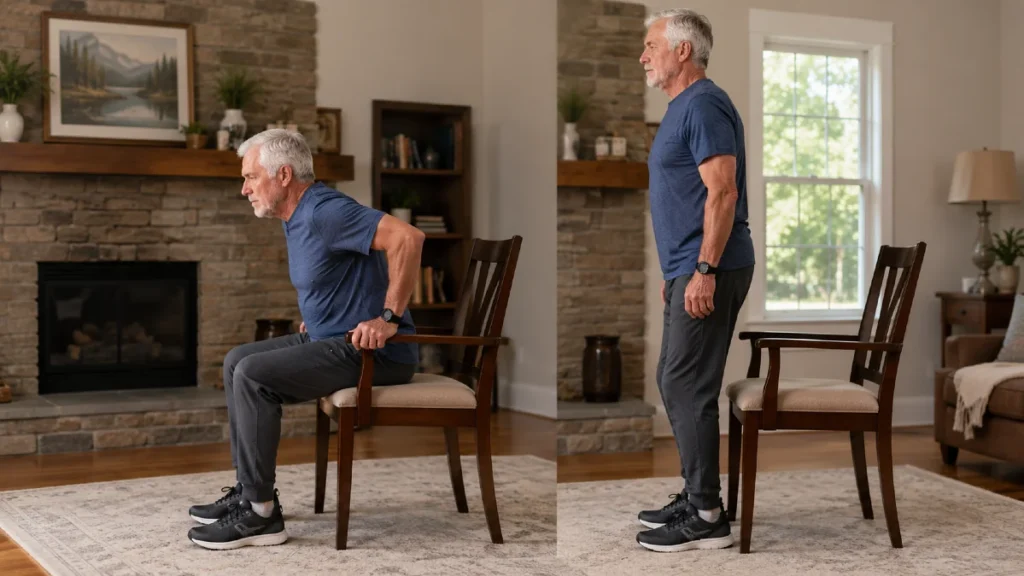
Walk quickly down a hallway, perform controlled sit to stand repetitions from a sturdy chair, or march with deliberate arm swings. The intensity should increase breathing without causing chest pressure, severe breathlessness, or dizziness.
Physical activity supports stroke prevention by improving blood pressure, insulin sensitivity, cholesterol, fitness, and weight regulation. A 2024 evidence review reported that even activity levels below conventional recommendations were associated with lower stroke risk than complete inactivity.
Start gently when balance, arthritis, heart disease, neuropathy, or a previous stroke affects safe movement.
| Movement option | Best setting | Main benefit | Safety adjustment |
|---|---|---|---|
| Brisk indoor walk | Hallway or office | Raises heart rate and breaks sitting | Stay near a wall if balance is uncertain |
| Chair stands | Sturdy chair | Activates large leg muscles | Use armrests when needed |
| Stair climbing | Home or workplace | Adds moderate intensity quickly | Hold the rail and move slowly |
| Standing march | Beside a desk | Improves circulation with little space | Keep one hand on support |
| Heel raises | Kitchen counter | Activates calf muscles | Use the counter for stability |
6. Scan One Food Label for Sodium

Sodium can hide in bread, sauces, soup, deli meat, frozen meals, seasoning blends, and packaged snacks.
Too much sodium may raise blood pressure, particularly in people who are salt sensitive. The CDC identifies excess dietary sodium as a contributor to high blood pressure and stroke related risk.
Spend two minutes comparing similar products. Check the sodium per serving, then check how many servings are actually in the package.
Choose the lower sodium option when the foods are otherwise comparable. This simple comparison is often more useful than judging a product by words such as “natural” or “light.”
7. Add One Plant Food Before the Meal Starts
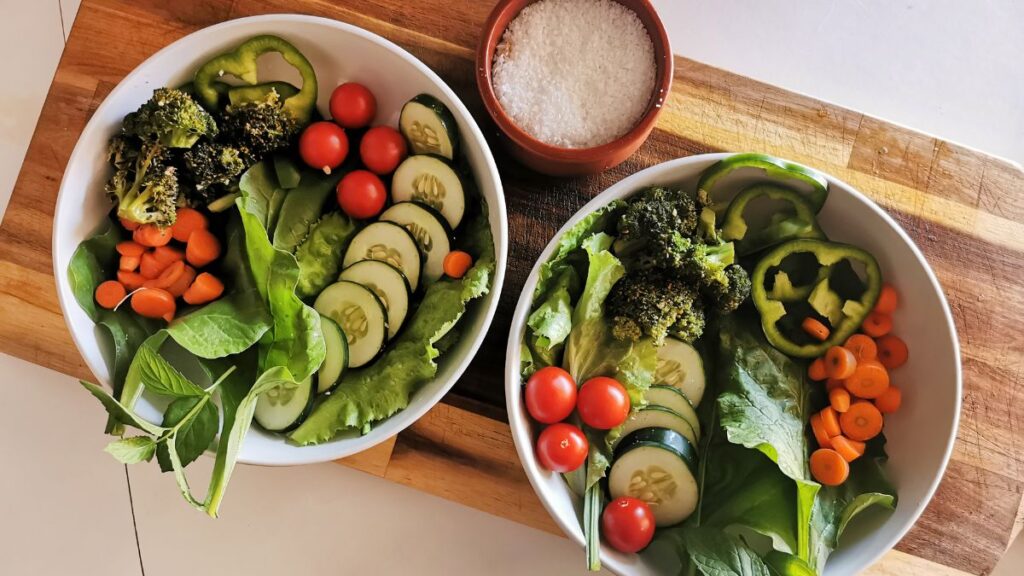
Stroke protective eating is about the pattern that repeatedly lands on the plate.
Before eating, add one fruit, vegetable, bean, lentil, or small portion of unsalted nuts. This takes less than two minutes when convenient options are visible and ready.
These foods can supply potassium, magnesium, fiber, unsaturated fats, and plant compounds that support blood pressure, cholesterol, blood sugar regulation, and vascular health.
The American Heart Association and American Stroke Association recommend a Mediterranean style dietary pattern for many adults at average or elevated cardiovascular risk. Evidence is strongest for the overall pattern, particularly when it includes nuts and olive oil, rather than for one supposed superfood.
8. Replace One Salty Snack
Trying to rebuild the entire diet in one afternoon usually fails.
Instead, use two minutes to replace one high sodium snack with something that better fits a Mediterranean or DASH style pattern. Examples include fruit with unsalted nuts, vegetables with hummus, plain yogurt with berries, or air popped popcorn seasoned without excessive salt.
The benefit is not merely fewer calories. Repeated swaps can reduce sodium, increase potassium and fiber, and displace highly processed foods that make blood pressure and glucose harder to control.
| Common choice | More supportive swap | Why the swap helps |
|---|---|---|
| Salted chips | Unsalted nuts and fruit | Less sodium, more fiber and unsaturated fat |
| Processed meat snack | Hummus with vegetables | Less processed meat, more legumes and potassium |
| Sugary pastry | Plain yogurt with berries | More protein and less added sugar |
| Instant soup | Lower sodium bean soup | More fiber with less sodium |
| Sweetened drink | Water or unsweetened tea | Reduces liquid sugar intake |
9. Walk for Two Minutes After Eating

Post meal movement gives working muscles an immediate use for circulating glucose.
A brief walk after breakfast, lunch, or dinner will not replace diabetes treatment or a full exercise plan. It can, however, begin a routine that reduces prolonged sitting and contributes to better daily blood sugar management.
Diabetes raises stroke risk by damaging blood vessels and often appearing alongside high blood pressure, unhealthy cholesterol, and excess abdominal weight. The CDC lists diabetes as one of the important medical conditions linked with stroke risk.
People using insulin or medicines that can cause low blood sugar should ask their care team how activity should be timed around meals and medication.
10. Interrupt the Smoking Cue

Smoking approximately doubles stroke risk, according to the American Stroke Association’s secondary prevention checklist. Tobacco smoke damages blood vessels, promotes atherosclerosis, raises blood pressure, reduces the oxygen carried in blood, and makes clotting more likely.
When the urge appears, delay the cigarette for two minutes. Leave the usual smoking location, sip water, breathe slowly, or message a support person.
A two minute delay is not a complete quitting strategy. Its purpose is to interrupt the automatic link between a cue and smoking.
Use the pause to contact a clinician or evidence based cessation service. Counseling and approved medications can make quitting more achievable than relying only on willpower.
11. Pour the Alcohol Free Drink First
Heavy alcohol intake can raise blood pressure and triglycerides. It can also contribute to irregular heart rhythms, poor sleep, falls, medication interactions, and missed doses.
Before opening alcohol, spend two minutes pouring water, sparkling water, or an unsweetened drink. Then decide whether alcohol is still wanted rather than drinking automatically.
People who do not drink should not start for stroke prevention. Older research sometimes grouped moderate alcohol intake with lower risk lifestyles, but alcohol carries important cancer, liver, rhythm, and bleeding risks.
The CDC advises limiting alcohol because excessive intake raises blood pressure and stroke risk.
12. Set a Sleep Protection Alarm
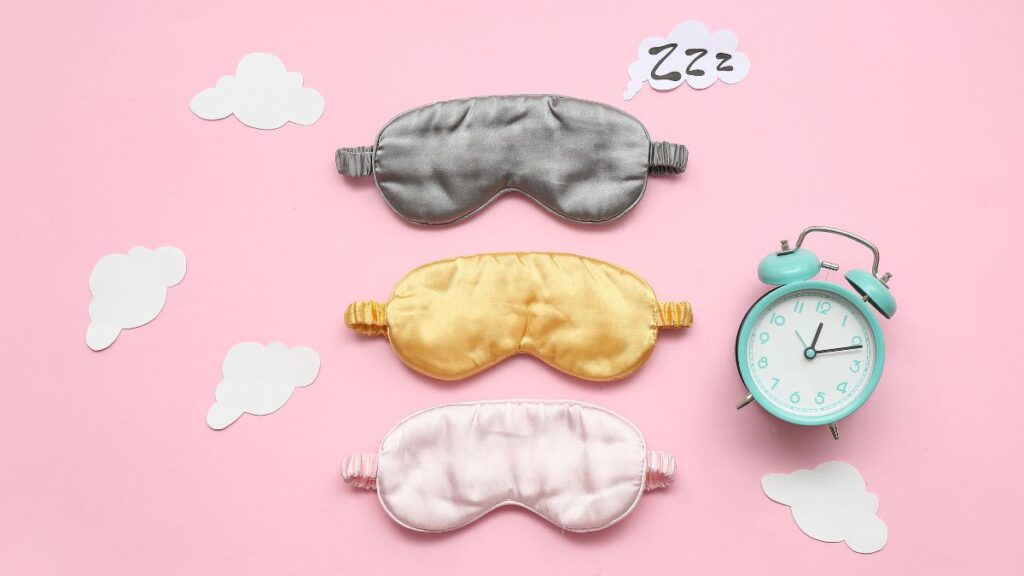
Poor sleep is not merely an inconvenience.
Short sleep, very long sleep, fragmented sleep, and symptoms of sleep disordered breathing have been associated with stroke risk. Sleep problems can also worsen blood pressure, glucose regulation, appetite, medication adherence, and atrial fibrillation.
Take two minutes to set an evening alarm that signals the start of a consistent wind down routine. Use it to dim screens, prepare prescribed medicines, and move bedtime closer to a regular schedule.
Loud snoring, gasping, witnessed breathing pauses, morning headaches, and severe daytime sleepiness should trigger a conversation about sleep apnea. An alarm cannot treat an obstructed airway.
13. Write Down One Number to Discuss With Your Doctor

Many stroke risks are invisible without measurement.
Use two minutes to write the most recent blood pressure, cholesterol result, A1C, fasting glucose, or weight trend in one place. Add the date and any question it raises.
This creates a simple health record that can reveal gaps. Perhaps blood pressure has not been checked for months. Maybe cholesterol treatment was recommended but never started. Maybe a diabetes test is overdue.
Regular primary care is a central recommendation in the 2024 stroke prevention guideline because risk factors must first be identified before they can be controlled.
The Daily Habit That Actually Works
Pick three actions, not all 13, and attach them to routines that already happen.
- Check blood pressure before breakfast on scheduled days.
- Walk for two minutes whenever a phone timer rings.
- Read sodium on one label while preparing lunch.
- Mark medicines as taken immediately after swallowing them.
- Set the sleep alarm while plugging in the phone.
Repeat the same three for two weeks. Once they feel automatic, add another action.
Consistency matters more than assembling a perfect routine for one day.