
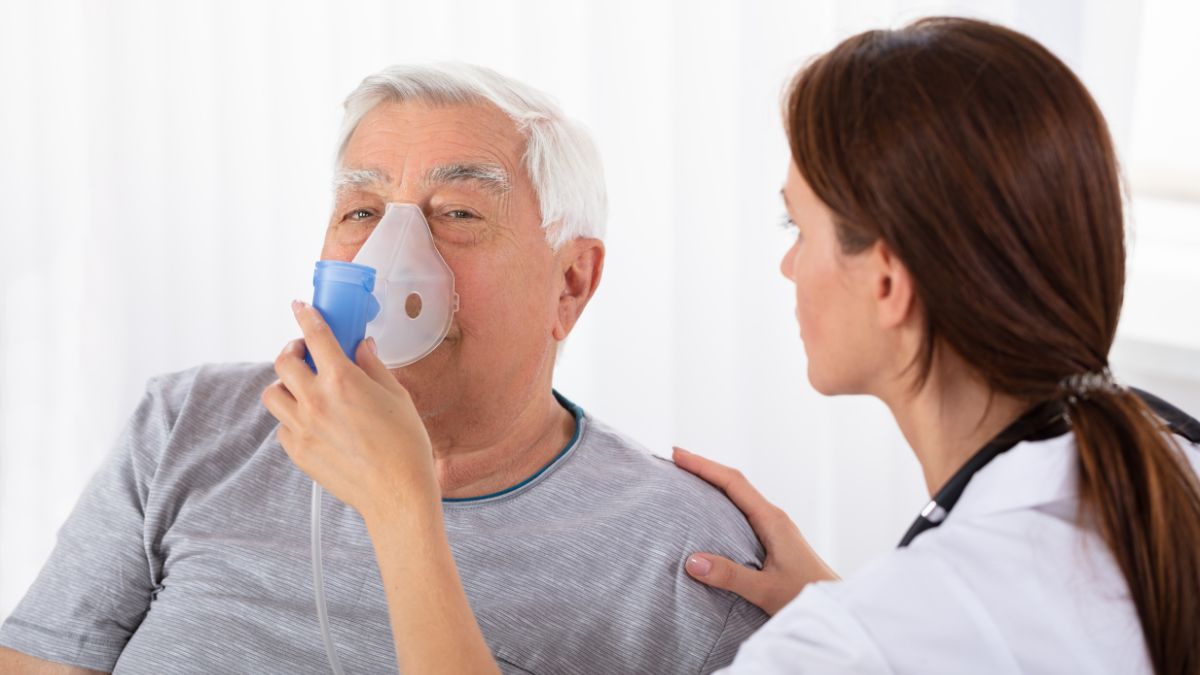
Getting winded on stairs can feel like a minor fitness problem. But falling aerobic capacity may mean the heart, lungs, blood vessels, and muscles cannot deliver and use oxygen as efficiently as they once did.
That matters because low cardiorespiratory fitness is consistently associated with higher cardiovascular and premature death risk. The encouraging part is that VO2 max is trainable, and the most effective approach does not require becoming a marathon runner.
The strongest practical strategy combines a large base of moderate aerobic exercise with one or two carefully controlled interval sessions each week.
Before beginning vigorous exercise, speak with your doctor if you have heart disease, uncontrolled blood pressure, diabetes complications, chest symptoms, unexplained breathlessness, or a long period of inactivity.
What VO2 Max Actually Measures
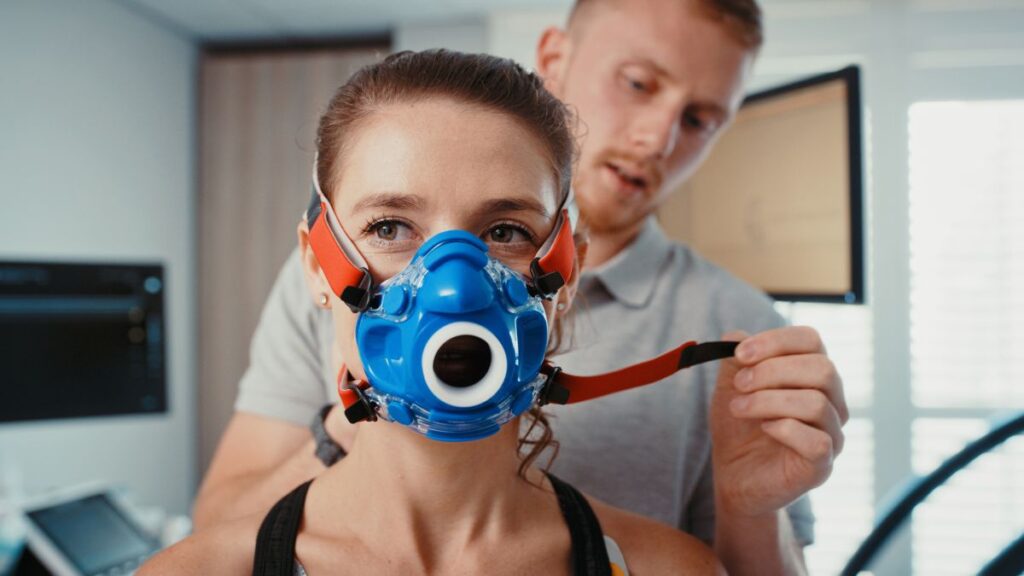
VO2 max is the greatest amount of oxygen the body can take in, transport, and use during intense exercise. It is commonly reported as milliliters of oxygen used per kilogram of body weight per minute.
The number reflects more than lung capacity. It captures how well several systems work together.
The lungs must move oxygen into the blood. The heart must pump that oxygen rich blood. Blood vessels must deliver it, and working muscles must extract and use it inside their mitochondria.
A weakness anywhere along that chain can limit performance.
That is why VO2 max is often treated as a broad measure of cardiorespiratory fitness rather than a simple running score.
The American Heart Association has argued that cardiorespiratory fitness deserves greater attention in clinical risk assessment because low fitness can predict poor outcomes independently of many traditional risk factors.
| Part of the oxygen system | What must happen during exercise | Training adaptation |
|---|---|---|
| Lungs | Oxygen moves from inhaled air into the blood | Breathing becomes better matched to exercise demand |
| Heart | More blood is pumped with each beat | Stroke volume can increase |
| Blood vessels | Oxygen rich blood reaches active muscle | Vessel function and blood distribution can improve |
| Muscles | Muscle cells extract and use oxygen | Mitochondrial capacity and aerobic enzymes can increase |
| Movement | Large muscles produce repeated work | The same task may require less relative effort |
Why VO2 Max Is Connected To Heart Risk And Longevity

VO2 max does not determine an exact expiration date. It also does not erase smoking, high blood pressure, diabetes, high cholesterol, or family history.
Still, the association between fitness and long term health is remarkably consistent.
A major 2009 meta analysis found that better cardiorespiratory fitness was associated with lower rates of death from all causes and fewer cardiovascular events.
A more recent overview reported that each one MET higher level of fitness was associated with roughly an 11 to 17 percent lower risk of death from all causes. One MET equals an oxygen demand of approximately 3.5 milliliters per kilogram per minute.
The association also appears when fitness changes over time. In a longitudinal study, each one MET improvement was associated with 15 percent lower all cause mortality and 19 percent lower cardiovascular mortality. These figures describe associations within the study population, not a guaranteed personal reduction.
A large Cleveland Clinic cohort also found an inverse relationship between cardiorespiratory fitness and long term mortality. Higher fitness remained beneficial among older adults and people with hypertension, with no clear upper threshold at which the observed survival association disappeared.
| Research finding | What it suggests | What it does not prove |
| Higher fitness is linked with lower mortality | Aerobic capacity is a meaningful health marker | A specific VO2 max guarantees longer life |
| A one MET improvement is linked with lower risk | Moving from very low to somewhat higher fitness may matter | Every person receives the same percentage benefit |
| Benefits appear in older adults | Improvement remains worthwhile later in life | Vigorous training is automatically safe for everyone |
| Very fit groups often have the best outcomes | High fitness is not limited to athletic performance | Fitness cancels every other cardiovascular risk factor |
The Training Combination That Raises VO2 Max
The biggest mistake is treating VO2 max training as an all out effort every day.
Hard intervals can provide a strong stimulus, but most people tolerate and sustain them better when they sit on top of regular moderate exercise. The moderate work builds the foundation. The intervals challenge the upper end of oxygen delivery.
Research comparing exercise methods generally finds that both continuous aerobic training and interval training can raise VO2 max. High intensity intervals often produce somewhat larger improvements, especially when the intervals are long enough to keep oxygen demand elevated.
In a well known controlled study, four intervals lasting four minutes produced a 7.2 percent increase in VO2 max over eight weeks among already active adults.
Shorter 15 second intervals produced a 5.5 percent increase. The results do not mean everyone should copy that exact protocol, but they help explain why sustained hard intervals are effective.
The heart needs enough time at a high workload to approach its maximum oxygen delivery capacity. Ten second bursts may feel brutal, yet the cardiovascular system may not remain near that demand long enough to create the same adaptation.
Build The Aerobic Base Before Chasing Intensity

Start with moderate aerobic work that can be repeated consistently.
Brisk walking, cycling, swimming, rowing, and low impact cardio machines can all work. The activity should involve large muscle groups and raise breathing without causing gasping.
A useful guide is the talk test. During moderate exercise, speaking in full sentences should still be possible, but singing should feel difficult.
Current public health guidance recommends at least 150 minutes of moderate aerobic activity each week, or 75 minutes of vigorous activity, plus muscle strengthening on at least two days. Adults over 65 should also include balance activities.
For someone starting from low fitness, three sessions of 20 minutes may be enough for the first week. Add five minutes to one or two sessions as tolerance improves.
The goal is not exhaustion. It is accumulating enough repeatable work to encourage adaptations in the heart, blood vessels, and muscles.
Add One Structured Interval Session

Once 30 minutes of moderate movement feels manageable, one weekly interval session can introduce a stronger VO2 max stimulus.
Begin with a 10 minute easy warmup. Then complete four rounds of one minute at a hard but controlled effort, followed by two minutes of easy recovery.
The hard minute should raise breathing substantially. Speaking more than a few words should be difficult, but movement should remain smooth and controlled.
After several weeks, the hard periods can gradually become longer. One progression is shown below.
| Training stage | Hard effort | Easy recovery | Number of rounds | Total hard work |
| Beginner | 1 minute | 2 minutes | 4 | 4 minutes |
| Developing | 2 minutes | 2 minutes | 4 | 8 minutes |
| Intermediate | 3 minutes | 3 minutes | 4 | 12 minutes |
| Advanced recreational | 4 minutes | 3 minutes | 4 | 16 minutes |
Finish each session with at least five minutes of easy movement. A longer cooldown may be appropriate for older adults or anyone whose heart rate falls slowly.
Interval intensity should be individualized. Heart rate medicines, cardiovascular disease, anemia, lung disease, recent illness, and heat can change how exercise feels and how the heart responds.
Why Four Minute Intervals Get So Much Attention
Four minute intervals are not magical. They are simply long enough to keep the heart working near a high fraction of its aerobic capacity.
During the first part of a hard interval, oxygen consumption climbs. If the interval ends too quickly, VO2 may fall before it reaches the range that produces the strongest central cardiovascular stimulus.
Longer intervals can allow more time near a high oxygen demand. That may support increased stroke volume, which is the amount of blood pumped with each beat, as well as improvements in oxygen use by working muscle.
A meta analysis of randomized trials found that interval design matters. Work interval duration, session volume, and training period all influence the response. This is why a few random sprints added to an occasional workout may accomplish less than a repeatable progression.
Hard intervals should not be confused with reckless maximal sprints. Most adults can stimulate improvement without reaching absolute exhaustion.
Aim for an effort of roughly eight out of ten. The final minute should feel demanding, but posture, balance, and technique should stay intact.
Moderate Sessions Still Do Essential Work
Intervals often receive the attention because they are dramatic. Moderate exercise does much of the quiet work that makes improvement sustainable.
It increases weekly aerobic volume without placing the same stress on joints, muscles, and the nervous system. It can also improve the ability to recover between harder sessions.
A dose response analysis found that VO2 max can improve across a range of intensities. Improvement was seen even at moderate heart rate reserve levels, although the size of the response generally rose as the training stimulus increased.
For many adults, two or three moderate sessions plus one interval session is a better starting formula than several hard workouts.
As fitness and recovery improve, a second interval day can be added. Keep at least one easy or rest day between hard sessions.
Strength Training Protects The Engine’s Chassis
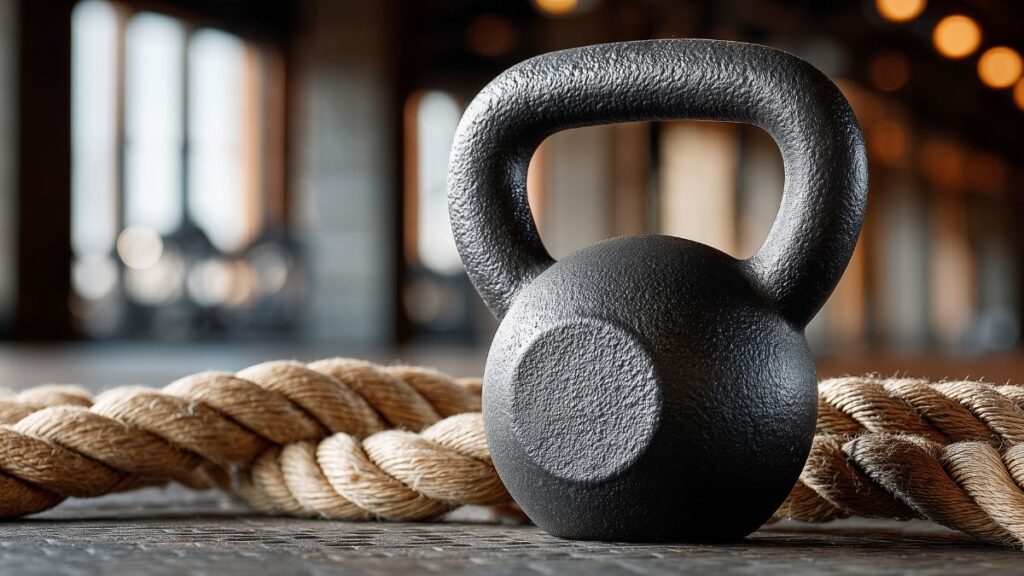
VO2 max is an aerobic measure, but muscles still have to produce the movement.
Weak legs can cause someone to stop a test before the heart and lungs reach their full capacity. Strength training can improve movement efficiency, preserve muscle with age, and make walking, cycling, and climbing easier to sustain.
Two weekly sessions can cover the major muscle groups. Useful movements include chair squats, step ups, calf raises, rows, chest presses, and loaded carries.
Choose a resistance that allows controlled repetitions. Stop one or two repetitions before technique begins to fail.
Strength alone is unlikely to raise VO2 max as much as aerobic training. However, it can make aerobic training safer and more productive, particularly for older adults.
The Daily Habit That Actually Works
- Complete two or three moderate aerobic sessions each week.
- Add one controlled interval session after building a basic fitness foundation.
- Keep at least one easier day between demanding workouts.
- Strengthen the major muscle groups twice weekly.
- Increase only one variable at a time, such as duration, speed, resistance, or interval count.
Consistency matters more than creating the hardest possible workout.
A challenging session that causes four days of soreness contributes less than a manageable session that can be repeated for months.
How Quickly Can VO2 Max Improve?
Measurable changes can occur within six to twelve weeks, although the response varies widely.
Starting fitness, age, genetics, exercise dose, recovery, medication use, and health conditions all affect the result. Someone beginning from a low baseline may see a larger percentage improvement than an experienced endurance athlete.
A two or three week block may be too short to reveal meaningful change, especially when the person is already trained. One study involving trained participants found that 11 interval sessions over three weeks did not significantly improve VO2 max.
This is another reason to avoid judging a program from a few workouts. The body needs repeated exposure followed by recovery.
| Time period | Main goal | A realistic sign of progress |
| Weeks 1 and 2 | Establish consistency | Less soreness and better workout tolerance |
| Weeks 3 and 4 | Add controlled workload | Faster recovery after hills or stairs |
| Weeks 5 through 8 | Progress interval duration | Same pace with lower perceived effort |
| Weeks 9 through 12 | Reassess capacity | Better test result or greater sustainable speed |
| Beyond 12 weeks | Maintain and refine | Continued function with fewer setbacks |
Do Not Trust A Watch Number Too Literally
A laboratory cardiopulmonary exercise test is the clearest way to measure VO2 max. It tracks breathing gases while workload increases on a treadmill or cycle.
Wearable devices usually estimate VO2 max from pace, heart rate, age, sex, and other inputs. The estimate can be useful for monitoring trends, but it is not identical to a direct measurement.
Heat, hills, fatigue, dehydration, inaccurate heart rate readings, and certain medications can alter the estimate. A single low reading should not trigger panic.
Look for the direction of change across several weeks under similar conditions.
Submaximal tests can also estimate cardiorespiratory fitness, but the American College of Sports Medicine notes that proper testing and interpretation matter because estimates have limitations.
Body Weight Can Change The Reported Number
Relative VO2 max divides oxygen use by body weight.
That means the number can rise if oxygen use improves, body weight decreases, or both. Someone may become aerobically fitter while seeing only a modest change if body weight rises from muscle gain.
Absolute oxygen consumption can provide additional context, especially for larger people or strength trained adults.
The purpose is not to chase the highest possible wearable score. The purpose is to improve usable capacity, heart health, and the ability to perform daily tasks without excessive fatigue.
VO2 Max Usually Declines With Age, But The Rate Is Not Fixed
Maximal aerobic capacity tends to fall as people age. Research commonly describes a decline around 10 percent per decade, although the rate varies by activity level and by how training habits change over time.
Aging can reduce maximum heart rate, stroke volume, muscle mass, and mitochondrial function. Illness, inactivity, and loss of training volume can accelerate the decline.
Continued exercise may not prevent every age related change. It can preserve a much higher level of function than inactivity.
Studies of older adults show that aerobic training can improve functional capacity well into the seventh and eighth decades of life.
The goal for an older adult is not to compete with a 25 year old. It is to maintain enough reserve that shopping, traveling, climbing stairs, and recovering from illness do not consume the person’s entire physical capacity.
When To Stop Exercise And Seek Medical Care
Stop exercising and seek urgent medical help for:
- Chest pressure, squeezing, fullness, or pain
- Pain spreading into the arm, back, neck, jaw, or stomach
- Severe or unusual shortness of breath
- Fainting, near fainting, cold sweating, or sudden nausea
- A rapid or irregular heartbeat accompanied by dizziness or chest discomfort
The American Heart Association advises emergency evaluation for chest discomfort that lasts more than a few minutes, returns after easing, or occurs with breathlessness, sweating, nausea, or lightheadedness.
Unusual breathlessness that appears during light activity or at rest also deserves medical evaluation. It can have many causes, including heart, lung, blood, and metabolic disorders.