

Feeling down and tired of hearing that pills are your only way out? Millions struggle with low mood but worry about antidepressant side effects and dependency. What if your kitchen held the answer all along?
Science now shows that certain foods can naturally boost serotonin – your brain’s “feel good” chemical – without prescriptions or therapy visits.
From salmon’s omega-3s to dark chocolate’s mood-lifting compounds, these 10 powerful foods work with your body’s chemistry to lift the fog and bring back joy.
Ready to eat your way to better mental health? Let’s explore nature’s antidepressants that work.
1. Salmon
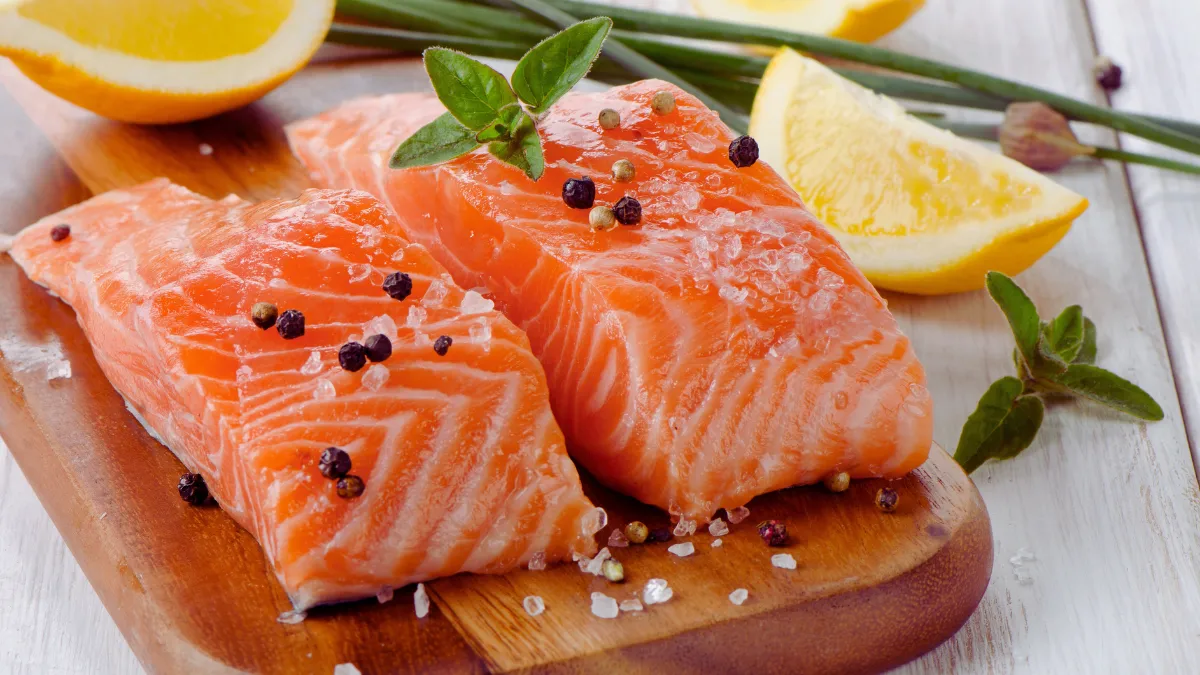
Salmon stands out as a powerful mood booster thanks to its rich tryptophan content, the building block your brain needs to create serotonin.
This fatty fish also contains omega-3s that help reduce inflammation linked to depression and improve how serotonin receptors work in your brain.
For best results, pair salmon with carbohydrates like brown rice or quinoa. This combination helps tryptophan cross the blood-brain barrier more efficiently, making it available for serotonin production.
Try baking salmon with lemon and herbs for a simple dinner that supports your mental health. Regular consumption can help stabilize mood over time.
Many people notice improvements within weeks of adding salmon to their diet twice weekly. The good fats in salmon benefit not just your brain but your heart health too, creating a positive cycle where physical and mental wellness support each other.
2. Eggs
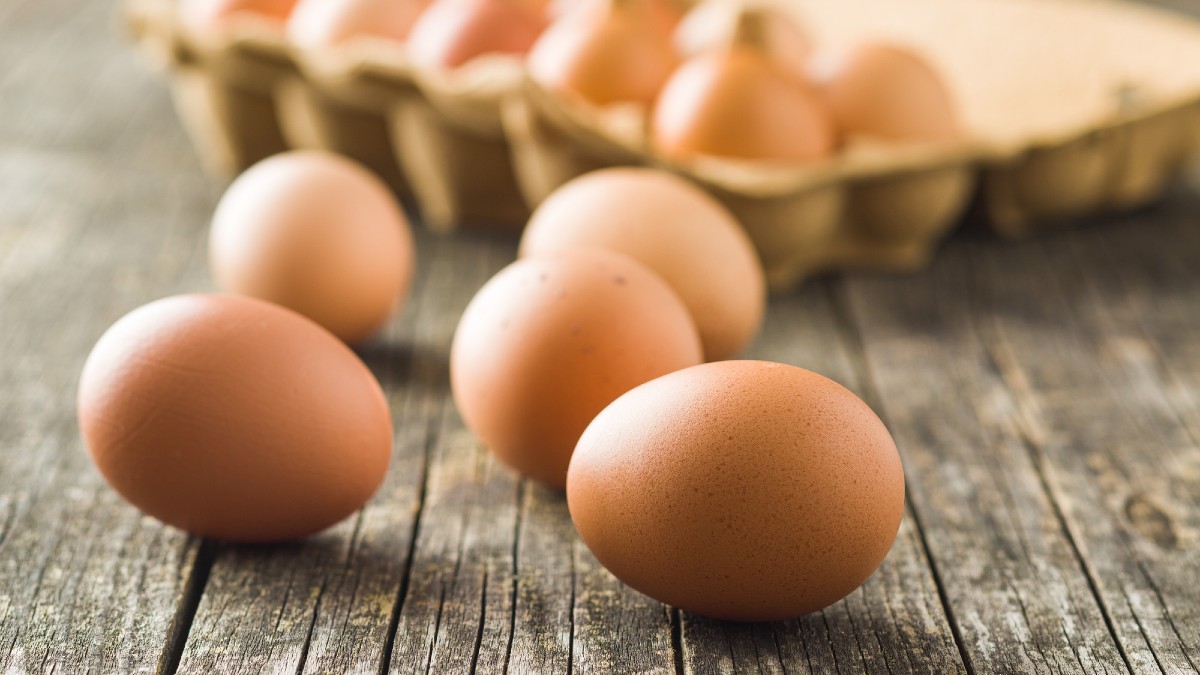
Eggs pack a serious punch when it comes to boosting your mood. They contain high amounts of tryptophan that your body turns into serotonin.
The complete protein profile in eggs also helps balance blood sugar, preventing mood crashes throughout the day.
Breakfast offers an excellent opportunity to get this benefit. Scramble eggs with spinach and serve with whole-grain toast to maximize serotonin production.
The carbs from toast help tryptophan reach your brain more effectively. Hard-boiled eggs make great snacks too, helping maintain a stable mood between meals.
What makes eggs particularly valuable is their availability and versatility. You can prepare them in countless ways, making them easy to include in your daily routine.
The choline in eggs also supports overall brain function, so you’re not just helping your mood but your cognitive health as well. Consider eggs your morning mood medicine.
3. Nuts and Seeds
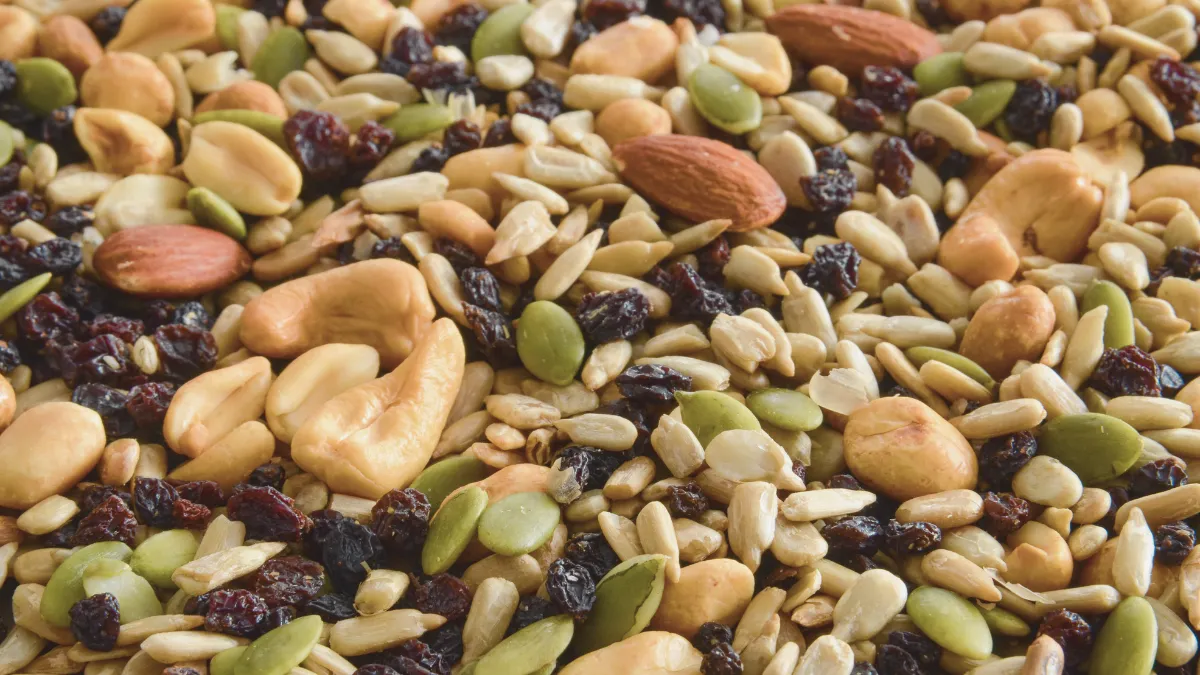
Almonds, walnuts, and pumpkin seeds form a powerful trio for boosting serotonin levels naturally. They contain substantial amounts of tryptophan along with magnesium, which helps calm anxiety and stress responses in the body.
A handful can make a real difference in your mood. Snacking on mixed nuts between meals helps maintain steady blood sugar and provides ongoing support for serotonin production.
Sprinkle pumpkin seeds on salads or yogurt for an easy boost. Walnuts with their brain-shaped appearance do benefit brain chemistry, especially when eaten regularly.
The healthy fats in nuts and seeds also support brain cell membrane health, allowing serotonin receptors to function better. This makes your existing serotonin work more efficiently.
Start with a quarter cup daily, preferably raw or lightly toasted without added salt. Your brain will thank you, and you might notice improved sleep as a bonus since serotonin helps regulate sleep cycles.
4. Turkey

Turkey has earned its reputation as a mood-enhancing food because of its exceptional tryptophan content. This amino acid serves as the raw material your brain needs to manufacture serotonin.
Many people experience the calming effect of turkey, especially after holiday meals. What makes turkey work so well is eating it with carbohydrates.
This combination triggers insulin release, which clears competing amino acids from the bloodstream and gives tryptophan a clear path to the brain.
Turkey sandwiches on whole grain bread make a practical lunch that supports your mood throughout the afternoon.
Beyond tryptophan, turkey provides lean protein that helps stabilize energy levels throughout the day. This prevents the mood swings that can come with blood sugar fluctuations.
Turkey also contains vitamin B6, another key player in serotonin production. Roast turkey breast on weekends and use leftovers for quick mood-boosting meals during busy weekdays.
5. Cheese
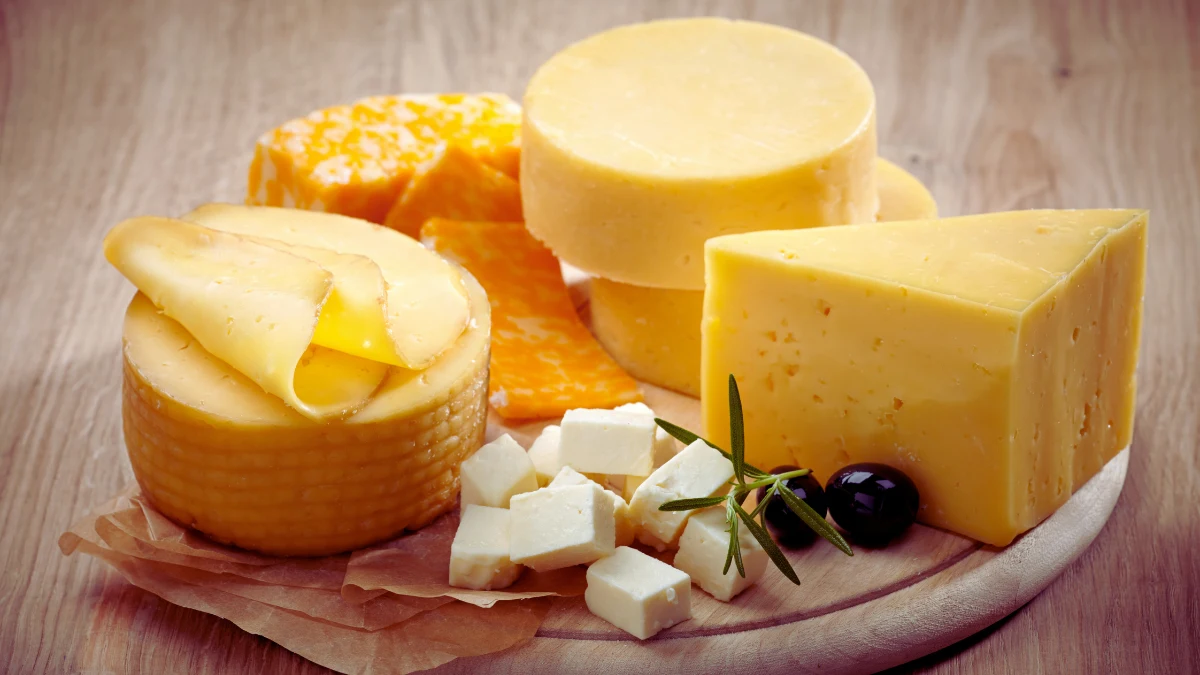
Cheese contains significant amounts of tryptophan that your brain uses to create serotonin. Aged varieties like cheddar and Swiss have particularly high concentrations.
The protein in cheese also helps slow digestion, creating a steady supply of amino acids to the brain. Many cheese varieties offer calcium and vitamin D, nutrients that play supporting roles in mood regulation.
Calcium helps nerve cells communicate while vitamin D activates genes that release neurotransmitters. Enjoy cheese with whole grain crackers or fruit for a complete snack that maximizes tryptophan transport to your brain.
Fermented cheeses like blue cheese and gouda provide an extra benefit through their probiotic content. These friendly bacteria support gut health, which matters because your gut produces about 90% of your body’s serotonin.
Even small amounts of cheese can contribute to a better mood, so adding an ounce to your daily diet could help lift your spirits naturally.
6. Tofu and Soy Products
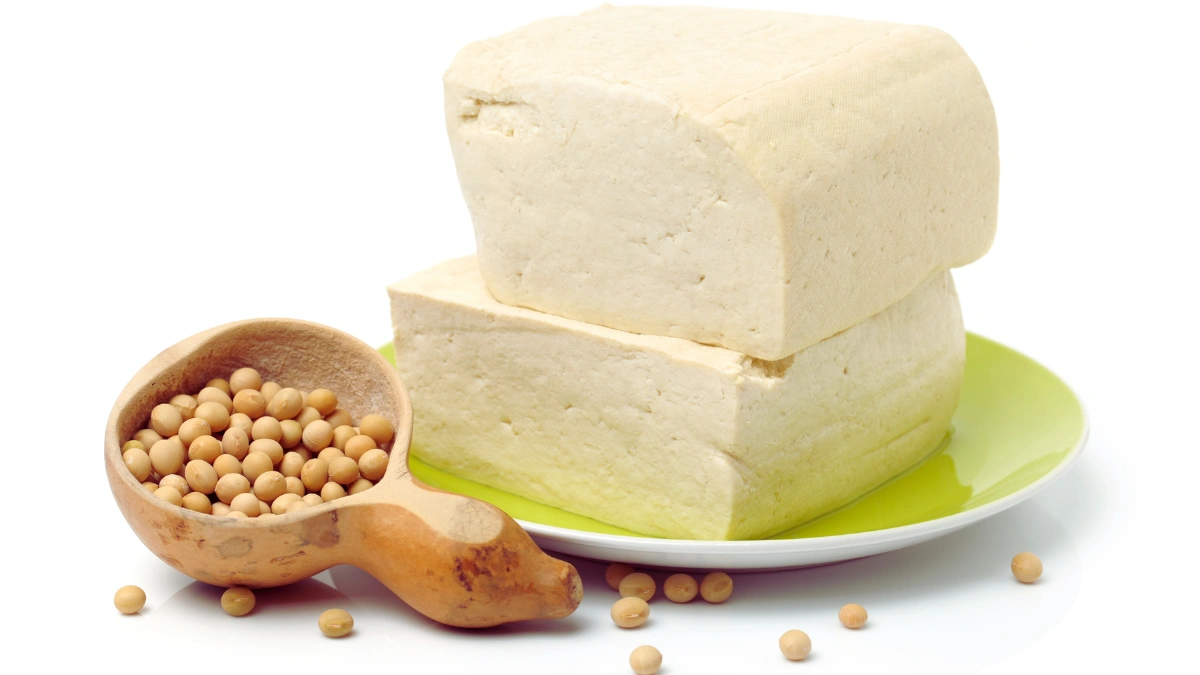
Plant-based eaters can boost their serotonin levels with tofu and other soy products. These foods contain good amounts of tryptophan, the essential amino acid that converts to serotonin in your brain.
Tempeh, edamame, and soy milk offer similar benefits for those looking to enhance their mood without animal products.
Soy’s protein content works to keep your blood sugar levels steady, which helps you avoid the emotional ups and downs that happen when your glucose levels spike and drop.
Try adding cubed tofu to stir-fries or blending silken tofu into smoothies for an easy mood lift. Marinating tofu before cooking can make it more flavorful and appealing, even to newcomers.
Soy products also provide calcium, which plays a supporting role in neurotransmitter function. Your nervous system relies on calcium for proper signaling between brain cells.
Many people find that swapping meat for tofu a few times weekly improves their mood stability over time. The combination of complete protein and tryptophan makes soy a standout option for naturally boosting serotonin levels without medication.
7. Dark Chocolate
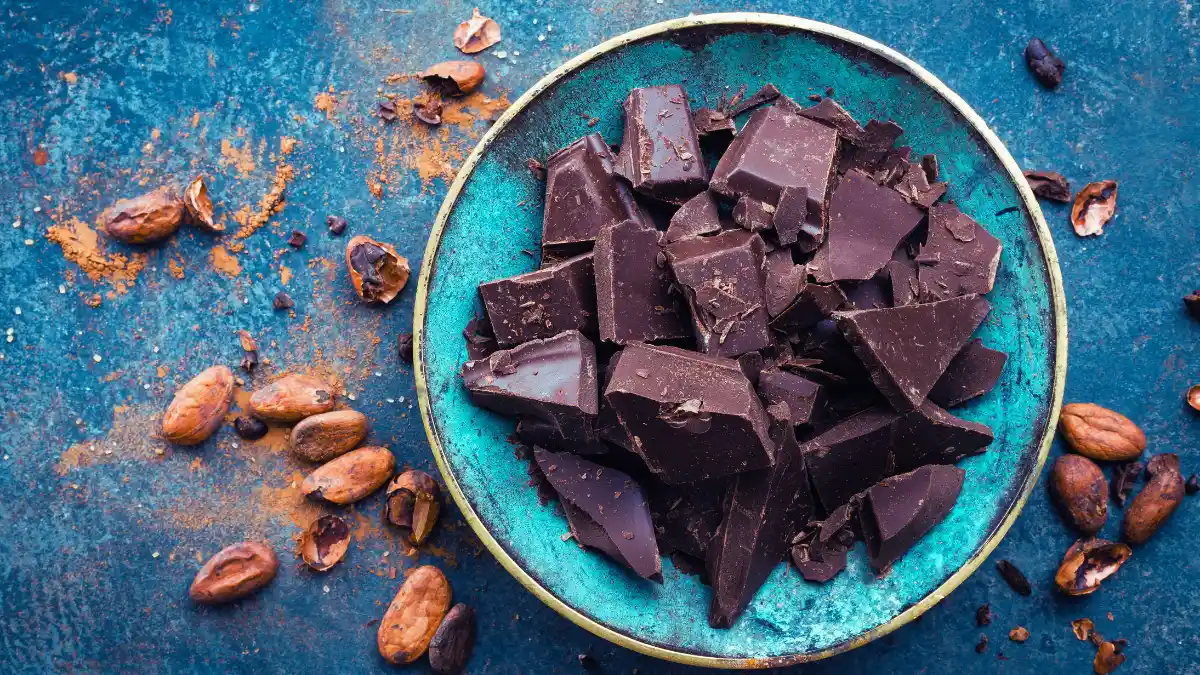
Dark chocolate does more than satisfy your sweet tooth—it actively boosts your mood through multiple pathways.
The cocoa in dark chocolate (70% or higher) stimulates phenylethylamine production, which triggers the release of both serotonin and dopamine in your brain. These neurotransmitters create feelings of well-being and pleasure.
Small amounts go a long way toward improving your mood. One or two squares after lunch can help prevent afternoon slumps.
The antioxidants in dark chocolate also reduce oxidative stress, which researchers have linked to depression and anxiety.
Choose chocolate with minimal added sugar for maximum benefits without the crash that comes with highly processed sweets.
A 2021 study published in the Journal of Nutritional Biochemistry found that regular dark chocolate consumption significantly lowered cortisol, a key stress hormone.
Participants who ate 40 grams of dark chocolate daily for two weeks showed measurably improved mood scores compared to those consuming a placebo.
This research confirms what chocolate lovers have known intuitively—good dark chocolate truly makes you feel better.
8. Pineapple

This tropical fruit offers a unique combination of mood-boosting compounds. Pineapple contains tryptophan plus bromelain, a powerful enzyme with anti-inflammatory properties that may help reduce the inflammation associated with depression.
The natural sugars in pineapple also help your body absorb tryptophan more effectively. Fresh pineapple makes a great standalone snack or breakfast addition.
The bright, tangy flavor can lift your spirits while the nutrients do their work behind the scenes. Try adding pineapple chunks to yogurt or cottage cheese for a protein-carb combination that maximizes serotonin production. Frozen pineapple works well in smoothies year-round when fresh isn’t available.
Vitamin C in pineapple supports your adrenal glands, helping manage stress hormones that can deplete serotonin over time.
Many people notice improved energy and mood within an hour of eating pineapple, making it a great choice when you need a quick emotional boost.
The fiber in pineapple also helps maintain steady blood sugar, preventing the mood swings that come with glucose crashes.
9. Spinach
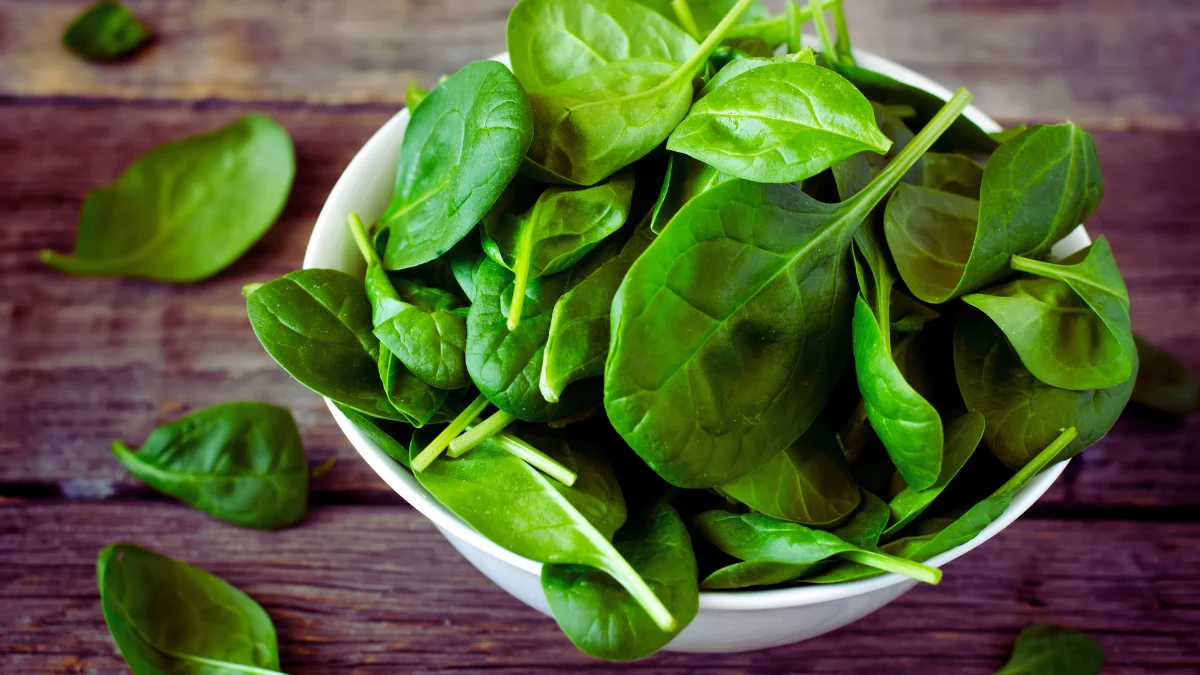
Leafy greens might not be the first food you think of for mood support, but spinach packs serious serotonin-boosting power.
Rich in both tryptophan and folate, spinach provides two critical nutrients for neurotransmitter production. Folate deficiency has strong links to depression, making spinach a smart addition to any mood-boosting diet.
The iron in spinach prevents the fatigue that often accompanies low mood. Without adequate iron, your brain receives less oxygen, leading to foggy thinking and low energy.
Add spinach to morning smoothies, and lunch salads, or sauté it as a dinner side dish for consistent mood support throughout the day.
Your body absorbs iron better when paired with vitamin C, so squeeze lemon juice over your spinach or eat it with bell peppers.
Magnesium in spinach acts as nature’s tranquilizer, helping calm an anxious mind without medication. This mineral activates GABA receptors in your brain, producing a relaxation response.
Most Americans don’t get enough magnesium, so eating spinach regularly can fill this gap. Baby spinach offers a milder flavor that many people prefer, making it easier to include in various meals.
10. Fermented Foods (Yogurt, Kimchi)

Gut health and mental health connect more closely than scientists once thought. Fermented foods like yogurt, kimchi, sauerkraut, and kefir support your gut microbiome, which directly influences serotonin production.
Since roughly 90% of your body’s serotonin is produced in your gut, these foods play a crucial role in mood regulation.
The probiotics in fermented foods help increase the diversity of good bacteria in your digestive system. Try eating yogurt with active cultures for breakfast or adding kimchi to rice bowls and sandwiches.
Even small amounts daily can make a difference in how you feel. The tangy flavor of fermented foods also stimulates digestive juices, improving overall nutrient absorption.
A groundbreaking study published in Cell found that participants who consumed fermented foods daily for ten weeks showed significant reductions in depression and anxiety markers.
The researchers discovered that specific bacterial strains in fermented foods increase tryptophan hydroxylase, an enzyme that converts tryptophan into serotonin.
This research supports the growing understanding that the path to better mental health often begins in the gut, not just the brain.