

Sick of catching every cold that goes around? Tired of paying for expensive medications that only mask symptoms? Your medicine cabinet might not have what your immune system truly needs.
Nature offers potent alternatives that big drug companies don’t want you to discover. Nine everyday foods can transform your body’s defense system from weak to warrior.
These kitchen staples work at the cellular level to boost immunity, fight inflammation, and protect against disease – no prescription is required.
Best of all, they’re delicious, affordable, and backed by science. Ready to strengthen your immunity the natural way? Your grocery list is about to become your best defense.
1. Leafy Green Vegetables (Spinach, Kale)

These green powerhouses contain abundant vitamin C that helps your body create more immune cells. The antioxidant properties fight harmful free radicals that would otherwise damage your cells and weaken immunity.
They act like a shield for your body. Skin serves as your first defense against pathogens, and vitamin C strengthens this barrier.
Regular consumption significantly reduces your risk of catching respiratory infections, especially during cold and flu season.
Your immune system gets the tools it needs to work efficiently. Spinach and kale also pack folate, an essential nutrient your body uses for DNA repair.
When immune cells need to multiply quickly to fight infection, folate ensures they divide properly. Adding a handful to smoothies or salads gives your immune system constant support.
2. Nuts and Seeds (Almonds, Sunflower Seeds)

Vitamin E stands out as the star nutrient in almonds and sunflower seeds. This fat-soluble antioxidant works to protect the membranes of your cells from damage caused by unstable molecules.
A small handful provides a substantial portion of your daily needs. Your T-cells—key players in immunity—function better with adequate vitamin E.
These specialized white blood cells coordinate immune responses and help produce antibodies. The nutrient proves especially important during times when your immune system faces challenges.
Sunflower seeds make an easy snack that supports your body’s natural defenses. Almonds can be eaten raw, roasted, or as butter spread on whole-grain toast.
Both options offer portable immune support you can take anywhere and eat anytime your body needs reinforcement.
3. Carotenoid-rich foods (Sweet Potatoes, Carrots)
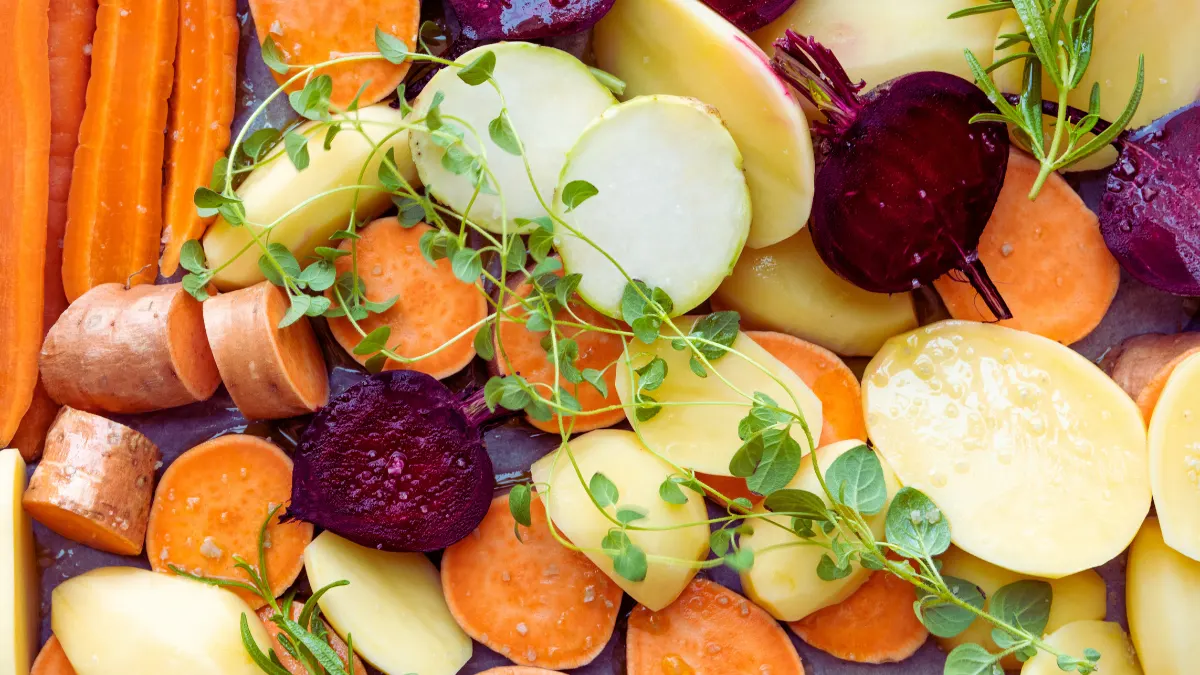
Orange vegetables contain beta-carotene that your body converts to vitamin A. This conversion happens precisely when your system needs it most.
The vibrant color signals the high concentration of this immune-boosting compound. Your mucous membranes line the respiratory and digestive tracts, forming crucial barriers against invading pathogens.
Vitamin A maintains these protective linings and keeps them functioning properly. A single sweet potato provides nearly four times your daily requirement.
Carrots offer similar benefits in a convenient package. Eat them raw for maximum nutrient preservation or lightly cooked to increase absorption.
Your immune cells will receive steady support through regular consumption of these orange vegetables, helping you stay healthy year-round.
4. Fatty Fish (Salmon, Mackerel)

Omega-3 fatty acids found abundantly in salmon and mackerel help regulate inflammation throughout your body.
This regulation prevents your immune system from overreacting or underperforming when facing threats. Two servings weekly provide optimal benefits.
Vitamin D, another key nutrient in fatty fish, controls how immune cells activate and respond to pathogens. Many people have insufficient levels, especially during winter months with limited sun exposure.
Low levels correlate strongly with increased infection rates. The combination of these nutrients makes fatty fish exceptional for immunity.
Baking or grilling preserves most nutrients while creating a satisfying meal. Your innate immune functions—the first response against invaders—work more effectively with regular consumption of these fish varieties.
5. Zinc-Rich Foods (Oysters, Poultry)

Zinc plays a fundamental role in white blood cell development and helps them produce cytokines—signaling molecules that coordinate immune responses.
Oysters contain more zinc per serving than any other food, with just one providing multiple days’ worth. Chicken and turkey offer more accessible alternatives that still supply significant zinc.
Your body cannot store this mineral, making regular consumption necessary. Without enough zinc, your ability to clear pathogens diminishes dramatically, leaving you vulnerable.
The protein in these foods provides building blocks for antibodies and immune cells. Oysters can be enjoyed occasionally as a special immune boost, while poultry works well for everyday meals. Your overall resistance improves when these foods become regular parts of your eating pattern.
6. Yogurt (Probiotics)
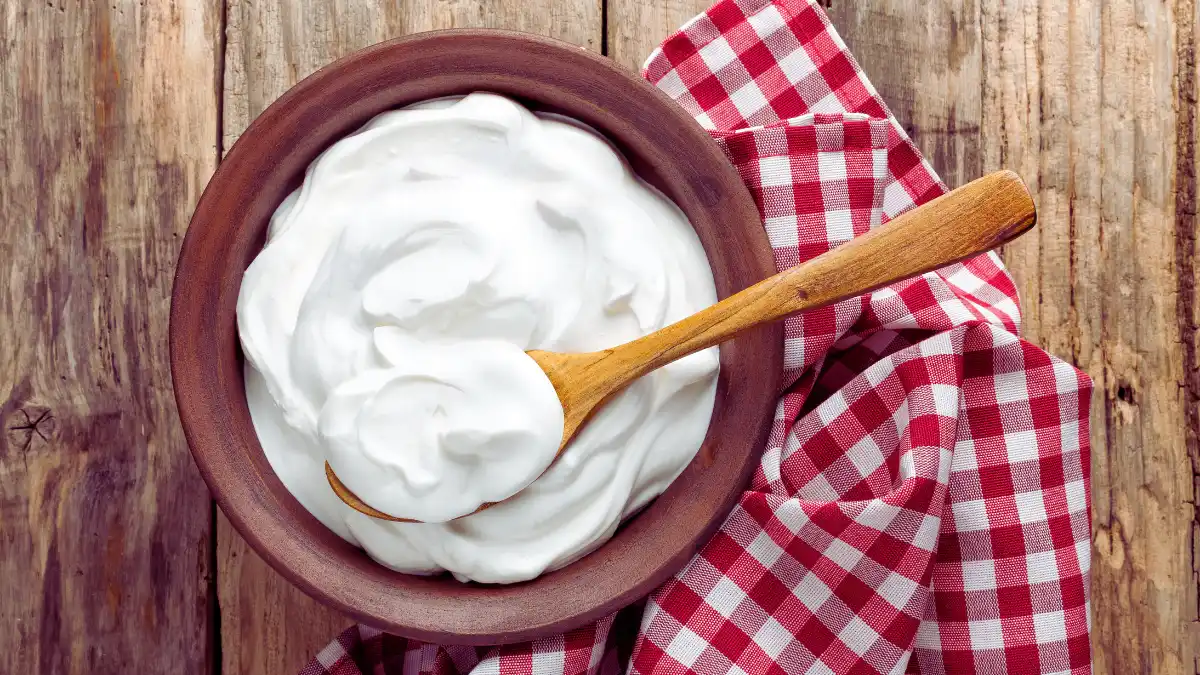
Your gut houses about 70% of the immune system, making it a central battlefield against illness. Yogurt contains live beneficial bacteria like Lactobacillus and Bifidobacterium that colonize your intestines and strengthen this critical immune hub. These tiny allies work constantly to maintain balance.
Eating yogurt daily boosts natural killer cell activity, according to a 2017 study published in Nutrients. These specialized immune cells target and destroy virus-infected cells without requiring prior exposure.
The researchers found participants who consumed yogurt regularly showed enhanced antiviral responses compared to control groups.
Look for varieties with “live and active cultures” on the label to ensure you’re getting genuine probiotic benefits.
Plain, unsweetened options provide the most health value without added sugars that can counteract benefits. A small bowl for breakfast or as a snack gives your gut microbiome consistent support, helping your body stay prepared for immune challenges.
7. Dark Chocolate (70% Cocoa or Higher)
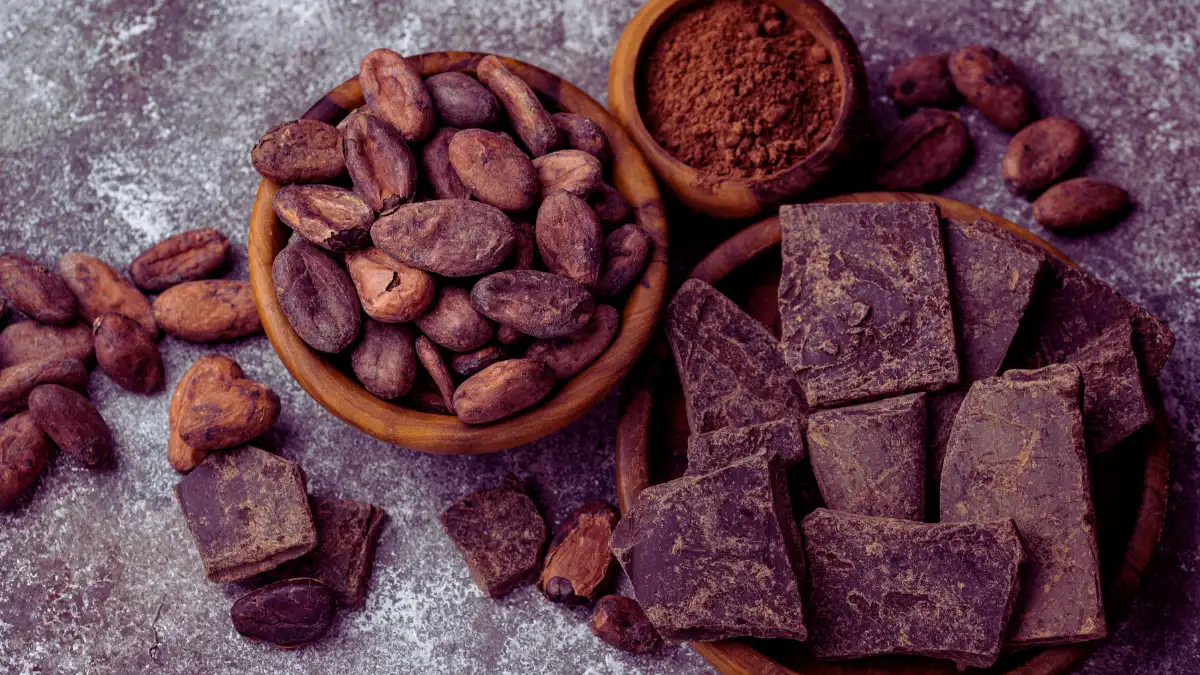
Compounds called polyphenols, particularly flavonoids, make dark chocolate a surprising immune supporter. These plant chemicals reduce oxidative stress throughout your body’s cells and improve blood vessel function.
The higher the cocoa percentage, the greater the concentration of these beneficial compounds. T-helper cells coordinate immune responses by activating other cells and producing cytokines.
Dark chocolate consumption has been linked to increased numbers and improved function of these critical immune orchestrators.
Choosing low-sugar varieties maximizes benefits while minimizing potential negative effects on health. Just one or two squares daily provide immune advantages without excessive calories.
The theobromine in dark chocolate also helps quiet coughs by suppressing the vagus nerve activity that triggers coughing fits.
Your taste buds enjoy a treat while your immune system receives valuable support from this ancient food that has been valued for its medicinal properties for centuries.
8. Garlic (Allicin)
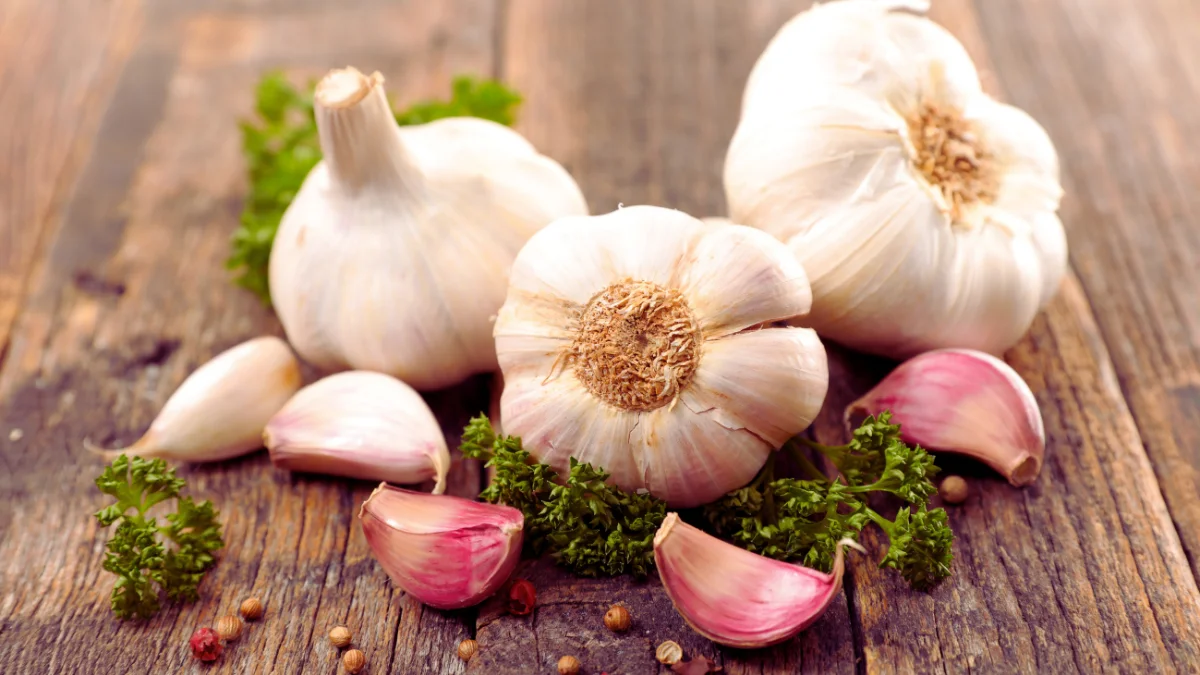
When garlic is crushed or chopped, it creates a compound called allicin that possesses remarkable antimicrobial properties.
This sulfur-rich substance combats bacteria, viruses, and fungi directly, giving your immune system extra support against common pathogens. Even small amounts can help guard your health.
The anti-inflammatory effects extend beyond direct pathogen fighting. Garlic helps modulate overall immune function and reduces inflammatory markers throughout the body.
Your white blood cells work more efficiently with garlic’s support, responding faster to threats and resolving infections more quickly.
Incorporating raw garlic into meals provides the most potent benefits since heat can deactivate some of the active compounds. Let crushed garlic rest for 10 minutes before cooking to allow allicin formation.
Your immune arsenal becomes notably stronger with regular consumption, potentially reducing both the frequency and duration of common illnesses throughout the year.
9. Turmeric (Curcumin)

The bright yellow spice turmeric contains curcumin, a compound with remarkable immune-modulating abilities.
This active ingredient works by inhibiting pro-inflammatory molecules like TNF-α and IL-6 that can trigger excessive immune responses. A pinch in daily cooking adds consistent protection.
A groundbreaking study in the Journal of Inflammation showed curcumin significantly reduced muscle inflammation and enhanced recovery in participants.
The researchers noted that curcumin affected multiple inflammatory pathways simultaneously, unlike many pharmaceutical options that target just one mechanism.
Curcumin absorption increases dramatically when combined with black pepper, which contains piperine. This combination enhances bioavailability by up to 2000%.
Warm beverages like golden milk (turmeric in warm milk) allow fat-soluble curcumin to dissolve efficiently. Your immune balance benefits most from regular, small amounts rather than occasional large doses of this powerful spice.