

Sugar cravings hit hard, but the health consequences hit harder. Your metabolism takes a beating with every teaspoon of refined sugar, leading to weight gain, energy crashes, and long-term health issues.
What if you could satisfy your sweet tooth without the metabolic damage? Good news – nature offers alternatives that taste great without wrecking your body’s systems.
From plant-based options with zero calories to nutrient-rich choices that support health, these seven natural sweeteners let you enjoy sweetness guilt-free.
Say goodbye to blood sugar spikes and hello to better energy, stable weight, and improved well-being.
1. Stevia
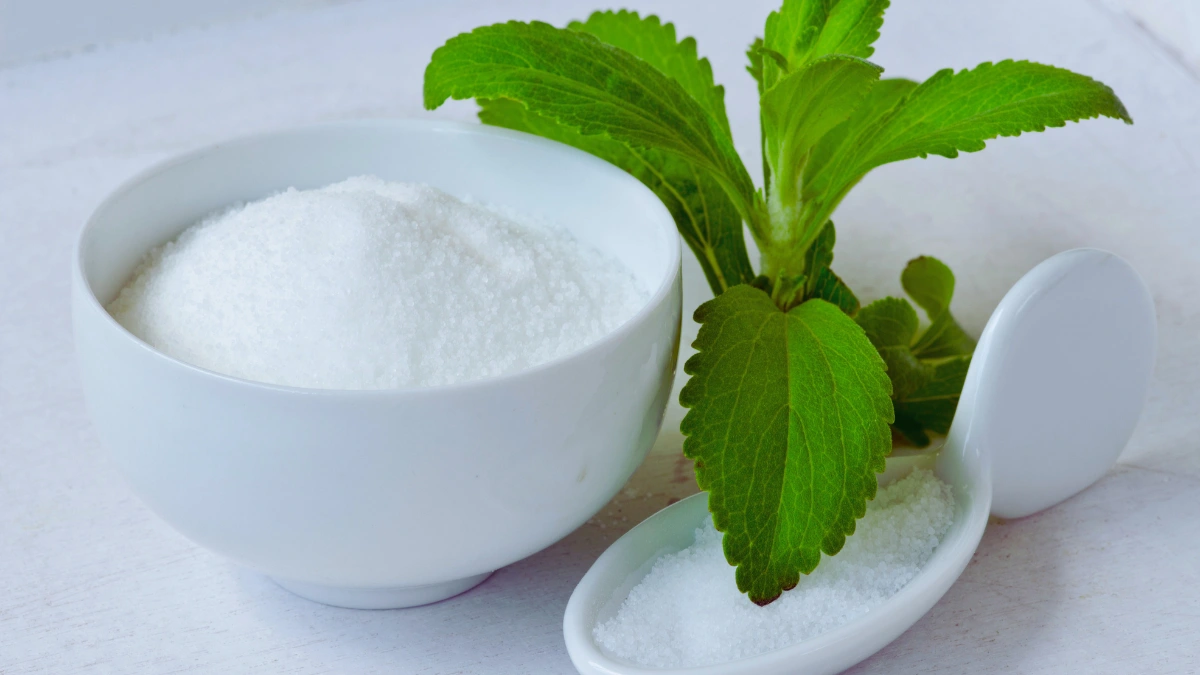
Stevia comes from the leaves of a South American plant and packs a serious sweet punch—about 300 times sweeter than regular sugar. This means you need just a tiny amount to get the same sweetness.
The best part? It has zero calories and no effect on blood sugar levels, making it excellent for people watching their weight or managing diabetes.
Many users appreciate that stevia contains steviol glycosides, which might help improve how your body responds to insulin.
This could be good news for long-term metabolic health. The plant-based sweetener also contains antioxidants that support overall wellness.
Some people notice a slight bitter aftertaste, especially at higher amounts. This can be minimized by using it in smaller quantities or blending with other sweeteners.
Stevia works well in beverages, yogurt, and baked goods where its intense sweetness can replace sugar completely.
2. Monk Fruit
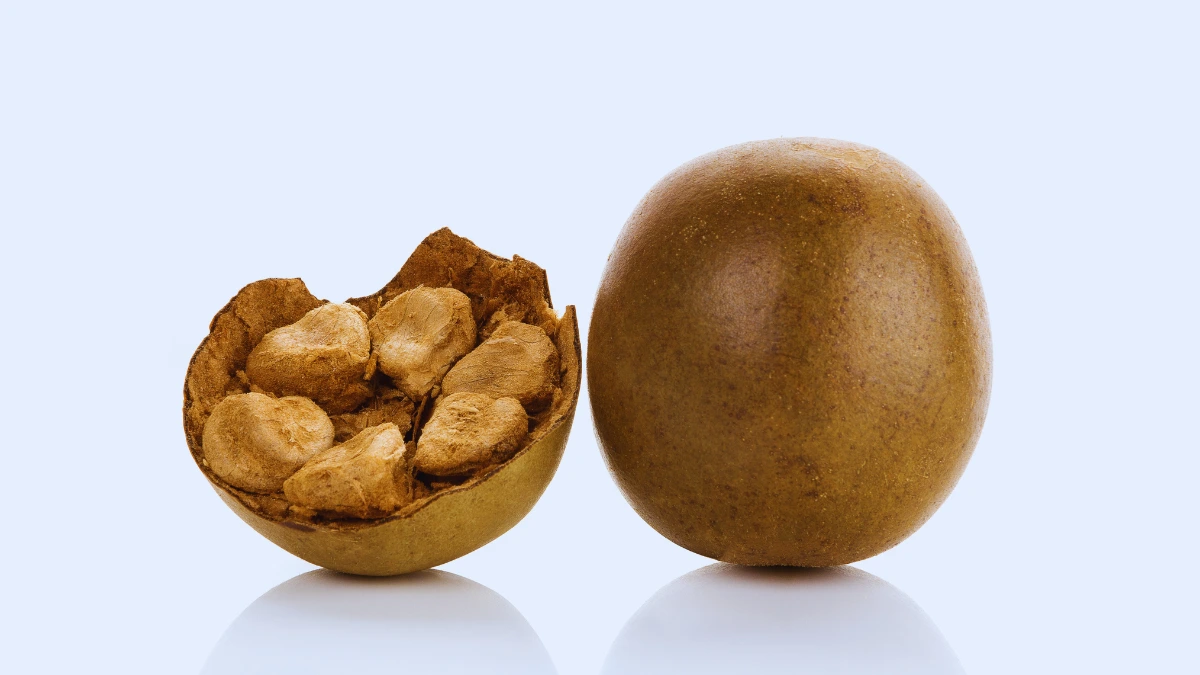
Monk fruit extract comes from a small melon native to Southeast Asia that Buddhist monks have cultivated for centuries.
The sweet compounds in monk fruit, called mogrosides, provide sweetness without calories. Unlike some other sugar substitutes, monk fruit doesn’t have the metallic aftertaste that bothers some people.
The mogrosides in monk fruit do more than just add sweetness – they act as potent antioxidants with anti-inflammatory properties.
Your body processes monk fruit differently than sugar, which explains why it doesn’t affect blood glucose levels. This makes it particularly valuable for anyone concerned about metabolic health.
Monk fruit sweetener works wonderfully in hot or cold drinks, desserts, and sauces. The pure extract packs 200-300 times the sweetness of table sugar, so a little goes a long way.
You’ll often find it combined with other natural sweeteners to balance the flavor profile and reduce cost, as pure monk fruit extract can be expensive.
3. Allulose
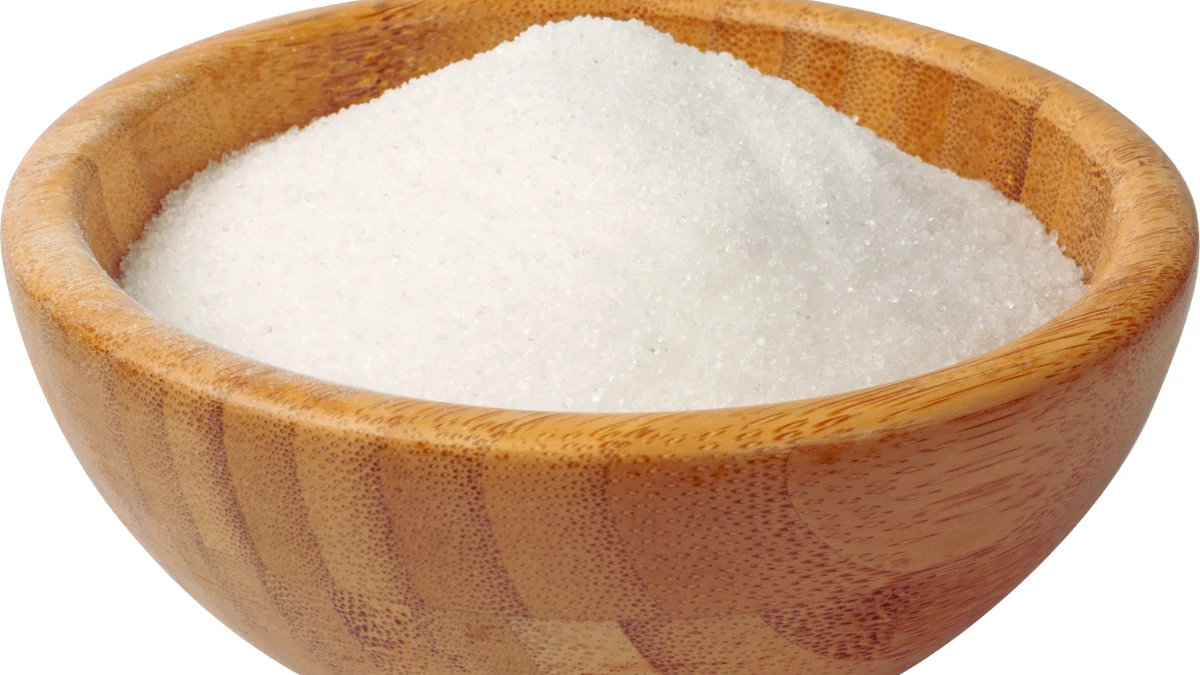
Allulose naturally occurs in figs, raisins, jackfruit, and wheat. This rare sugar has a structure similar to fructose but your body handles it in a completely different way.
With about 70% of the sweetness of table sugar but only 10% of the calories, allulose offers sweetness without the downsides.
Your body absorbs allulose but doesn’t metabolize it for energy, which explains why it won’t spike your blood sugar or insulin levels.
Allulose helps reduce body fat and improve insulin sensitivity. It could help prevent fat accumulation in the liver, though more human research is needed.
Be aware that consuming large amounts can cause digestive discomfort for some people, including bloating or loose stools. Start with small amounts if you’re trying it for the first time.
Allulose browns nicely when baked and dissolves well in liquids, making it versatile for cooking and baking applications where you want sugar-like properties.
4. Raw Honey
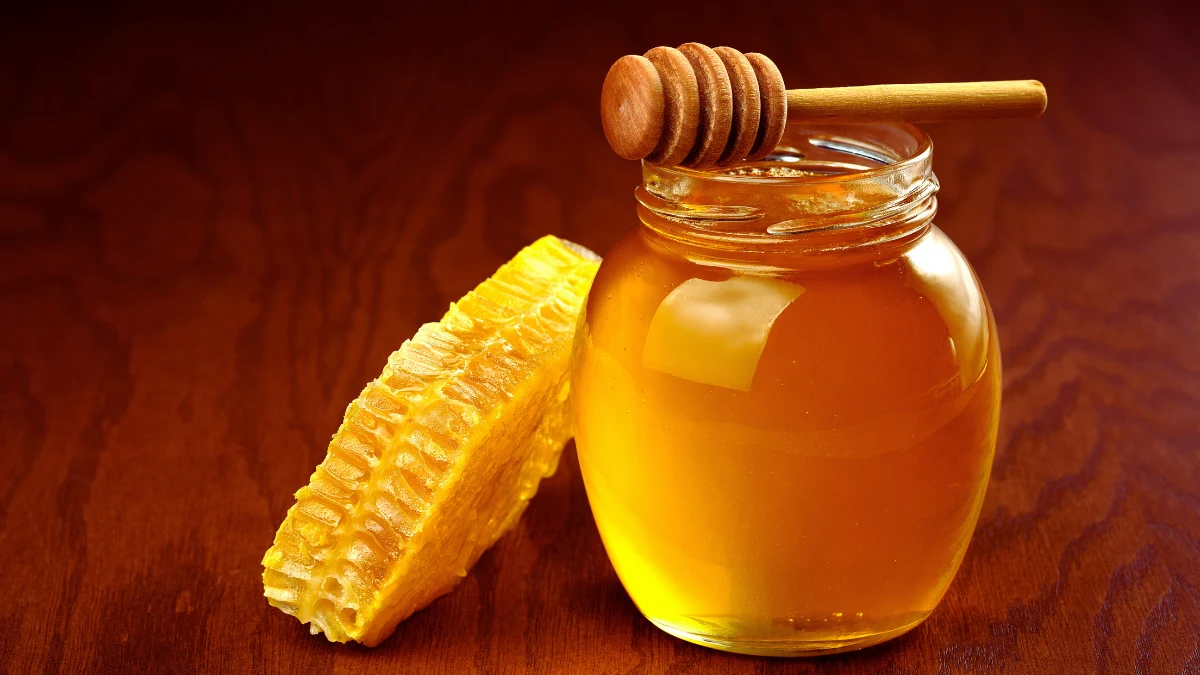
Raw honey stands apart from the processed versions you typically find on supermarket shelves. Unfiltered and unpasteurized, raw honey preserves all the natural enzymes, pollen, and propolis that bees include in their golden creation.
These components contribute to its rich flavor profile and potential health benefits. The natural sweetener contains trace amounts of vitamins and minerals including iron, zinc, potassium, and B vitamins.
Honey’s natural antibacterial properties have made it useful throughout history, both as a food preservative and for wound healing.
The unique combination of sugars in honey leads to a lower glycemic impact than refined sugar. Keep portions small, as honey still contains significant calories and carbohydrates.
A tablespoon provides about 64 calories, similar to table sugar. Raw honey works beautifully as a sweetener in tea, yogurt, or drizzled over whole-grain toast.
The complex flavors vary based on which flowers the bees visit, creating distinctive varieties like buckwheat, orange blossom, or clover honey.
5. Dates

Dates serve as nature’s candy, providing intense sweetness along with actual nutritional benefits. These fruits concentrate their sweetness as they dry, creating a caramel-like flavor that works beautifully in both sweet and savory dishes.
Unlike refined sugar, dates come packaged with fiber, which slows sugar absorption into your bloodstream.
A 2009 study ranked date sugar highest in antioxidant content among 12 sweeteners tested. The researchers found dates contained significant amounts of phenolic compounds and flavonoids that help fight oxidative stress.
Later, a 2020 research paper confirmed these fruits can help improve cholesterol profiles and reduce inflammation markers in the body.
Whole dates can be chopped and added to oatmeal or yogurt, while date paste or syrup works as a substitute in baking recipes.
When making date paste at home, simply soak pitted dates in warm water until soft, then blend into a smooth consistency.
Since dates contain fiber and nutrients like potassium and magnesium, they offer sweetness with some nutritional value, unlike empty-calorie sweeteners.
6. Coconut Sugar
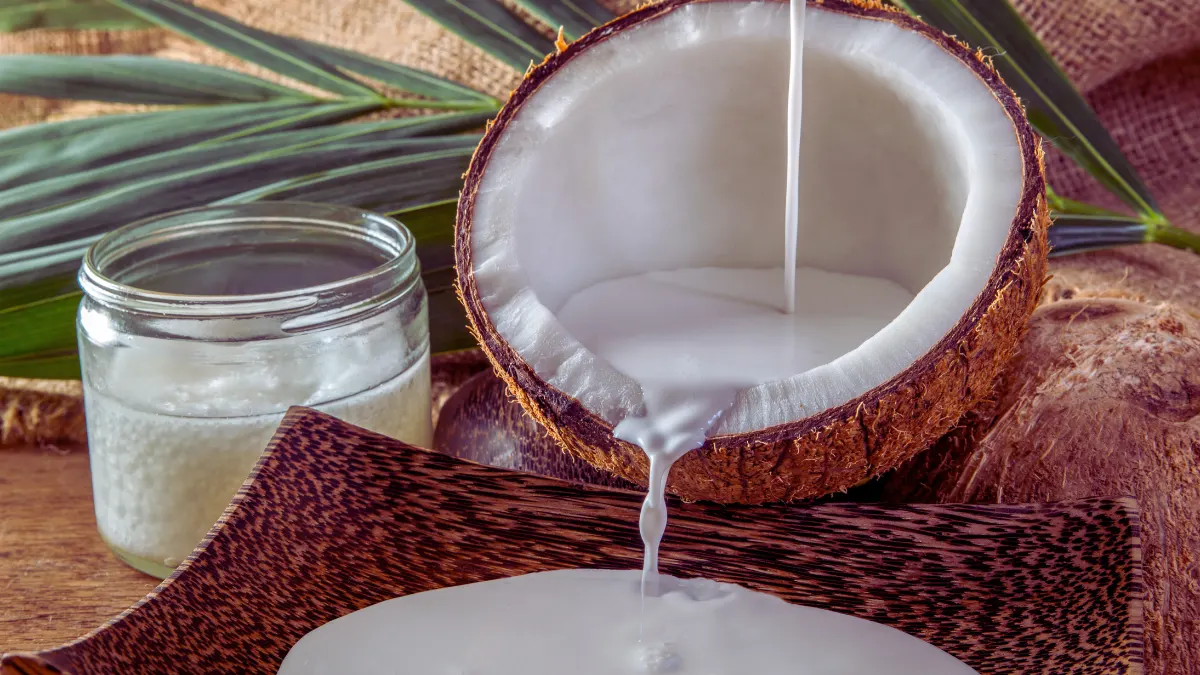
Coconut sugar comes from the sap of coconut palm tree flowers, not the coconut itself. The harvesting process involves tapping the flower buds and collecting the nectar, which is then boiled and dehydrated.
The resulting granules look and taste similar to brown sugar, with subtle caramel and butterscotch notes. This sweetener contains inulin, a type of soluble fiber that acts as a prebiotic, feeding beneficial gut bacteria.
Inulin also slows glucose absorption, which explains why coconut sugar has a lower glycemic index (around 54) compared to regular table sugar (around 65).
Coconut sugar also provides small amounts of nutrients like iron, zinc, calcium, and potassium that refined sugar lacks.
You should still use coconut sugar sparingly because its calorie content mirrors that of regular sugar at about 15 calories per teaspoon.
Coconut sugar works well in baking, coffee, tea, and recipes that call for brown sugar. The slight caramel flavor adds depth to cookies, cakes, and sauces without changing the overall flavor profile too drastically.
7. Pure Maple Syrup
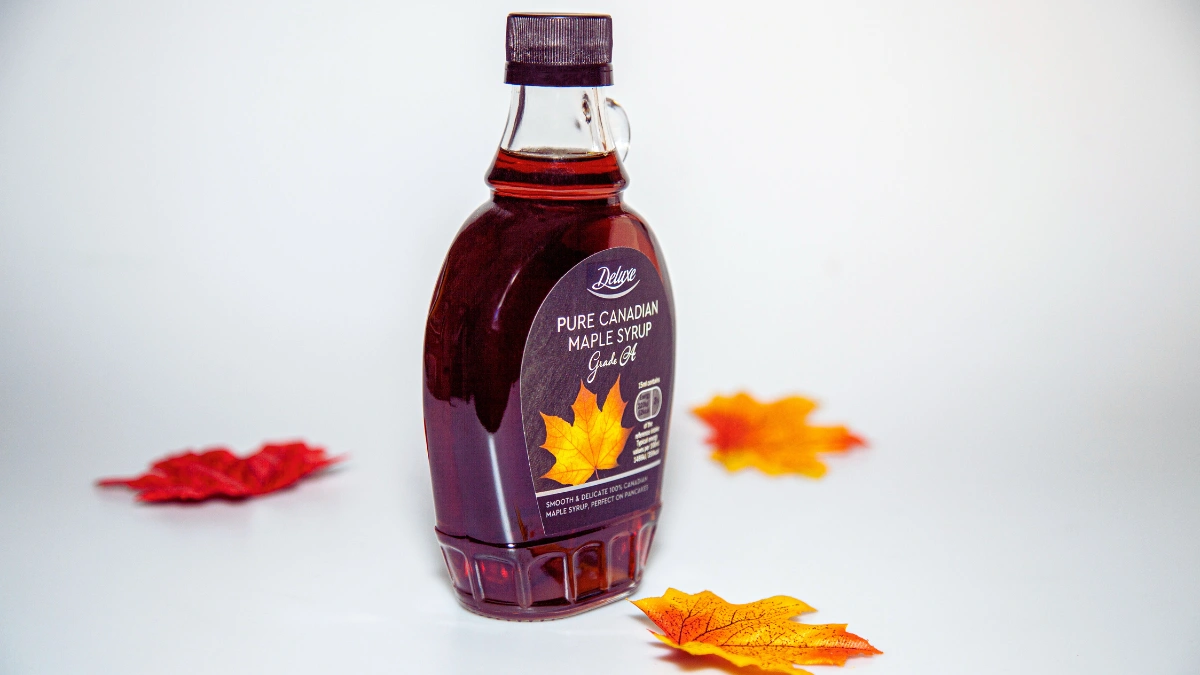
Pure maple syrup starts as clear sap collected from maple trees in late winter and early spring. Producers boil this sap to evaporate water, concentrating the sweetness and creating the amber liquid we love.
The result contains more than 67 different antioxidant compounds, including some unique to maple syrup. Your body benefits from the manganese, riboflavin, zinc, and other minerals in maple syrup, which support metabolism and enzyme function.
Darker grades typically contain more antioxidant compounds than lighter varieties. Maple syrup contains less fructose than many sweeteners (including agave and honey), which puts less strain on your liver.
Always check labels carefully to avoid products labeled “maple-flavored syrup,” which often contain high-fructose corn syrup and artificial flavors instead of real maple.
Genuine maple syrup works beautifully in coffee, tea, yogurt, oatmeal, and baking recipes. Its distinctive flavor adds character to everything from pancakes to glazes for salmon or roasted vegetables, showcasing its versatility beyond breakfast foods.