

Having trouble with fuzzy thinking and mental fatigue? Brain fog can stop you from working at your best and enjoying daily life. This common problem affects millions, making simple tasks feel overwhelming and sapping mental energy when you need it most.
Thankfully, your diet can dramatically clear mental clouds. Specific foods contain compounds that sharpen focus, boost memory, and protect brain cells from damage. Many work within hours of eating them.
Here are 10 powerful brain-boosting foods that help clear fog and restore mental clarity—all backed by science and easy to add to your meals starting today.
1. Fatty Fish (Salmon, Mackerel)

Salmon and mackerel stand out as cognitive powerhouses thanks to their omega-3 fatty acids EPA and DHA. These nutrients aren’t just ordinary fats—they form the structural components of brain cells and help reduce inflammation throughout your body and brain.
Regular consumption has been linked to sharper memory and slower cognitive aging. Your brain uses these essential fats to build cell membranes and promote new brain cell formation.
Without enough omega-3s, you might notice foggy thinking or difficulty concentrating. These fatty acids also boost blood flow to the brain, ensuring oxygen and nutrients reach where they’re needed most.
Try incorporating fish into your meals twice weekly. Grill salmon with lemon, add mackerel to pasta dishes or enjoy sardines on toast.
If fish isn’t your thing, consider algae-based supplements which provide the same brain-boosting benefits without the fishy taste.
2. Blueberries

Small but mighty, blueberries pack an impressive cognitive punch through their high concentration of anthocyanins.
These powerful antioxidants give blueberries their distinctive color while protecting your brain cells from oxidative damage and stress. They work by neutralizing harmful free radicals that accelerate brain aging.
What makes blueberries special is how effectively they cross the blood-brain barrier, allowing their benefits to reach brain tissue directly.
This unique quality helps improve communication between brain cells and enhances both short-term and long-term memory functions.
Adding blueberries to your daily routine couldn’t be simpler. Sprinkle them over your morning cereal, blend them into smoothies, or eat them by the handful as a snack.
Fresh or frozen works equally well, making them accessible brain food year-round. Their natural sweetness means you get cognitive benefits along with a satisfying treat.
3. Leafy Greens (Spinach, Kale)
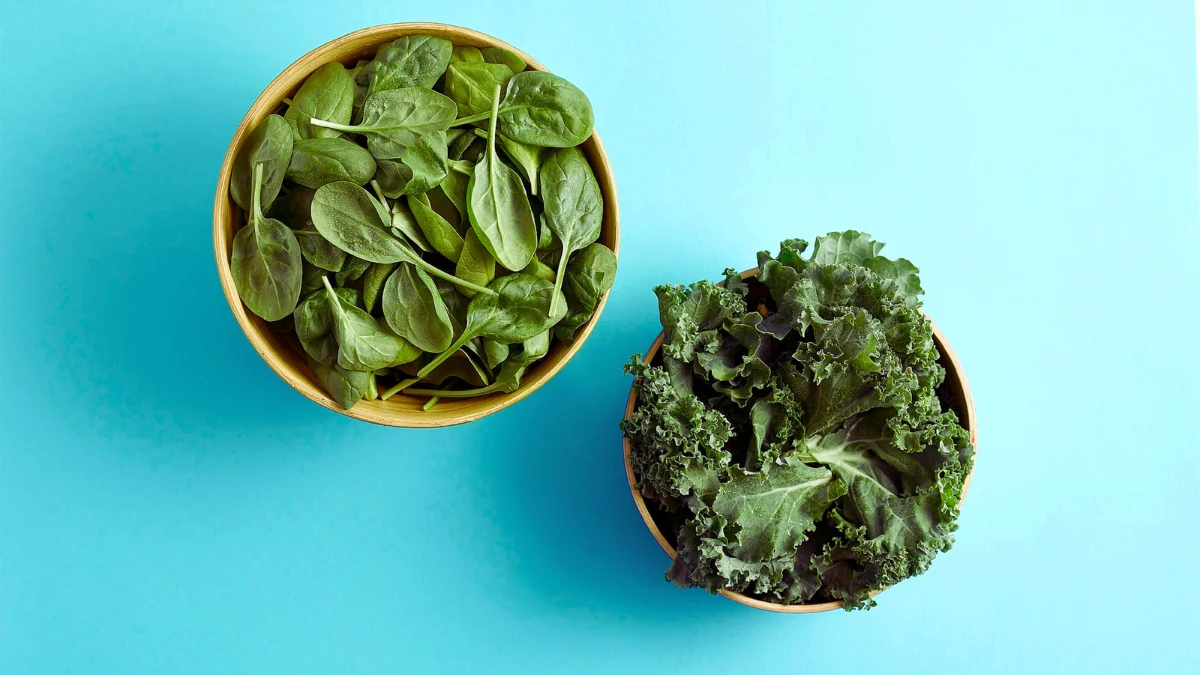
Spinach, kale, and other leafy greens serve as brain nutrition superstars thanks to their rich vitamin K, lutein, and folate content.
These nutrients work together to slow cognitive decline and support the energy-producing functions within your brain cells.
The folate in leafy vegetables plays a crucial role in mental clarity by helping lower blood levels of homocysteine, an amino acid linked to cognitive impairment when present in high amounts.
Meanwhile, vitamin K helps form sphingolipids, specialized fats that maintain the structure of brain cells. Getting more greens into your diet requires little effort but brings substantial rewards.
Toss a handful into your morning eggs, build salads with mixed greens as the base, or sauté them with garlic as a side dish.
Even adding chopped spinach to soups, stews, or pasta sauces boosts brain nutrition without changing the flavor profile significantly.
4. Walnuts
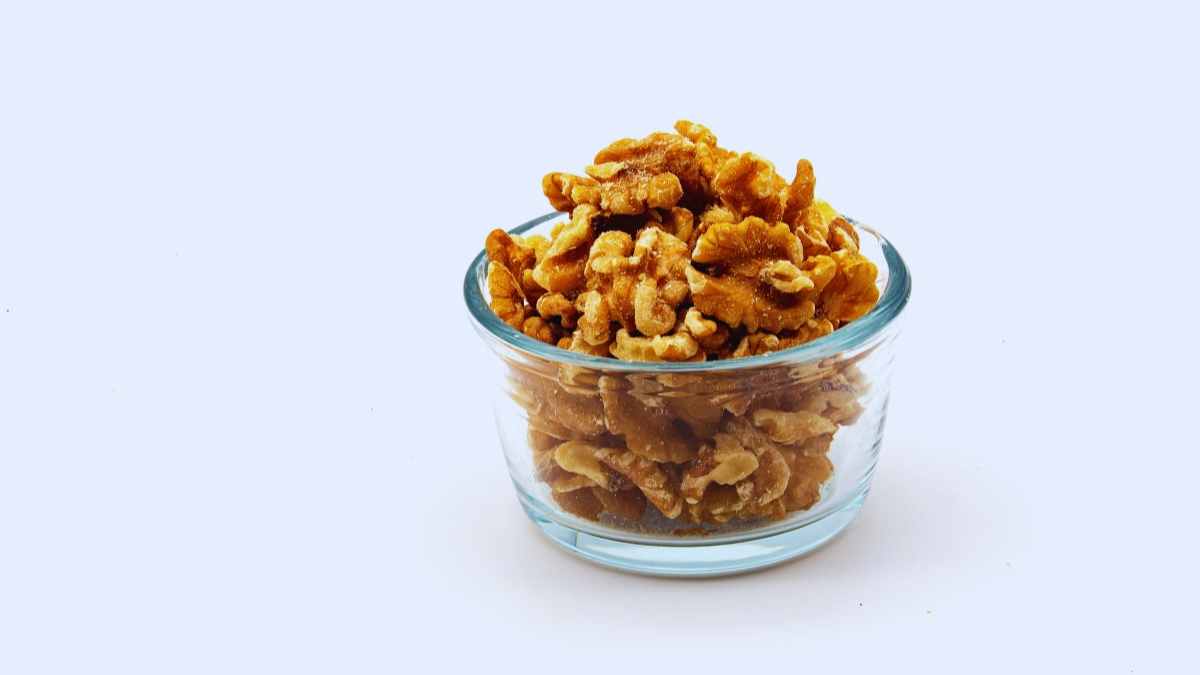
Shaped like miniature brains, walnuts do contain compounds that support brain function. They supply alpha-linolenic acid (ALA), a plant-based omega-3 fatty acid that fights inflammation and supports neuron health.
The combination of antioxidants, including vitamin E, helps protect brain cells from everyday damage. Walnuts also contain melatonin, which supports healthy sleep cycles.
Since quality sleep directly affects cognitive function, this makes walnuts doubly beneficial for brain health. Their ability to help regulate blood pressure creates another advantage, as proper blood flow ensures your brain receives adequate oxygen and nutrients.
Enjoying walnuts regularly can be as simple as grabbing a small handful for a snack. You can also chop them to top oatmeal or yogurt, blend them into smoothies, or mix them into baked goods. Just a quarter cup daily provides significant brain benefits without excess calories.
5. Eggs

Eggs contain choline, a nutrient many people lack yet is essential for brain function. Your body uses choline to create acetylcholine, a neurotransmitter that regulates memory and overall cognitive function.
The yolk contains most of the brain-boosting nutrients, so whole eggs provide maximum benefits. Beyond choline, eggs supply B vitamins that help manage homocysteine levels in the blood.
High homocysteine correlates with cognitive decline, so keeping it in check supports long-term brain health. Eggs also contain lutein and zeaxanthin, antioxidants that accumulate in the brain and eyes, protecting neurons from damage.
Versatility makes eggs an easy addition to any brain-healthy eating plan. Scramble them with vegetables for breakfast, hard-boil them for portable snacks, or use them to add protein to grain bowls and salads.
Their complete protein profile also supports neurotransmitter production, making eggs a truly comprehensive brain food.
6. Avocados
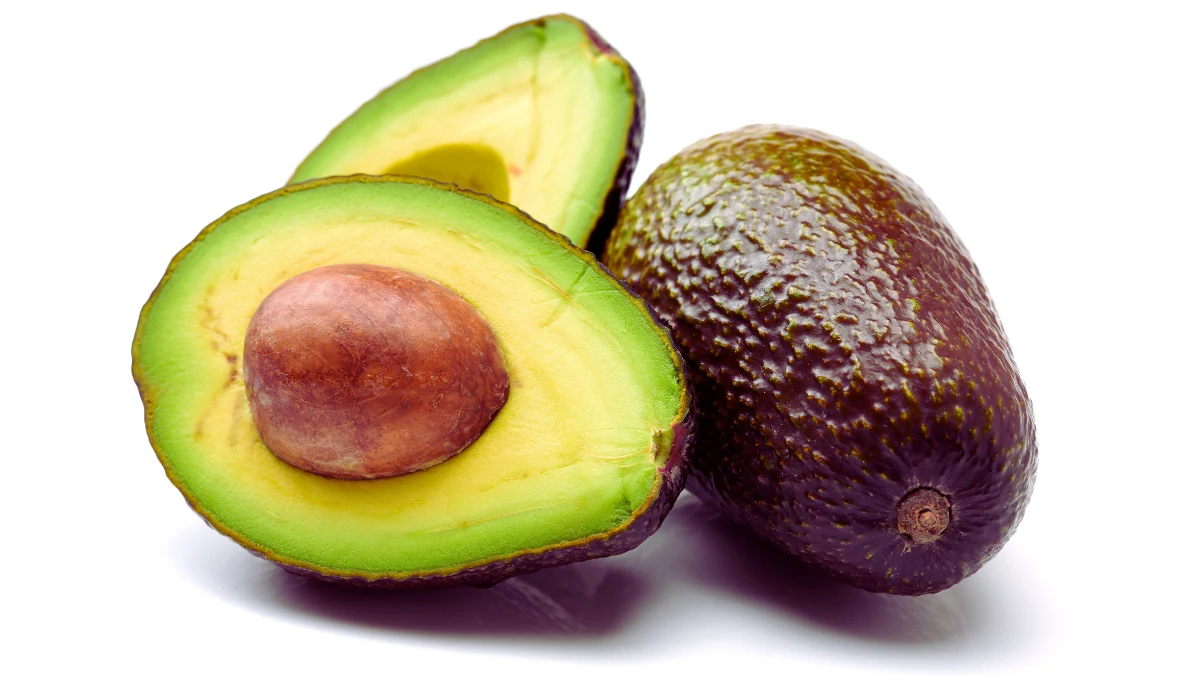
Looking for brain food that tastes great? The creamy texture and mild flavor of avocados deliver monounsaturated fats that support healthy blood flow to the brain.
These good fats help maintain cell membranes so nutrients can enter and waste can exit brain cells efficiently. Vitamin E found in avocados acts as a powerful antioxidant that protects brain cells from oxidative damage.
This protection is crucial because our brains are especially vulnerable to free radical damage, which can lead to foggy thinking and memory problems.
The potassium in avocados also helps regulate blood pressure, ensuring proper brain circulation. Adding avocados to your meals is simple and satisfying.
Spread mashed avocado on whole grain toast for breakfast, cube it into salads at lunch, or blend it into smoothies for a creamy texture without dairy. Even half an avocado daily provides substantial brain benefits while adding satisfying richness to meals.
7. Pumpkin Seeds
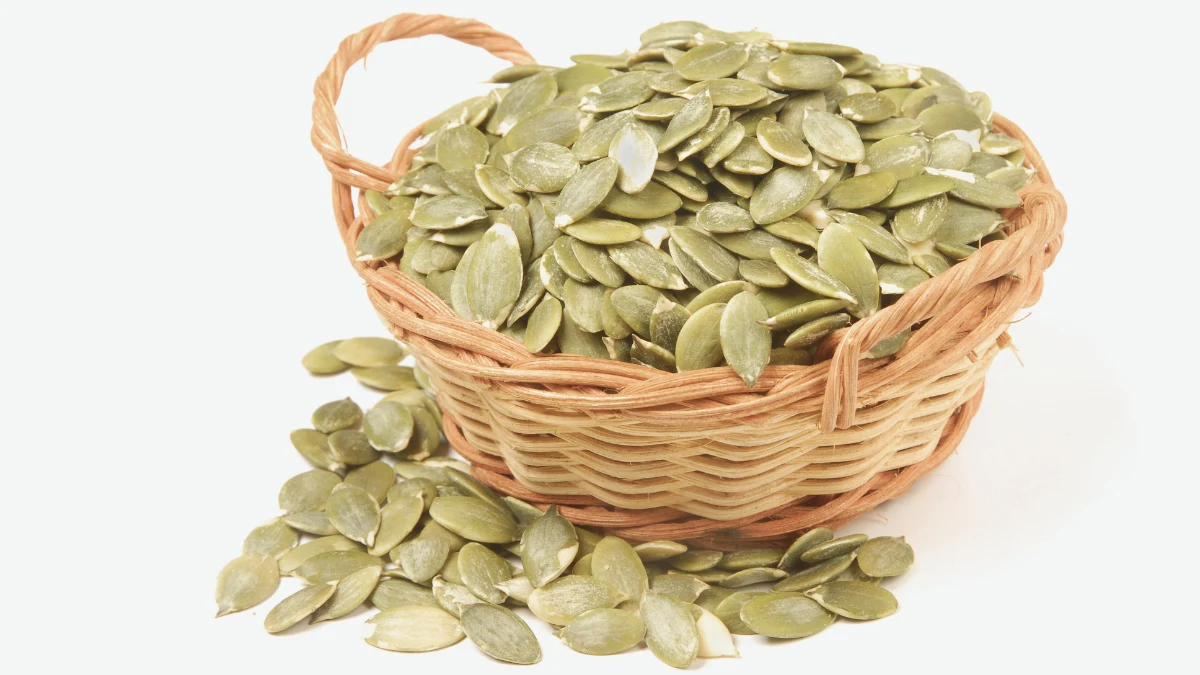
Small but mighty, pumpkin seeds pack incredible brain-boosting nutrients into their tiny packages. Rich in zinc, magnesium, and copper, these seeds support neurotransmitter function and help maintain the myelin sheaths that protect nerve fibers in your brain.
The magnesium content deserves special attention for its role in learning and memory. A 2016 study published in the Journal of Alzheimer’s Disease found that magnesium supplementation improved synaptic plasticity and cognitive function in older adults.
The zinc in pumpkin seeds also supports overall brain health by regulating communication between brain cells.
You can enjoy these benefits by keeping a small container of pumpkin seeds at your desk for an afternoon brain boost. They make great additions to morning yogurt, afternoon salads, or evening grain bowls.
Roasting them with a touch of olive oil and sea salt creates a crunchy, satisfying snack that feeds your brain while pleasing your taste buds.
8. Wholegrains (Oats, Quinoa)
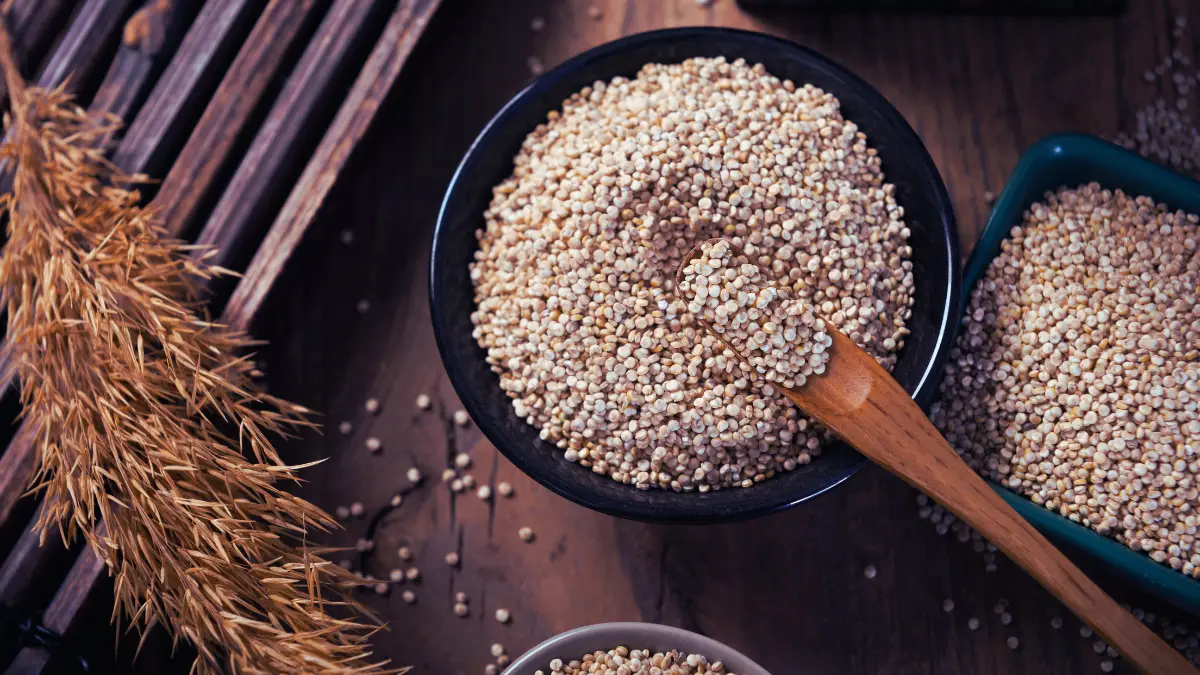
Your brain runs on glucose, and wholegrains provide a steady, sustained release that keeps you mentally sharp for hours.
Unlike refined carbs that cause energy spikes and crashes, the complex carbohydrates in oats and quinoa feed your brain at a pace it can efficiently use.
The B vitamins abundant in wholegrains support the production of neurotransmitters, chemicals that carry messages between brain cells.
Fiber in wholegrains also promotes gut health, which connects directly to brain function through the gut-brain axis. A healthy gut microbiome can influence everything from mood to cognitive clarity.
Start your morning with steel-cut oats topped with walnuts and blueberries for a triple brain boost. Swap white rice for quinoa at dinner to add protein along with complex carbs.
Barley makes hearty soups more satisfying while feeding your brain cells. These simple grain swaps require minimal effort yet yield significant cognitive benefits throughout your day.
9. Dark Chocolate (70%+ Cocoa)

Good news for chocolate lovers: high-cocoa dark chocolate contains flavanols that increase blood flow to the brain, enhancing focus and clarity.
These compounds also stimulate the production of endorphins and serotonin, neurotransmitters that boost mood and mental performance.
The caffeine and theobromine in dark chocolate provide mild stimulation without the jitters sometimes associated with coffee.
This gentle boost helps with short-term concentration while the flavanols work on longer-term brain health. Antioxidants in cocoa also combat oxidative stress, a major contributor to cognitive decline.
Enjoying this brain food requires moderation for maximum benefit. One or two squares of high-quality dark chocolate (70% cocoa or higher) daily provides cognitive benefits without excess sugar or calories.
Let it melt slowly in your mouth to fully appreciate the complex flavors while giving your brain a boost. Grate it over oatmeal or coffee for a morning brain boost with less sugar.
10. Turmeric

The golden spice turmeric contains curcumin, a compound with remarkable brain-protective properties. It crosses the blood-brain barrier and can help clear the protein fragments that accumulate in brains with Alzheimer’s disease.
Its anti-inflammatory action helps reduce brain inflammation, a common cause of brain fog and poor concentration.
Curcumin boosts brain-derived neurotrophic factor (BDNF), a growth hormone that functions in the brain to support neuron health and encourage the formation of new connections.
Low levels of BDNF have been linked to various brain disorders, including depression and Alzheimer’s disease. Incorporating turmeric into your diet works best when combined with black pepper, which contains piperine that enhances curcumin absorption by up to 2,000%.
Add turmeric to scrambled eggs, blend it into smoothies, or make golden milk by warming plant milk with turmeric, ginger, and a pinch of black pepper. Even using it in soups, stews, and vegetable dishes a few times weekly can contribute to clearer thinking.