

Cancer strikes one in three Americans during their lifetime. This sobering fact leaves many feeling helpless against a seemingly random disease.
But what if your daily food choices could help protect you? Research shows that specific foods contain compounds that fight cancer at the cellular level – blocking growth, reducing inflammation, and boosting your immune system.
These powerful foods are likely already in your kitchen or easily found at any grocery store. From colorful berries to golden spices, here are ten science-backed foods that give you real control in reducing your cancer risk.
1. Berries

Strawberries, blueberries, and blackberries pack a powerful punch against cancer. They contain anthocyanins, ellagic acid, and resveratrol that fight oxidative stress and inflammation linked to cancer growth.
These tiny fruits work at the cellular level to protect your body. Adding berries to your daily meals is simple. Toss a handful into your morning yogurt or blend them into a smoothie.
Even frozen berries retain most of their cancer-fighting properties, making them accessible year-round and budget-friendly.
Regular consumption may lower your risk of several cancers including esophageal, bladder, and colorectal. The natural compounds in berries help protect cells from damage and slow abnormal cell growth, giving your body extra defense against cancer development.
2. Cruciferous Vegetables
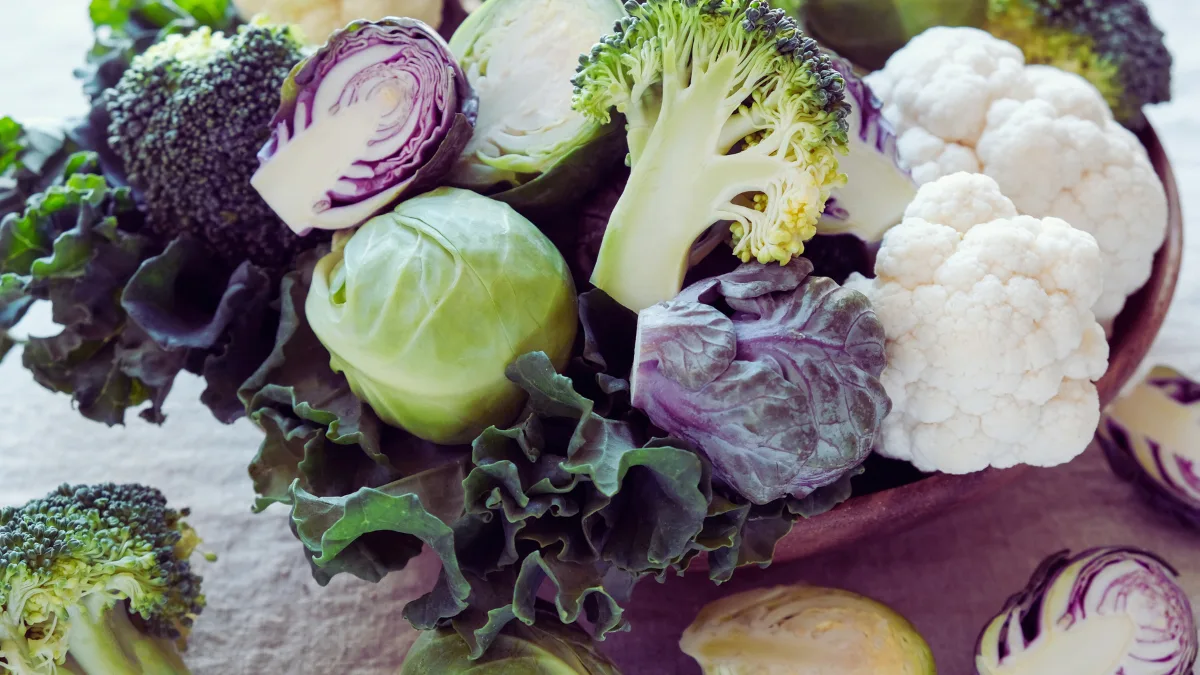
Broccoli, kale, and Brussels sprouts contain unique compounds called glucosinolates that transform into cancer-fighters in your body.
These vegetables activate detoxification enzymes and stop tumor growth at various stages. You can enjoy these vegetables in many ways.
Lightly steam broccoli to preserve its nutrients, or massage raw kale with olive oil for a tasty salad. Roasting Brussels sprouts brings out their natural sweetness while maintaining their health benefits.
The secret to getting maximum protection lies in how you prepare them. Chop or crush these vegetables and let them sit for a few minutes before cooking.
This simple step increases the formation of sulforaphane, the most potent cancer-fighting compound in this vegetable family.
3. Fatty Fish
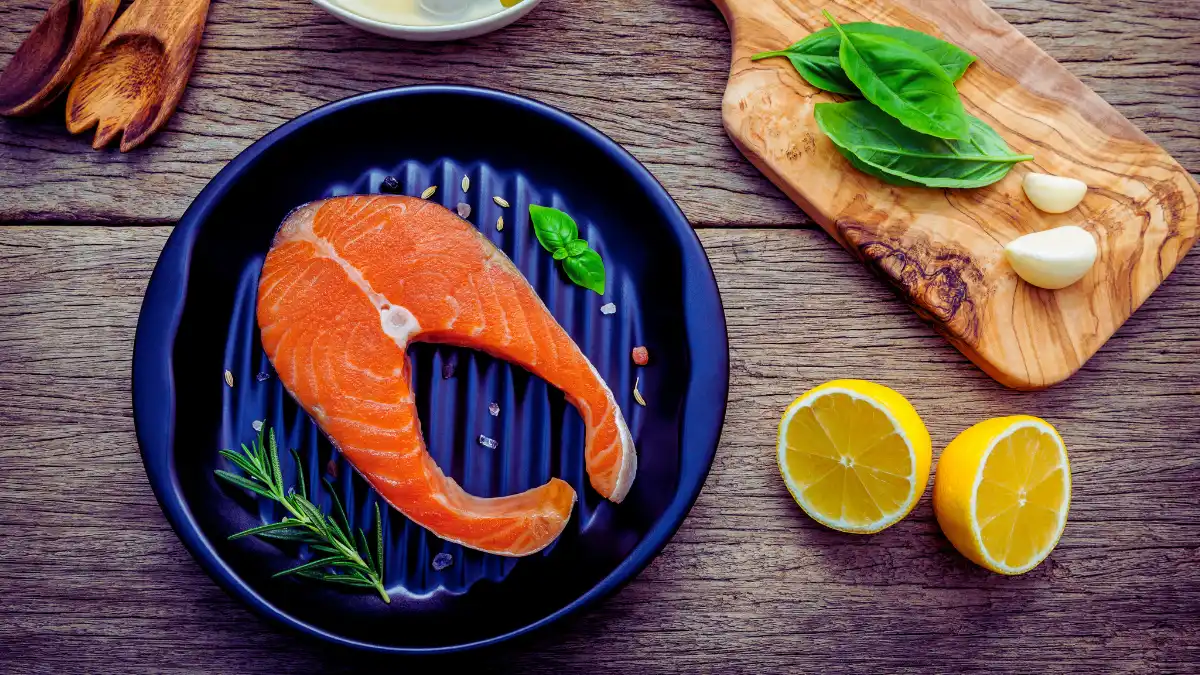
Salmon, sardines, and mackerel offer omega-3 fatty acids that reduce inflammation throughout your body. This matters because chronic inflammation creates conditions where cancer can thrive.
The vitamin D found in these fish also supports immune function. Cooking methods matter when preparing fish.
Baking, poaching, or grilling with minimal oil preserves the beneficial fats. Fish tacos, salmon patties, or sardines on toast provide easy ways to include these foods in your weekly menu.
Beyond omega-3s, fatty fish contains selenium and proteins that support overall health. The combined effect creates an environment in your body that makes it harder for cancer cells to multiply. Aim for two servings weekly to get these protective benefits.
4. Walnuts
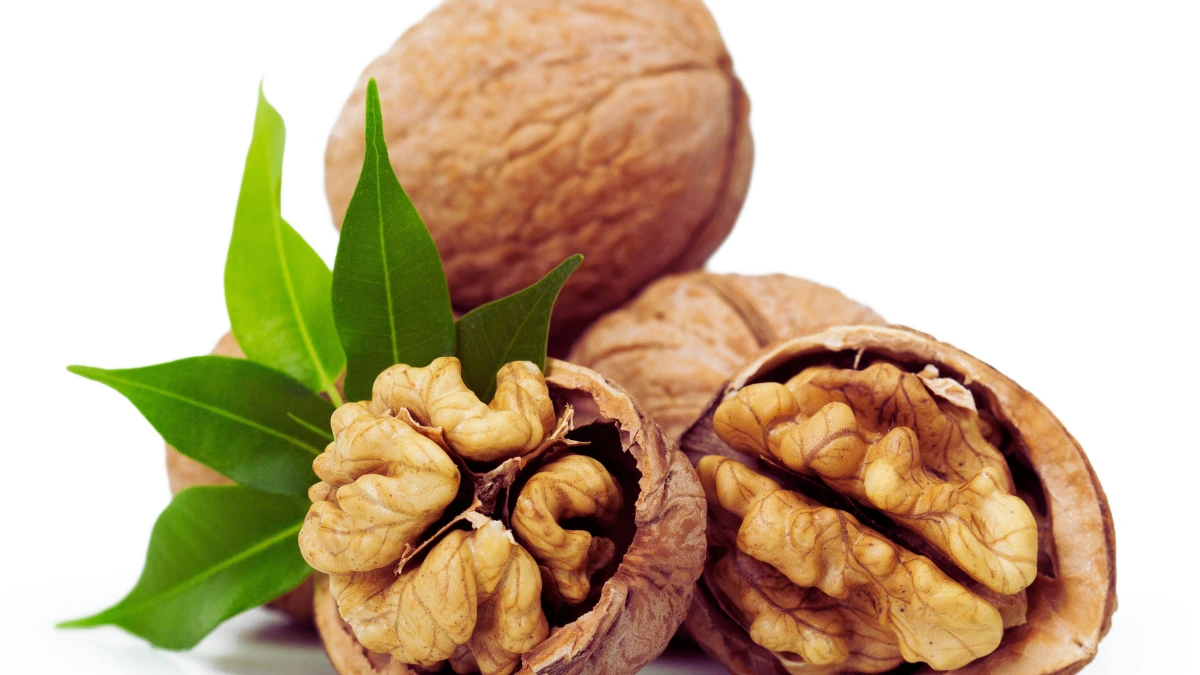
Walnuts stand out among nuts for their unique combination of cancer-fighting compounds. They contain ellagitannins, melatonin, and a specific form of vitamin E that work together to combat cancer.
These nutrients target oxidative stress and inflammation. Incorporating walnuts into your diet requires no cooking skills.
Grab a small handful as a snack, sprinkle chopped walnuts on salads, or blend them into pesto. The natural oils in walnuts stay fresh longer when stored in the refrigerator.
Walnuts are particularly effective against prostate and breast cancers. Their ability to reduce inflammation and regulate hormones contributes to their cancer-preventive effects. Just an ounce (about 7 whole walnuts) daily provides significant benefits.
5. Legumes

Beans, lentils, and chickpeas offer multiple weapons against cancer. Their high fiber content supports gut health, while their resistant starch feeds beneficial gut bacteria that protect against colorectal cancer.
Plant proteins in legumes also provide building blocks for immune cells. Cooking legumes becomes easier with simple strategies.
Canned varieties offer convenience, while dried beans can be batch-cooked and frozen for later use. From black bean soup to chickpea curry, these versatile foods adapt to countless recipes.
The combination of fiber, protein, and phytochemicals in legumes creates a powerful cancer-fighting package.
Their ability to stabilize blood sugar also helps, as insulin spikes can promote cancer cell growth. Aim for at least three servings weekly to boost your cancer protection.
6. Whole Grains
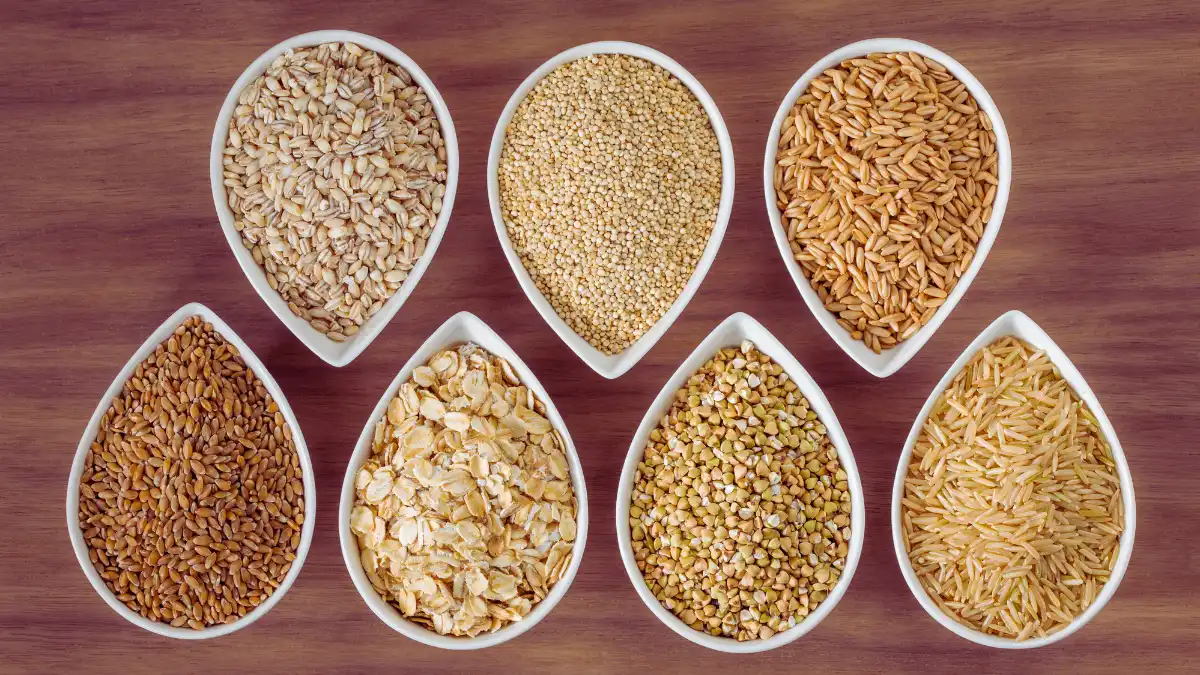
Oats, quinoa, and brown rice contain fiber that keeps your digestive system moving properly. This matters because faster transit time means less exposure to potential carcinogens in the gut.
The bran and germ portions of whole grains house most of their cancer-fighting compounds. Swapping refined grains for whole versions takes minimal effort with big payoffs.
Use brown rice instead of white, choose whole-grain bread, or start your day with steel-cut oats. These simple changes add substantial protection over time.
The benefits come from the complete package of nutrients working together. Lignans, antioxidants, and various fibers team up to reduce inflammation and insulin resistance.
Both conditions, when chronic, can promote cancer development and progression. Just 3 servings daily provide meaningful protection.
7. Garlic
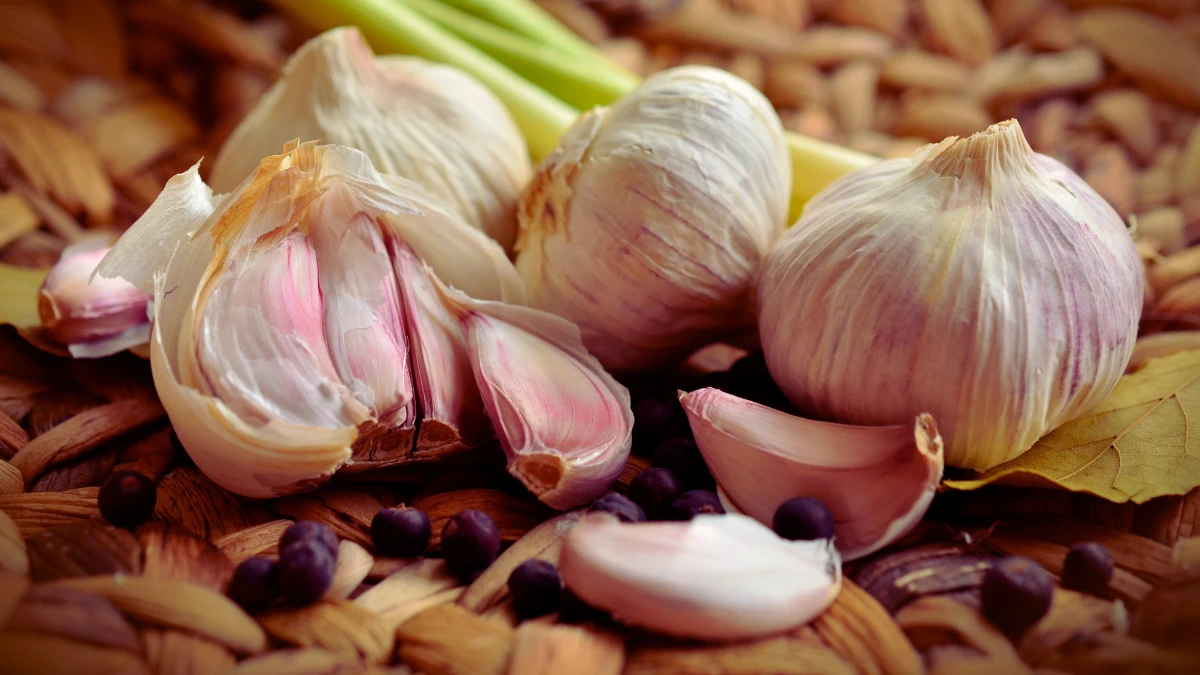
This pungent bulb contains sulfur compounds that activate cancer-fighting mechanisms throughout your body. Allicin, the most studied compound, forms when garlic is crushed or chopped and left to sit before cooking.
A Journal of the National Cancer study found that men who ate the most garlic had a 50% lower risk of prostate cancer.
Getting the most benefit from garlic involves simple preparation tricks. Crush cloves and allow them to rest for 10 minutes before adding to heat.
This maximizes the formation of the beneficial compounds. Raw garlic offers the strongest protection, but roasted garlic still provides benefits.
Beyond its cancer-fighting properties, garlic supports heart health and immune function. It acts as a natural antimicrobial and helps control blood pressure and cholesterol.
Adding just one clove daily to your cooking delivers meaningful protection with minimal effort and maximum flavor.
8. Tomatoes
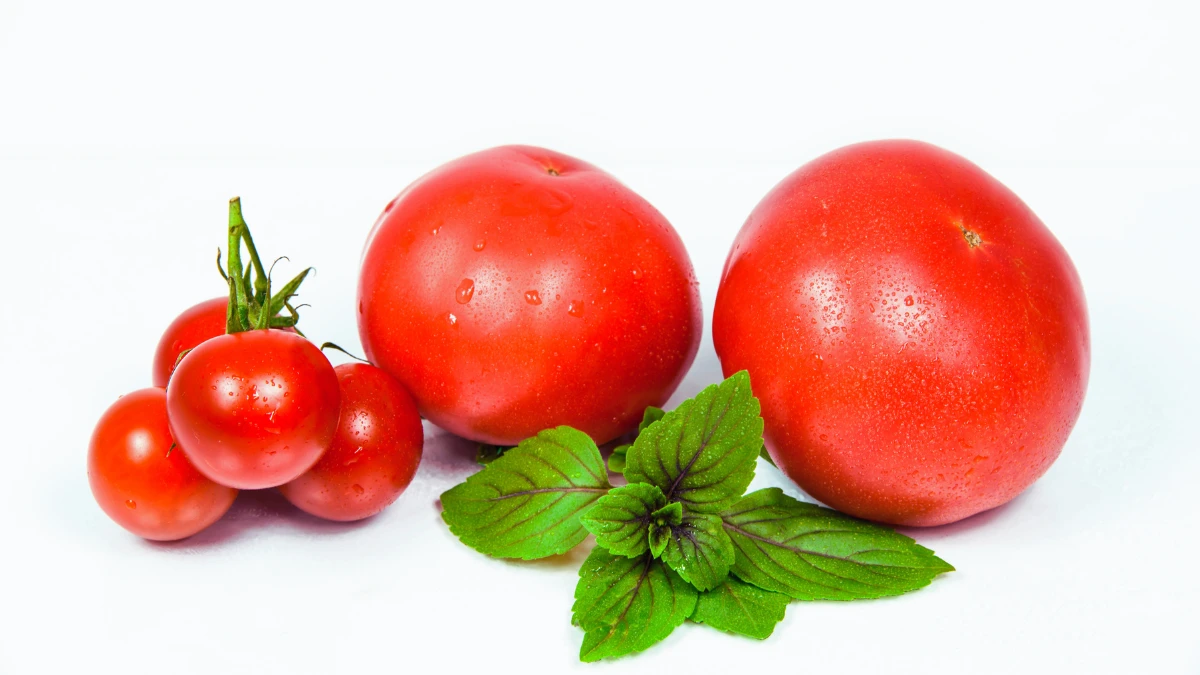
Rich red tomatoes get their color from lycopene, a carotenoid that selectively accumulates in prostate, lung, and stomach tissues.
This targeted delivery helps protect these organs from cancer development. Interestingly, cooking tomatoes increases lycopene availability by breaking down cell walls.
Tomato sauce, paste, and canned tomatoes provide more cancer protection than fresh ones. Heat processing makes the lycopene more bioavailable to your body.
Adding a bit of healthy fat, like olive oil, further increases the absorption of this fat-soluble compound. Fresh tomatoes still offer benefits and can be included in salads, sandwiches, and wraps.
For maximum protection, include both fresh and cooked forms in your diet. The combination of lycopene with other nutrients in tomatoes creates synergistic effects that isolated supplements cannot match.
9. Green Tea

This ancient beverage contains catechins, particularly EGCG, that interrupt several pathways in cancer development.
These compounds block the formation of new blood vessels that tumors need to grow. They also trigger cancer cell death while sparing healthy cells.
Brewing matters when preparing green tea. Use water just below boiling (about 175°F) and steep for 2-3 minutes to extract optimal compounds without excessive bitterness.
Avoid adding milk, as the proteins can bind to the beneficial catechins and reduce absorption. For the greatest benefit, aim for 2-3 cups daily, using loose-leaf tea when possible.
Bottled versions typically contain fewer active compounds. Green tea works best as part of a cancer-preventive lifestyle rather than as a standalone solution. The antioxidants in green tea complement the effects of other cancer-fighting foods.
10. Turmeric

The golden spice contains curcumin, a compound that fights cancer through multiple mechanisms simultaneously.
It blocks inflammation pathways, neutralizes free radicals, and even helps trigger apoptosis (cell death) in cancer cells while leaving healthy cells unharmed.
Absorption poses a challenge with turmeric. Combining it with black pepper improves curcumin absorption by up to 2000% thanks to a compound called piperine.
Fat also helps, which is why traditional curries often include both pepper and oil along with turmeric. Beyond curry, turmeric can be added to smoothies, and egg dishes, or formed into golden milk by mixing it with warm plant-based milk.
While supplements offer higher doses, food sources provide the full spectrum of compounds that work together for maximum benefit. Regular consumption provides cumulative protection over time.