

Struggling with high cholesterol? Pills and strict diets often feel like the only options, but they come with side effects and lifestyle sacrifices.
Your body has natural mechanisms to balance cholesterol and you just need to activate them with the right foods.
Simple supermarket staples can lower your bad cholesterol while boosting the good kind, no prescription is needed.
From creamy avocados to crisp leafy greens, these 10 foods work with your body’s chemistry to maintain healthy levels naturally.
Skip the stress of conventional treatments and stock your kitchen with these cholesterol-balancing powerhouses instead.
1. Oats
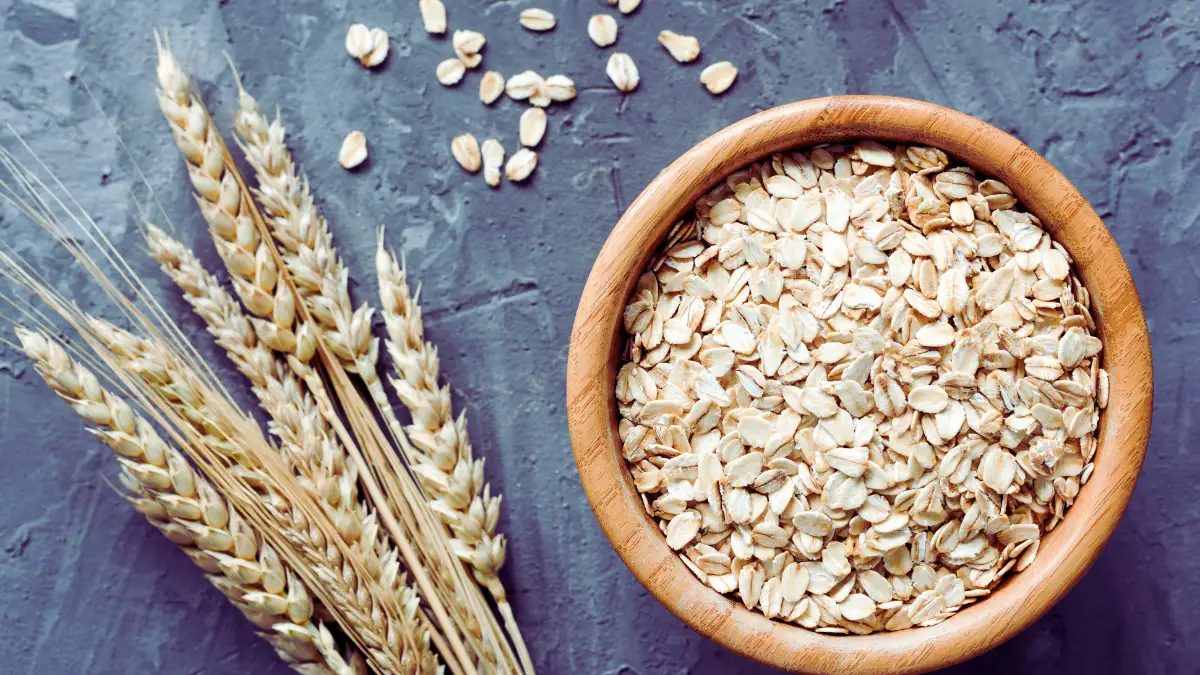
The humble bowl of oatmeal does wonders for your heart. Beta-glucan, a type of soluble fiber found in oats, forms a gel-like substance in your gut that traps cholesterol and carries it out of your body.
This action stops cholesterol from entering your bloodstream and causing trouble. Just one bowl of oatmeal daily provides about 3 grams of beta-glucan, enough to lower LDL cholesterol by 5-10%.
You can enjoy oats in many forms beyond breakfast – add them to smoothies, use them as a crunchy topping for yogurt, or swap breadcrumbs for oats when cooking.
Steel-cut varieties offer more fiber than instant options. Oats work gradually but consistently. The cholesterol-lowering effects build over time, making this simple grain a powerful ally in your heart-health journey. For best results, pair your oats with fruits like bananas or berries to add sweetness and extra fiber.
2. Avocados
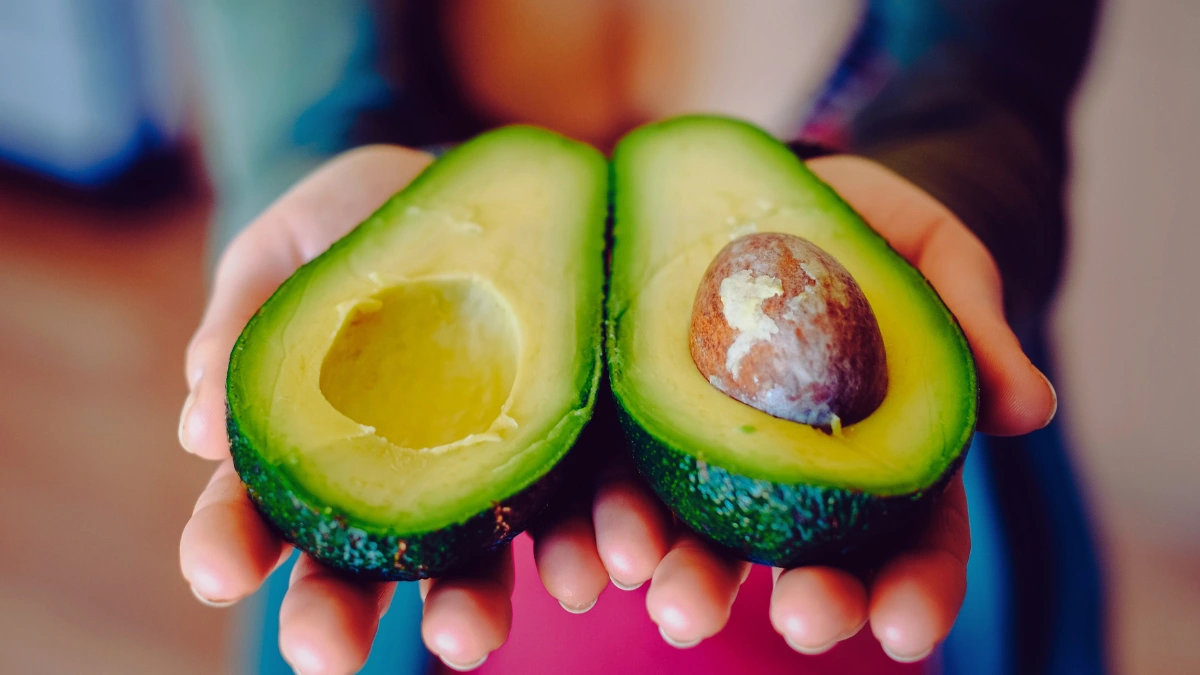
These creamy fruits pack a powerful punch against bad cholesterol. Loaded with monounsaturated fats, avocados actively lower LDL cholesterol while boosting HDL levels.
Unlike many cholesterol-fighting foods, avocados work through a dual approach – they reduce the bad while increasing the good.
Eating avocados gives you plant sterols, which stop cholesterol from being absorbed through your intestinal walls. Their high fiber content also helps sweep away excess cholesterol through natural digestion.
A half avocado daily can make a noticeable difference in your cholesterol profile within weeks. You can spread avocado on toast, blend it into smoothies, or cube it into salads.
The fat in avocados helps your body absorb other nutrients better, so pairing them with vegetables creates a nutritional win-win.
This butter-like fruit satisfies hunger longer than many carbs, making it easier to maintain healthy eating habits throughout the day.
3. Almonds and Walnuts
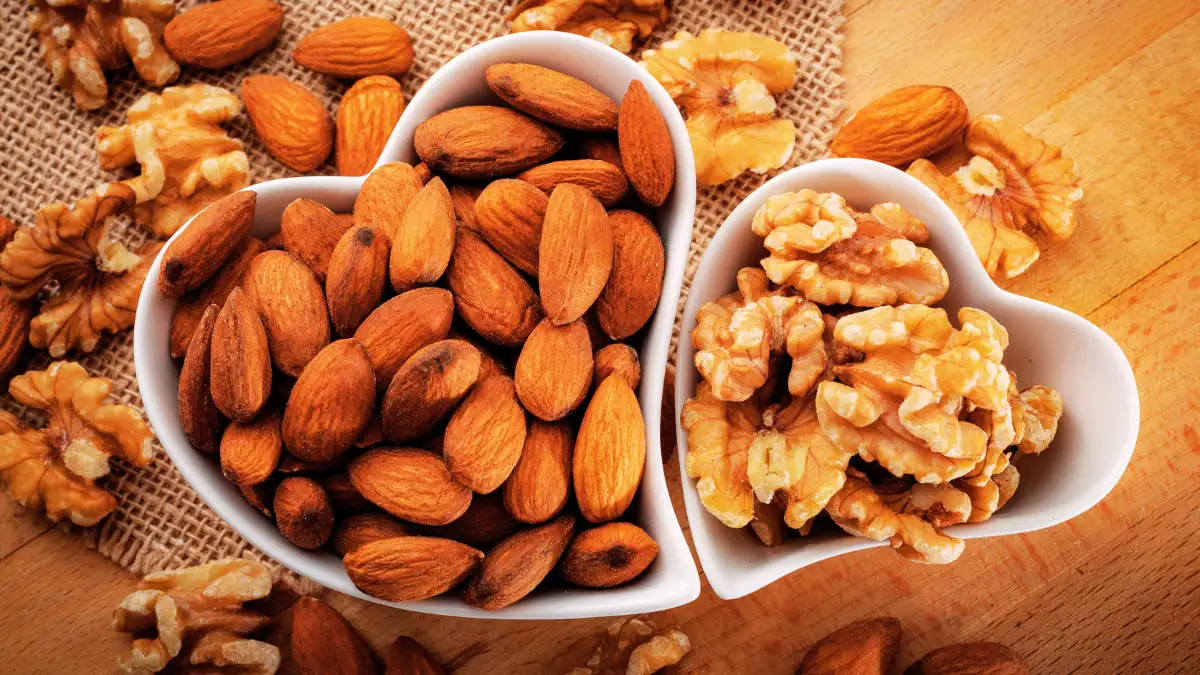
These small but mighty nuts deliver big benefits for your heart. Almonds and walnuts contain plant sterols that block cholesterol from being absorbed into your bloodstream.
Their combination of fiber and healthy fats creates a powerful defense against high LDL levels. Walnuts stand out for their high omega-3 content, which improves blood vessel function and reduces inflammation.
Almonds excel at raising HDL cholesterol levels while lowering LDL. A handful of either nut (about 1 ounce) provides enough benefits to impact your cholesterol levels positively.
Raw nuts offer more benefits than roasted ones, especially when eaten with their skins intact. You can sprinkle them on salads, blend them into nut butter, or simply keep them handy for snacking.
Their satisfying crunch and ability to curb hunger make them practical for daily consumption, while their portable nature means you can take this cholesterol-fighting food anywhere.
4. Chia Seeds and Flaxseeds
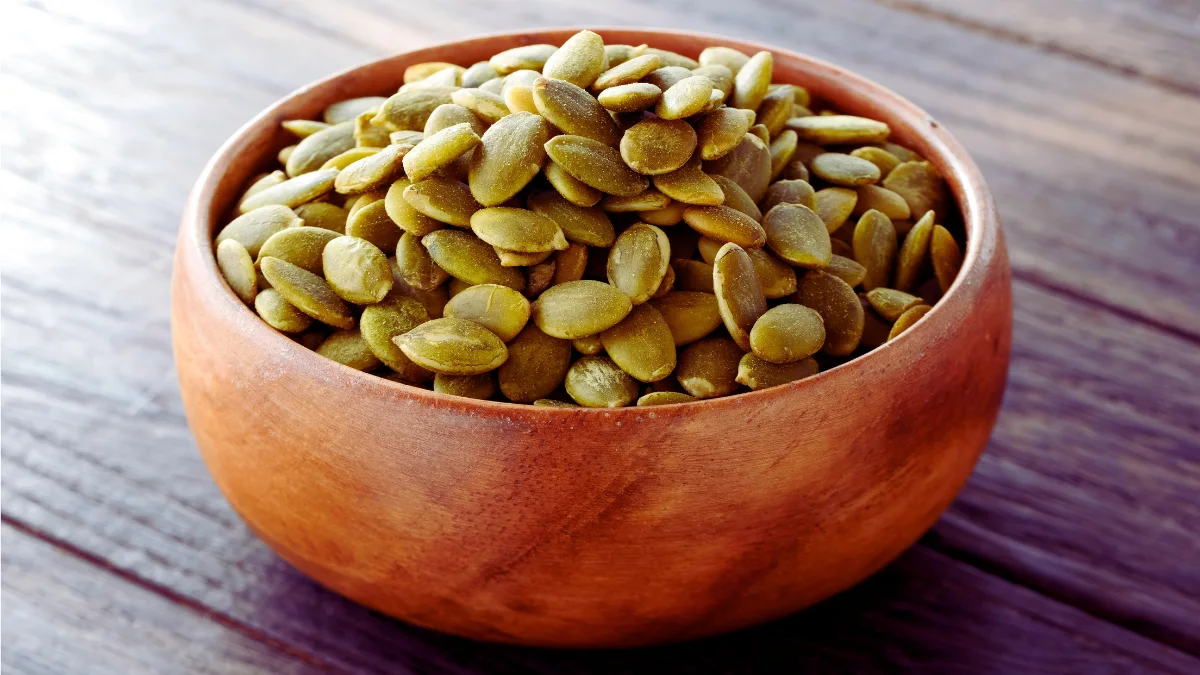
These tiny powerhouses punch above their weight in fighting cholesterol. Both seeds are packed with omega-3 fatty acids that reduce inflammation and help prevent plaque buildup in arteries.
Their high fiber content binds with cholesterol particles in your digestive system, preventing absorption. Lignans, special compounds found abundantly in these seeds, directly lower LDL cholesterol through their antioxidant and anti-inflammatory properties.
Just one or two tablespoons daily provides significant cholesterol-lowering benefits. Flaxseeds need grinding to release their nutrients, while chia seeds can be eaten whole.
Adding these seeds to your morning yogurt, smoothies, or oatmeal creates an easy cholesterol-fighting routine.
They absorb liquid and form a gel, helping you feel fuller longer while working silently to balance your cholesterol levels. The subtle nutty flavor blends easily with most foods, making them a simple addition to almost any meal.
5. Legumes
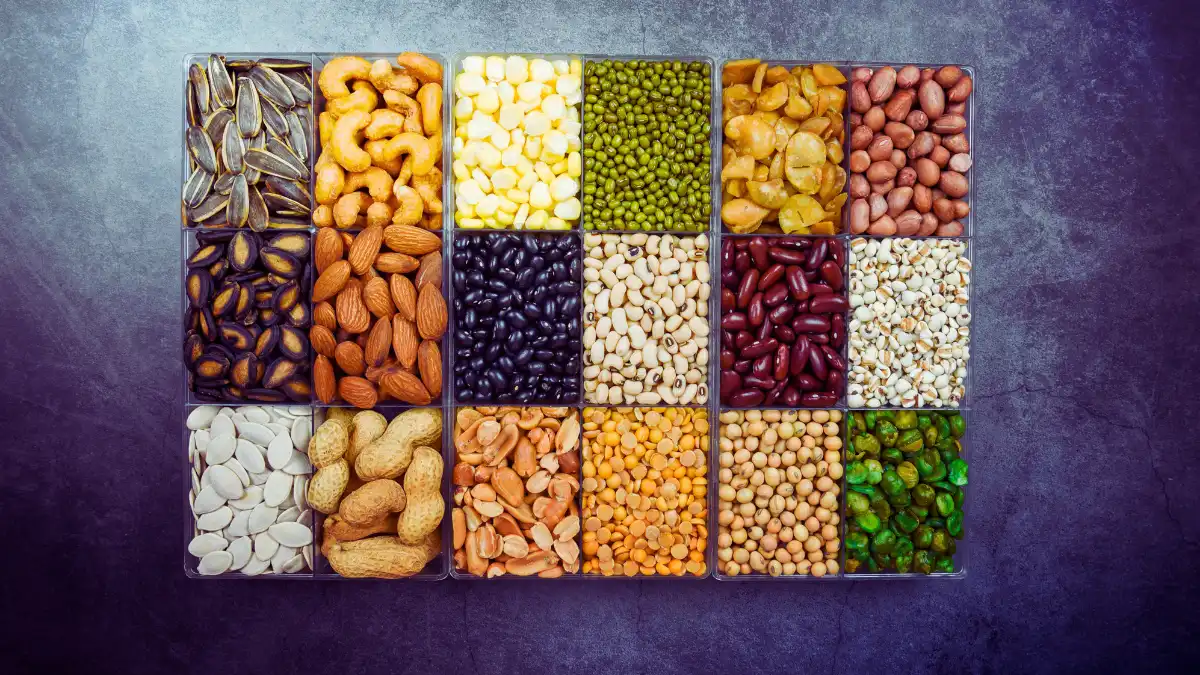
Beans, lentils, and chickpeas form a powerful trio against high cholesterol. Their soluble fiber acts like a sponge, soaking up cholesterol in your digestive tract and removing it from your body.
One daily serving lowers LDL cholesterol by about 5-6% over time. Legumes also contain plant proteins that help your liver clear LDL cholesterol from the bloodstream.
Their low glycemic index means they won’t spike blood sugar, creating a stable environment where your body can focus on cholesterol management. Black beans and chickpeas rank among the most effective varieties.
You can add them to soups, and salads, or blend them into dips like hummus. Canned varieties work almost as well as dried ones, making them convenient for busy schedules.
Their filling nature helps satisfy hunger while their protein content supports muscle maintenance. This combination makes legumes practical for daily eating when working to balance cholesterol levels naturally.
6. Green Tea
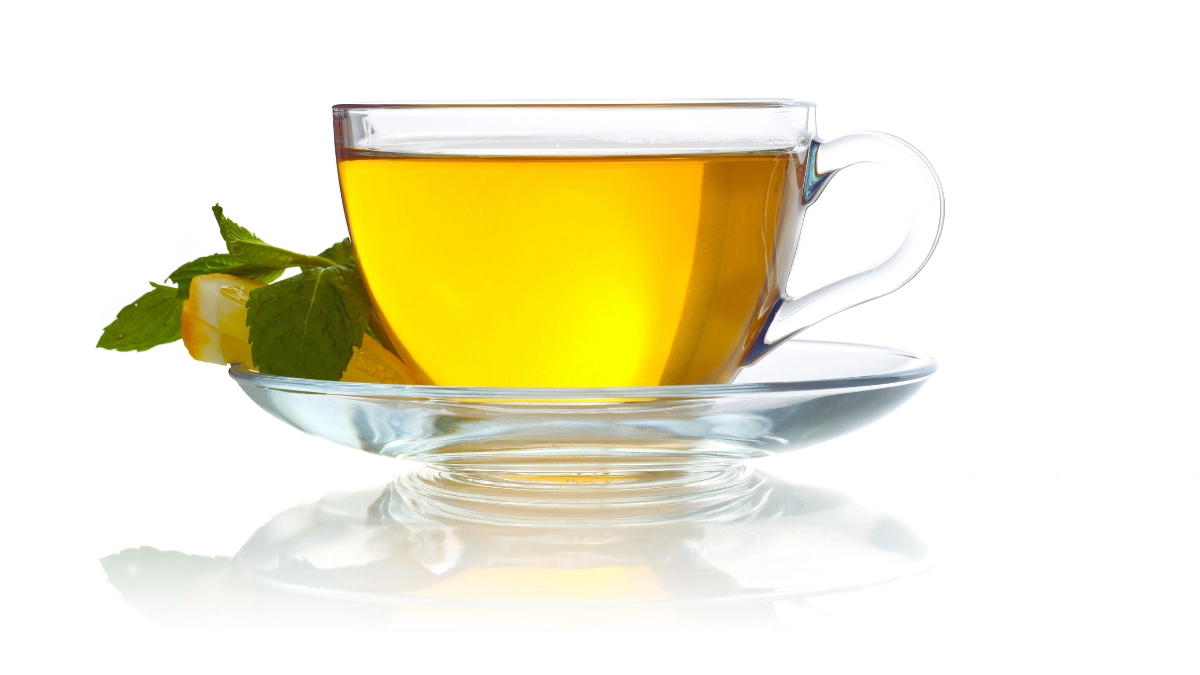
Sipping this ancient beverage offers modern health benefits for your heart. Green tea contains powerful compounds called catechins that reduce how much cholesterol your body absorbs and improve the ratio between LDL and HDL cholesterol.
These plant compounds work by blocking certain digestive enzymes and changing how your liver processes cholesterol.
Daily consumption creates the strongest effect on your cholesterol profile. A 2018 meta-analysis published in the Journal of Nutrition found that regular green tea drinkers experienced LDL cholesterol reductions of 2-6%, with those having higher starting levels seeing the most significant improvements. The study showed benefits with 1-3 cups daily, making this an achievable habit.
You can enjoy green tea hot or cold, plain or with a splash of lemon to enhance its catechin absorption. Brewing time matters too – steeping for 3-5 minutes releases optimal amounts of beneficial compounds.
Some people notice results within weeks, though the full cholesterol-balancing effects typically build over months of consistent consumption.
7. Dark Chocolate and Cocoa

This delicious treat comes with surprising heart benefits. Flavonoids in cocoa help raise HDL (good) cholesterol while protecting LDL from oxidation, the process that makes cholesterol stick to artery walls.
The higher the cocoa percentage, the greater the cholesterol-balancing effects. Choosing varieties with at least 70% cocoa content ensures you get enough flavonoids without excessive sugar.
The compounds in dark chocolate also improve blood vessel function and reduce inflammation, creating multiple pathways to better heart health.
Small amounts go a long way – just one ounce (about 2-3 small squares) provides meaningful benefits without too many calories.
Raw cacao nibs offer even more potent effects, though their bitter taste can take time to appreciate. You can add cocoa powder to smoothies, oatmeal, or yogurt to boost your intake of these beneficial compounds.
The fat in chocolate, contrary to what many assume, contains stearic acid which doesn’t raise cholesterol levels like other saturated fats.
8. Garlic
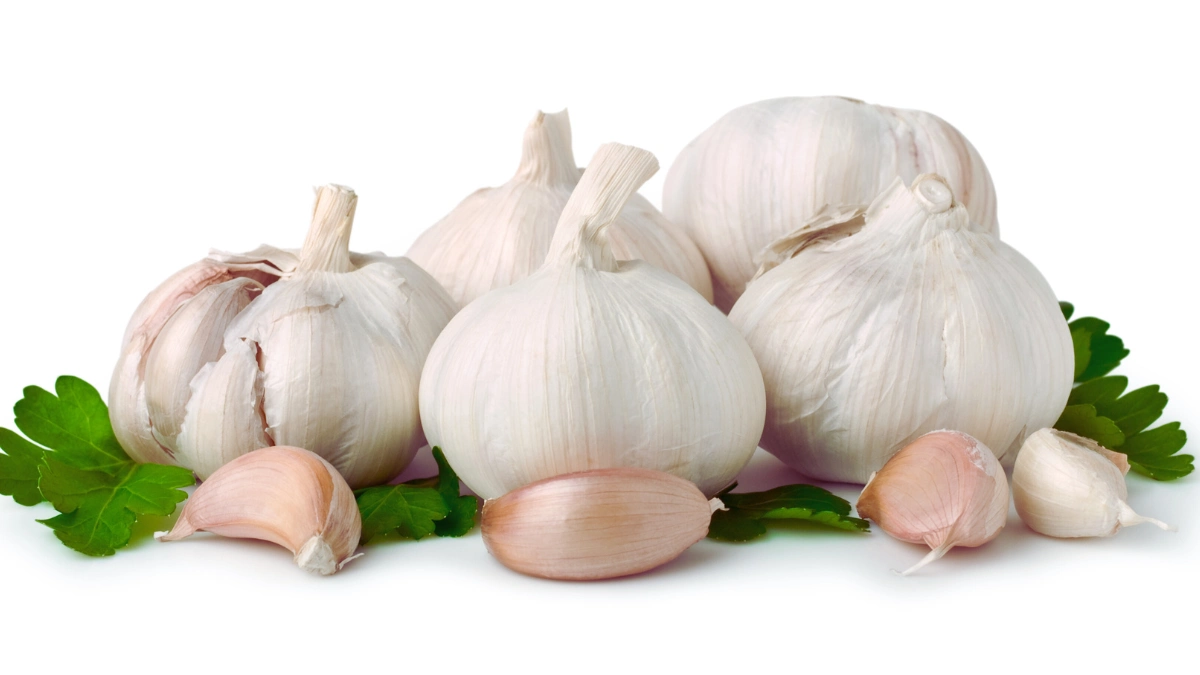
This aromatic bulb packs powerful cholesterol-fighting compounds in each clove. Garlic contains allicin, which helps lower cholesterol production in your liver and reduces the stickiness of blood platelets.
This double action helps keep arteries clear and flowing smoothly. Fresh garlic offers the strongest benefits, especially when crushed or chopped and allowed to sit for 10 minutes before cooking.
This rest time activates allicin, maximizing its heart-protective effects. Consistent consumption matters more than quantity – even one clove daily can help lower LDL cholesterol over time, while also raising HDL levels in some people.
You can roast whole bulbs for a milder, sweeter flavor, or add minced garlic to almost any savory dish. Some people take garlic supplements, though whole food forms generally provide better results for cholesterol management.
The sulfur compounds in garlic that fight cholesterol also boost your immune system, creating multiple health benefits from this simple kitchen staple.
9. Leafy Greens
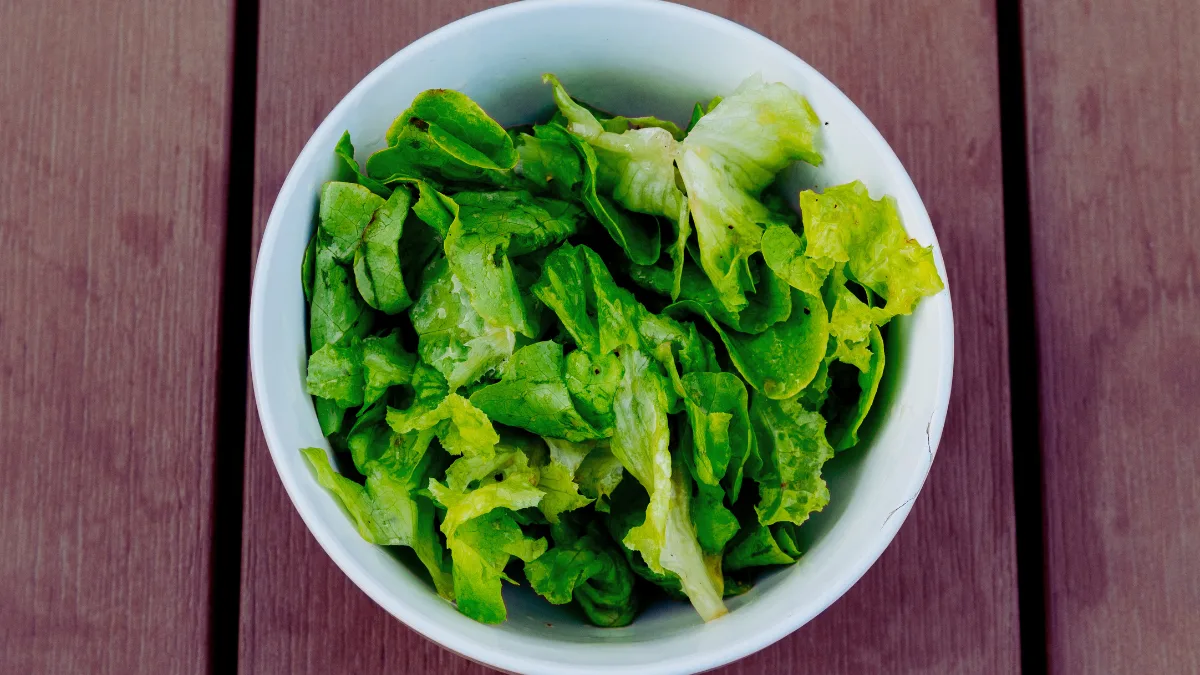
These vibrant vegetables work quietly but effectively to lower cholesterol levels. Spinach, kale, and Swiss chard contain carotenoids and fiber that prevent cholesterol absorption in your intestines.
Their high nitrate content also improves blood vessel function, supporting overall heart health. Kale stands out for its bile acid sequestrants, compounds that bind to cholesterol-laden bile acids and remove them from your body.
This action forces your liver to pull more cholesterol from your bloodstream to make new bile acids, naturally lowering your levels. Raw greens offer fiber benefits, while cooked greens allow better absorption of certain nutrients.
Adding a cup of these powerhouse vegetables to your daily meals provides noticeable benefits over time. You can blend them into smoothies, sauté them as side dishes, or use them as the base for salads.
Their low-calorie count and high nutrient density make them especially valuable for heart health. Rotating between different varieties ensures you get the widest range of beneficial compounds.
10. Soy Products
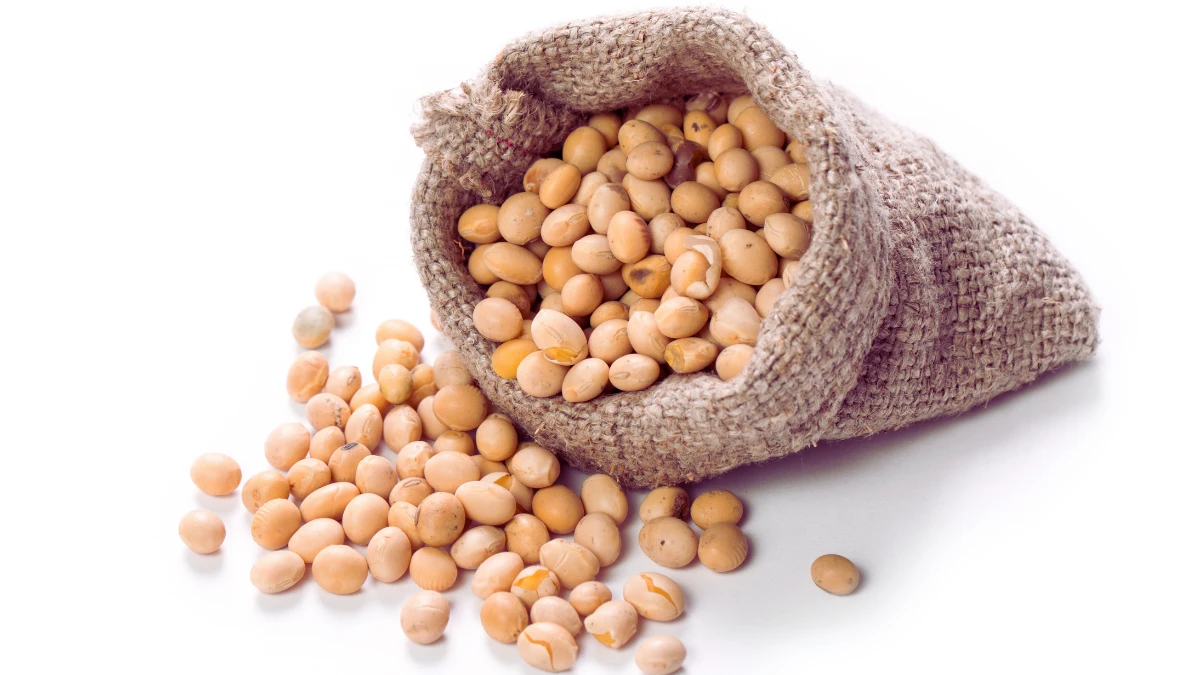
These versatile plant foods offer specific compounds that target cholesterol metabolism. Tofu, edamame, and soy milk contain isoflavones that mimic estrogen and help manage cholesterol levels.
They work by increasing LDL receptor activity in the liver, helping clear more cholesterol from your bloodstream.
The evidence for soy’s effectiveness continues to grow stronger. A comprehensive review in the Journal of the American Heart Association analyzed multiple studies and found that consuming 25 grams of soy protein daily reduced LDL cholesterol by 3-5%.
This amount equals about 1½ cups of edamame, 3 cups of soy milk, or 4 ounces of tofu. You can add firm tofu to stir-fries, blend silken tofu into smoothies, or snack on steamed edamame.
Fermented soy foods like tempeh and miso may offer additional benefits due to their probiotic content. The complete protein in soy makes it an excellent meat alternative, allowing you to reduce saturated fat intake while adding cholesterol-lowering compounds to your diet.