
Facing signs of aging on your skin and body? Most anti-aging products cost a fortune and often contain questionable ingredients.
The solution might be sitting in your kitchen right now. Foods rich in antioxidants, healthy fats, and essential nutrients can fight aging from within, with results that expensive creams can’t match.
Nutritionists agree that what you eat affects how you age. These 15 foods, backed by science, can help reduce wrinkles, boost collagen, fight inflammation, and support your body as it ages. No expensive treatments are required.
1. Berries (Blueberries, Strawberries, Raspberries)
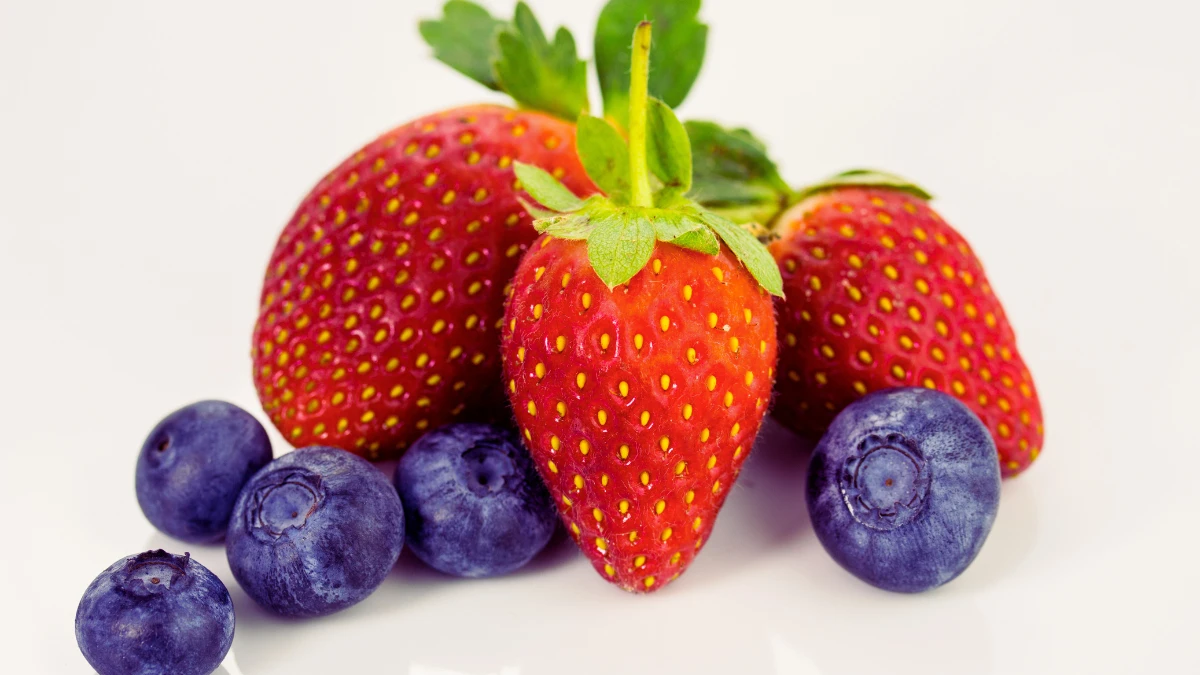
These colorful fruits pack a powerful punch against aging. They contain high levels of anthocyanins, vitamin C, and fiber that work together to fight oxidative damage in your body.
The antioxidants in berries neutralize harmful free radicals that cause cellular damage and accelerate aging. They can help maintain skin elasticity by protecting collagen structures.
Your brain benefits too – regular berry consumption has been linked to slower rates of cognitive decline as you age.
You can easily add berries to your daily routine. Toss them into morning oatmeal, blend them in smoothies, or enjoy them as a snack.
Fresh berries offer the most nutrients, but frozen options work well too, especially when fresh varieties aren’t in season. Just one cup of mixed berries provides a significant portion of your daily vitamin C needs.
2. Avocado

This creamy fruit offers exceptional benefits for aging well. Avocados contain monounsaturated fats, vitamin E, and potassium that work together to support multiple aspects of health.
The healthy fats in avocados help hydrate skin from within, improving elasticity and reducing the appearance of fine lines.
Vitamin E acts as a shield against UV damage, protecting skin cells from premature aging. Your heart benefits too – the potassium and fat profile in avocados support cardiovascular health, which becomes increasingly important with age.
Adding avocado to your meals is simple. Spread it on toast, cube it into salads, or use it as a base for creamy sauces. One medium avocado provides about 20 vitamins and minerals.
While calorie-dense, even a quarter or half avocado daily can deliver significant anti-aging benefits without excess calories.
3. Fatty Fish (Salmon, Mackerel, Sardines)
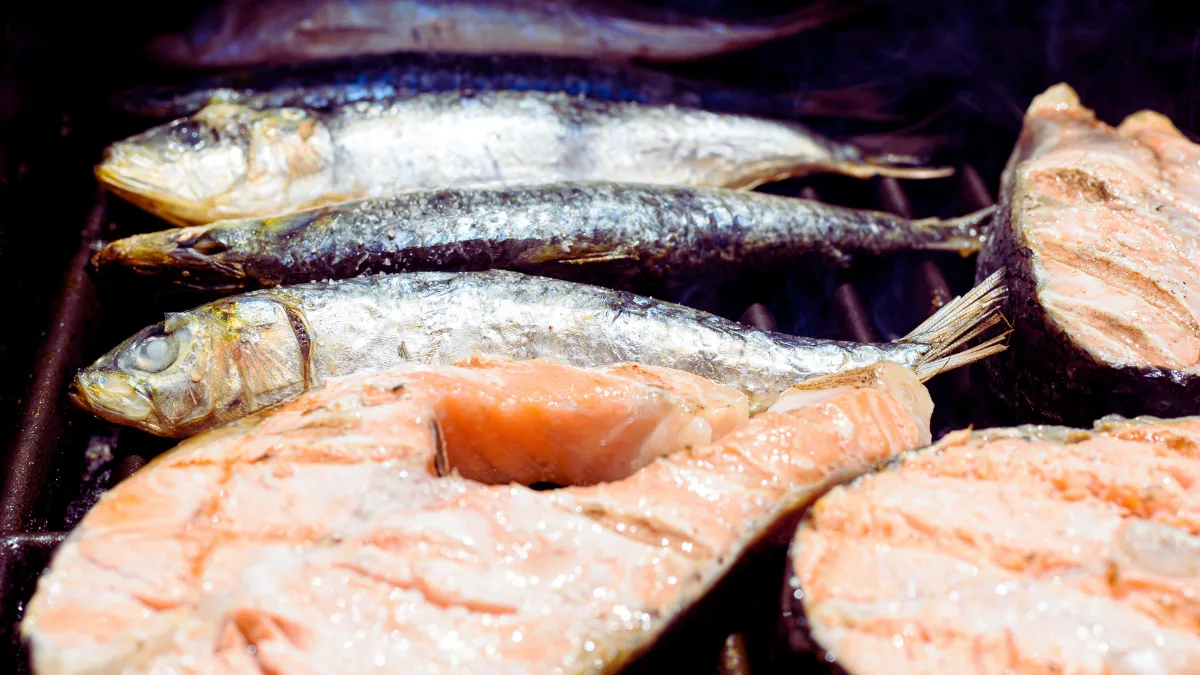
These seafood options stand out for their remarkable anti-aging properties. They contain omega-3 fatty acids (EPA/DHA) and astaxanthin that target inflammation and cellular health.
Omega-3s reduce inflammation throughout the body, which is a major driver of aging. They maintain cell membrane integrity and support brain function, potentially slowing cognitive decline.
The astaxanthin in salmon acts as a powerful antioxidant, protecting skin from UV damage and reducing visible signs of aging.
Try to include fatty fish in your meals twice weekly. Bake salmon with herbs, add sardines to pasta dishes, or try smoked mackerel with breakfast.
Both fresh and canned options provide benefits. If you don’t eat fish regularly, consider speaking with a healthcare provider about omega-3 supplements, though food sources typically offer better absorption and additional nutrients.
4. Nuts (Walnuts, Almonds)
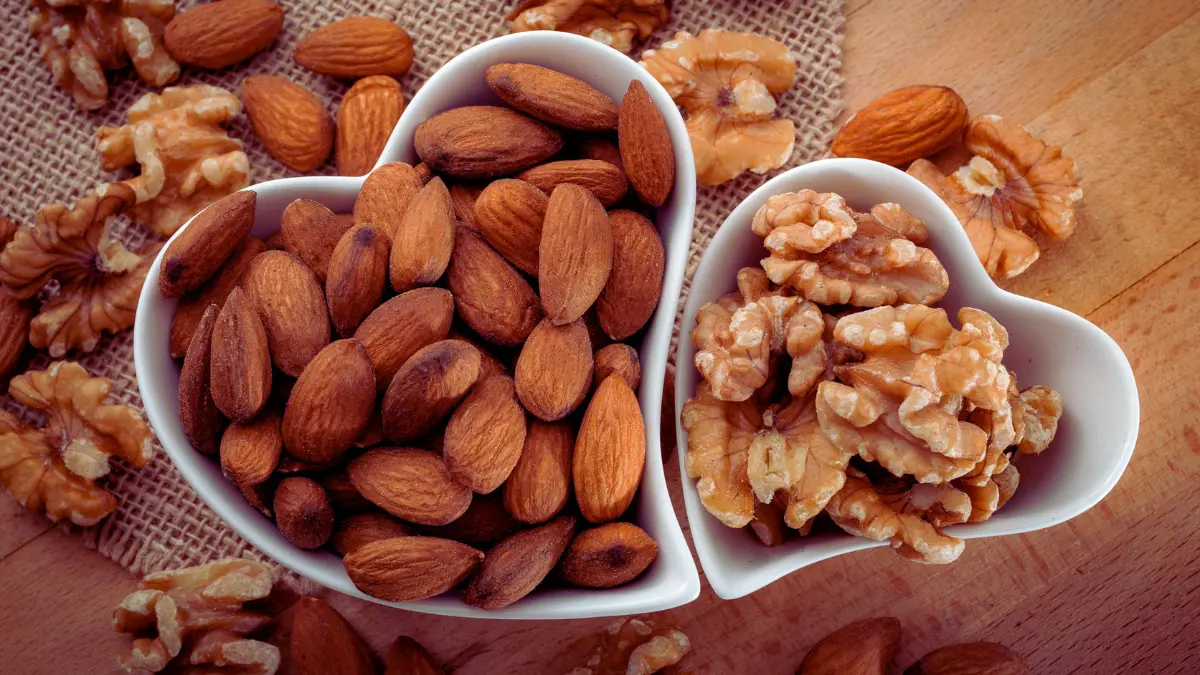
These small nutritional powerhouses support healthy aging in multiple ways. Nuts provide vitamin E, omega-3s (especially walnuts), and magnesium that work together to protect cells.
Vitamin E in nuts shields skin from oxidative damage, helping maintain its youthful appearance. Walnuts, shaped like tiny brains, actually do support brain health with their omega-3 content.
Almonds help improve cholesterol levels, supporting heart health as you age. The protein and fiber content also helps maintain muscle mass and digestive health.
A small handful daily (about 1 ounce) provides benefits without excess calories. Add chopped nuts to yogurt or oatmeal, sprinkle them on salads, or eat them plain as a satisfying snack.
Store nuts in the refrigerator to preserve their healthy oils. Though calorie-dense, regular nut consumers tend to maintain healthier weights, likely due to their satisfying protein and fat content.
5. Leafy Greens (Spinach, Kale, Swiss Chard)
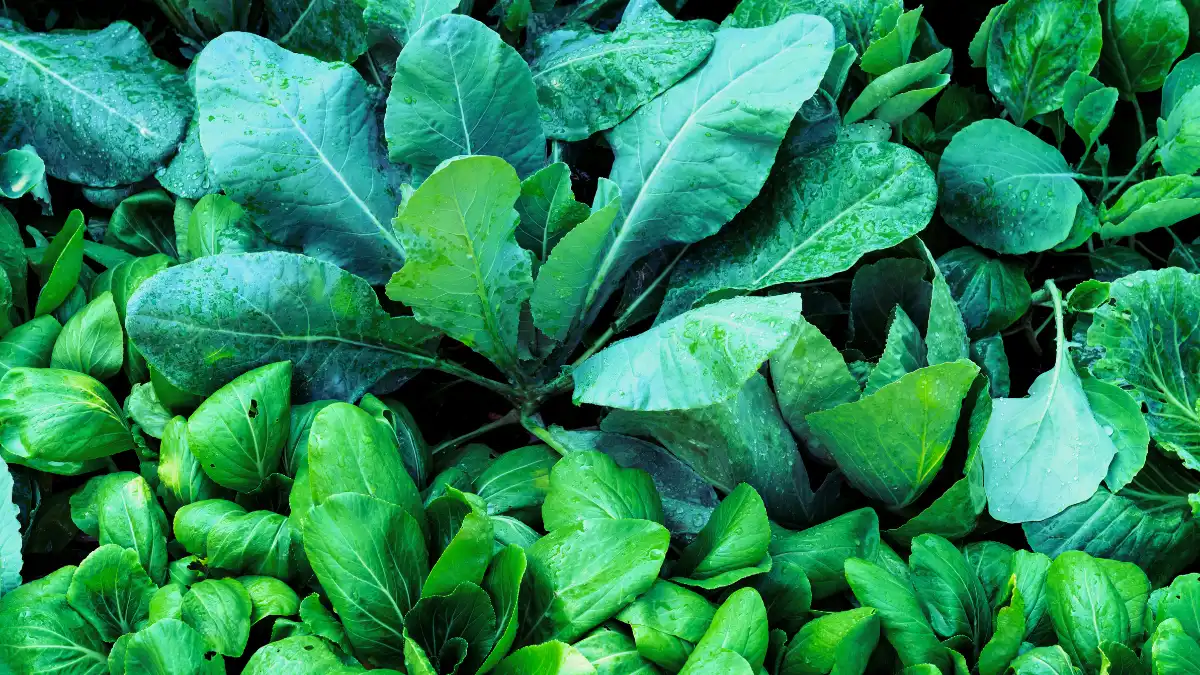
These nutrient-rich vegetables offer some of the best protection against age-related decline. Leafy greens contain vitamins A, C, K, folate, and lutein that target multiple aspects of aging.
The lutein in greens protects eyes from age-related macular degeneration, a common cause of vision loss in older adults.
Folate and vitamin C boost collagen production, keeping skin firm and helping repair DNA. The vitamin K content supports bone health, which becomes increasingly important with age.
You can easily incorporate more greens into your diet. Build salads with mixed greens, add spinach to smoothies, or sauté kale as a side dish.
Just one cup of cooked greens provides multiple days’ worth of some vitamins. For maximum nutrient absorption, pair iron-rich greens with vitamin C sources like lemon juice or bell peppers.
6. Green Tea

This ancient beverage offers remarkable benefits for aging gracefully. Green tea contains compounds called catechins, particularly EGCG (epigallocatechin gallate), which act as powerful antioxidants in your body.
The EGCG in green tea fights inflammation and protects skin cells from damage. Your skin benefits from its protective effects against UV radiation, which can cause premature aging.
A 2011 study in the Journal of Nutrition found that women who consumed green tea extract for 12 weeks showed improved skin elasticity and reduced roughness when exposed to UV radiation.
You can enjoy green tea hot or cold throughout the day. For maximum benefits, steep tea for 3-5 minutes in water that’s just under boiling.
Adding a squeeze of lemon enhances the absorption of its beneficial compounds. Three cups daily provide optimal benefits, though even one cup offers advantages.
Most people notice improvements in skin appearance within 8-12 weeks of regular consumption.
7. Turmeric
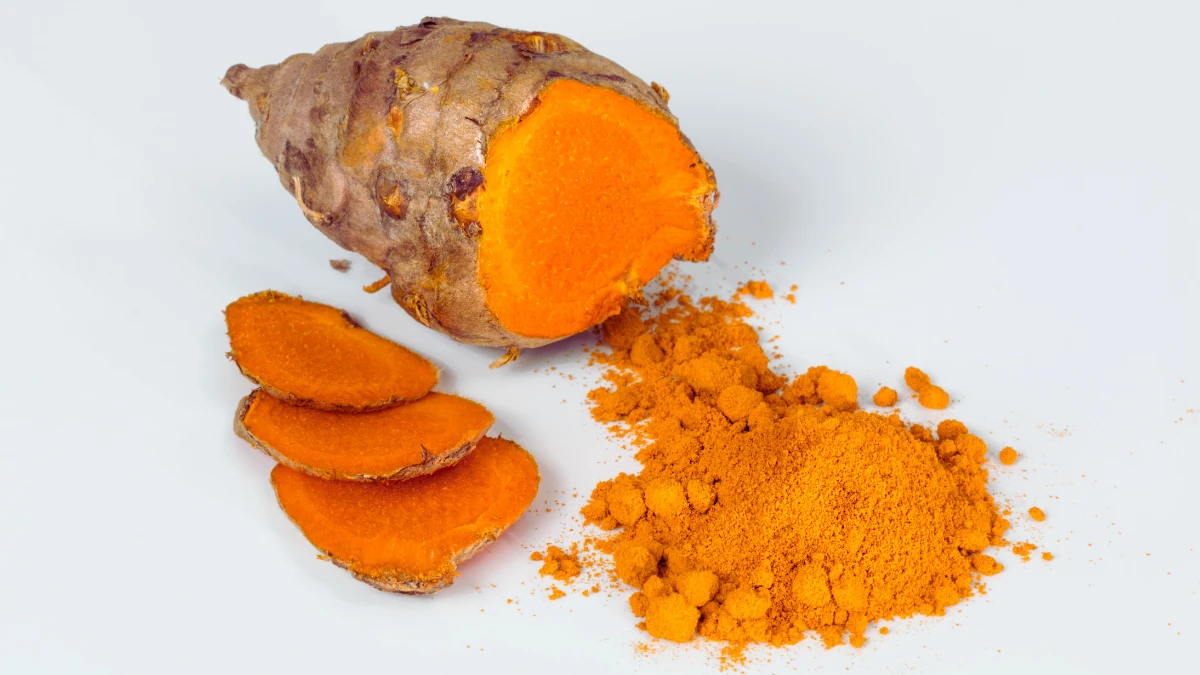
This bright yellow spice does more than add color to curry dishes. Turmeric contains curcumin, a compound with potent anti-inflammatory and antioxidant properties that fight aging at the cellular level.
Curcumin tackles inflammation, which plays a major role in aging and age-related diseases. Your joints benefit as curcumin helps manage arthritis symptoms and reduces pain.
Brain health improves too, as curcumin may help clear the protein plaques associated with cognitive decline. Some studies show it can boost mood and memory function in older adults.
Getting the most from turmeric requires a few tricks. Combine it with black pepper, which contains piperine that enhances curcumin absorption by up to 2000%.
Cook turmeric in oil to increase bioavailability since curcumin is fat-soluble. Add it to soups, smoothies, and rice dishes, or try golden milk—a warming beverage made with turmeric, milk, and spices that makes a soothing evening ritual.
8. Dark Chocolate (70%+ Cocoa)
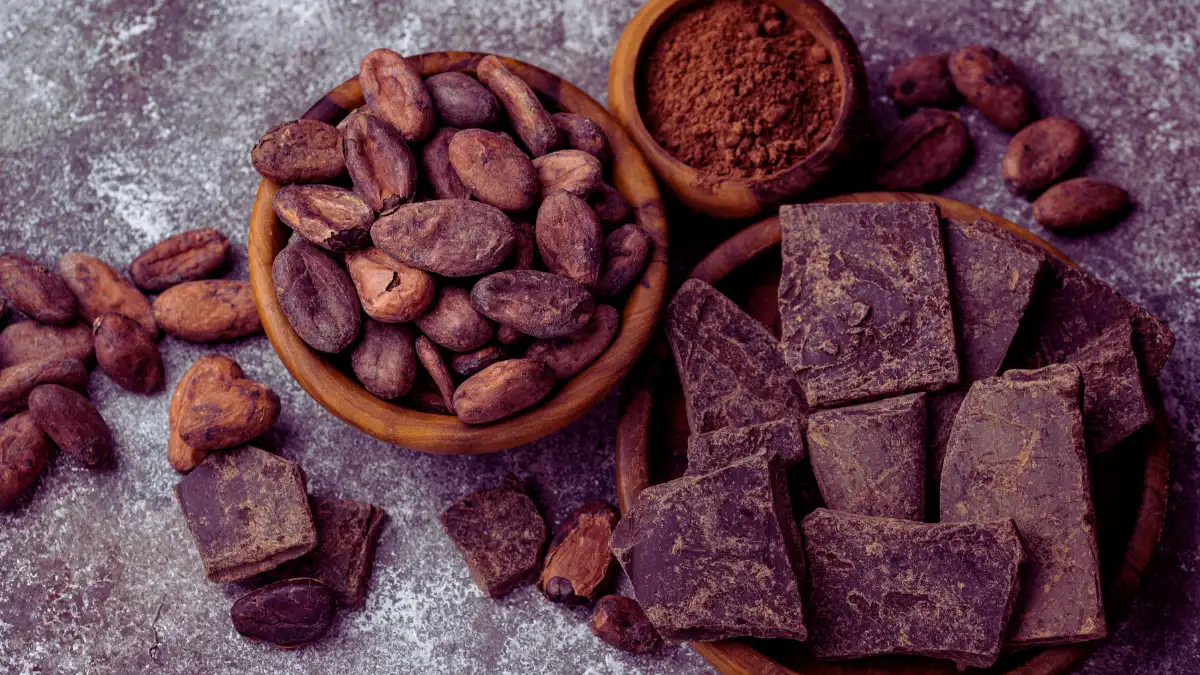
This delicious treat offers serious anti-aging benefits when consumed in moderation. Dark chocolate with at least 70% cocoa contains flavonoids, iron, and magnesium that support multiple aspects of health.
The flavonoids in dark chocolate act as antioxidants, protecting cells from damage. Your skin benefits through improved hydration and reduced wrinkle formation.
Blood flow throughout the body improves, delivering more oxygen and nutrients to the skin and other tissues.
The compounds in cocoa also support cognitive function, potentially preserving memory and thinking skills as you age. A small amount goes a long way.
Just one ounce (about 30g) of dark chocolate daily provides benefits without excess sugar or calories. Look for varieties with minimal added sugar and at least 70% cocoa content for maximum antioxidants.
Pair chocolate with berries for an antioxidant-rich dessert. Store it away from strong odors in a cool, dry place to preserve its flavor and beneficial compounds.
9. Sweet Potatoes
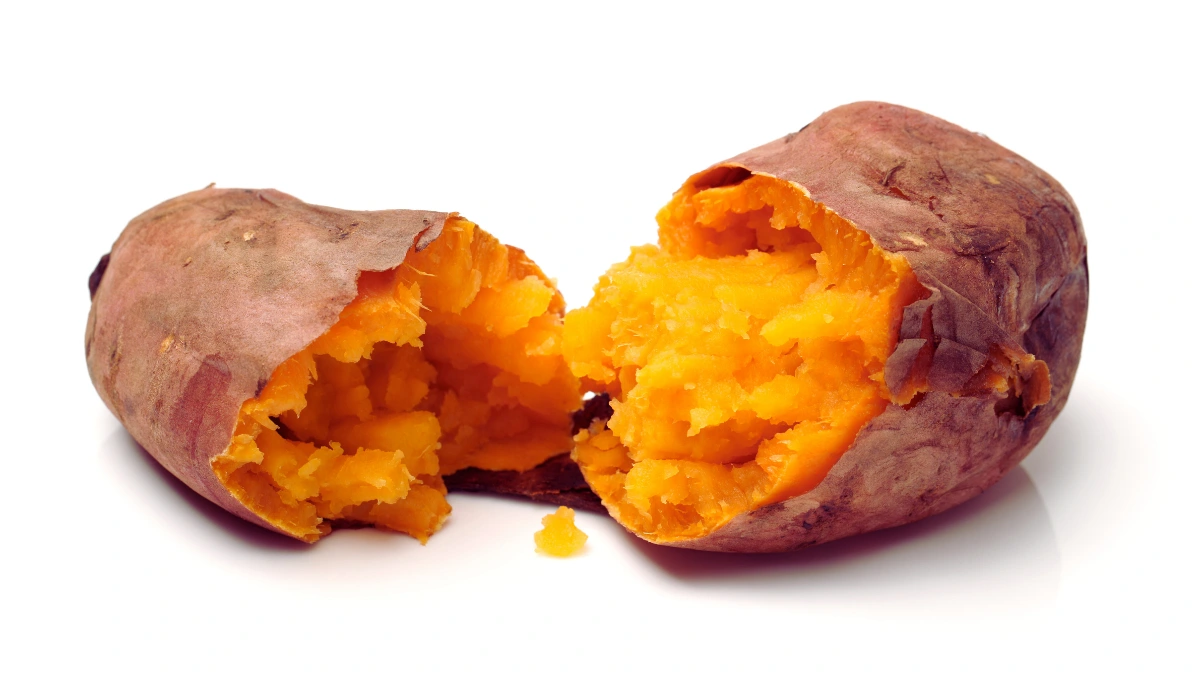
These vibrant root vegetables support the youthful appearance and overall health. Sweet potatoes contain beta-carotene, fiber, and vitamin C that work together to fight aging from the inside out.
Beta-carotene gives sweet potatoes their orange color and converts to vitamin A in your body. Your skin benefits as vitamin A promotes cell turnover and repair.
A 2005 study in the American Journal of Clinical Nutrition showed that beta-carotene from foods like sweet potatoes reduced oxidative stress in skin cells, slowing signs of aging like wrinkles and dryness.
Cooking methods affect nutrient availability. Baking or steaming sweet potatoes preserves more nutrients than boiling.
The skin contains additional fiber and nutrients, so consider leaving it on after a good scrub. Pairing sweet potatoes with a small amount of healthy fat improves the absorption of fat-soluble vitamins.
These versatile vegetables can become fries, mashed sides, or even desserts with minimal added sugar.
10. Tomatoes
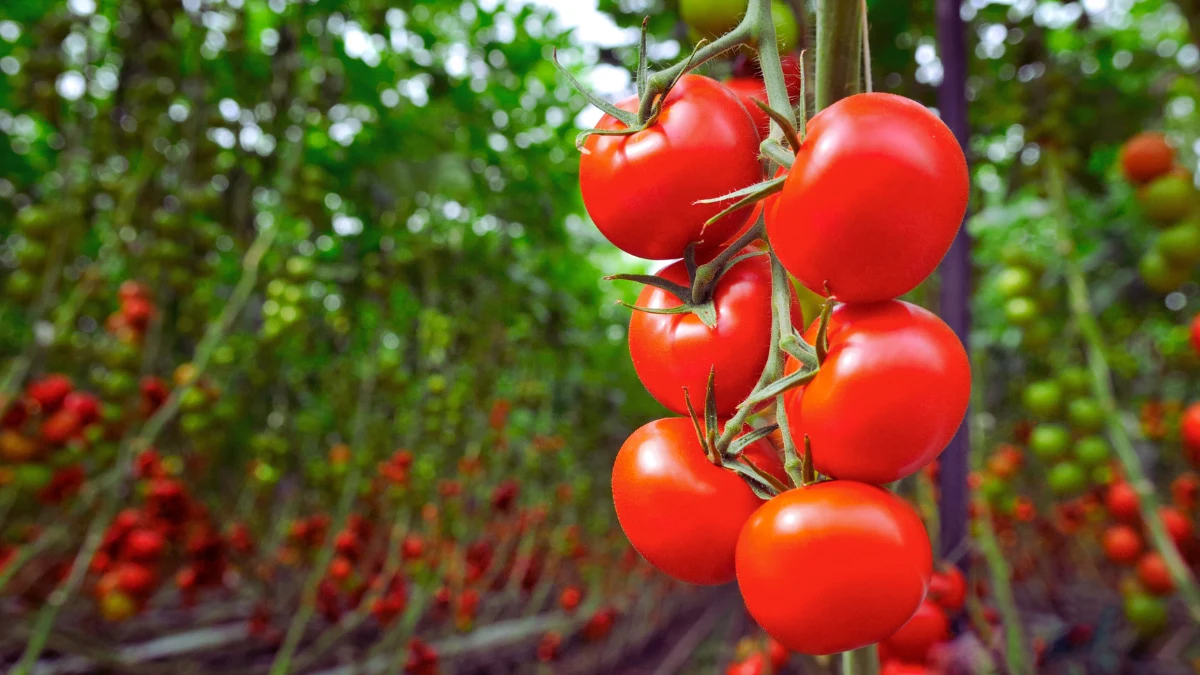
These juicy fruits (yes, technically fruits) offer exceptional protection against aging. Tomatoes contain lycopene and vitamin C that target skin health and overall cellular protection.
Lycopene gives tomatoes their red color and acts as a powerful antioxidant in your body. Your skin gains natural protection against UV damage, similar to an internal sunscreen (though external sunscreen remains essential).
Vitamin C supports collagen production, helping maintain skin firmness and elasticity. Cancer risk may decrease too, as studies link regular tomato consumption to lower rates of certain cancers.
Cooked tomatoes provide more accessible lycopene than raw ones. Heat breaks down cell walls, releasing more of this beneficial compound.
Consuming tomatoes with olive oil increases lycopene absorption significantly. Tomato paste, sauce, and canned tomatoes often contain more lycopene than fresh varieties due to the cooking process.
Try adding tomatoes to eggs, soups, and pasta dishes, or simply roast them with herbs for a simple side dish.
11. Broccoli
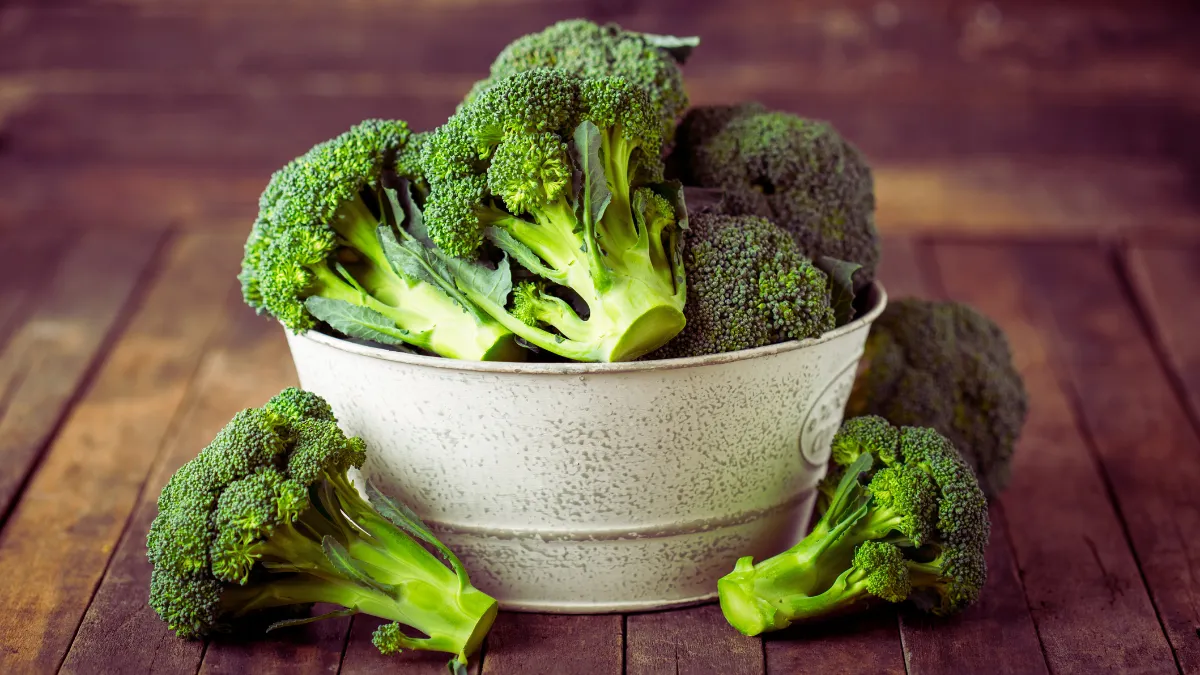
This cruciferous vegetable stands out for its exceptional anti-aging properties. Broccoli contains sulforaphane, and vitamins C and K that work together to protect cells and slow the aging process.
Sulforaphane acts as a powerful activator of detoxification enzymes in your body. These enzymes help clear harmful compounds before they can damage cells.
Your skin and organs benefit as oxidative stress decreases, potentially slowing cellular aging. Cancer risk may decrease too, as regular consumption of cruciferous vegetables is linked to lower rates of several cancers.
Cooking methods matter when preparing broccoli. Light steaming preserves more nutrients than boiling or microwaving.
For maximum sulforaphane content, try chopping broccoli and letting it sit for about 40 minutes before cooking. This activates an enzyme that creates more sulforaphane.
Both florets and stems provide benefits, so use the entire vegetable. Try roasting broccoli with garlic, adding it to stir-fries, or blending it into soups for easy consumption.
12. Extra Virgin Olive Oil
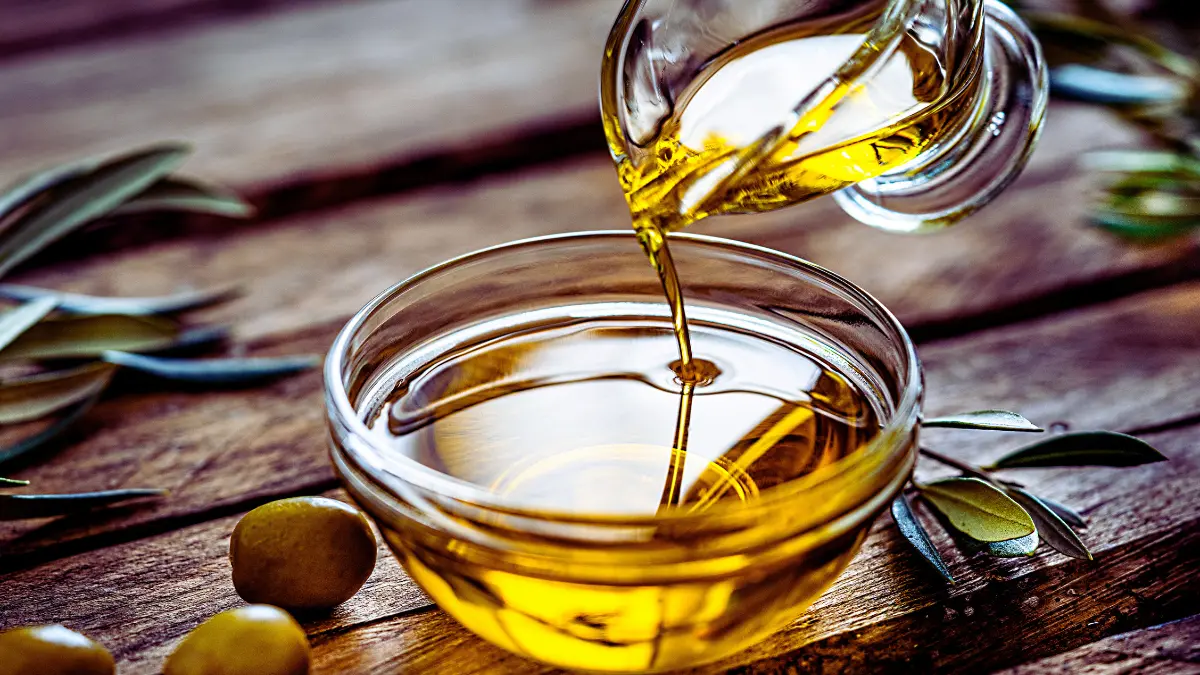
This staple of Mediterranean cuisine offers remarkable anti-aging benefits. Extra virgin olive oil contains monounsaturated fats and polyphenols that protect cells and reduce inflammation throughout the body.
The compounds in olive oil help maintain heart health as you age. Blood pressure and cholesterol levels often improve with regular consumption.
Your brain benefits too, as polyphenols help protect against cognitive decline. Skin health improves as olive oil’s antioxidants fight the free radicals that contribute to wrinkles and age spots.
Quality matters when selecting olive oil. Look for bottles labeled “extra virgin” and stored in dark glass to protect beneficial compounds from light damage.
Use it as a finishing oil on cooked vegetables, salads, or soups to preserve its delicate compounds.
Heating olive oil at low to medium temperatures is fine for most cooking, though its beneficial properties decrease somewhat with high heat. Just one to two tablespoons daily provides significant anti-aging benefits.
13. Pomegranates
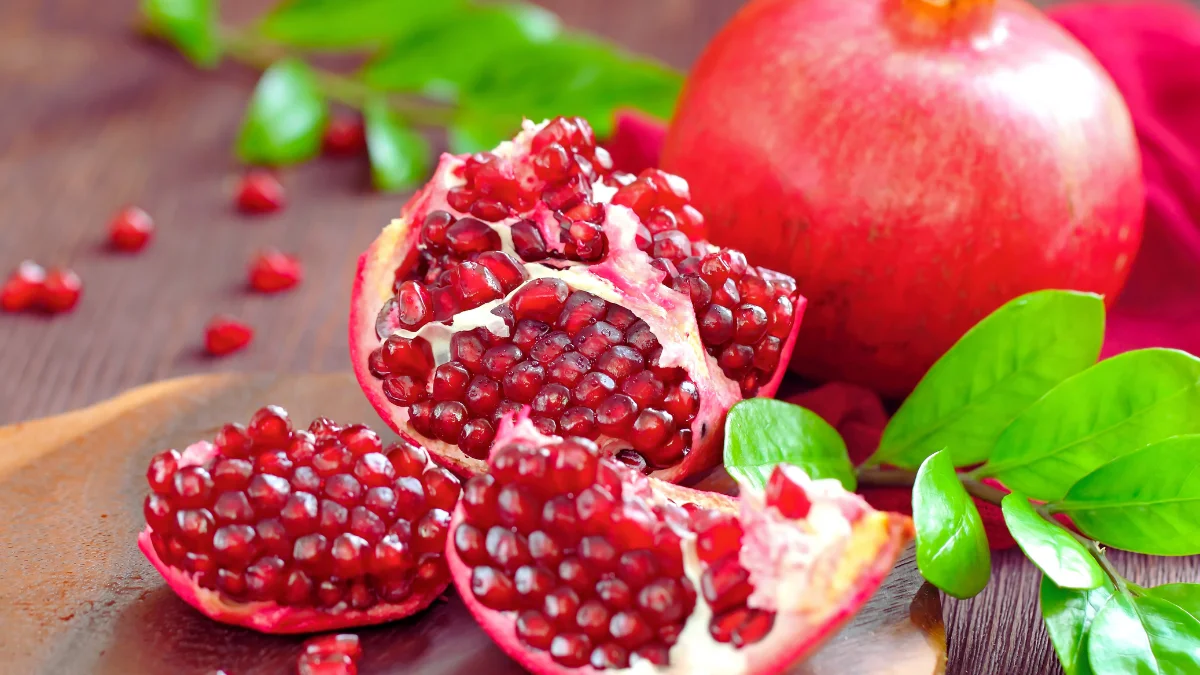
This ruby-red fruit offers powerful protection against aging. Pomegranates contain unique antioxidants called punicalagin and vitamin C that target cellular health and skin appearance.
The antioxidants in pomegranates help improve mitochondrial function, potentially extending cell life. Your skin texture may improve as these compounds fight damage from environmental toxins and sun exposure.
Joint health benefits too, as pomegranate compounds reduce inflammation that contributes to arthritis and stiffness.
Enjoying pomegranates requires a bit of effort, but the benefits make it worthwhile. Cut the fruit in half and tap the back with a wooden spoon to release the seeds, or look for ready-to-eat packaged seeds in grocery stores.
Unsweetened pomegranate juice offers similar benefits when whole fruit isn’t available. Add the seeds to salads, yogurt, or grain bowls for a tart flavor burst.
The pomegranate season runs from October through January in many regions, making it a perfect winter fruit.
14. Red Bell Peppers
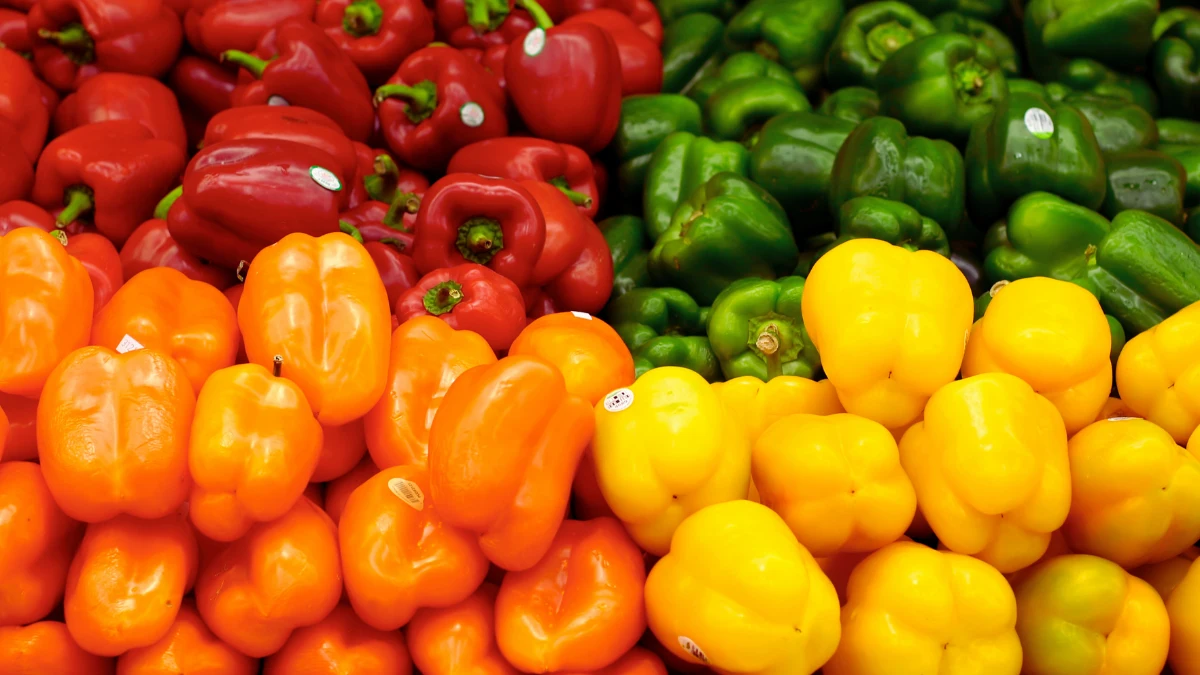
These colorful vegetables pack an impressive anti-aging punch. Red bell peppers contain more vitamin C than oranges, along with beta-carotene that helps maintain youthful skin and overall health.
Vitamin C plays a key role in helping your body make collagen, which keeps your skin firm and elastic. A single red bell pepper provides over 100% of your daily vitamin C needs.
Your immune system strengthens with regular consumption, helping you stay healthy as you age. The antioxidants in red peppers also protect cells throughout the body from damage.
You can enjoy red bell peppers in countless ways. Eat them raw with hummus for a crunchy snack, roast them to bring out their natural sweetness, or add them to stir-fries and salads.
Cooking slightly increases the availability of certain nutrients like beta-carotene. Red peppers cost more than green ones because they’ve been left on the plant longer, developing more nutrients and a sweeter flavor. Store them in the refrigerator to maintain freshness and nutrient content.
15. Greek Yogurt
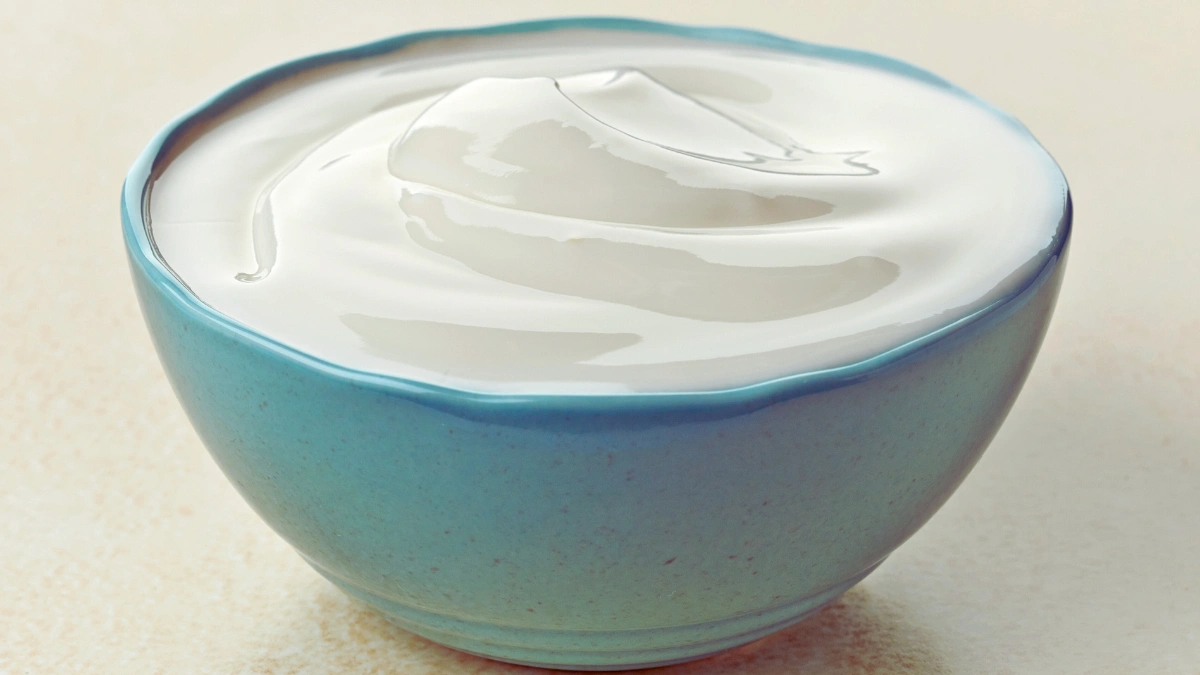
This creamy dairy product supports healthy aging in multiple ways. Greek yogurt contains probiotics, calcium, and protein that benefit gut health, bones, and muscle maintenance.
Probiotics support a healthy gut microbiome, which scientists now link to reduced inflammation throughout the body. Your skin clarity may improve as gut health balances.
The high protein content helps maintain muscle mass, which naturally decreases with age. Strong muscles support metabolism and help prevent falls and injuries.
Look for varieties with live active cultures and minimal added sugar. The protein content makes Greek yogurt more filling than regular yogurt, making it useful for weight management.
Try using it as a substitute for sour cream or mayonnaise in recipes. Add fresh fruit, a drizzle of honey, or a sprinkle of nuts for a balanced breakfast or snack.
For those who avoid dairy, some plant-based yogurts now contain similar probiotic benefits, though typically less protein.