

Gray hair after 60 is usually normal, but a sudden wave of silver strands can sometimes arrive beside fatigue, numb feet, a sore tongue, or poor balance.
Treating that combination as only a cosmetic problem could mean missing a vitamin B12 deficiency. Untreated deficiency can damage nerves even when a standard blood count does not show anemia.
The vitamin worth checking is vitamin B12.
Yet the honest answer is more useful than the viral promise. B12 may help natural pigment return when a deficiency contributed to the change, but it cannot reliably reverse ordinary age related gray hair.
Before taking a supplement for gray hair, speak with your doctor. Gray hair alone cannot diagnose a vitamin deficiency, and the correct treatment depends on why your B12 level is low.
The 1 Vitamin Behind the Headline Comes With a Big Condition

Vitamin B12 supports DNA production, normal red blood cell formation, and healthy nerve function. Researchers have also found associations between low B12 levels and premature graying.
That does not mean every gray strand is caused by low B12.
Most gray hair after 60 develops because pigment producing cells inside the follicles become less active or disappear with age. The American Academy of Dermatology states that there is currently no effective medical treatment that consistently restores color to age related gray hair.
Rare cases of repigmentation have been reported after a genuine deficiency was corrected. One published case described both premature gray hair and other pigment changes improving after treatment for vitamin B12 deficiency.
A case report can show that reversal is biologically possible. It cannot prove that B12 will work for most people with gray hair.
What Your Pattern of Graying May Suggest
| What you notice | What it may mean | A sensible next step |
|---|---|---|
| Gradual graying over many years | Normal aging and inherited timing are most likely | Dye it, transition to gray, or leave it natural according to your preference |
| Rapid graying with fatigue or weakness | A nutritional, blood, or thyroid problem may deserve investigation | Ask your doctor about a blood count, B12, folate, iron status, and thyroid testing |
| Gray hair with tingling or numbness | Vitamin B12 deficiency can affect nerves even without anemia | Arrange a medical assessment promptly |
| White hair limited to one patch | A pigment condition such as vitiligo may be involved | Show the area to a dermatologist |
| Gray hair with significant shedding | The color change and hair loss may have different causes | Seek an examination rather than treating both with one supplement |
Vitamin deficiencies, thyroid problems, smoking, genetics, oxidative stress, and some medical conditions have all been associated with premature graying. Association does not always establish the cause in an individual person.
What Is Actually Happening Inside a Gray Hair Follicle

Hair receives its color from melanin. Specialized cells called melanocytes produce this pigment while a new hair is growing inside the follicle.
Hair repeatedly moves through cycles of growth, rest, and shedding. According to the American Academy of Dermatology, melanin is produced again at the start of each cycle, but after multiple cycles the pigment may stop returning.
Oxidative stress appears to be one part of this process.
A frequently cited 2009 laboratory study found hydrogen peroxide accumulation, very low catalase activity, and impaired antioxidant repair systems in gray and white hair follicles. Catalase is an enzyme that normally helps break down hydrogen peroxide.
This finding is often stretched far beyond what the researchers demonstrated.
The study did not prove that drinking a particular food, swallowing PABA, or taking a catalase supplement will restore hair color. It identified part of the biology of graying, not a proven home treatment.
Aging also affects melanocyte stem cells and their ability to supply pigment producing cells. Once that cell system has been depleted or permanently impaired, simply adding more vitamins may not restart it.
What Vitamin B12 Can Realistically Change

B12 is most relevant when graying appears earlier than expected or occurs alongside other signs of deficiency.
Correcting a confirmed deficiency gives your body the nutrient it needs for normal blood, nerve, and cellular function. In the uncommon person whose pigment loss was driven partly by that deficiency, new hair growth may emerge darker.
The exposed hair shaft is made of hardened material. A vitamin does not travel down an existing white strand and recolor it.
Any pigment change would need to appear in the new section produced inside the follicle.
Research has documented individual hairs changing from gray to pigmented while growing, including changes associated with reduced psychological stress, but these reversals were limited and do not establish a treatment for widespread age related graying.
After 60, Absorption May Matter More Than Diet

An older adult can eat foods containing B12 and still become deficient.
Vitamin B12 from food must be released by stomach acid and attached to a protein called intrinsic factor before it can be absorbed. Atrophic gastritis becomes more common with age and can interfere with this process.
Pernicious anemia, gastrointestinal surgery, celiac disease, Crohn’s disease, and other digestive problems can also reduce absorption.
Medication use matters as well.
Metformin may lower B12 absorption and blood concentrations. Acid reducing medicines, including proton pump inhibitors, can reduce the stomach acid needed to release B12 from food.
National survey data cited by the National Institutes of Health estimated that about 3.7 percent of adults age 60 and older had B12 levels below 200 picograms per milliliter. About 12.3 percent had levels below 300 picograms per milliliter, a range often described as insufficient or borderline.
Clues That Make a B12 Test More Worthwhile
| Clue | Why it matters | What a clinician may check |
| Persistent fatigue, weakness, pale skin, or palpitations | B12 deficiency can interfere with healthy red blood cell production | Complete blood count and serum B12 |
| Tingling, burning, numbness, or balance trouble | Nerve damage can occur before anemia appears | Serum B12, neurological examination, and possibly methylmalonic acid |
| A sore red tongue or recurring mouth ulcers | These can accompany B12 or folate deficiency | B12, folate, and blood count |
| Regular metformin use | Metformin can reduce B12 absorption | Periodic B12 testing based on medical history |
| Long term acid reducing medicine use | Reduced stomach acid may limit B12 release from food | Medication review and serum B12 |
| Vegan eating without fortified foods or supplements | Unfortified plant foods do not naturally provide dependable B12 | Dietary review and B12 testing |
| Previous stomach or intestinal surgery | Surgery may remove or bypass areas needed for absorption | B12 and related deficiency markers |
B12 deficiency can cause fatigue, tongue inflammation, palpitations, numbness, tingling, memory changes, and balance problems. Neurological symptoms can occur without anemia and may become irreversible when treatment is delayed.
The Blood Test Matters More Than the Supplement Bottle
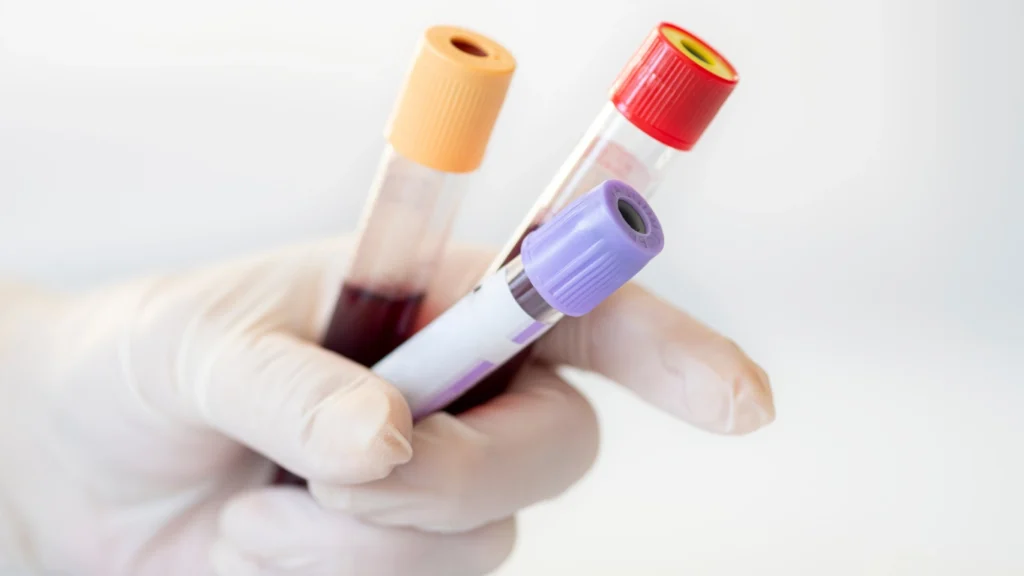
A standard serum B12 test is usually the starting point.
Many laboratories consider a level below 200 or 250 picograms per milliliter subnormal. Results between about 150 and 399 picograms per milliliter may require another test called methylmalonic acid, especially when symptoms strongly suggest deficiency.
Methylmalonic acid interpretation becomes more complicated when kidney function is reduced, which is another reason not to diagnose yourself from one number.
A clinician may also order a complete blood count, folate, ferritin, iron studies, or thyroid tests based on your symptoms and medical history.
The goal is not simply to find a low number. It is to discover why the number is low.
Someone with limited dietary intake may respond to oral B12. Someone with pernicious anemia or severe malabsorption may require injections or a medically supervised high oral dose.
Treatment doses for a confirmed deficiency can be far higher than ordinary nutritional needs. Do not copy a supplement dose from a hair video, since the correct form, dose, and route depend on your test results and the cause of deficiency.
Does Methylcobalamin Work Better Than Cyanocobalamin?
Supplement advertisements often claim that one special form of B12 is dramatically more absorbable.
Current evidence does not show meaningful absorption differences among common supplemental forms such as cyanocobalamin and methylcobalamin. Sublingual tablets have not been shown to work better than regular oral tablets either.
That means the most expensive bottle is not automatically the most effective.
Consistency, adequate dosing, and treating the reason for deficiency matter more than marketing language on the label.
Food Sources That Can Help Maintain B12
Adults generally need 2.4 micrograms of vitamin B12 per day. People with absorption problems may not be able to correct a deficiency through food alone.
| Food | Typical serving | Approximate B12 |
| Fortified nutritional yeast | One quarter cup, check the label | 8.3 to 24 micrograms |
| Cooked Atlantic salmon | 3 ounces | 2.6 micrograms |
| Canned light tuna | 3 ounces | 2.5 micrograms |
| Cooked ground beef | 3 ounces | 2.4 micrograms |
| Milk | 1 cup | 1.3 micrograms |
| Plain yogurt | 6 ounces | 1.0 microgram |
| Fortified breakfast cereal | 1 serving | About 0.6 microgram, depending on the brand |
| Cooked egg | 1 large | 0.5 microgram |
Vitamin B12 naturally occurs mainly in animal foods. People following plant based diets need dependable fortified foods or a suitable supplement rather than relying on vegetables, beans, fruit, or unfortified molasses.
Why PABA and Blackstrap Molasses Are Not the Proven Answer
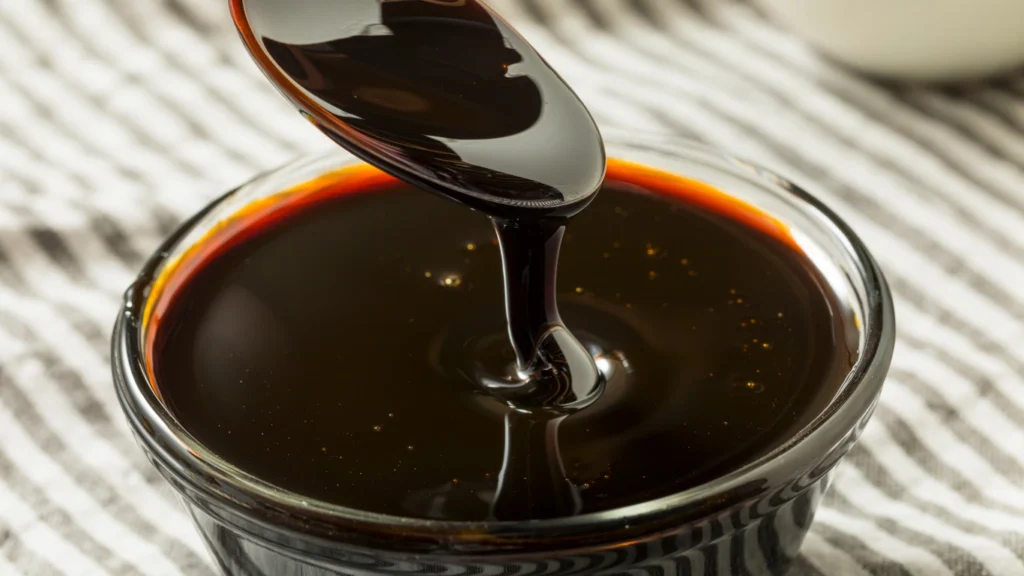
The reference story identifies PABA as “vitamin B10” and claims that it restores catalase, stimulates melanin, and reverses gray hair when consumed through blackstrap molasses.
Those claims go beyond the available evidence.
PABA is sometimes described online as vitamin B10 or vitamin Bx, but MedlinePlus states that it is not a true vitamin.
Small reports from the middle of the twentieth century described darkening of gray hair during PABA therapy, including a 1950 publication, but this is not equivalent to a modern controlled trial proving safe, durable reversal.
There is no established clinical protocol showing that a spoonful of blackstrap molasses restores follicle catalase or reverses ordinary gray hair.
Molasses can provide certain minerals, but it is not a dependable source of vitamin B12. Its PABA content is not standardized into a tested hair treatment dose.
It also contains sugar, which may be relevant for people living with diabetes or trying to control blood glucose.
Concentrated PABA supplements should not be treated as harmless. Large amounts have been associated with serious adverse effects, including liver and kidney problems, and PABA may interfere with sulfonamide antibiotics.
The Daily Habit That Actually Helps
Build evidence before buying
The Daily Habit That Actually Helps
Before trying another gray-hair supplement, create a clear record of visible changes, symptoms, medicines, diet, and appropriate testing. Evidence is more useful than a random supplement trial.
-
Use the same location, lighting, camera angle, and approximate distance each month so genuine changes are easier to compare.
-
Note fatigue, numbness, balance changes, mouth soreness, weakness, and memory problems.
-
Ask specifically about metformin, acid-reducing medicine, and any other regular medications that may be relevant.
-
Ask whether a complete blood count, serum B12, and methylmalonic acid test are appropriate. Your clinician may also consider thyroid, folate, or iron testing.
-
Use fortified B12 foods consistently on a plant-based diet, but do not rely on food alone when an absorption disorder is suspected.
This process gives you useful evidence. A random supplement trial usually does not.
Do You Really Need to Stop Dyeing Your Hair?

You do not need to abandon hair dye simply because your hair is gray.
Dye covers a cosmetic change. It neither diagnoses nor treats a vitamin deficiency.
The sensible pause suggested by the headline is a pause for assessment. If your graying has accelerated suddenly or appeared with other symptoms, investigate those changes before assuming another salon visit is the only answer.
Natural dyes such as henna are often gentler on the scalp but may fade sooner. Permanent and semi permanent synthetic dyes last longer, although some ingredients can cause irritation or allergic reactions.
Follow the product instructions and perform the recommended allergy test each time. Stop using a product if it causes burning, swelling, blistering, or a spreading rash.
There is no good evidence that ordinary hair coloring creates the internal vitamin deficiency responsible for gray hair. Choosing to color, blend, or embrace gray hair remains a personal decision.
When Gray Hair Should Lead to a Doctor Visit
Contact a healthcare professional promptly if gray hair appears with:
- Numbness, tingling, burning sensations, or new muscle weakness.
- Balance problems, repeated falls, confusion, or significant memory changes.
- Persistent exhaustion, breathlessness, palpitations, or unusually pale skin.
- Unexplained weight loss, severe hair shedding, digestive symptoms, or a painful swollen tongue.
Severe breathlessness, chest pain, fainting, sudden confusion, or difficulty walking requires urgent medical assessment.
How Long Would Repigmentation Take?
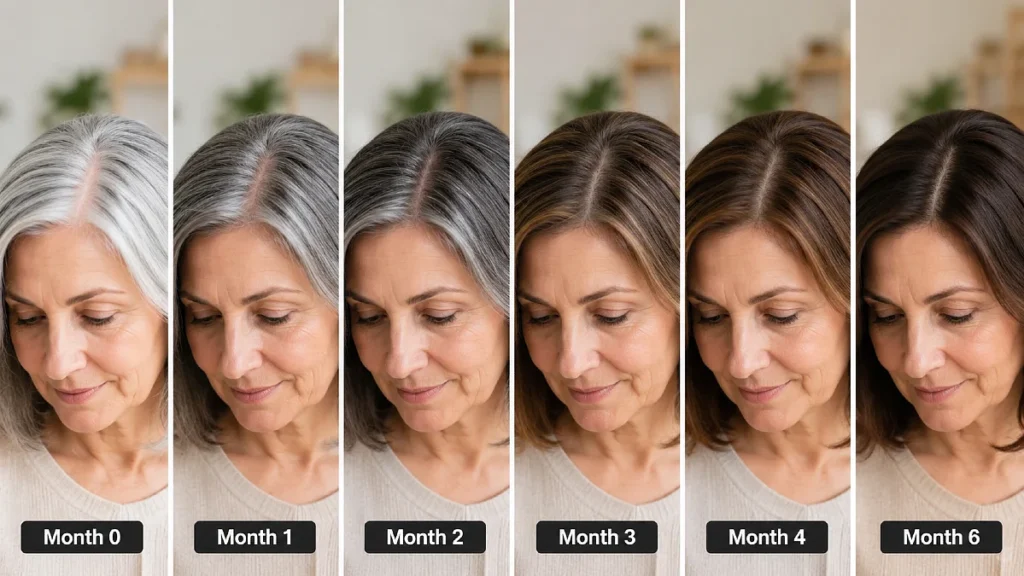
There is no evidence based timeline promising that B12 will darken your hair in eight weeks, three months, or any other fixed period.
Treatment can improve blood markers and many deficiency symptoms, but pigment recovery is far less predictable. Even when the follicle begins producing pigment again, the difference would appear gradually with new hair growth.
If your B12 level becomes normal but your roots remain gray, that does not mean treatment failed.
The main reason to correct deficiency is to protect your blood, brain, and nerves. Hair color is a possible secondary benefit in a small group of people, not the treatment goal.
The Honest Bottom Line
The one vitamin most worth investigating is vitamin B12, particularly when gray hair is unusually rapid or accompanied by fatigue, numbness, a sore tongue, weakness, or balance changes.
A confirmed deficiency can be treated, and rare pigment recovery has been documented.
For most adults over 60, however, gray hair reflects normal aging, inherited timing, and loss of follicle pigment activity. No vitamin, food, molasses drink, oil, or supplement has been proven to reverse that process reliably.
Check the deficiency before chasing the cure.
Then decide whether to color your hair, blend the gray, or wear it exactly as it is.
This article is for informational purposes only and is not a substitute for professional medical advice, diagnosis, or treatment. Consult your doctor or another qualified healthcare professional before changing your diet, beginning supplements, or altering prescribed medication, especially if you have diabetes, kidney disease, digestive disease, anemia, or neurological symptoms.