Have you ever tossed apple peels or carrot tops without a second thought? You’re throwing away nutrition gold.
Most of us waste these food parts daily, lacking concentrated sources of vitamins, antioxidants, and fiber that could transform our health.
What if those “scraps” could help fight cancer, lower cholesterol, and boost your immune system? Research shows food by-products often contain more nutrients than the parts we typically eat.
Good news: using these overlooked food parts is simple. From citrus peels to vegetable stems, these nutritional powerhouses can easily become part of everyday meals, saving money while improving your health and helping the planet.
1. Rich in Antioxidants
Photo Credit: Depositphotos
Those citrus peels you toss in the trash? They’re packed with flavonoids and polyphenols that fight oxidative stress in your body.
Orange, lemon, and lime rinds contain compounds that work to neutralize free radicals before they can damage your cells.
Fruit skins often contain higher concentrations of these protective compounds than the flesh itself. Apple peels, for instance, have up to six times more antioxidant activity than the inner fruit.
Even the papery skin of onions, which most people discard without a second thought, contains quercetin, a powerful antioxidant linked to reduced chronic disease risk.
Next time you make juice or eat an orange, save those peels for tea or zest. Grape skins can be simmered for a nutrient-rich drink. What seems like trash offers significant health benefits that your body will thank you for.
2. Boosts Digestive Health
Photo Credit: Depositphotos
Wheat bran and vegetable stems contain insoluble fiber that acts like a broom sweeping through your digestive tract.
This type of fiber adds bulk to stool and helps food pass more quickly through your stomach and intestines, preventing constipation and promoting regularity.
These overlooked parts of plants feed your gut microbiome too. The beneficial bacteria in your intestines ferment fiber, producing short-chain fatty acids that nourish colon cells and reduce inflammation.
Asparagus ends, broccoli stalks, and cauliflower leaves all provide this valuable fiber that many people simply throw away.
Your gut houses about 70% of your immune system, so keeping it healthy impacts your overall well-being.
Adding just a small amount of these fibrous by-products to your diet can improve digestive function and create a more balanced gut environment, which scientists now link to better mental health, stronger immunity, and reduced disease risk.
3. Anti-Inflammatory Properties
Photo Credit: Depositphotos
Onion skins and pineapple cores contain compounds that can help calm inflammation throughout your body. The quercetin in onion skins works to block inflammatory pathways at the cellular level, while bromelain from pineapple cores helps reduce swelling and pain.
These food parts we typically discard contain some of the most potent anti-inflammatory compounds found in nature. Watermelon rinds provide citrulline, which helps reduce muscle soreness.
Garlic skins contain allicin, a sulfur compound with anti-inflammatory effects that support joint health and may ease symptoms for people with arthritis.
Your body faces inflammatory challenges daily, from environmental toxins to stress and processed foods. By incorporating these food by-products into your meals, you provide your system with natural compounds that help maintain balance.
Something as simple as brewing tea from ginger peels or adding chopped broccoli stems to stir-fries gives your body tools to fight excessive inflammation.
4. Reduces Food Waste & Methane Emissions
Photo Credit: Depositphotos
Food scraps rotting in landfills release methane, a greenhouse gas 25 times more potent than carbon dioxide. Using food by-products in your cooking directly cuts these emissions by keeping organic matter out of waste streams.
One household reusing rather than discarding food scraps can prevent hundreds of pounds of waste yearly. This approach aligns with circular economy principles, where “waste” becomes a resource.
Carrot tops become pesto, apple cores transform into vinegar, and potato peels turn into crispy snacks. Commercial applications exist too, with companies creating new food products from what was once considered manufacturing waste.
Food waste costs the average family hundreds of dollars annually. By using more of what you buy, you stretch your food budget while helping the planet.
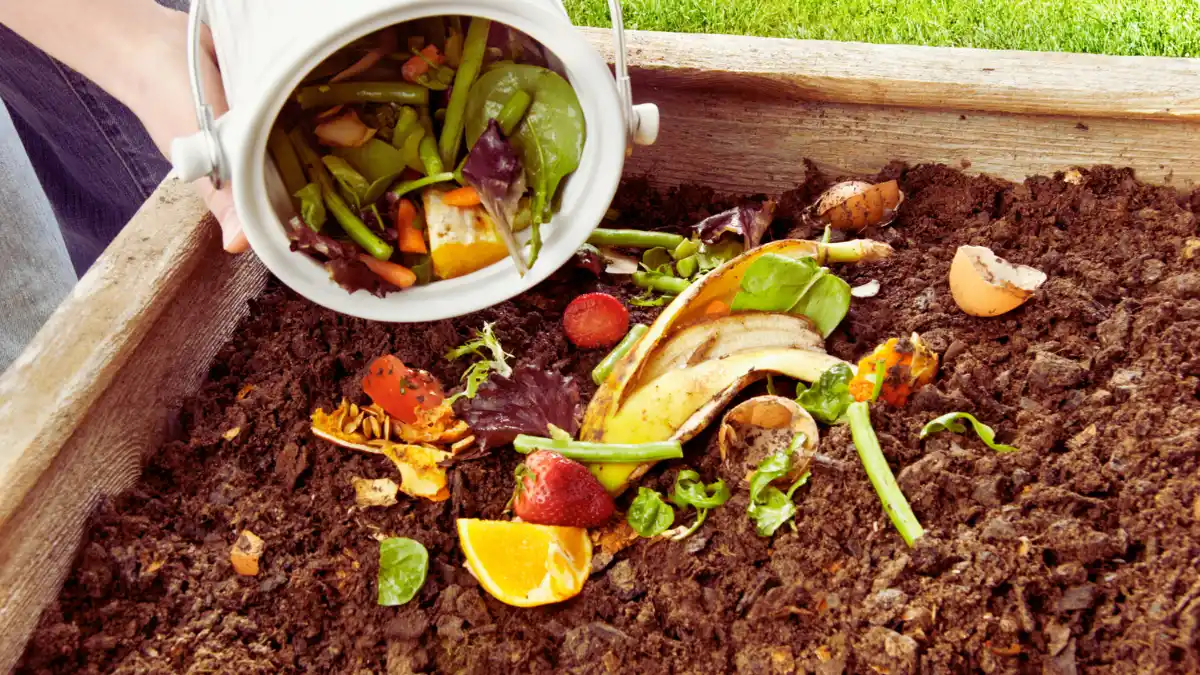
Composting whatever truly cannot be eaten returns nutrients to the soil instead of creating pollution. This simple shift in thinking about food scraps represents a win for both household budgets and environmental health.
5. Supports Heart Health
Photo Credit: Depositphotos
Oat bran and citrus peels contain soluble fiber that binds to cholesterol in your digestive system, helping remove it from your body before it enters circulation.
This process can lower LDL (bad) cholesterol levels by 5-10% when consumed regularly as part of a balanced diet.
The pectin in apple peels and citrus membranes helps maintain healthy blood pressure by improving blood vessel function.
These overlooked food parts also provide potassium, which counterbalances sodium and helps regulate blood pressure.
Many heart-healthy compounds concentrate in the parts we typically throw away, like the white pith of oranges or the outer leaves of cabbage.
Heart disease remains a leading health concern worldwide, but small dietary changes can make a big difference.
Adding food by-products to your meals provides concentrated sources of compounds that support cardiovascular health naturally.
Something as simple as leaving the peel on apples or using cauliflower leaves in soup delivers these benefits without medication.
6. Cost-Effective Nutrient Sources
Photo Credit: Depositphotos
Buying supplements can drain your wallet when many of the same nutrients exist in parts of foods most people toss away.
Beetroot stems contain iron, calcium, and vitamin A at a fraction of what you’d pay for those nutrients in pill form.
Apple pomace (the pulp left after juicing) delivers fiber and antioxidants that would cost significantly more as isolated supplements.
These nutrition powerhouses come free with foods you already purchase. Watermelon rinds provide citrulline, a compound that improves circulation and usually sells for premium prices as a pre-workout supplement.
Broccoli stems offer as much nutrition as the florets, but often end up in the trash. Even coffee grounds contain antioxidants that can be used in baking or as a meat rub.
Smart use of food scraps stretches your grocery budget without sacrificing nutrition. Families can save hundreds of dollars yearly by using more of what they buy.
The economic advantage becomes especially important for those on tight budgets who still want to maintain optimal nutrition without spending extra on vitamin pills or expensive “superfoods.”
7. Cancer Prevention
Photo Credit: Depositphotos
Various food by-products contain compounds that show promise in fighting cancer development. Wheat bran stands out for its impressive anti-cancer potential through multiple mechanisms. Its fiber, lignans, and phytic acid work together to create an environment hostile to cancer cells.
A 2023 study published in the Journal of Nutritional Biochemistry found that wheat bran extract inhibited colon cancer cell growth by 73% in laboratory tests.
The researchers identified that the lignans in bran interrupted cell division cycles in tumor cells while leaving healthy cells unaffected.
Additional research shows bran fiber reduces estrogen absorption in the digestive tract, potentially lowering breast cancer risk.
These protective effects extend to other common by-products, too. Grape seeds contain proanthocyanidins that lab studies show may help prevent skin, colorectal, and prostate cancers.
Orange peels provide limonene, which shows anti-tumor activity in animal studies. These cancer-fighting compounds often concentrate in the very parts we typically discard.
8. Enhances Immune Function
Photo Credit: Depositphotos
Your immune system gets powerful support from compounds found in food parts often destined for the garbage.
Banana peels contain vitamin B6 and soluble fiber that feed beneficial gut bacteria, which in turn support immune function. Broccoli stems provide sulforaphane, a compound that activates cellular defense systems.
These immune boosters work through various pathways in your body. The outer leaves of cabbage offer vitamin C levels comparable to citrus fruits.
Mushroom stems provide beta-glucans that stimulate immune cell activity. Onion skins supply quercetin, which helps regulate inflammatory responses during immune challenges.
Cold and flu season might feel less threatening when your diet includes these immune-supporting foods.
Adding citrus zest to morning oatmeal, grating broccoli stems into soups, or brewing tea from apple peels provides concentrated immune support.
The compounds work together, creating broader protection than single-ingredient supplements typically offer.
9. Sustainable Food Innovation
Photo Credit: Depositphotos
Food manufacturers now transform by-products into exciting new foods. Carrot pulp becomes crackers with a naturally sweet flavor and satisfying crunch.
Brewers’ spent grain turns into protein-rich flour for baking. These innovations create new food streams from what was once considered waste.
Creative cooks apply similar principles at home. Watermelon rind pickles, candied citrus peels, and vegetable scrap broths represent traditional wisdom that modern kitchens are rediscovering.
Aquafaba (the liquid from canned chickpeas) works as an egg white substitute in vegan baking. Each creative reuse prevents waste while adding nutrition and flavor to meals.
This approach to food extends beyond simple thrift to genuine culinary innovation. Restaurants increasingly feature dishes that showcase previously discarded ingredients, highlighting both sustainability and unique flavors.
The movement bridges traditional cooking wisdom (where nothing went to waste) with modern nutritional knowledge about these ingredients’ benefits.
10. Improves Soil Health via Composting
Photo Credit: Depositphotos
Food scraps that truly cannot be eaten still offer tremendous value through composting. Researchers at Cornell University found that soil amended with compost sequestered 25-60% more carbon than non-amended soils, directly fighting climate change.
Their 2022 study showed that fruit and vegetable compost specifically increased beneficial microorganism populations by over 400% compared to synthetic fertilizers.
The biological activity in compost-enriched soil creates a living ecosystem that suppresses plant diseases naturally. Minerals and nutrients cycle back into growing new foods in forms that plants can readily absorb.
Compost helps soil retain water, reducing irrigation needs and preventing erosion during heavy rains or drought conditions.
Gardens grown in compost-amended soil produce more nutritious food, completing a virtuous cycle. Heavy metals and toxins decrease in properly composted soil over time.
The practice connects urban food consumers with the soil health that sustainable food systems depend on, even for apartment dwellers using small-scale composting methods.
11. Fights Diabetes
Photo Credit: Depositphotos
Many food by-products contain compounds that help regulate blood sugar more effectively than their more commonly eaten counterparts.
Apple peels contain up to three times more non-extractable polyphenols (NEPs) than the flesh, compounds that slow carbohydrate digestion and absorption.
A groundbreaking study in the Journal of Agricultural and Food Chemistry demonstrated that apple pomace extract reduced blood glucose spikes by 35% compared to control groups.
The researchers identified that the NEPs in the pomace inhibited carbohydrate-digesting enzymes and improved insulin sensitivity at the cellular level. These effects potentially help prevent and manage type 2 diabetes more effectively than drugs alone.
Other helpful by-products include onion skins, which contain quercetin that research links to improved insulin secretion and sensitivity.
Bean pods provide resistant starch that feeds beneficial gut bacteria linked to better glucose regulation. Cinnamon bark (often discarded after making spiced drinks) contains compounds that mimic insulin action in cells. These simple additions to meals can make meaningful differences in blood sugar management.